


“`html
Introduction and Setting
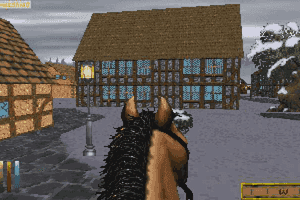
Released in 1996, this fantasy role-playing video game was developed by Bethesda Softworks LLC. It serves as the second installment in the acclaimed Elder Scrolls series. The immersive open-world design invites players to explore the expansive province of High Rock and the Iliac Bay area within the fictional realm of Tamriel.
Gameplay and Mechanics
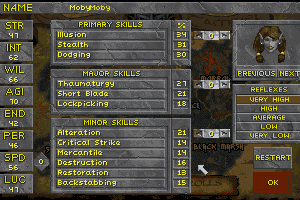
The game offers a vast and intricate experience by providing an extensive world filled with cities, towns, dungeons, and quests. It is renowned for its non-linear gameplay, allowing players the freedom to roam across the large map and engage in myriad activities, far beyond the central plot. The character creation is highly detailed, featuring a range of skills that cater to varied playstyles, be it combat, magic, or stealth.
Technical Aspects
Using procedural generation, the developers crafted one of the largest game worlds at the time, a feature that remains remarkable to this day. While this allowed for an expansive and engaging landscape, it also introduced numerous technical challenges, including a myriad of bugs upon release.
Historical Significance and Impact
The title is significant within the gaming industry for setting precedents in terms of game size and complexity. Its open-world model influenced numerous future games and cemented Bethesda’s reputation as a forerunner in the RPG genre. Daggerfall allowed players unprecedented freedom, and its vastness and depth are still remembered fondly by its fanbase.
Development Trivia
During its development, the title faced multiple delays, primarily due to the ambitious scope and technical hurdles. Despite these obstacles, the game was completed and achieved cult status among RPG enthusiasts. Its legacy endures, with nostalgic players often revisiting the game through modern re-releases and fan-made patches that address earlier technical issues.
“`