

Historical Context & Trivia
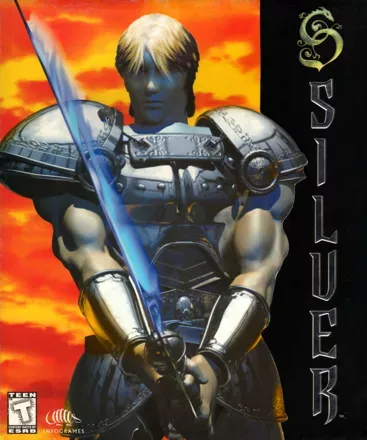
Silver (1999) is a fantasy action-RPG for Windows that follows a party-led quest in the land of Jarrah, centering on the sorcerer Silver and the rescue of the abducted women, with the story framed around a conflict between good and evil. The game has remained notable primarily as a late-1990s PC fantasy title with a distinctive, linear cinematic structure rather than as a genre-defining blockbuster.
Infogrames UK Ltd. developed the game, and the broader Infogrames publishing label handled its release across PC and later ports. Documentation also indicates the project began in the mid-1990s and emerged from a UK-based development team in Manchester, which gives it a place in the era of European action-RPG production just before the Dreamcast and broader multiplatform porting wave.
Gameplay & Technical Features
Silver uses a party-based Role-Playing structure with action-oriented combat, exploration, and progression through a scripted fantasy storyline. Its design leans toward guided adventure flow rather than open-ended systems, with the player advancing through set-piece encounters, character-driven objectives, and enemy battles tied to the main rescue narrative.
On Windows, the game was built for late-1990s PC hardware and presented with the era’s 3D fantasy presentation, combining character models, environmental traversal, and pre-rendered or real-time cinematic styling typical of the period. The audio-visual framework reflects a transitional PC release: ambitious for its time, but still shaped by the performance and interface conventions of late DOS-to-Windows-era RPG design.
Collector’s Value & Rarity
Silver is not generally treated as a top-tier mass-market collectible, but it does attract interest as an original 1999 PC fantasy RPG, especially among players of late-1990s European action-role-playing games. Scarcity is usually tied more to condition, completeness, and regional distribution than to extreme rarity.
Collector interest rises when the copy includes its original box, manual, and disc media, since PC releases from this period often varied by region and packaging style. Known release data points to multiple territories and later reissues, so the most desirable versions are typically complete early print editions rather than later digital or compilation releases.