
Overview
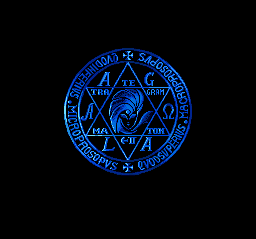
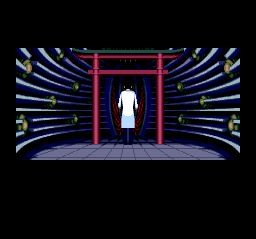
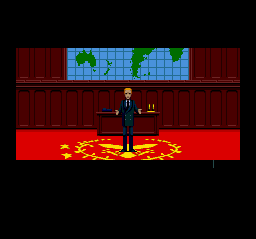
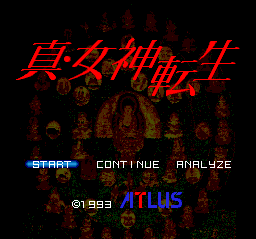
Released in 1993 by Atlus Co., Ltd., this iconic RPG game is a cornerstone in the evolution of role-playing games. Set in a post-apocalyptic Tokyo, the game weaves a narrative filled with supernatural entities drawn from various mythologies and religions, placing players in the midst of a battle between gods, demons, and humans.
Gameplay
Players assume the role of a protagonist who navigates a world teetering on the brink of chaos. The game features a turn-based combat system, where strategy is key. Players can summon and negotiate with demons, use magic spells, and explore dungeons. The fusion system allows players to combine demons to create more powerful allies, adding depth and replayability.
Historical Significance
The game’s release marked a significant moment in gaming history. It was influential in popularizing dark, mature themes in RPGs and introduced a unique alignment system (Law, Chaos, Neutral) that affects the storyline and endings, a concept that was revolutionary at the time. This provided players with moral choices that had real consequences on the game’s outcome.
Development and Reception
Developed by Atlus, the game utilized the resources from the Japanese home computer rpg scene, setting itself apart with an intricate narrative and a rich, atmospheric setting. It received critical acclaim for its storytelling, music, and innovative mechanics. Although the graphics were typical of the era, the depth of gameplay and the narrative complexity were praised by gamers and critics alike.
Legacy
The game’s impact is lasting, credited for influencing many subsequent RPGs. Its legacy includes inspiring numerous sequels and spin-offs, contributing significantly to the longevity and popularity of its series. It stands as a testament to the creativity and ambition of its developers and remains a cherished classic among RPG enthusiasts.