

“`html
Overview
In the late 1980s, the gaming industry saw the release of many distinct titles that paved the way for future developments in the field. One of these was ‘Inquisitor: Shade of Swords‘, a game that sought to blend atmospheric storytelling with strategic gameplay. Released in 1987, this title is reflective of the era’s ambitious yet nascent attempts at creating immersive gaming experiences.
Gameplay
The game is primarily a strategy-based adventure where players assume the role of an inquisitor tasked with uncovering secrets and fighting against dark forces. The game unfolds in a series of quests set in a medieval-fantasy world, where decision-making and tactical prowess are crucial for advancement. Players must strategically manage their resources, gather information, and engage in combat with enemies using a variety of renowned swords that possess unique capabilities.
Graphics and Sound
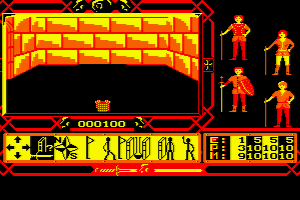
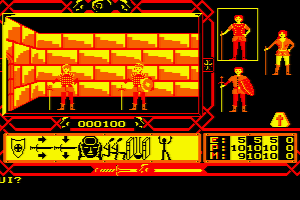
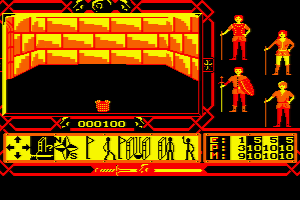
For its time, the graphics of the game were seen as ahead of the curve, utilizing pixel art to create detailed and atmospheric settings. The sound design complemented the visuals, with melodies and sound effects that enriched the immersive quality of the gameplay. While limited by the technology of the 1980s, the game managed to captivate players with its artistic direction.
Historical Context
The release of the game in 1987 came during a period when video games were rapidly maturing as both an art form and a mode of entertainment. The developers pushed the boundaries of storytelling and gameplay mechanics, contributing to discussions about how genre-blending could enhance player engagement. Though not as widely known as some other titles from the same period, it left a lasting impression on those who experienced its unique world.
Legacy
While it may not have achieved blockbuster status, the game’s innovative approach to narrative-driven gameplay and strategic elements garnered a cult following. In retrospect, it serves as an example of the creative risks developers were willing to take in the quest for more dynamic and engaging video games during the formative years of the industry.
“`