





























Historical Context & Trivia
Final Fantasy VIII and 1999 arrived at a pivotal moment for the PlayStation, when Square was pushing the series toward more cinematic presentation, higher-fidelity character models, and a more dramatic, contemporary tone. It became one of the most visible late-era PS1 role-playing games, and its blend of military fantasy, science-fiction imagery, and romance helped define how ambitious Japanese RPGs could look and feel on 32-bit hardware.
Development at Square began in 1997, while the company was still working through the English-language localization of Final Fantasy VII, and the project was positioned as a major next step for the franchise. Historical accounts also note that production costs were exceptionally high for the time, reflecting the scale of its cinematics, music, and presentation-focused design.
Gameplay & Technical Features
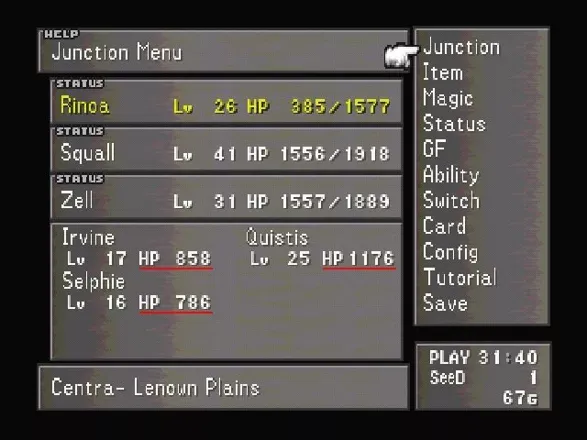
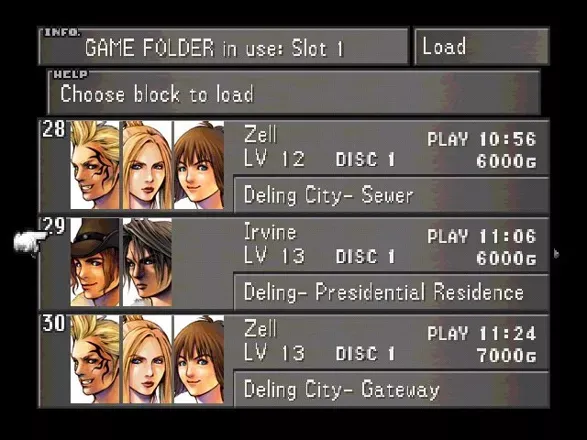
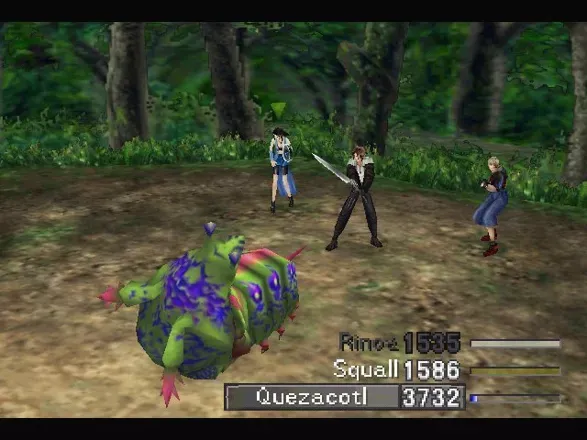
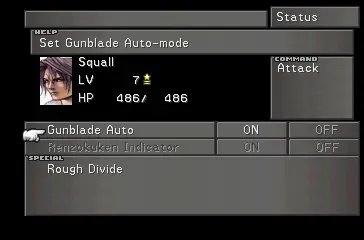
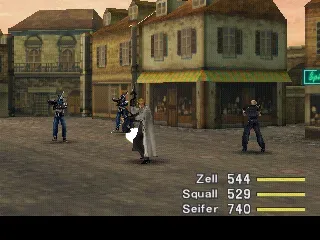
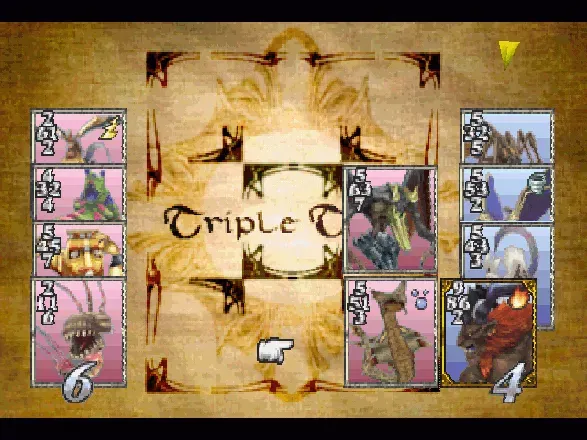
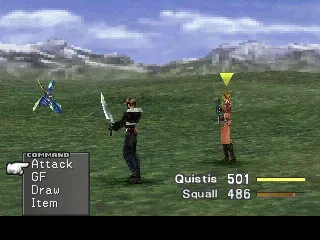
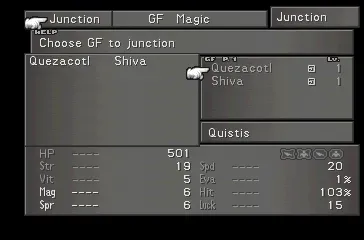
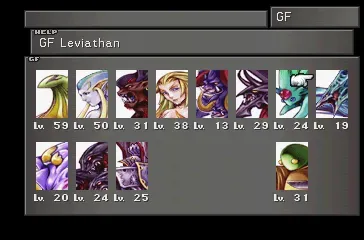
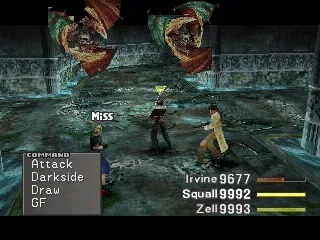
This Role-Playing game centers on party-driven exploration, turn-based battles, and the distinctive Junction and Draw systems, which tie character growth to collected magic rather than traditional level-and-gear progression alone. Guardian Forces, summons, and stat customization give it a strategic structure that rewards optimization as much as menu mastery.
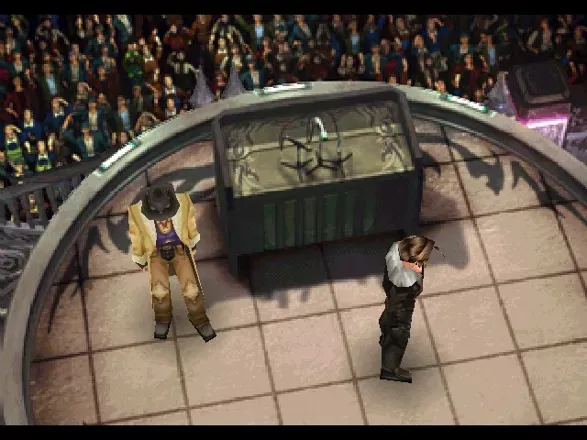
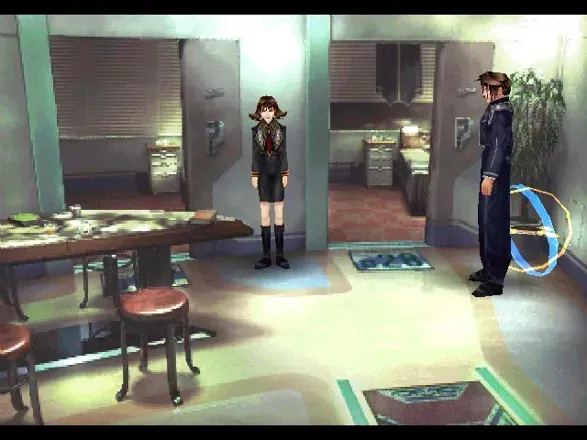
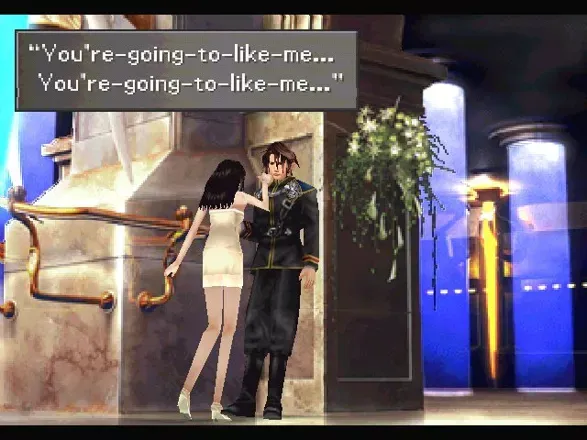
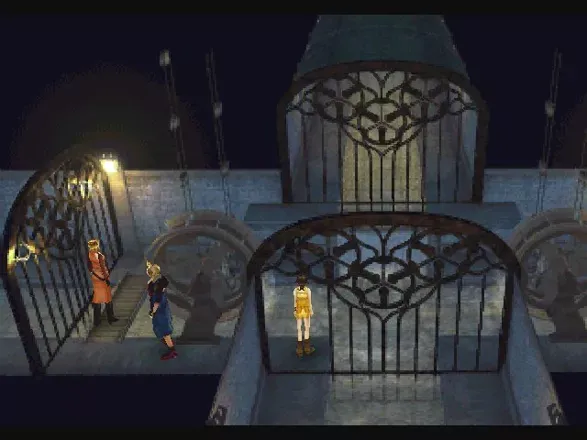
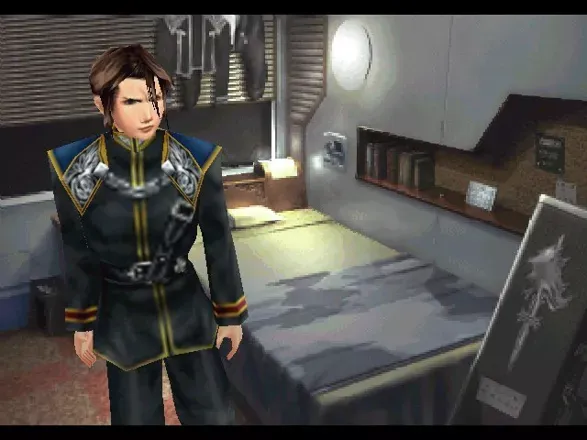
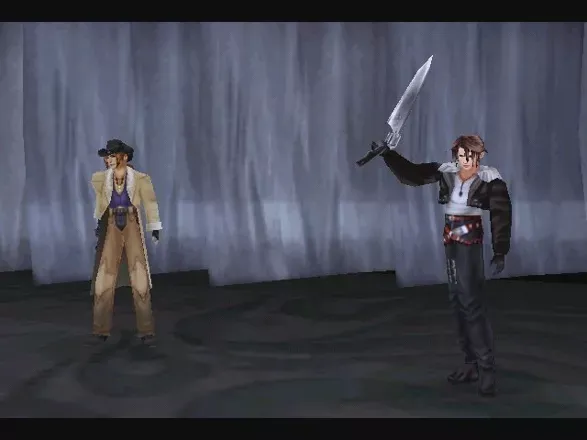
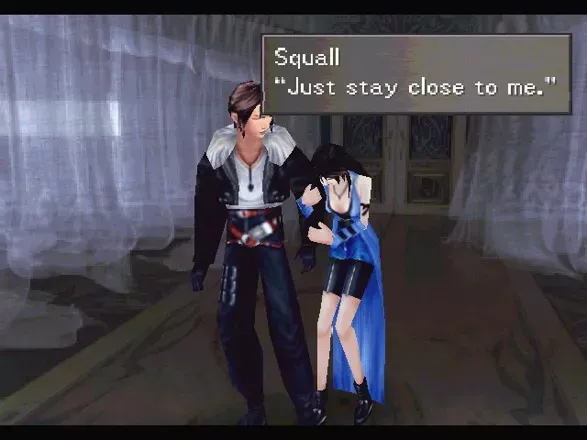
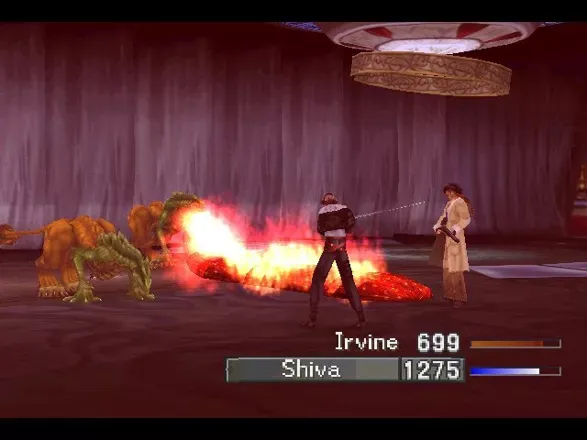
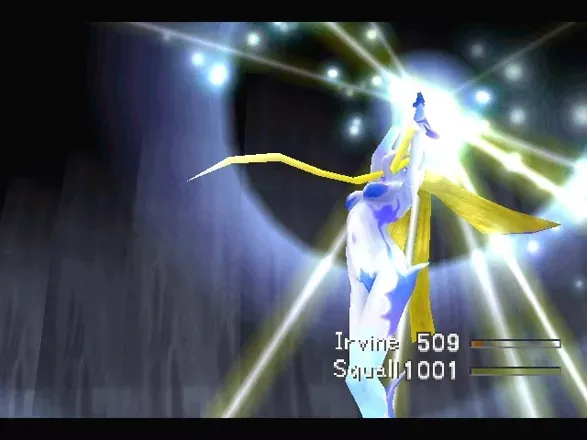
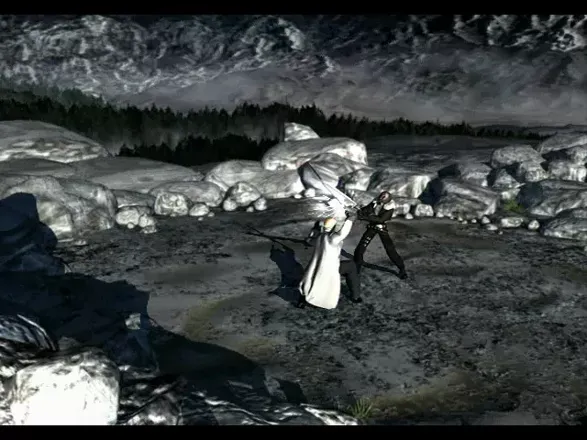
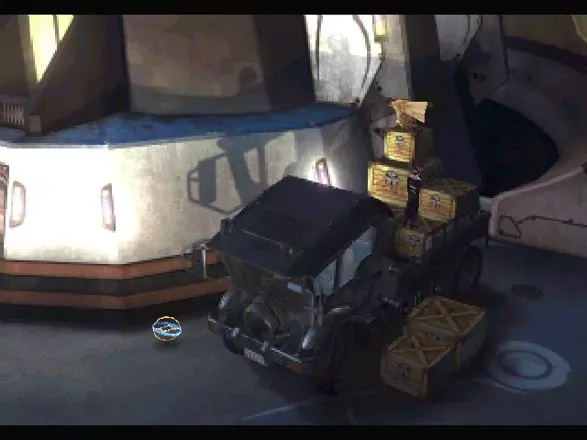
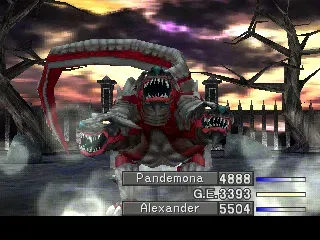
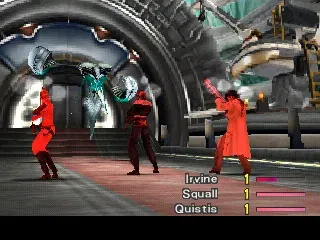
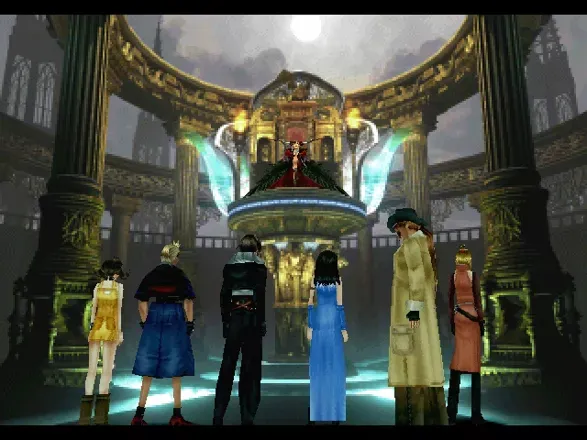
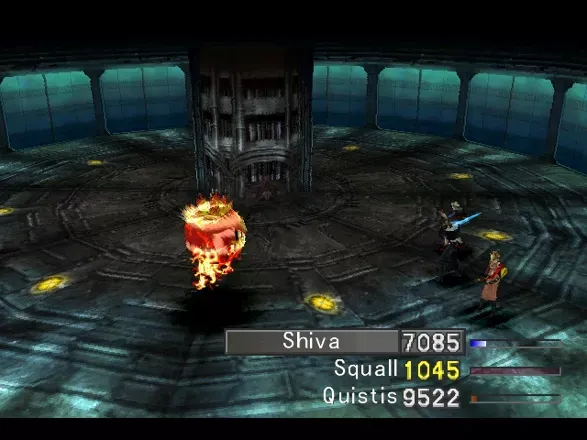
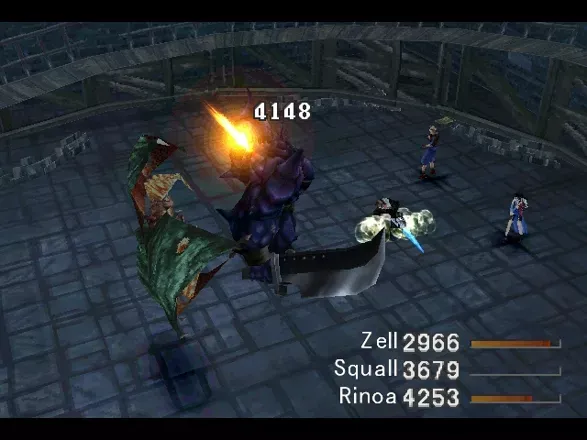
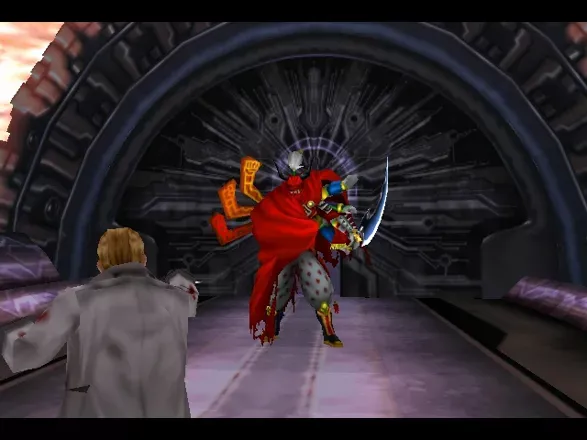
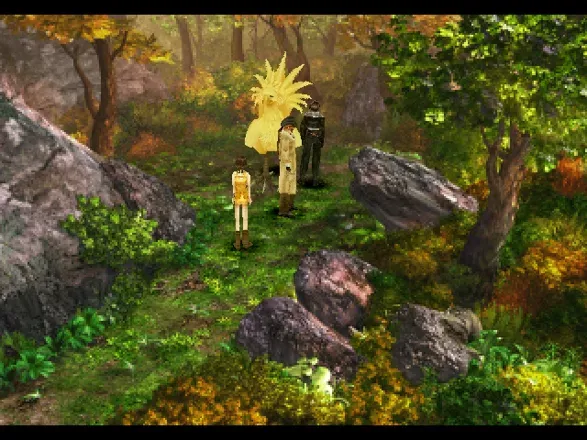
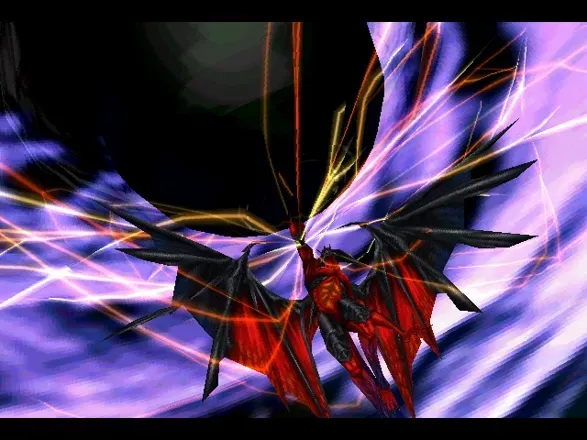
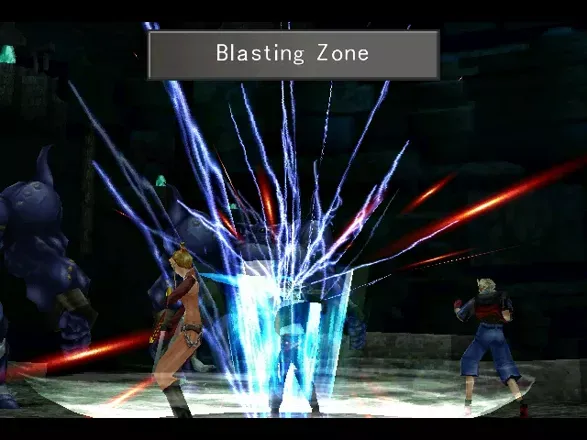
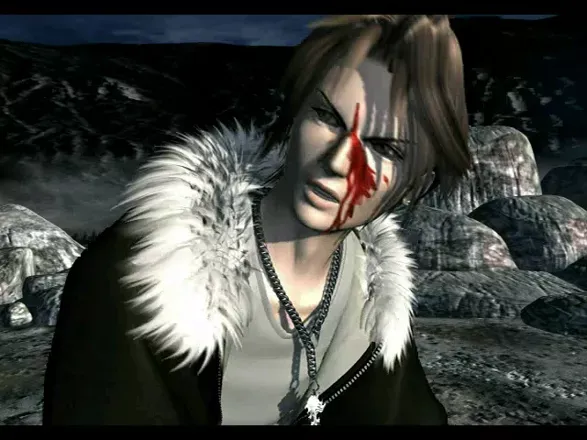
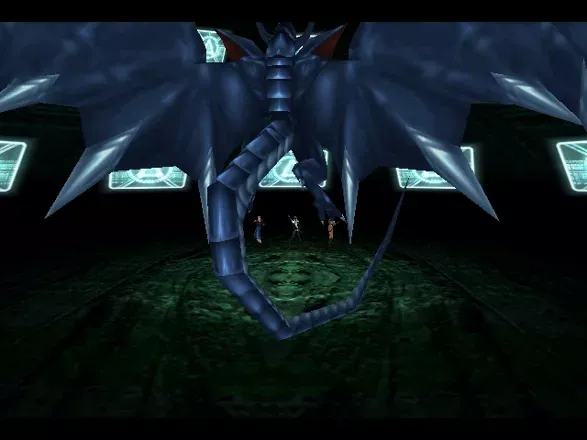
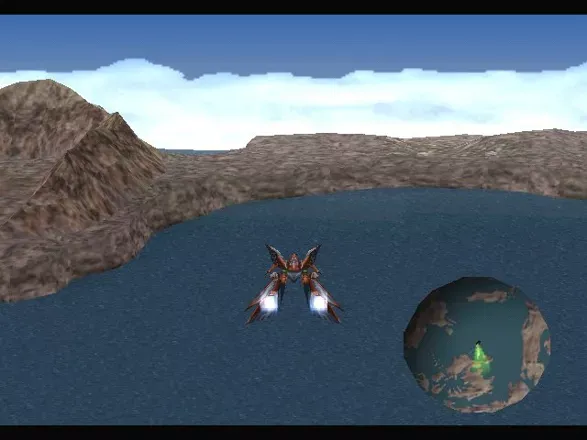
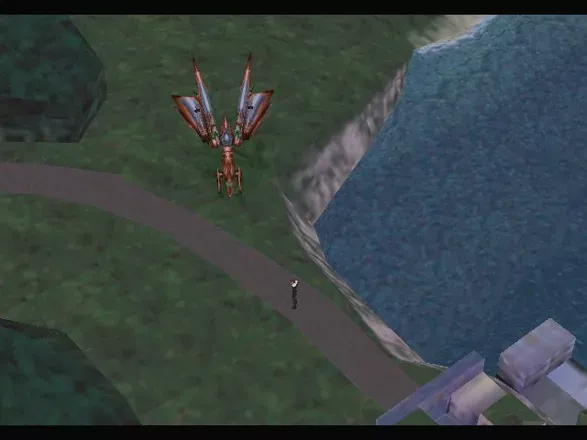
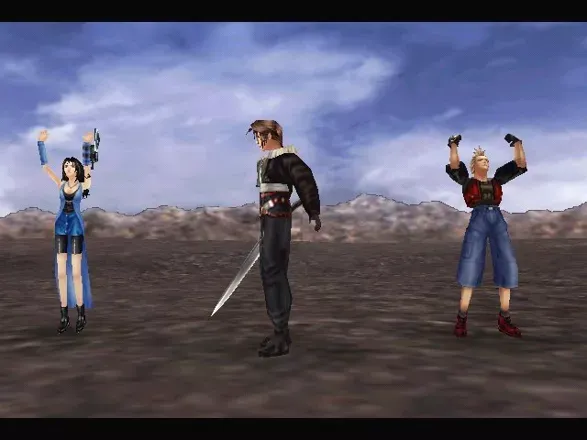
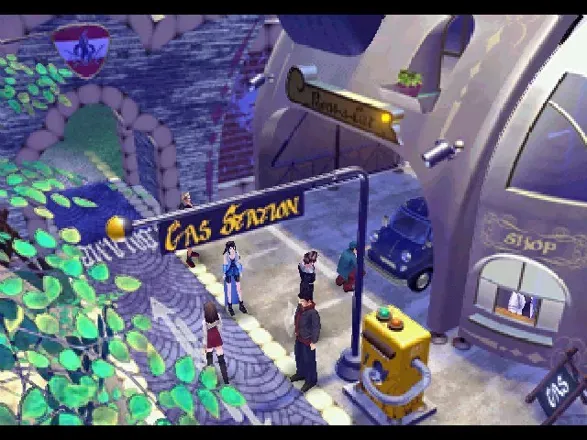
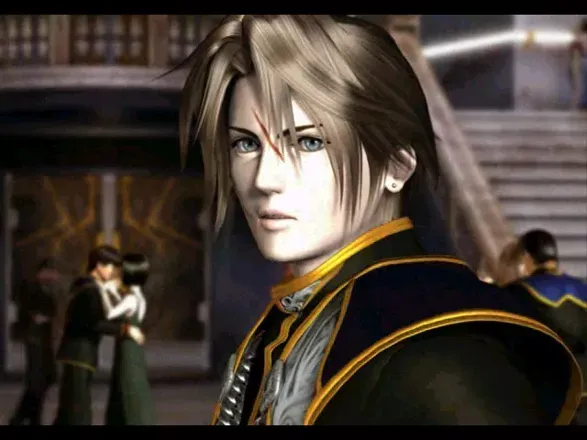
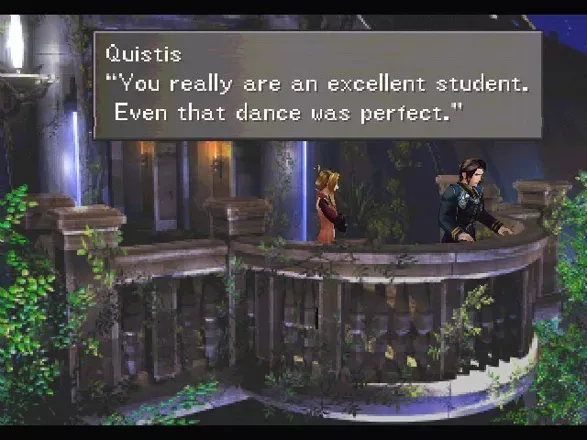
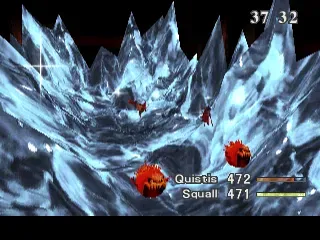
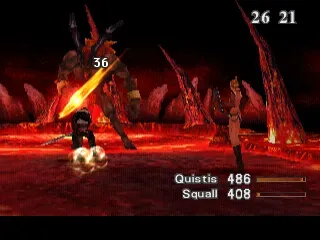
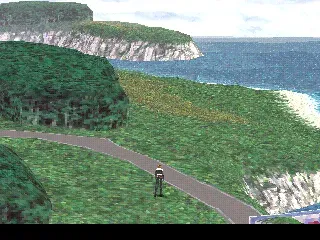
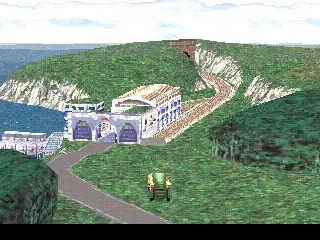
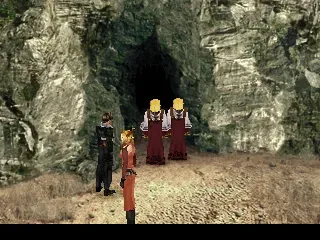
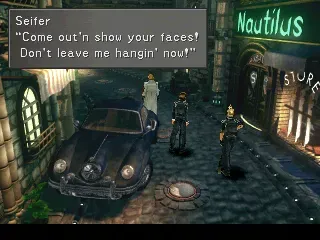
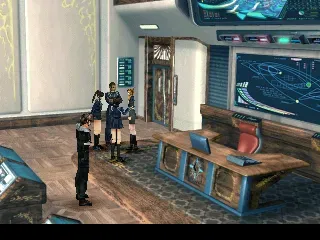
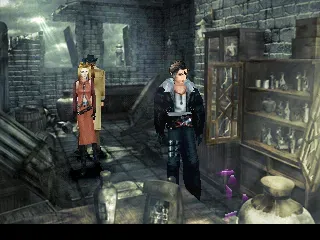
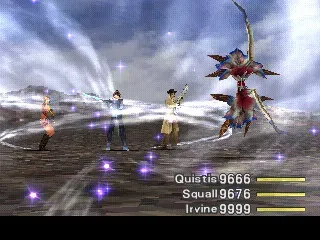
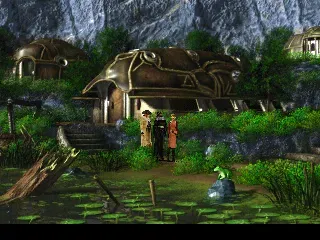
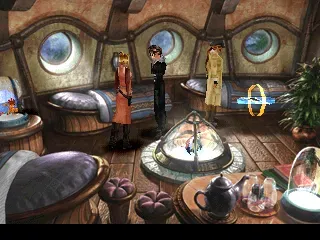
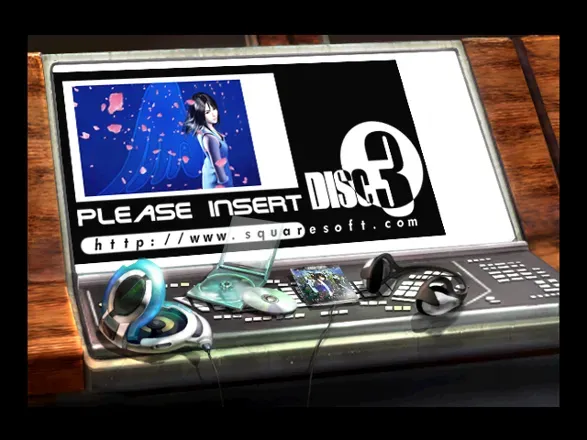
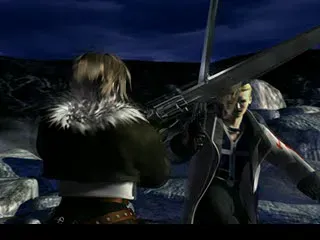
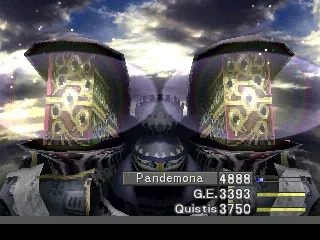
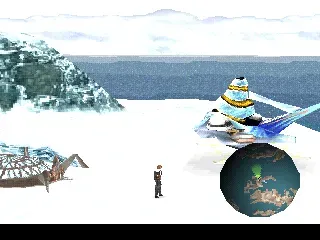
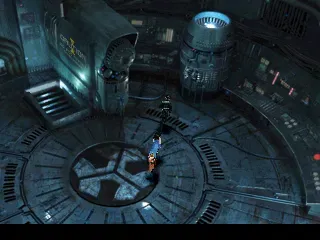
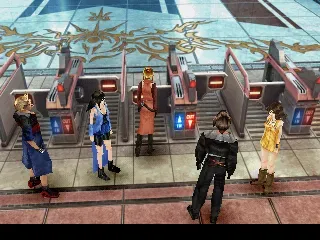
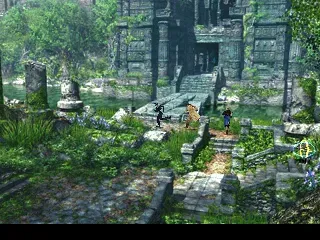
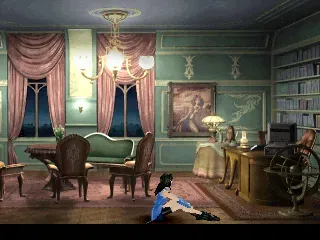
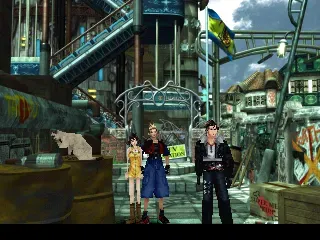
On the PlayStation, the game used four discs and leaned heavily on pre-rendered backgrounds, real-time polygon characters, and seamless transitions into full-motion video. Its audiovisual presentation was unusually ambitious for the system, with detailed spell effects, stylized character animation, and a soundtrack that reinforced the contrast between sleek futurism and fantasy worldbuilding.
Collector’s Value & Rarity
Final Fantasy VIII is not rare in the strict sense, but complete and clean retail copies have steady collector demand because the game remains one of the defining late-generation PlayStation RPGs. Value is strongest for well-preserved copies with intact discs, original inserts, and minimal case wear, especially in markets where big-box PS1 software has become increasingly harder to find in excellent condition.
Regional packaging differences matter to collectors, particularly across Japan, North America, and PAL releases, which can differ in cover design, disc labeling, and localization details. Original physical collateral such as the manual, registration inserts, and multi-disc set consistency adds noticeably to desirability, especially for display-focused or completeness-driven collections.