


Historical Context & Trivia
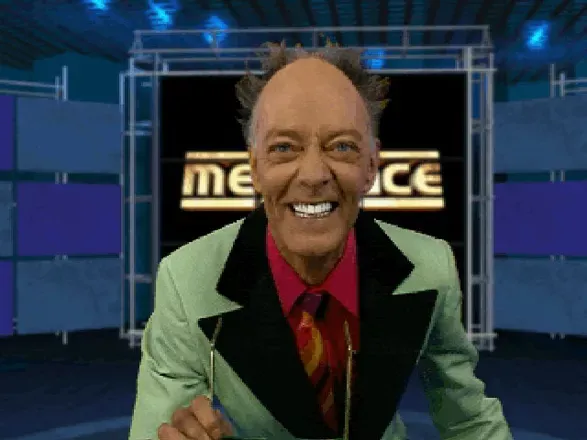
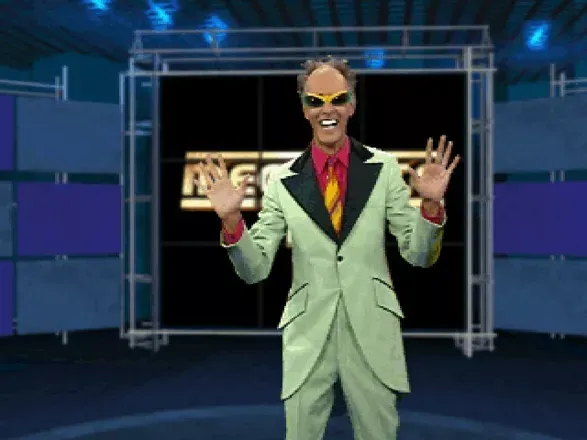
MegaRace 2 (1996) is a Cryo Interactive Entertainment sequel in the sci-fi racing and vehicular combat lane, continuing the televised futurist spectacle established by the original MegaRace. It was released for DOS and is remembered for leaning hard into its game-show framing, with the returning host-style presentation and a sharper emphasis on spectacle, speed, and weaponized competition.
Mindscape, Inc. handled publication for the DOS release, and later cataloging by Anuman Interactive SA reflects the broader afterlife of the Cryo back catalog. The game sits squarely in the mid-1990s PC era when hybrid presentation—mixing pre-rendered environments, real-time 3D elements, and FMV-style broadcast framing—was a major part of Cryo’s identity.
Gameplay & Technical Features
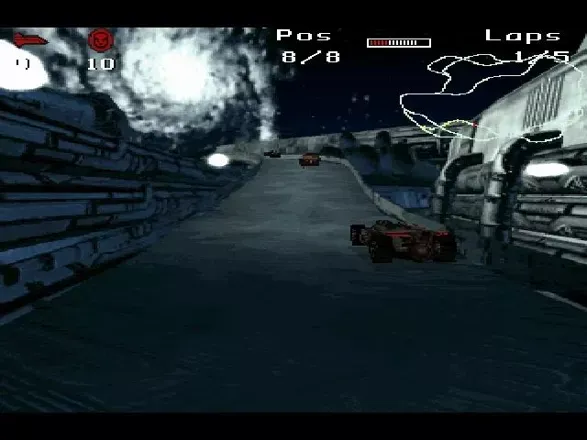
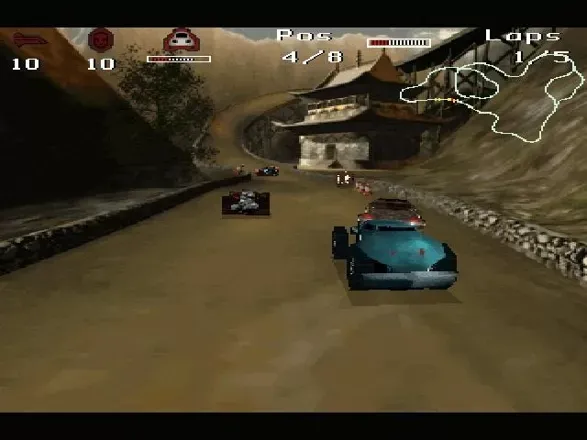
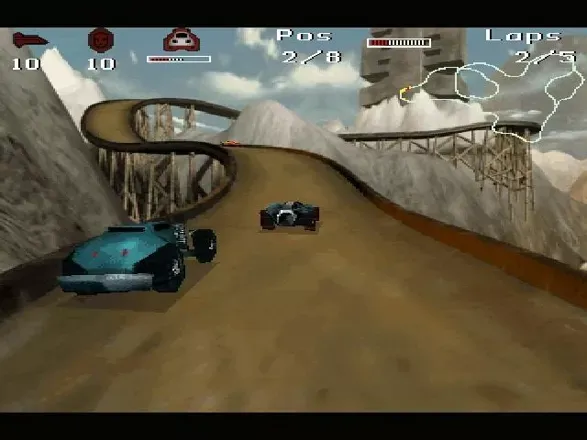
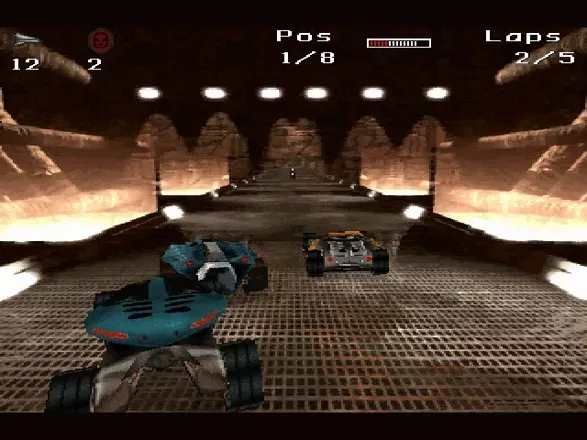
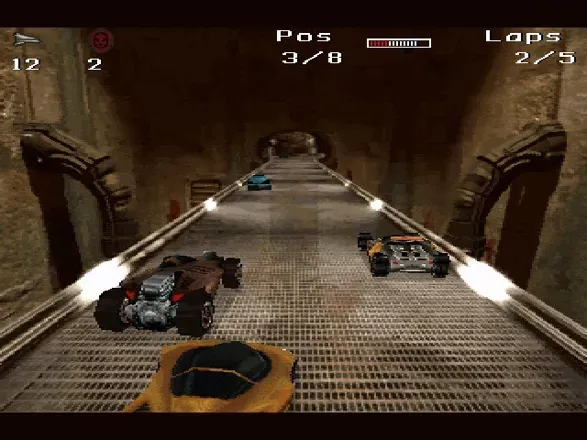
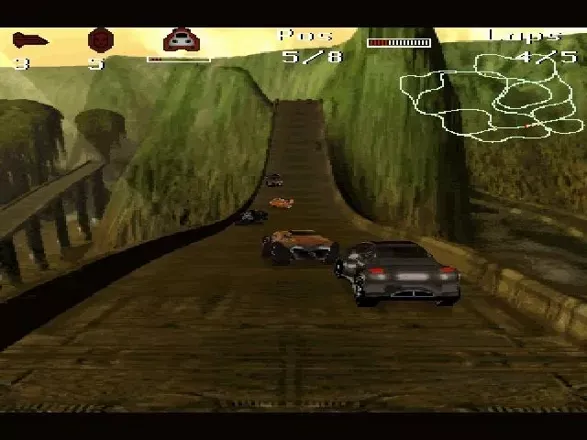
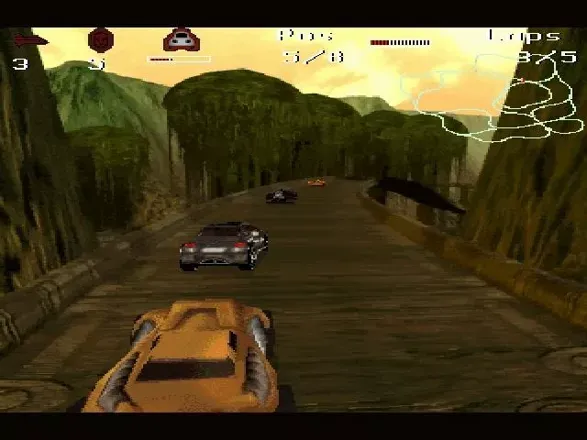
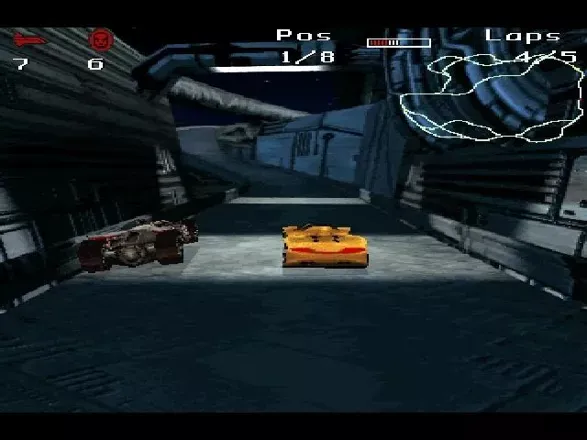
As a racing/driving title, MegaRace 2 combines futuristic track racing with combat systems: players compete against AI opponents, use weapons, and aim either to finish first or disable rivals. The structure is built around arcade-style aggression rather than simulation realism, making it closer to a high-concept combat racer than a conventional motorsport game.
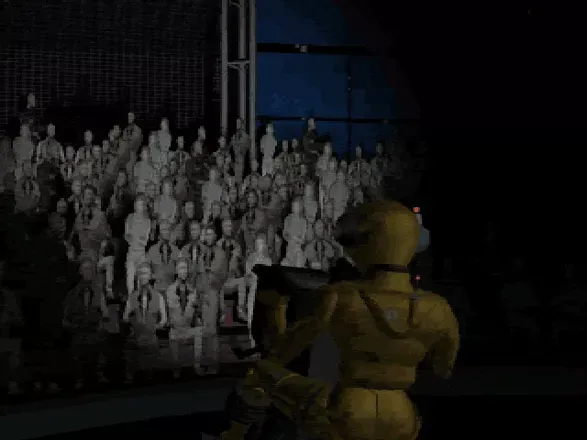
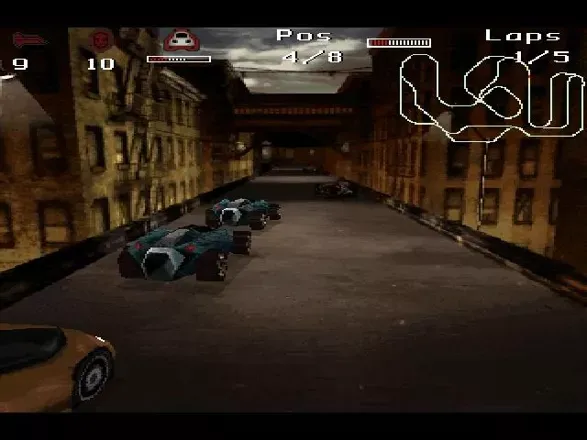
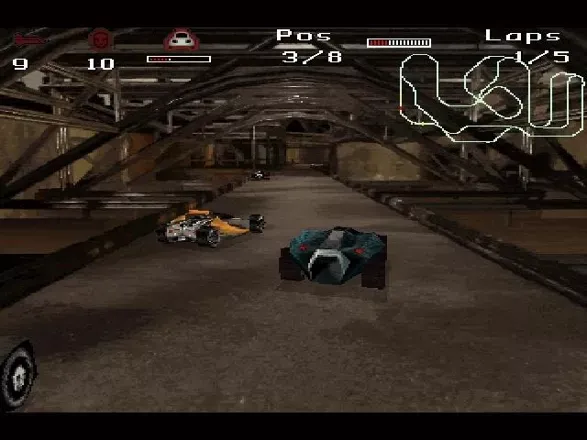
On DOS, the game uses a distinctive technical split: the cars are rendered in real time in 3D, while the tracks are presented as pre-rendered environments. That approach gives the game its detailed look while constraining scenery interaction, and the audiovisual presentation is reinforced by full-motion-video-style TV segments between races and a sci-fi broadcast aesthetic that was characteristic of Cryo’s production style.
Collector’s Value & Rarity
MegaRace 2 is not usually treated as an ultra-rare lost artifact, but it is a desirable late-era DOS release with steady collector interest, especially in complete big-box form. Market listings show modest loose-disc pricing, while complete boxed copies can command noticeably higher values depending on condition and completeness.
Collector value rises when the original box, manual, and both CD-ROM discs are present, since DOS-era PC packaging is often incomplete in surviving copies. Regional and retail variants may differ in artwork or release labeling, but the most sought-after examples are generally the fully preserved North American-style retail sets with original inserts intact.