

Overview
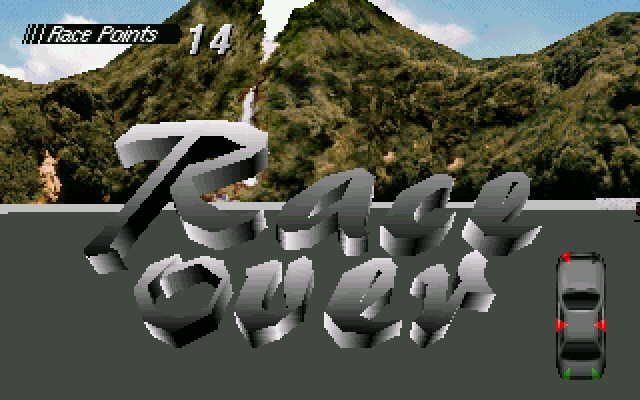
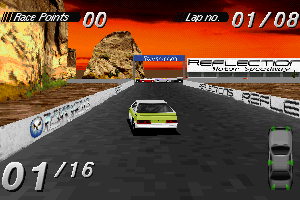
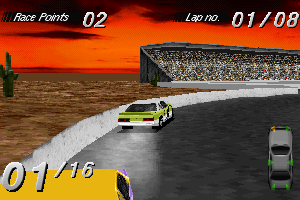
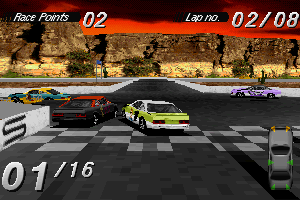
Destruction Derby, developed by Reflections Interactive Limited and released in 1995, is a vehicular combat racing game that debuted on the original PlayStation, Sega Saturn, and PC platforms. The game places players in the fast-paced and thrilling environment of demolition derby races, where the objective is not merely to finish first but to survive the chaos on the track.
Gameplay
The game offers several game modes, each designed to maximize the level of destruction and competition. Players navigate through enclosed arenas and winding tracks, where aggressive driving and strategic planning are key to success. The game features realistic car damage, affecting performance and handling, providing an authentic demolition derby experience.
Game Modes
- Wreckin’ Racing: Combines traditional racing with the objective of causing the most damage to opponents’ vehicles.
- Stock Car Racing: A more conventional race with a focus on finishing in top positions while dealing with the chaos of other racers.
- Destruction Derby: A free-for-all mode where the primary goal is to destroy other cars in an arena setting.
- Time Trial: Solo gameplay mode focusing on achieving the best time on a course without the interference of opponents.
Historical Significance
As one of the earliest titles in the vehicular combat genre, this game gained popularity through its unique blend of racing and destruction. It was lauded for its innovative approach towards car physics and damage modeling, which was relatively advanced for its time. The success of the game contributed significantly to Reflections Interactive’s reputation and paved the way for future titles in similar genres.
Development Insights
The game was developed by Reflections Interactive Limited, a studio known for emphasizing detailed vehicle physics and engaging gameplay experiences. The technical achievements in simulating real-time damage mechanics were noteworthy, setting a precedent for subsequent racing titles. The development team’s focus on realism and player immersion was critical in elevating the game’s appeal and maintaining its enduring legacy.