

Gameplay Overview
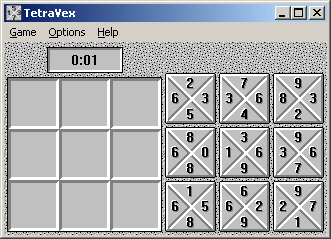
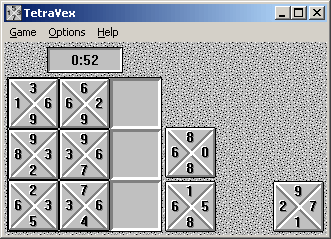
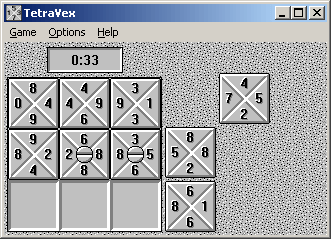
This puzzle game features a simple yet engaging concept where players must arrange tiles within a grid. Each tile has numeric values on its sides, and the primary goal is to ensure that adjacent tiles have matching numbers. It’s a test of spatial awareness and logical thinking, challenging players to find the perfect configuration.
Game Mechanics
The grid sizes can vary, typically ranging from a 2×2 to a larger setup. The tiles’ arrangement requires not only number matching but also an efficient use of space within the grid. Players often work against the clock, adding an element of pressure and excitement as they strive for the optimal solution.
Visual and Audio Presentation
The graphics are minimalistic, focusing on clarity and ease of understanding. This stripped-back style ensures players can concentrate on the puzzle-solving aspects. The audio elements are subtle, designed to enhance the experience without overwhelming the user.
Historical Context
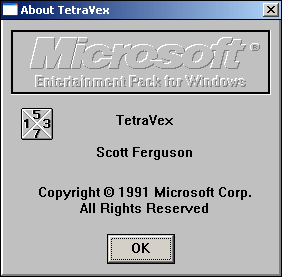
Released in 1991, this game represents a classic era of puzzle games, where simplicity and depth were paramount. It reflects the game design philosophy of the early ’90s, focusing on cerebral engagement over flashy graphics.
Legacy
Although not the most well-known game of its era, it remains a beloved title among puzzle enthusiasts. Its straightforward design and challenging gameplay have ensured it maintains a niche yet dedicated fan base, influencing numerous other puzzle games that followed.