
Overview
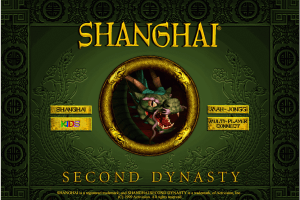
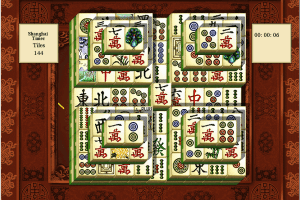
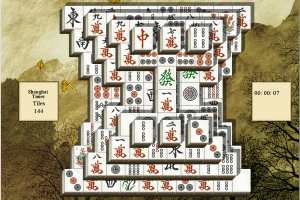
Shanghai: Second Dynasty is a puzzle video game developed by Quicksilver Software, Inc. and released in 1999. It is part of the popular Shanghai series, which is based on the traditional Chinese game of Mahjong. This particular installment expands on the classic tile-matching puzzle mechanics by introducing new modes and challenges.
Gameplay
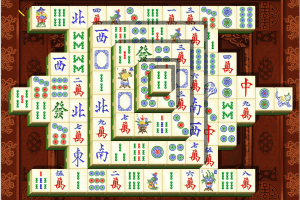
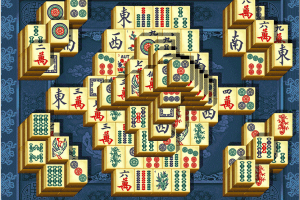
The game offers a variety of play modes, which are designed to cater to both newcomers and experienced players alike. Central to its appeal is the intricate and visually engaging tile layouts that players must clear by finding matching pairs. The game features several variations of Mahjong Solitaire, each with unique objectives and rules that enhance replayability.
Features
- Multiple Game Modes: Includes Classic Shanghai, Dynasty Adventure, and Pandemonium, among others.
- Diverse Tile Sets: Offers a range of tile designs, allowing players to choose themes that suit their personal aesthetic preferences.
- Progressive Challenges: Increasing levels of difficulty provide continual engagement for players looking to test their skills.
- Multiplayer Capabilities: Allows players to compete against friends, adding a social dimension to the gameplay.
Development and Historical Context
The late 1990s was a period of innovation within the puzzle genre, and this game benefited from advances in user interface design and hardware capabilities available at the time. Developed by Quicksilver Software, Inc., the game epitomizes the studio’s expertise in creating engaging and intellectually stimulating titles. While not a groundbreaking release compared to some peers, it reinforced the allure of digital adaptations of traditional games, paving the way for future installments and similar titles.
Reception and Legacy
Though not the most critically acclaimed or widely discussed game of its era, the game garnered a solid fan base among enthusiasts of puzzle games. Its incorporation of new features into a well-loved format helped maintain the relevance of Mahjong-based video games amid the increasing competition of that period.