

Overview
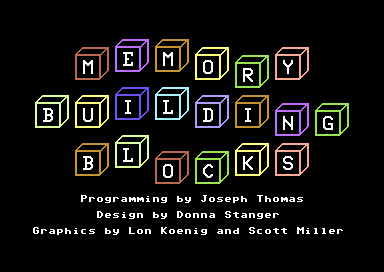
Released in 1986, this game challenged players with a unique and engaging puzzle experience for its time. It combined elements of memory and strategy, requiring both quick thinking and careful planning to succeed. Though not a blockbuster hit, it enjoyed a modest following for its innovative gameplay that stood out among other titles of the era.
Gameplay Mechanics
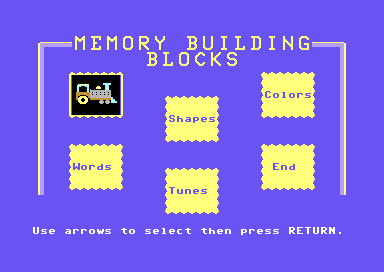
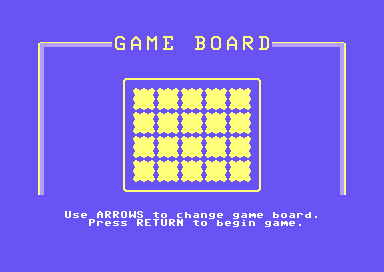
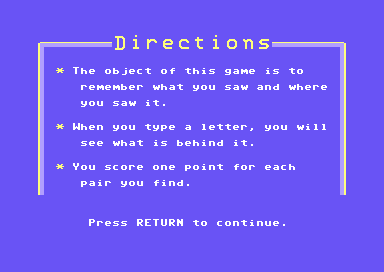
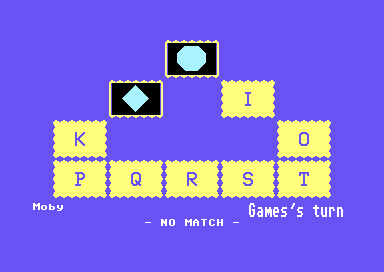
The core gameplay involved players arranging blocks in a specific sequence or pattern, testing both their memory and spatial awareness. As levels progressed, the complexity of these patterns increased, demanding more from the player’s cognitive abilities. The design was straightforward, yet it captured the essence of puzzles that were both challenging and satisfying to solve.
Graphics and Sound
For a game from 1986, it featured simplistic graphics that were typical of the time but were appreciated for their clarity and functionality. The sound effects and music were minimalistic, serving to enhance the concentration of the player rather than to distract.
Legacy and Impact
While it may not have become a landmark game, its contribution to the puzzle genre was noted by enthusiasts who appreciated its focus on mental acuity rather than reflexes. It paved the way for more complex puzzle and memory-based games in the later years.
Fun Facts
- Developed during a time when the gaming industry was experimenting with various puzzle formats.
- It served as a precursor to many educational games focused on enhancing cognitive skills.