





Historical Context & Trivia
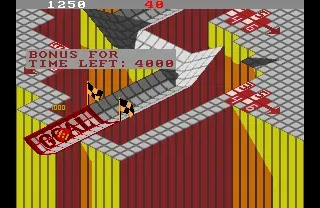
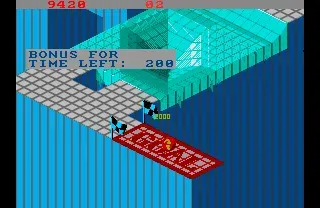
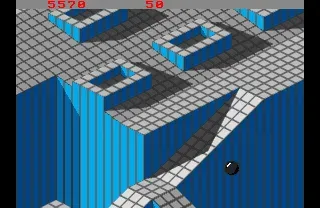
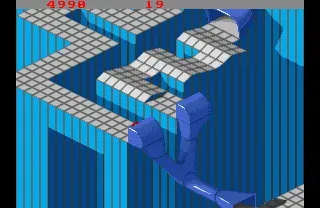
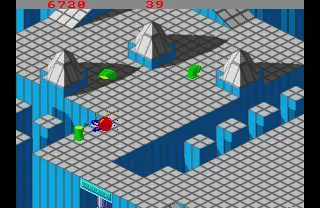
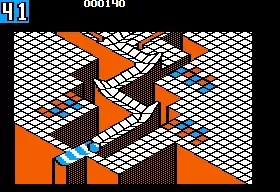
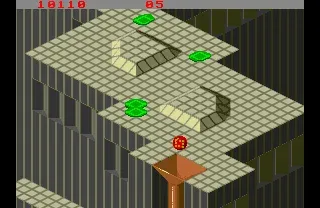
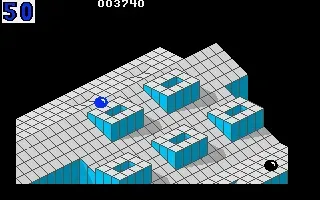
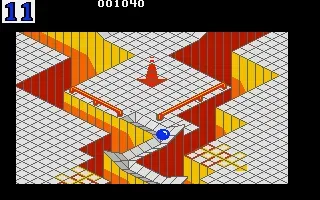
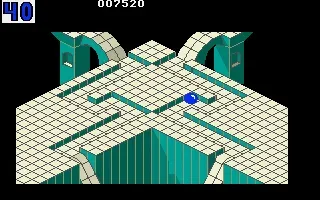
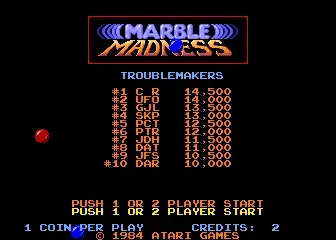
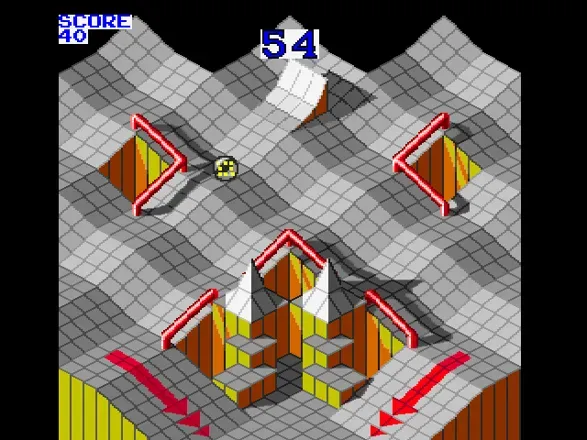
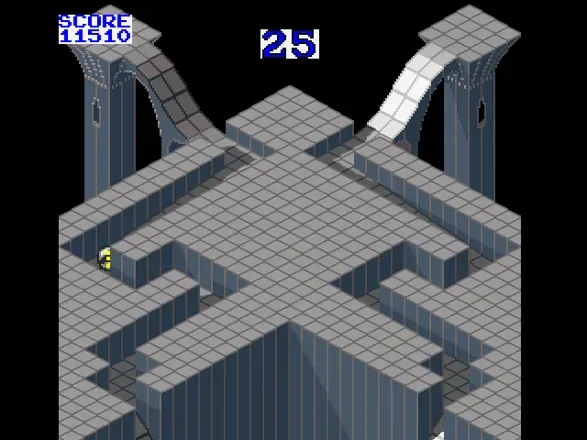
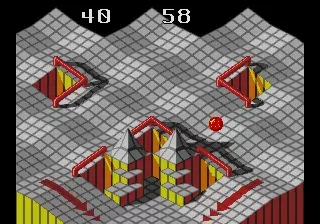
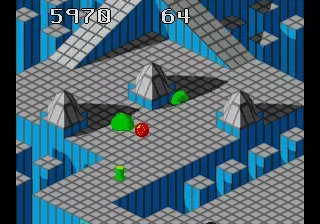
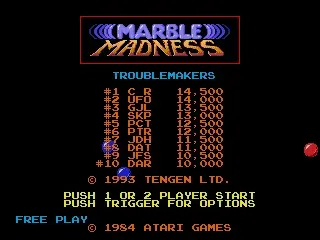
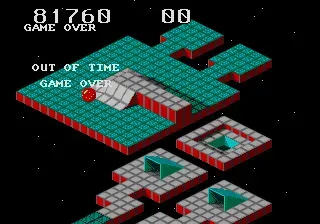
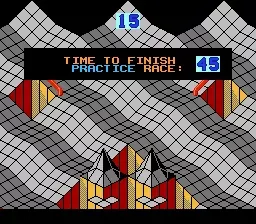
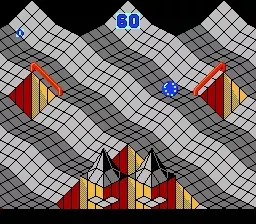
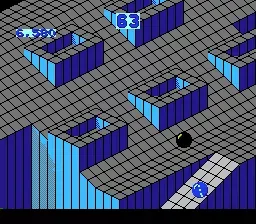
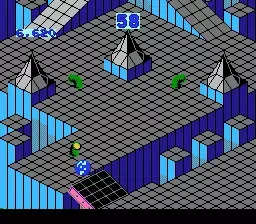
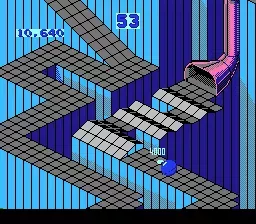
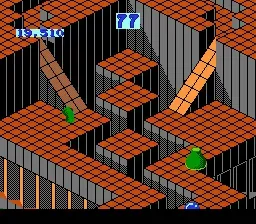
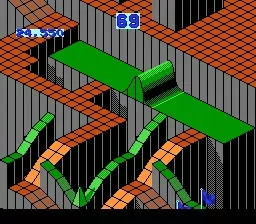
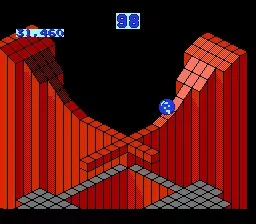
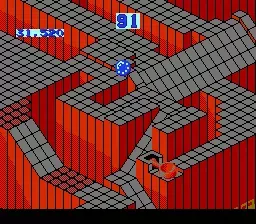
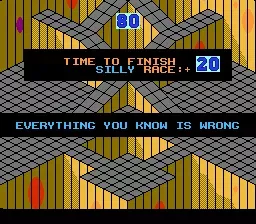
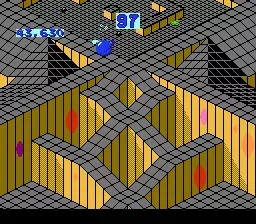
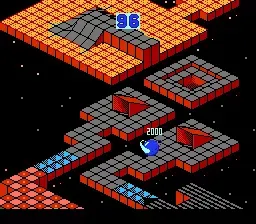
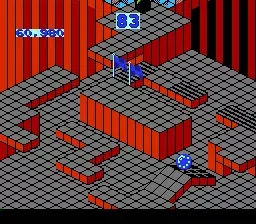
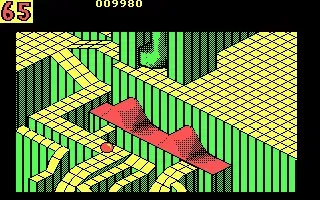
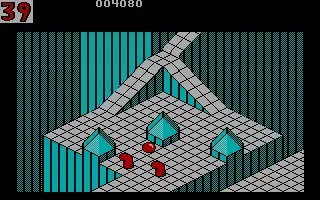
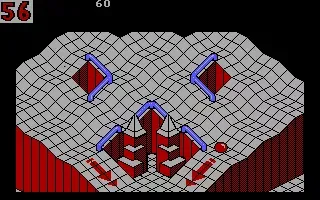
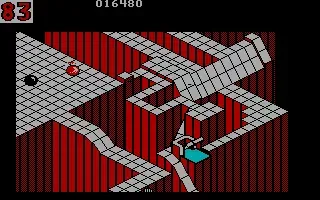
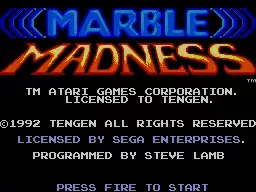
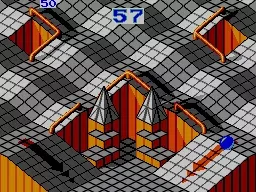
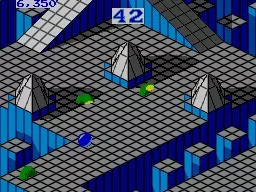
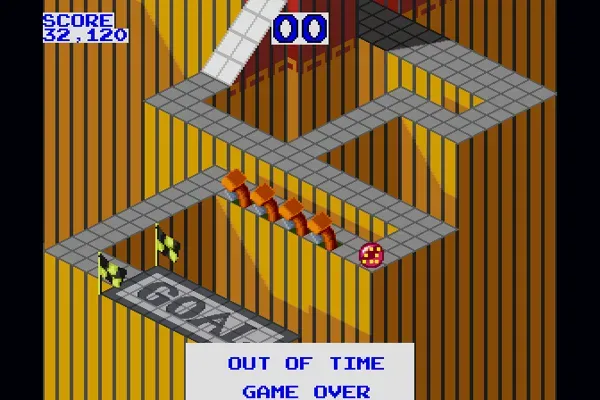
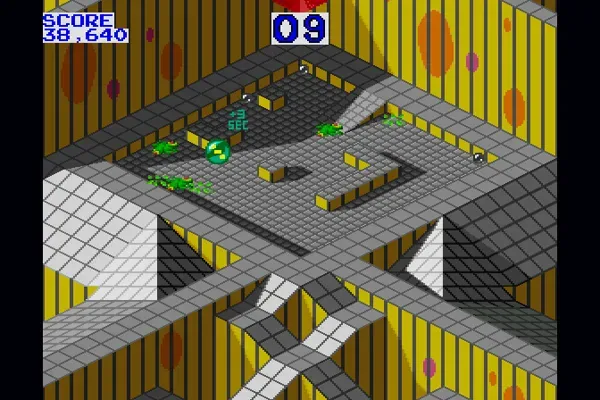
Marble Madness (1984) stands as one of the defining arcade successes of the mid-1980s, remembered for turning a simple rolling-marble concept into a polished, highly distinctive cabinet experience. Its isometric presentation, tight time pressure, and unusual control scheme helped it stand out immediately in arcades and gave it lasting recognition as a classic of the era.
The game was developed by Atari Games, with Mark Cerny as lead designer and Bob Flanagan contributing to the programming. It was built for Atari System 1 hardware, and its design is closely associated with Atari’s experimentation in cabinet-specific play, including the use of a trackball that became central to its identity.
Gameplay & Technical Features
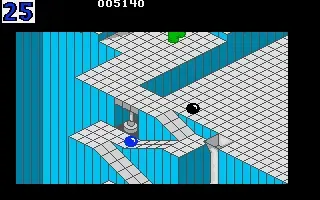
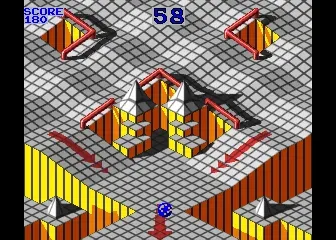
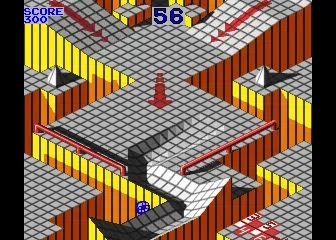
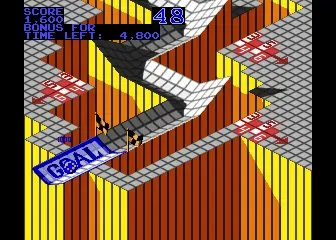
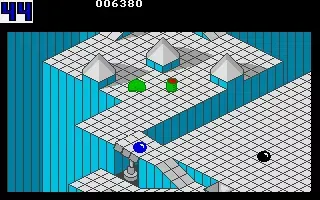
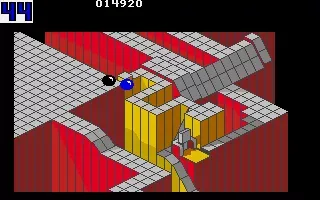
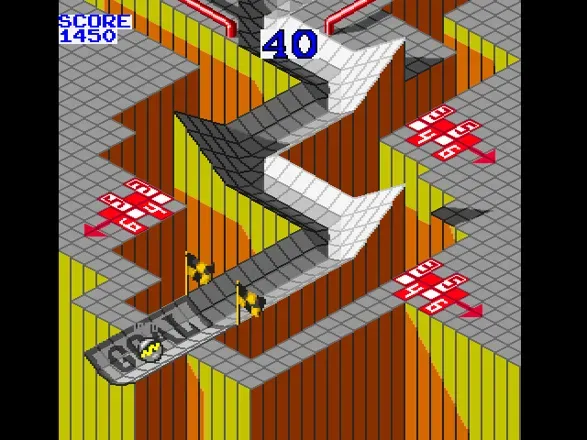
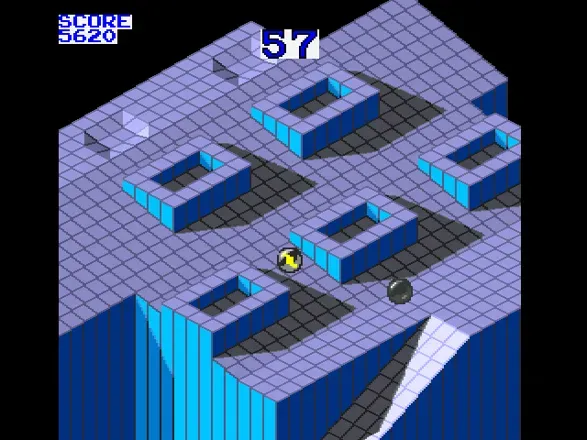
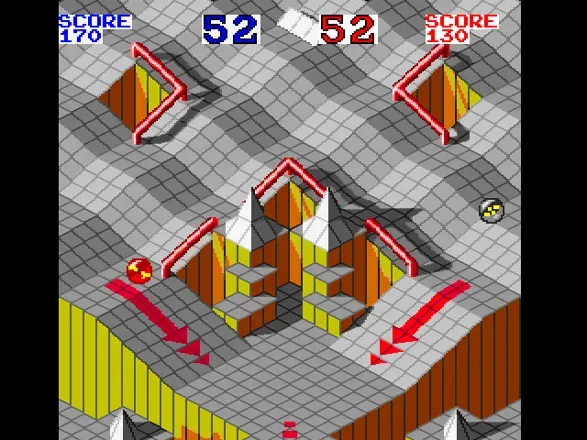
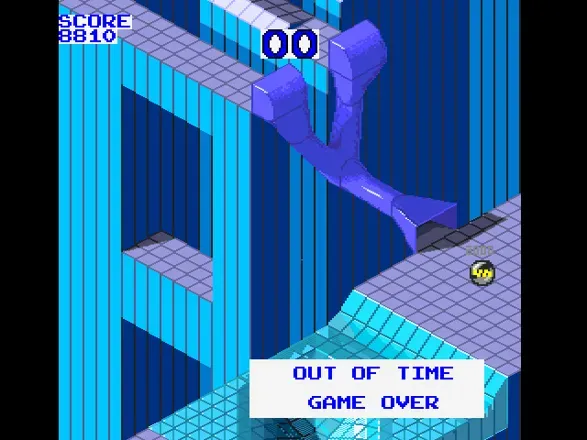
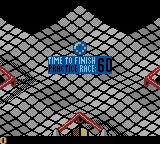
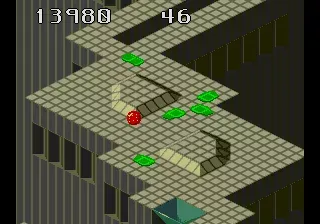
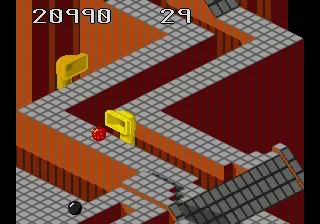
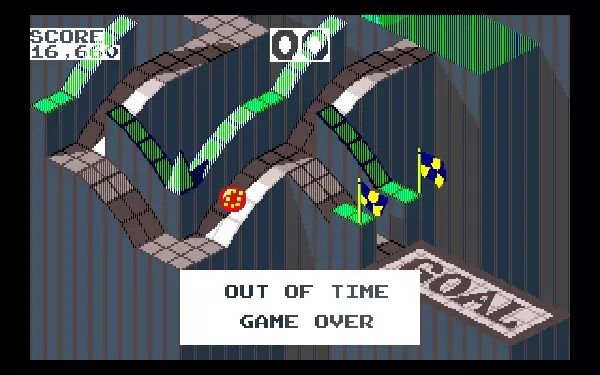
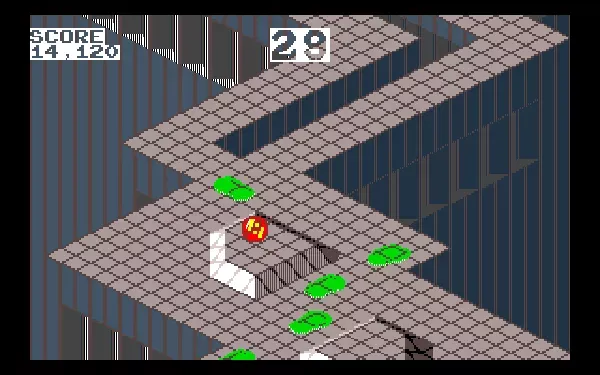
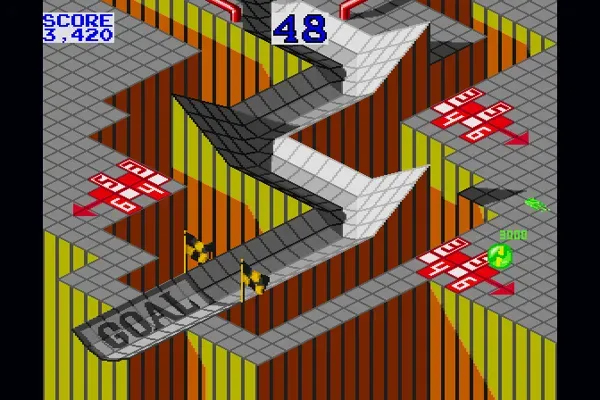
As an arcade skill game, Marble Madness tasks players with guiding a marble through abstract obstacle courses while managing momentum, balance, hazards, and a strict time limit. The challenge comes from precision movement and the constant risk of falling off narrow paths or being delayed by enemy interference and environmental traps.
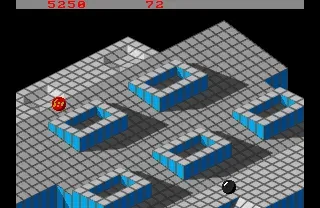
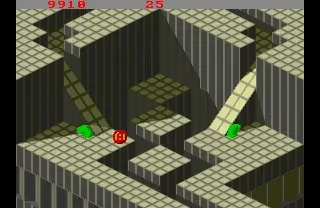
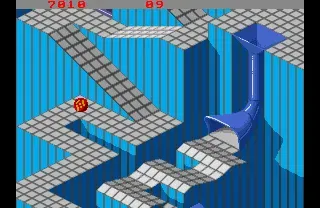
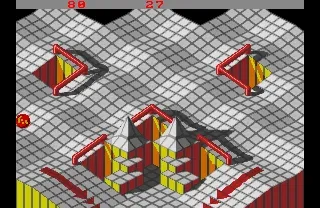
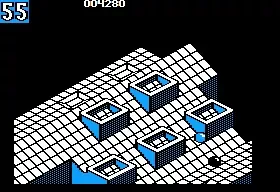
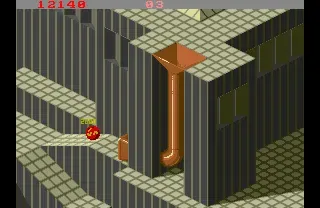
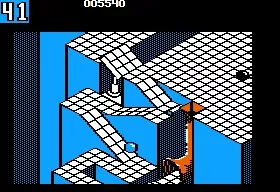
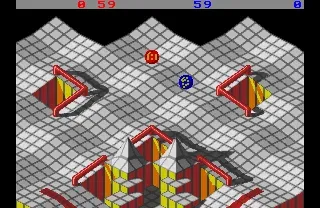
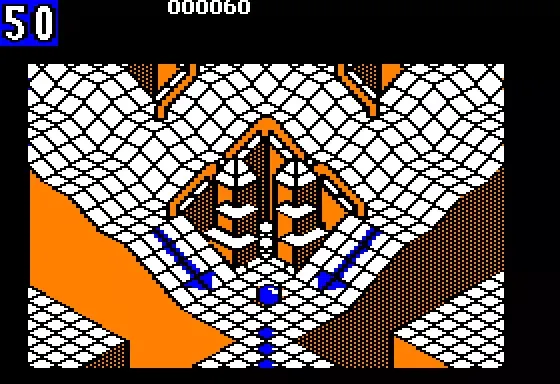
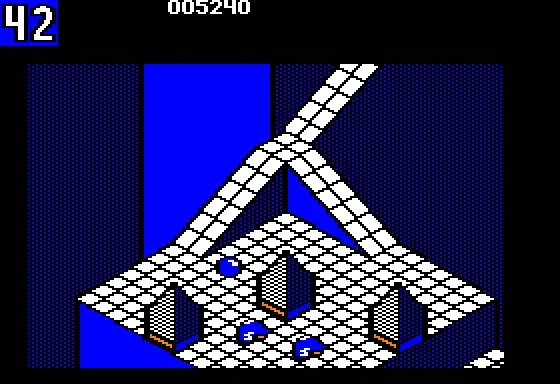
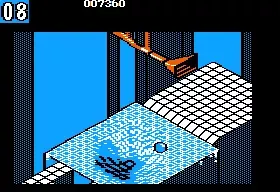
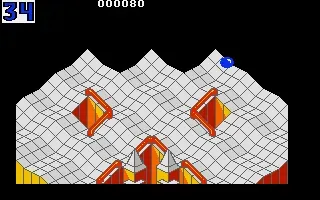
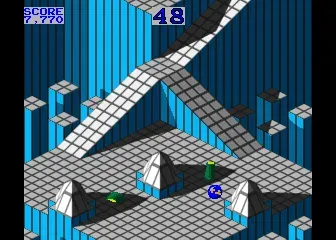
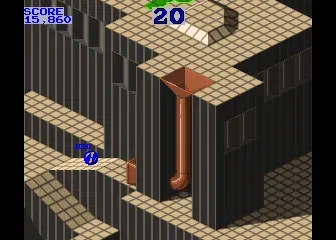
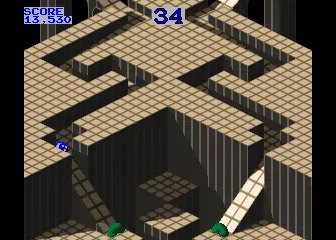
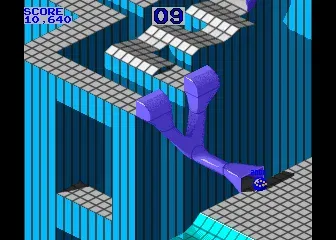
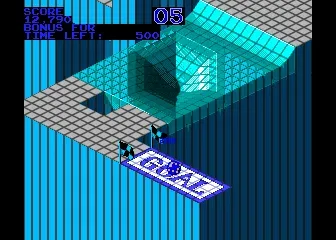
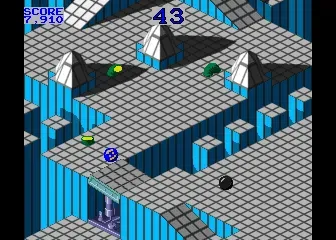
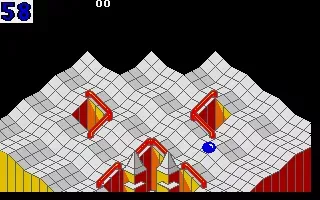
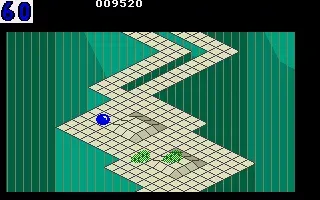
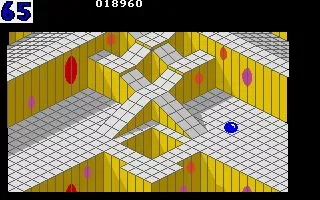
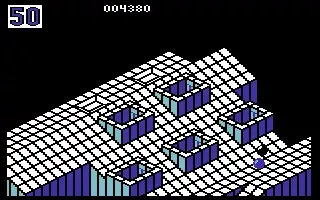
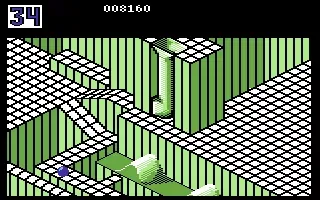
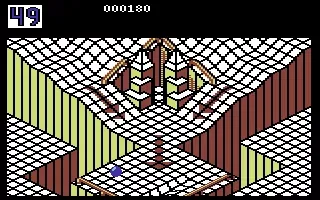
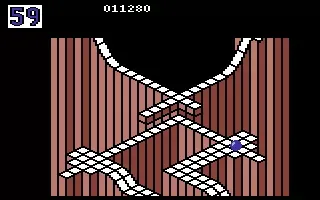
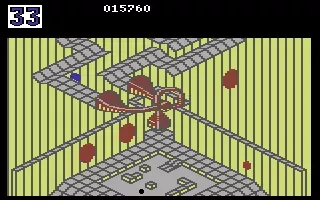
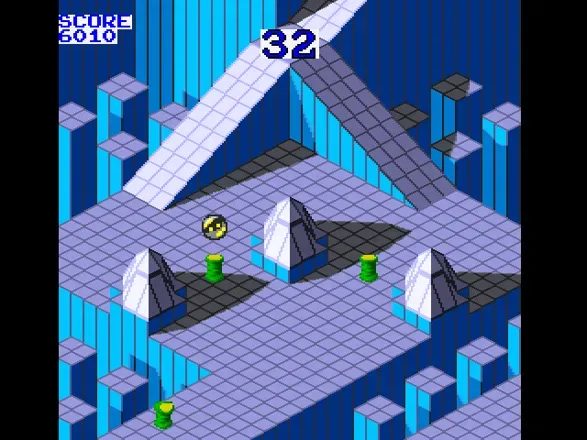
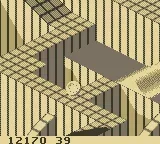
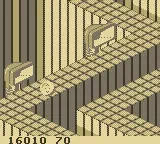
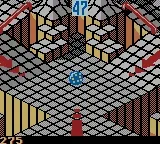
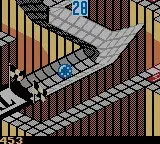
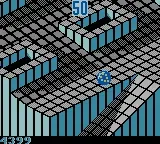
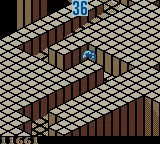
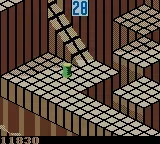
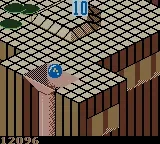
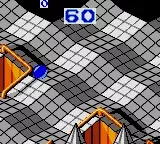
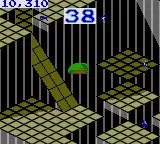
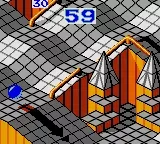
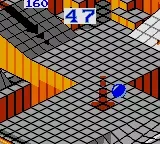
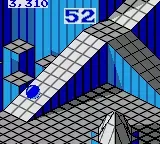
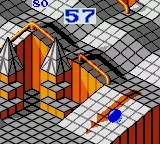
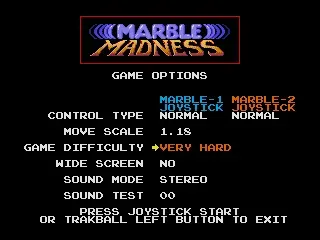
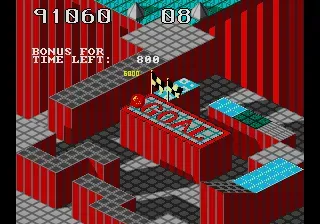
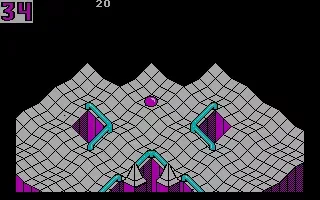
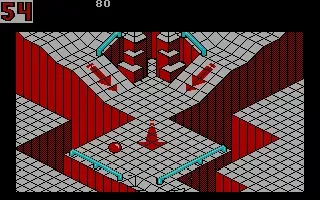
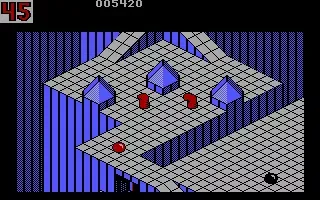
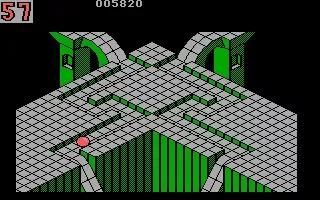
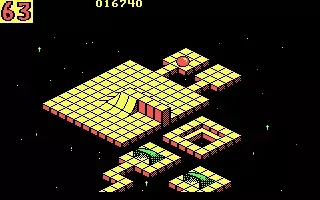
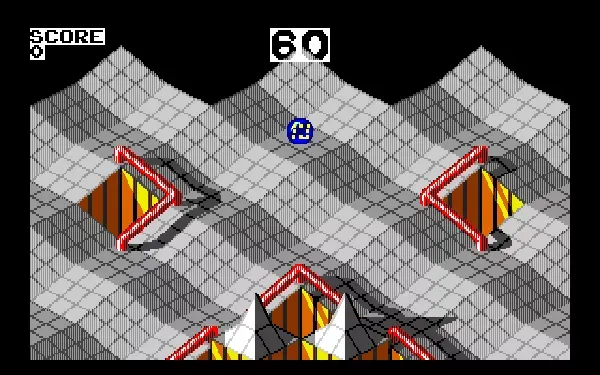
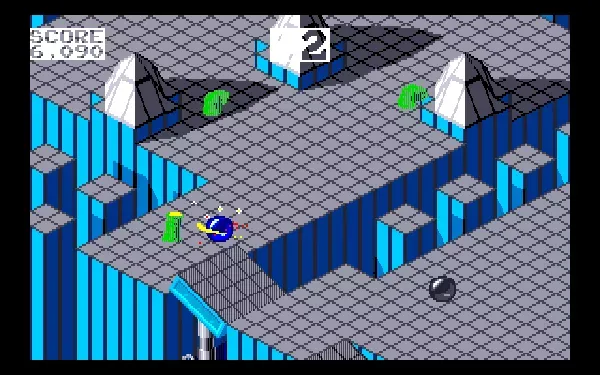
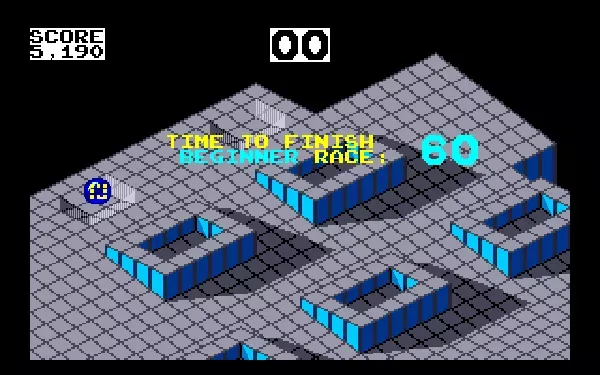
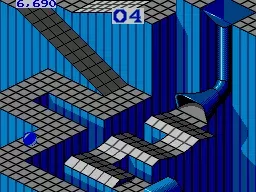
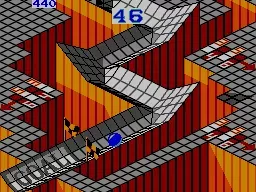
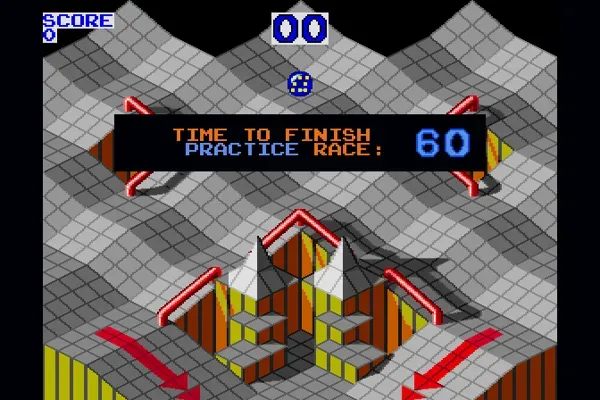
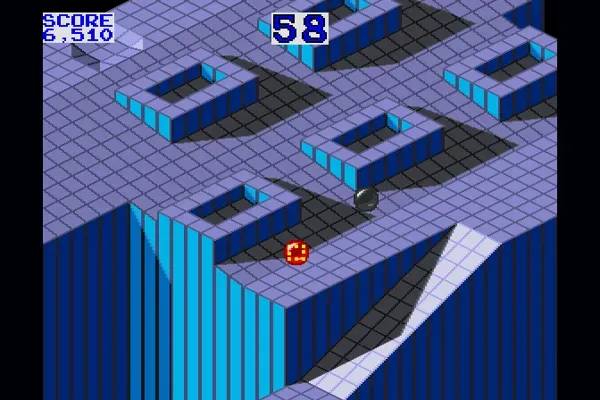
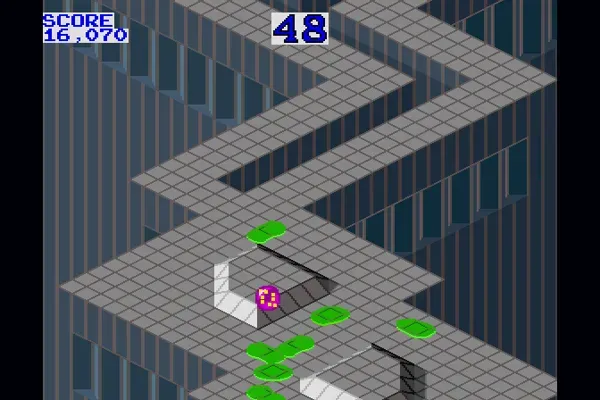
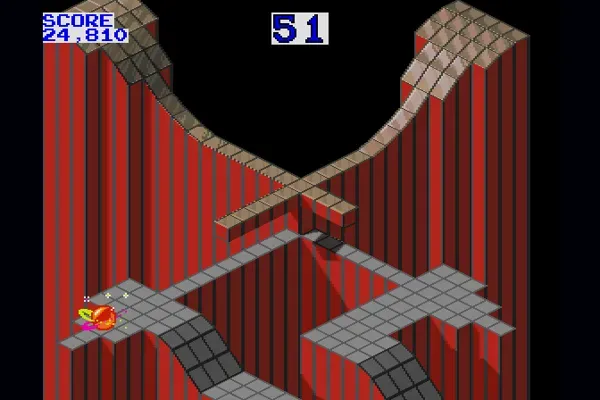
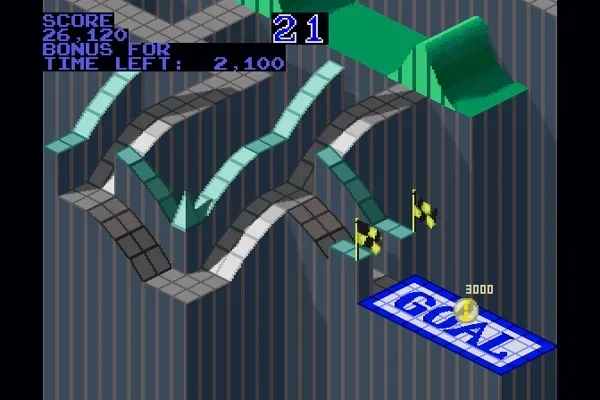
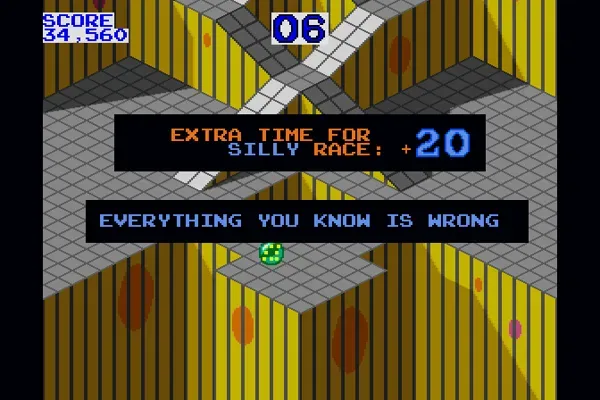
The Arcade version is notable for its isometric visuals, responsive trackball controls, and clean presentation that fit the strengths of the coin-op format. Its audio and visual framework emphasize clarity over spectacle, with crisp effects and minimalist but memorable graphics that supported fast, repeatable play sessions.
Collector’s Value & Rarity
From a preservation standpoint, Marble Madness is not considered obscure, but original arcade hardware and complete cabinets remain desirable due to age, operator wear, and the durability issues common to vintage coin-op machines. Surviving cabinets are typically valued for both playability and historical authenticity, especially when the original control panel and monitor setup are intact.
Collector interest often centers on the cabinet art, marquee, and original control hardware, since these elements define the authentic arcade presentation. Regional service labels, operator stickers, and replacement parts may vary from machine to machine, but the essential physical identity of the game is tied to its distinctive cabinet design and trackball interface.