

Overview
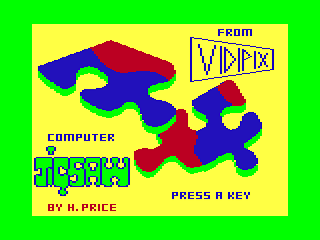
Released in 1986, this game focuses on puzzle-solving elements, challenging players to assemble various jigsaw puzzles within a digital environment. Although it wasn’t a major hit, it appealed to puzzle enthusiasts and served as a precursor to many modern puzzle games.
Gameplay
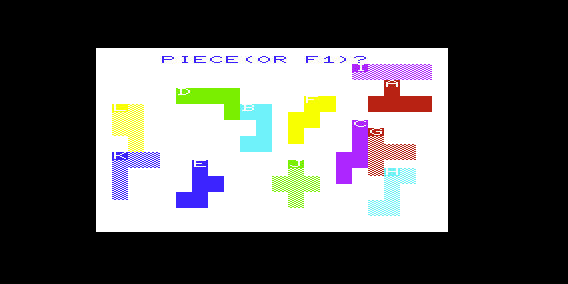
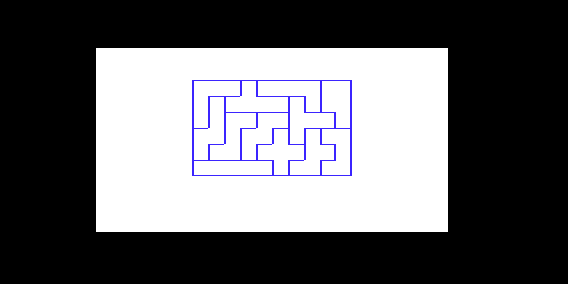
The core mechanics revolve around selecting and placing pieces correctly to complete a given image or scene. The interface displays a scattered collection of pieces and a workspace where players arrange them. The game tests the player’s ability to recognize patterns and fit pieces accurately without any time pressure.
Historical Context
Emerging during a time when video games were exploring diverse genres, this game’s release capitalized on the growing popularity of personal computers. Although it didn’t achieve widespread acclaim, it was part of the broader movement in the 1980s to digitize traditional games and activities.
Development
Developed by a small team motivated by the potential of computer graphics, this project aimed to recreate the relaxing yet mentally stimulating experience of solving a jigsaw puzzle. The simplistic design reflected the technological limitations of the era, focusing more on playability than complex graphics or soundtracks.
Legacy
While not remembered as a groundbreaking title, it contributed to the evolution of casual gaming. By digitizing a familiar board game format, it set the stage for future puzzle-based games, paving the way for more sophisticated digital puzzle experiences.