
Overview
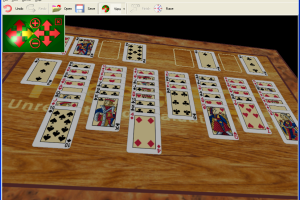
In 2002, the game development studio Amber Mango released an innovative twist on the classic card game format with their video game, Freecell3D. This game offers players a unique experience by merging traditional Freecell gameplay with immersive 3D graphics, providing a fresh take on a beloved classic.
Gameplay and Features
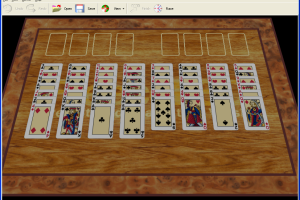
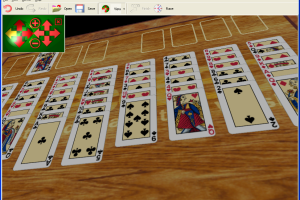
Players familiar with the traditional Freecell solitaire game will find the rules intact, but Freecell3D enhances the experience with its three-dimensional environment. Set in a visually appealing and interactive space, players can manipulate and view the card stacks from various angles, making for a dynamic and engaging gameplay experience.
The game places a strong emphasis on visual immersion and user interaction. In addition to the 3D environment, intuitive controls ensure that both new and experienced players can easily adapt and enjoy the experience. Furthermore, the game offers multiple difficulty levels, catering to a range of skill levels and preferences.
Development and Impact
Developed by Amber Mango in their earlier years, Freecell3D represented a bold step in exploring the potential of 3D graphics within casual gaming genres, which were, at the time, heavily dominated by two-dimensional Interactions. While the game itself may not have achieved widespread recognition or significant commercial success, it holds a place as a noteworthy attempt to blend classic card game mechanics with emerging 3D technology to enhance user engagement.