
Introduction
In the mid-1990s era of gaming, a unique title emerged that captivated players with its innovative use of elemental forces. Set in a fantastical universe where earth, water, fire, and air clashed in epic battles, this game offered a fresh take on the strategy genre. Designed for both casual and dedicated gamers, it combined fast-paced action with tactical depth.
Gameplay
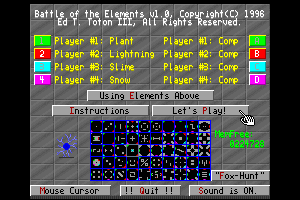
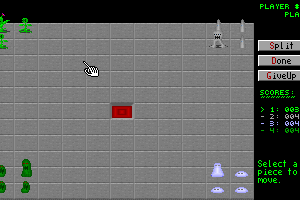
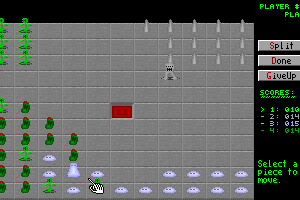
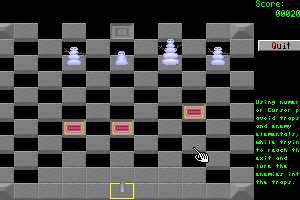
Players assume control of a powerful mage who can harness the forces of nature. The primary objective is to strategically deploy these elements in various environments to defeat foes and solve puzzles. Each element offers distinct abilities: earth provides defense and terrain manipulation, water allows for healing and mobility, fire grants offensive prowess, and air aids in agility and evasion. Successful players must balance these forces to overcome increasingly challenging obstacles.
Story and Setting
The narrative transports gamers to a world torn by chaos where elemental powers have spiraled out of control. As the protector of harmony, the protagonist must restore balance by confronting rogue elemental spirits and their minions. Through a series of quests, players uncover ancient lore, revealing the origin of these mystical powers and their link to the world’s survival.
Historical Context
Launched during a transitional period in video game history, it was developed at a time when the industry was moving from sprite-based graphics to more sophisticated 3D environments. This title stood out by combining traditional 2D visuals with emergent storytelling techniques, paving the way for future strategic role-playing games. It is remembered for its enchanting soundtrack and compelling mechanics, which remain nostalgic for those who experienced it firsthand.
Legacy
This game left a lasting impression thanks to its innovative approach to elemental magic and strategic gameplay. While it may not have achieved mainstream fame, it remains a cherished classic among enthusiasts who appreciate its unique blend of strategy and storytelling. Today, it is often cited as an influence by developers who seek to capture the enchantment of elemental-themed adventures.