


Historical Context & Trivia
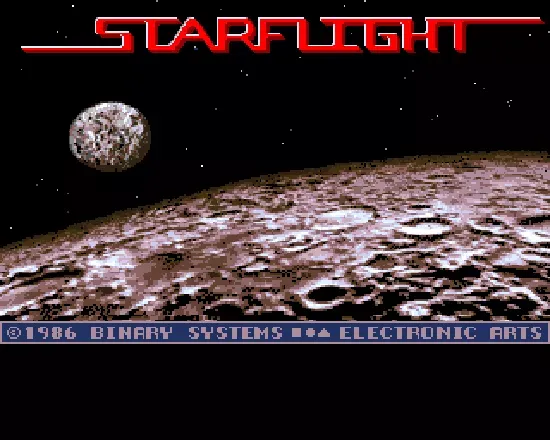
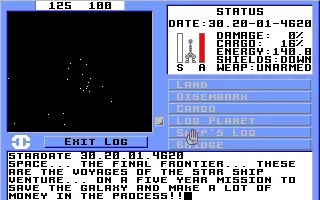
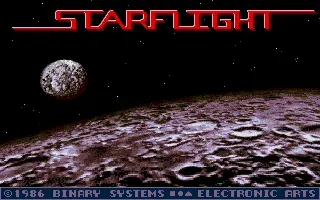
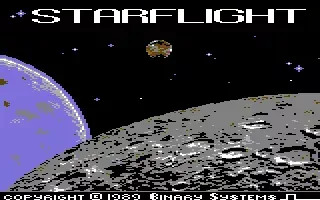
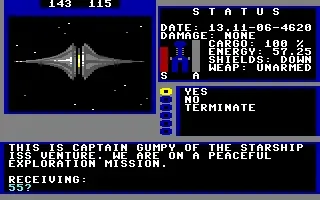
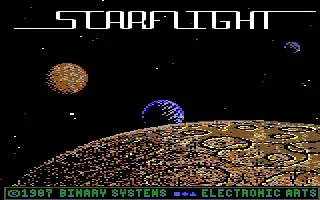
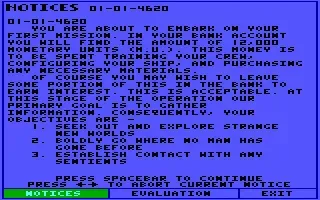
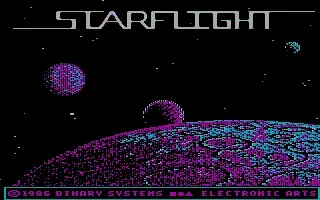
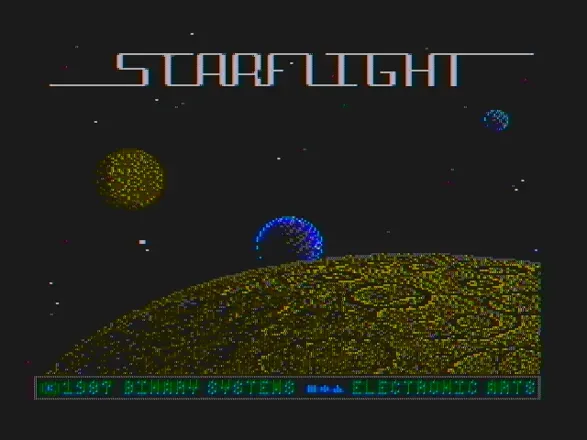
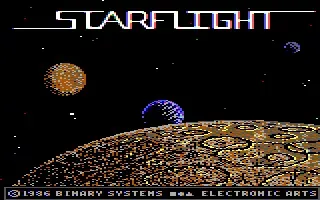
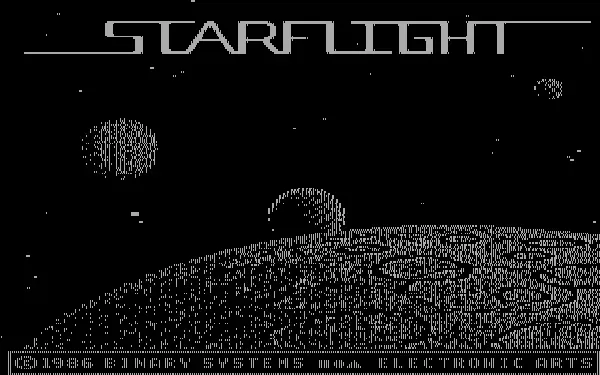
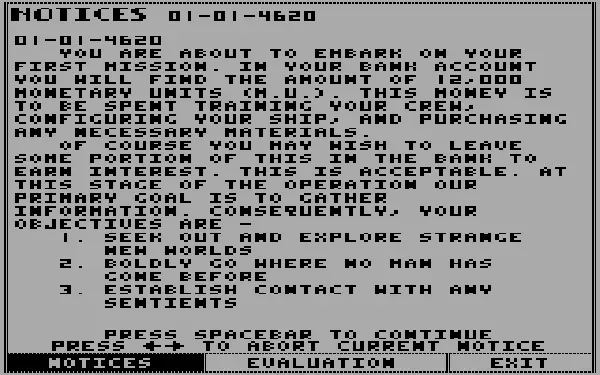
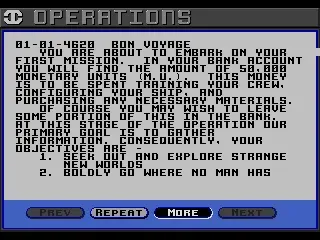
Starflight (1986) is a landmark DOS space role-playing game that helped define the open-ended sci-fi exploration formula long before it became common in later PC and console games. Contemporary and retrospective coverage consistently describes it as unusually ambitious for its era, combining exploration, trading, alien contact, mining, ship management, and a central mystery about destructive solar flares.
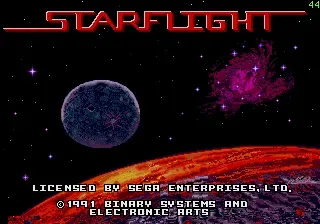
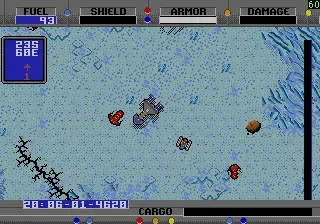
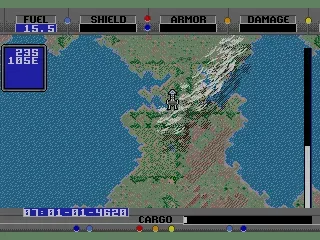
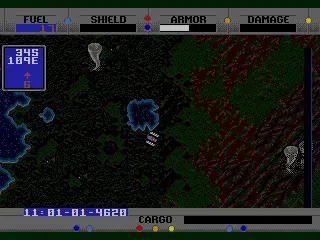
Binary Systems developed the game and Electronic Arts published it, with later ports extending its reach to multiple home computers and, eventually, the Sega Genesis in a substantially revised form. Sources also note that the original PC version was built to fit on just two 360 KB floppy disks, which underscores how much content the team compressed into a very small technical footprint.
Gameplay & Technical Features
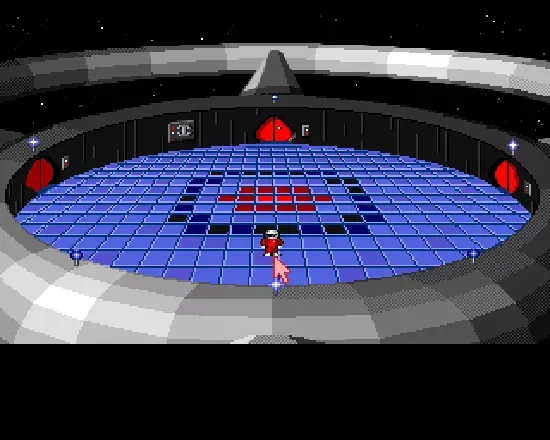
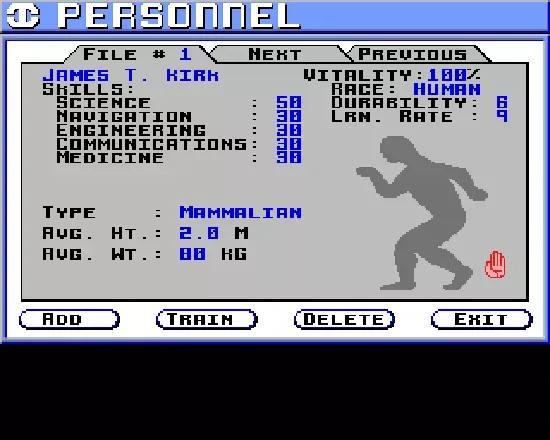
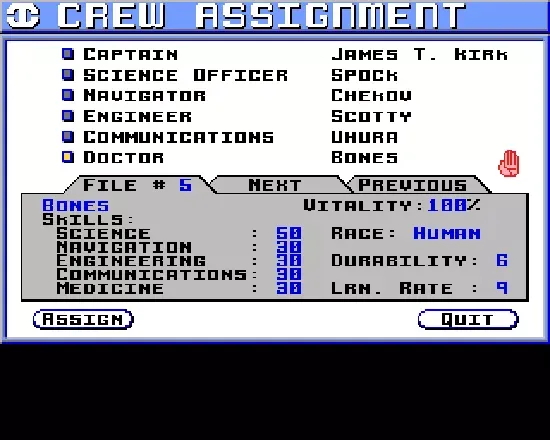
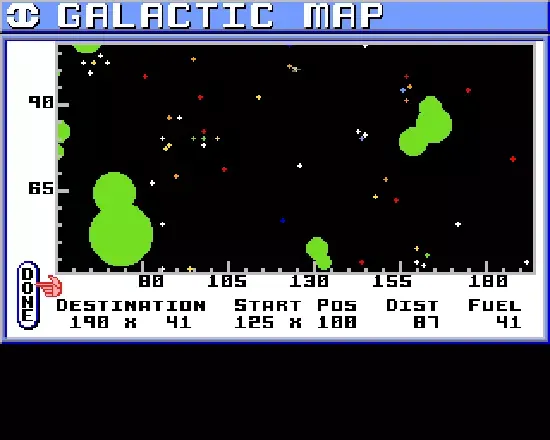
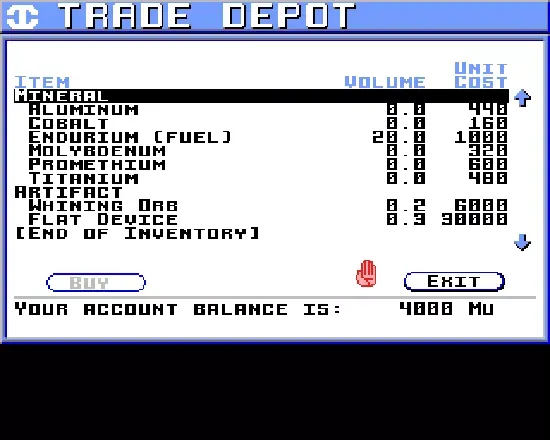
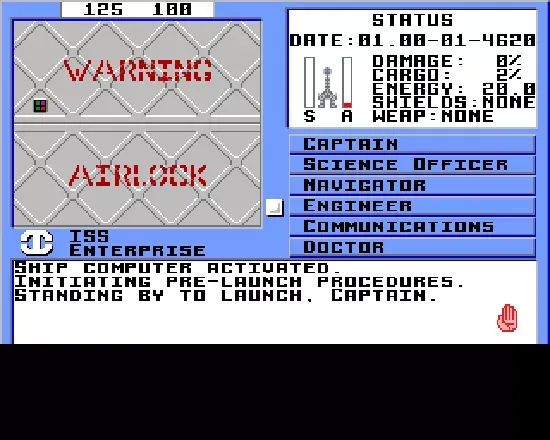
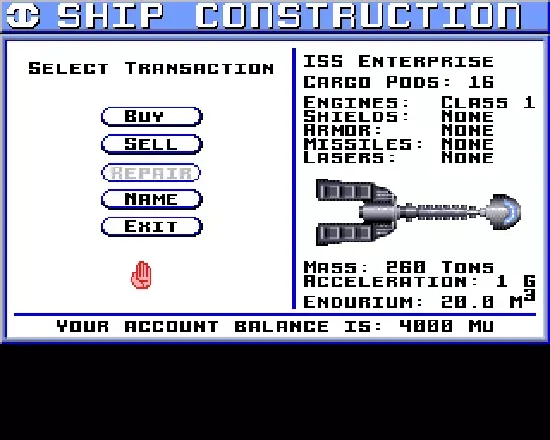
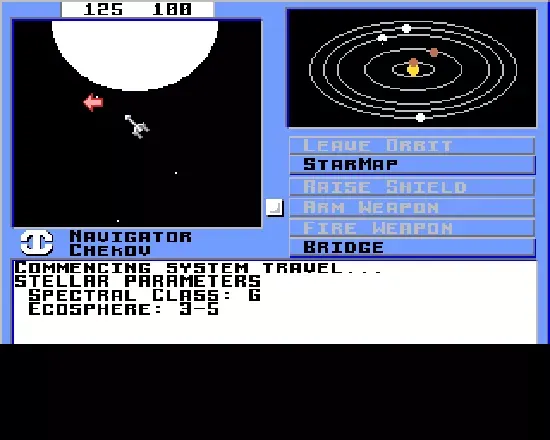
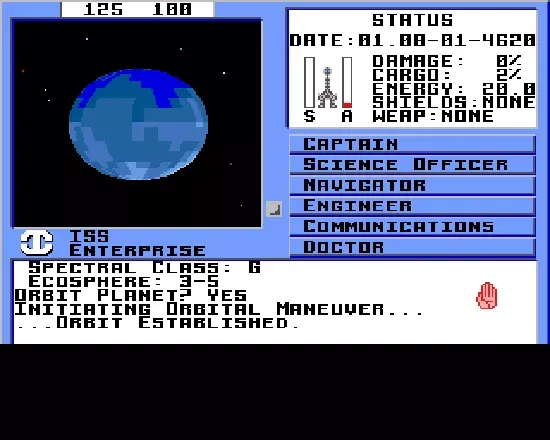
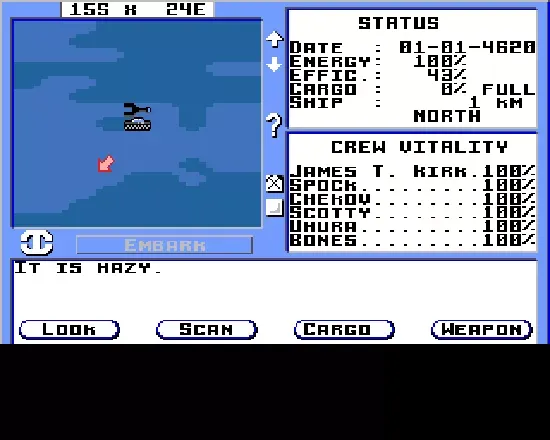
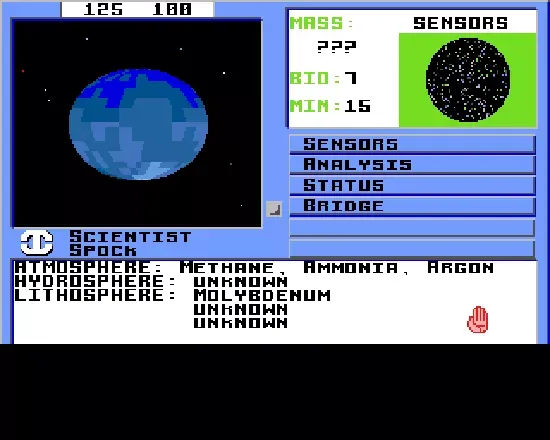
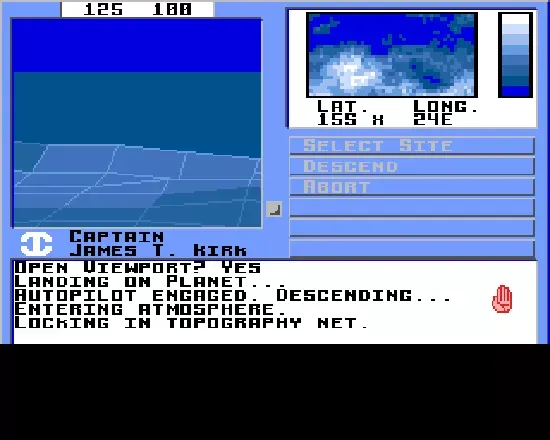
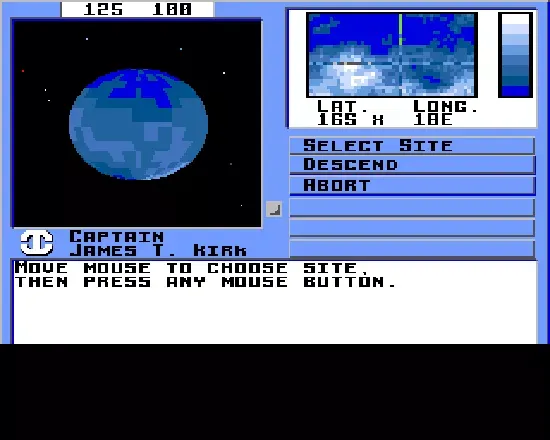
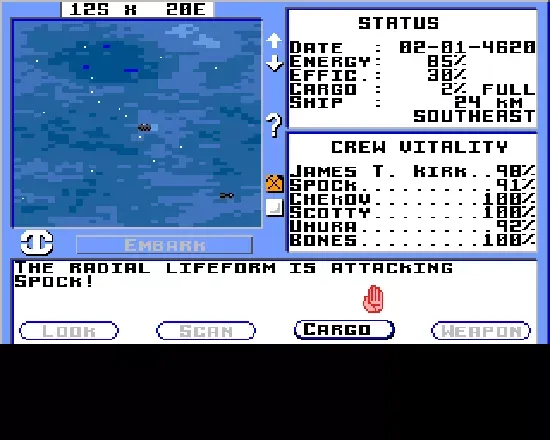
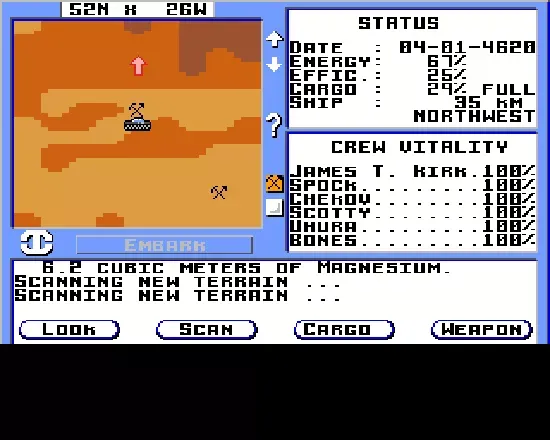
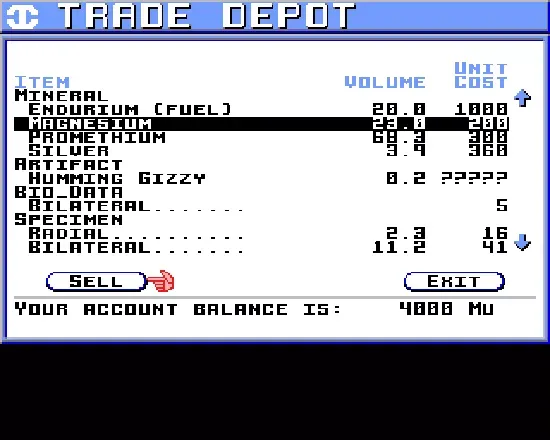
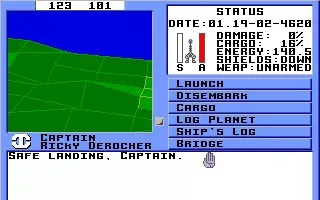
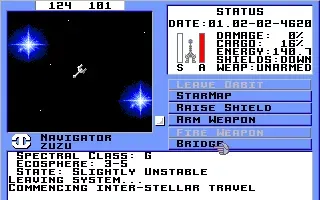
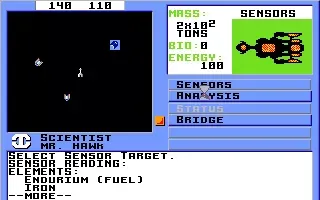
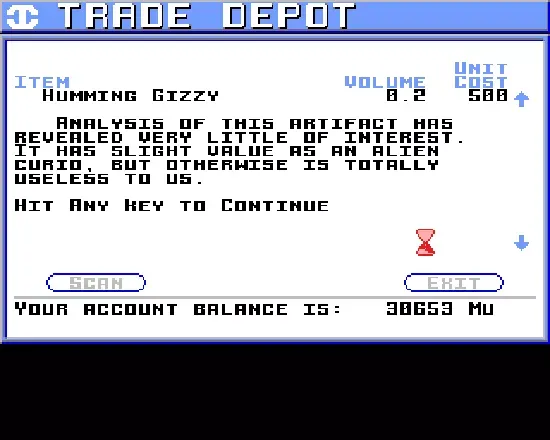
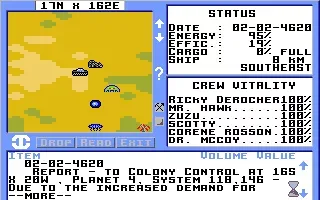
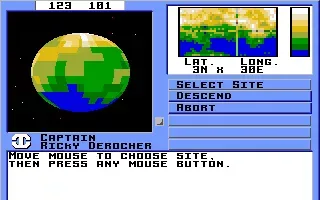
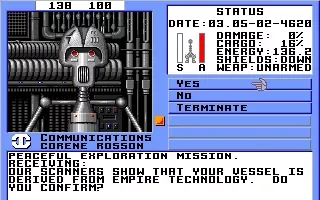
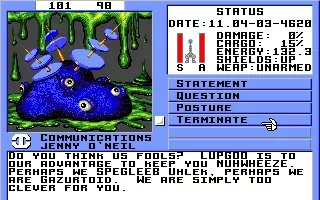
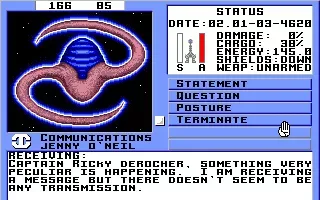
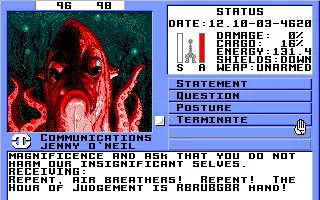
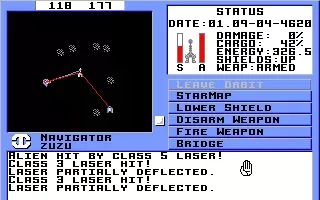
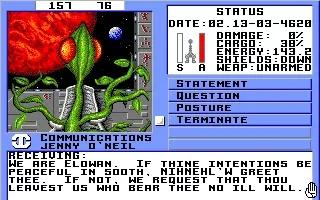
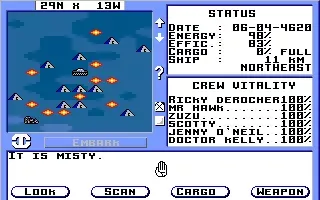
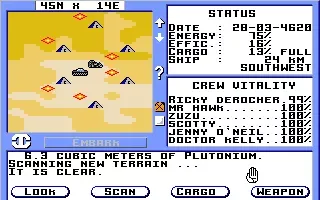
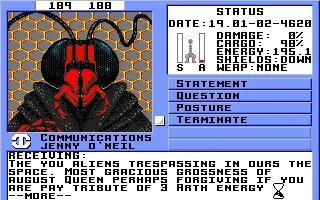
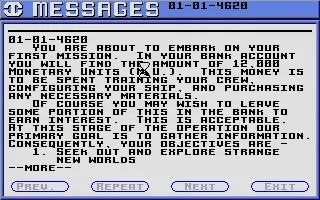
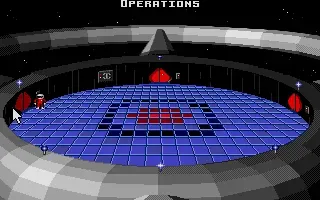
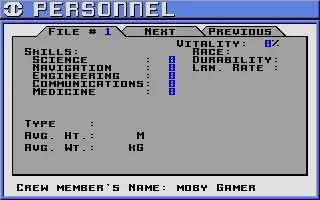
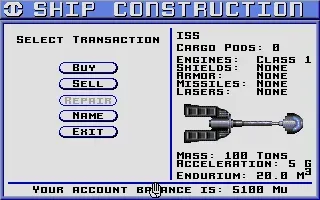
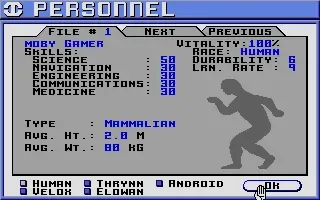
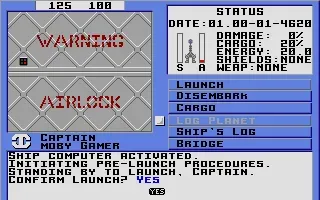
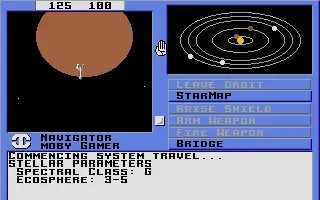
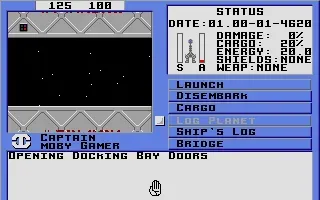
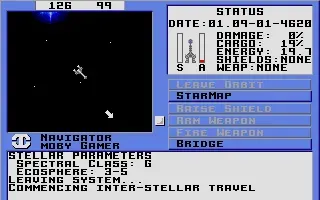
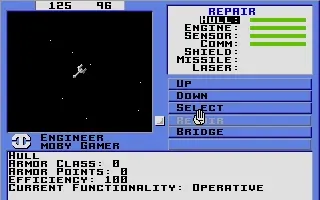
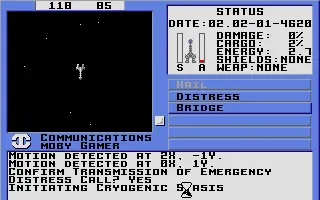
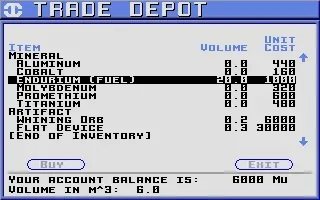
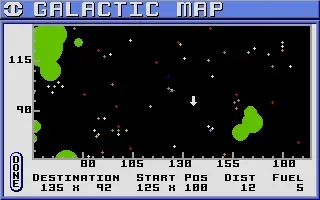
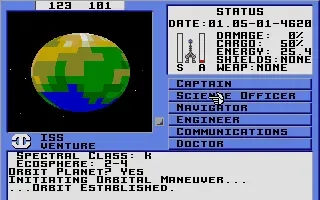
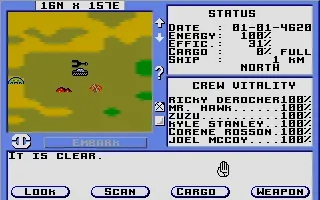
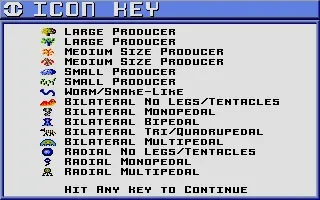
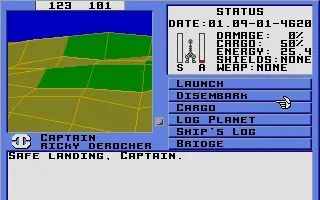
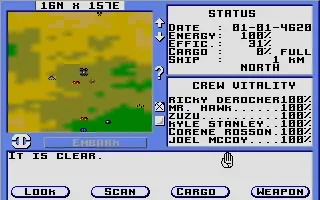
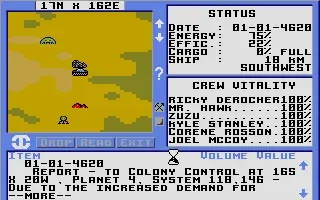
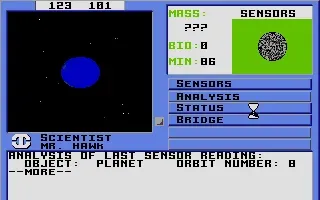
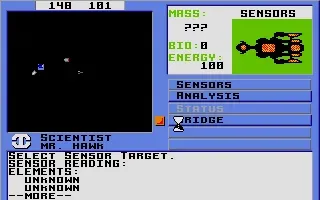
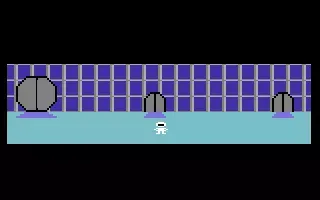
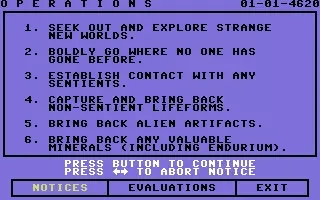
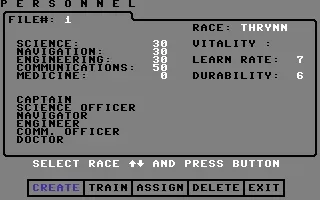
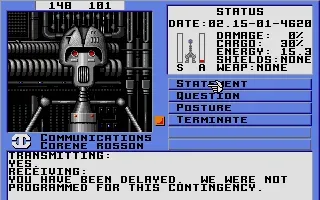
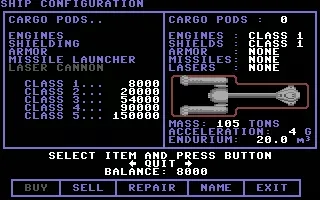
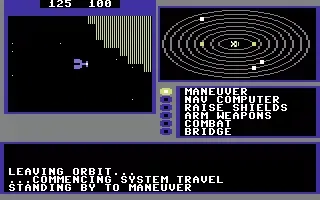
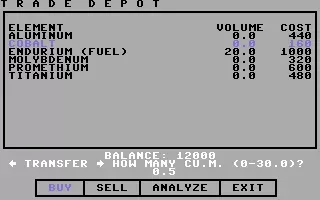
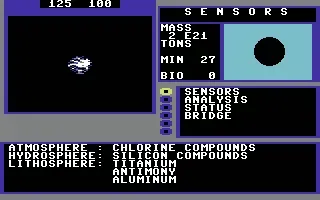
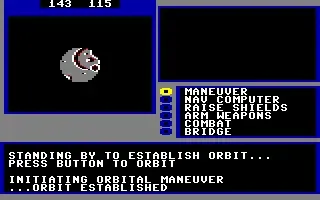
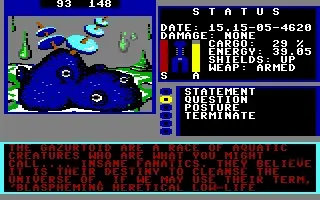
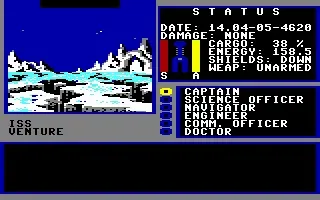
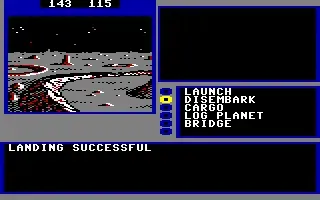
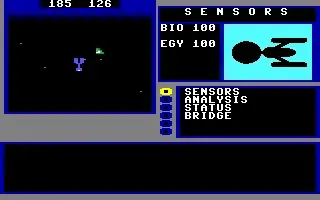
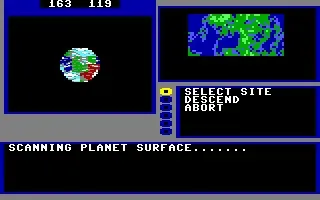
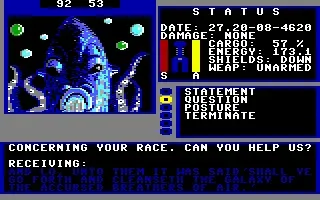
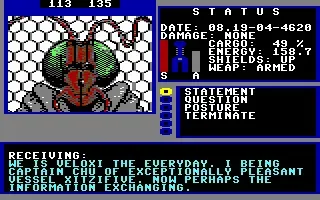
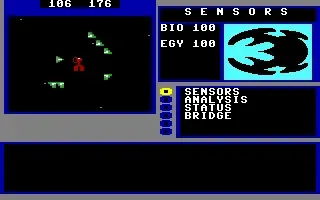
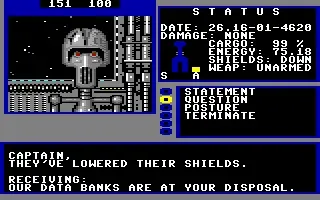
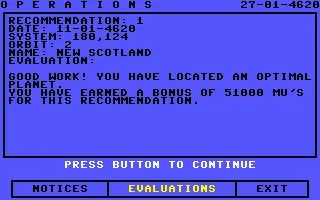
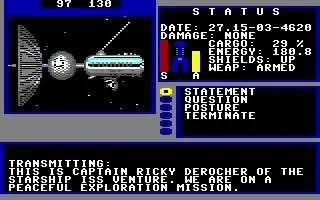
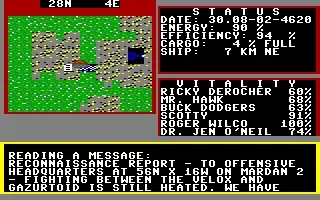
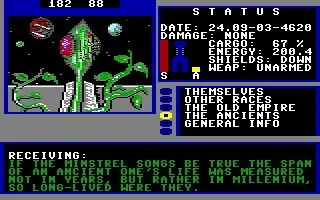
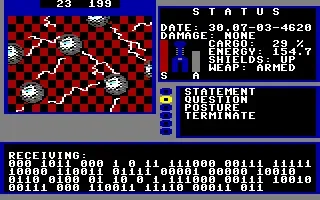
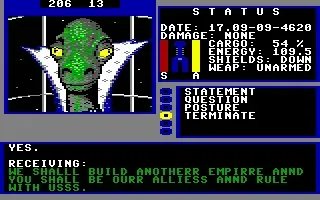
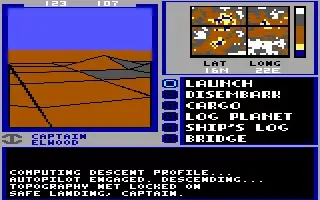
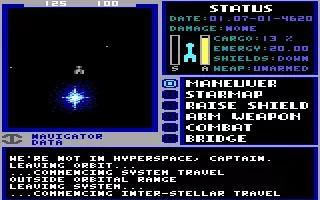
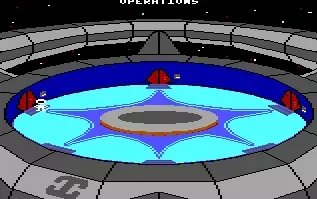
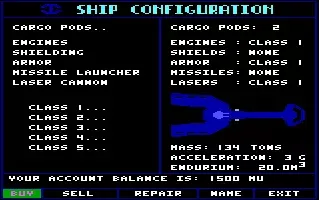
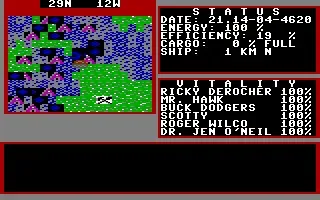
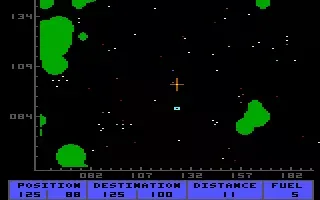
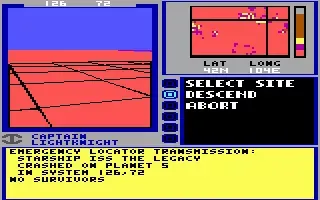
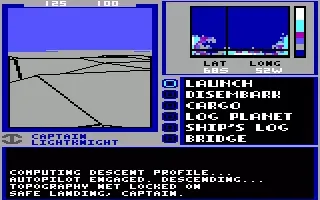
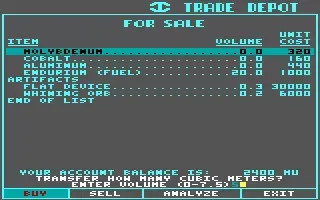
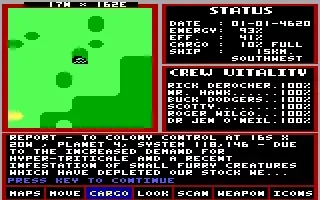
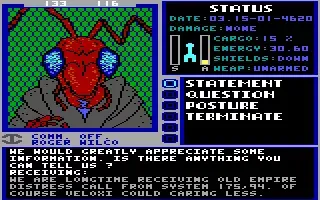
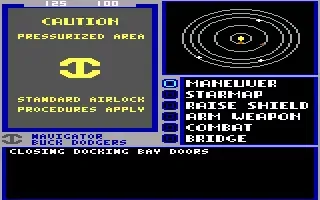
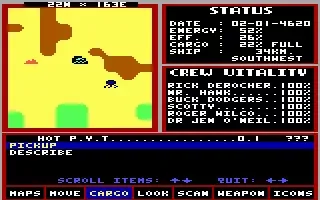
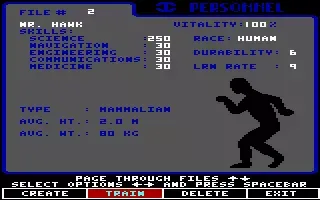
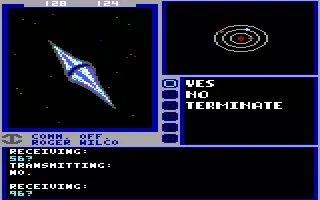
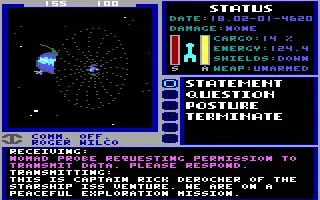
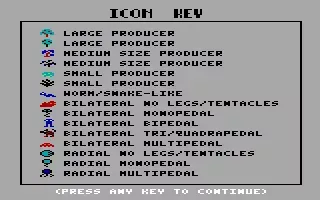
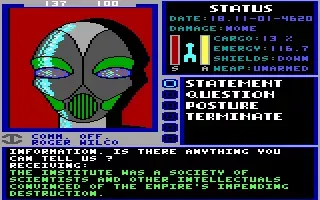
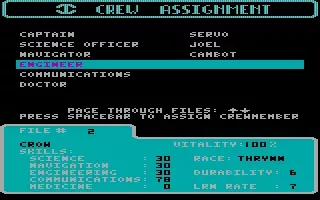
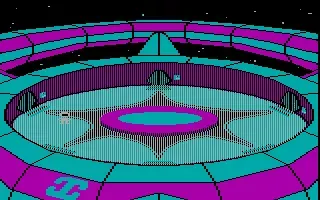
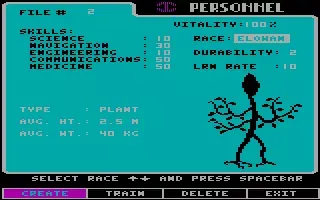
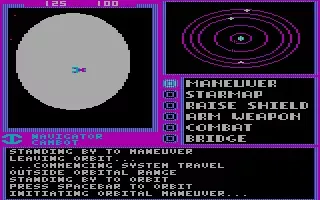
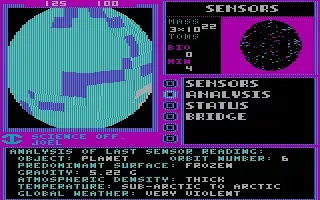
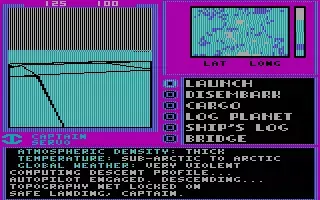
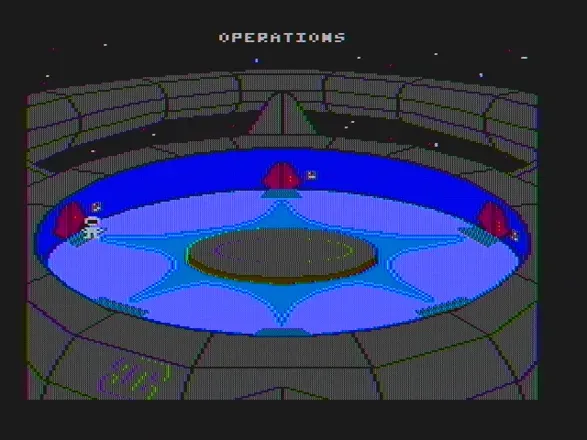
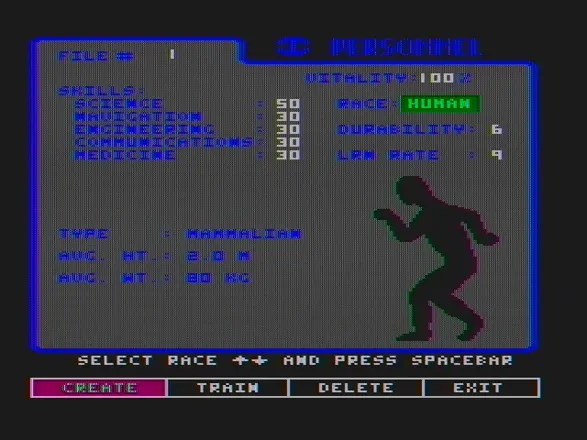
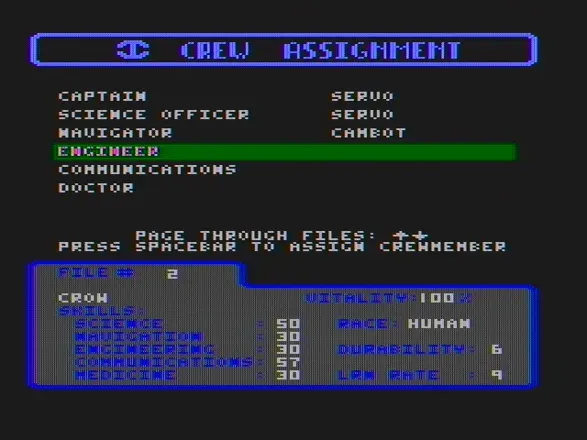
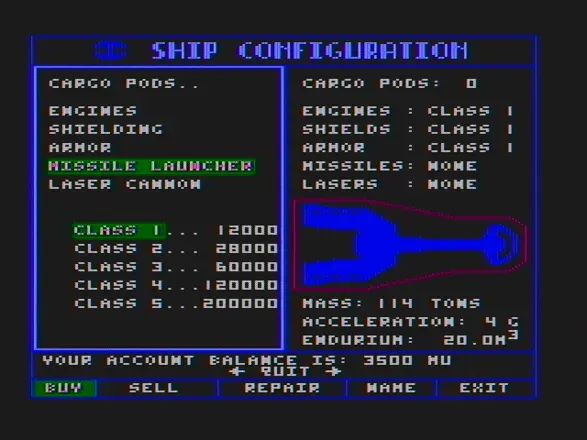
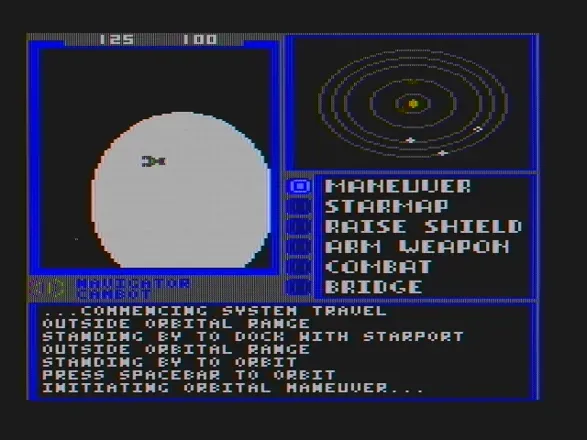
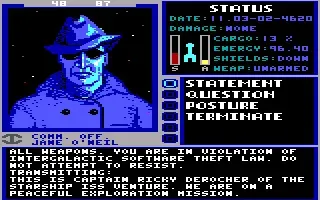
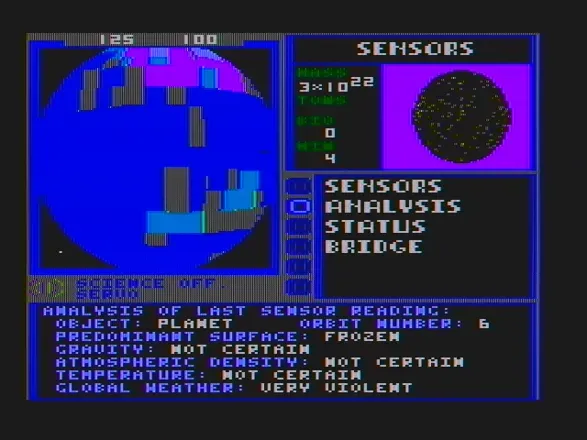
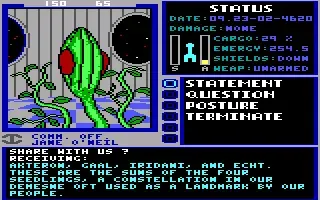
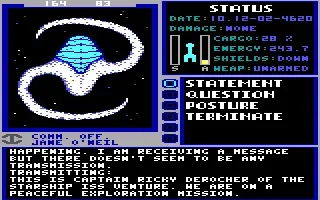
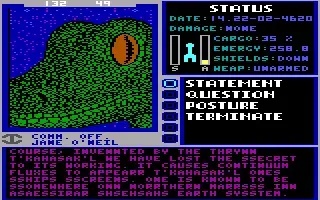
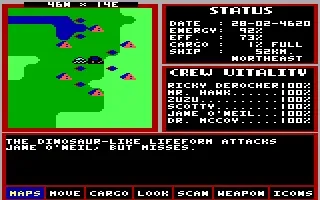
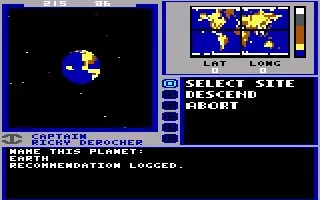
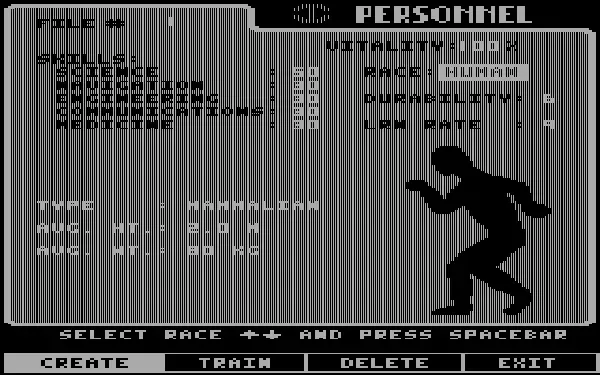
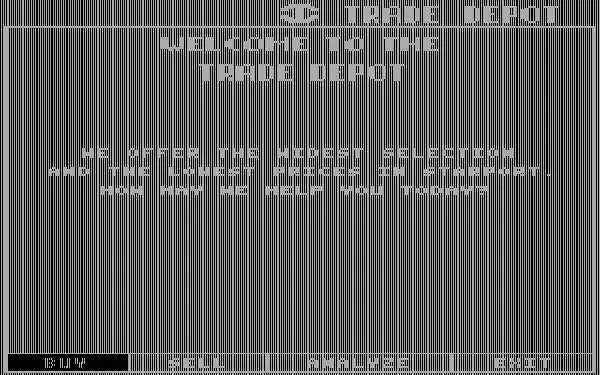
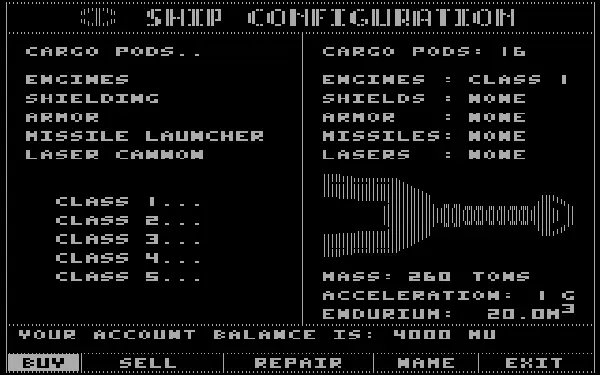
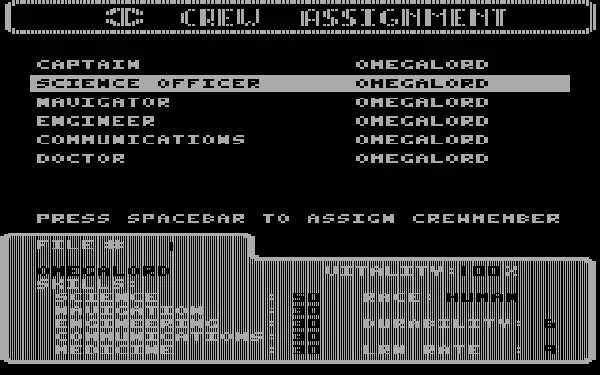
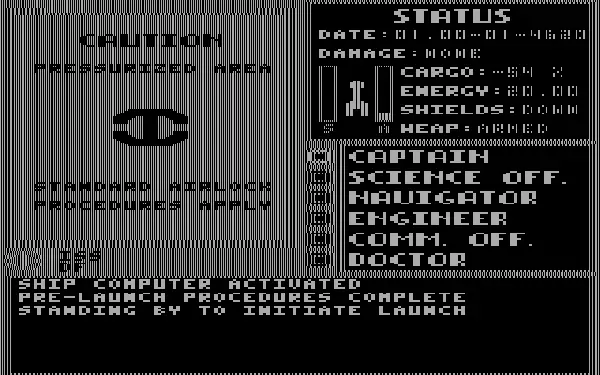
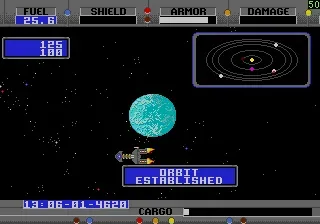
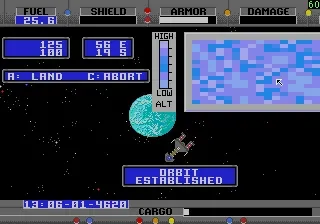
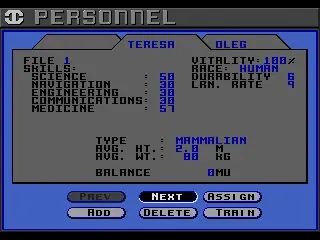
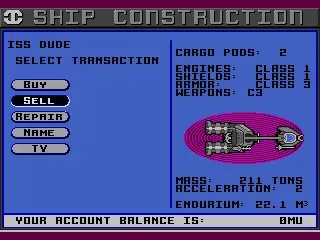
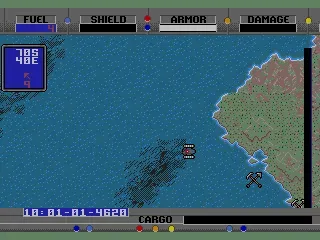
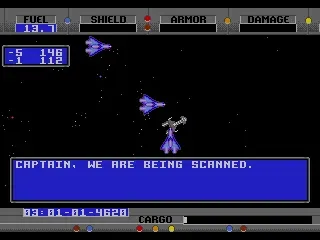
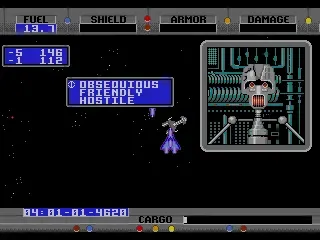
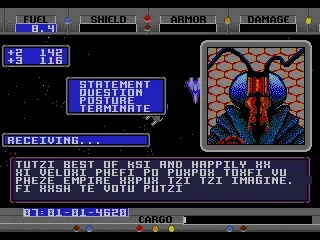
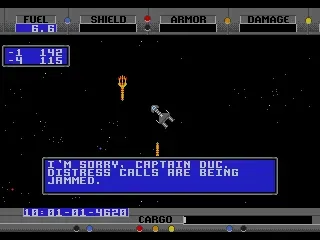
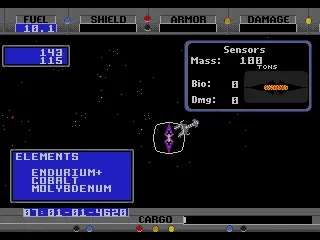
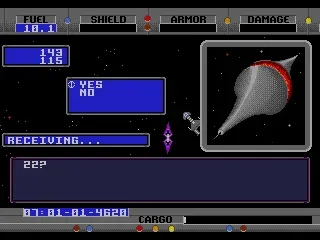
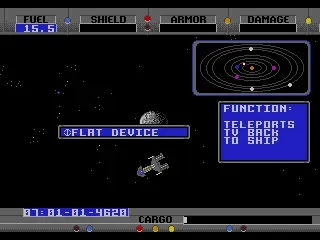
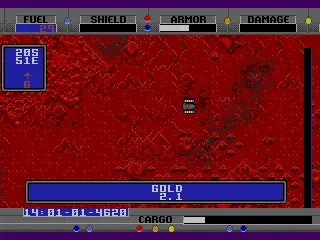
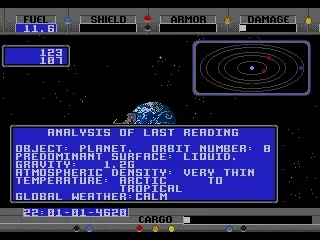
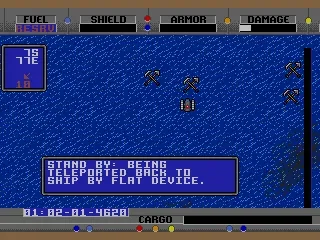
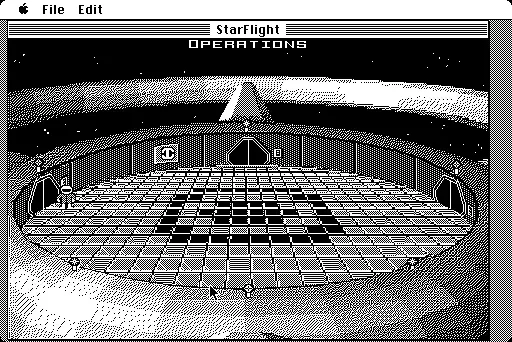
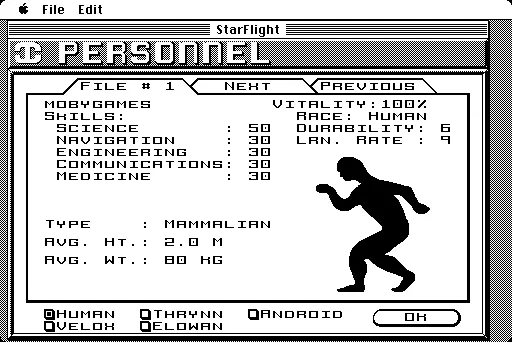
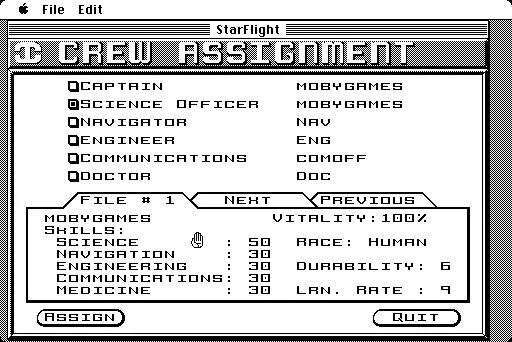
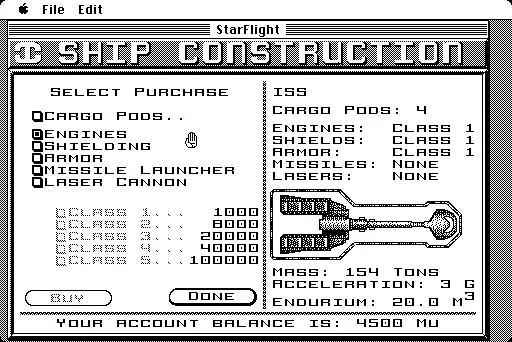
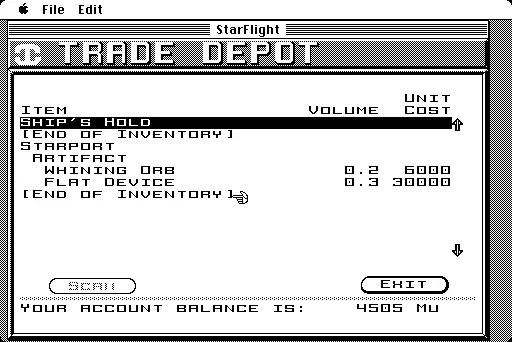
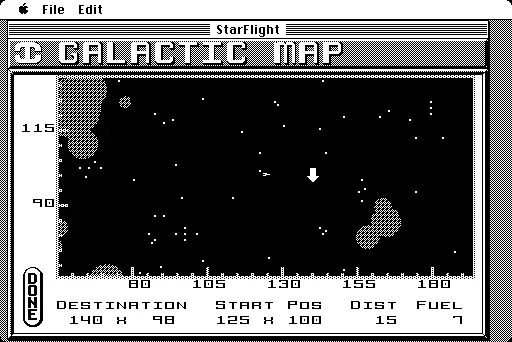
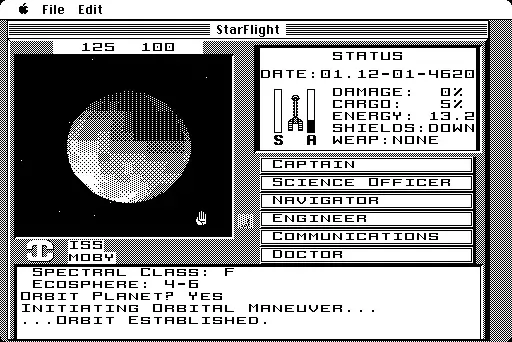
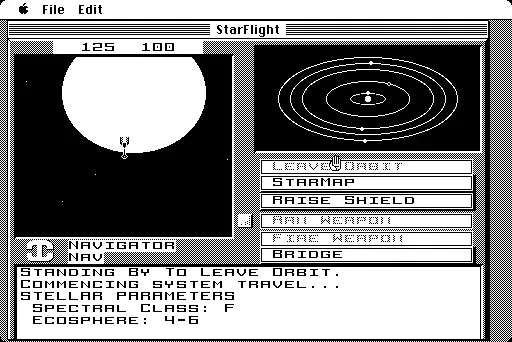
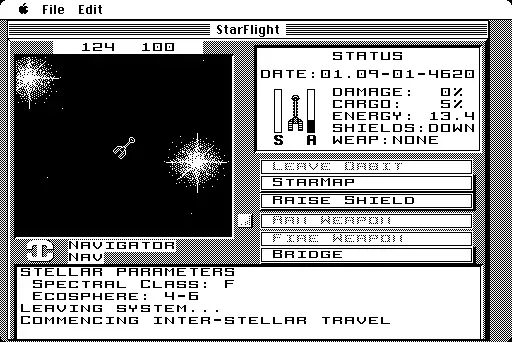
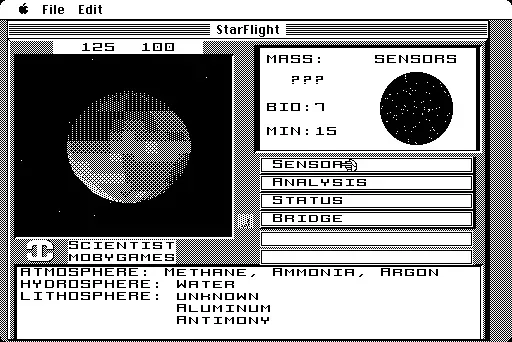
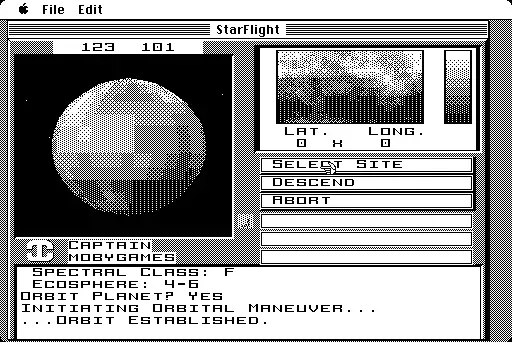
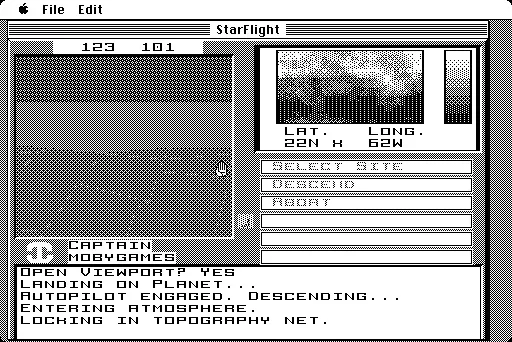
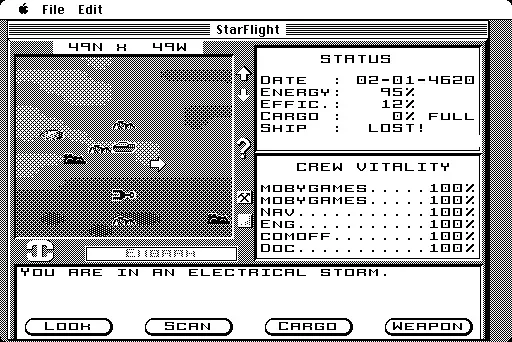
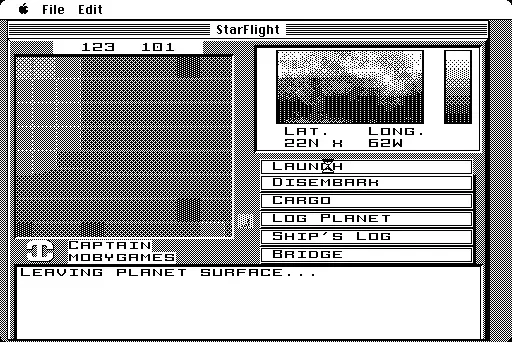
As a role-playing and simulation hybrid, Starflight centers on commanding a starship, recruiting and managing a crew, scanning planets, gathering minerals, negotiating with multiple alien species, and surviving tactical encounters in space. The game’s structure emphasizes discovery over linear progression, and its systems support a large sandbox of hundreds of star systems and many planets to investigate.
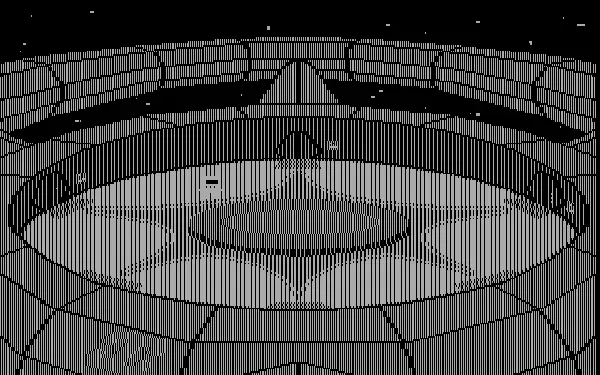
On DOS, the game stood out for its technical ambition, including a universe built with fractal-style procedural generation and a real-time presentation that gave its galaxy a dynamic feel for the period. Commentary on the original release also highlights how efficiently the game used its storage, with evidence that the codebase was extraordinarily compact for such a large simulation.
Collector’s Value & Rarity
Starflight is well preserved in retro-gaming circles because of its historical importance and its later reissues, so it is generally better documented than many mid-1980s PC releases. Original DOS editions still draw interest from collectors because they represent the first release of a genre-defining title, but the game is not typically treated as an ultra-rare obscurity.
For collectors, the most notable physical distinctions are the original IBM-PC packaging and media, along with regional and platform variations from later ports. The game’s legacy is also reflected in its extended afterlife across editions and compilations, which makes complete boxed copies more desirable than loose disks or incomplete sets.