




Overview
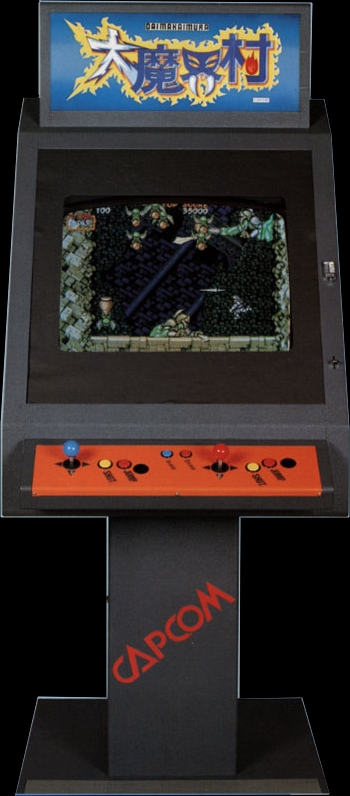
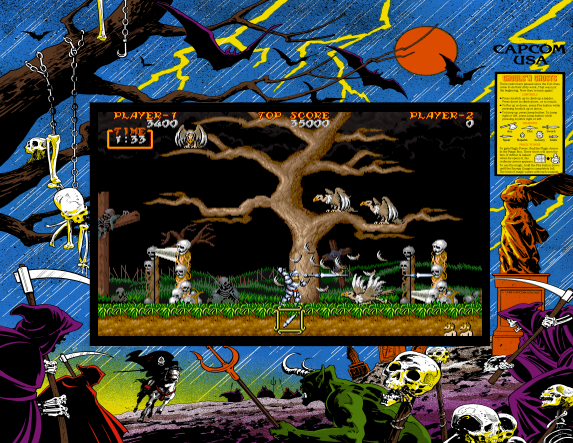
Released by Capcom in 1988, ‘Daimakaimura’ is a classic action platformer game that gained popularity for its challenging gameplay and gothic horror theme. Known in other regions as ‘Ghouls ‘n Ghosts’, it is the sequel to the successful ‘Ghosts ‘n Goblins’. The game is celebrated for its engaging level design and increased difficulty, presenting players with exciting challenges as they navigate through various stages filled with nightmarish creatures.
Gameplay
The game follows the knight Arthur on his quest to rescue souls captured by Lucifer, battling through multiple levels filled with supernatural enemies. Players must master jumps, attacks, and the use of power-ups, such as upgraded weapons, to succeed. Precision and timing are key to surviving the relentless onslaught of demons and undead adversaries. The inclusion of an ‘upgrade armor’ feature distinguishes it from its predecessor, adding an extra layer of strategy.
Graphics and Sound
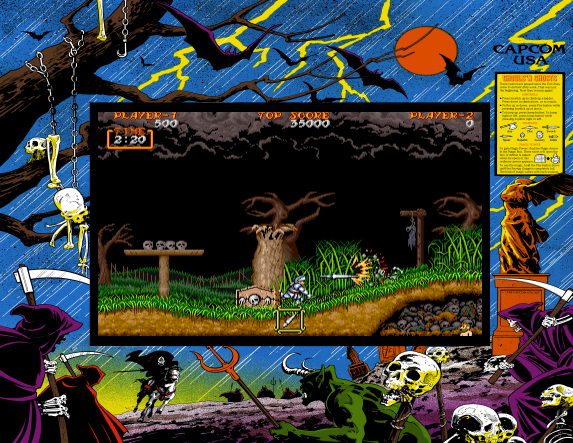
With enhanced graphics and sound compared to its predecessor, ‘Daimakaimura’ offers a visually striking experience. The game features detailed sprite animations and atmospheric backgrounds that evoke the eerie setting of a dark medieval world. The soundtrack complements the intense action with dramatic and suspenseful music, enhancing the overall immersive experience.
Historical Significance
As one of Capcom’s earlier successful titles, ‘Daimakaimura’ played a significant role in establishing the company’s reputation for high-quality arcade games during the late 1980s. It is remembered for setting a benchmark in the side-scrolling platformer genre, influencing numerous games that followed. Its difficulty has made it a touchstone for gamers seeking a serious challenge, maintaining a legacy as one of the most renowned entries in gaming history.
Interesting Facts
One of the interesting aspects of the game’s development was the team’s commitment to crafting a balance between difficulty and playability, ensuring that despite its tough challenges, players remained engaged rather than frustrated. ‘Daimakaimura’ was ported to numerous platforms over the years, including the Sega Genesis, Super Nintendo, and later as part of various Capcom collections, maintaining its appeal across generations.