





Historical Context & Trivia
Rise of the Triad: Dark War (1994) is a high-energy DOS action shooter from Apogee Software, remembered as a cult-era PC title that pushed the same fast, spectacle-driven design language that made early-1990s shooters so defining. It arrived in the wake of the Wolfenstein 3D lineage and was later associated with a shareware-first release path, helping it stand out in the classic PC distribution scene.
Apogee Software handled both development and, in the original release context, publishing duties for the game’s core identity, with the title later appearing through additional publishing arrangements over time. Its reputation today comes from its over-the-top tone, aggressive pace, and place in the evolution of PC shooters before the genre fully standardized around later landmark formulas.
Gameplay & Technical Features
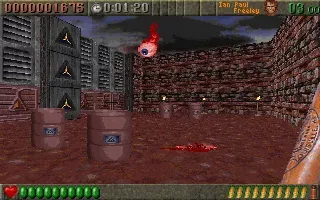
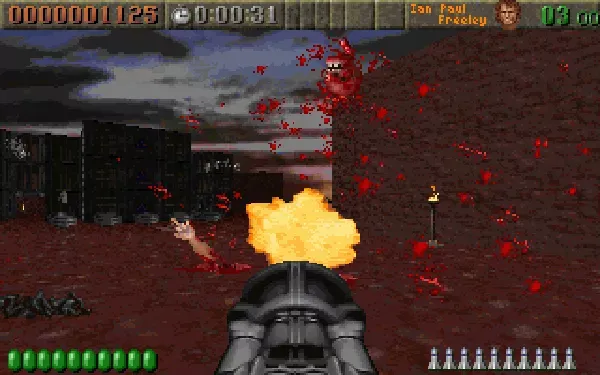
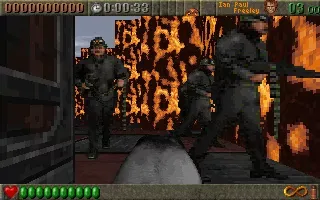
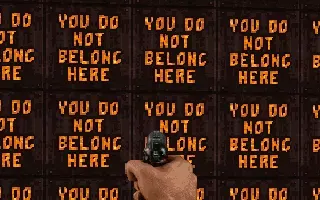
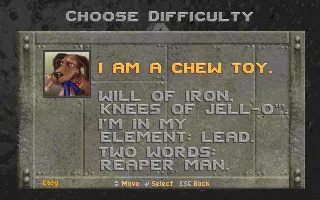
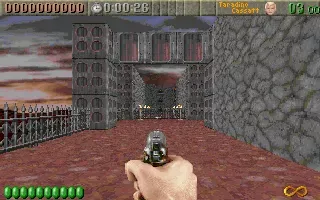
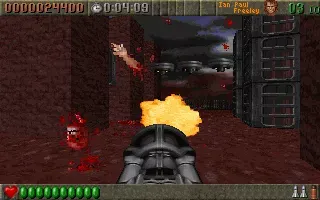
As an Action shooter, Rise of the Triad: Dark War centers on rapid movement, explosive combat, and level traversal built around shooting, key-based progression, and arcade-style momentum. It is especially associated with frantic pacing and a deliberately exaggerated style that separates it from more methodical first-person shooters of the same era.
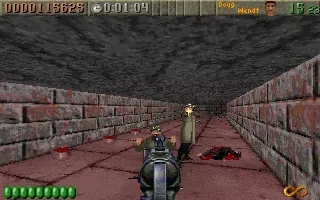
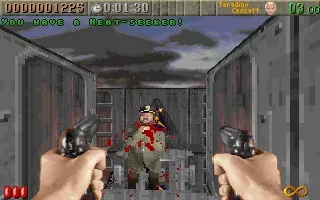
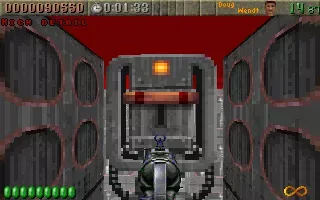
On DOS, the game reflects early-1990s PC constraints and strengths: keyboard-driven controls, sprite-based presentation, and audio built for the period’s PC sound hardware environment. Its technical identity is tightly tied to the MS-DOS ecosystem, where shareware distribution, emulator support, and original hardware compatibility remain part of the game’s preservation story.
Collector’s Value & Rarity
Rise of the Triad: Dark War is not typically treated as a scarce ultra-rarity, but original physical releases still carry collector interest because of their strong cult following and association with a memorable PC shareware era. Value is driven more by condition, completeness, and edition than by extreme scarcity.
Preserved copies are most desirable when they include original packaging and collateral such as manuals or retail inserts, since these elements help document the game’s period release history. Regional and distribution differences also matter, especially where different publishers or release channels produced variant packaging tied to the wider Apogee ecosystem.