




Historical Context & Trivia
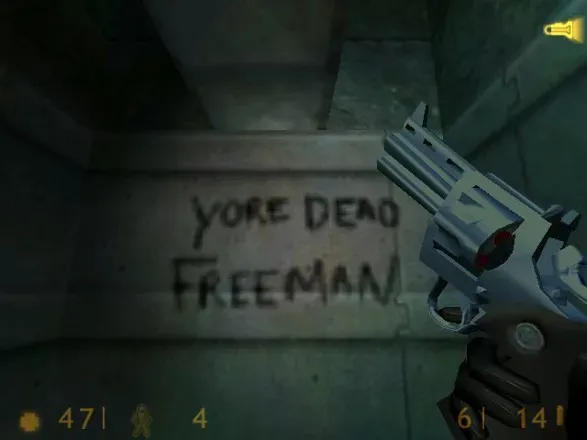
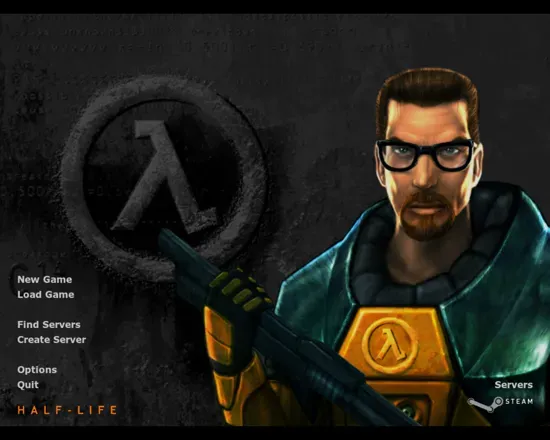
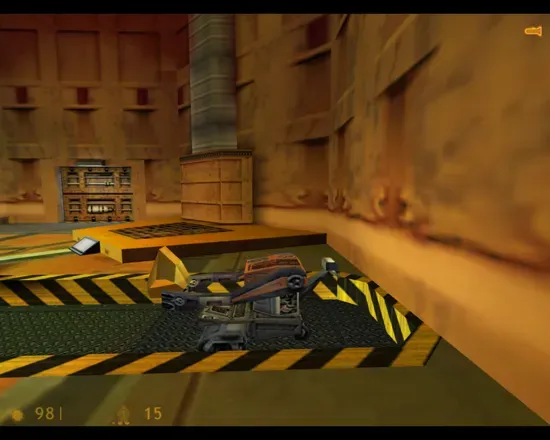
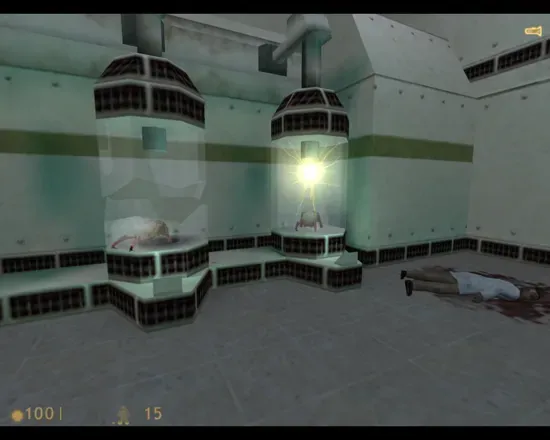
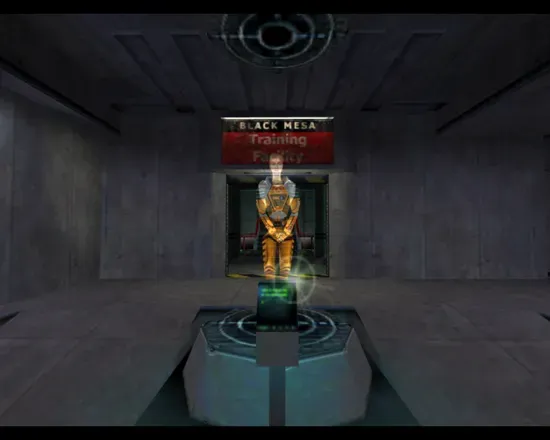
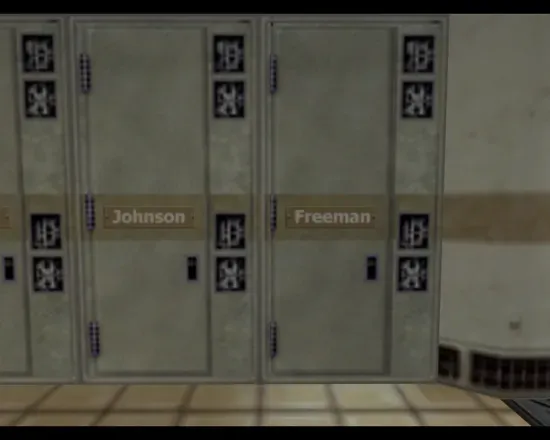
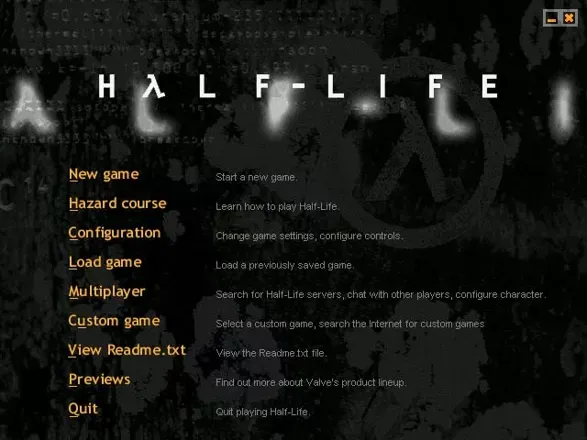
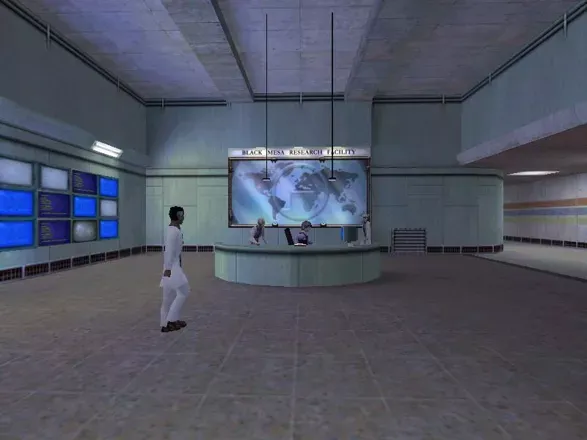
Half-Life (1998) is one of the defining PC first-person shooters of the late 1990s, and it is widely recognized as Valve’s debut title and the first entry in the Half-Life series. It released for Windows on November 19, 1998, and is commonly associated with the sci-fi setting of the Black Mesa Research Facility and the character of Gordon Freeman.
The game was published in retail form by Sierra On-Line / Sierra Studios, while Valve Corporation handled development; later publishing rights shifted back to Valve in the digital era. Source material identifies it as Valve’s debut product, built on the GoldSrc engine, and notes that it won Game of the Year recognition from more than 50 publications.
Gameplay & Technical Features
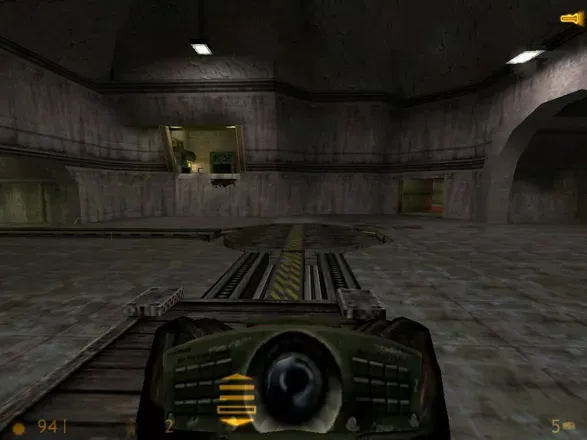
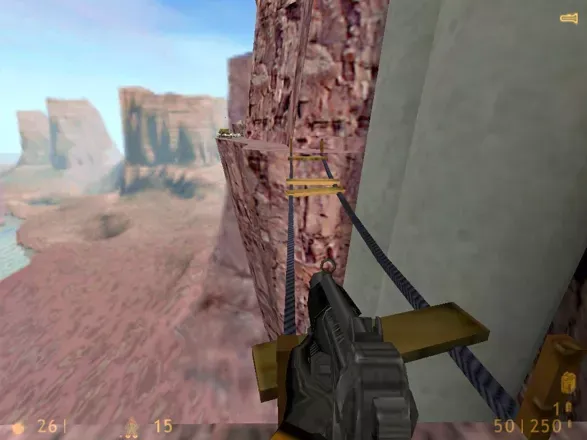
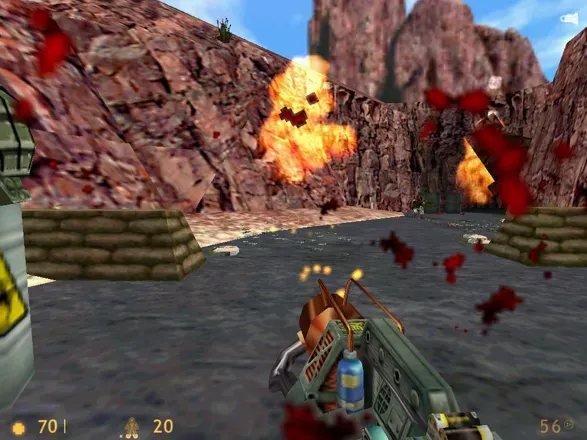
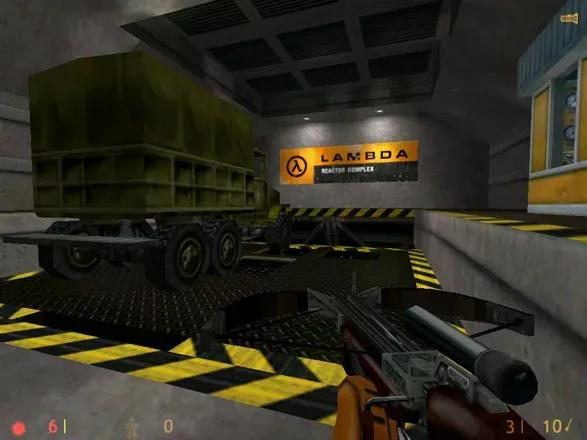
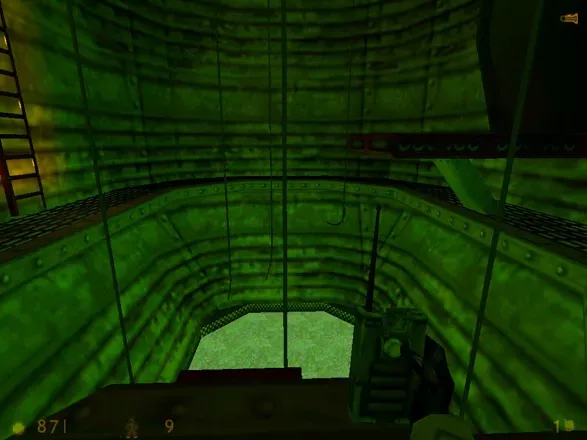
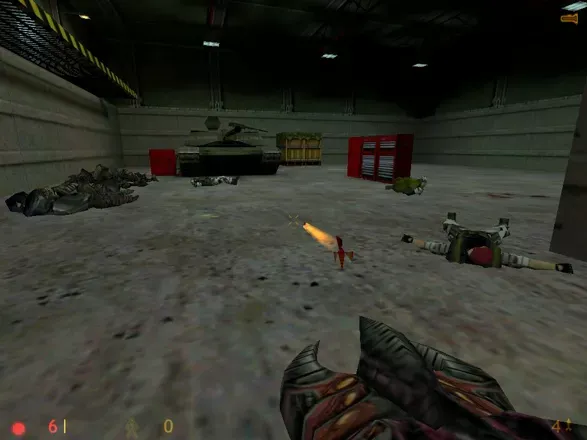
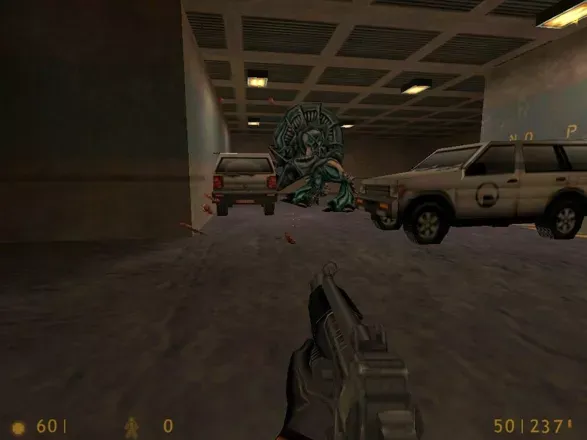
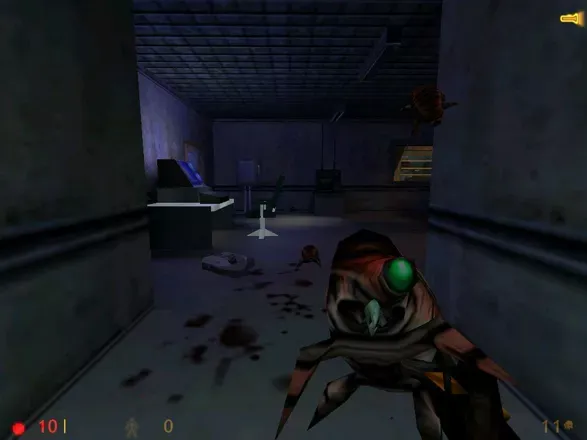
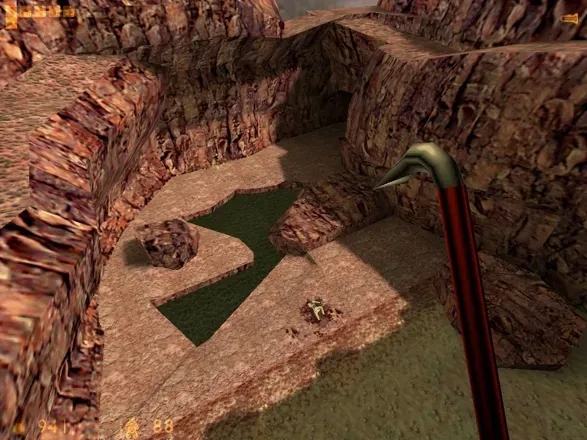
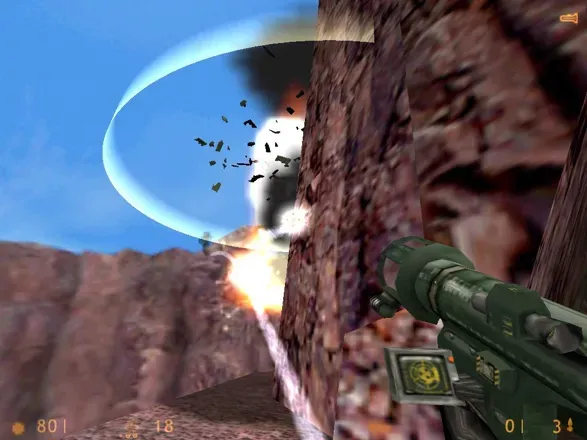
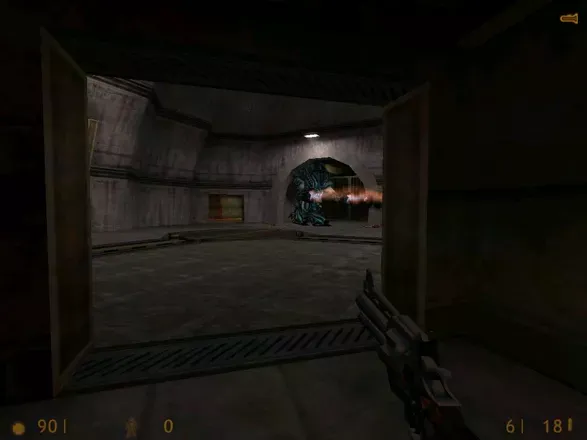
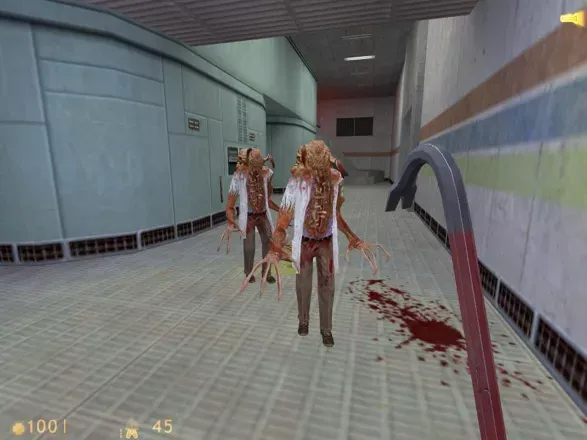
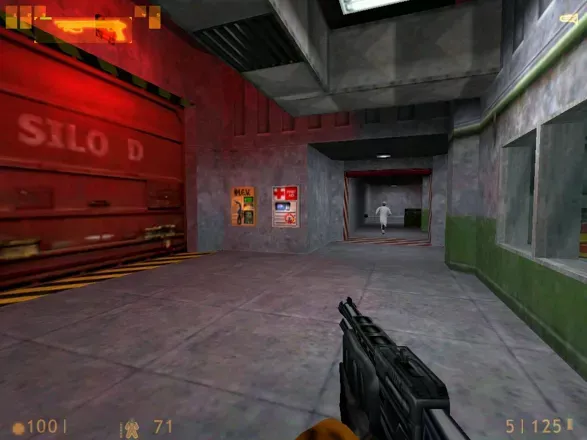
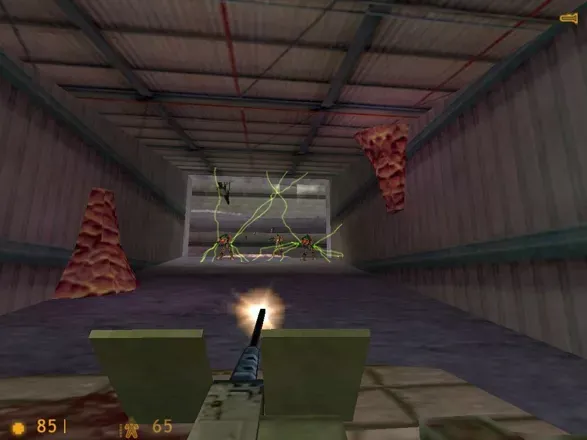
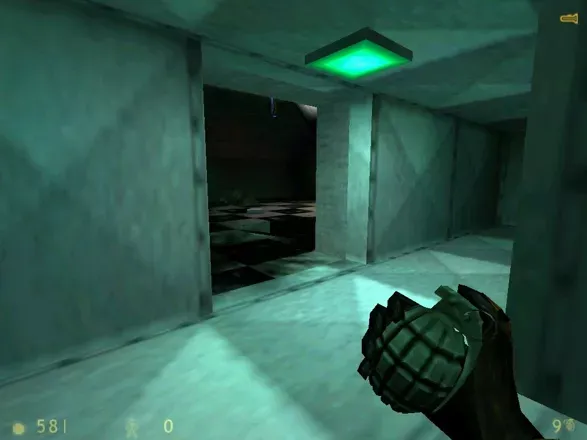
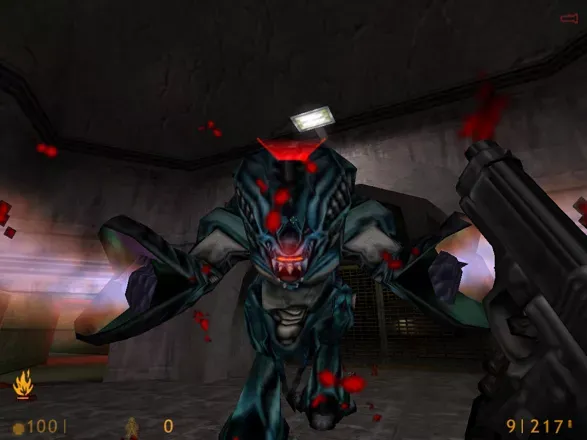
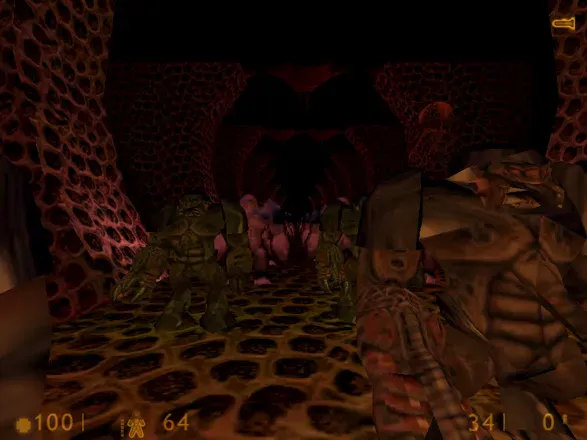
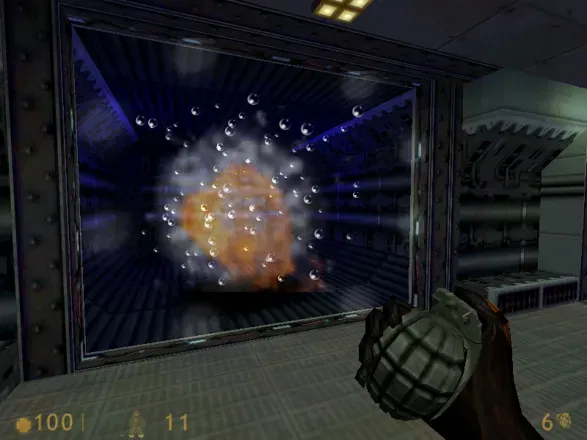
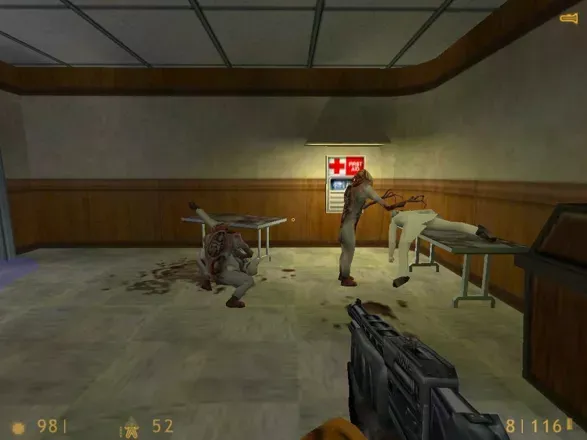
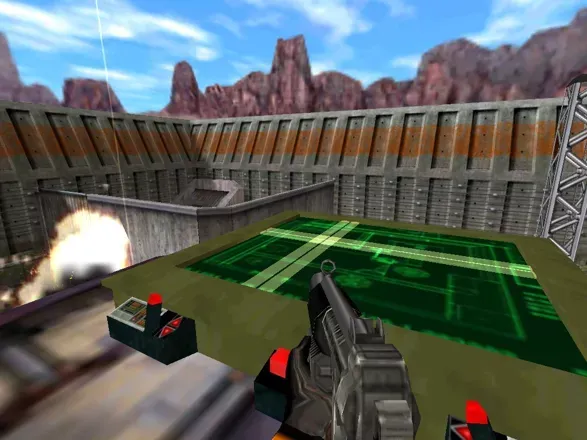
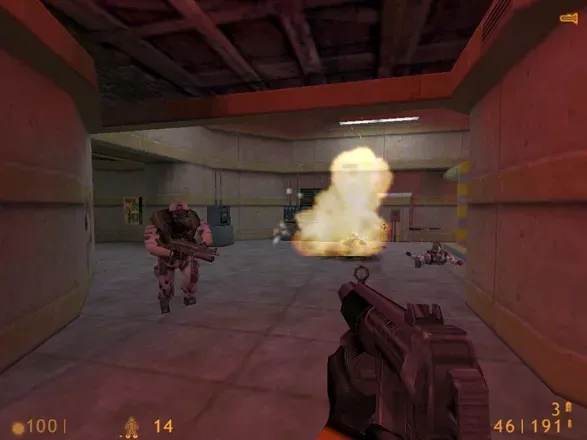
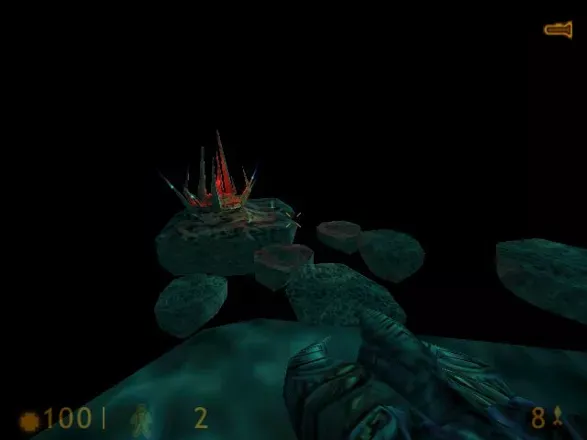
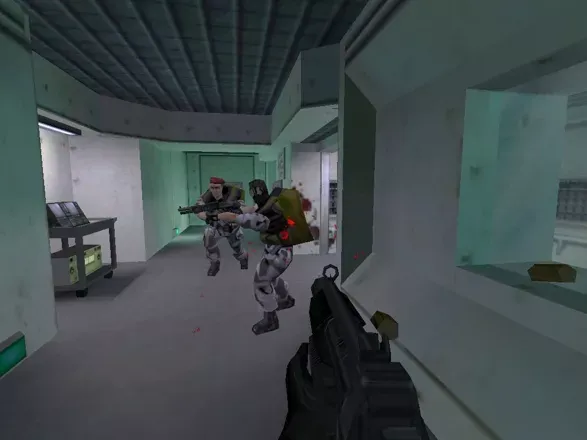
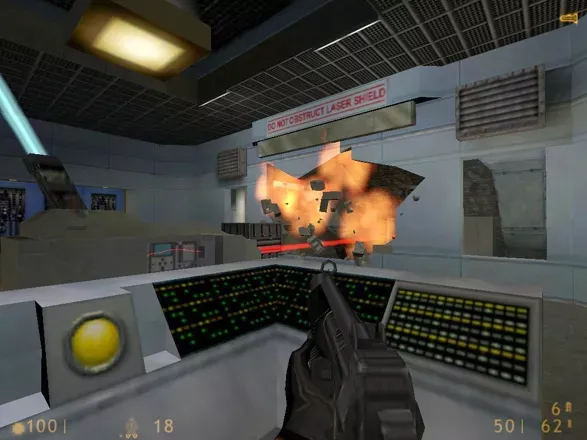
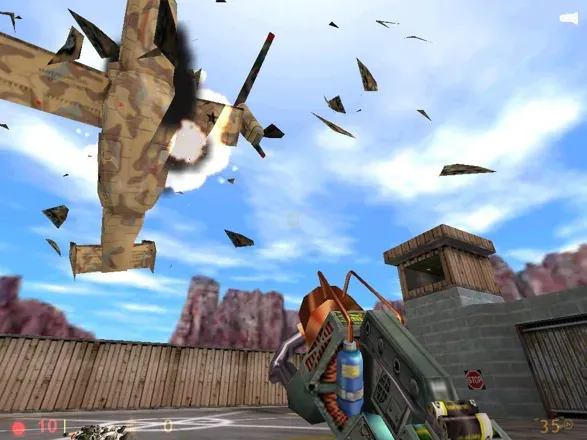
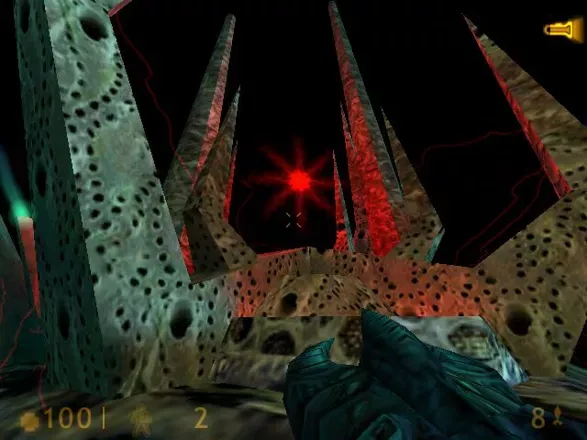
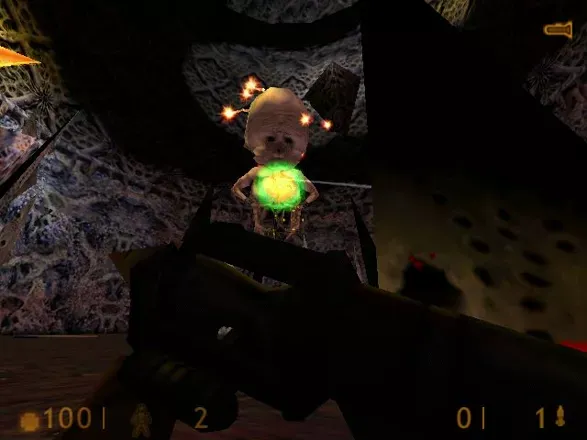
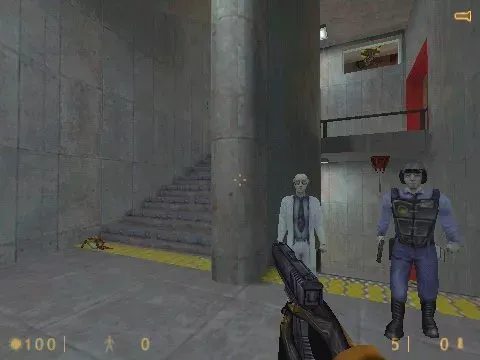
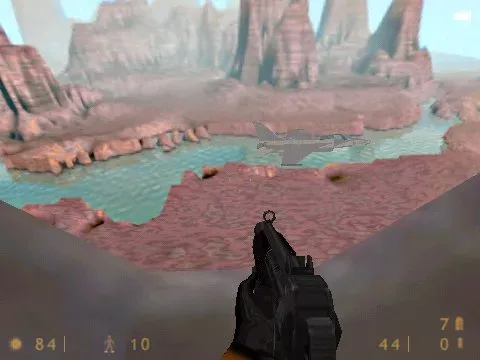
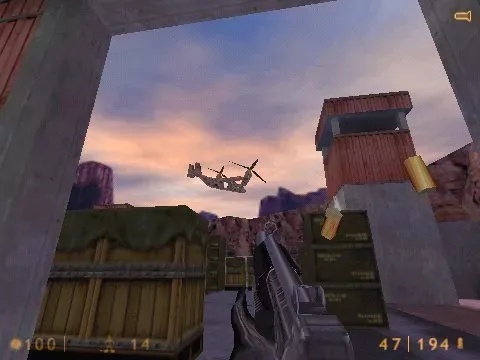
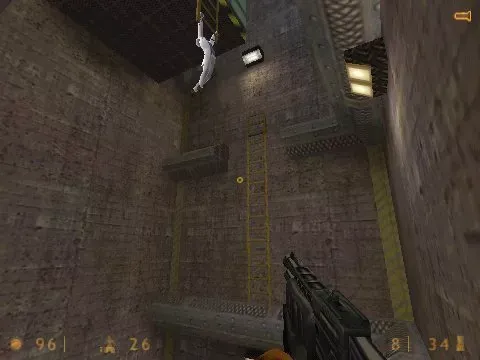
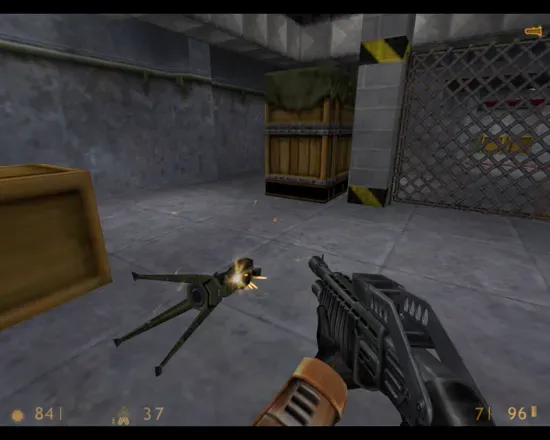
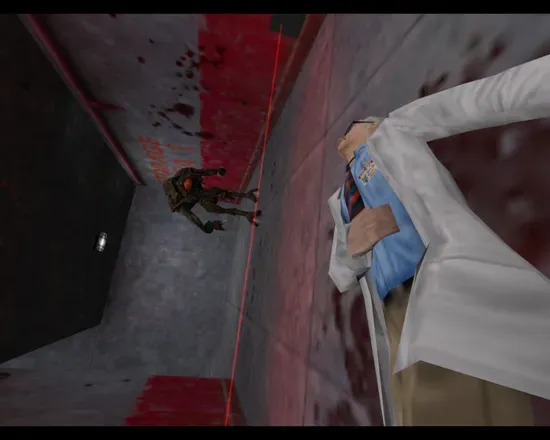
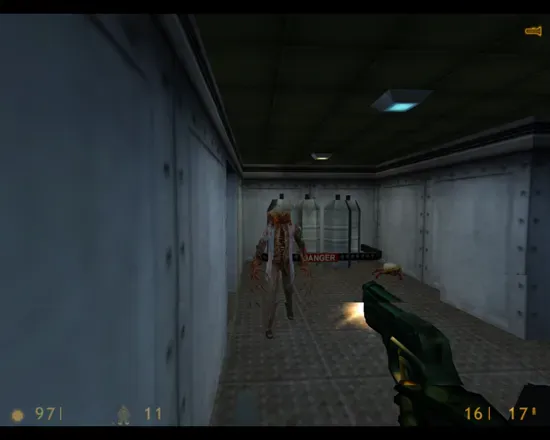
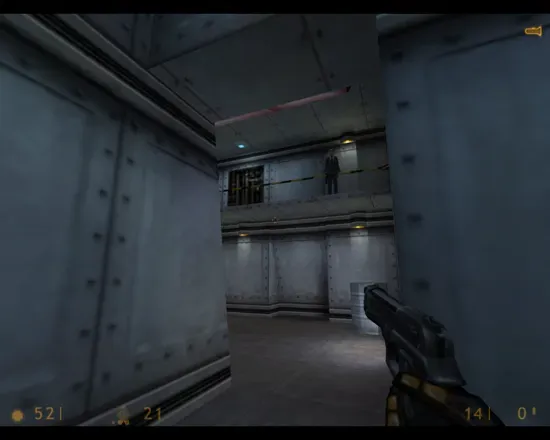
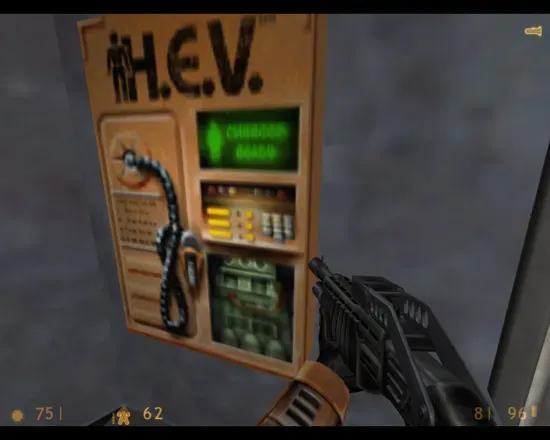
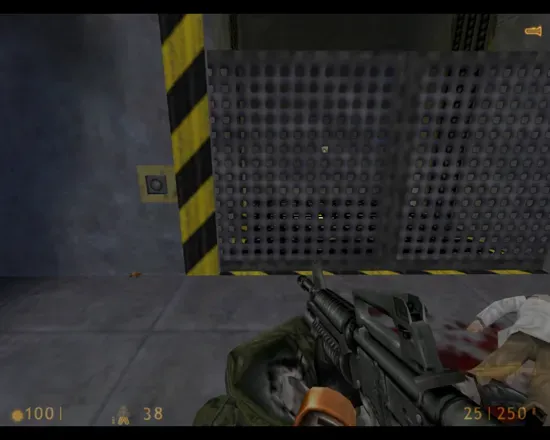
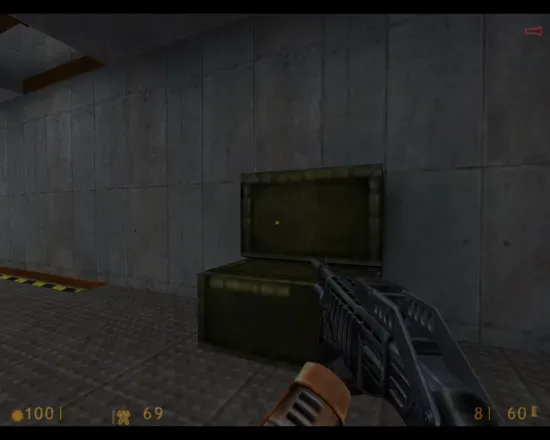
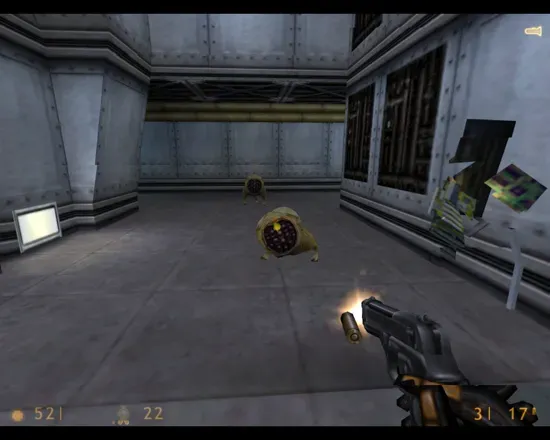
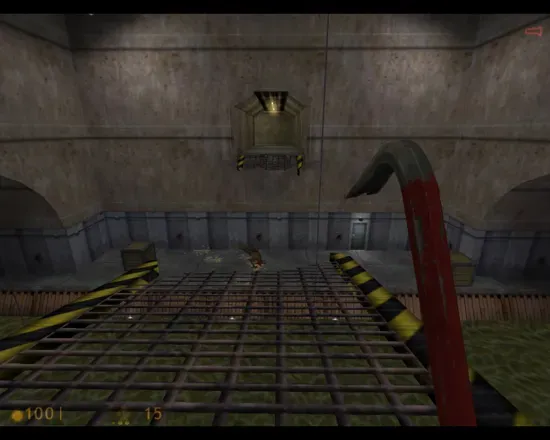
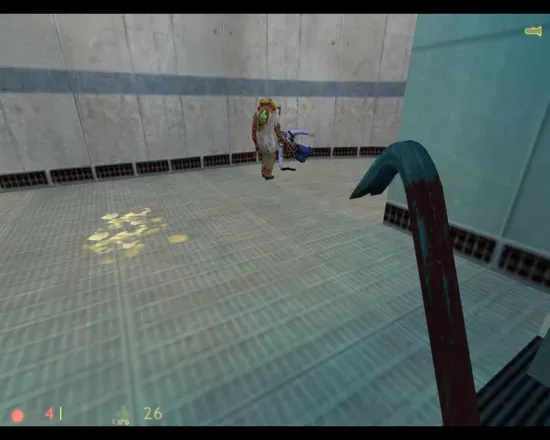
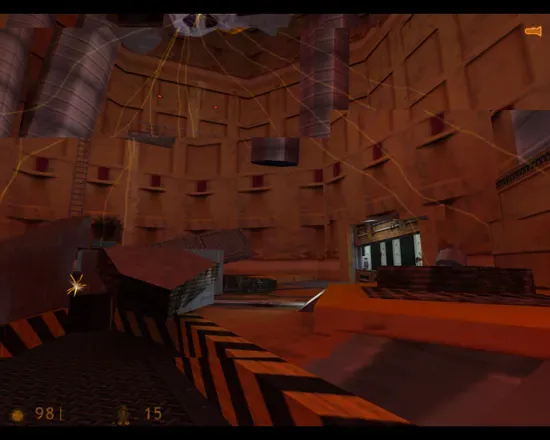
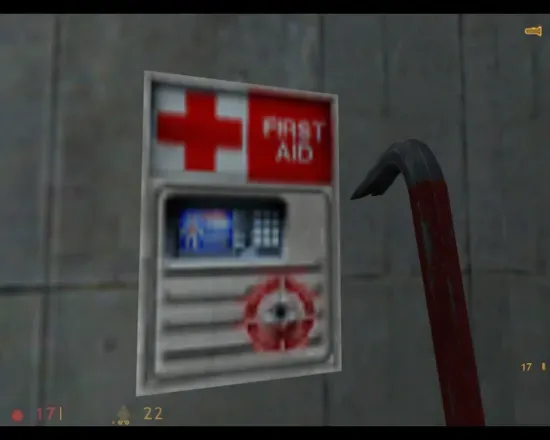
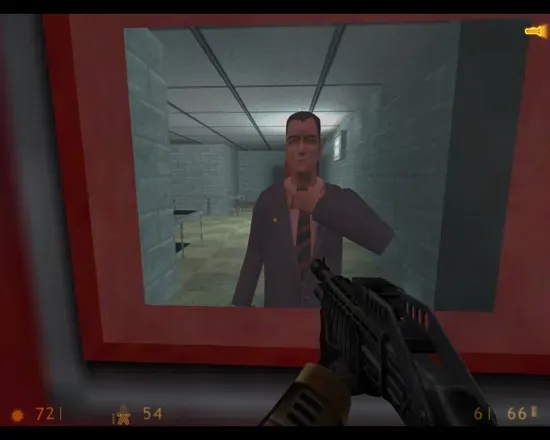
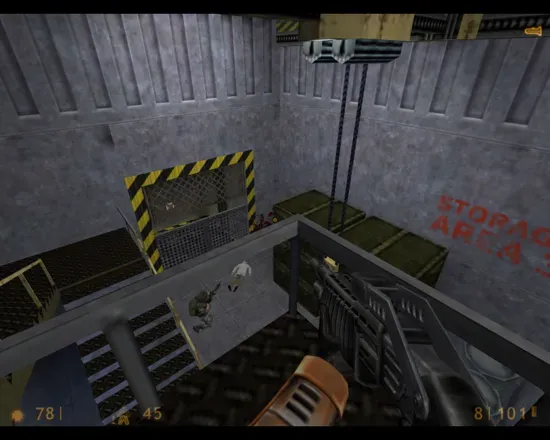
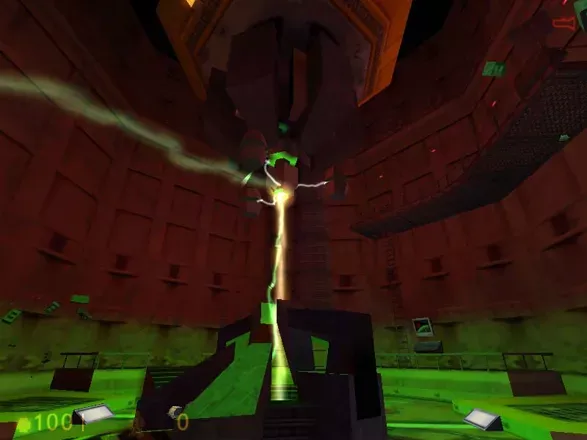
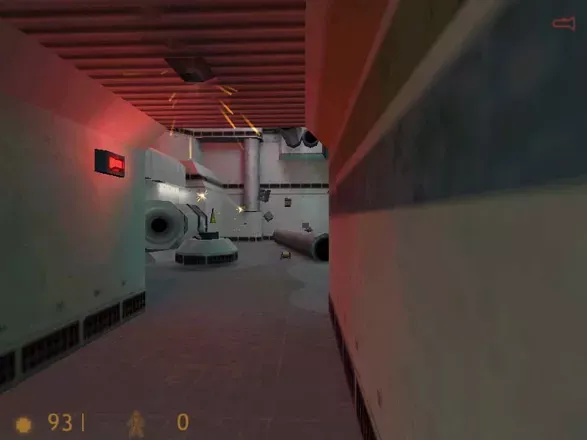
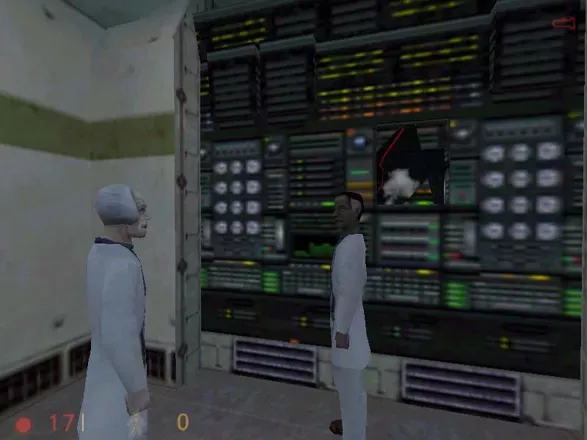
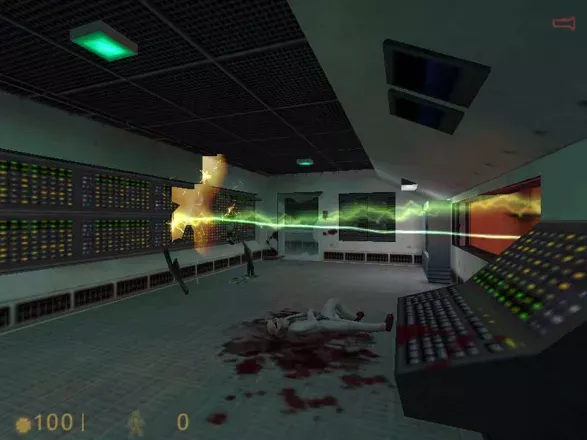
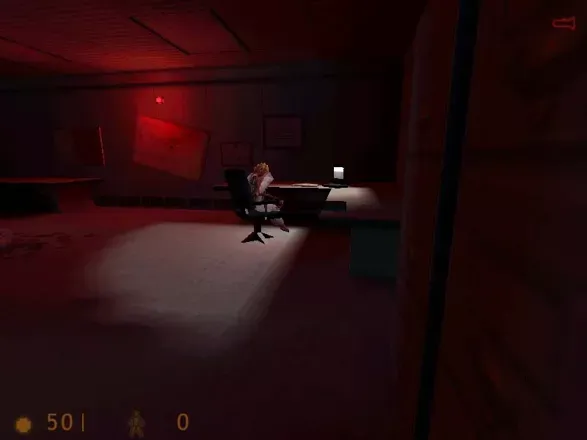
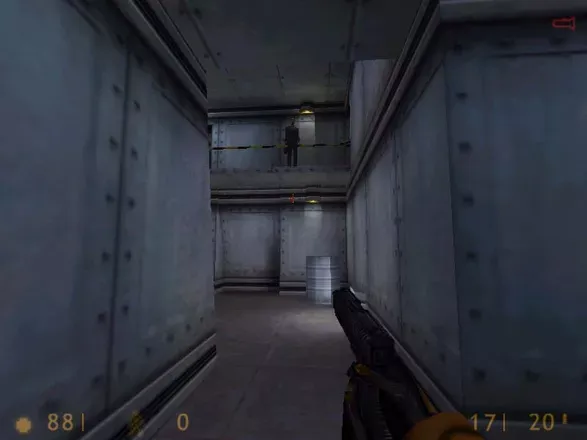
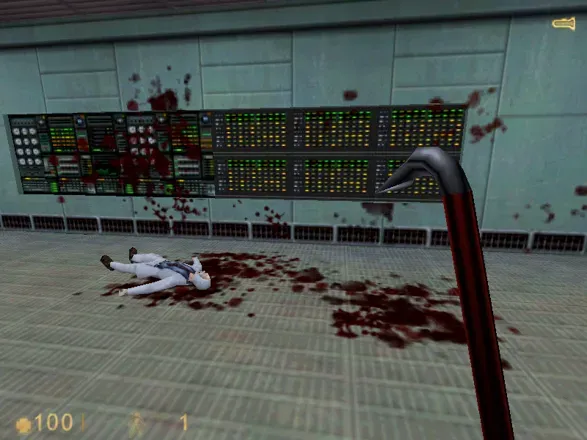
Half-Life is an action-focused first-person shooter that blends combat, exploration, and puzzle-solving rather than relying only on arena-style firefights. The player advances through scripted environments, fights hostile forces with a range of weapons, and navigates a narrative-driven campaign set inside the collapsing Black Mesa complex.
On Windows, the game was designed around the PC ecosystem of the late 1990s, with the GoldSrc engine providing the technical base for its real-time 3D presentation. The available documentation also shows support for multiplayer play, with up to 32 players listed in title data, and later anniversary-era updates added modern compatibility improvements for current systems.
Collector’s Value & Rarity
Original retail copies of Half-Life are historically important and generally more desirable than common late-era PC releases because of the game’s landmark status and its strong association with the rise of modern narrative shooters. Market scarcity is influenced less by pure obscurity and more by condition, completeness, and whether the copy is an early boxed release rather than a later reprint or digital version.
For collectors, the most relevant physical details are the original Sierra retail packaging, regional barcode or product-ID variants, and any included manuals or inserts tied to the 1998 Windows release. The title also exists in multiple later editions and regional publisher configurations, which means boxed variants can differ meaningfully in labeling, rating marks, and distribution data.