

Historical Context & Trivia
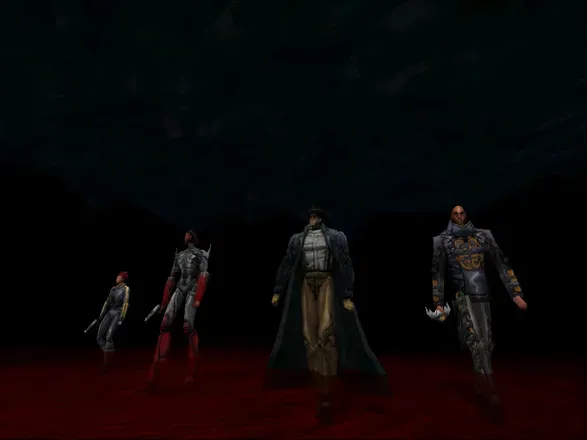
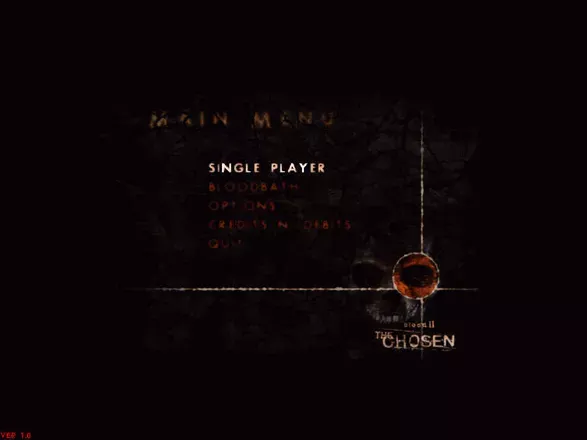
Blood II: The Chosen was released in 1998 as a Windows sequel to Blood, extending Monolith Productions’ cult horror-shooter universe with a more fully 3D presentation and a darker sci-fi-tinged direction. Its reputation rests less on mainstream dominance than on its place within late-1990s PC action history, where it stood out for aggressive atmosphere, black humor, and a continuation of Caleb’s conflict with the CABAL.
Monolith Productions, Inc. developed the game, while GT Interactive Software Corp. handled the original publishing push, with later regional publishing credited in some listings to Acer TWP Corp. The title is closely associated with Monolith’s transition toward its in-house LithTech engine, which also framed the studio’s broader late-1990s technology identity.
Gameplay & Technical Features
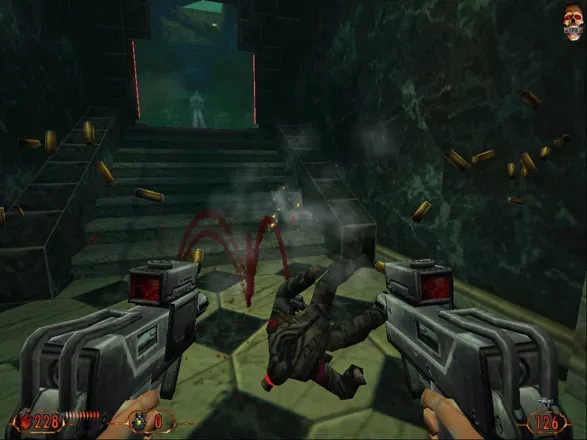
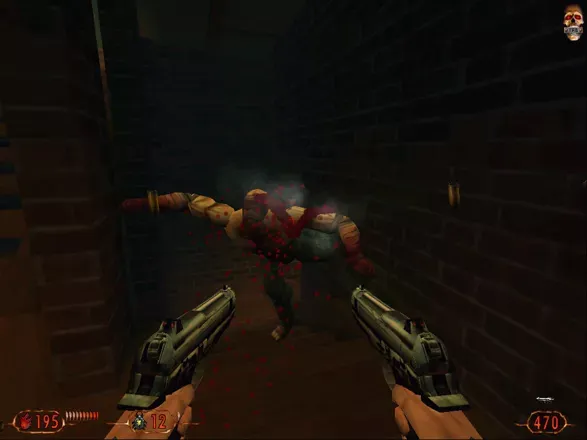
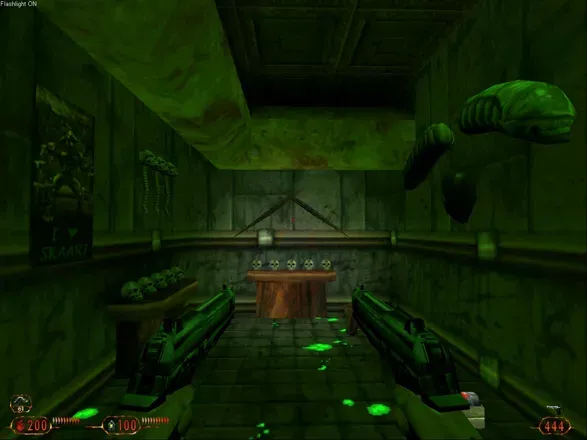
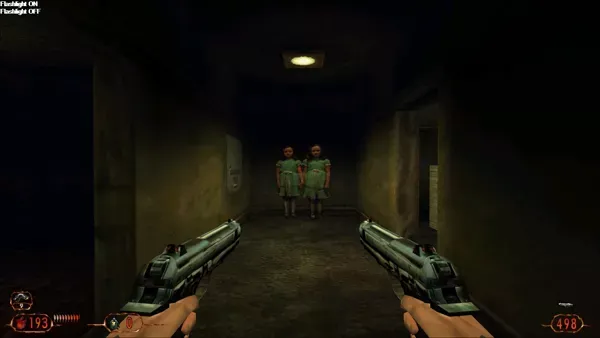
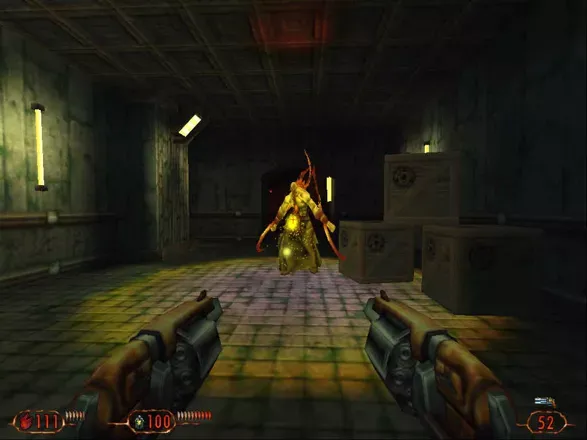
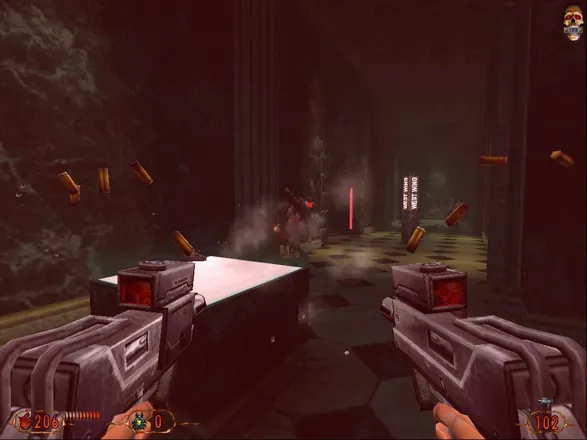
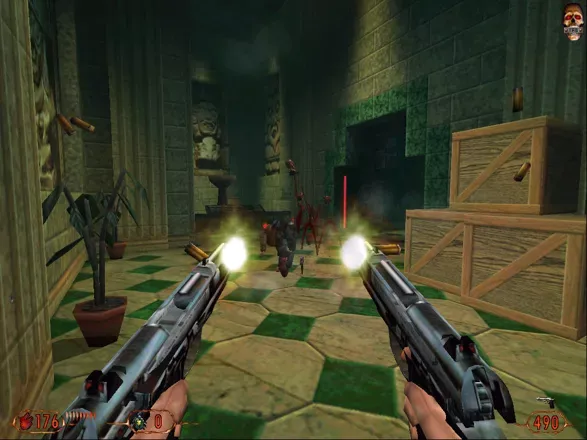
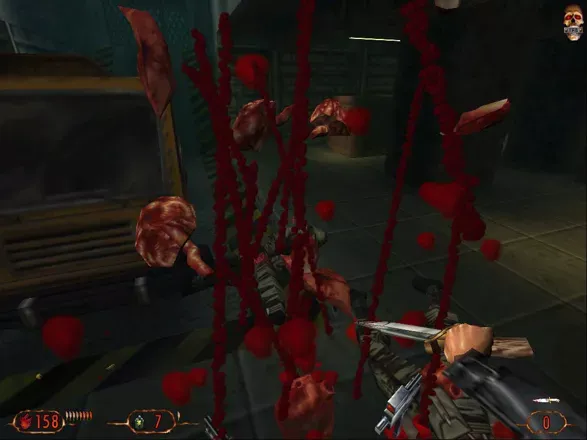
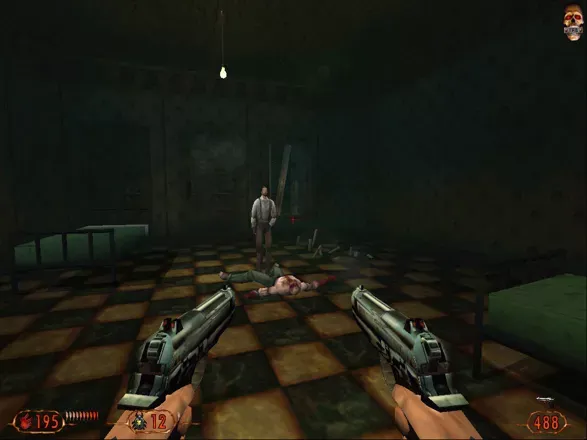
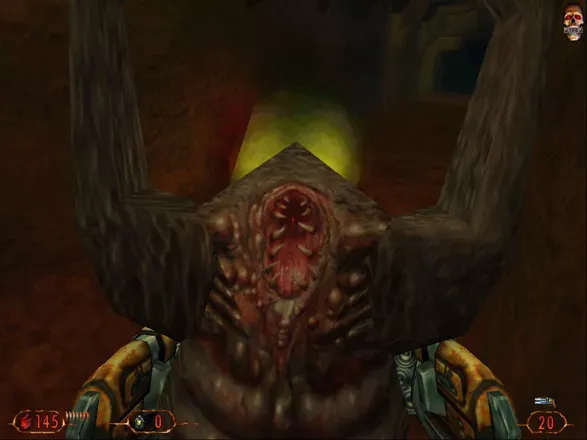
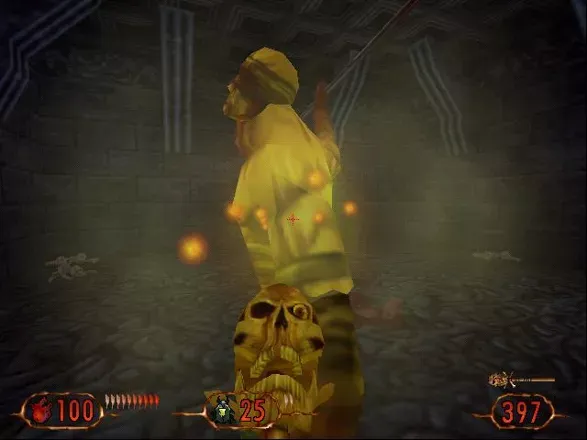
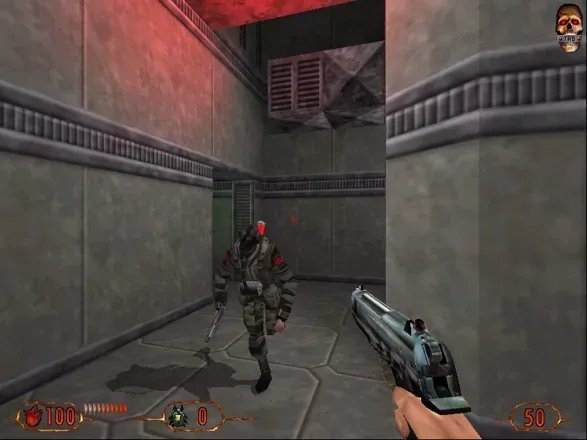
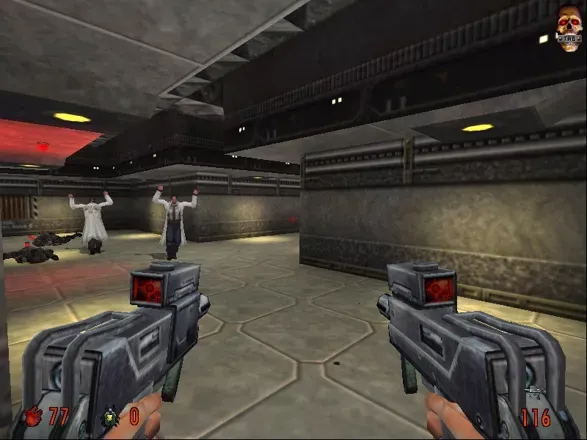
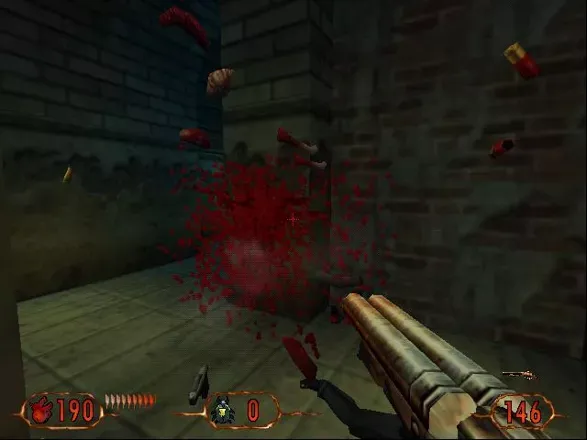
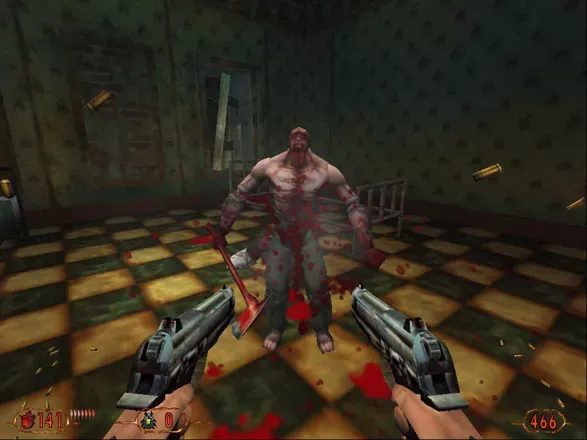
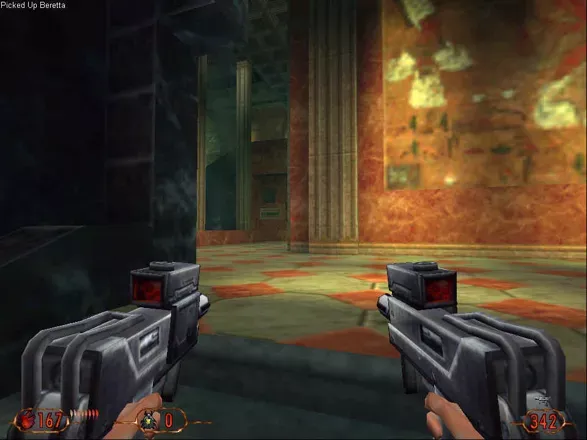
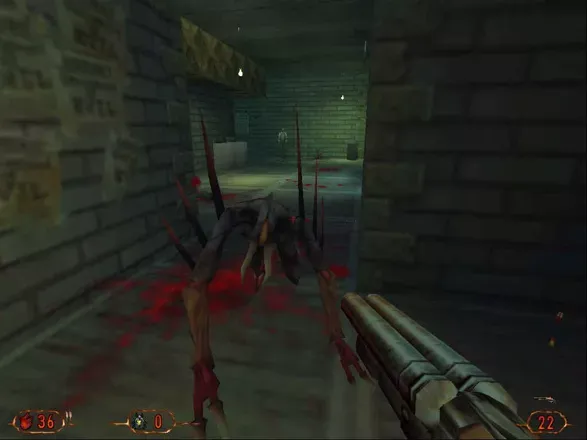
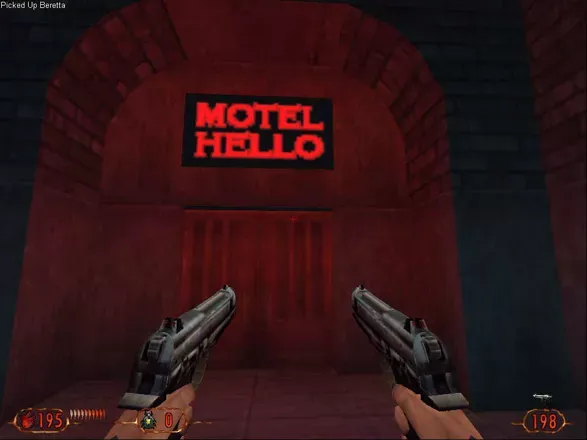
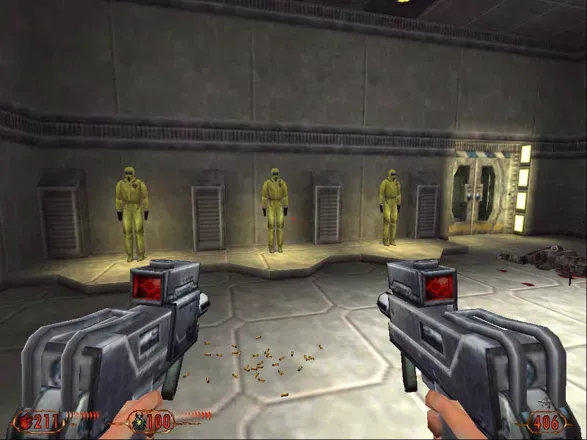
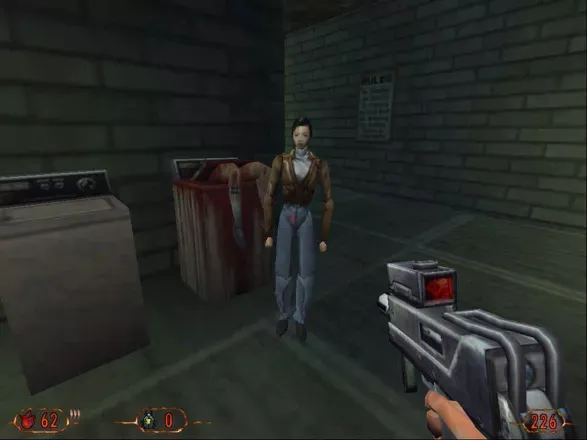
This Action title plays as a fast first-person shooter built around gunplay, enemy encounters, and mobility through large combat spaces. The core loop emphasizes weapon variety, atmospheric level traversal, and a single-player campaign driven by supernatural and sci-fi themes.
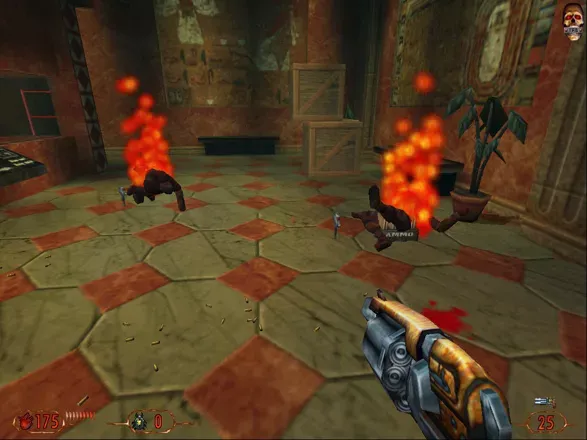
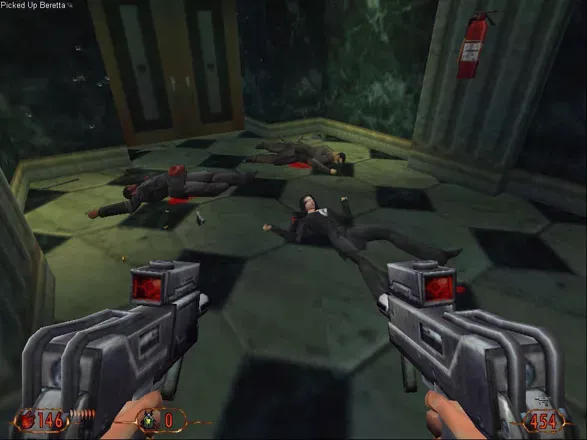
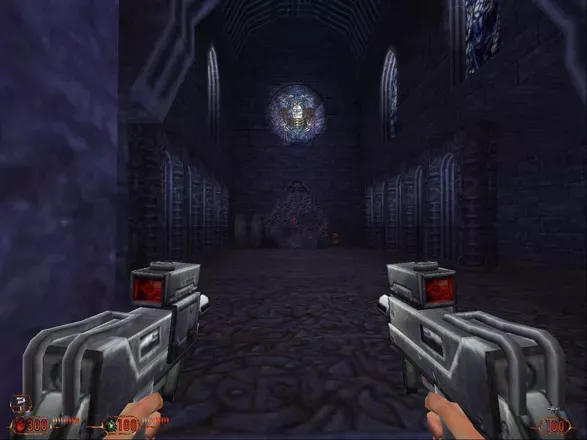
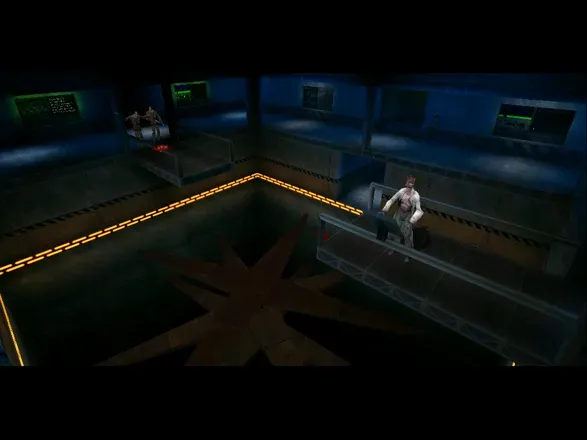
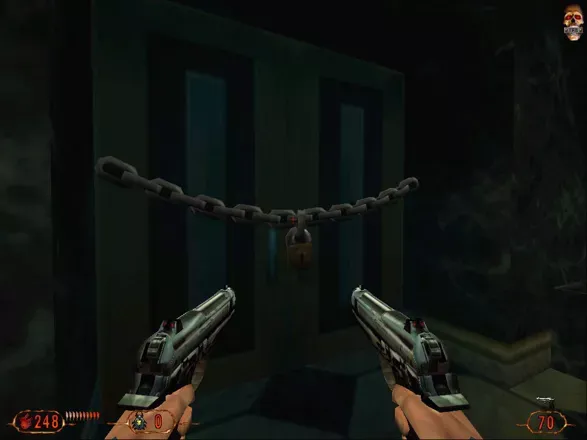
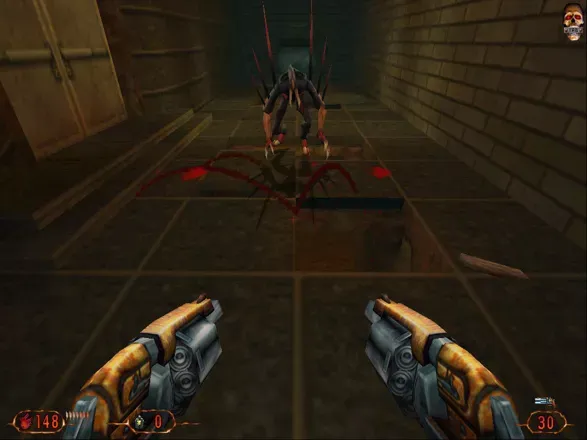
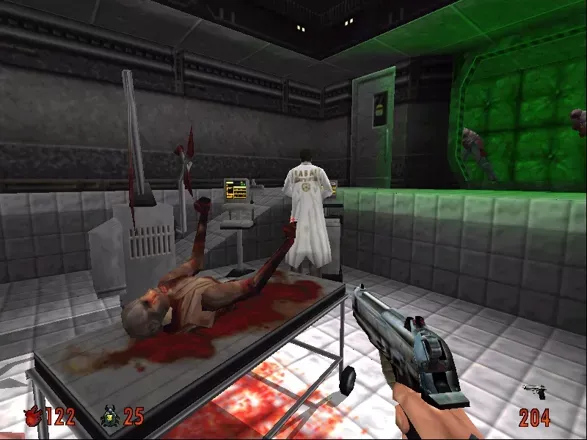
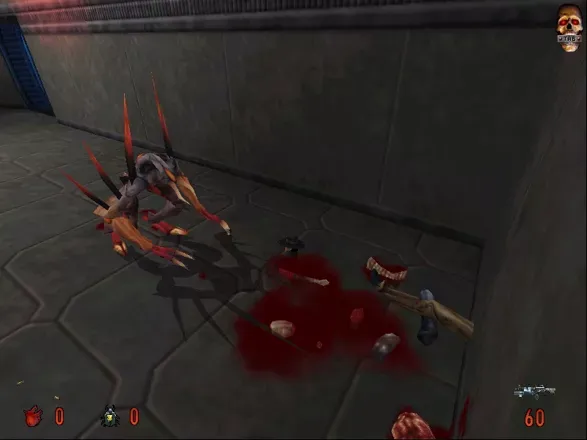
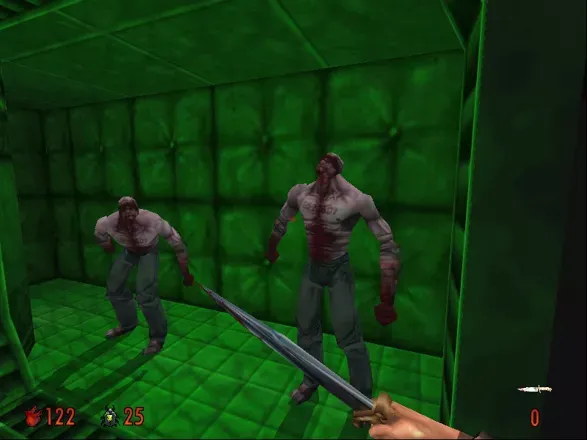
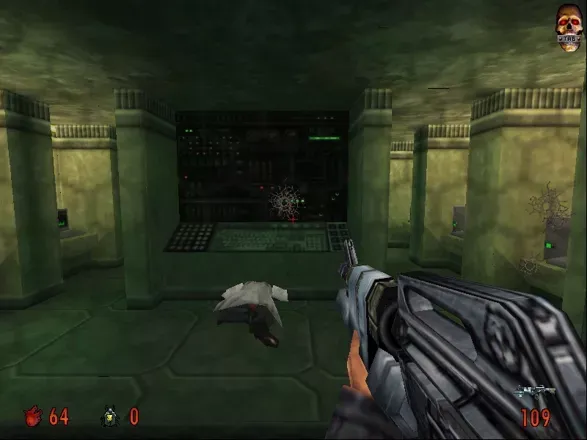
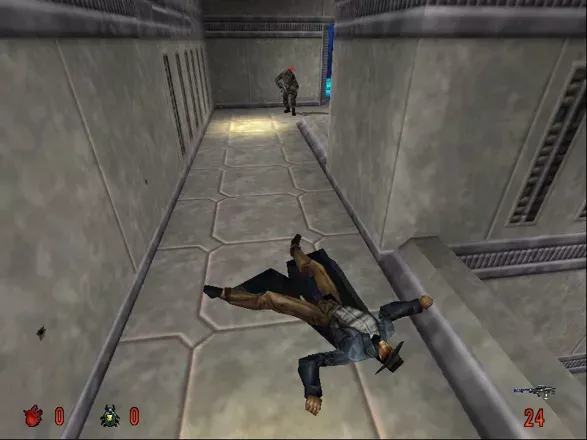
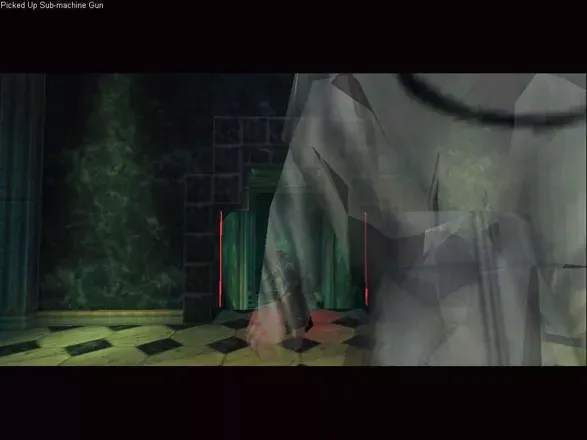
On Windows, the game leaned on the LithTech engine to deliver fully 3D environments, animated enemies, and a sharper technical profile than the earlier Blood release. Its audio-visual framework reflects late-1990s PC production values, with dark industrial styling, voice work, and effects that support its futuristic occult tone.
Collector’s Value & Rarity
In the collector market, Blood II: The Chosen is generally treated as a mid-tier PC collectible rather than an ultra-rare prize, with value shaped by condition, completeness, and whether the original big box or disc/manual set is intact. Preserved copies circulate often enough to keep the game accessible, but complete retail editions remain more desirable than loose discs.
Packaging matters significantly for this title, especially original Windows retail box variants, manuals, and any included collateral tied to regional releases or distributor-specific labeling. Listings also show that boxed copies and sets with the manual tend to command more interest than incomplete examples, which is typical for late-1990s PC releases.