



Historical Context & Trivia
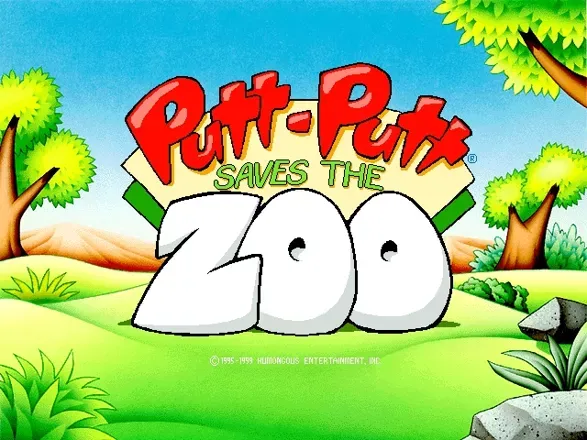
Putt-Putt Saves the Zoo was released in 1995 as a children’s point-and-click adventure and became one of the defining entries in Humongous Entertainment’s long-running Putt-Putt series. Its place in the studio’s catalog reflects the mid-1990s shift from DOS-era visual design toward brighter Windows presentation and more animated storytelling for younger players.
Humongous Entertainment both developed and published the original release, and the game is commonly associated with the studio’s trademark educational-adventure style. It later appeared through multiple re-releases and storefronts, which helped preserve its visibility well beyond the original Windows 16-bit era.
Gameplay & Technical Features
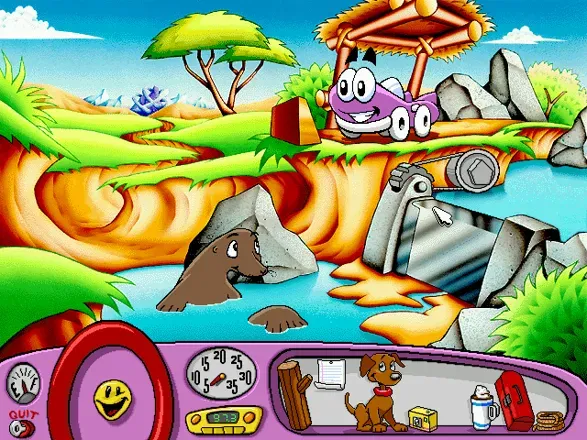
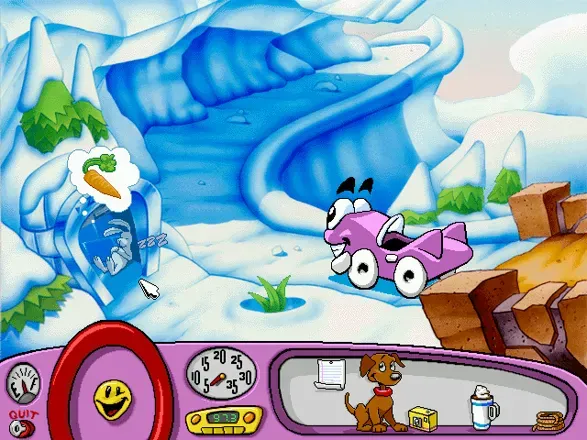
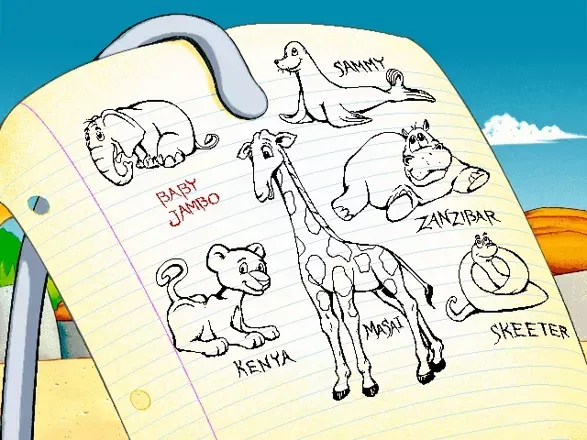
This point-and-click adventure centers on exploration, object interaction, simple inventory use, and child-friendly puzzle solving. The structure is built around short, approachable tasks that reward experimentation without demanding fast reactions or complex branching systems.
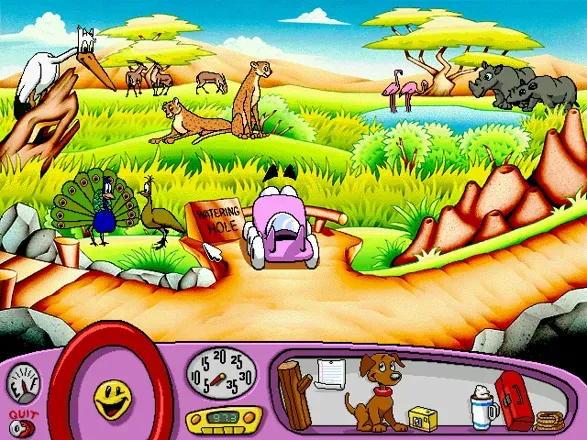
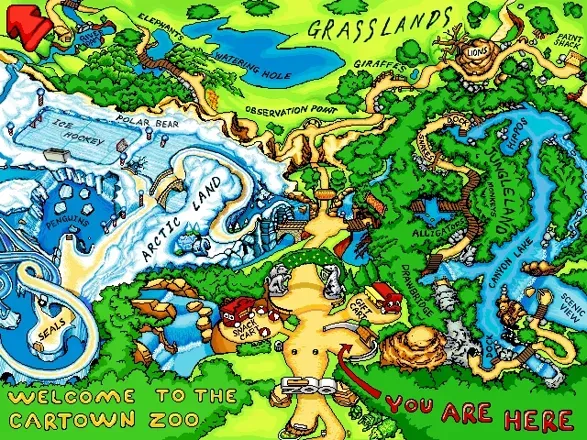
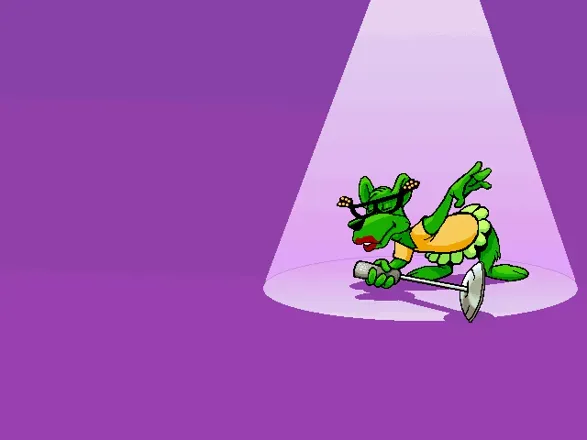
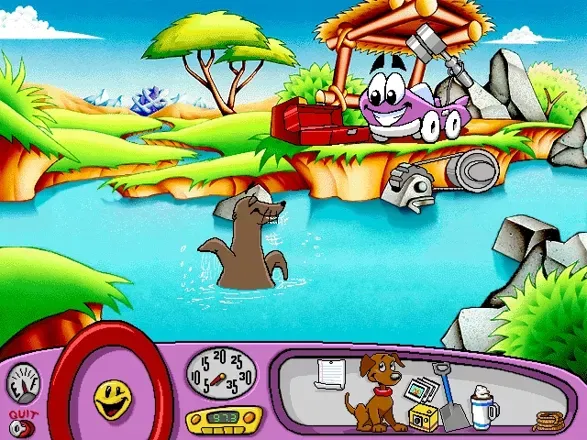
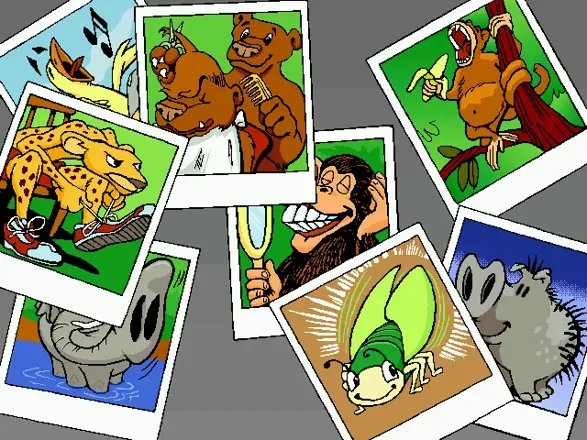
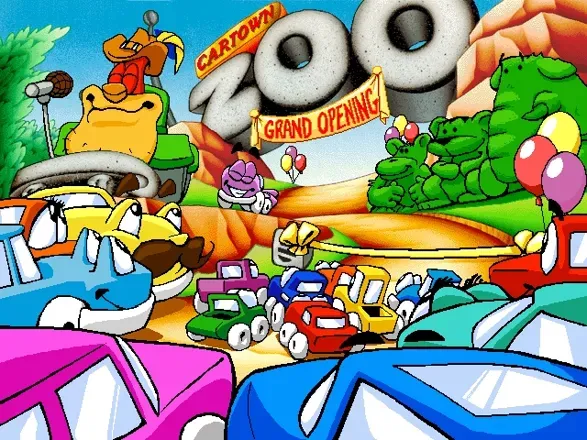
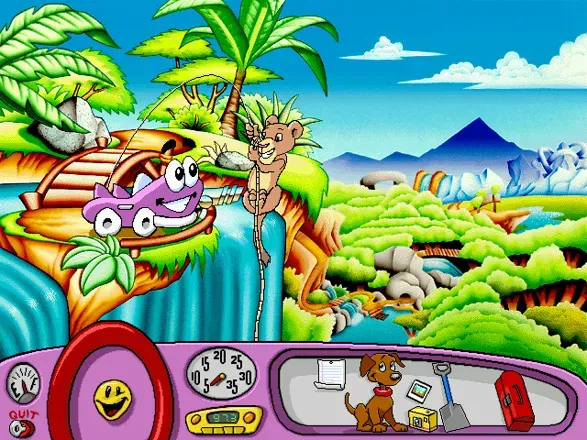
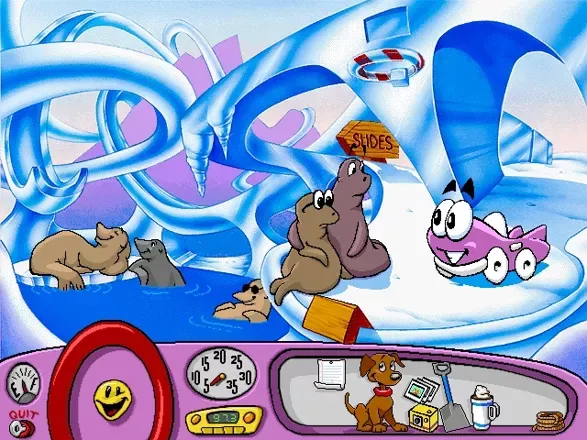
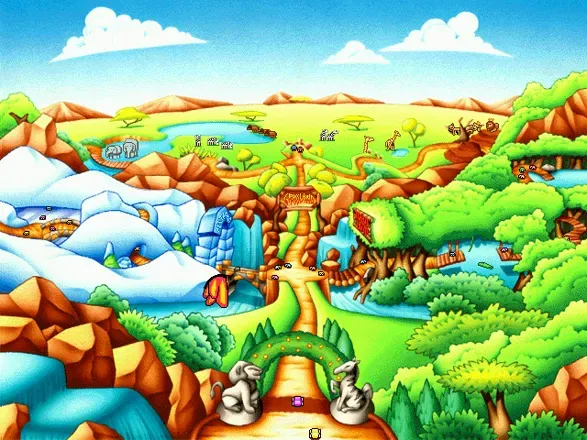
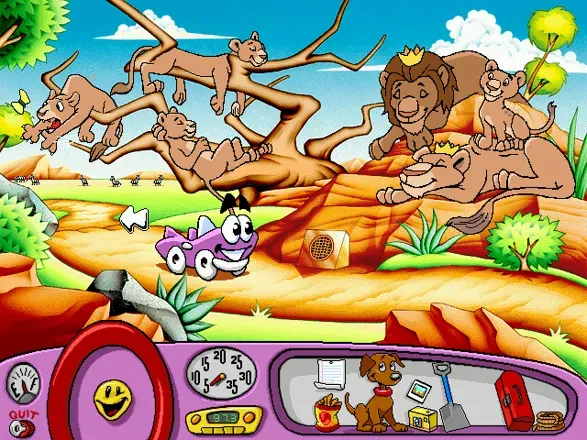
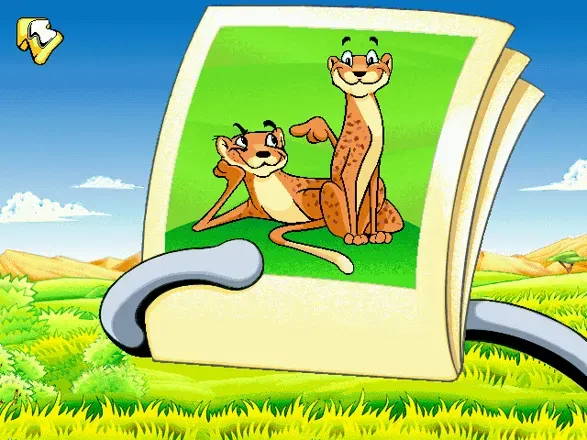
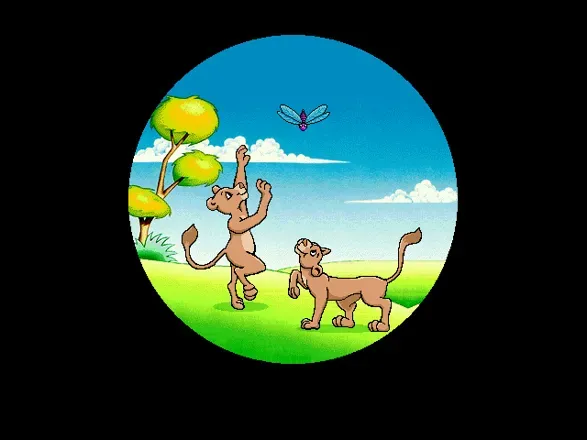
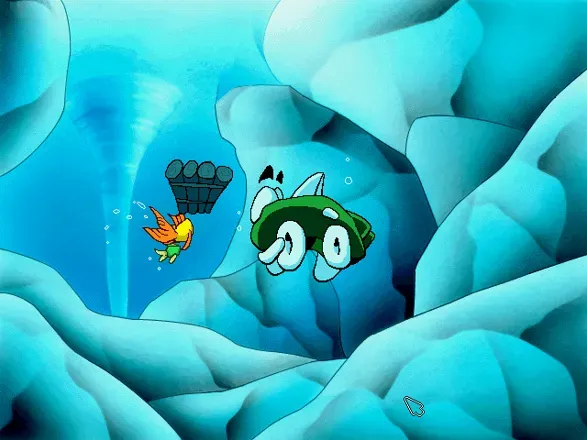
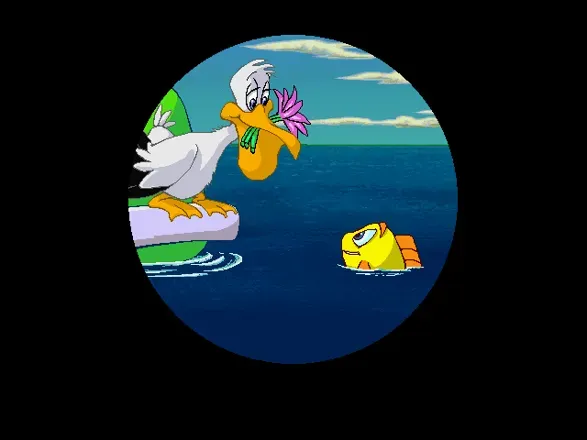
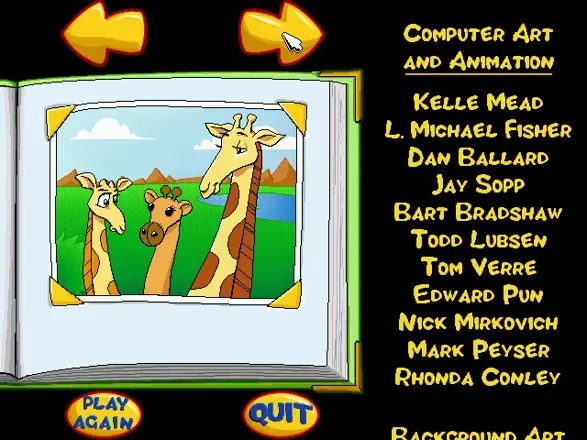
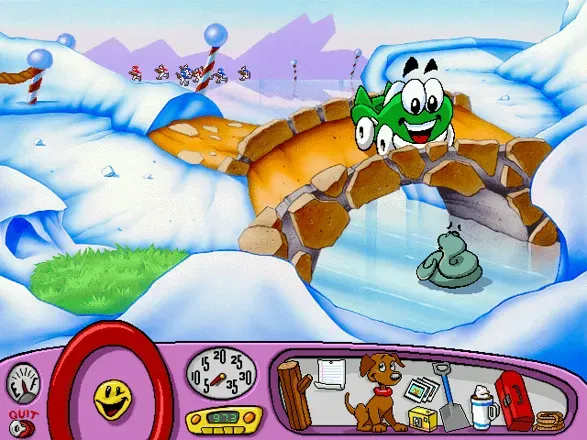
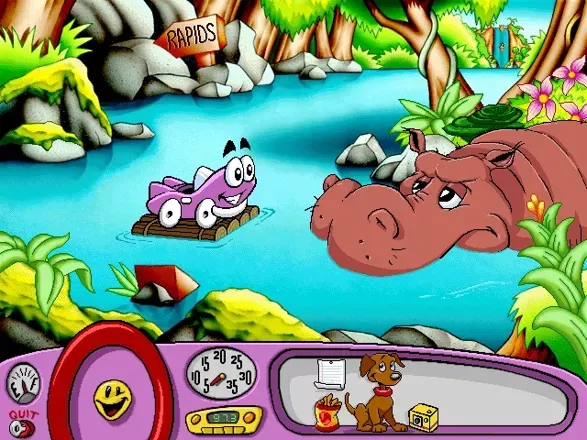
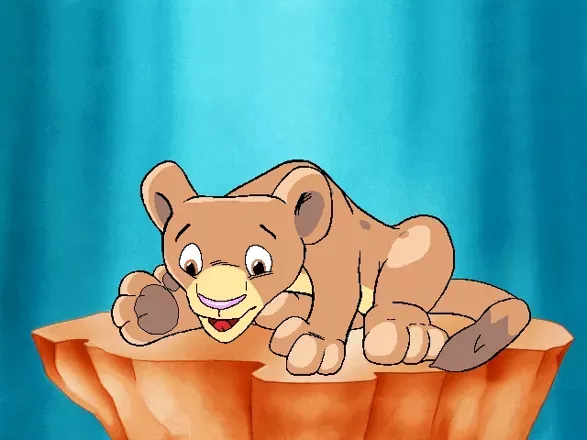
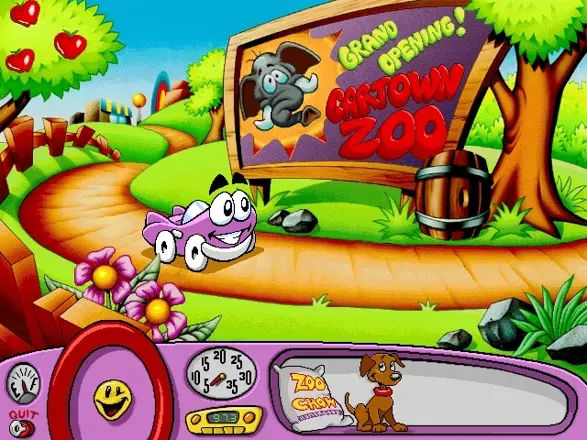
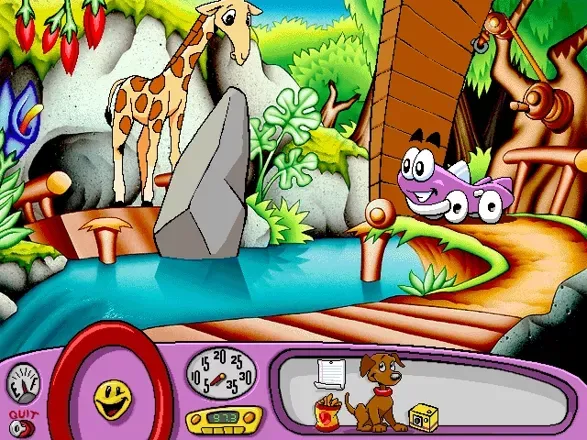
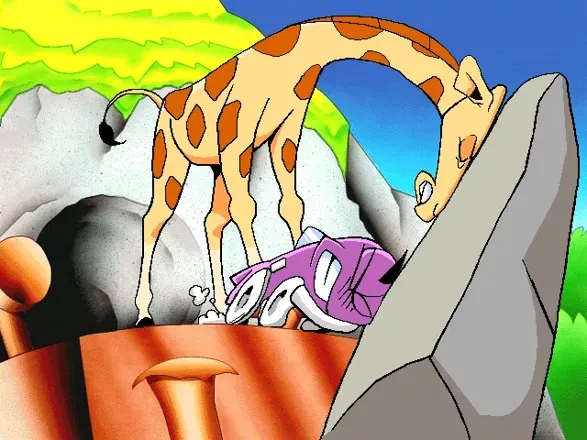
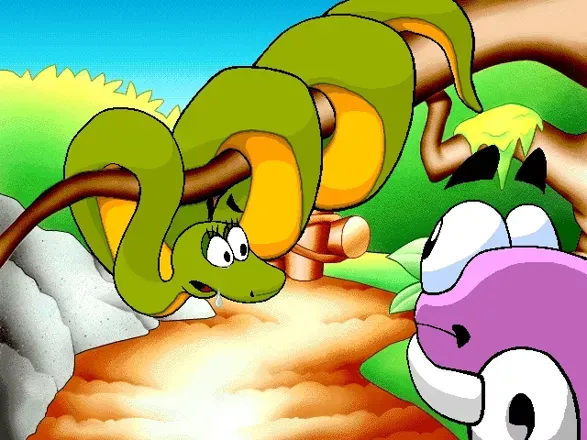
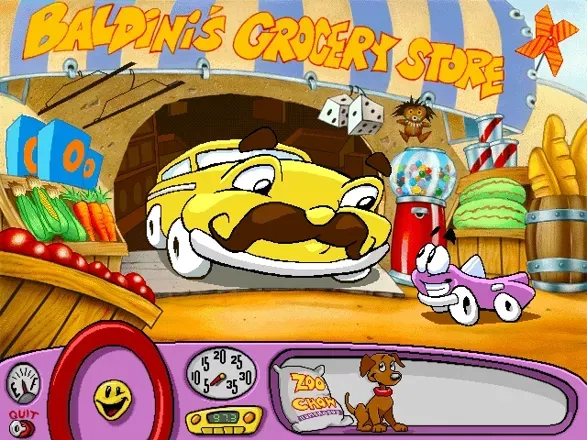
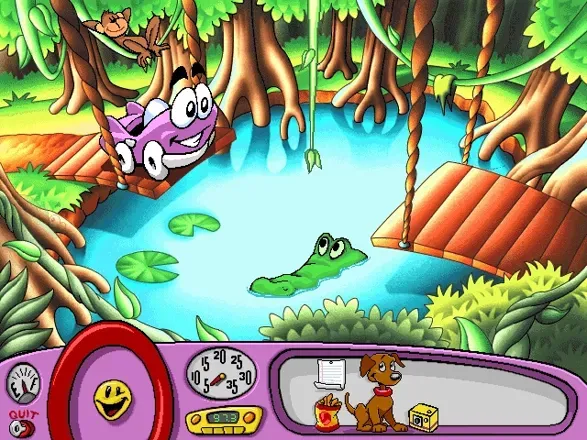
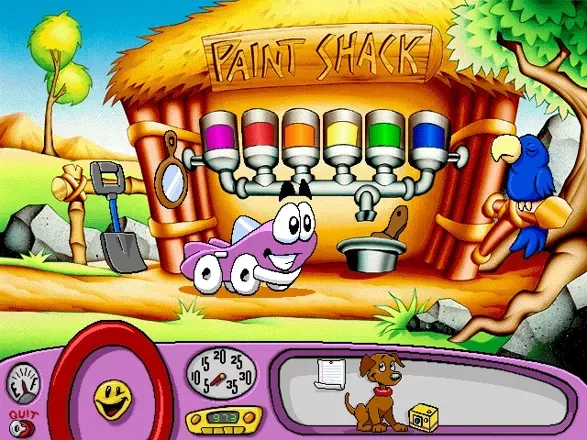
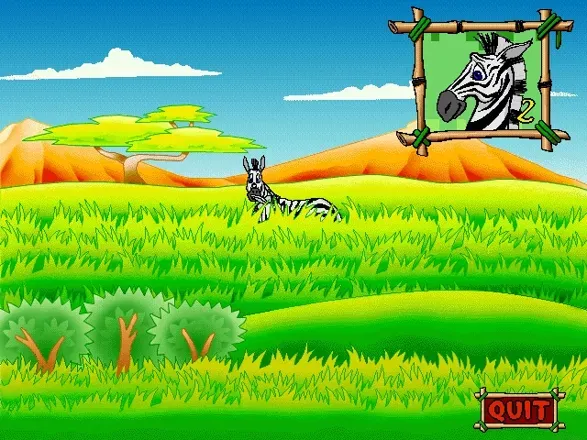
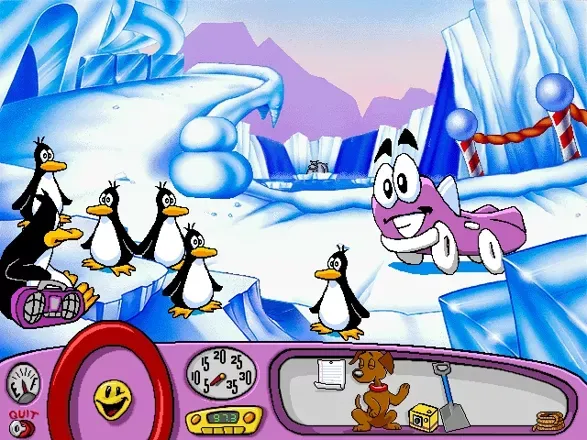
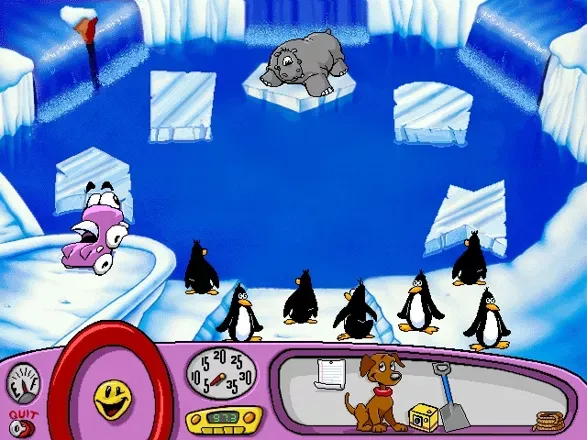
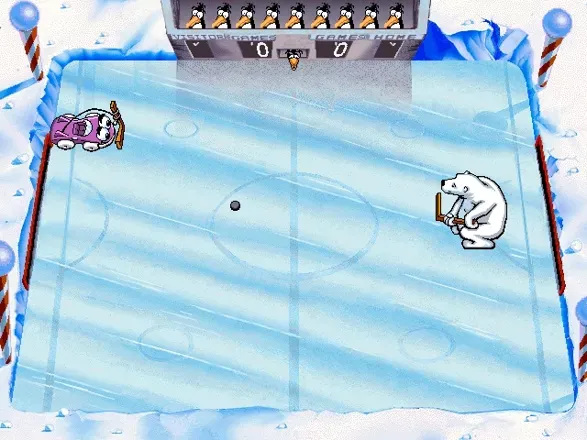
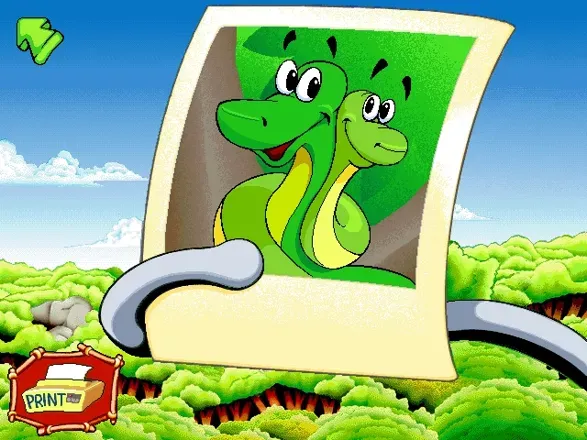
On Windows 16-bit, the game uses the era’s colorful CD-ROM presentation, with animated cartoon visuals, voiced characters, and a streamlined interface designed for mouse control. Its technical identity is tied to early Windows multimedia design, with a focus on readable scene layouts, accessible sound cues, and a presentation that fit comfortably within children’s software libraries of the period.
Collector’s Value & Rarity
As an original mid-1990s children’s PC release, the game has steady preservation interest rather than extreme rarity. Loose copies are generally less notable than complete editions, while well-kept retail boxes and intact discs are the versions most often valued by collectors of Humongous Entertainment software.
Physical releases are typically most desirable when they include the original case, manual, and any bundled inserts tied to the Windows retail packaging. Regional and later digital editions exist, but collectors usually prioritize first-release materials because they best represent the game’s original shelf presence and presentation.