



Historical Context & Trivia
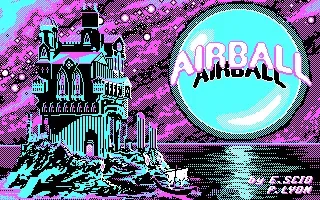
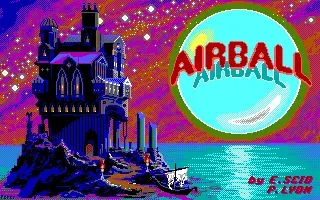
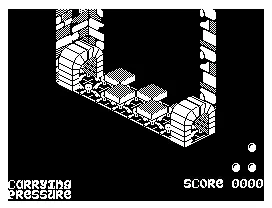
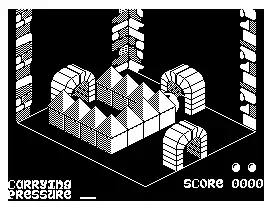
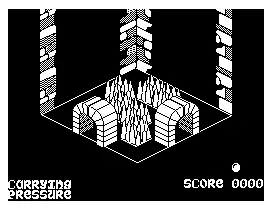
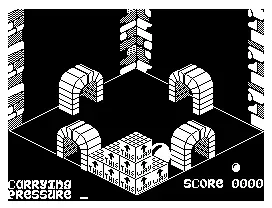
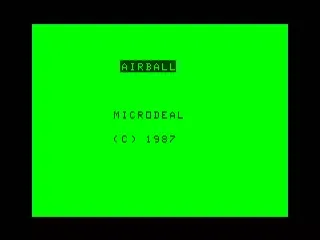
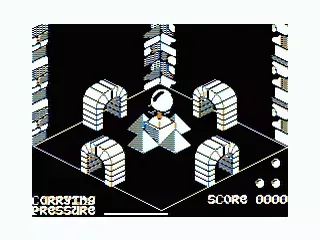
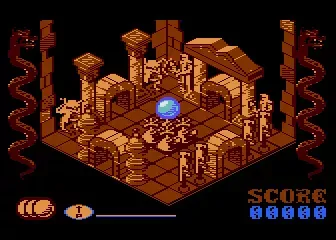
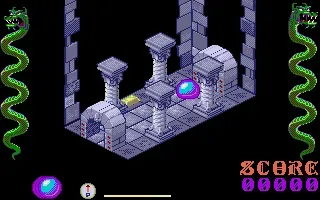
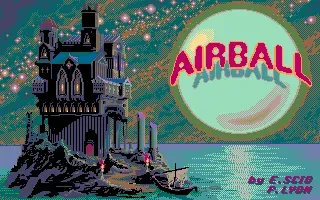
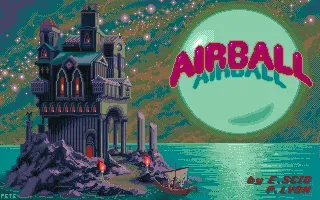
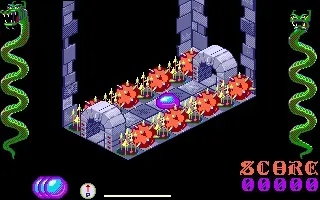
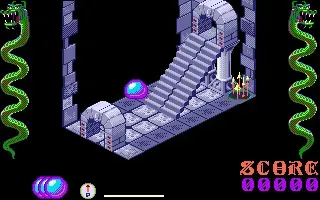
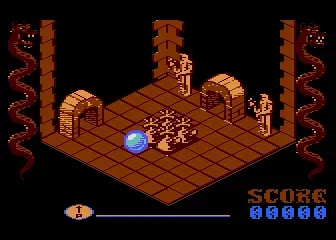
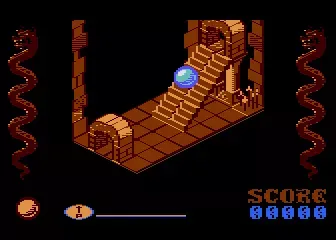
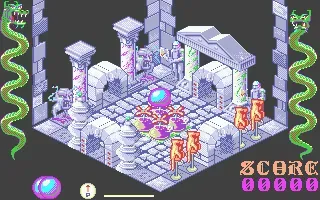
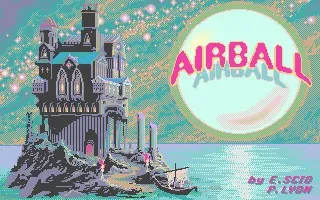
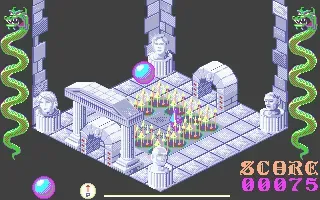
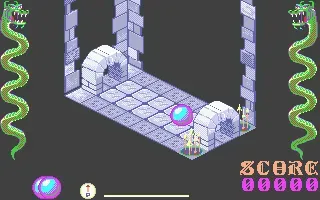
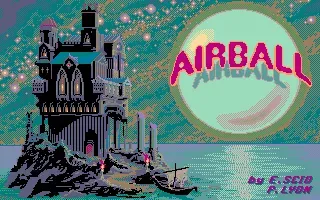
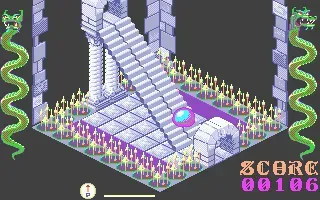
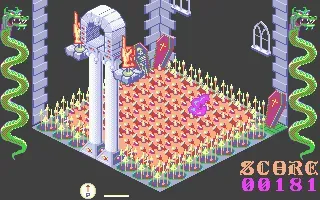
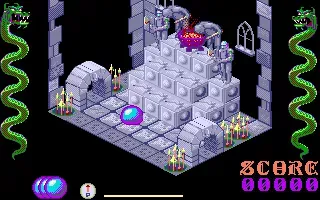
Airball is a 1987 action-puzzle game that built its identity around an unusual premise: the player controls a cursed character transformed into a vulnerable air-filled sphere. It was reviewed at the time as a three-dimensional graphic adventure with strong atmosphere, and later retrospectives consistently describe it as an early isometric action title with a maze-and-trap structure rather than a straightforward arcade game.
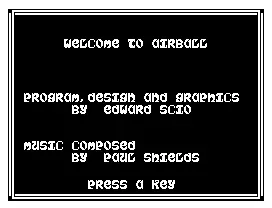
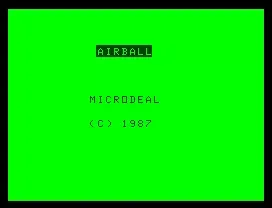
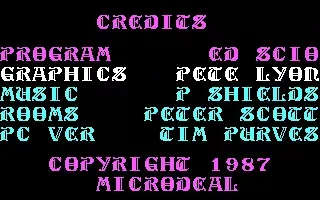
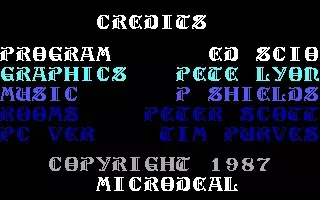
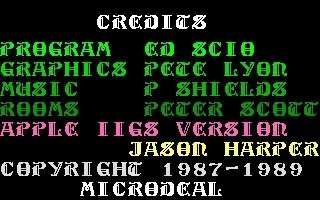
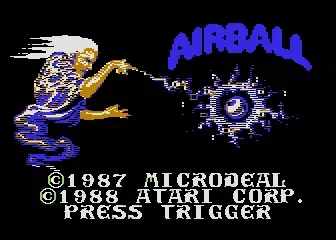
MicroDeal Ltd. developed the game and also handled publishing in its original form, with the title later appearing across several home-computer and PC releases. Contemporary coverage tied the game to Microdeal’s late-1980s output and noted that the concept centered on recovering a spellbook and ingredients while managing the air supply, which became the core tension of the experience.
Gameplay & Technical Features
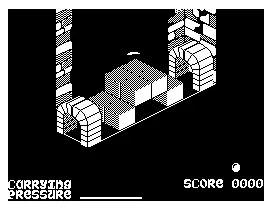
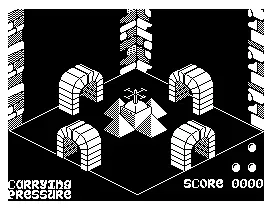
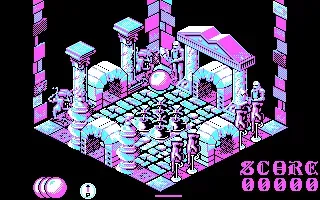
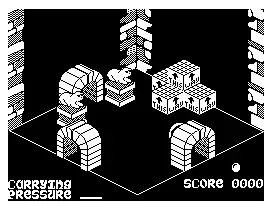
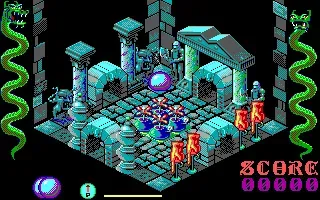
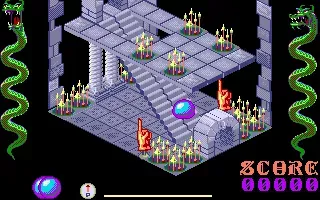
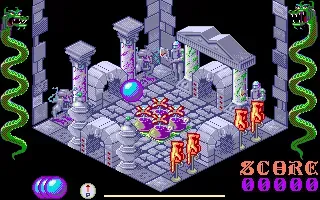
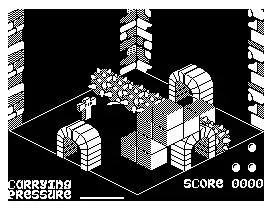
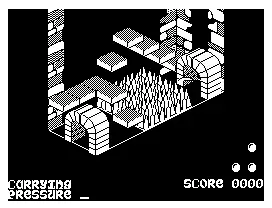
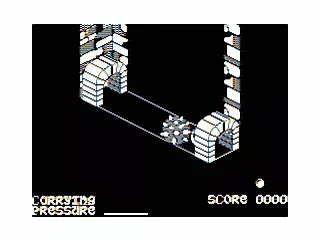
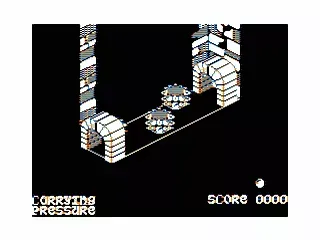
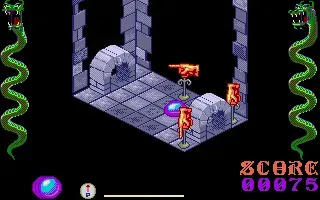
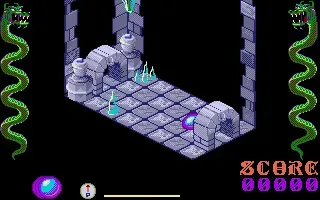
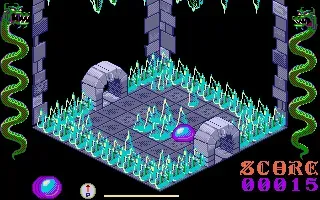
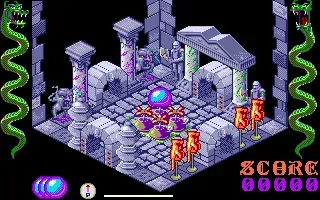
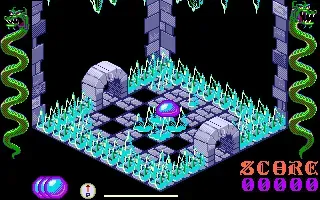
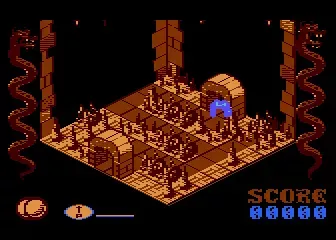
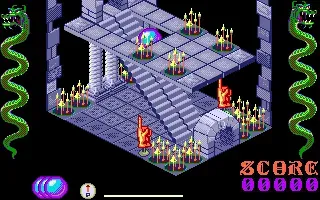
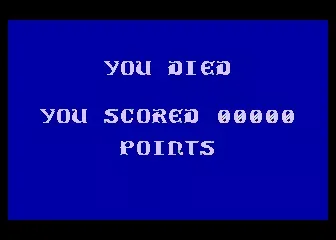
Airball plays as an isometric navigation game built around careful movement, hazard avoidance, and resource management. The player rolls through hostile interiors, avoids traps and monsters, and must periodically refill air, which gives the game a survival-like pressure uncommon in many action-puzzle titles of its era.
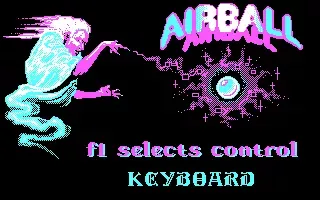
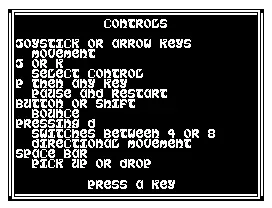
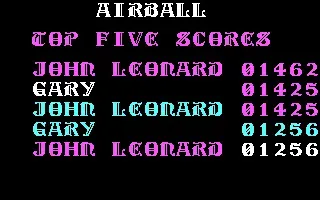
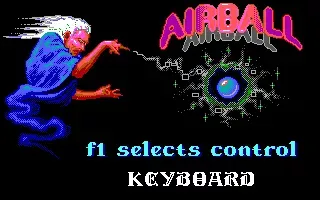
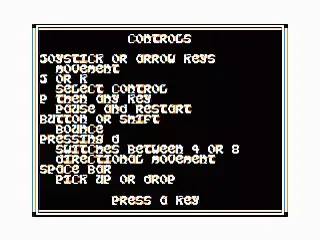
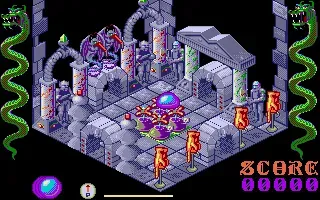
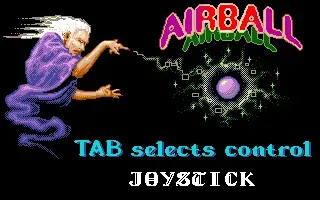
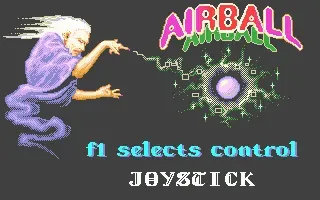
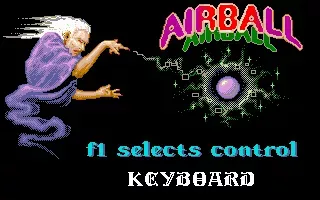
The DOS version preserves the game’s isometric visual style and puzzle-heavy layout while adapting the controls to keyboard-and-PC play. Sources describing the PC release note that the port was regarded as solid and in some cases easier to control than the original computer versions, while still keeping the game’s compact audiovisual presentation and maze-like structure intact.
Collector’s Value & Rarity
Airball is best understood as a niche cult title rather than a mainstream blockbuster, so its collector value comes more from historical curiosity and multi-platform preservation than from mass-market rarity. DOS copies and digital reissues are comparatively accessible, but original physical editions and platform-specific releases attract interest from collectors focused on early isometric design and MicroDeal’s catalog.
Variant history matters here: the game appeared on multiple systems, and surviving editions may differ by packaging, distributor branding, and regional release details. The DOS release is typically encountered through later archive and reissue sources rather than pristine retail sets, so boxed materials, manuals, and any localized inserts are the most relevant physical collateral for collectors.