

Historical Context & Trivia
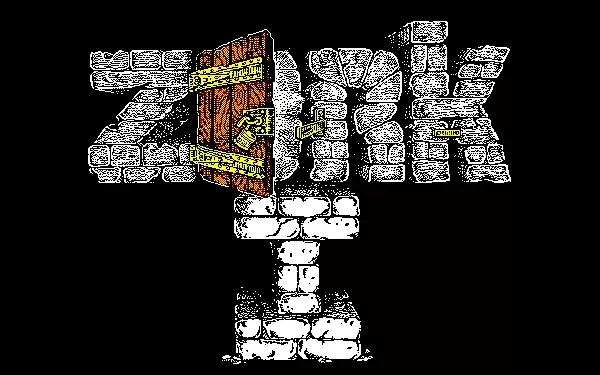
Zork: The Great Underground Empire is a landmark 1980 interactive fiction adventure that helped define commercial text-based gaming and introduced players to the now-famous Great Underground Empire setting. It was adapted from the original mainframe-era Dungeon work created in the late 1970s, then reorganized into the first part of the later Zork trilogy because the original game was too large for early microcomputers.
Infocom, Inc. developed the game, and its early commercial distribution involved Personal Software before later reissues spread across many computer lines and publishers. The title’s enduring reputation comes from its parser-driven design, layered puzzle structure, and role in popularizing sophisticated interactive fiction long before graphic adventure standards were established.
Gameplay & Technical Features
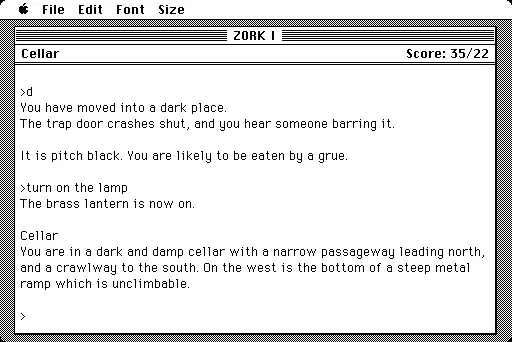
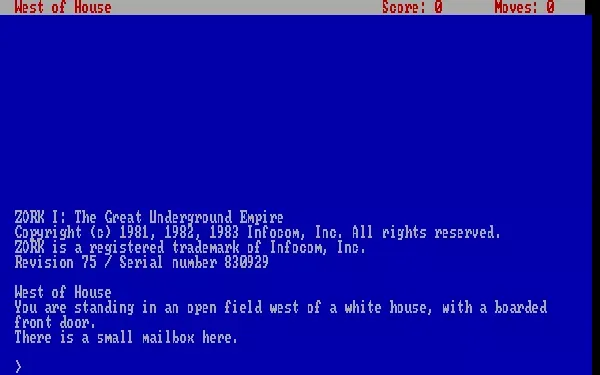
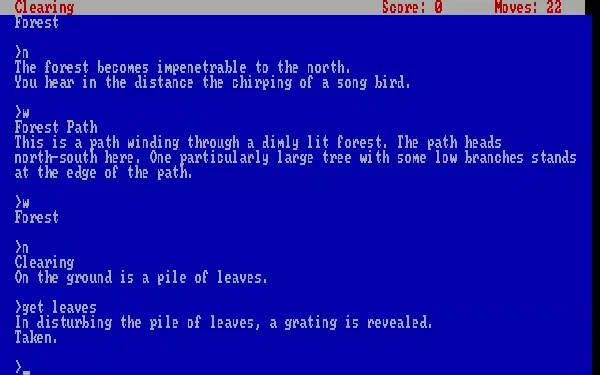
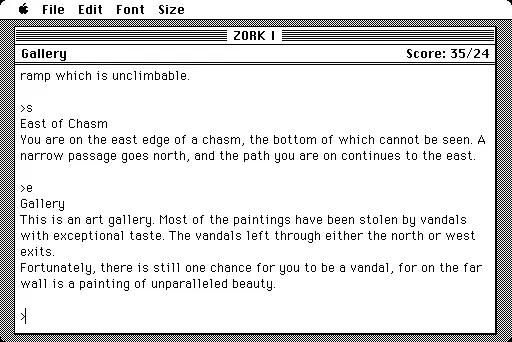
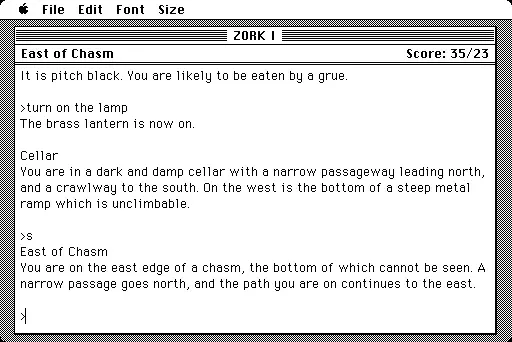
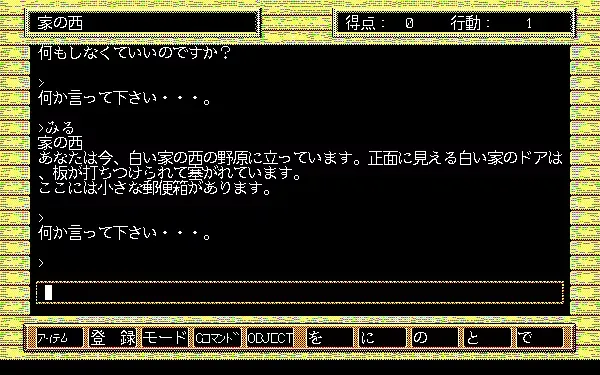
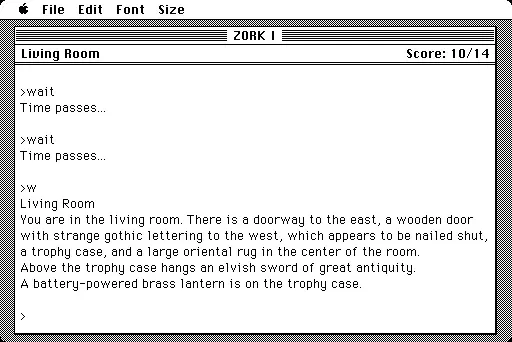
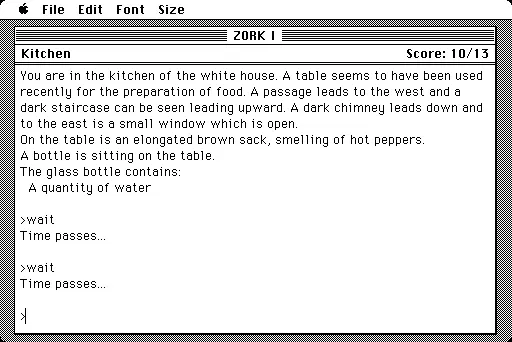
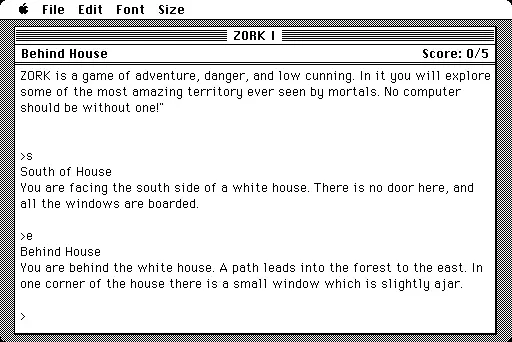
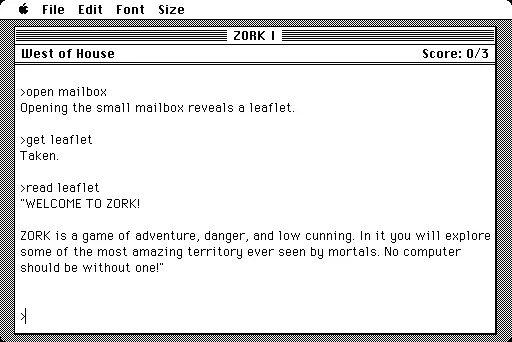
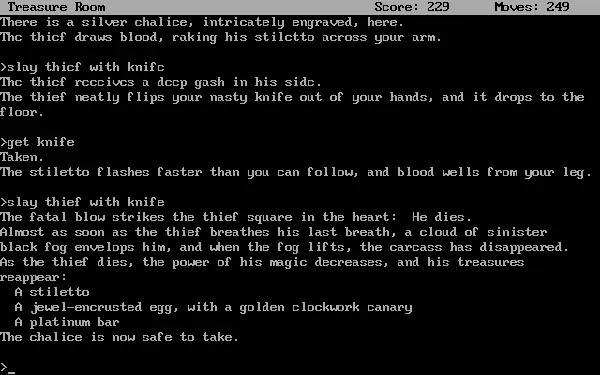
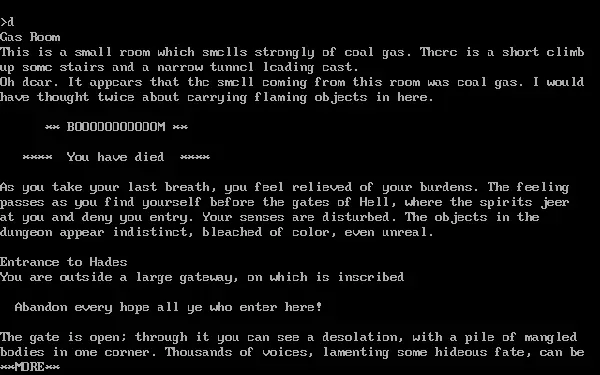
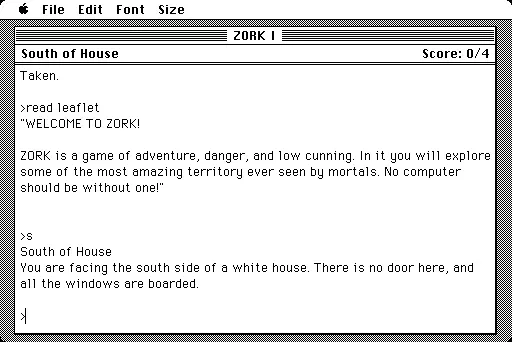
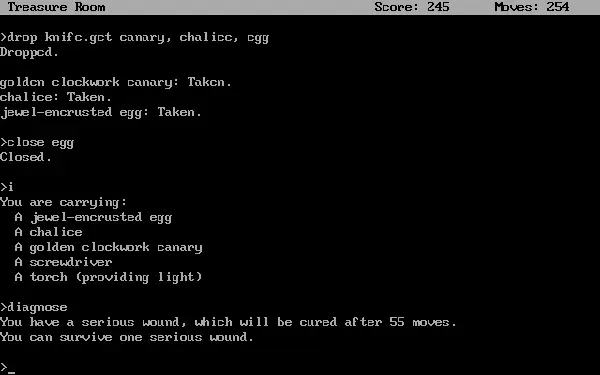
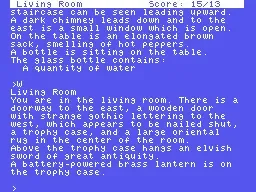
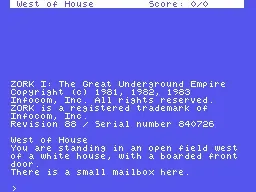
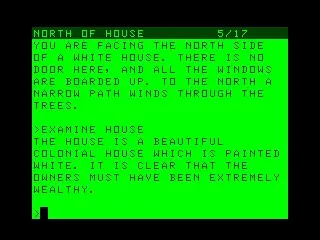
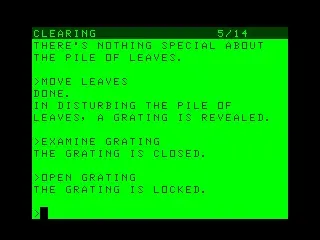
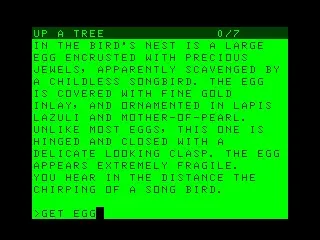
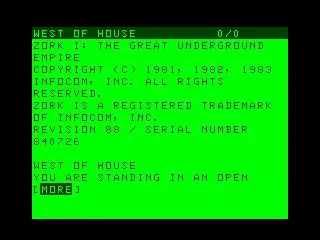
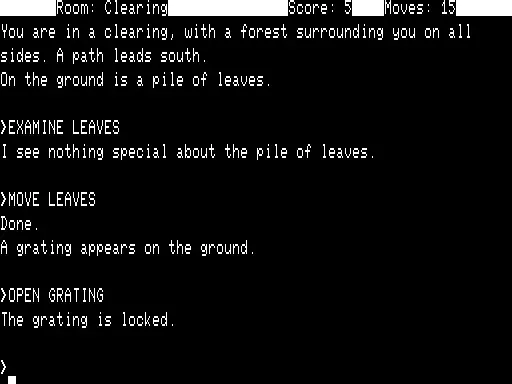
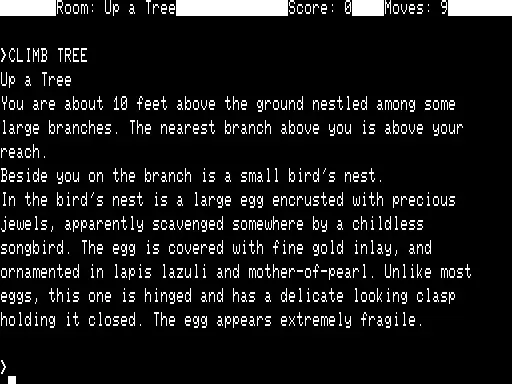
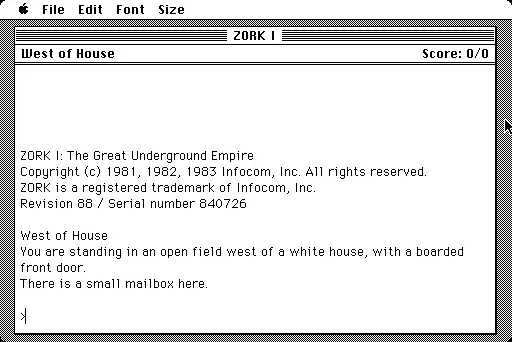
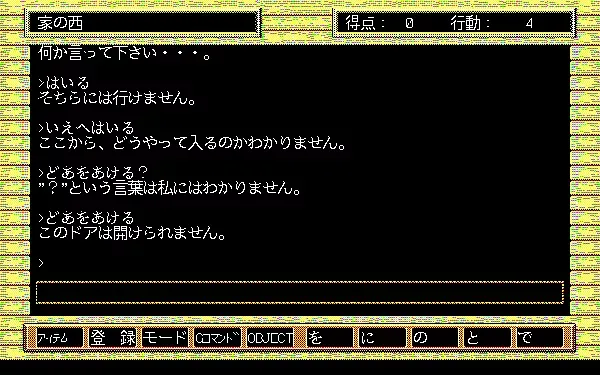
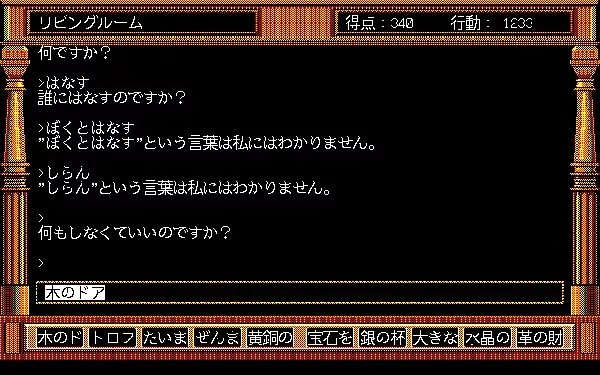
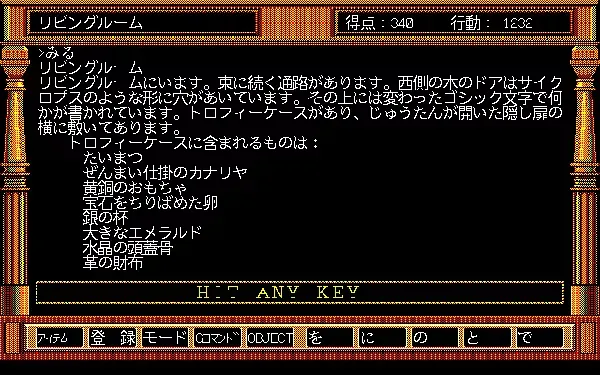
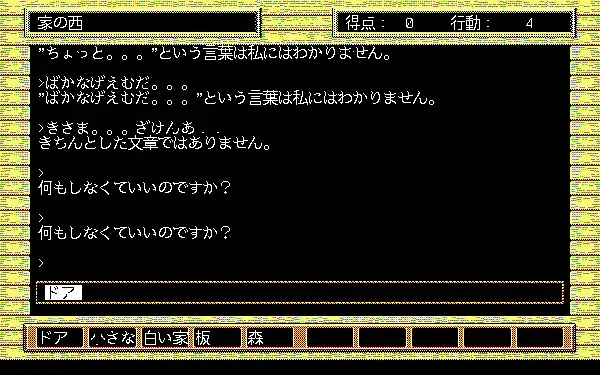
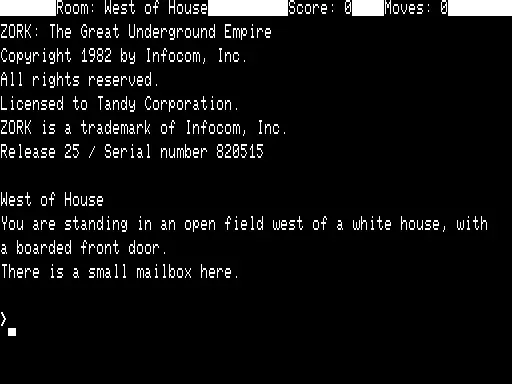
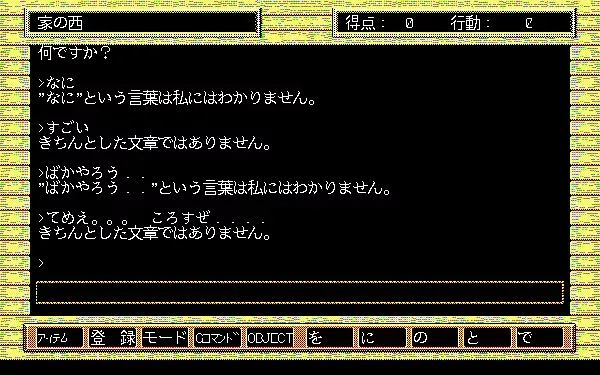
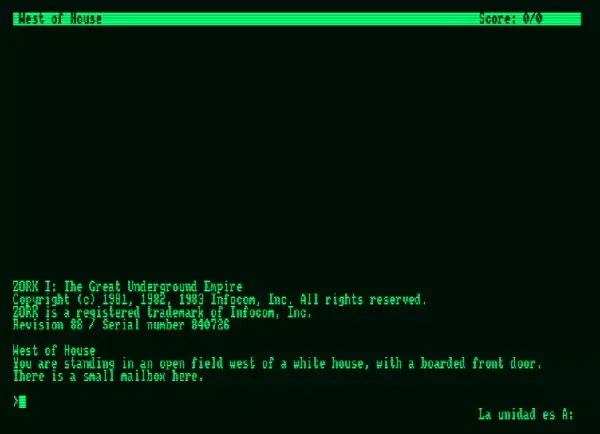
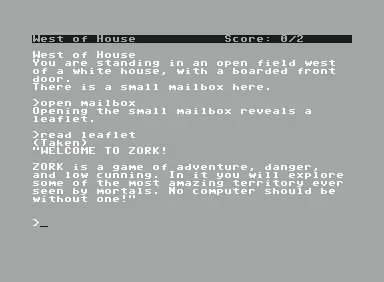
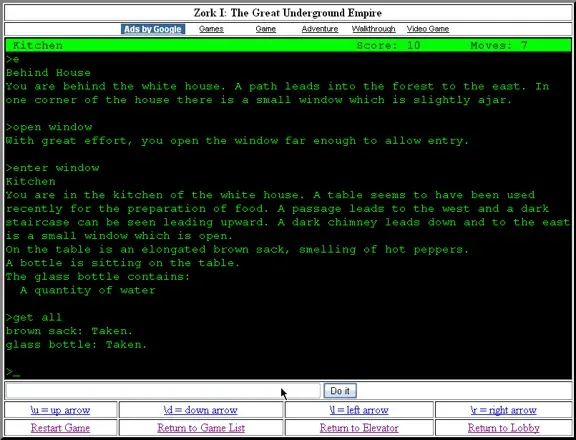
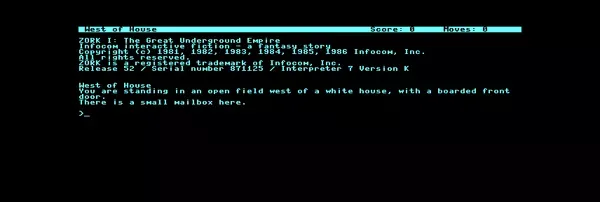
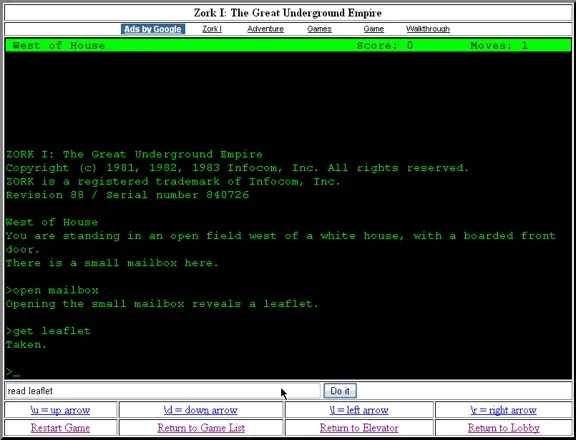
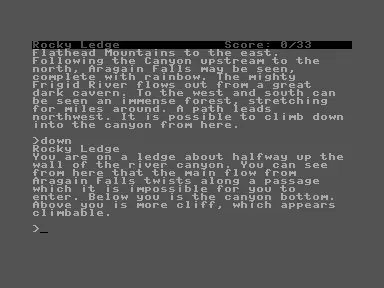
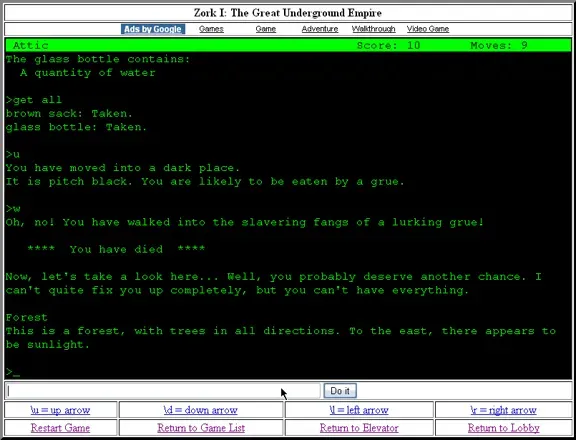
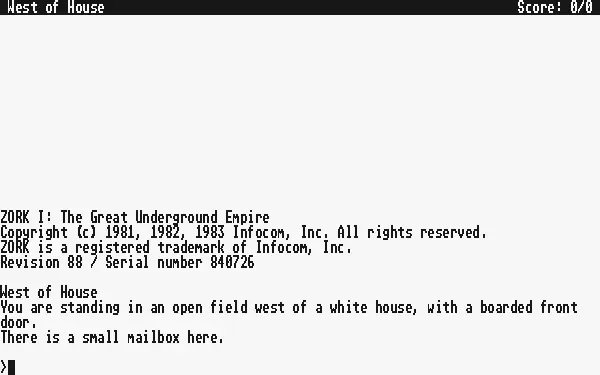
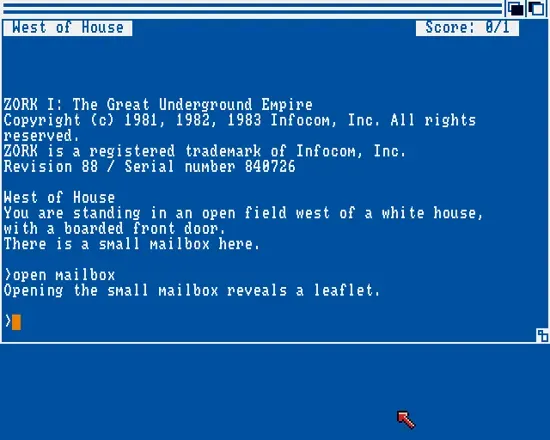
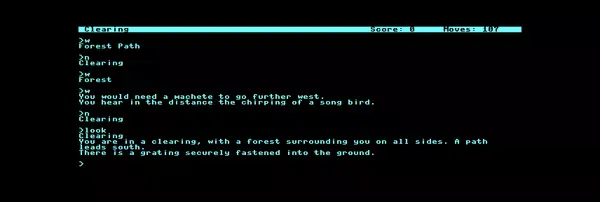
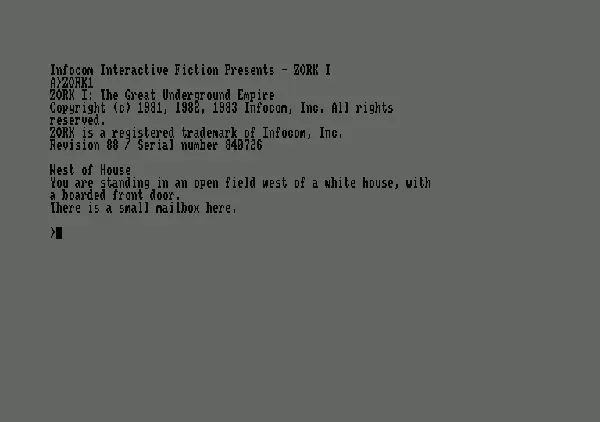
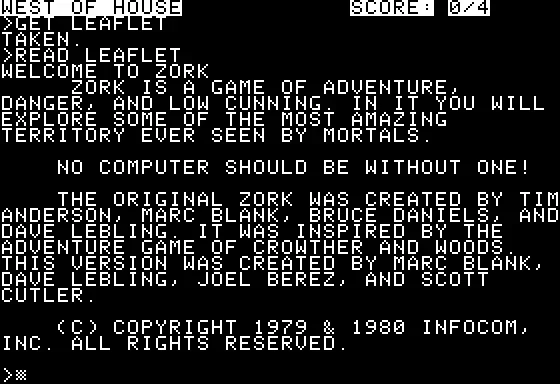
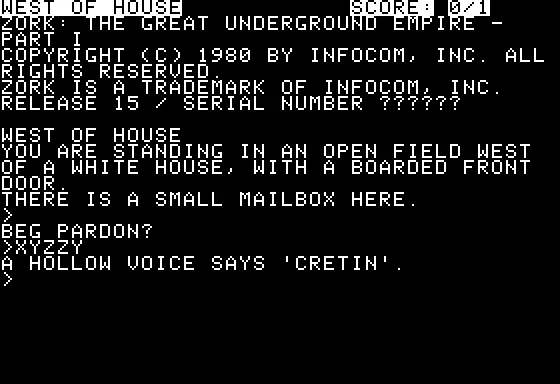
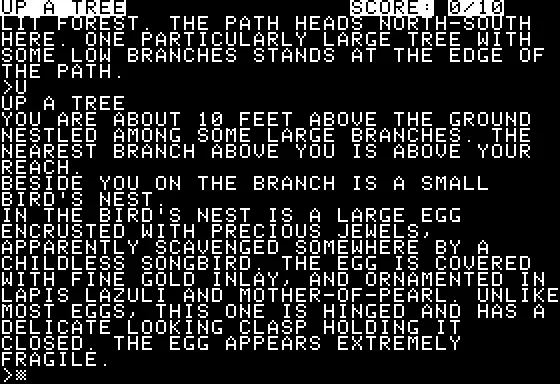
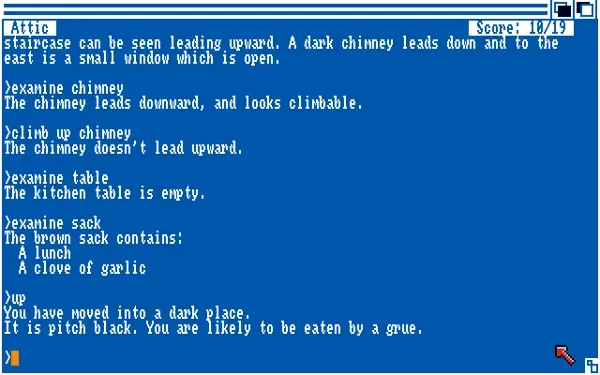
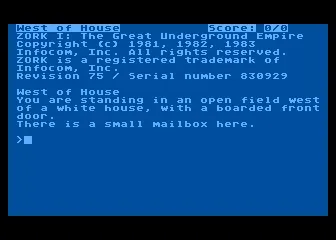
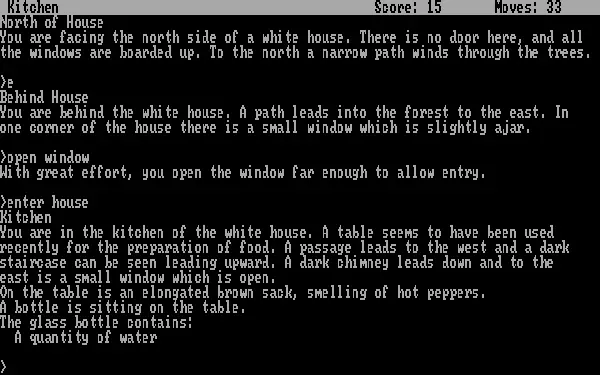
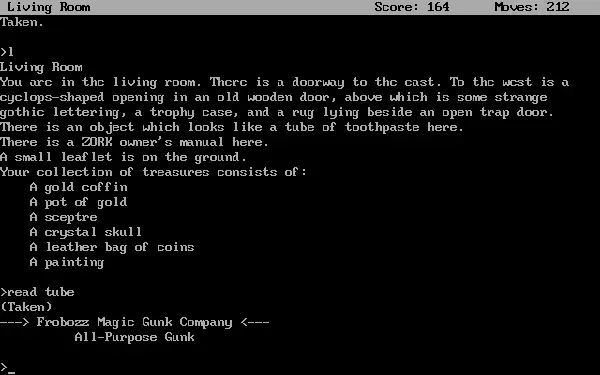
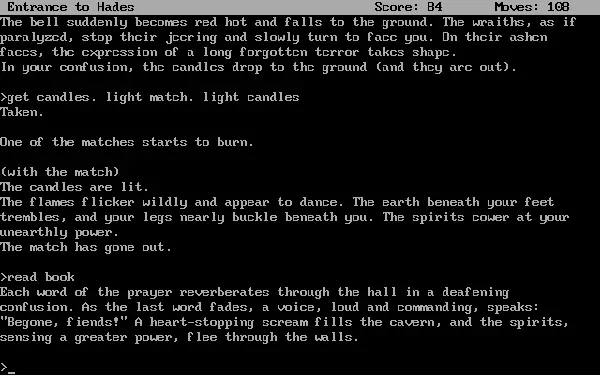
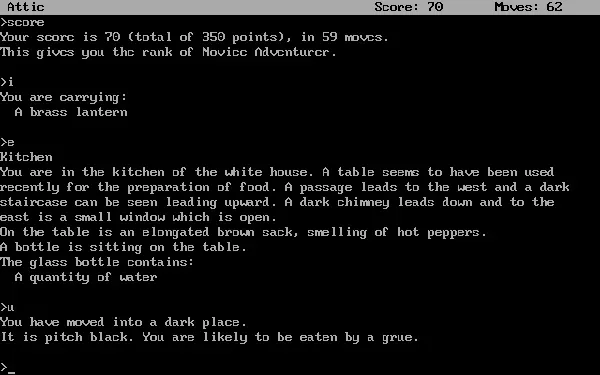
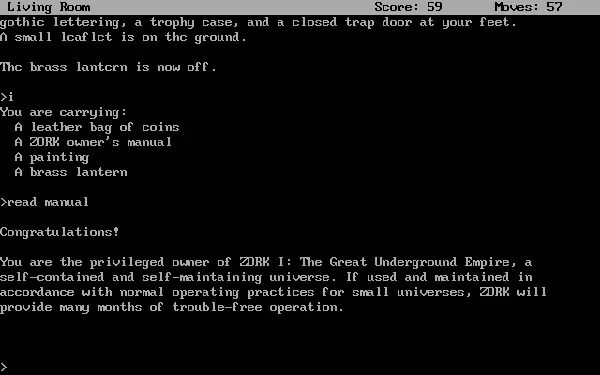
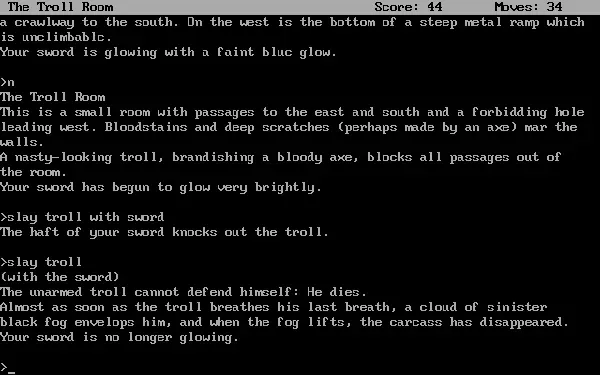
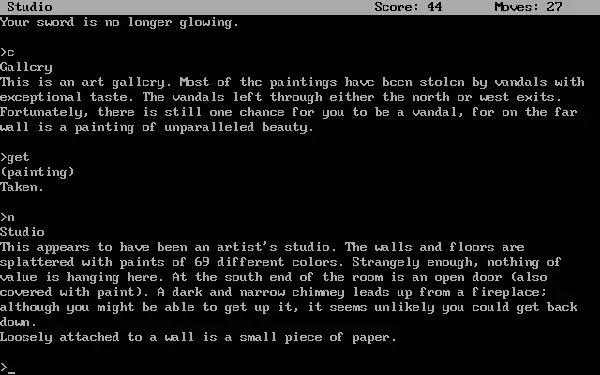
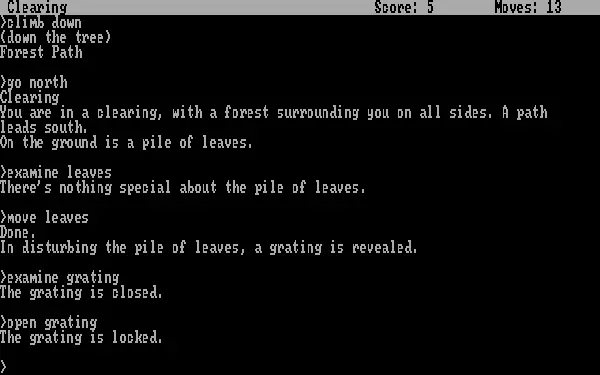
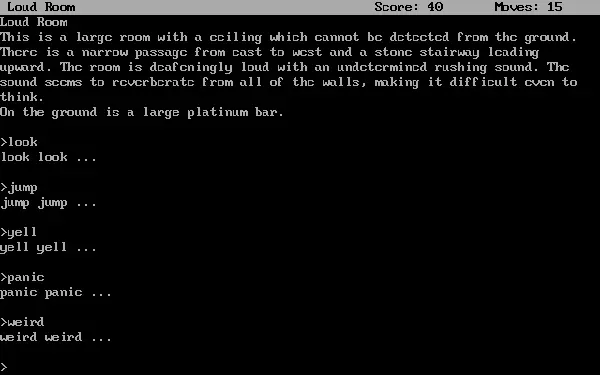
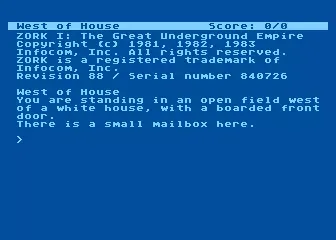
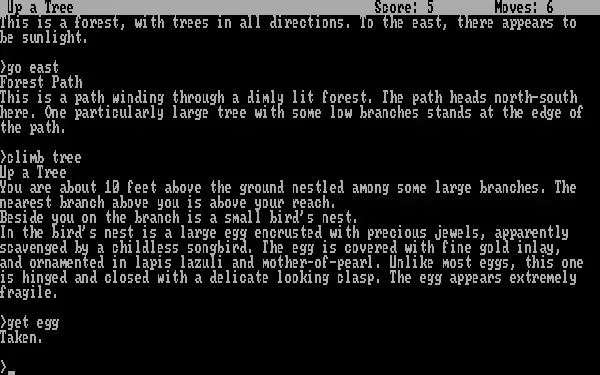
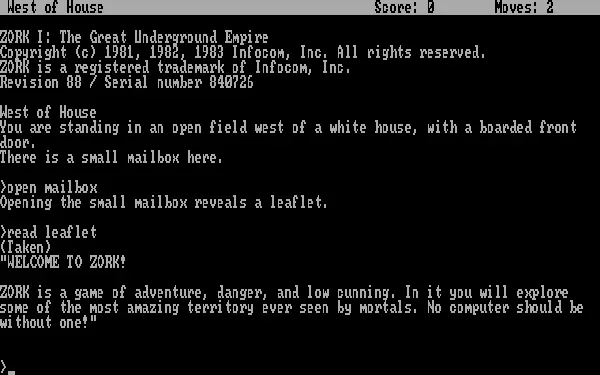
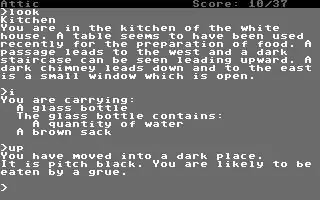
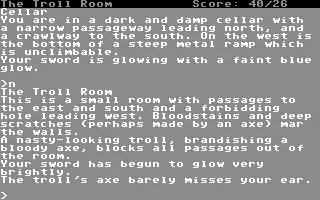
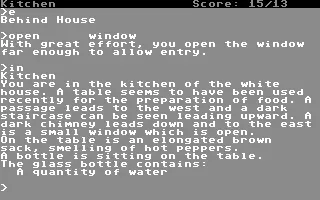
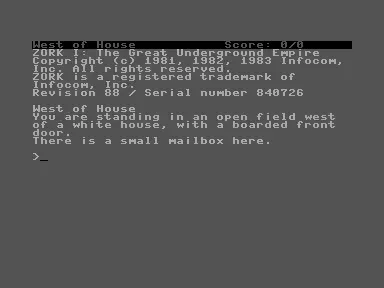
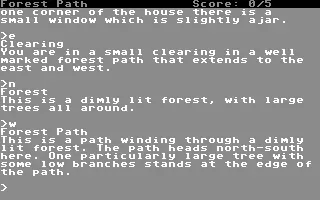
This is a text adventure built around typed commands, map exploration, item collection, and puzzle solving rather than visual action. Players begin near the white house and gradually descend into the underground world, with the overall goal centered on gathering the famous treasures while surviving traps, locked passages, and logic-based obstacles.
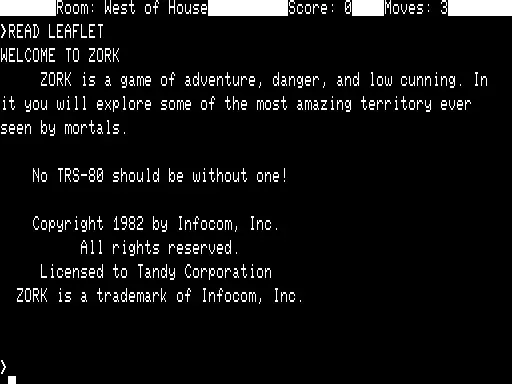
On the Mainframe origins represented by this data, the game reflects the original Zork architecture: compact interpreter-driven storytelling, parser flexibility, and a design meant to run efficiently despite strict memory limits of early systems. The release is associated with a text-only presentation and a command parser, with later ports extending the work across many platforms without changing the core fiction-first structure.
Collector’s Value & Rarity
As a preserved piece of early interactive fiction history, Zork: The Great Underground Empire is widely documented and not usually treated as a rare one-off artifact in the way that obscure regional releases are. Its collector value is strongest when tied to early packaging, original media, and period-correct documentation from the first commercial releases rather than to scarcity alone.
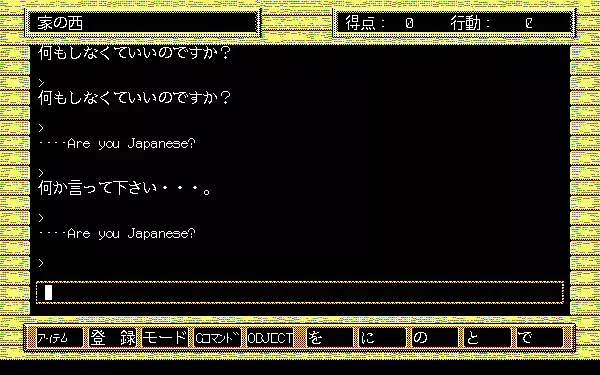
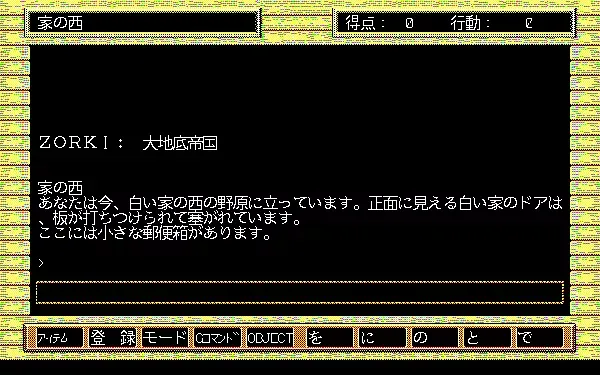
Physical editions are notable for their instruction booklet, disk media, and publisher-specific packaging, with the earliest Infocom release described as a diskette plus booklet product. Because the game circulated through multiple publishers and platforms, variants can differ by region and release partner, but the core identifying factor remains the classic Infocom text-adventure presentation.