






Historical Context & Trivia
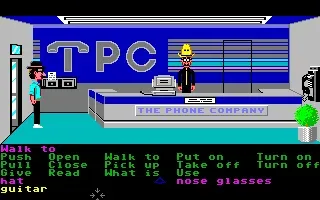
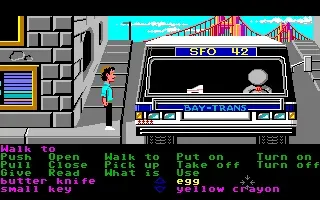
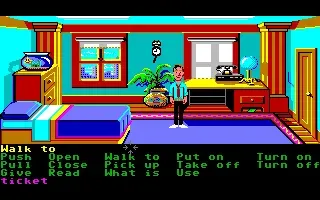
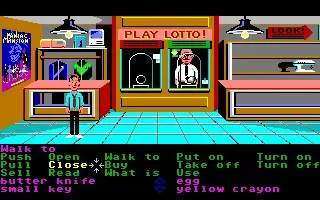
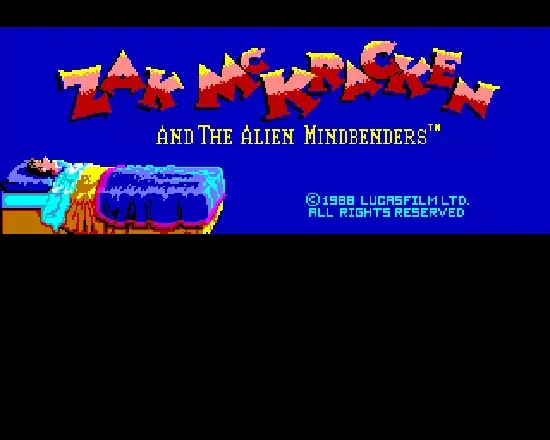
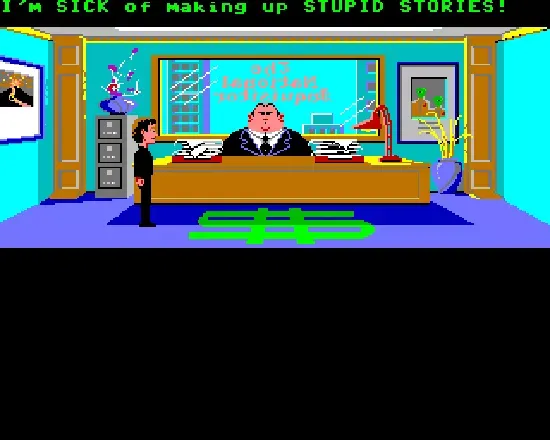
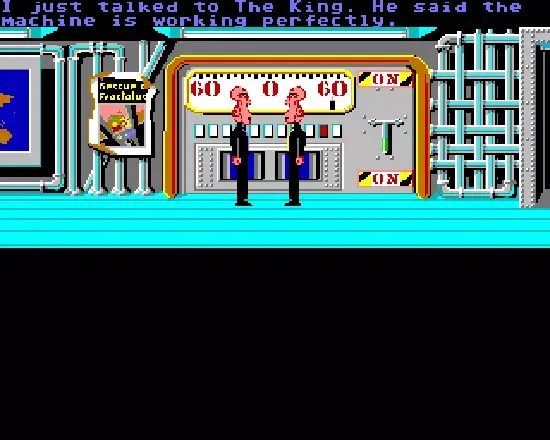
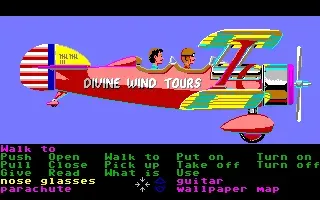
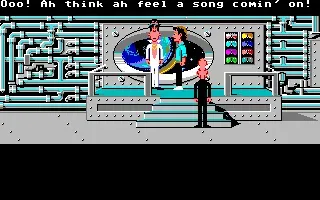
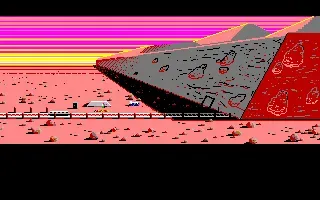
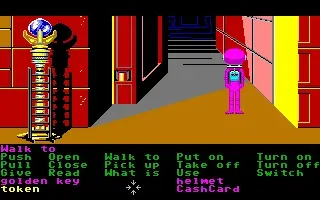
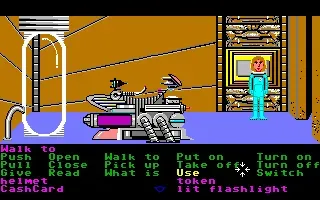
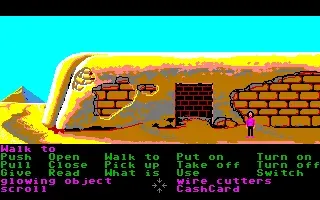
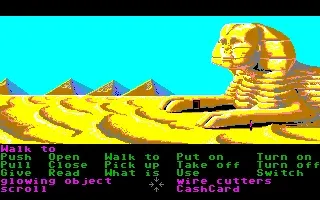
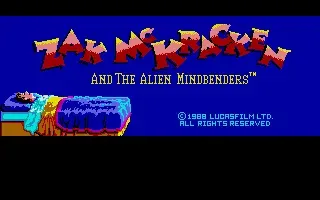
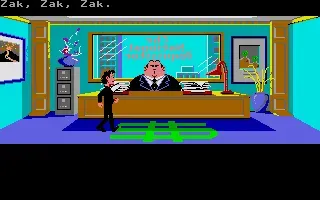
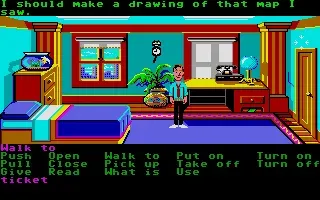
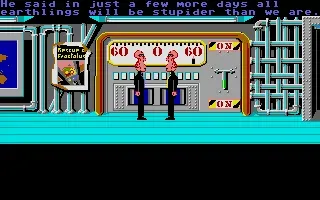
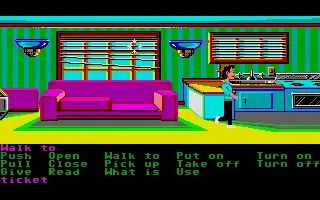
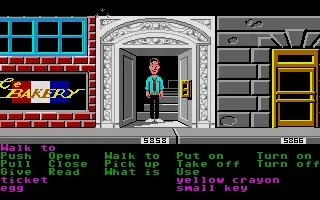
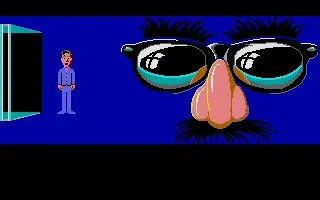
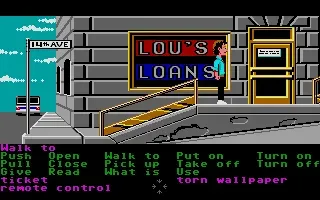
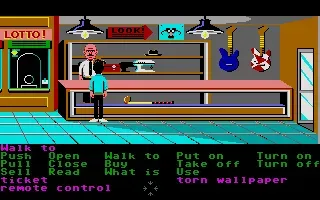
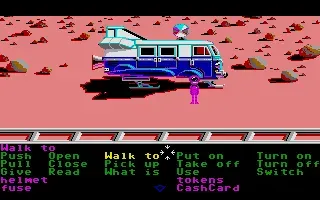
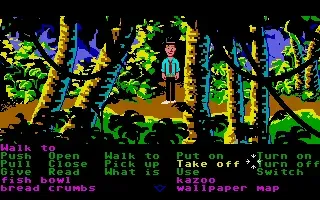
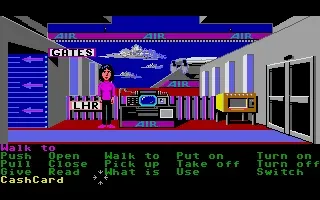
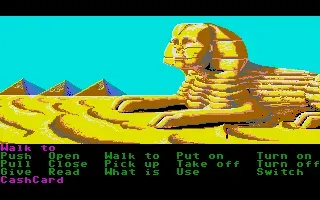
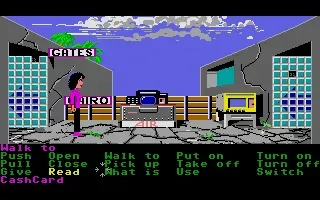
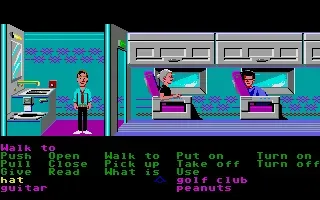
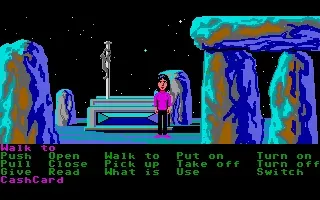
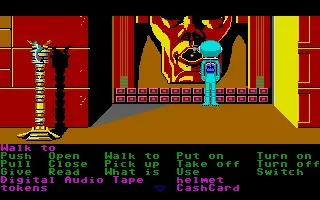
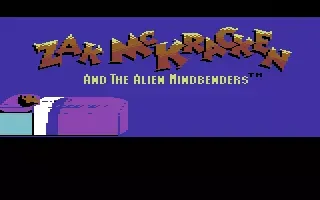
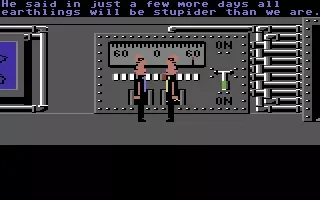
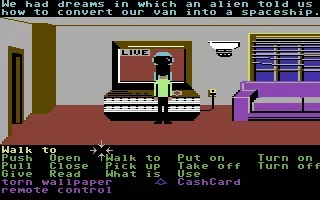
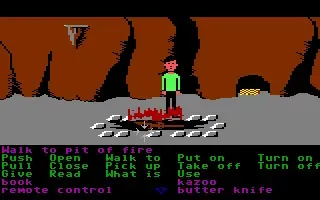
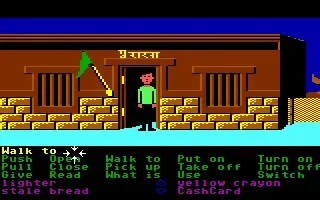
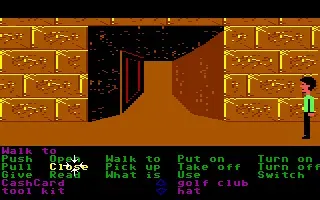
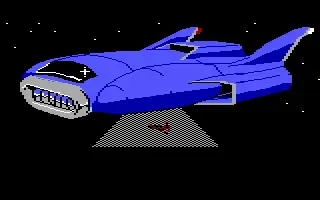
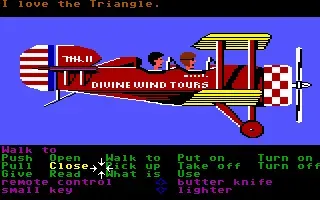
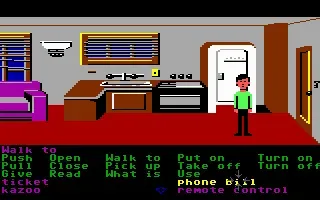
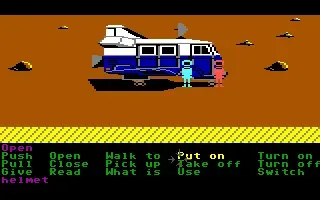
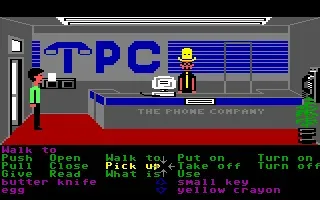
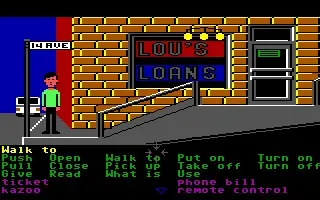
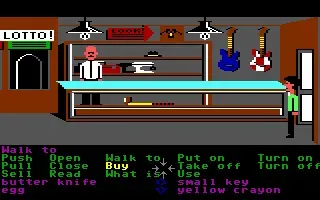
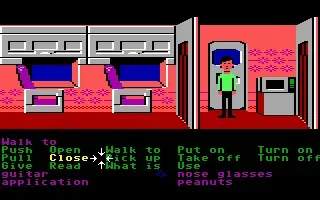
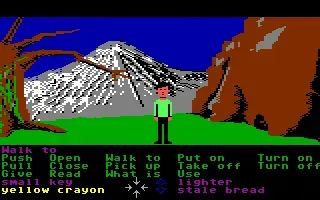
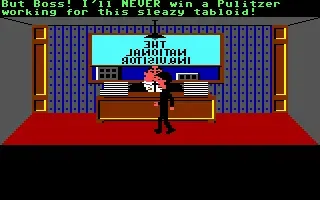
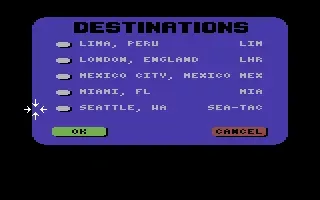
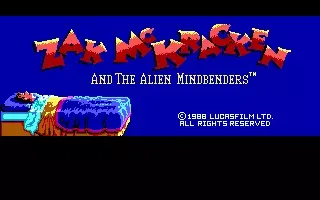
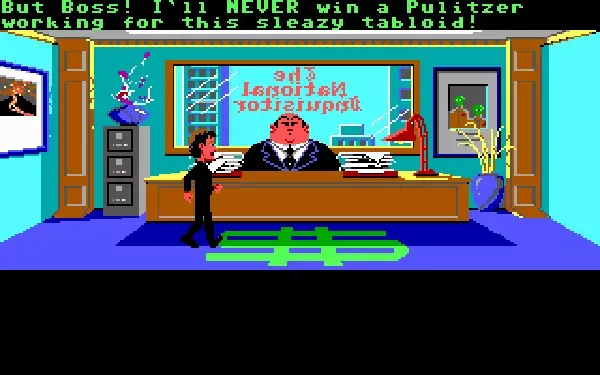
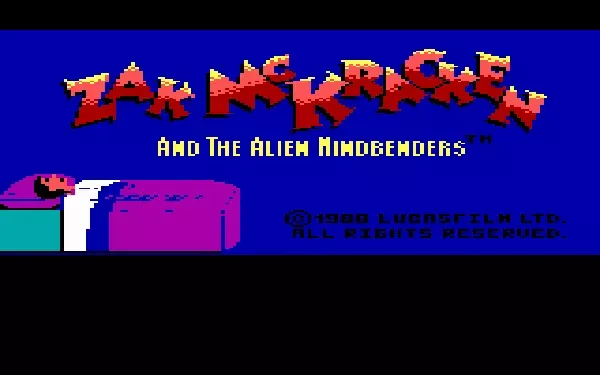
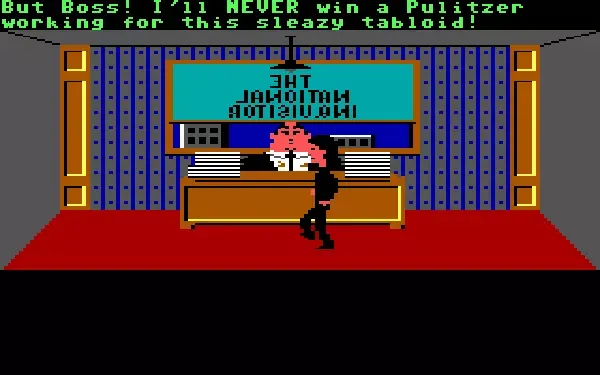
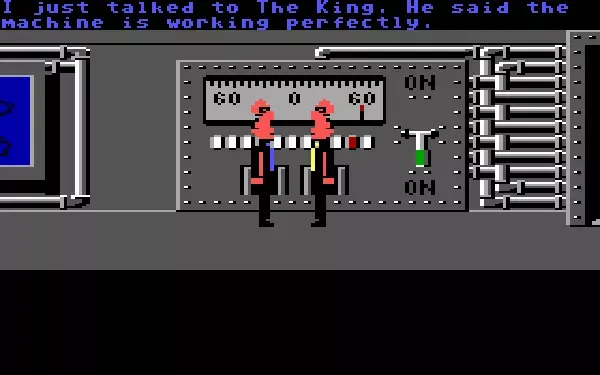
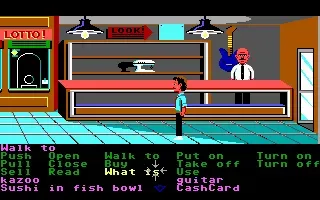
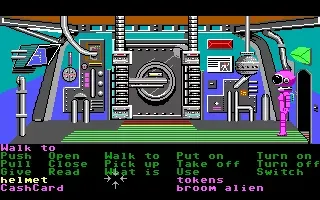
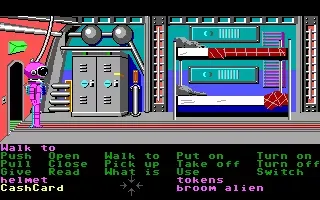
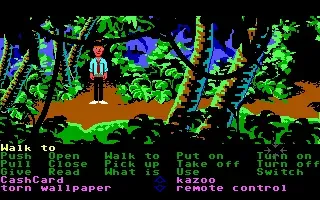
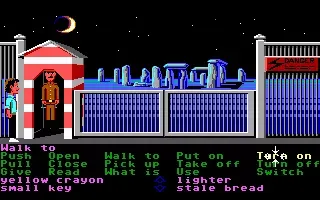
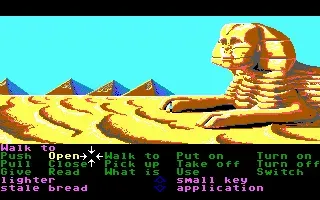
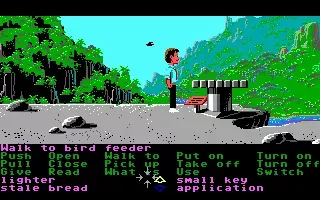
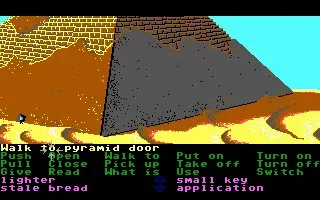
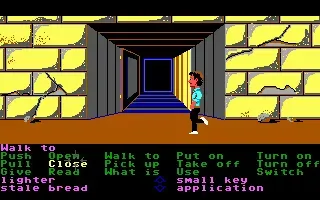
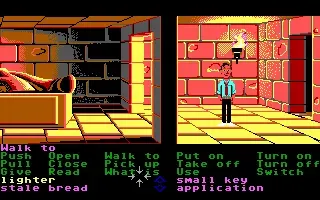
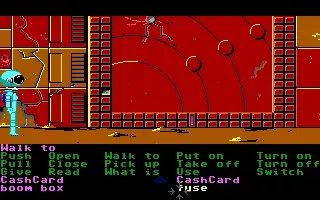
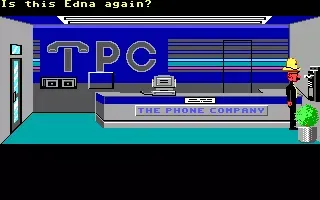
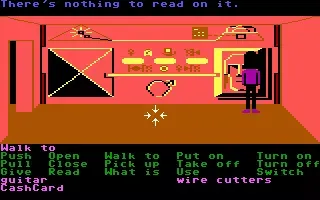
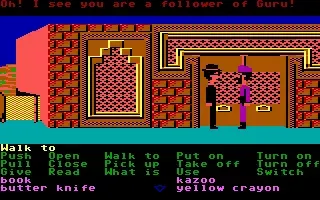
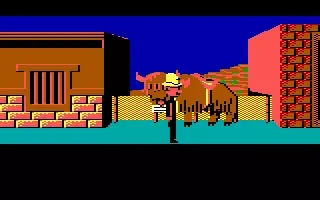
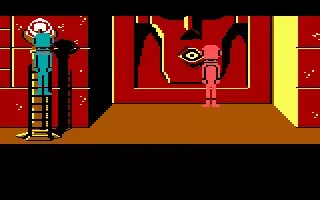
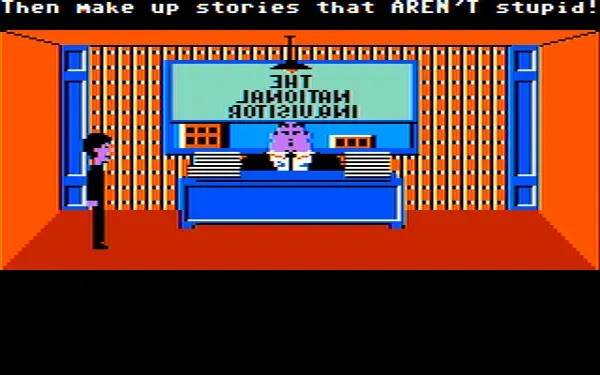
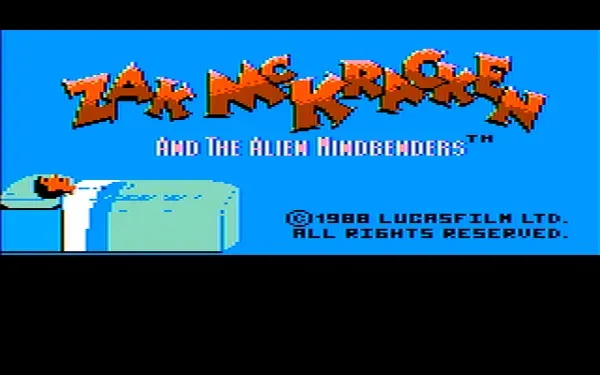
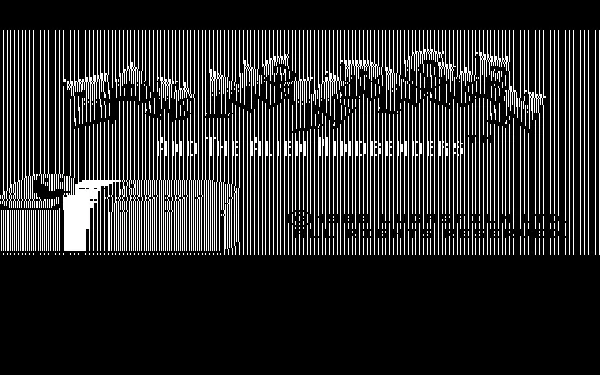
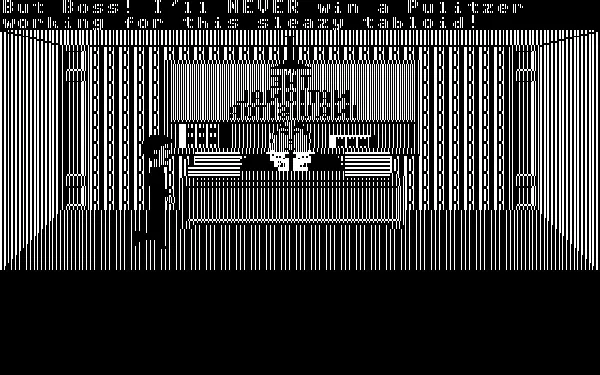
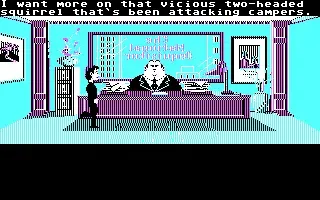
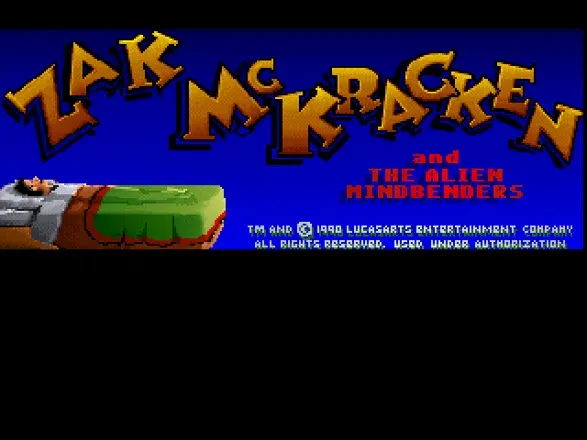
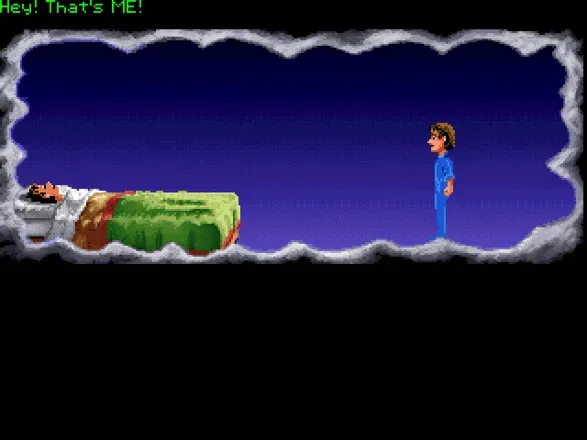
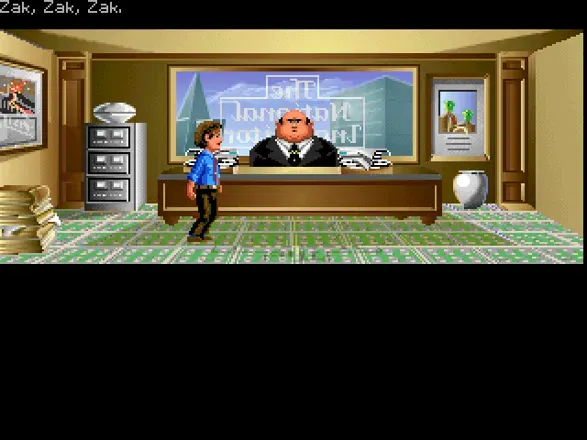
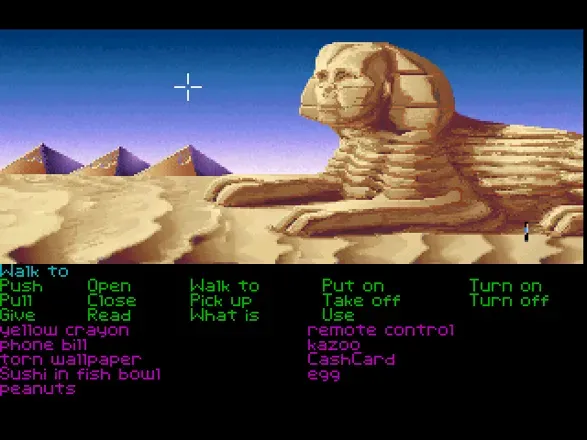
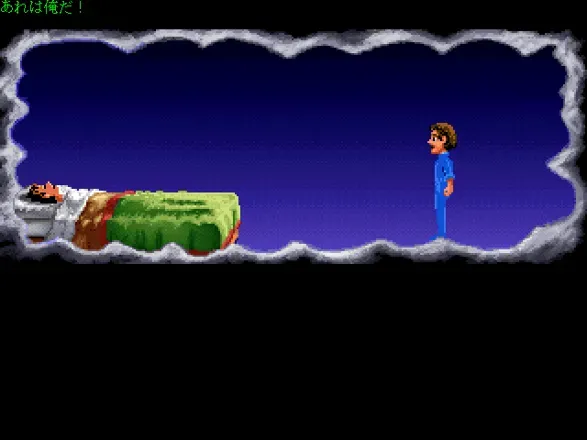
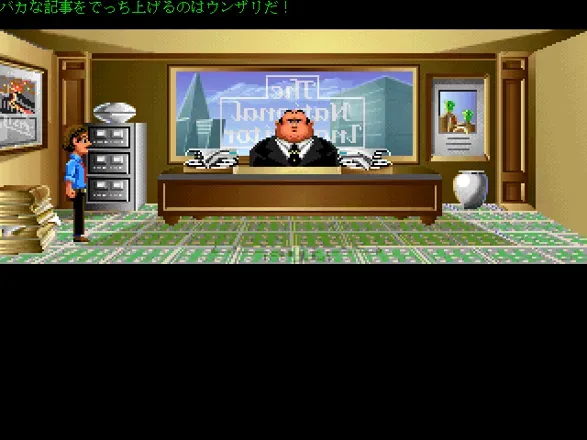
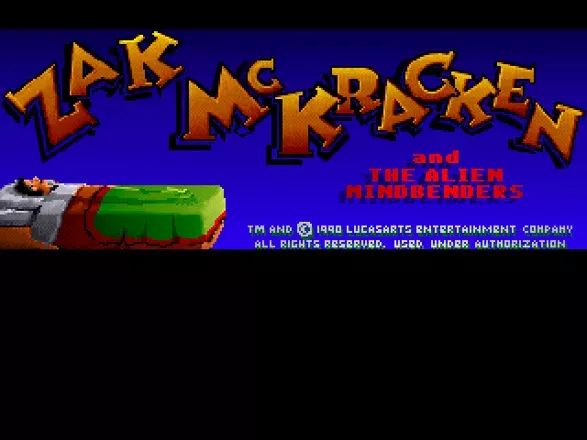
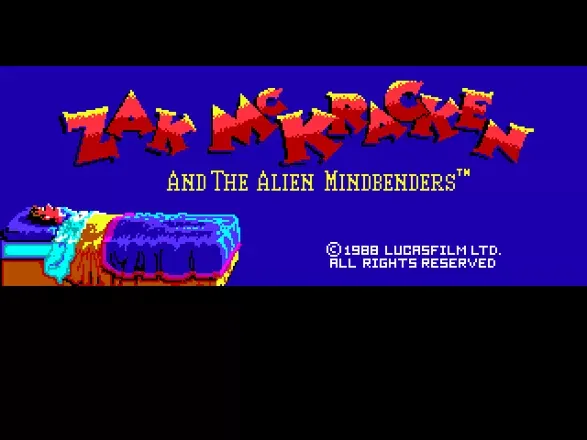
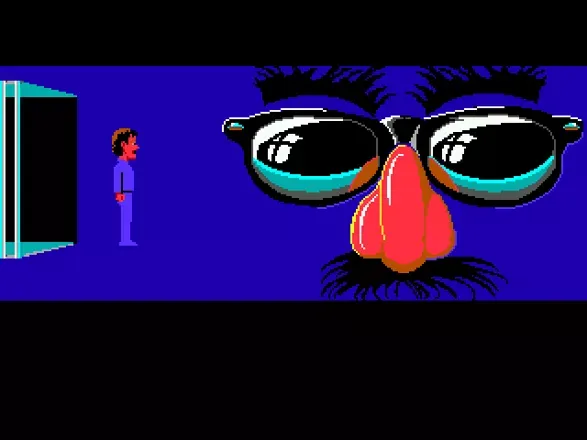
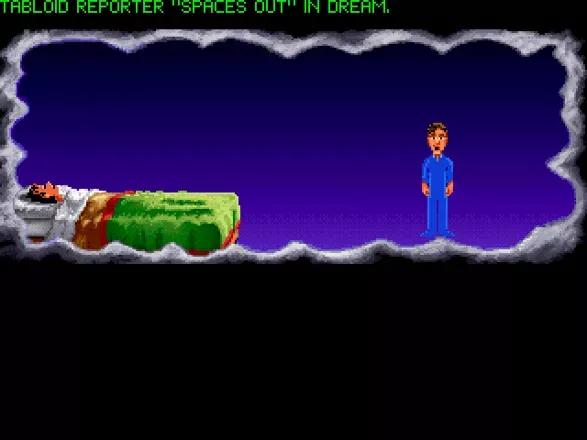
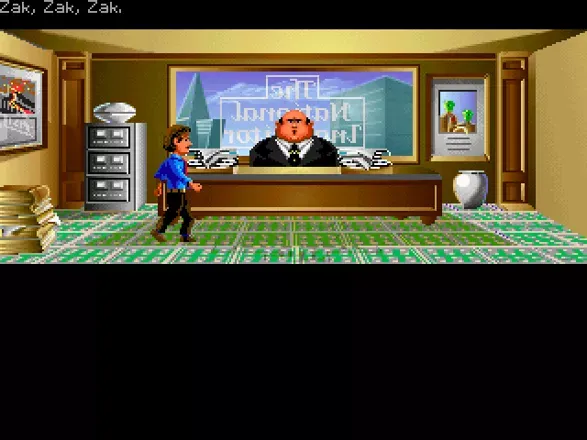
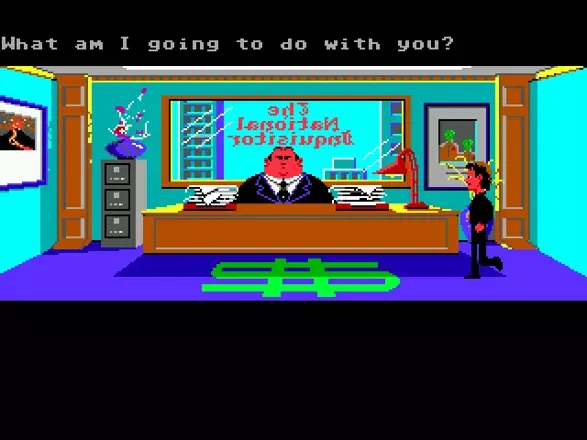
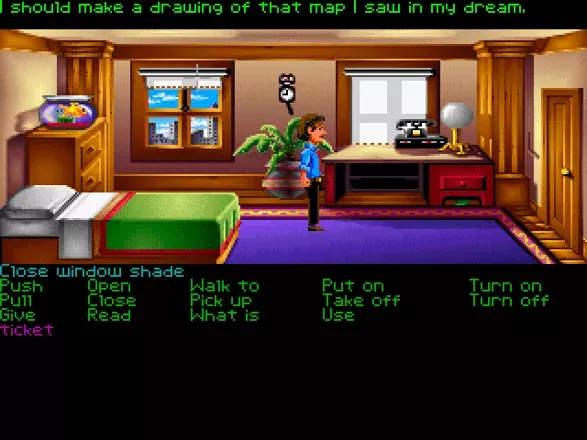
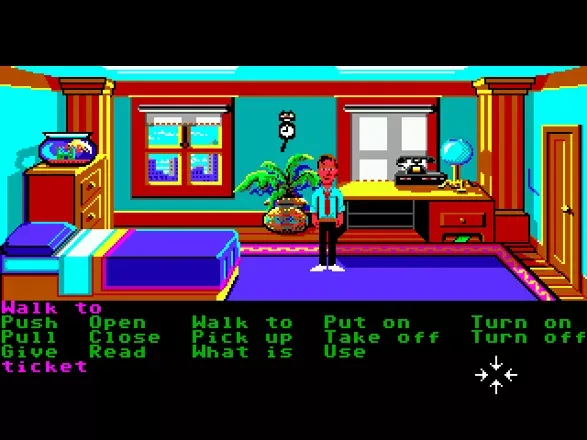
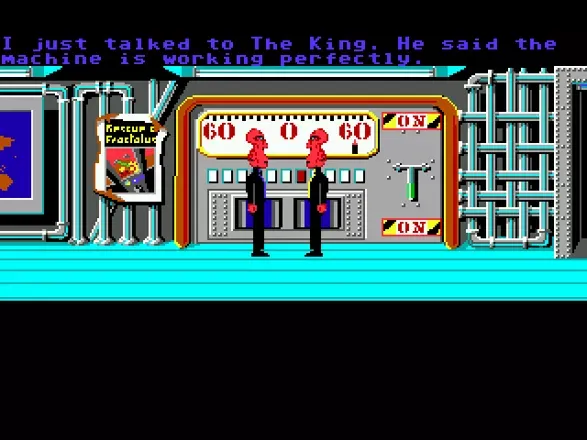
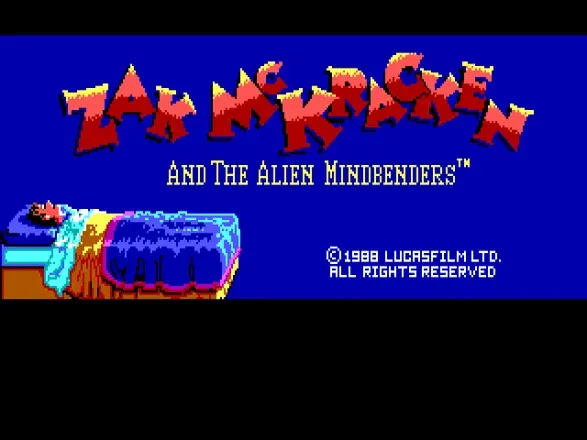
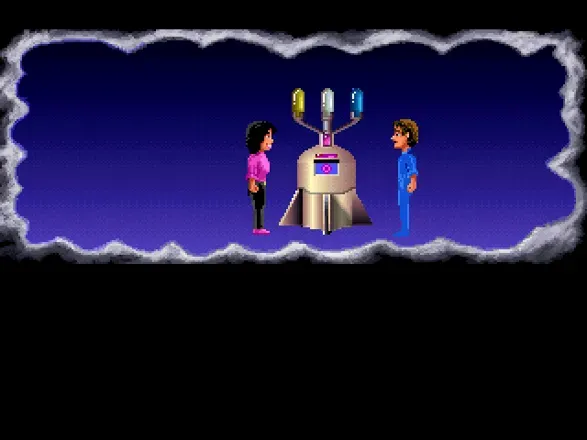
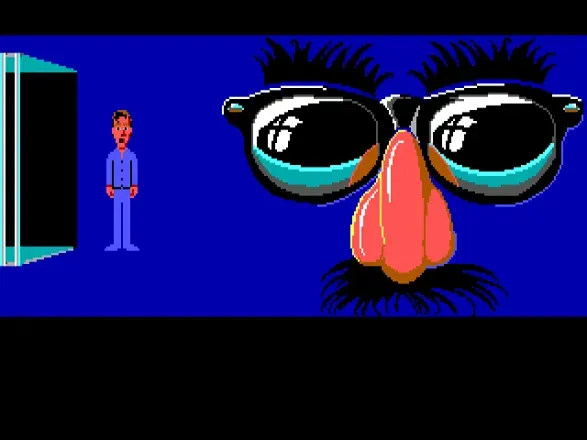
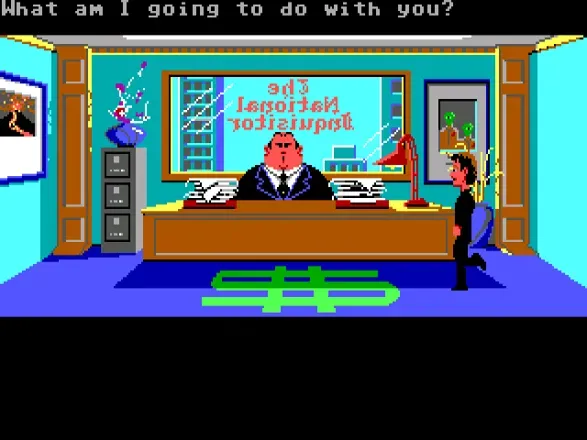
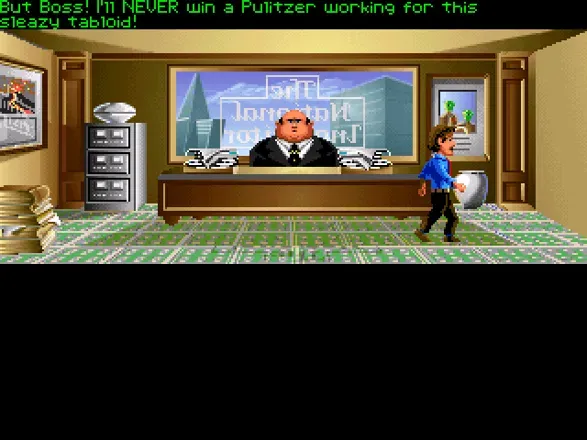
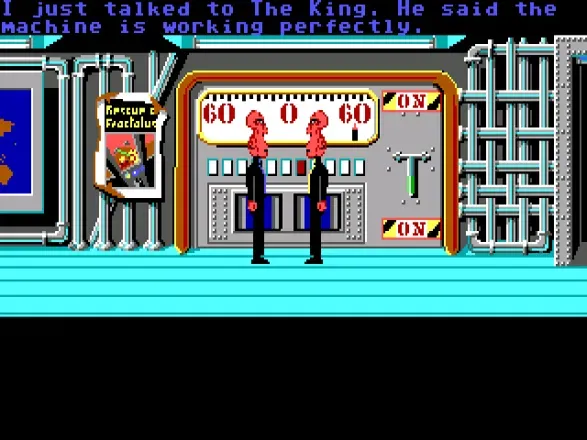
Zak McKracken and the Alien Mindbenders appeared in 1988 as Lucasfilm Games’ follow-up to the company’s early graphic-adventure breakthrough, and it is widely recognized as one of the studio’s most memorable SCUMM-era releases. The premise mixes tabloid journalism, alien conspiracy, and surreal comedy, with the player guiding Zak through a globe-spanning hunt to stop aliens from reducing humanity’s intelligence.
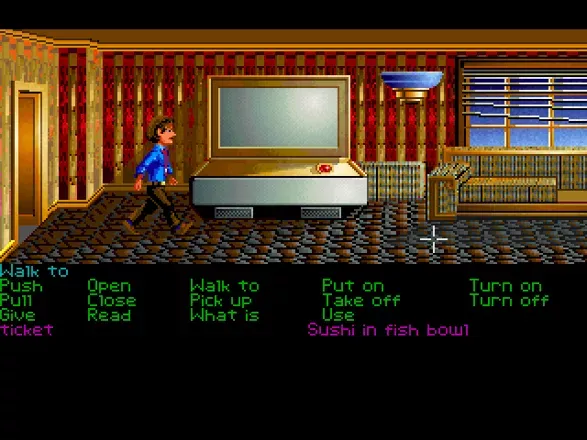
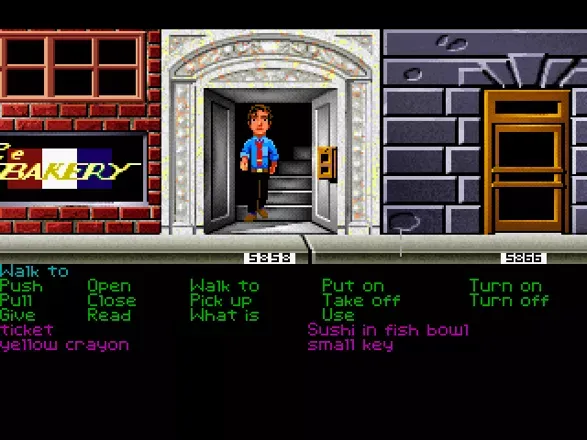
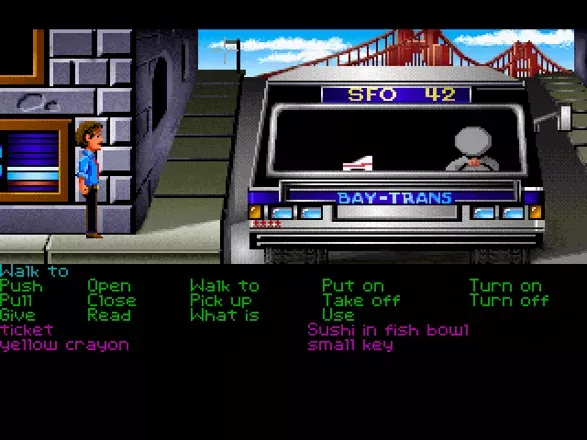
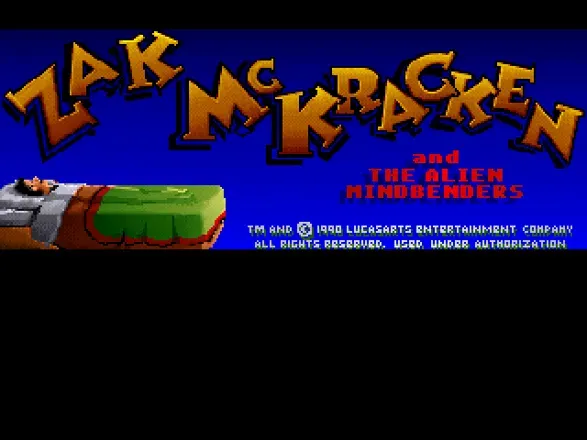
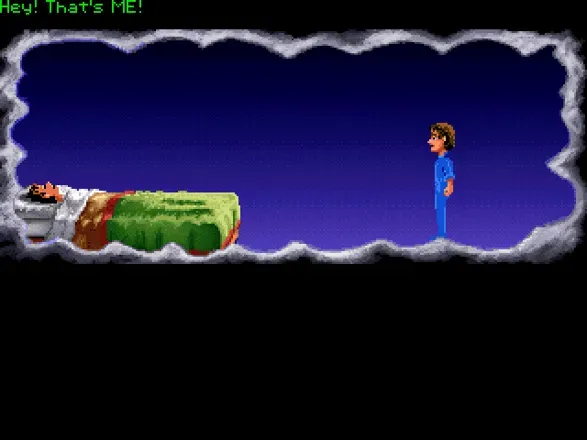
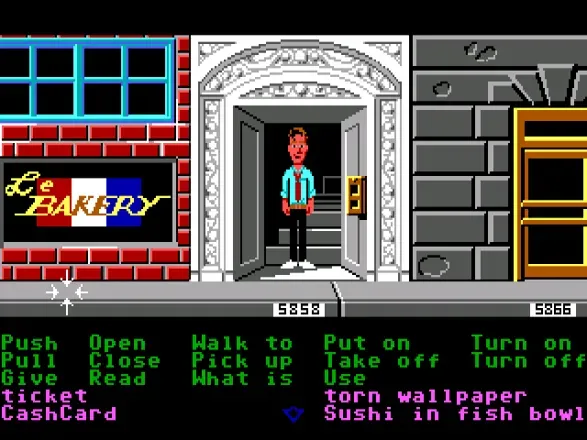
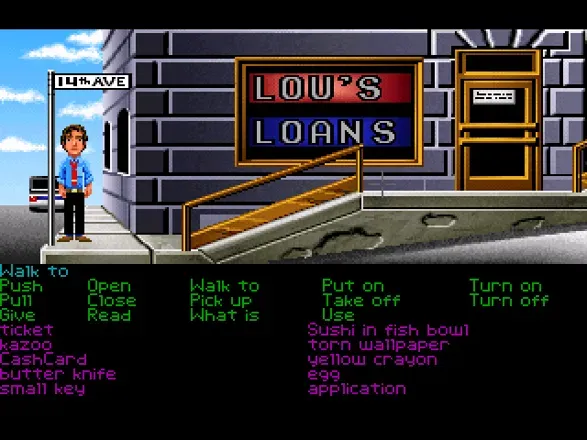
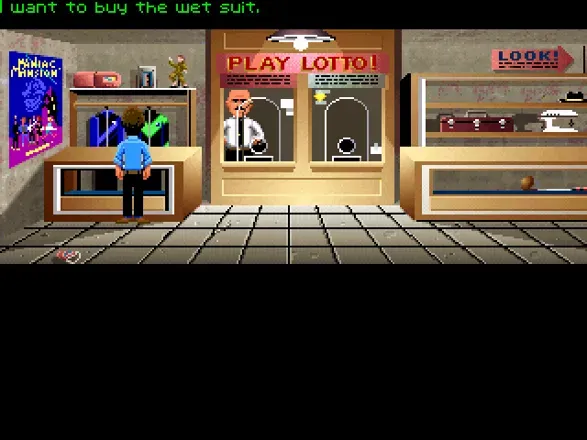
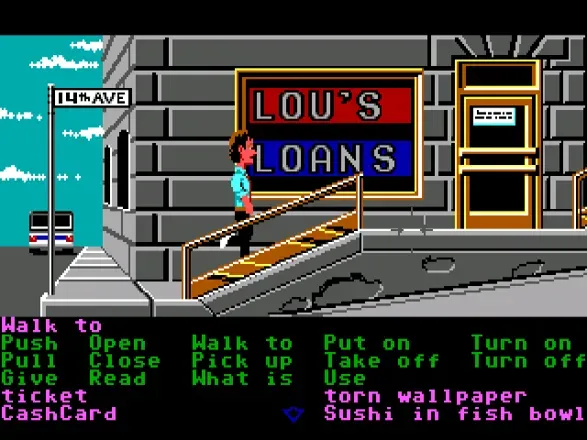
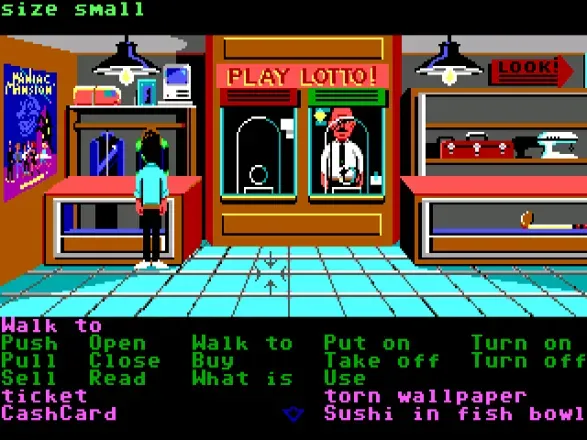
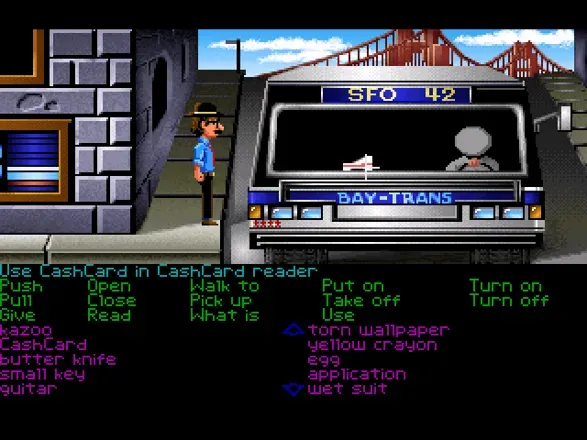
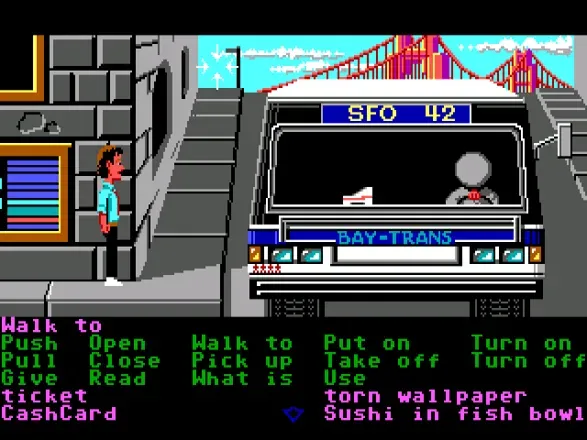
For the Amiga release, the game arrived after the original 1988 debut on other systems; sources describe the Amiga version as a later port, with the title reaching the platform in 1989. It was part of Lucasfilm Games’ early expansion across home computers, and the Amiga edition sits within that broader wave of multi-platform adventure conversions that helped define the company’s reputation.
Gameplay & Technical Features
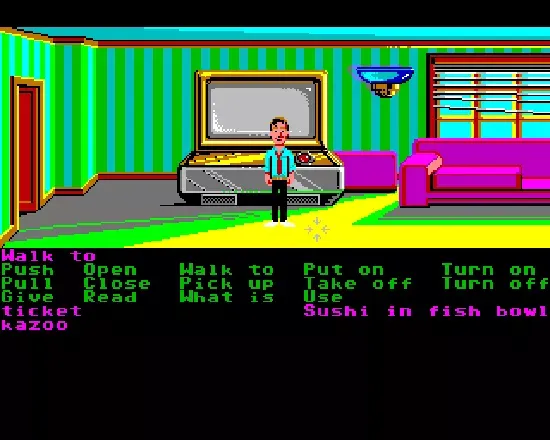
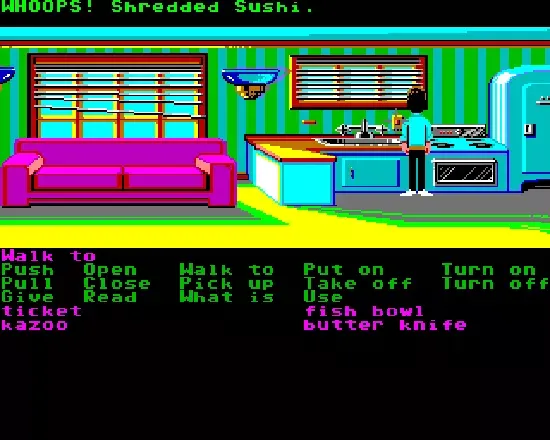
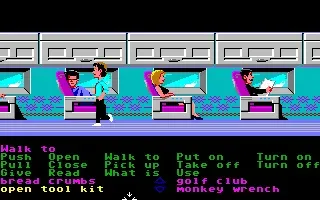
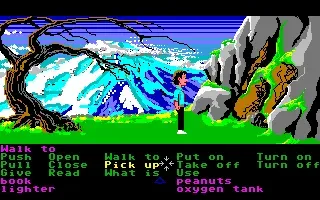
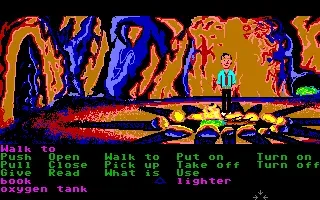
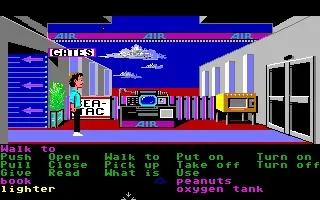
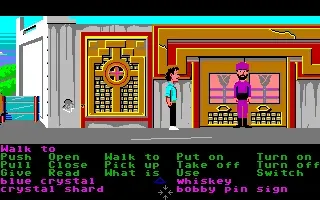
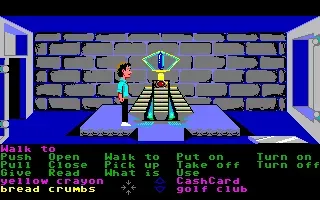
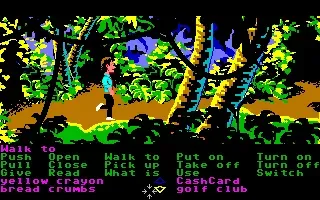
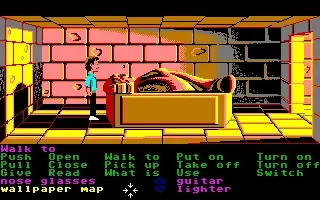
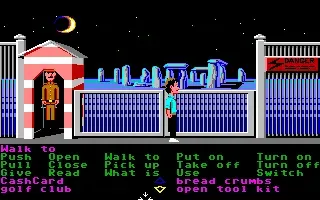
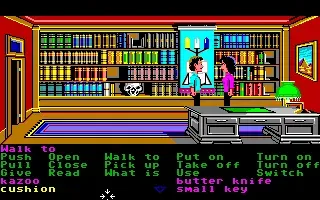
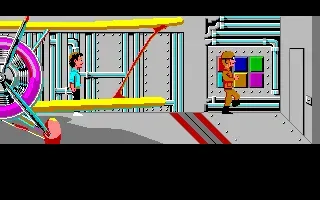
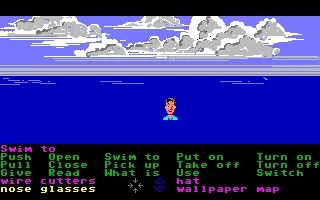
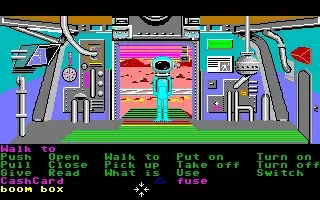
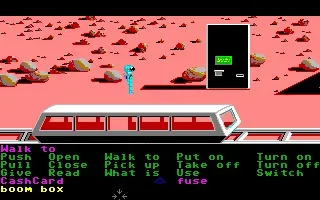
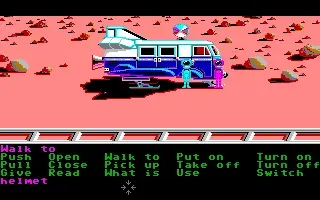
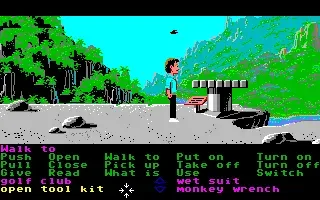
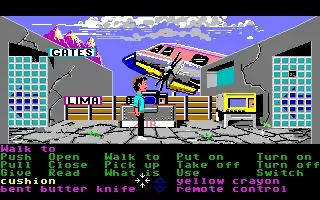
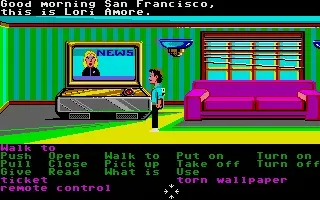
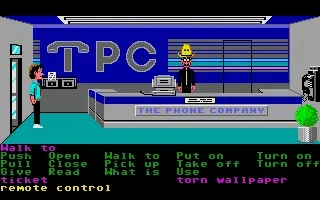
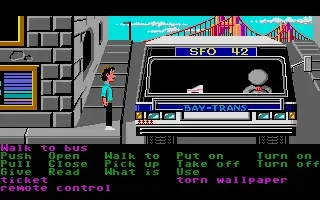
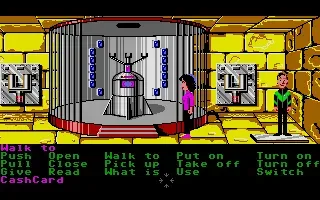
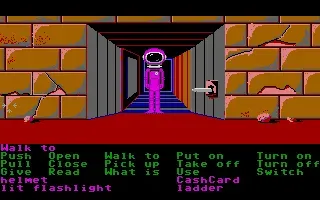
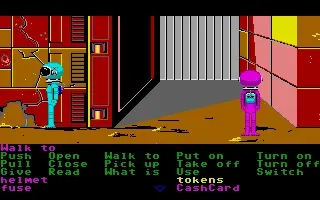
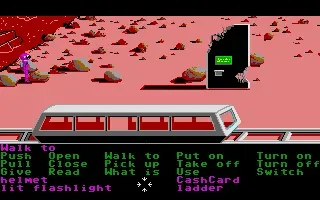
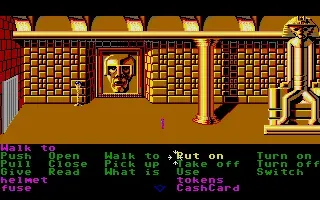
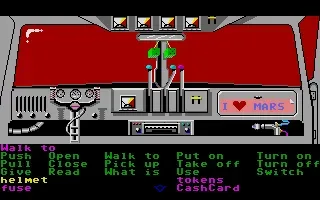
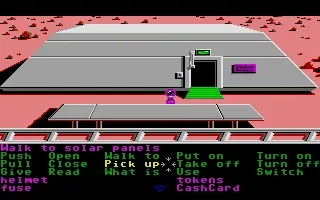
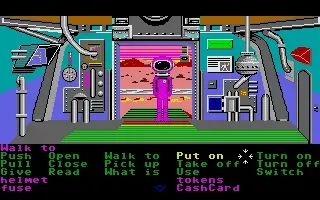
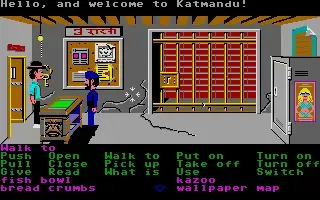
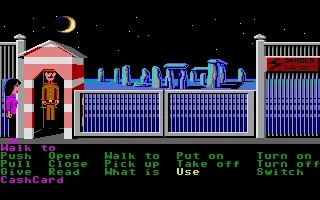
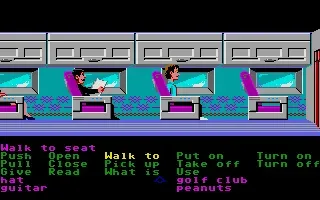
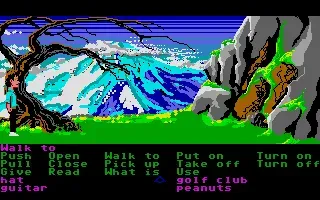
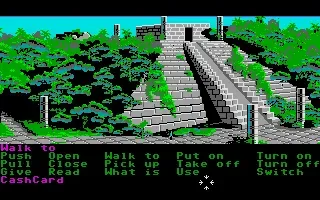
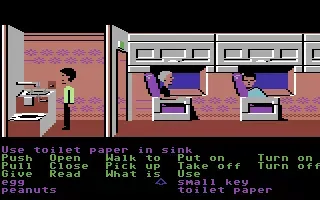
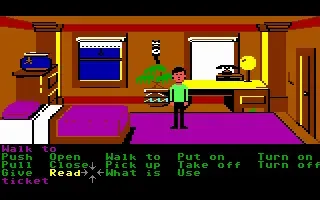
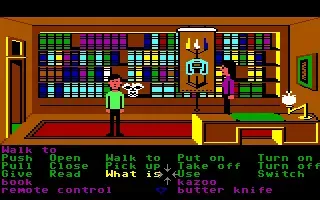
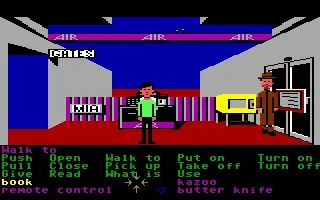
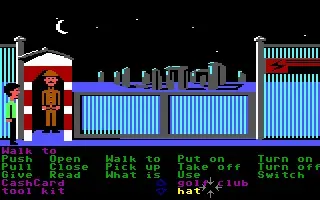
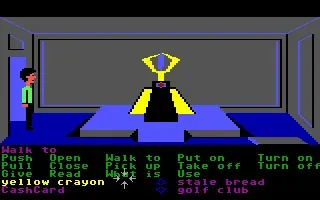
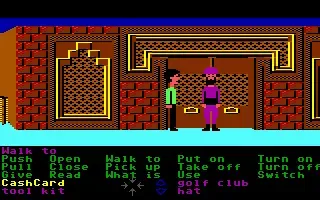
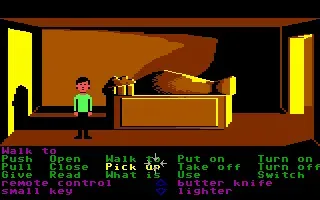
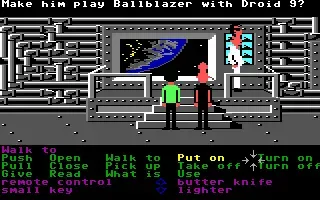
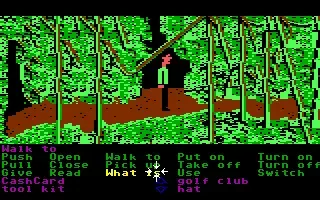
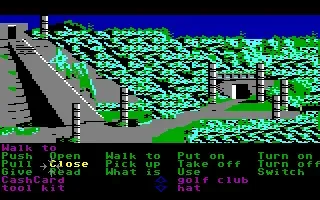
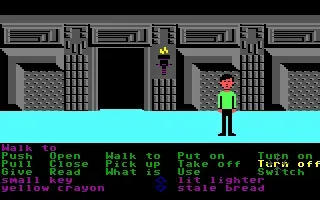
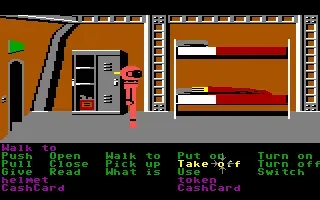
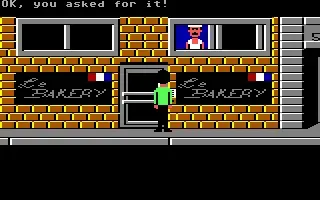
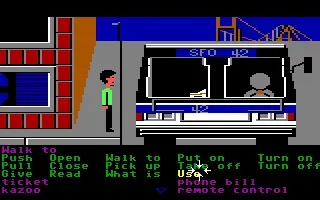
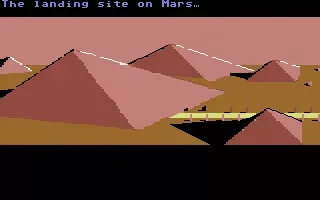
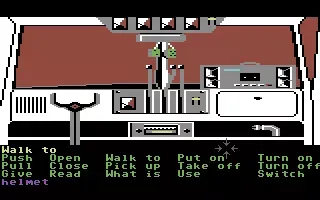
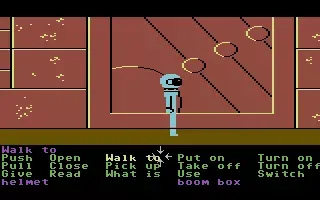
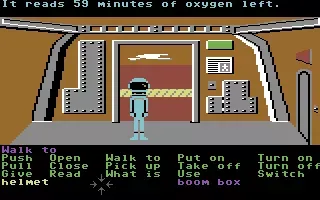
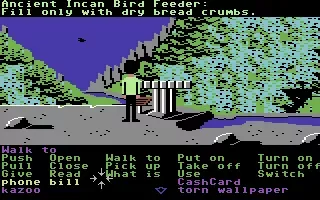
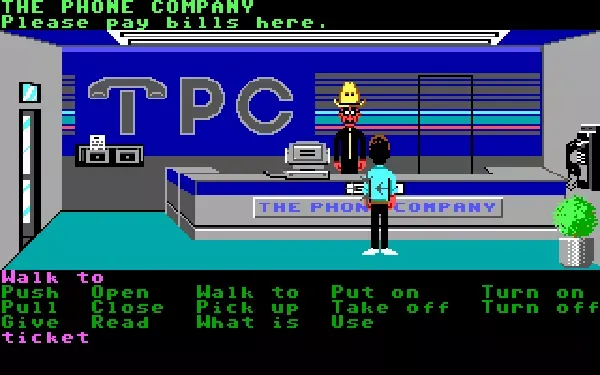
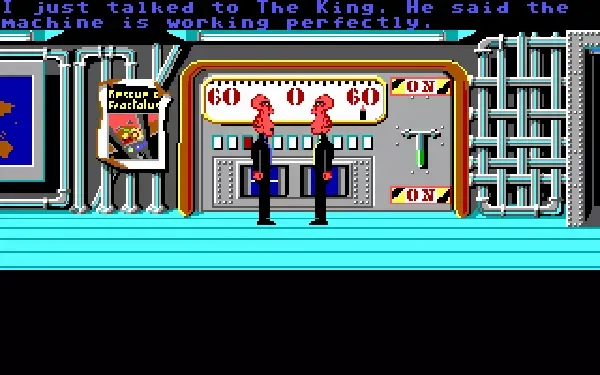
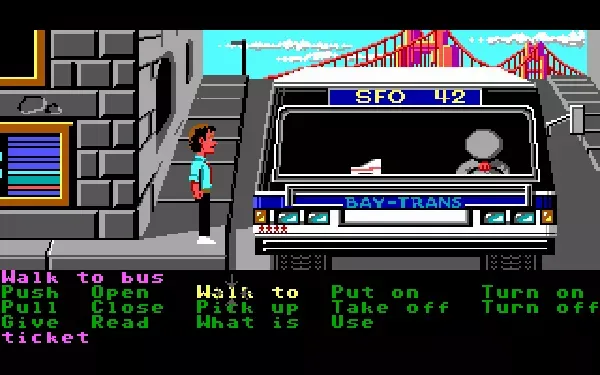
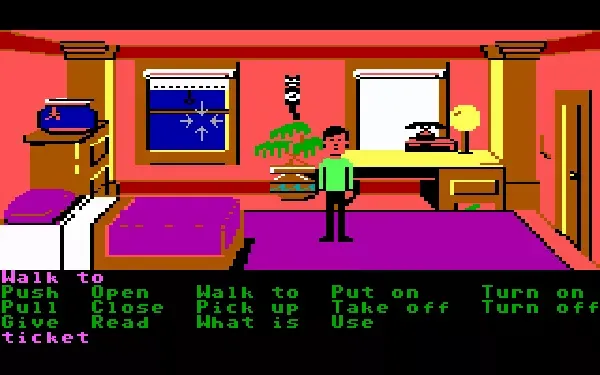
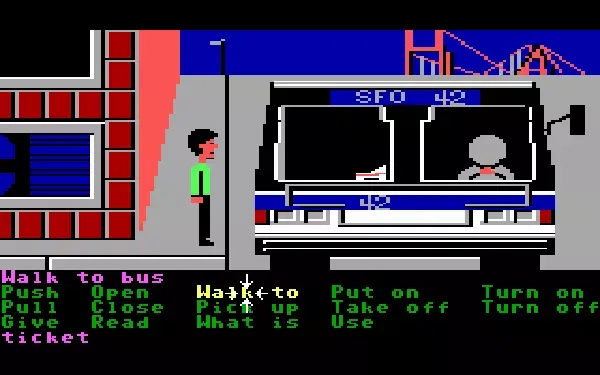
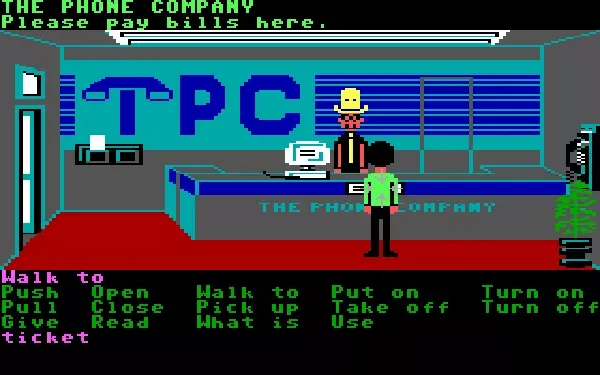
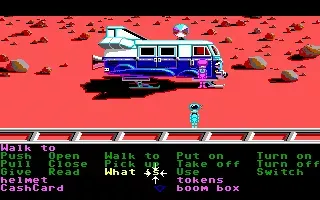
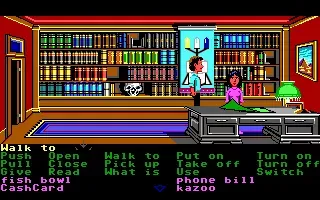
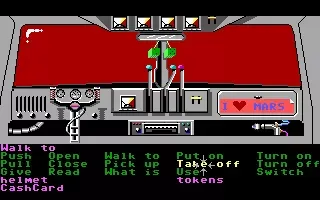
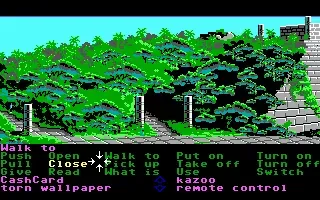
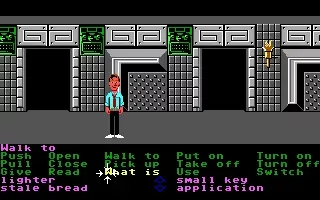
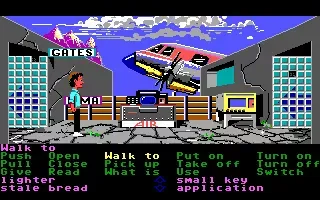
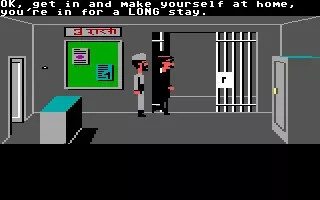
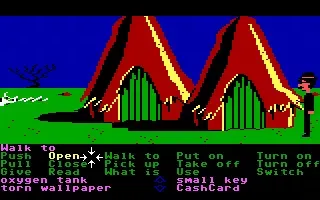
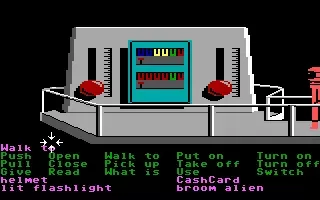
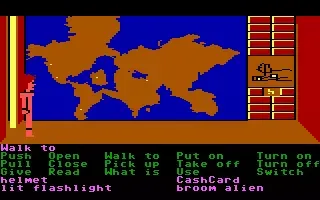
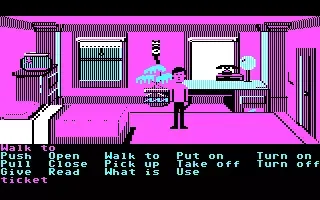
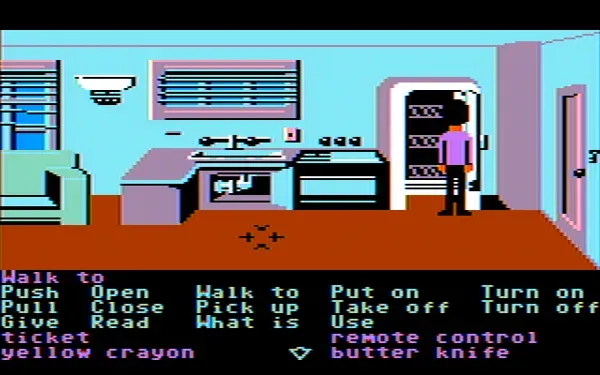
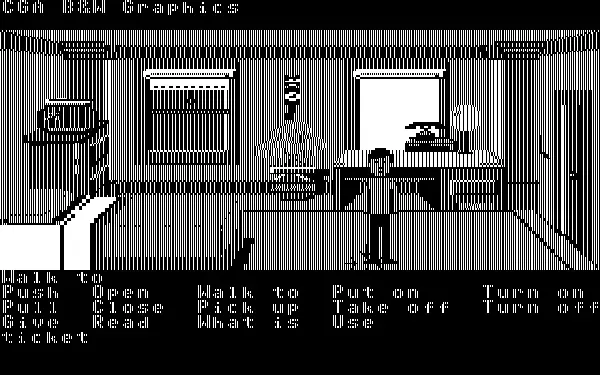
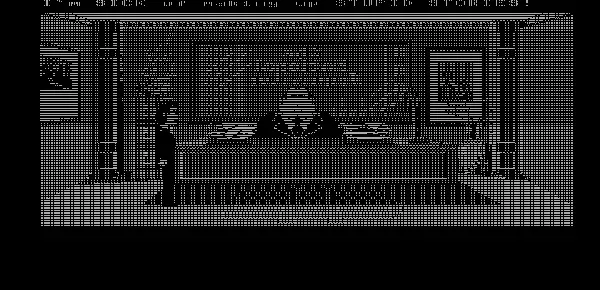
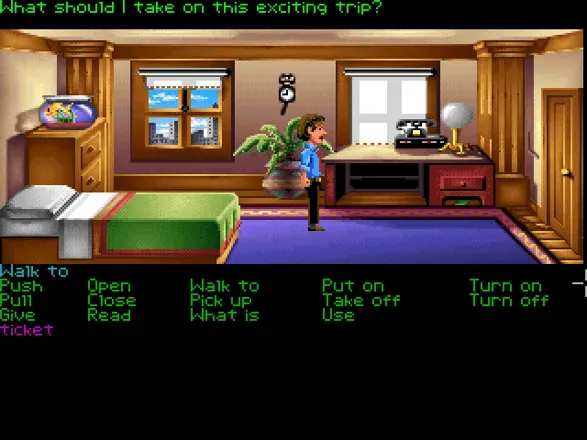
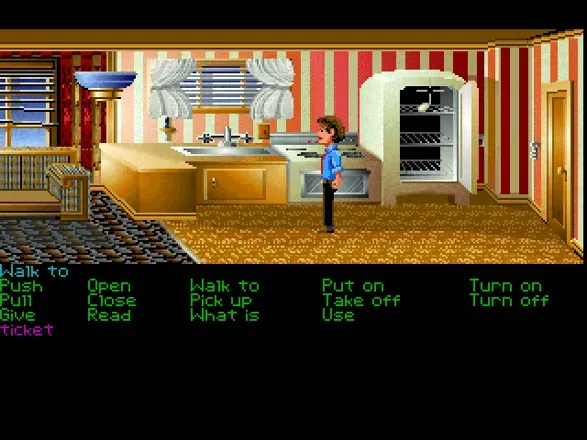
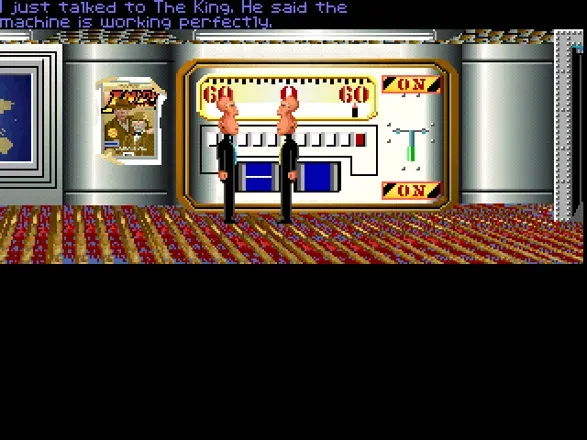
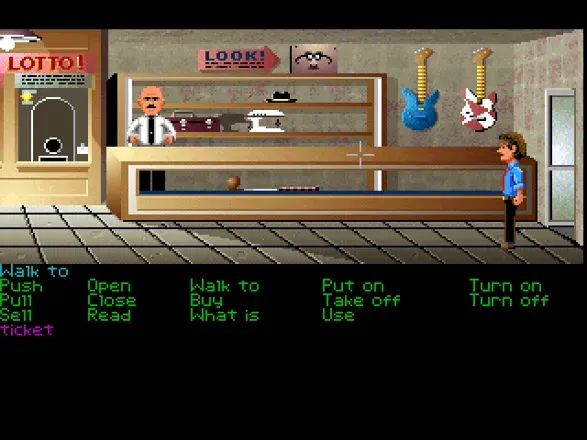
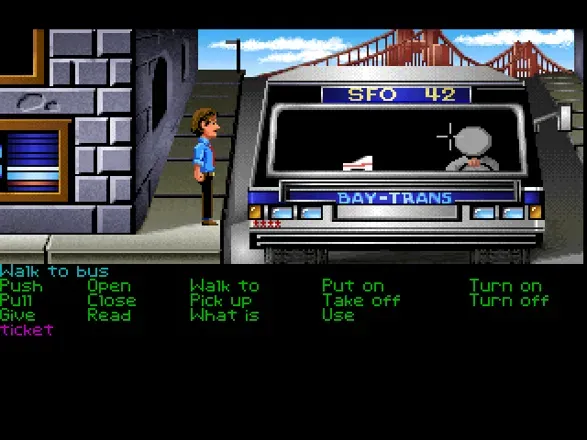
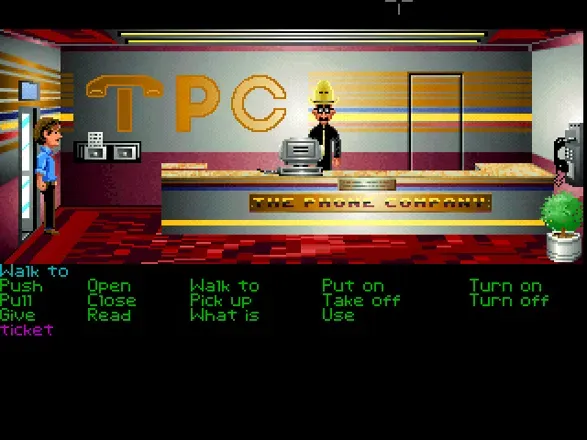
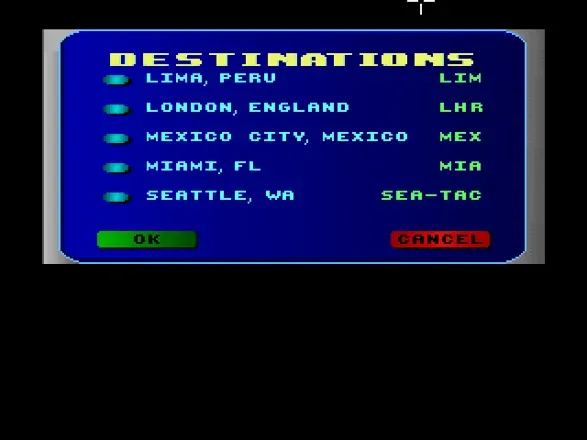
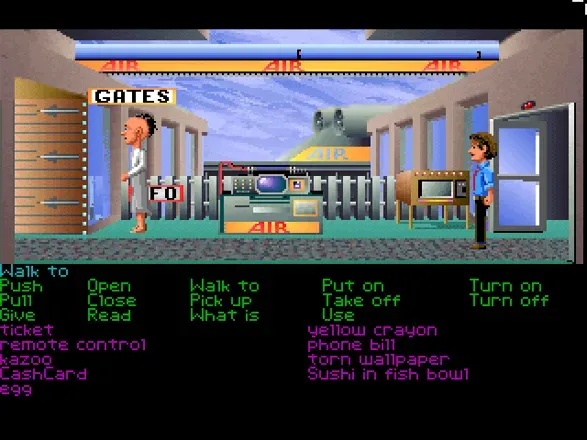
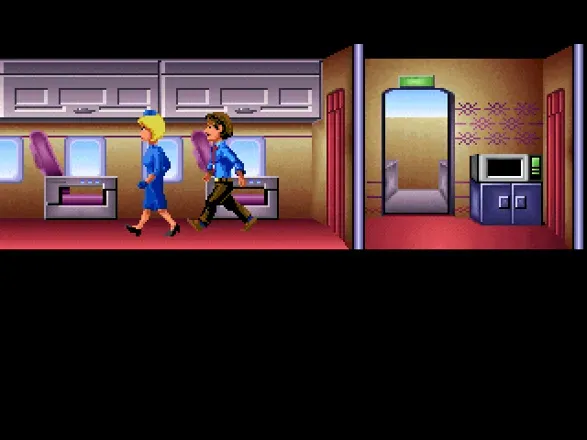
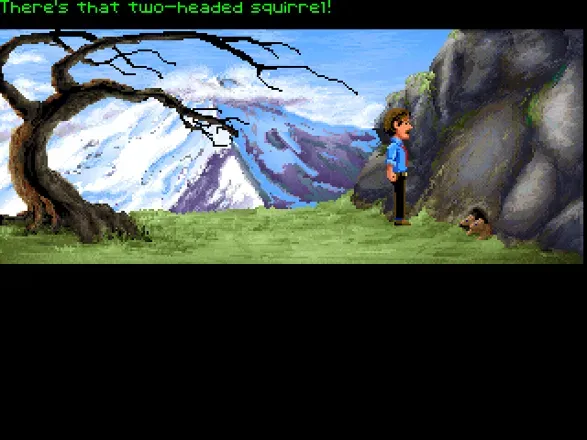
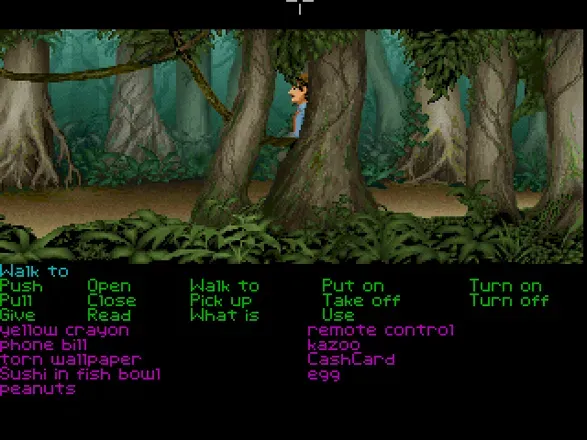
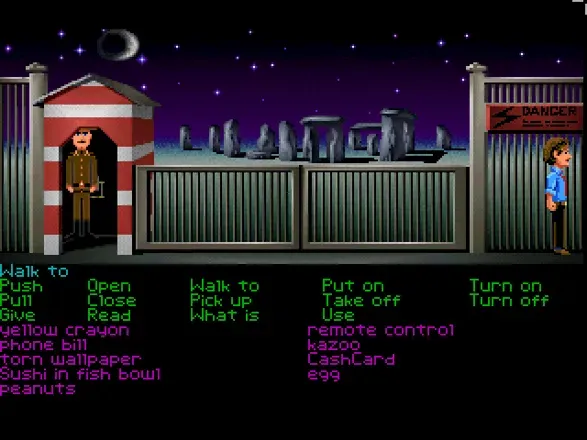
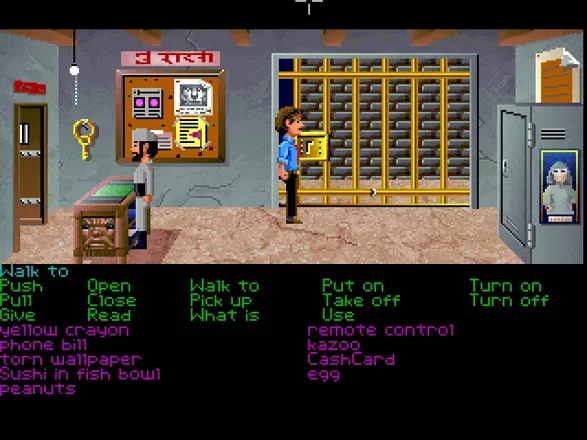
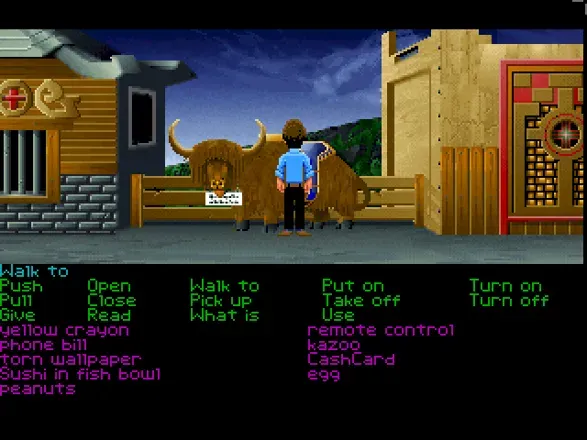
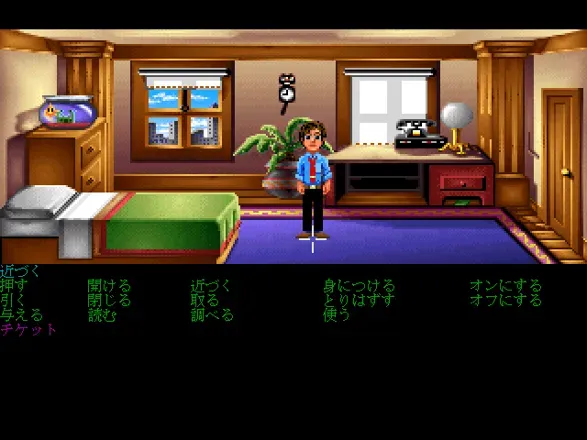
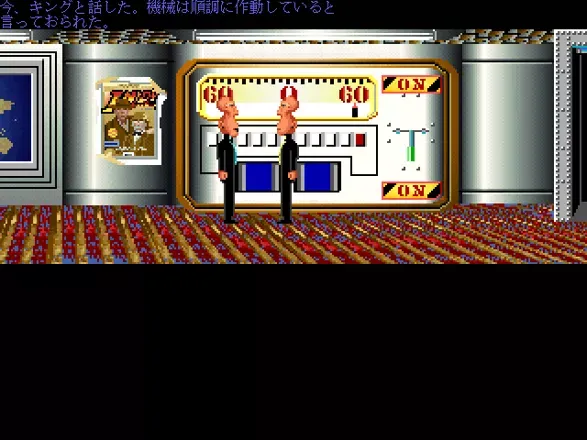
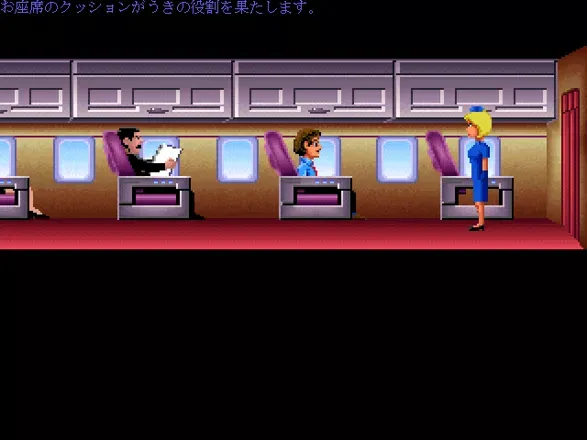
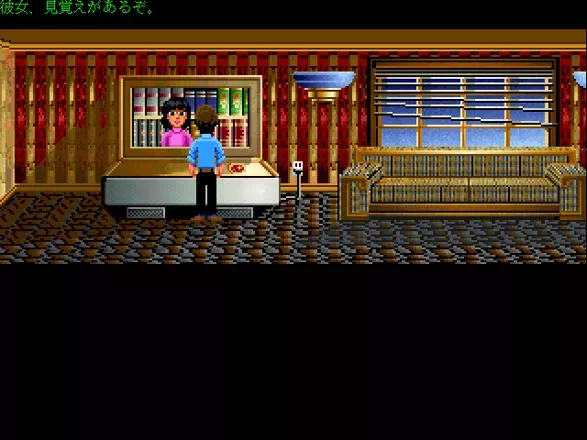
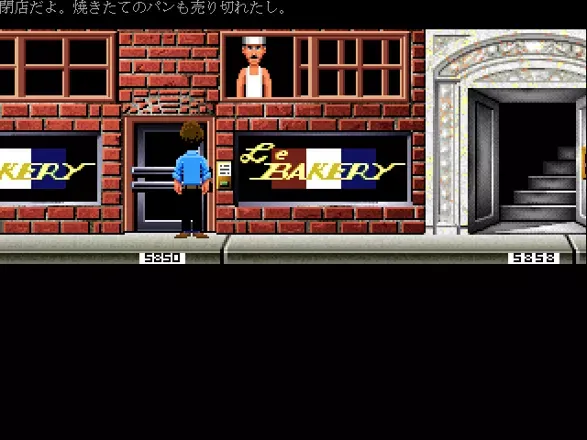
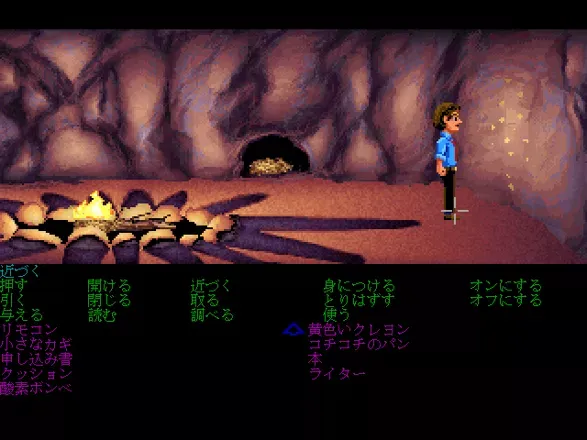
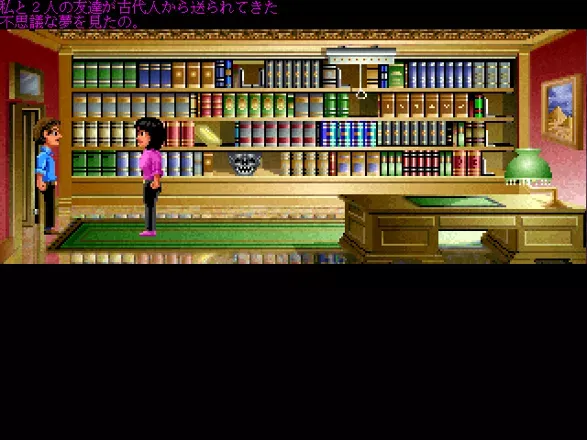
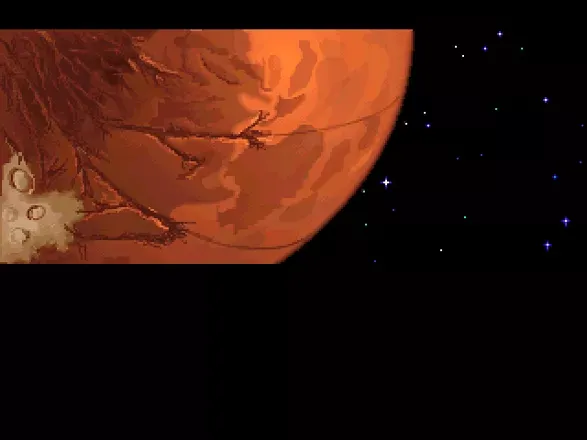
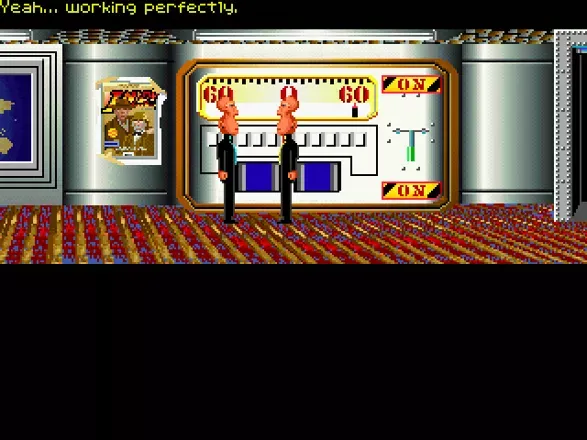
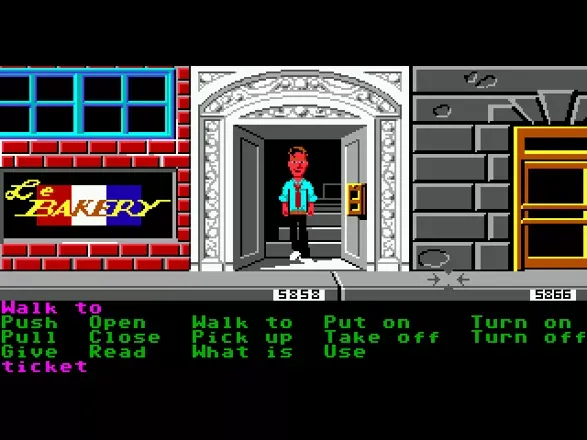
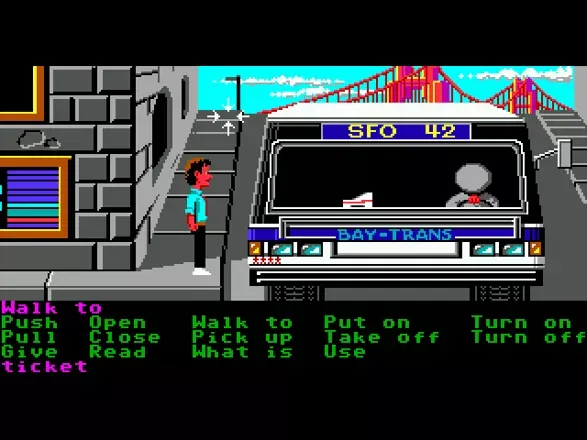
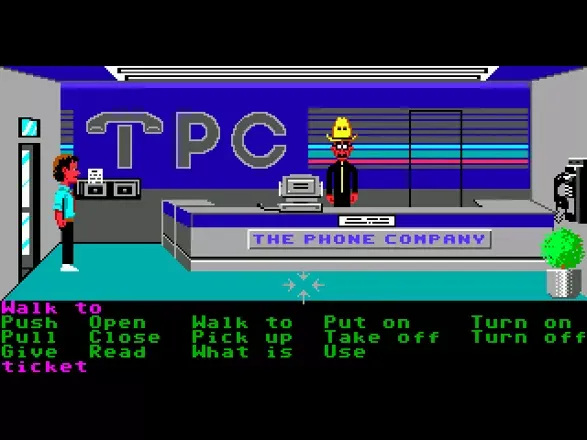
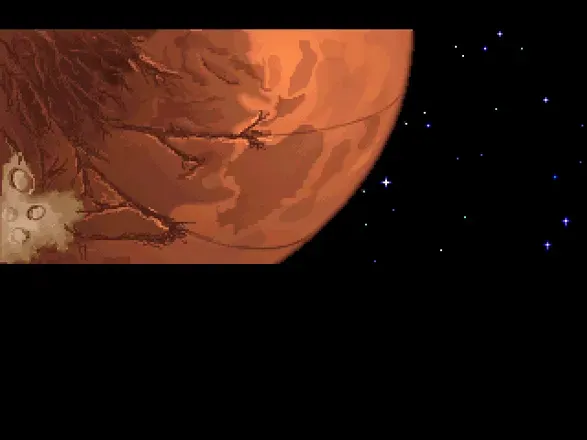
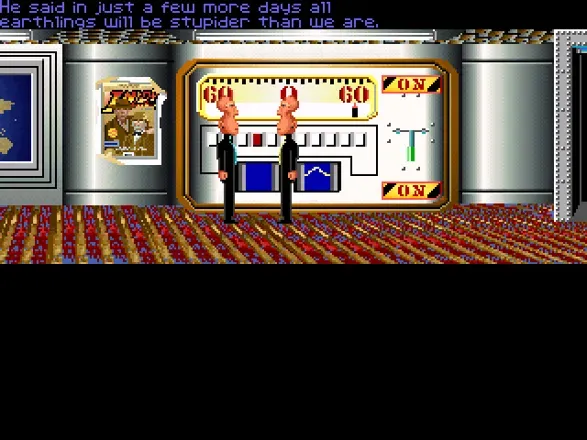
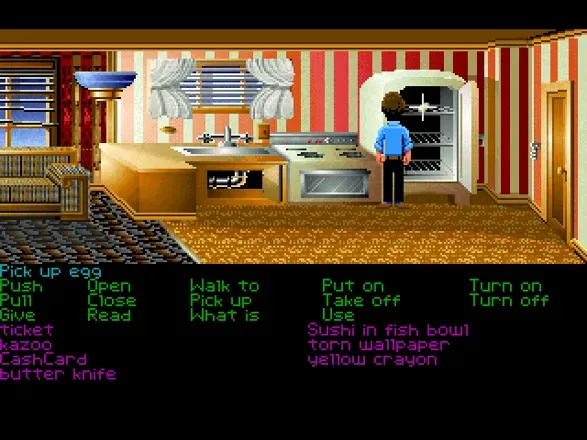
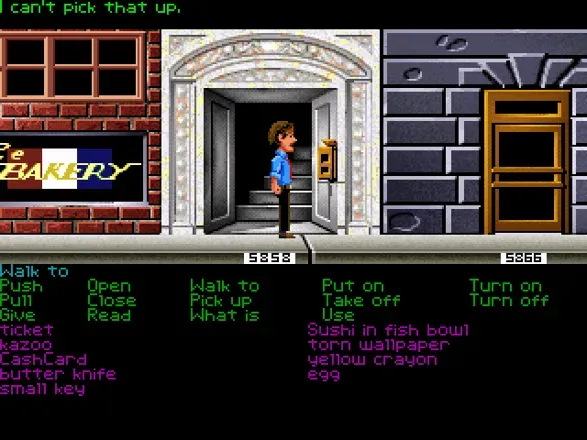
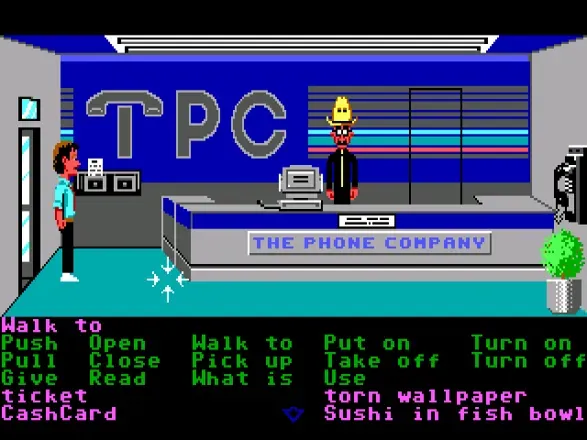
This is a classic graphic adventure built around exploration, inventory use, dialogue, and puzzle solving rather than action. Players switch between characters as the story unfolds, collecting objects, combining clues, and moving between locations that range from everyday urban spaces to exotic, science-fiction settings.
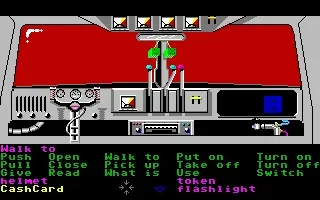
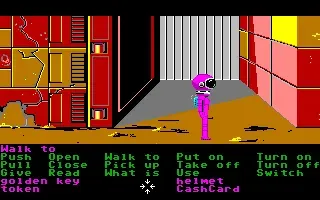
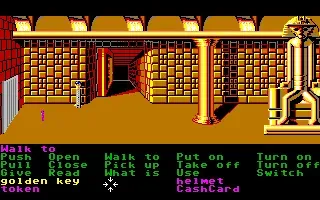
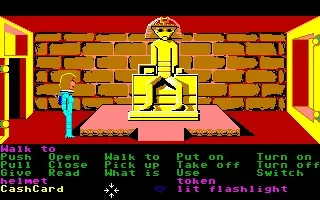
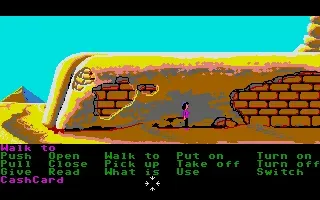
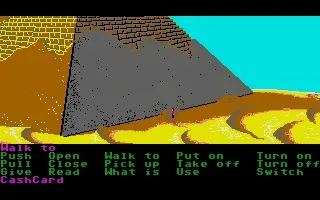
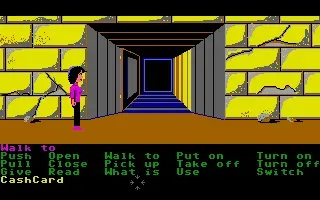
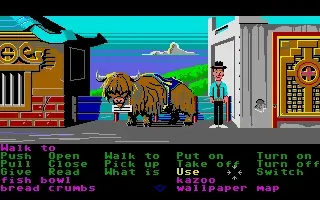
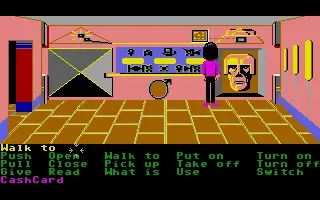
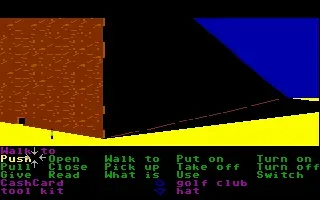
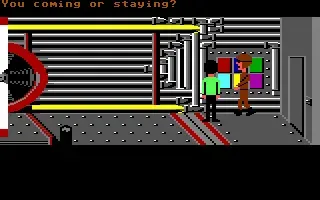
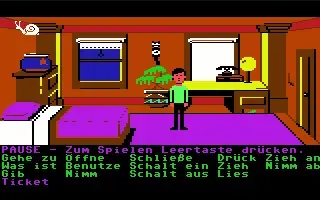
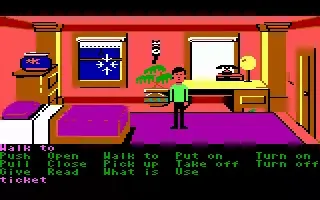
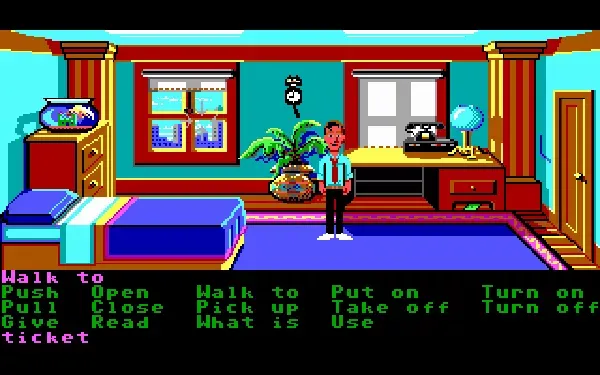
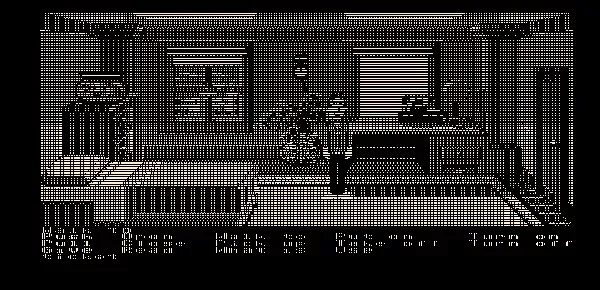
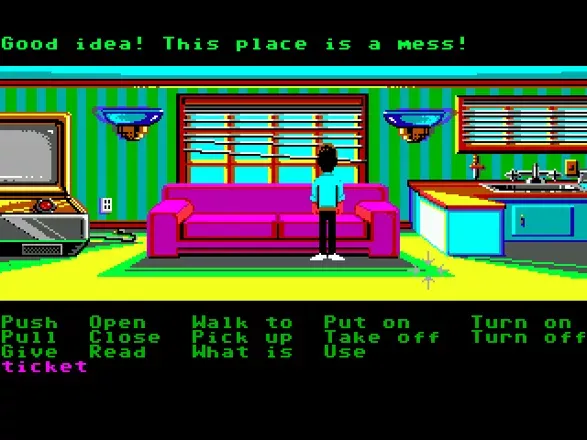
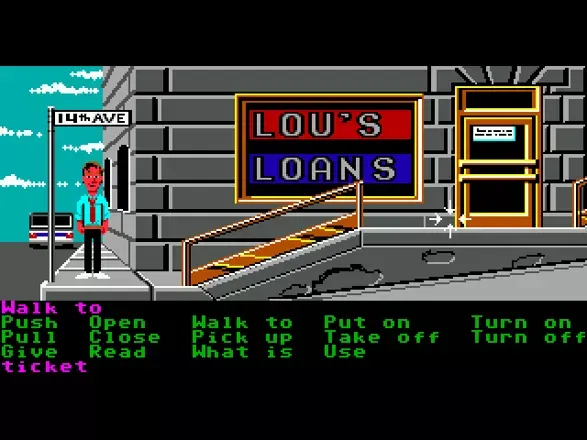
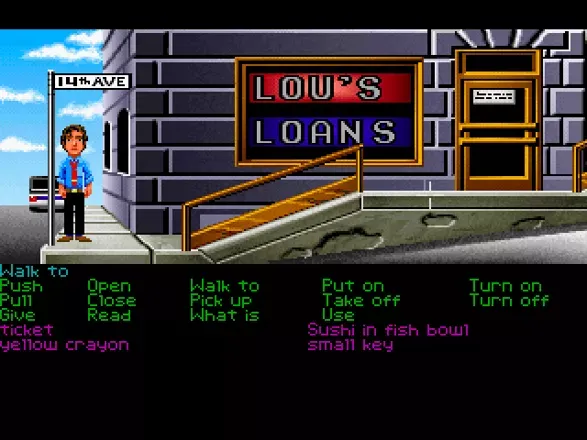
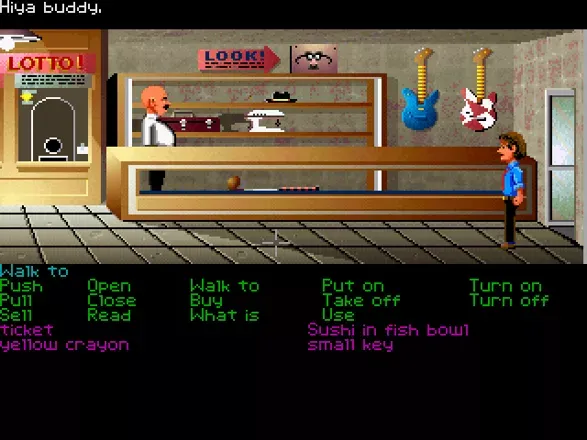
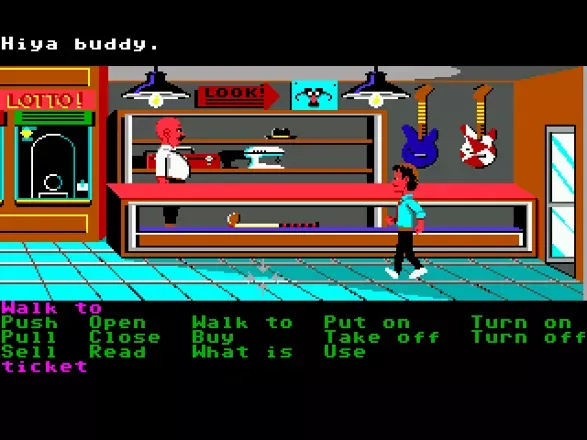
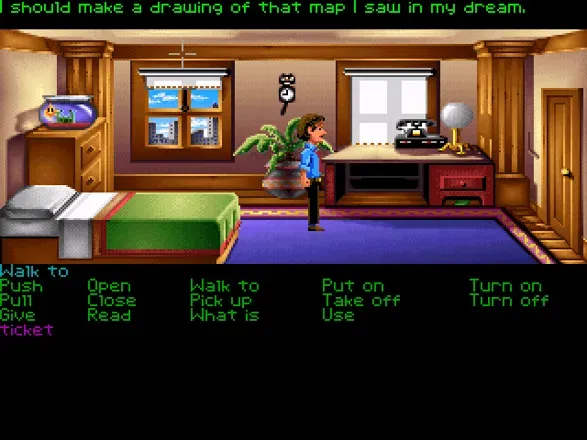
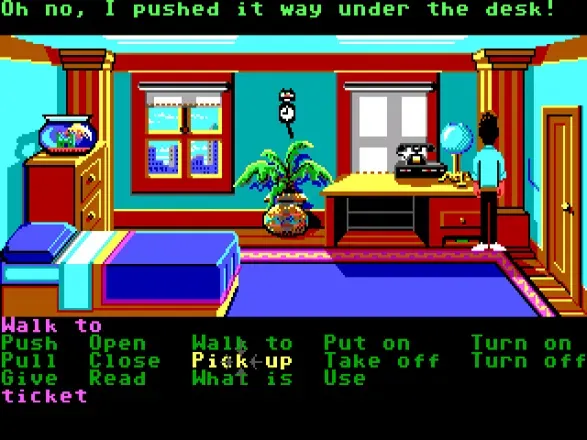
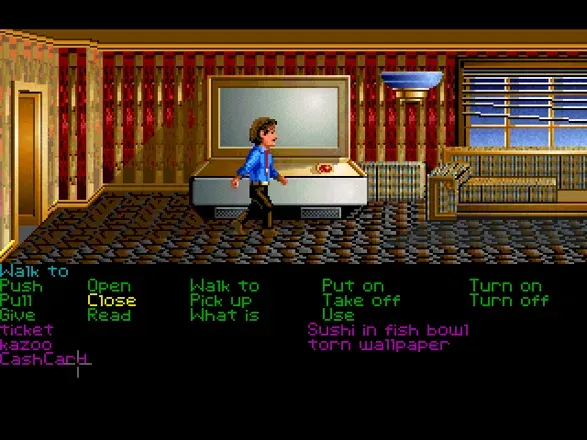
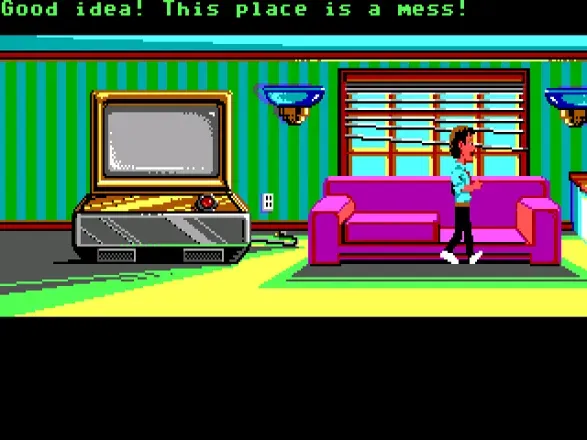
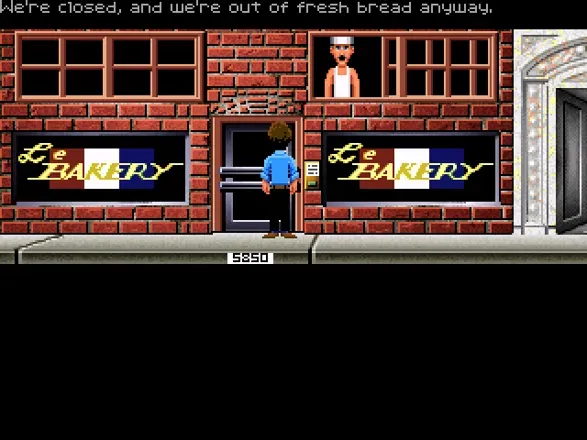
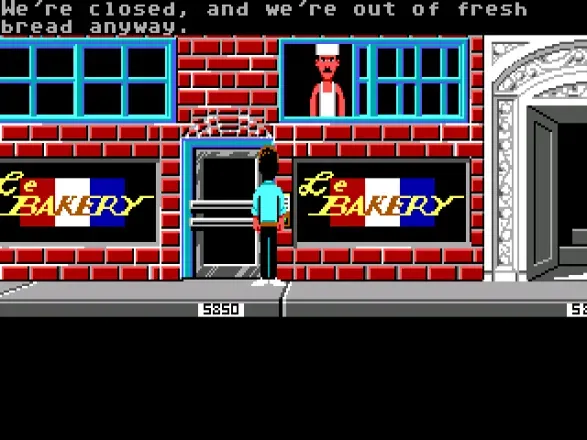
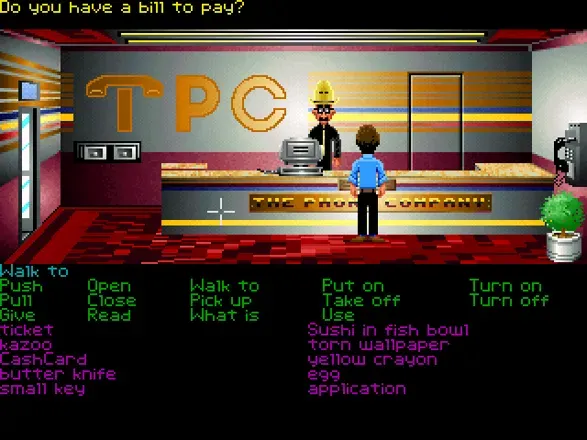
On Amiga, the game fits the platform’s strengths in colorful presentation and audio playback, which suited Lucasfilm Games’ SCUMM engine design. The Amiga version is generally understood as a faithful computer-adventure port rather than a redesign, preserving the original structure while adapting it to the machine’s home-computer ecosystem and disk-based distribution.
Collector’s Value & Rarity
The Amiga edition is a sought-after vintage adventure title, but it is not typically treated as an ultra-rare release; its value is driven more by demand from Lucasfilm Games collectors than by extreme scarcity. Preservation interest remains strong because the game belongs to the studio’s early canonical adventure output and is tied to a highly regarded era of computer gaming.
Collectors should look for complete retail copies with the original box, disk(s), and printed materials, since adventure games from this period are often valued more highly when documentation is intact. Regional release differences exist across Europe, and the Amiga version’s publication history reflects the broader late-1980s distribution pattern for the title across different markets.