



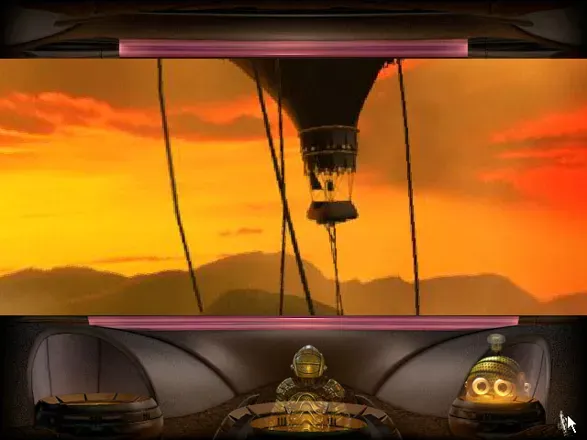
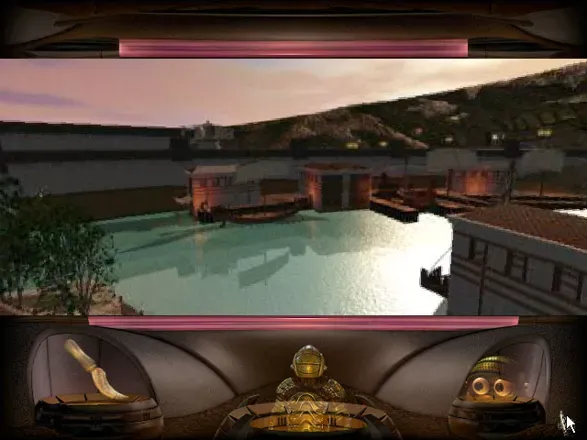
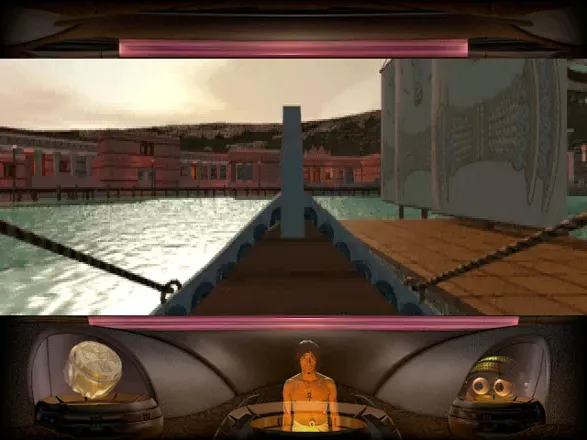
Historical Context & Trivia
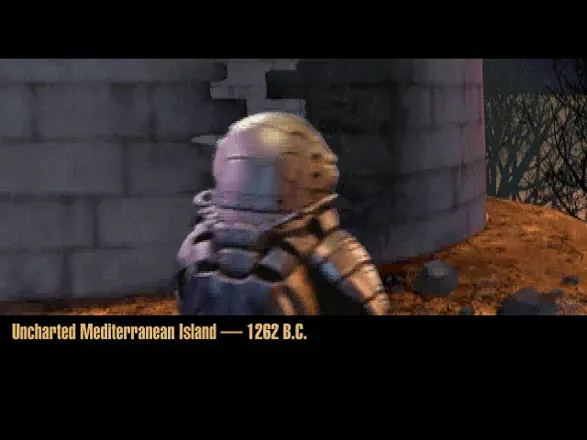
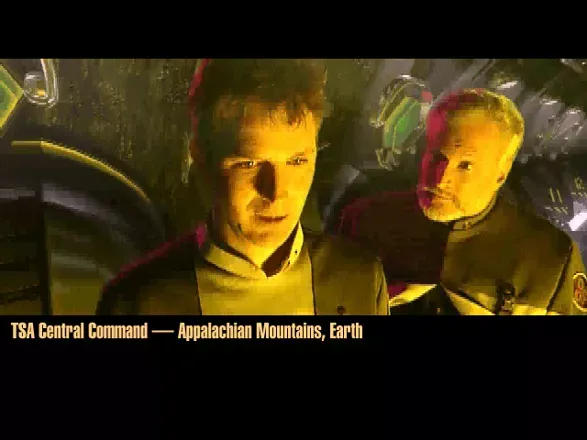
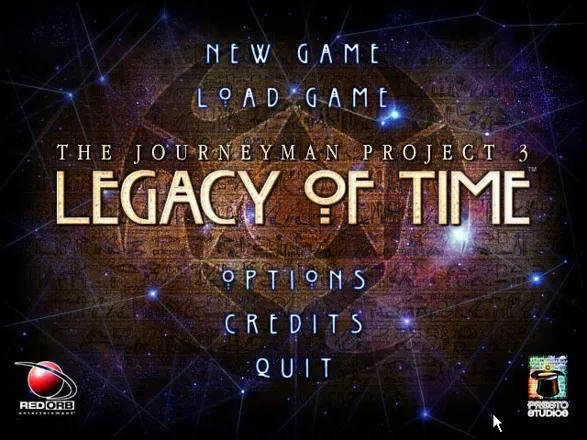
The Journeyman Project 3: Legacy of Time (1998) is the final main entry in Presto Studios’ sci-fi adventure trilogy, arriving at the height of late-1990s CD-ROM storytelling and pre-rendered cinematic design. It extended the series’ time-travel premise with a more ambitious presentation and is widely remembered as a technically bold but commercially modest release in the adventure-game era.
The game was published under the Red Orb Entertainment label tied to Brøderbund Software, Inc., and it landed during a turbulent period for the company as the publisher was being absorbed into The Learning Company. That timing has been cited as a factor in the game’s weaker commercial performance despite its strong production values and established franchise pedigree.
Gameplay & Technical Features
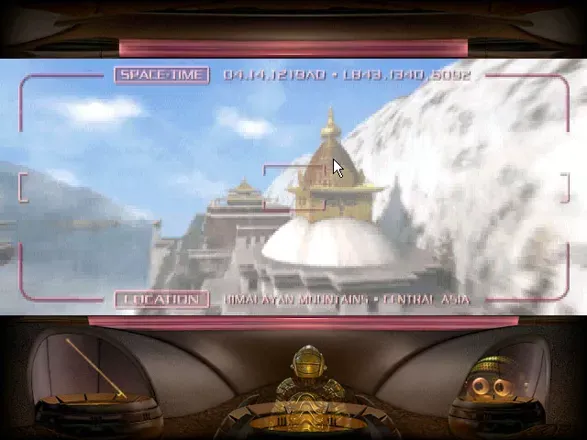
As an Adventure title, the game centers on exploration, puzzle solving, inventory use, and scripted narrative progression across multiple time periods. Its defining hook is the time-travel structure, which lets the player navigate different eras while uncovering clues and managing story state through a highly directed, mystery-driven format.
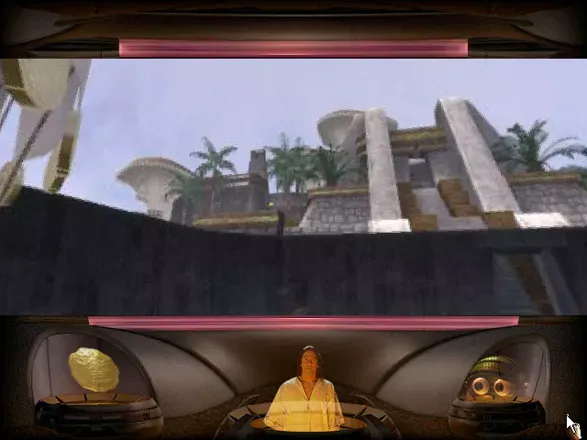
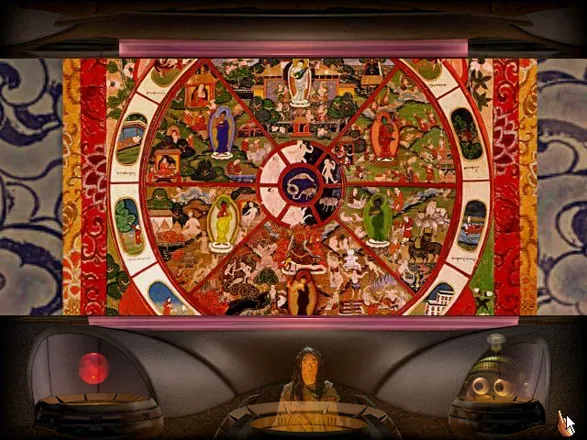
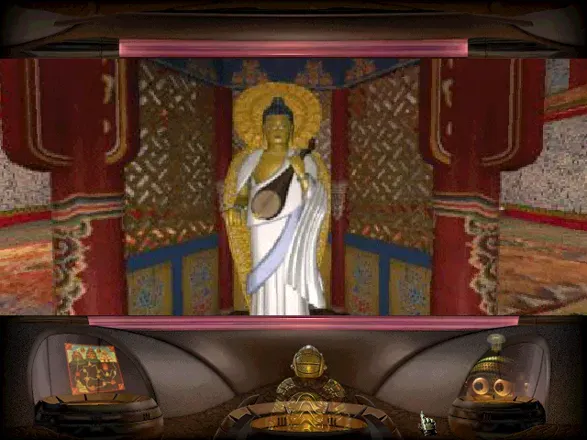
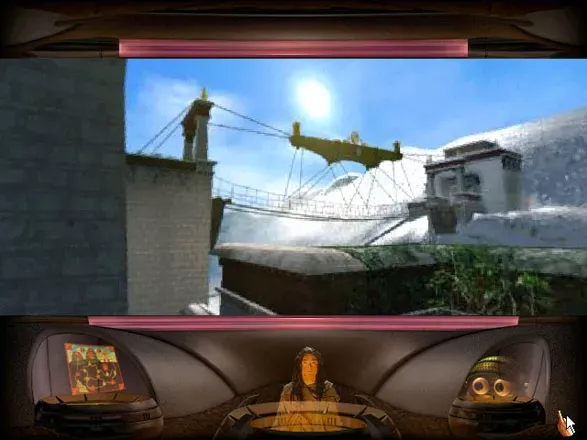
On Windows, the game was built around the era’s multimedia expectations, using full-motion video, richly rendered environments, and node-based first-person movement rather than free-roaming 3D. It is also known for its hybrid release strategy, with CD-ROM editions and later DVD-ROM variants that reduced disc swapping and improved the presentation of its cinematic assets.
Collector’s Value & Rarity
The Journeyman Project 3: Legacy of Time is not typically treated as a rare survival item in the strictest sense, but original boxed copies remain desirable to adventure-game collectors because of the title’s place in a respected cult series and its association with late-1990s multimedia production. Value tends to depend more on completeness and condition than on extreme scarcity.
Collectors often look for the full retail package, especially the original multi-disc Windows release, printed manuals, inserts, and any regional packaging differences tied to the Red Orb/Brøderbund distribution. DVD-era or reissue editions are usually less sought after than the original boxed set, particularly when all physical collateral is intact.