






Historical Context & Trivia
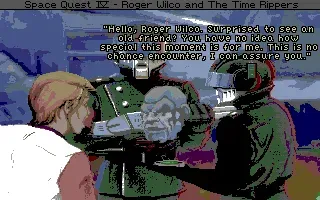
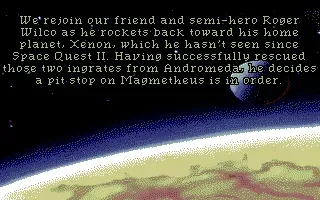
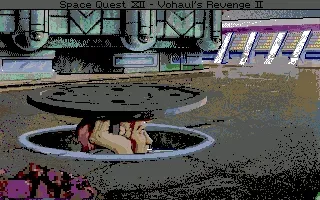
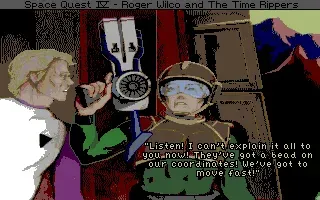
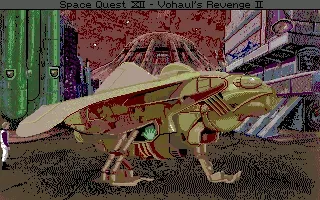
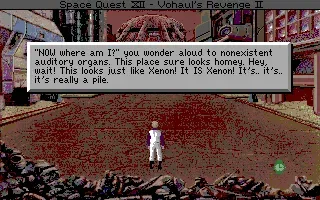
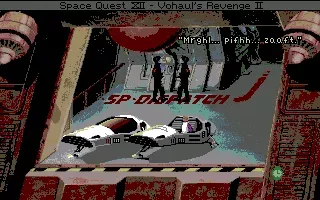
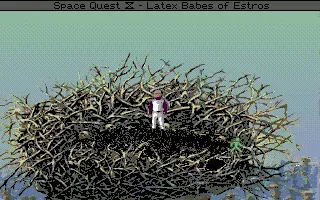
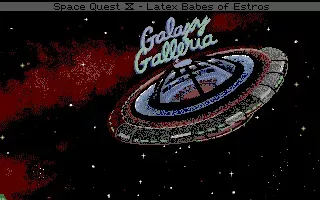
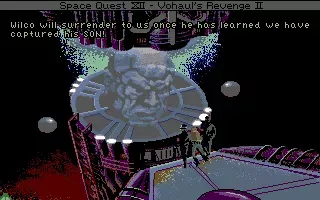
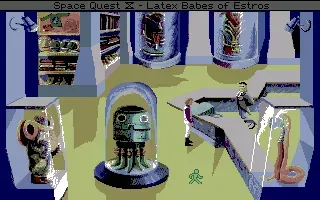
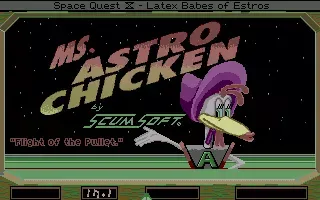
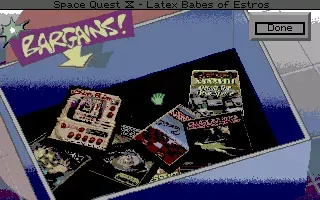
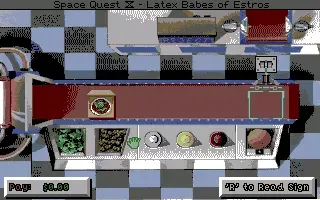
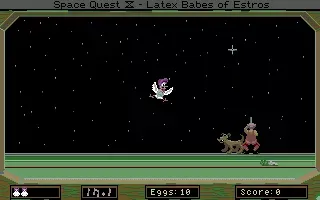
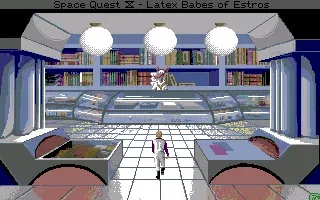
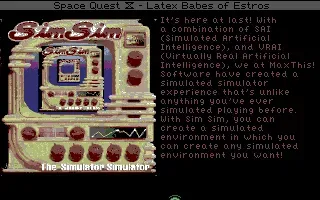
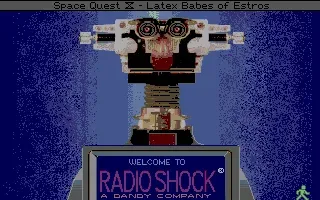
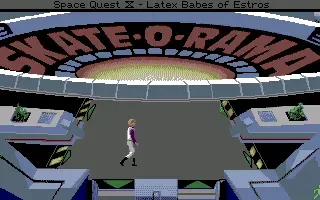
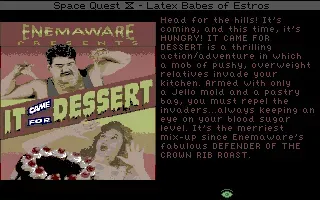
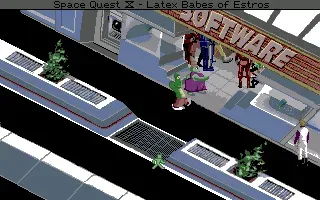
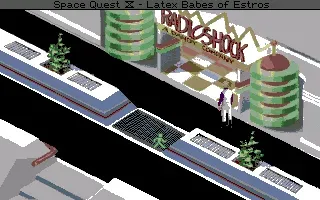
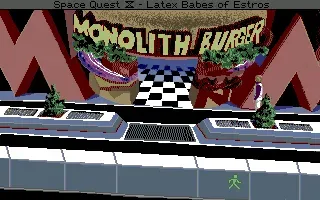
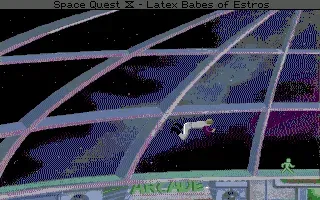
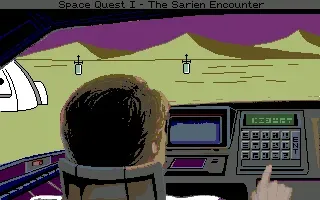
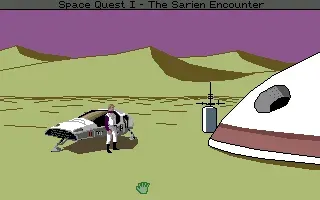
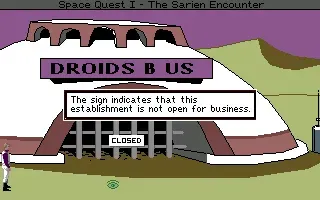
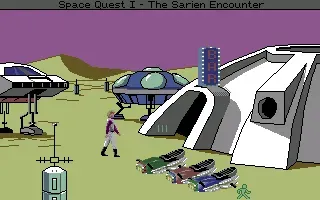
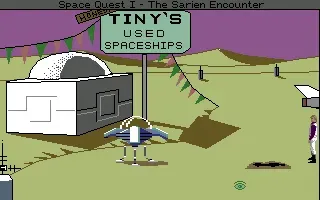
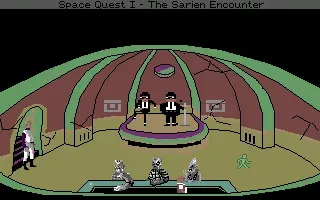
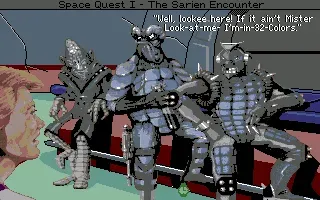
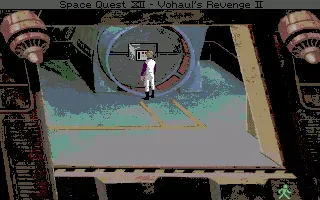
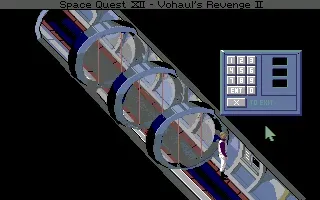
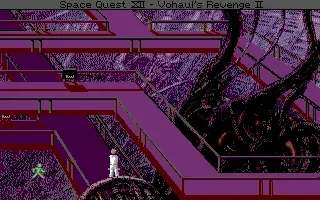
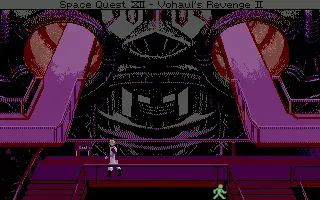
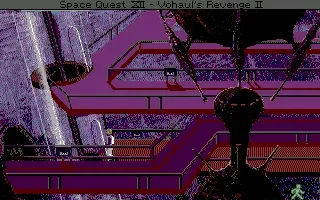
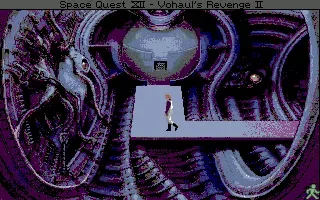
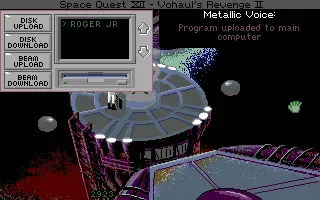
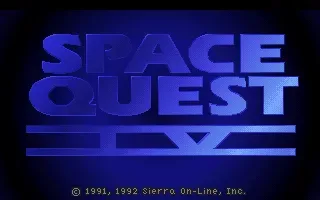
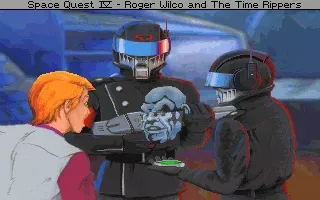
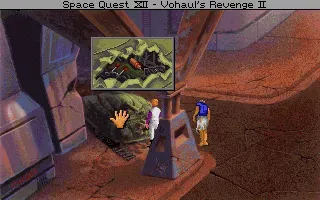
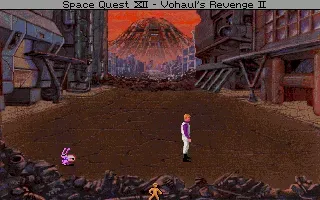
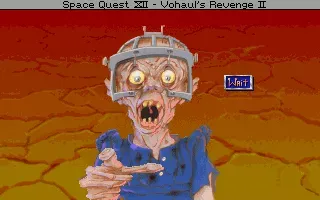
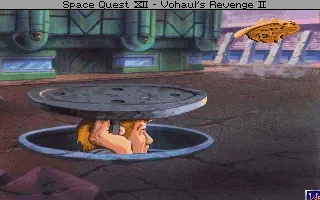
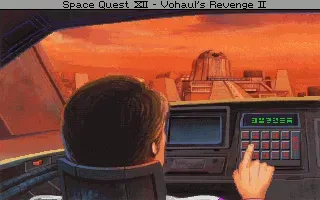
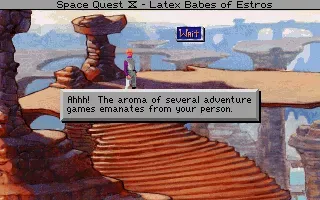
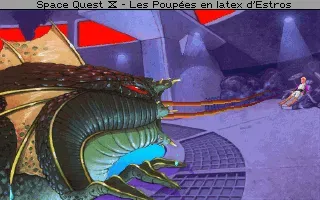
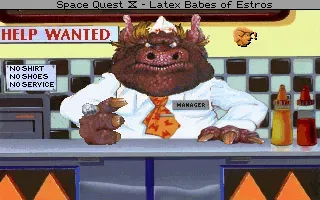
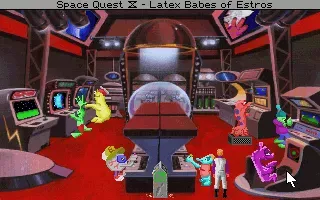
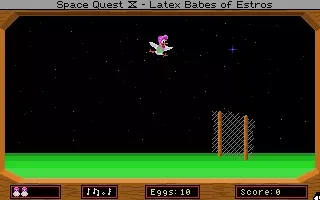
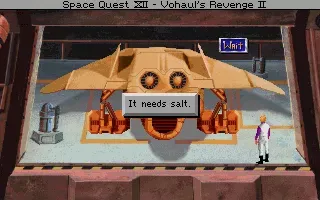
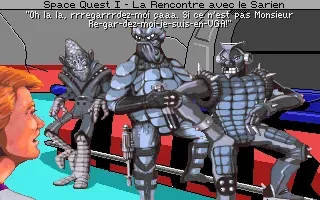
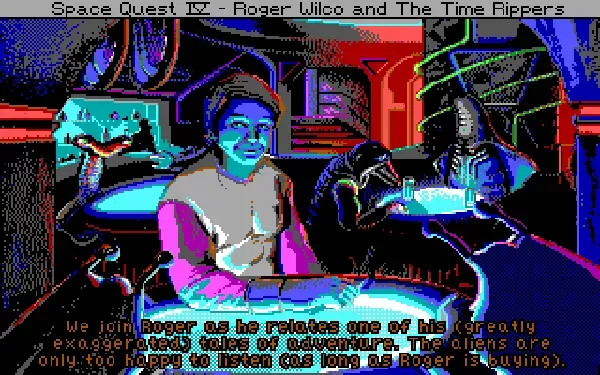
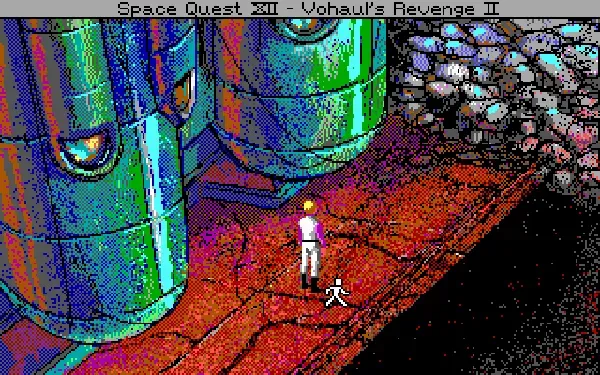
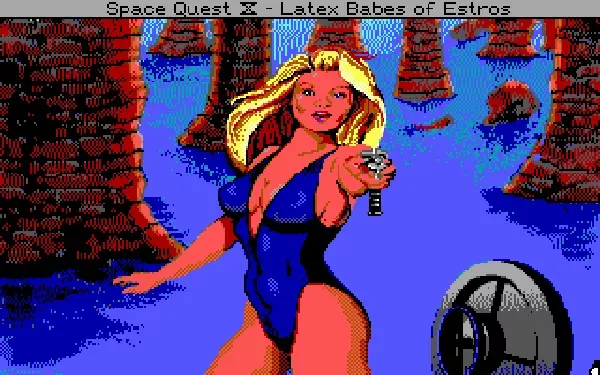
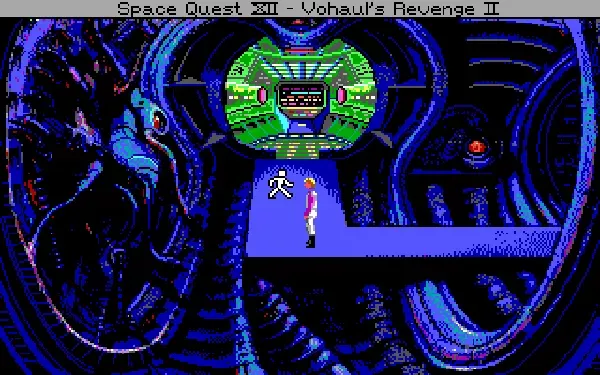
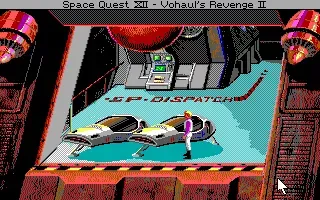
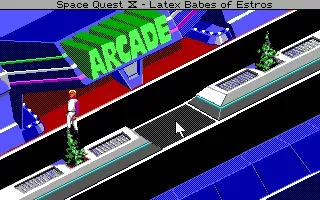
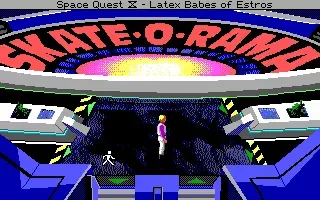
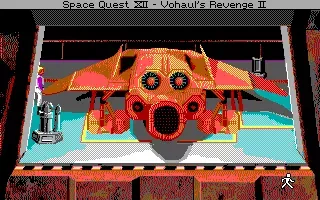
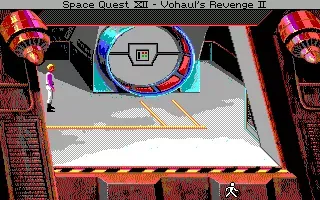
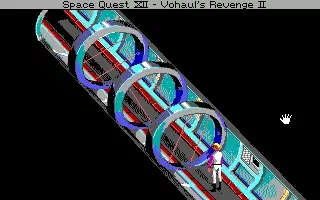
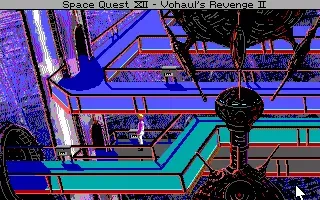
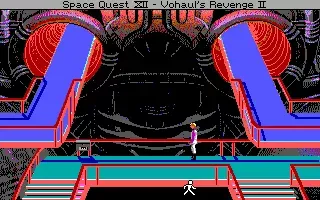
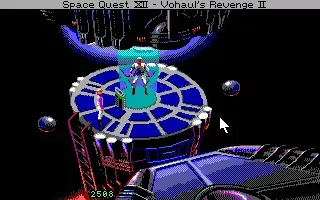
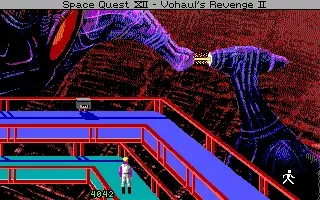
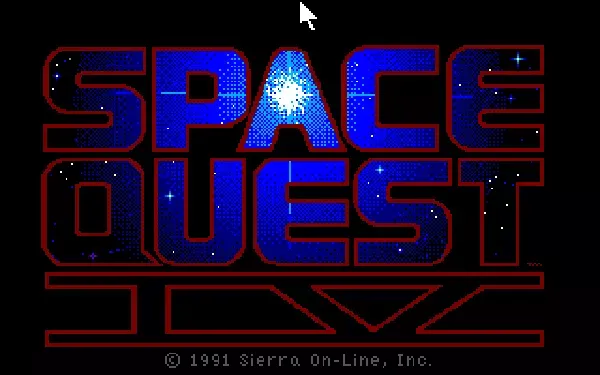
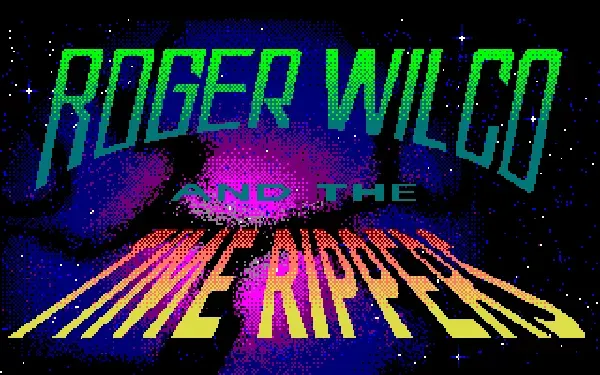
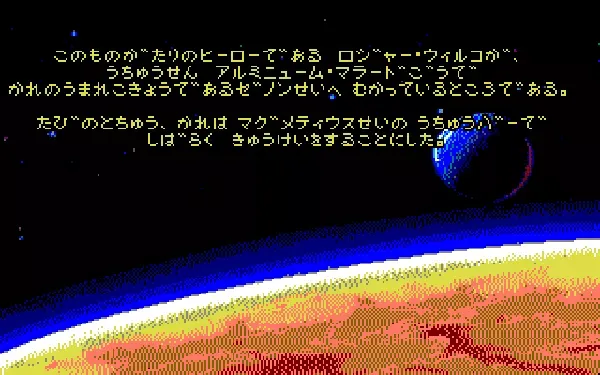
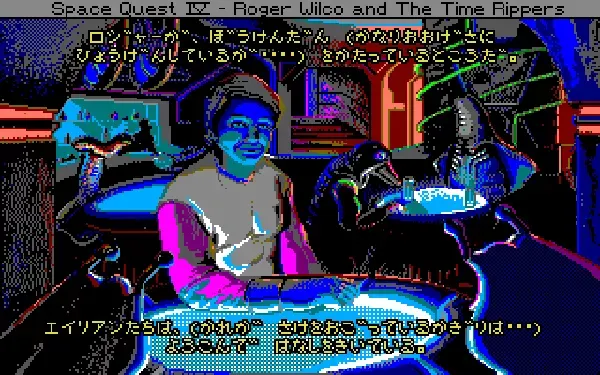
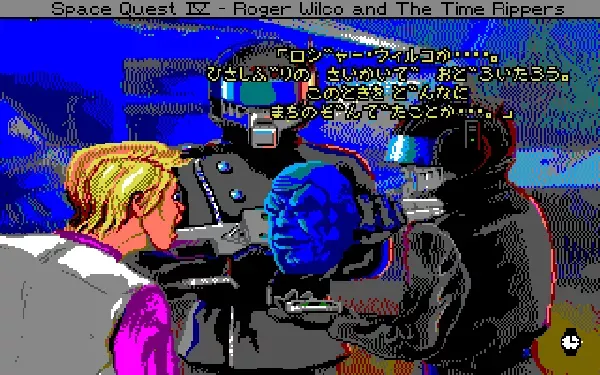
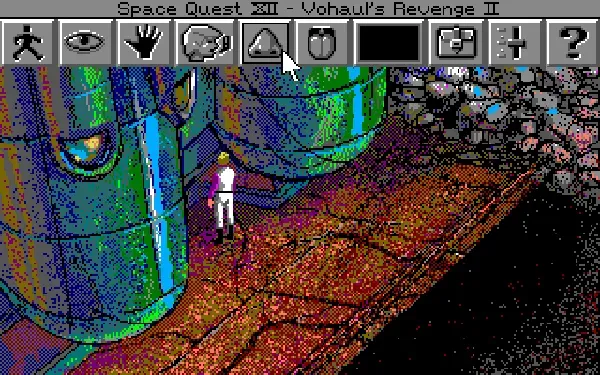
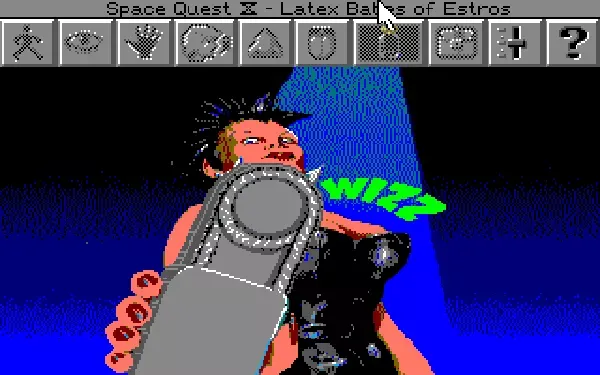
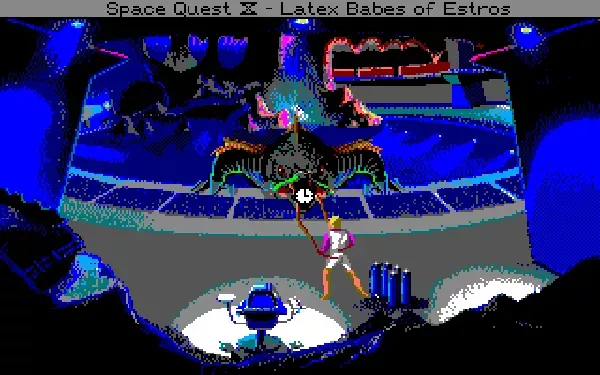
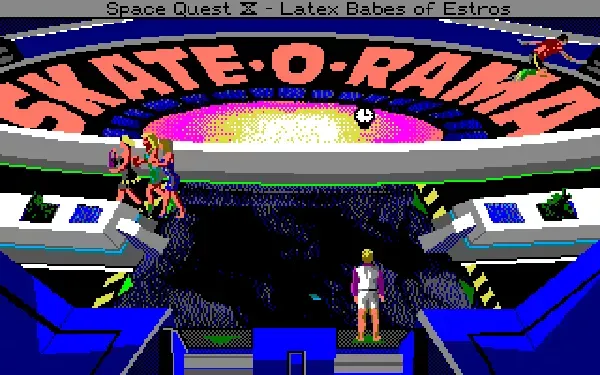
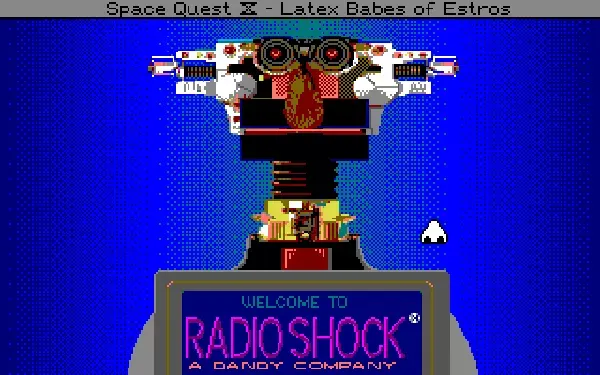
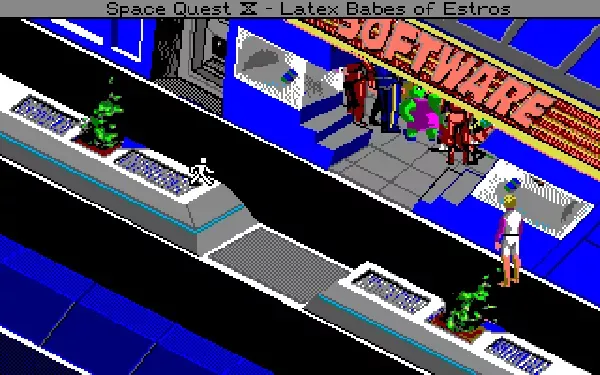
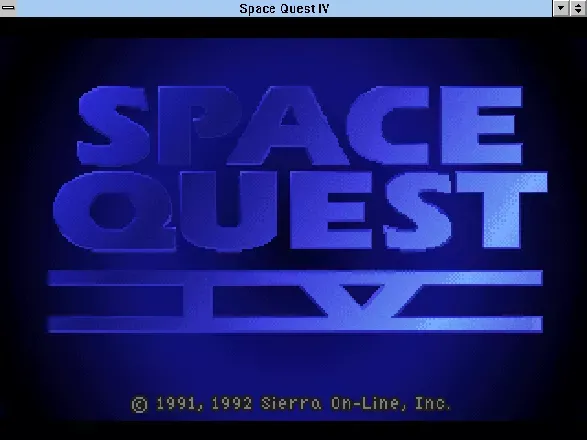
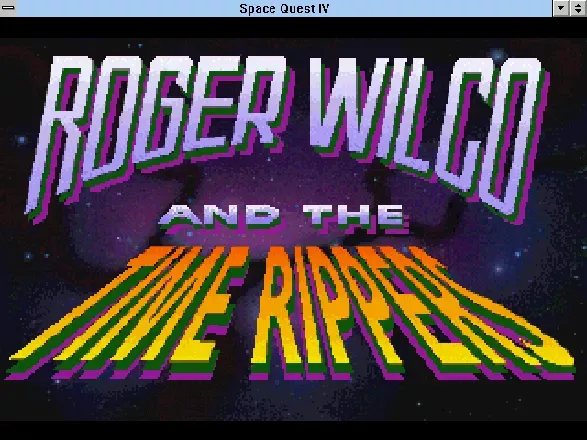
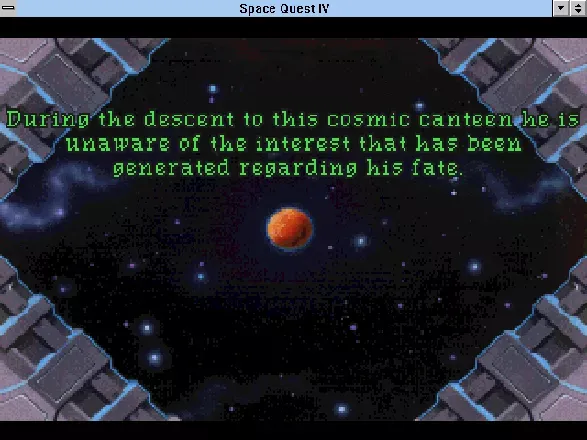
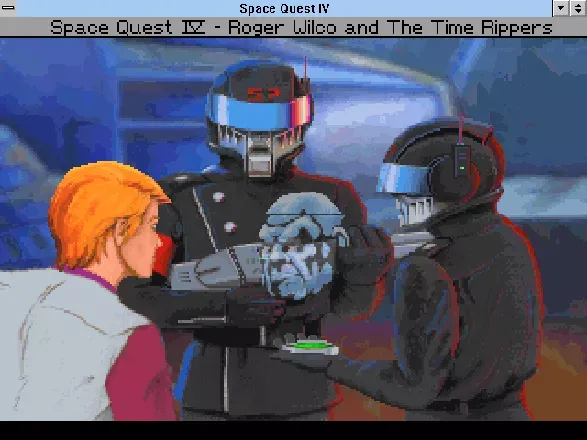
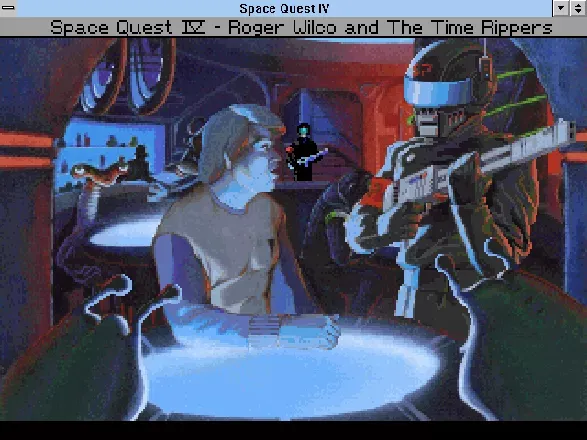
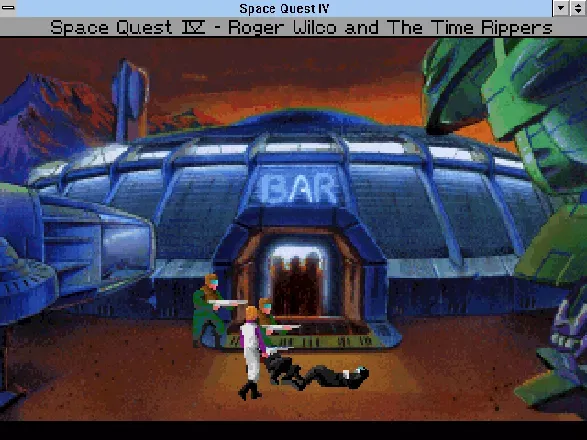
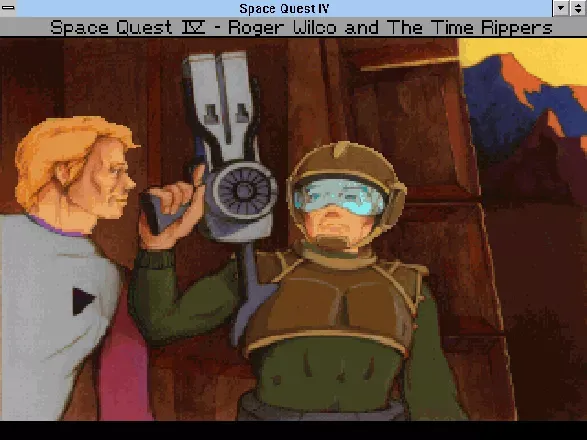
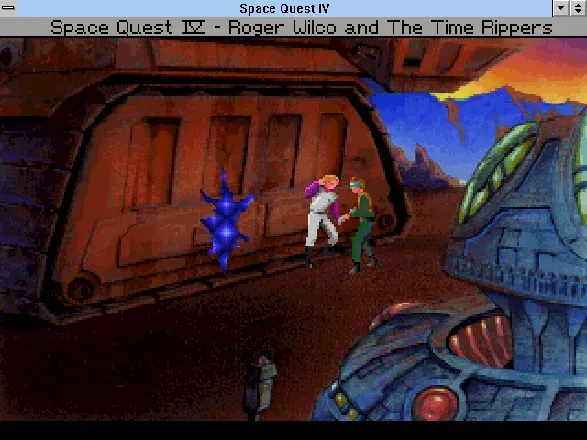
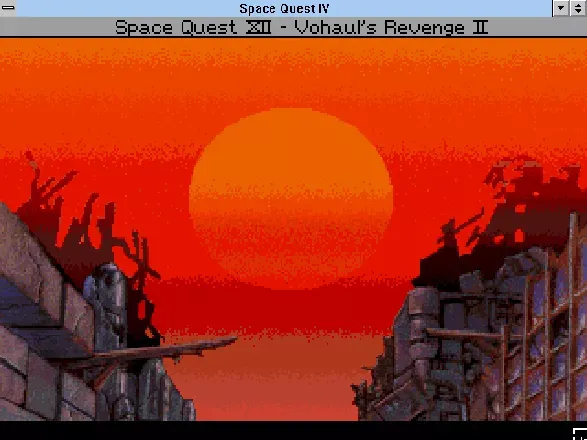
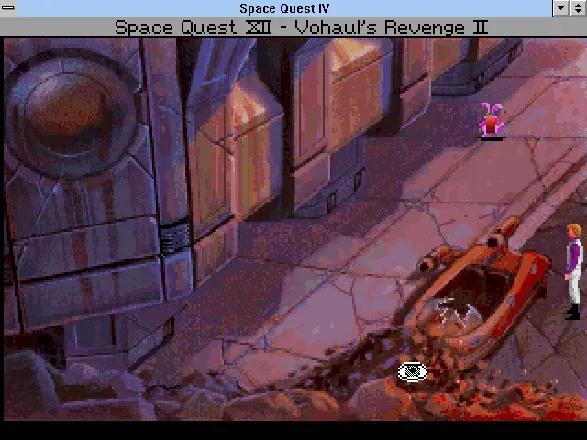
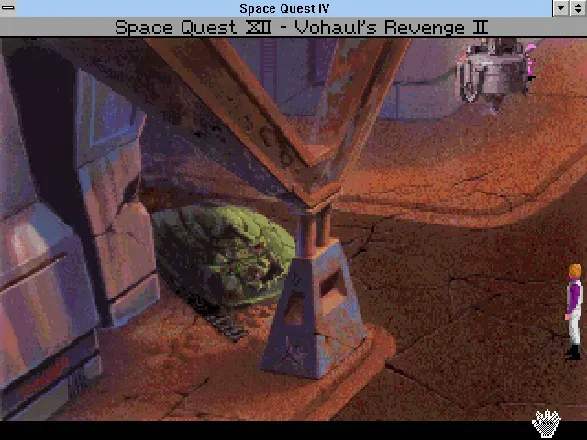
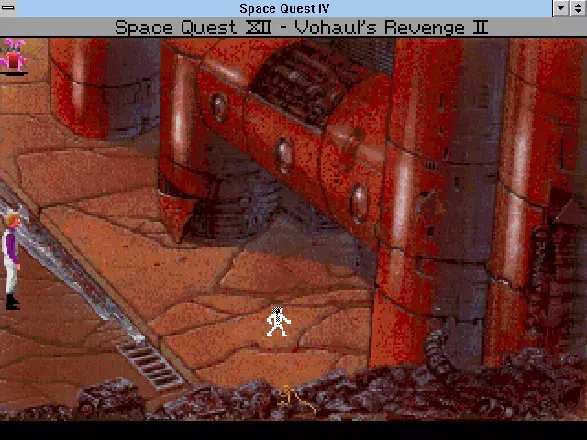
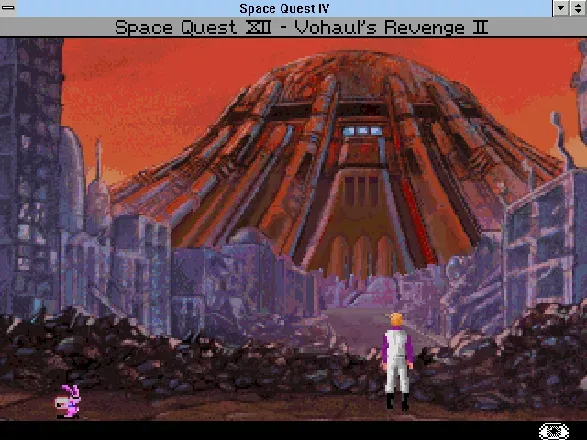
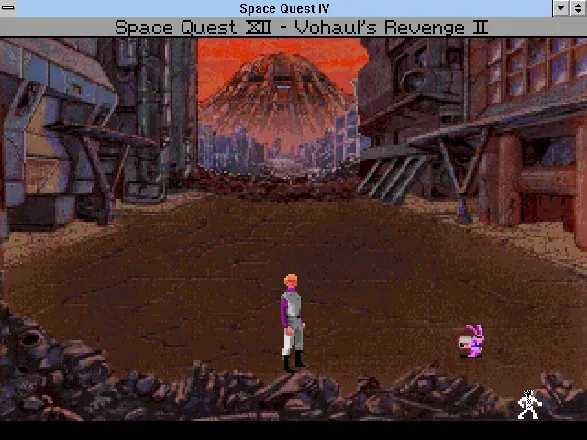
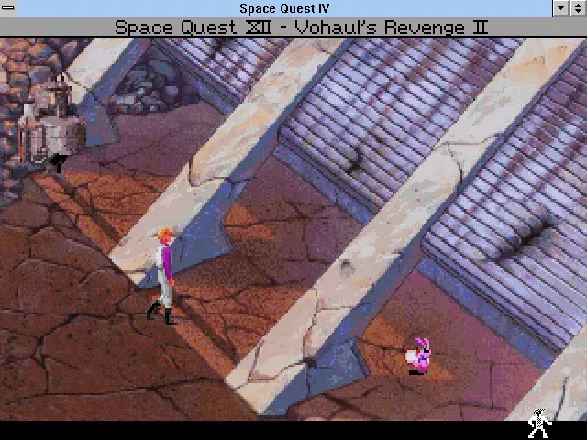
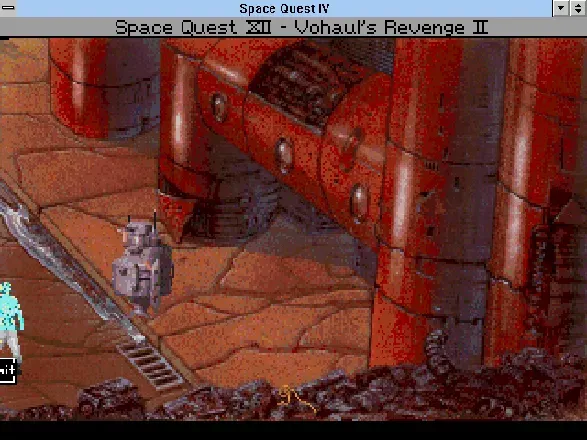
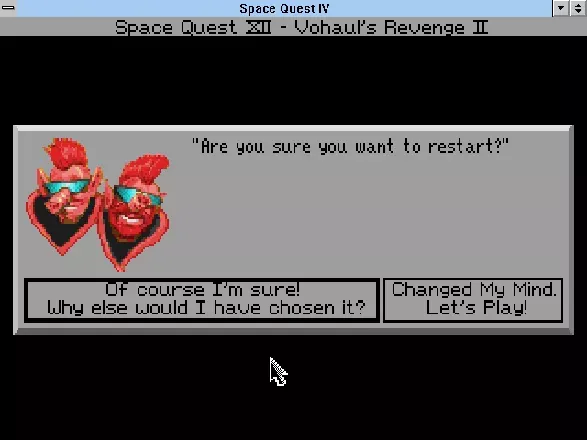
Space Quest IV: Roger Wilco and the Time Rippers (1991) is a sci-fi comedy adventure from Sierra On-Line and the fourth entry in the long-running Space Quest series, built around the hapless janitor-hero Roger Wilco. It is widely noted for pushing the series into a more modern presentation, with VGA graphics, a more mouse-driven interface, and a stronger cinematic feel than earlier entries.
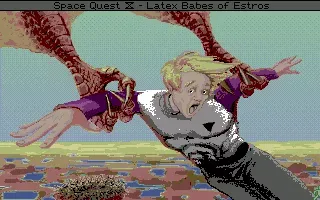
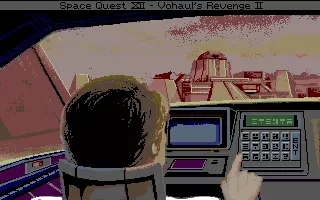
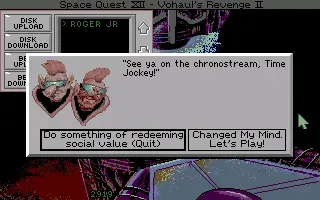
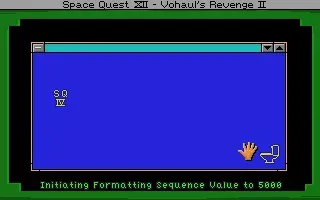
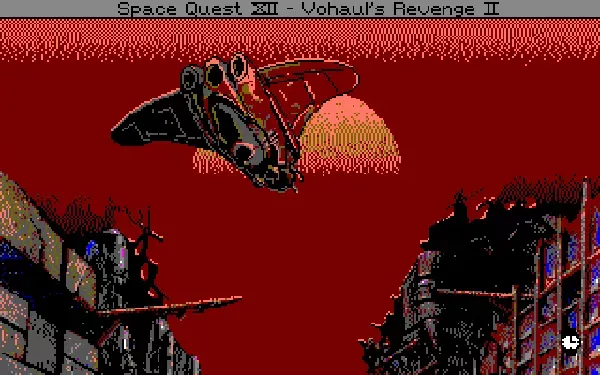
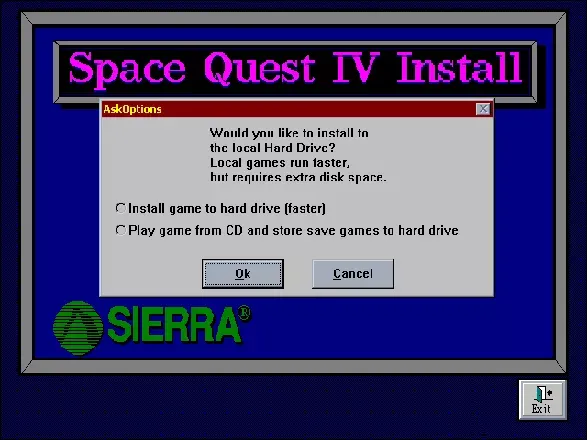
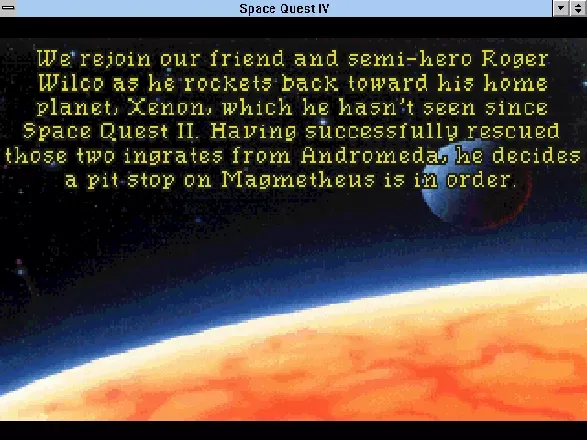
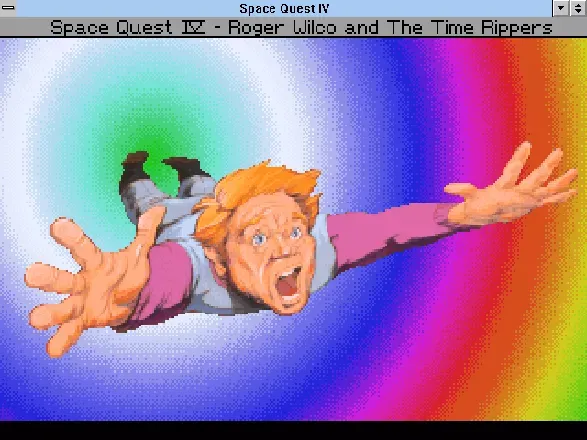
The game was originally released on floppy disk in 1991, then later appeared on CD-ROM with added voice support and some graphic changes; this version is often treated as the more elaborate edition of the game. Sources also note that the story uses time travel and self-referential humor, including Roger being pulled into different points in the series’ own timeline, which became one of the installment’s signature creative conceits.
Gameplay & Technical Features
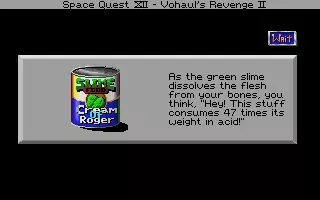
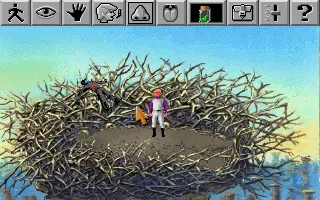
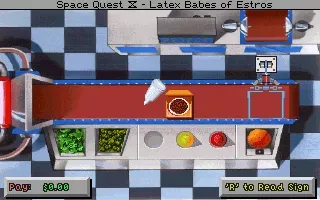
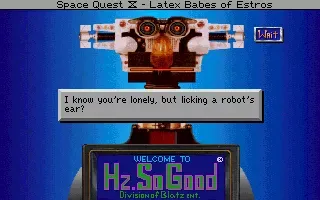
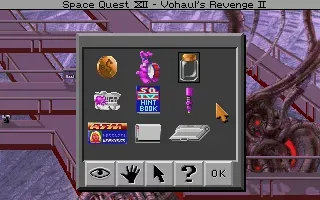
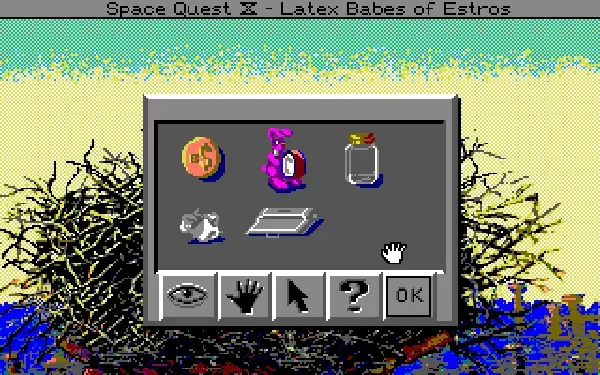
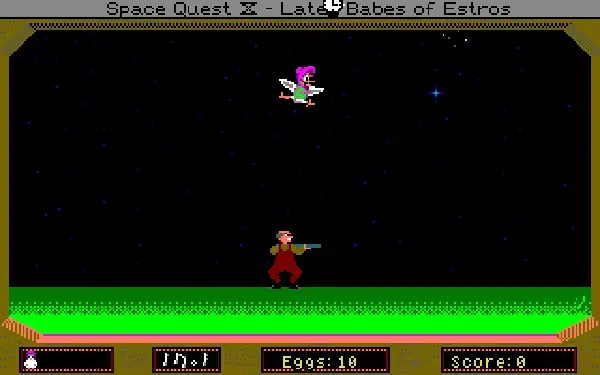
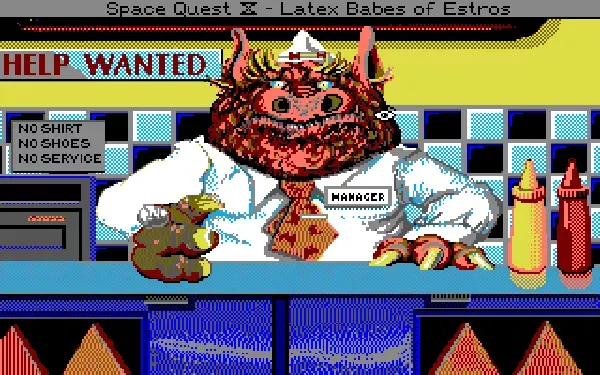
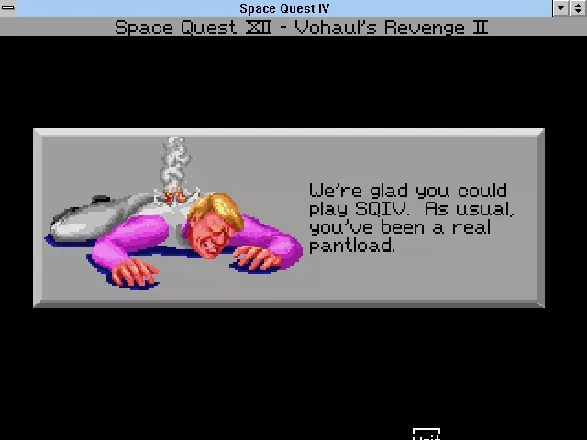
As a graphic adventure, the game centers on exploration, item interaction, dialogue, and puzzle solving, with the series’ trademark slapstick tone and sci-fi parody layered over classic Sierra-style progression.
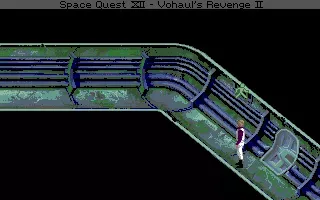
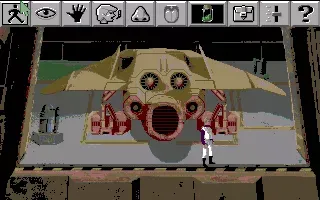
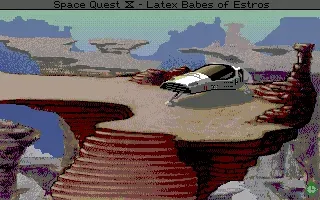
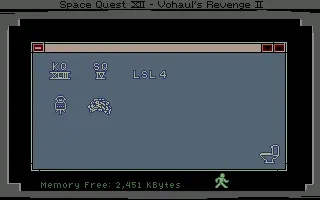
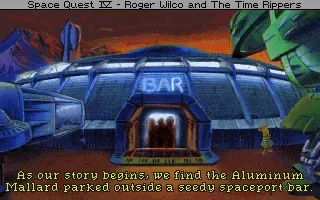
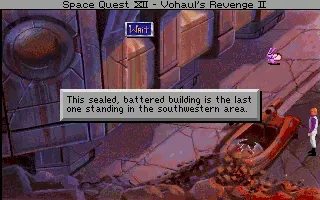
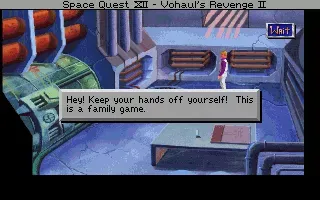
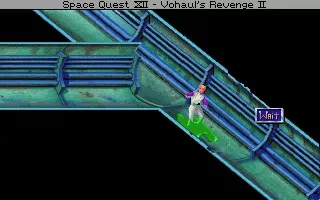
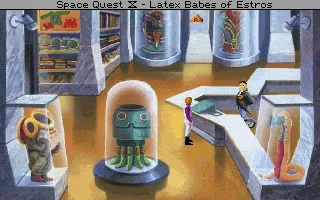
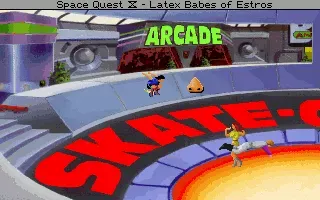
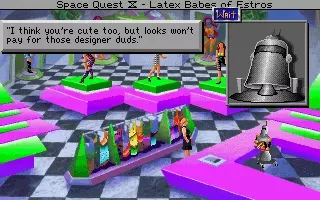
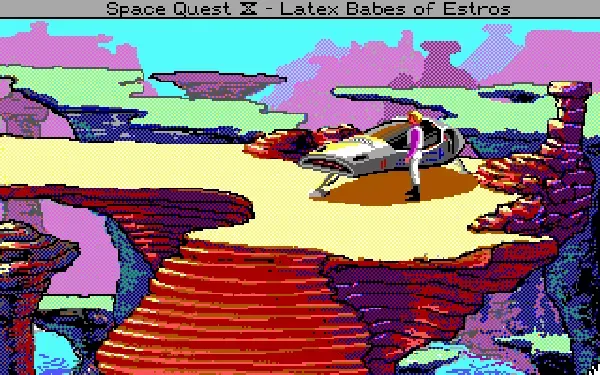
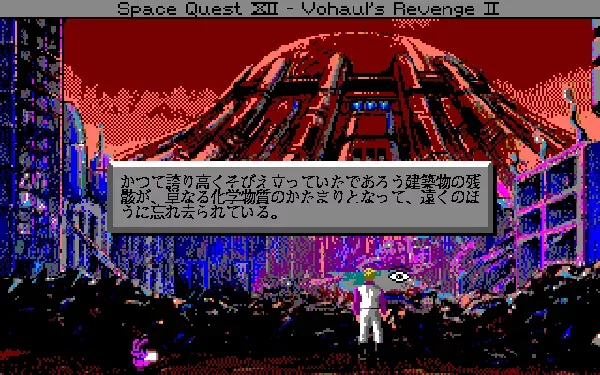
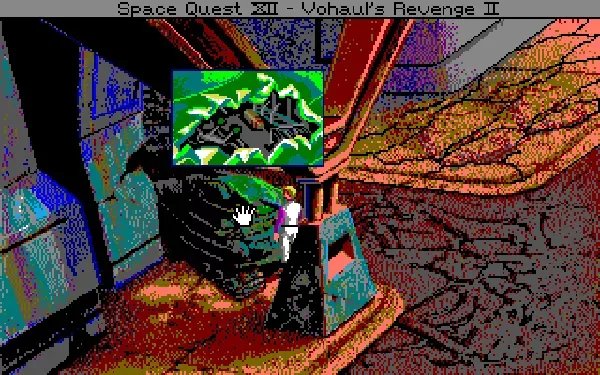
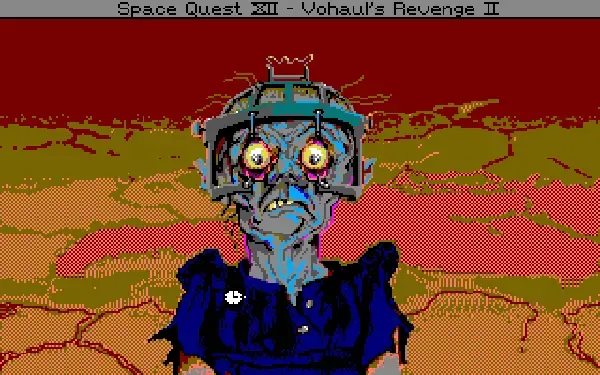
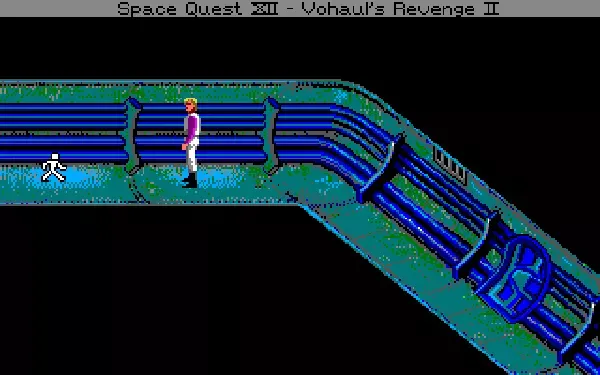
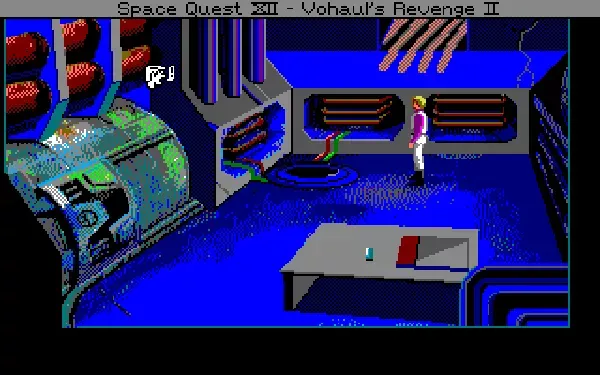
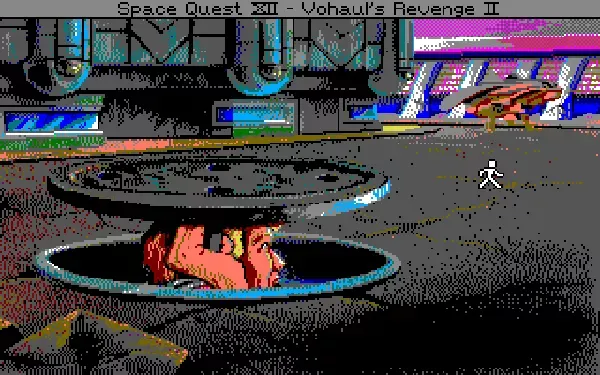
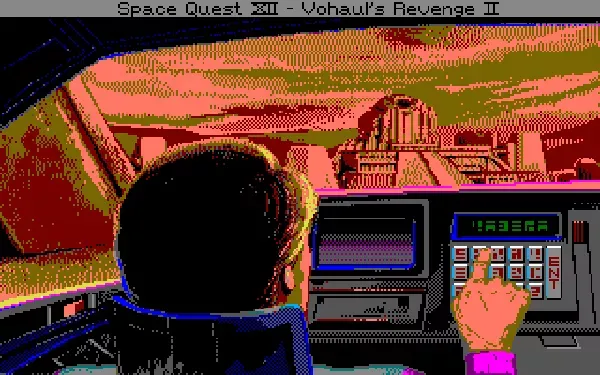
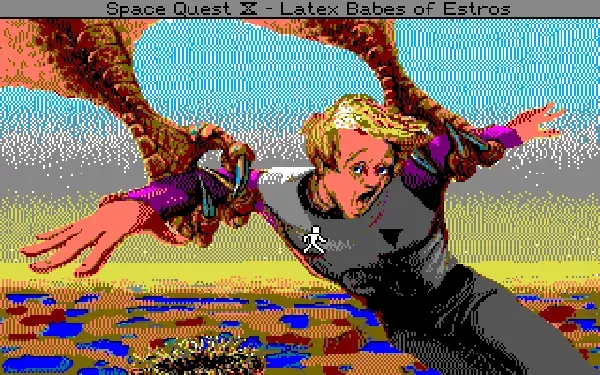
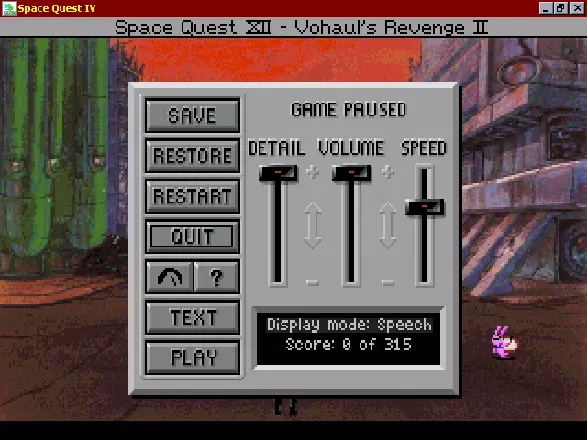
On DOS, the game is associated with the move to the SCI1 engine and 256-color VGA presentation, and later editions expanded the experience with full speech on CD-ROM. That combination gave the game a more polished visual identity while preserving the comedic, parser-to-point-and-click transition that defined Sierra’s early-1990s adventure output.
Collector’s Value & Rarity
From a preservation standpoint, the DOS floppy release and the later CD-ROM edition are the main collectible variants, with the voice-enabled version generally attracting more interest because of its expanded presentation. The title is not considered obscure, so scarcity is usually tied more to condition, completeness, and edition than to rarity alone.
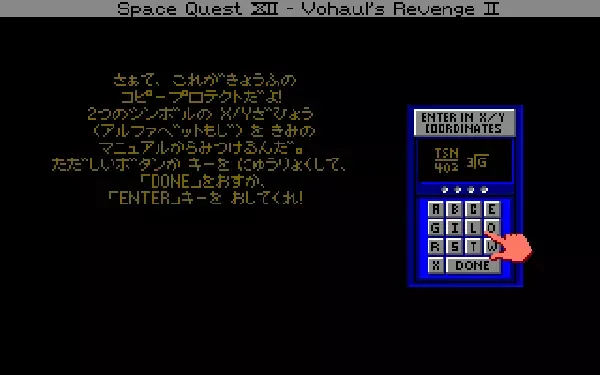
For collectors, the most relevant physical distinctions are the original floppy disks versus the later CD-ROM packaging, plus the presence of manuals and other box contents that were typical for Sierra releases of the period. Regional publishing involvement also included U.S. Gold Ltd. and Sierra On-Line Japan, Inc. in some markets, which can matter when identifying localized packaging variants.