









Historical Context & Trivia
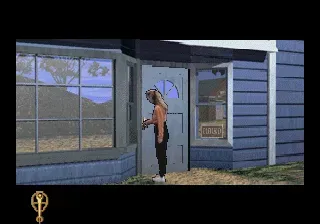
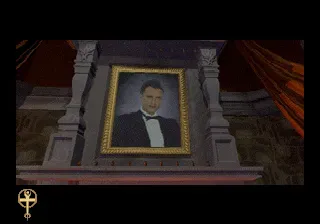
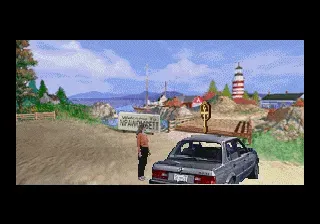
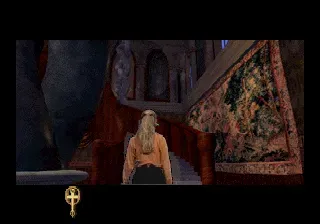
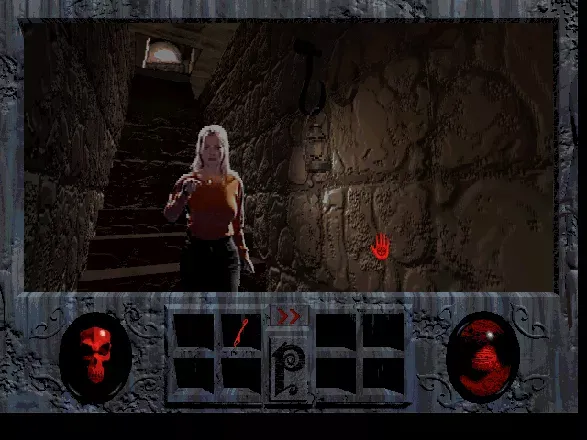
Roberta Williams’ Phantasmagoria (1995) stands as one of the best-known cinematic adventure experiments of the CD-ROM era, blending point-and-click structure with full-motion video horror in a way that made it instantly distinctive within Sierra On-Line’s catalog. It became especially notable for its adult tone, elaborate production scale, and the way it pushed the adventure genre toward live-action presentation and theatrical storytelling.
Designed by Roberta Williams and released by Sierra On-Line, the game grew out of her long-standing interest in horror fiction and her desire to create a truly frightening interactive experience. Historical sources consistently describe it as a major production for Sierra, with a large team, a lengthy script, and a budget that placed it among the company’s most ambitious projects of the period.
Gameplay & Technical Features
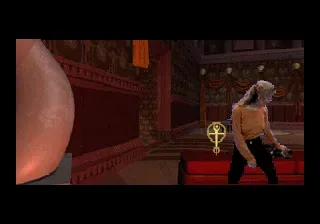
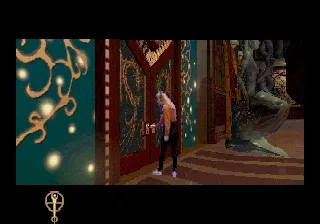
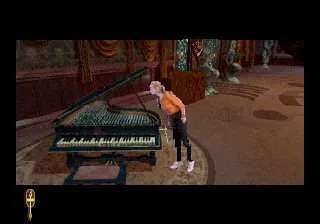
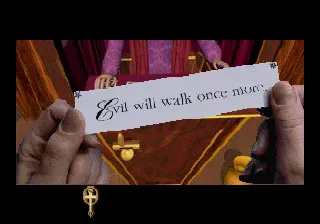
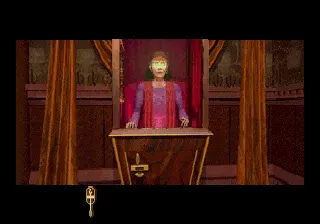
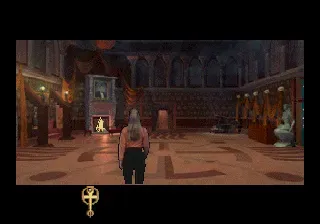
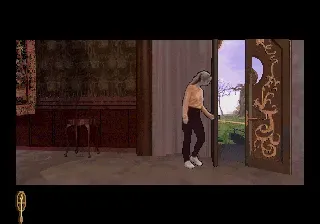
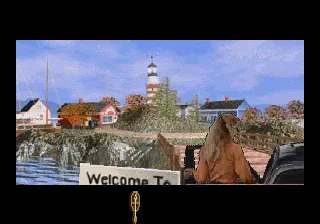
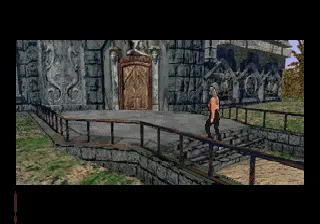
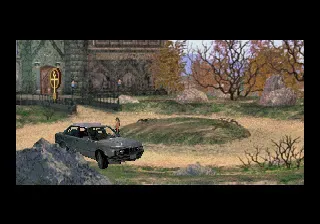
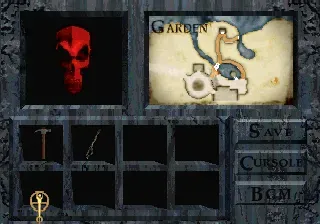
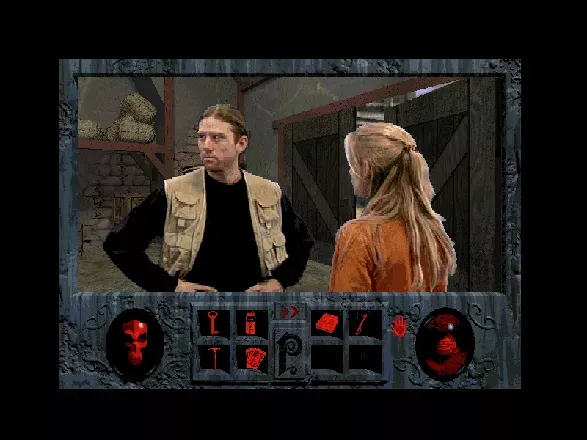
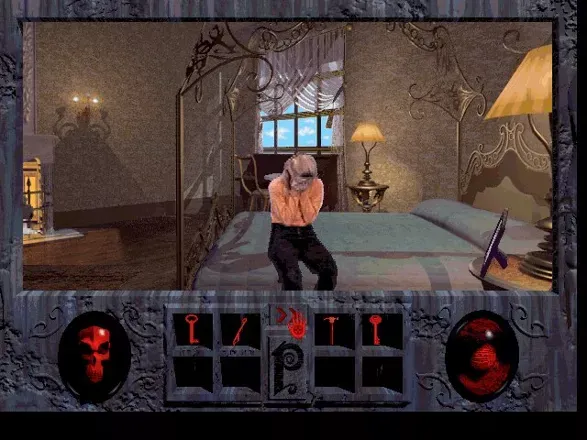
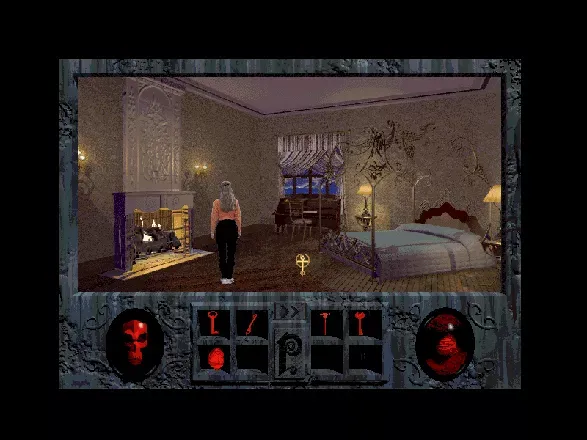
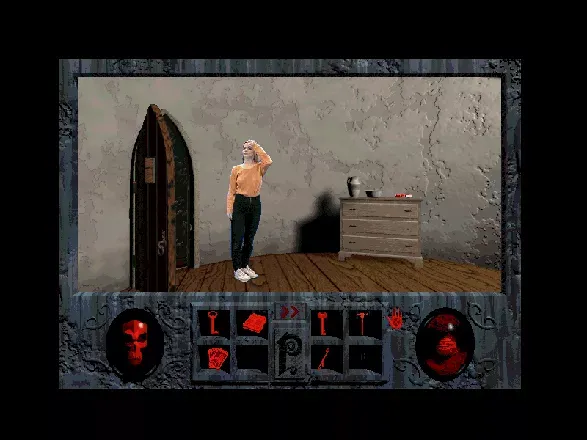
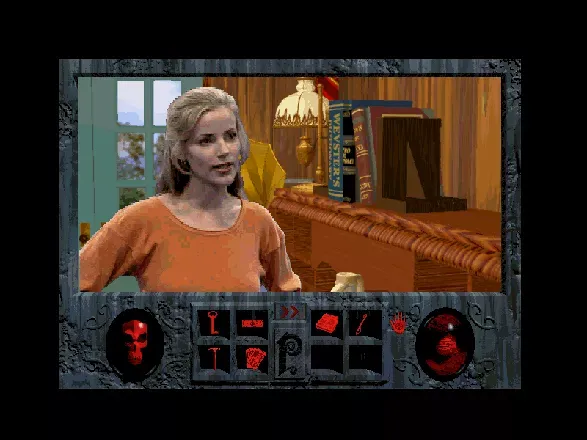
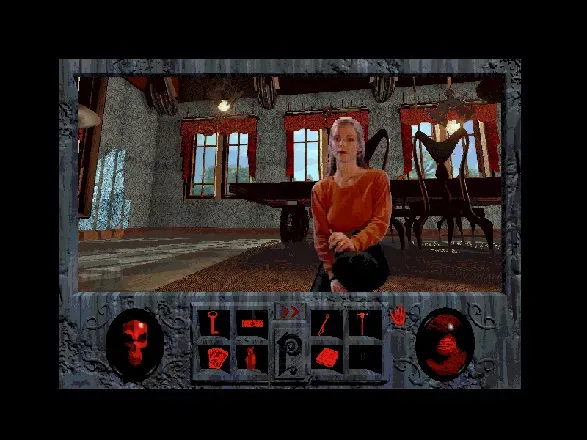
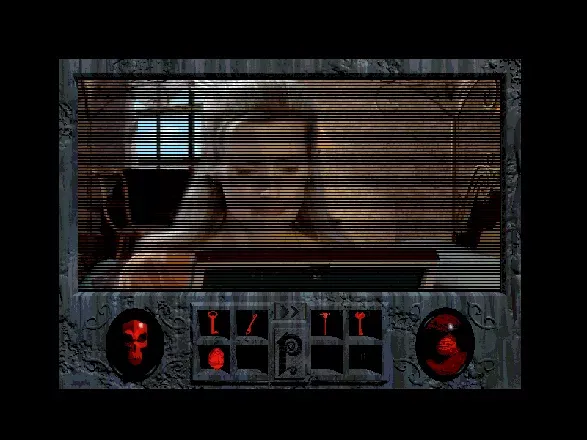
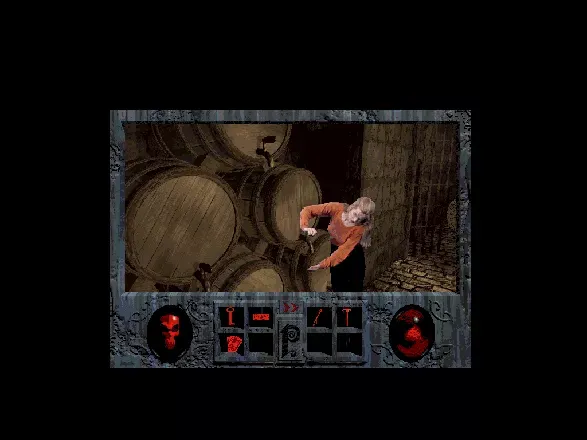
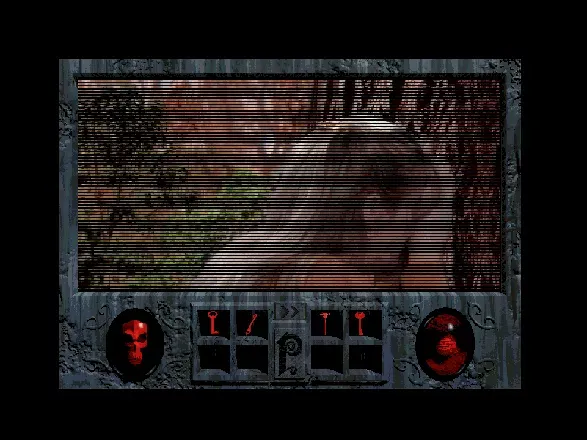
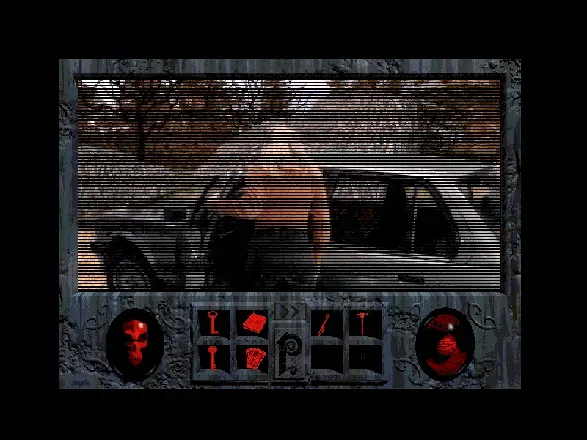
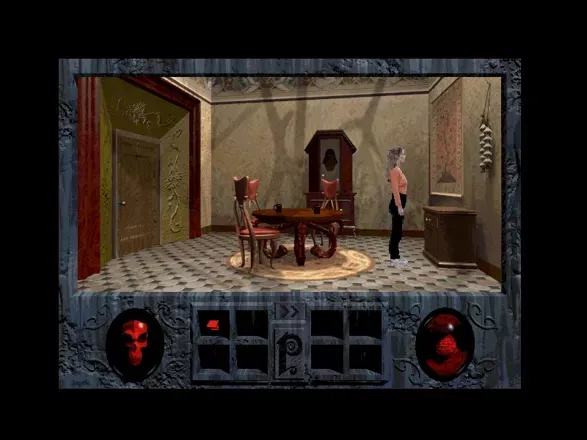
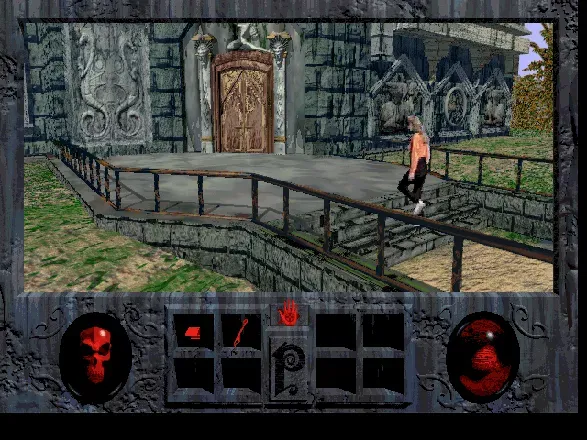
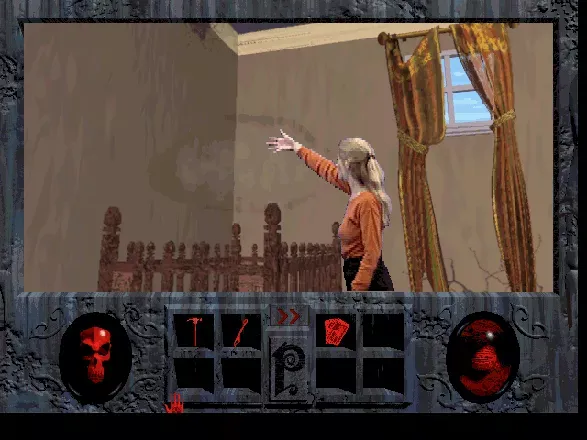
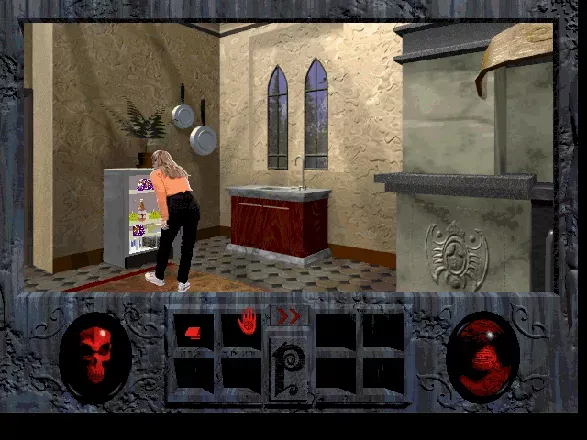
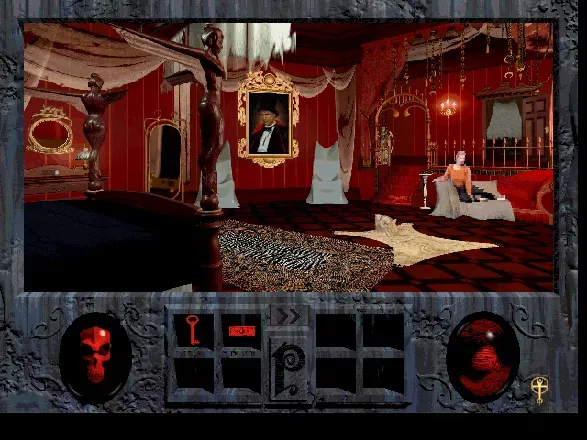
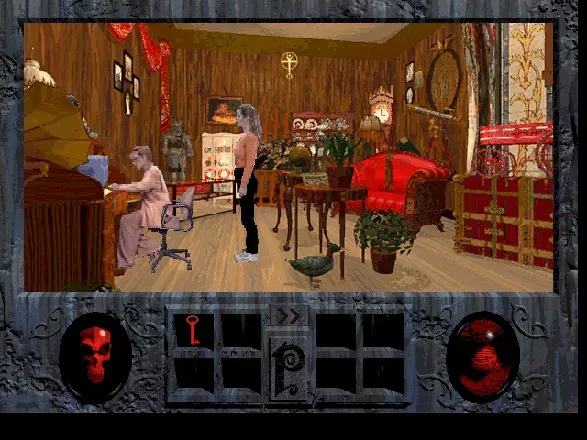
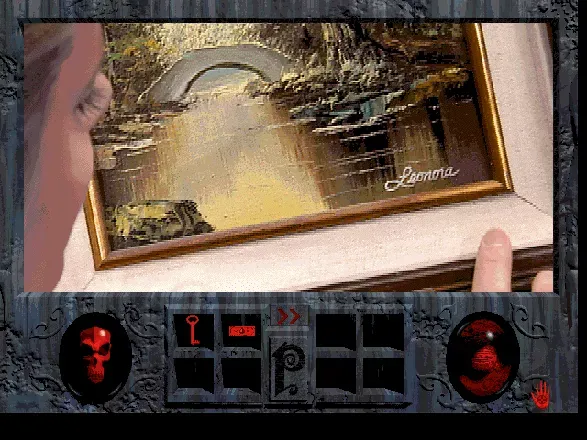
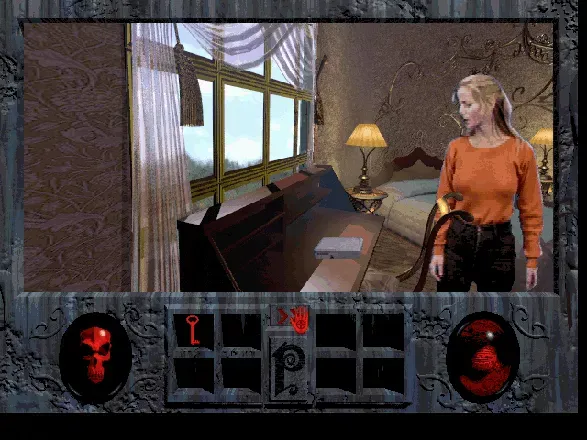
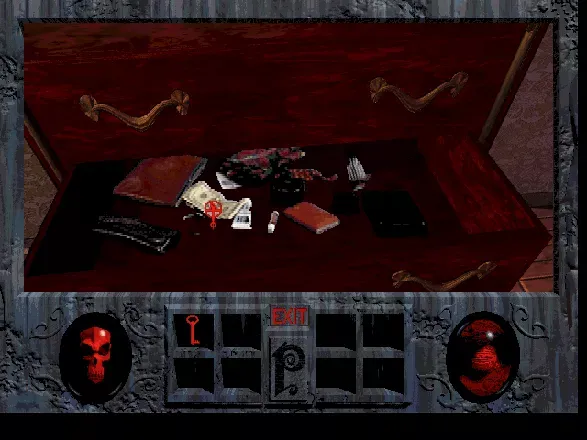
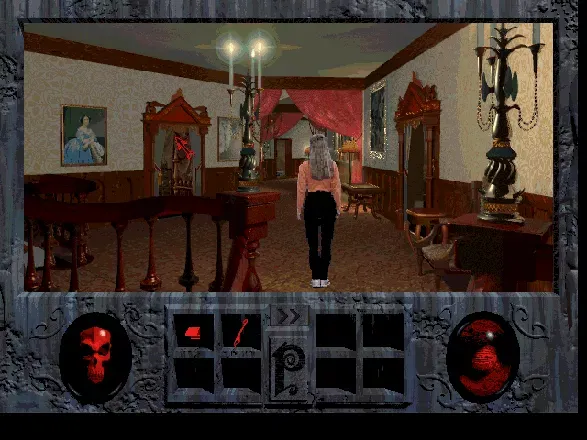
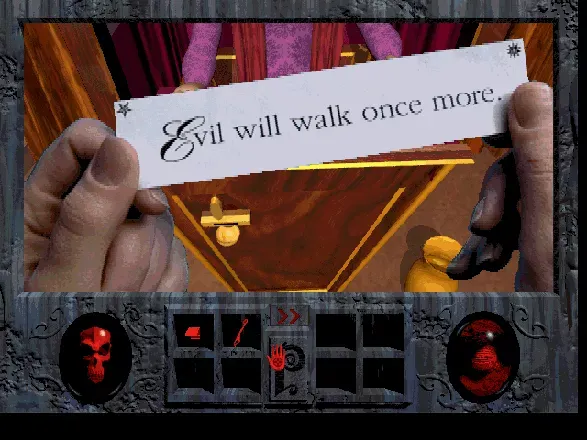
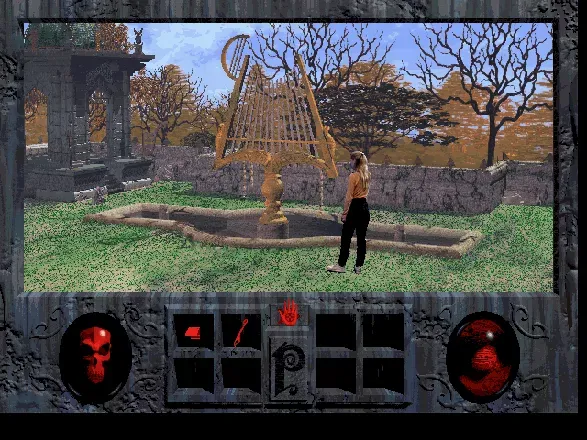
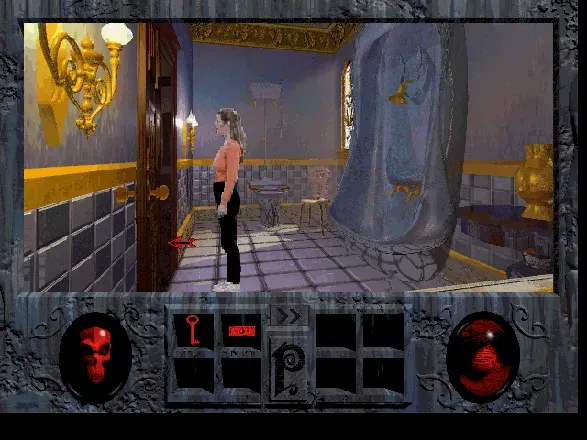
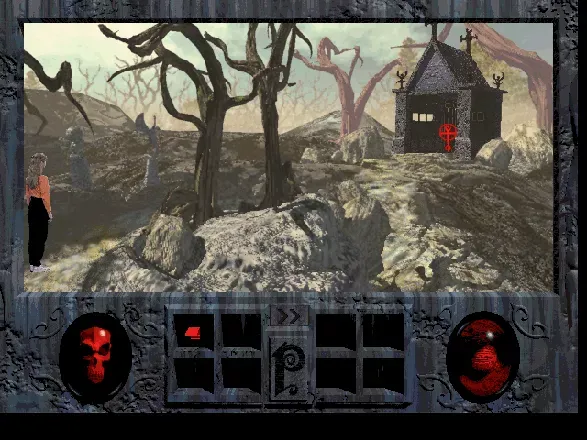
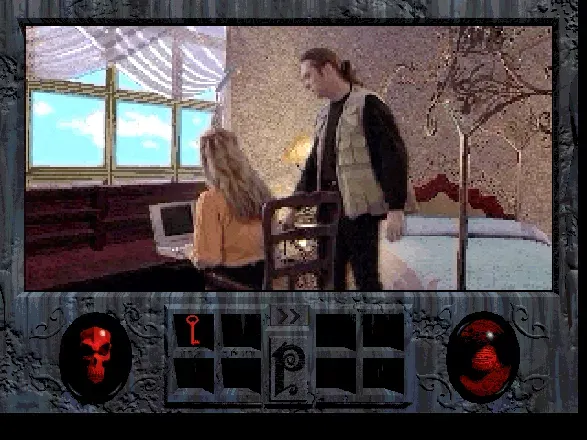
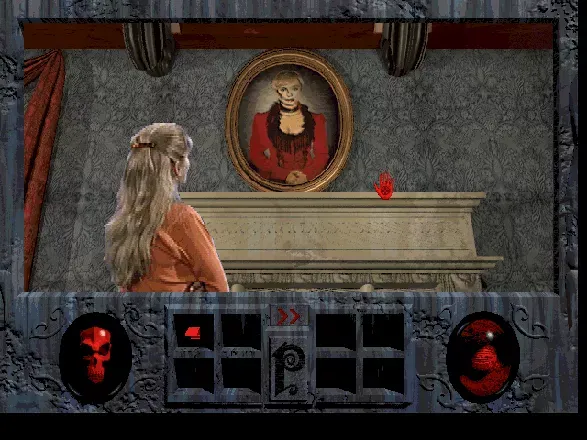
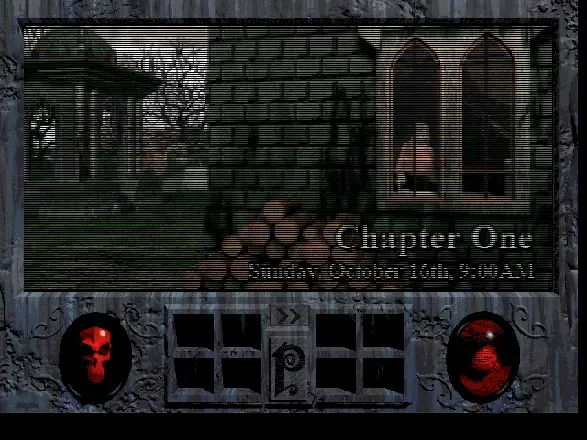
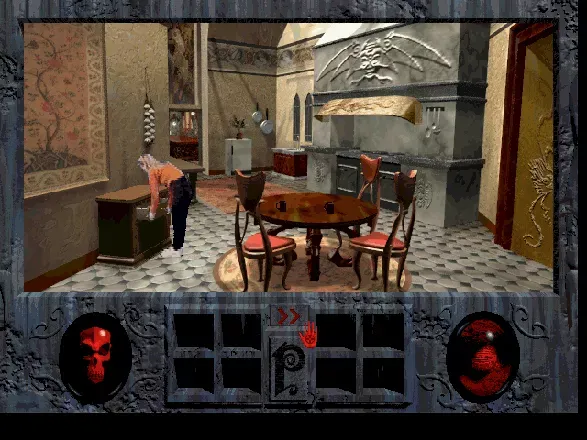
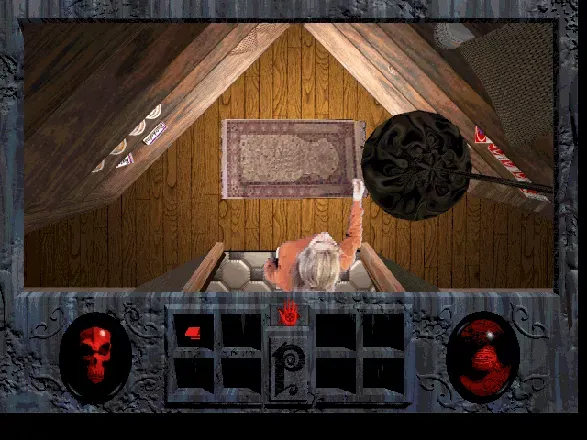
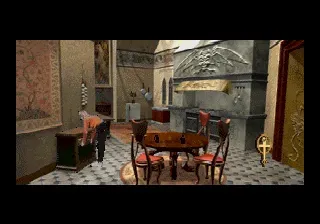
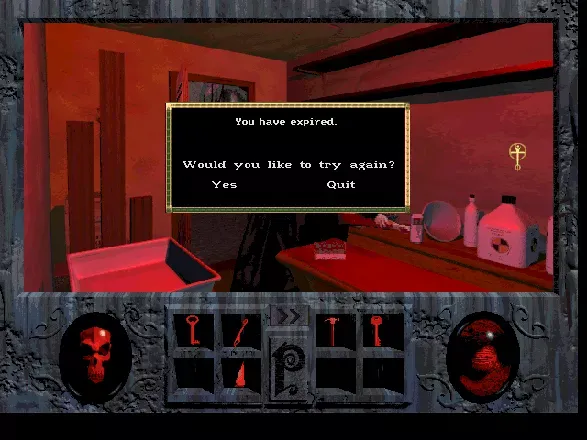
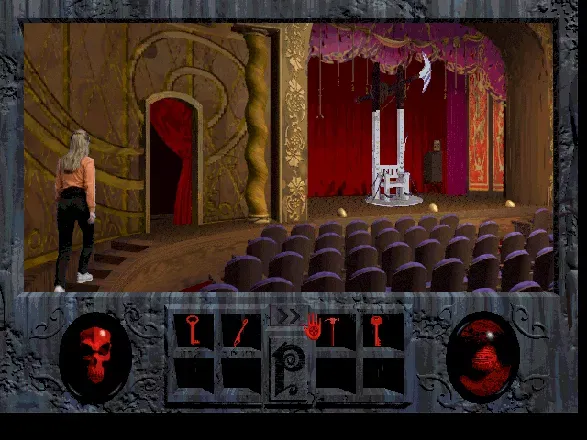
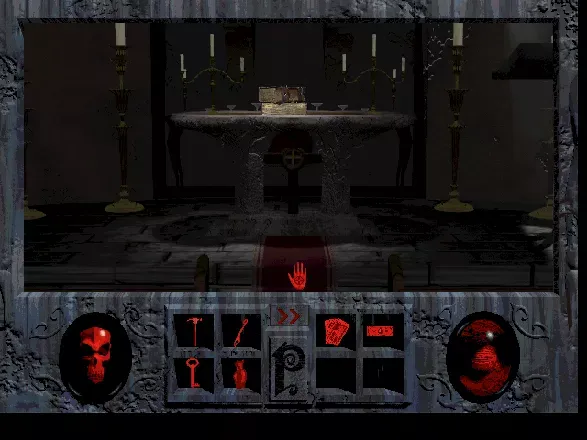
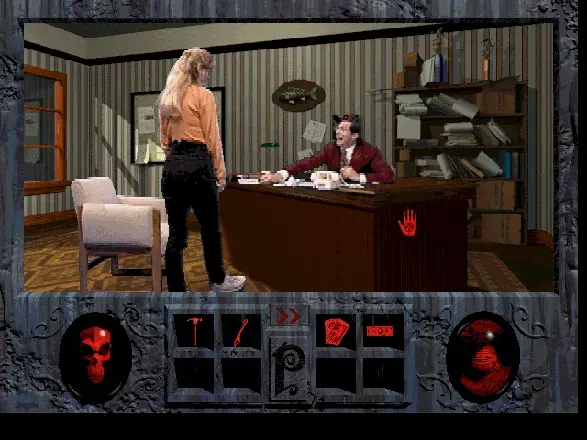
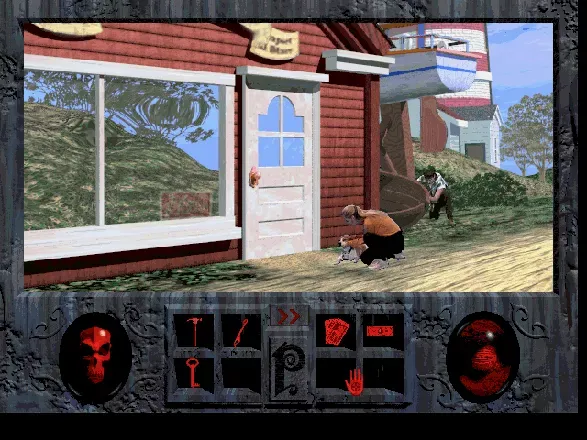
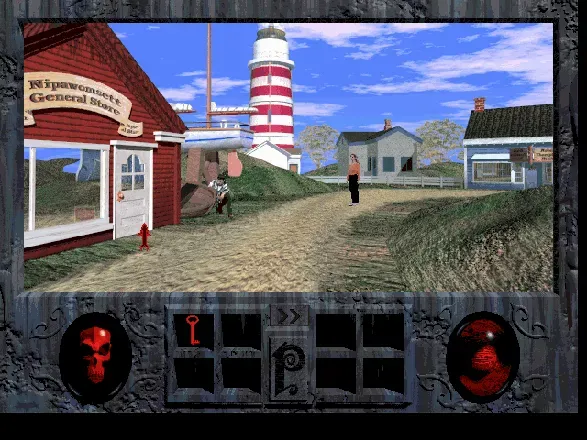
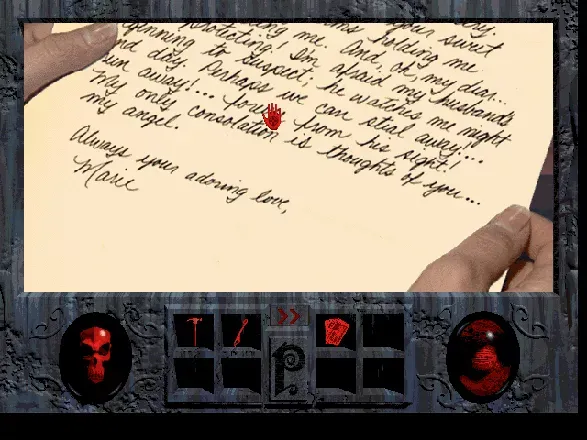
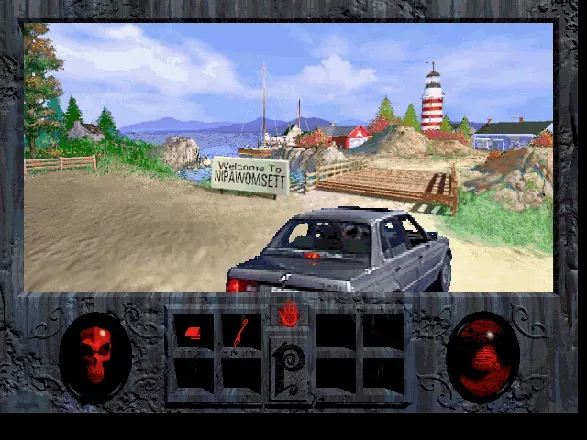
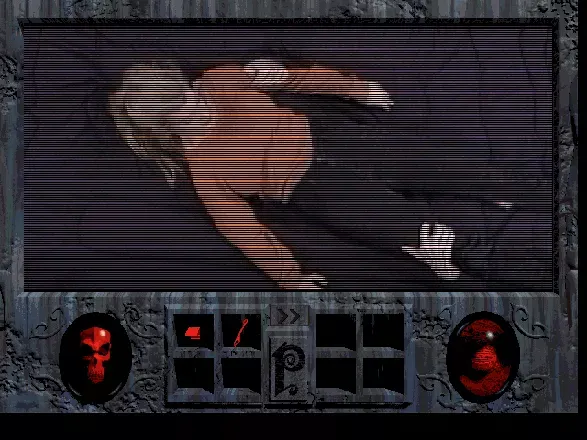
This Adventure game uses classic point-and-click progression: players explore environments, solve inventory-based puzzles, trigger story scenes, and advance through a tightly controlled narrative. Its pacing is closer to an interactive horror film than to a traditional text-heavy adventure, with the story unfolding through scripted encounters and scene transitions.
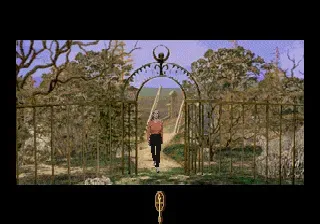
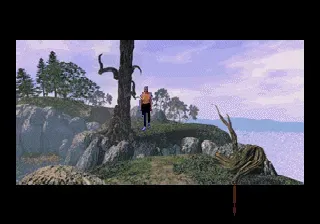
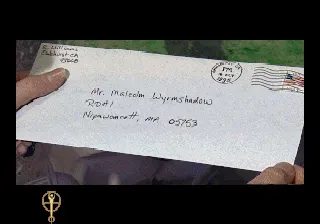
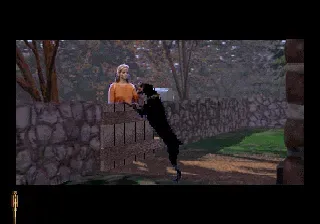
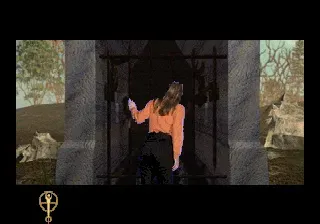
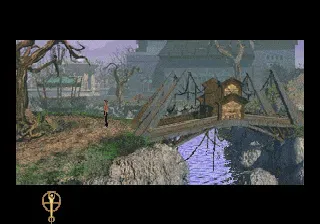
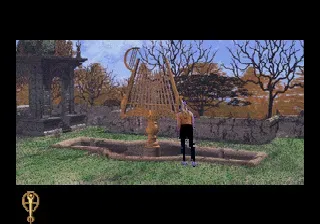
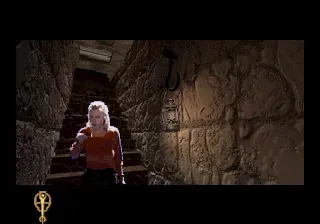
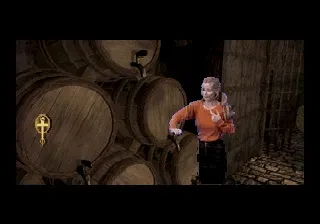
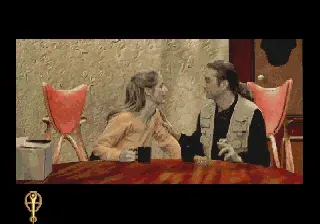
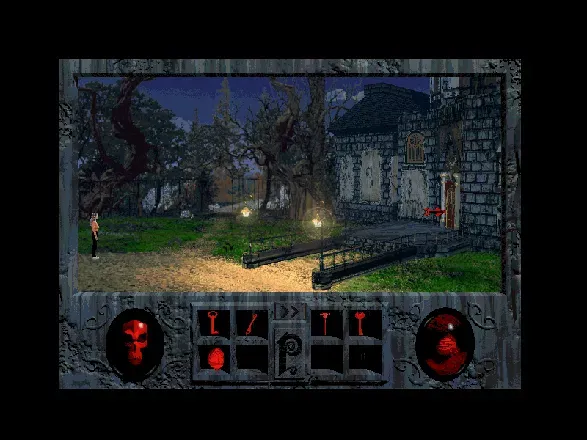
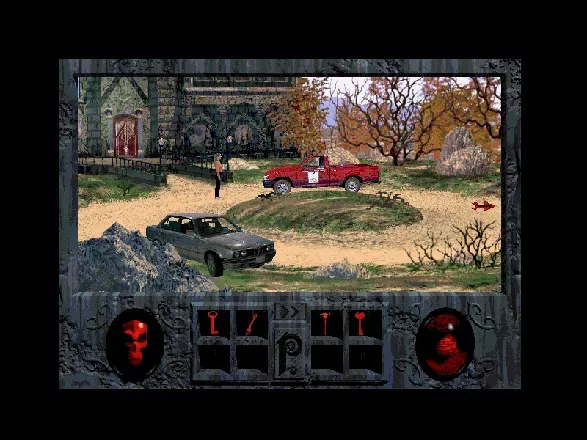
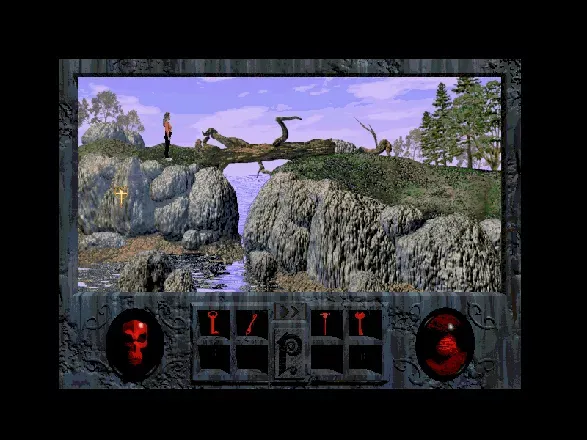
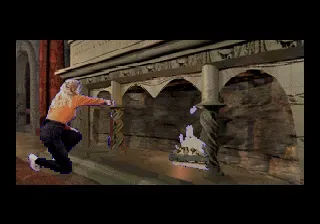
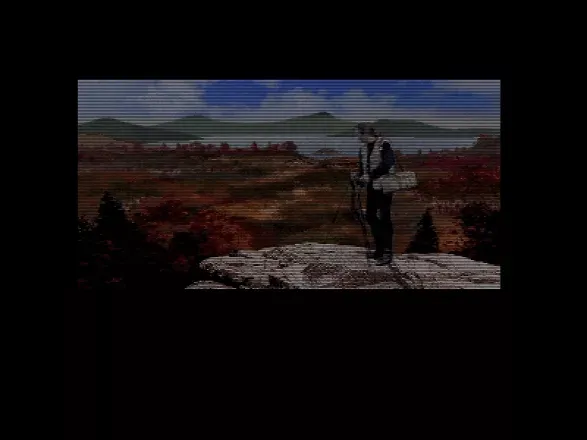
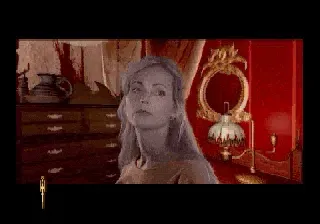
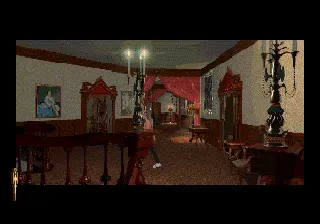
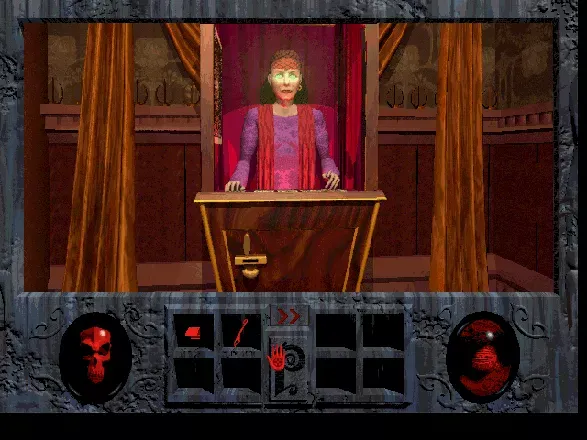
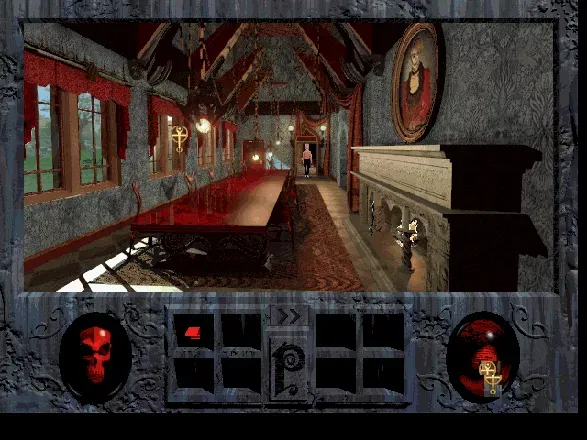
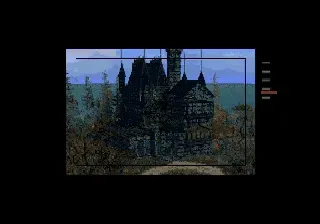
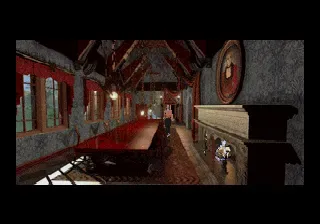
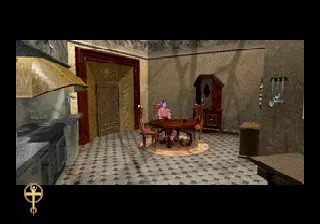
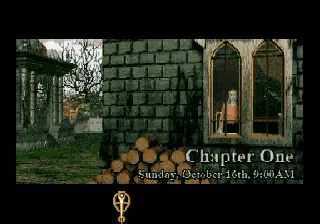
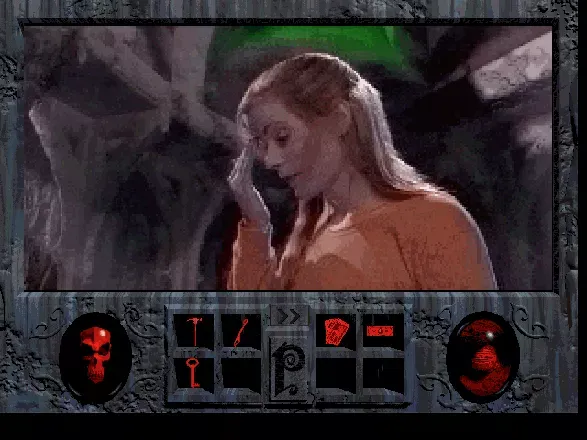
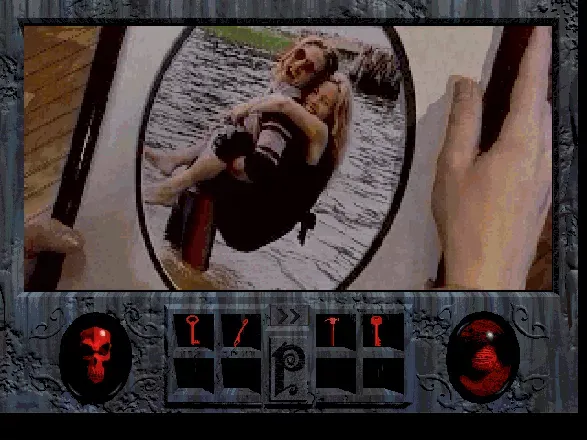
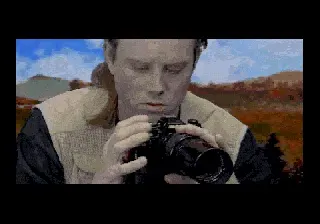
On Windows, the game was built around full-motion video assets, pre-rendered backdrops, and digitized performance footage that were typical of mid-1990s multimedia software. Its audiovisual presentation relied on compressed video, spoken dialogue, and dramatic scene composition to create atmosphere, making it a strong example of how PC hardware was being used to merge cinema and gameplay during the MS-DOS/Windows transition era.
Collector’s Value & Rarity
Phantasmagoria is not especially rare in the sense of a tiny print-run obscurity, but authentic boxed copies remain desirable because of its status as a landmark Sierra release and a defining FMV-era title. Collector interest is strongest for complete sets in good condition, especially because multi-disc adventure games from this period are more prone to missing inserts, damaged discs, or fading packaging.
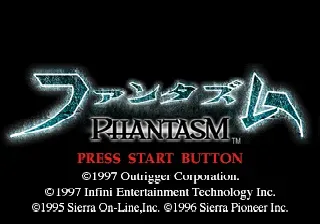
Physical editions are most often recognized by their multi-disc format and original retail collateral, which are important for preservation-focused collectors. Variants tied to distribution region or later reissues can differ in packaging and included documentation, so complete copies with manuals and original case materials are typically the most sought after.