


















Historical Context & Trivia
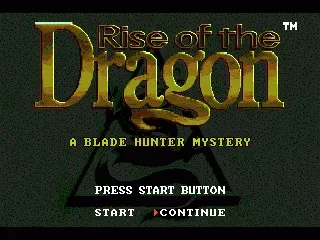
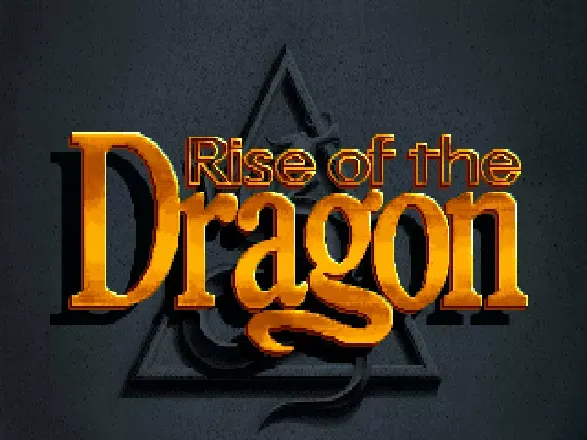
Rise of the Dragon (1990) is a cyberpunk graphic adventure that stands out in Dynamix and Sierra On-Line’s catalogs because it moved the studio into a darker, more noir-inflected future setting than its usual action and simulation work.
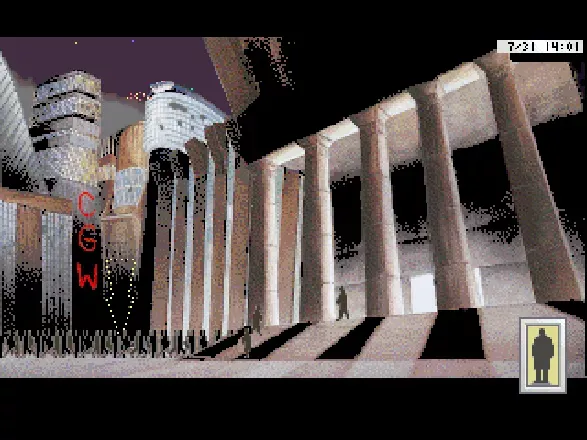
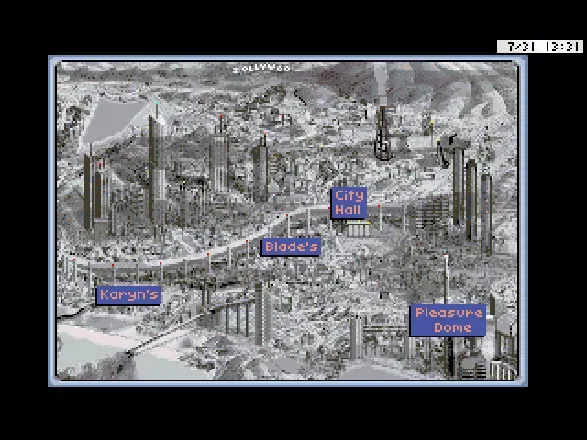
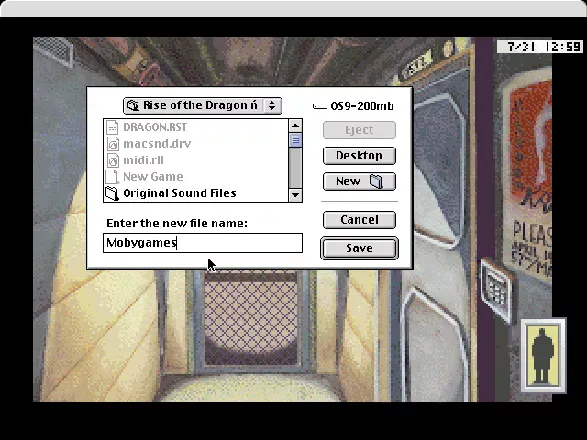
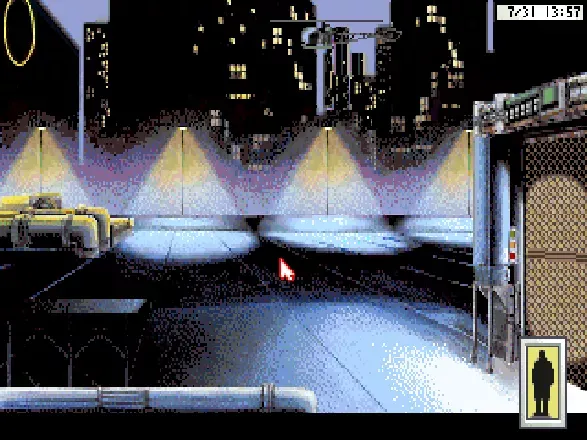
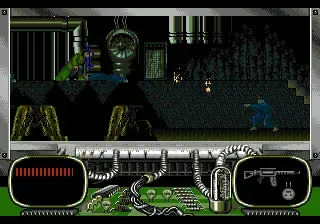
Set in a grim future Los Angeles, the game follows private investigator William “Blade” Hunter as he is drawn into a murder investigation and a wider criminal conspiracy; this premise and its atmosphere are consistently described by reference sources as heavily Blade Runner-inspired. The title began on DOS and later appeared on Macintosh, Amiga, and Sega CD, showing that it was treated as a significant cross-platform adventure release rather than a one-off experiment.
Gameplay & Technical Features
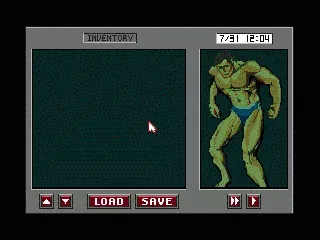
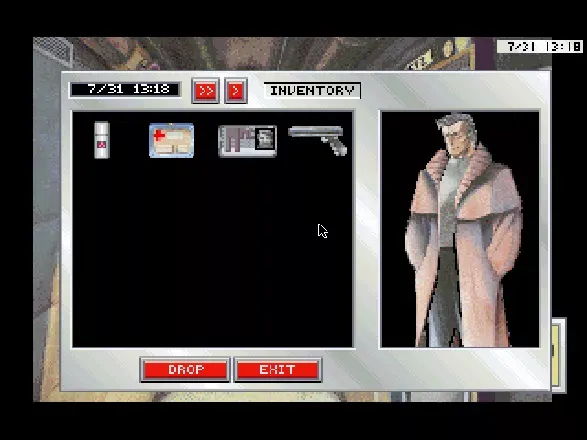
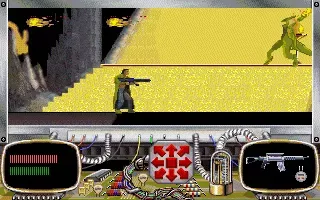
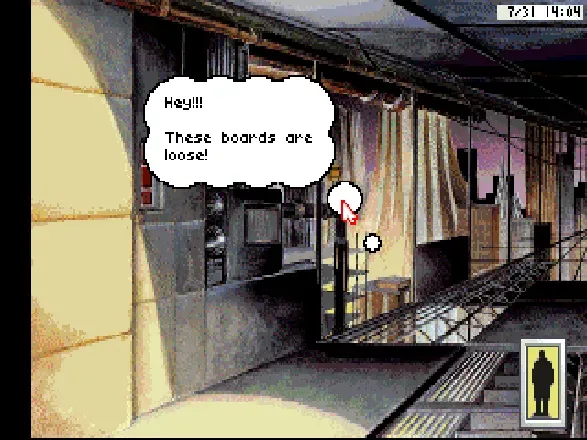
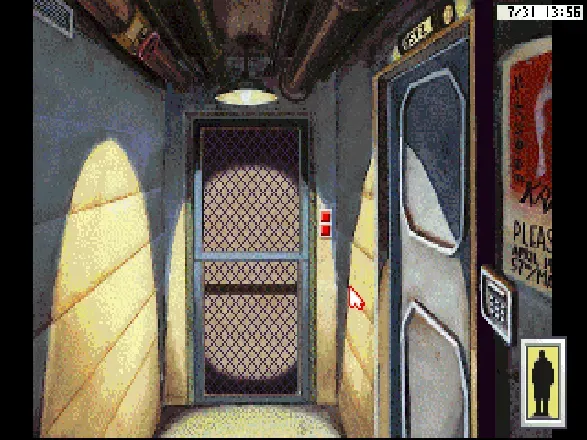
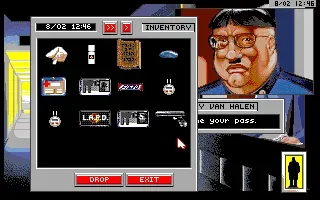
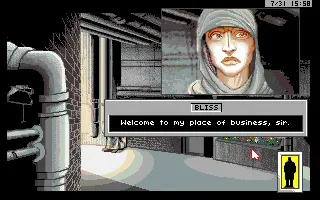
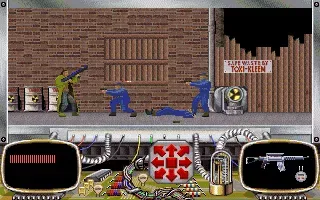
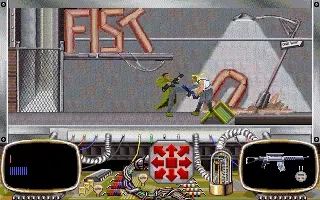
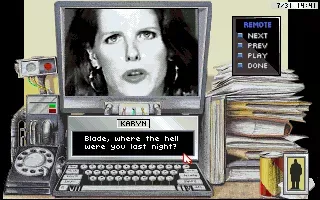
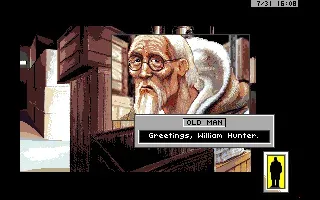
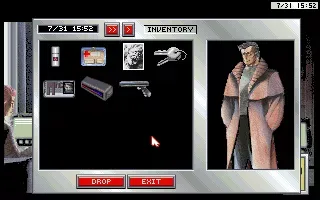
Rise of the Dragon is a point-and-click adventure with a strong emphasis on investigation, dialogue choices, and timed progression rather than action-heavy combat. Reference descriptions note that it uses an internal clock and expects the player to be in the right place at the right time, which gives the game a more structured, schedule-driven flow than many contemporaneous adventures.
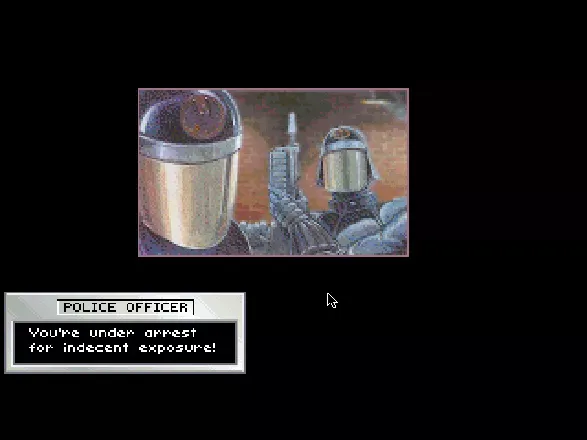
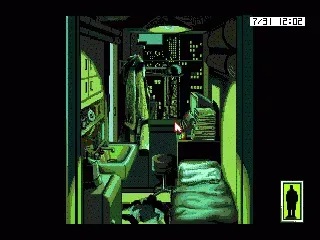
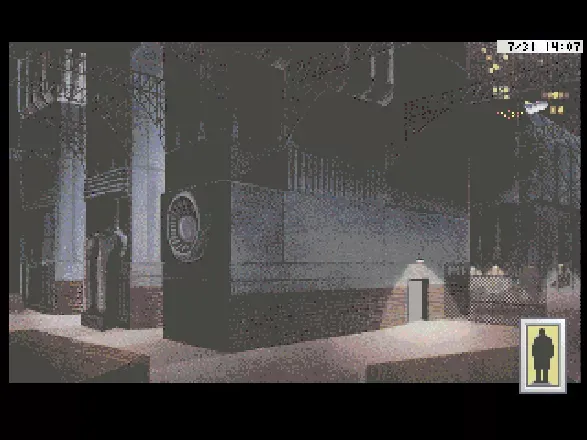
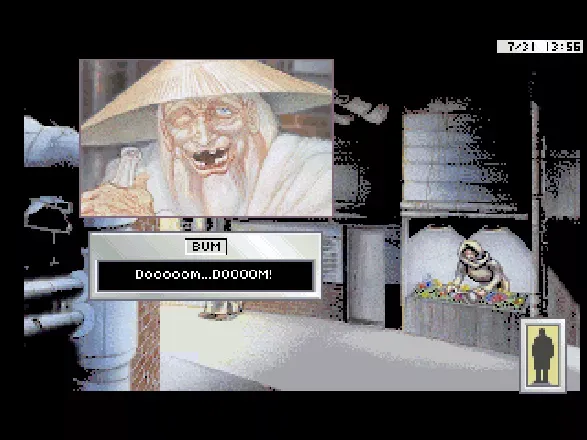
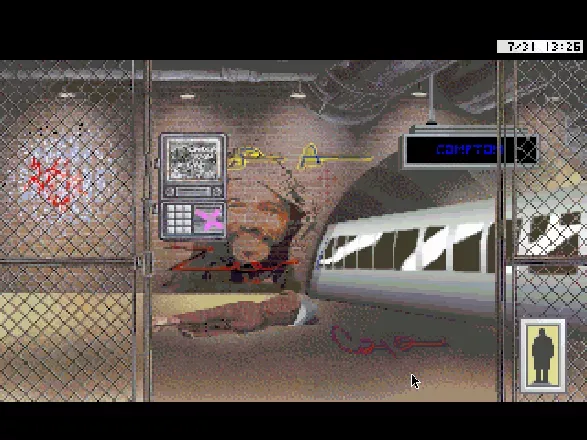
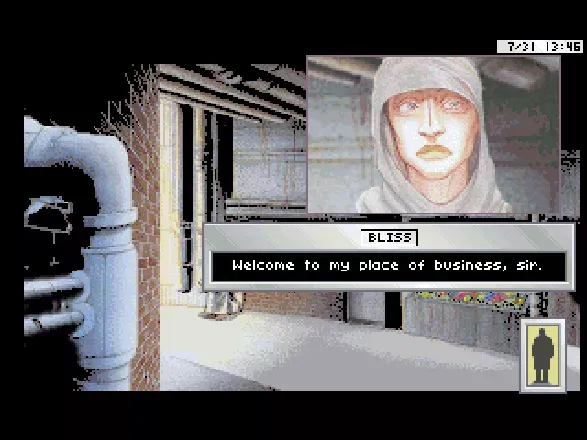
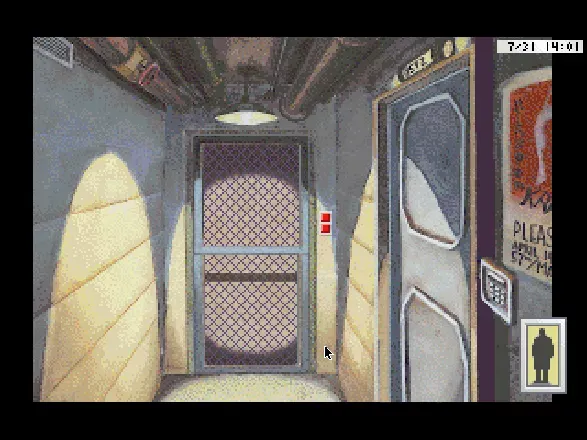
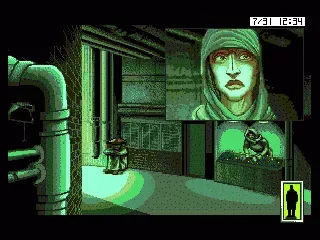
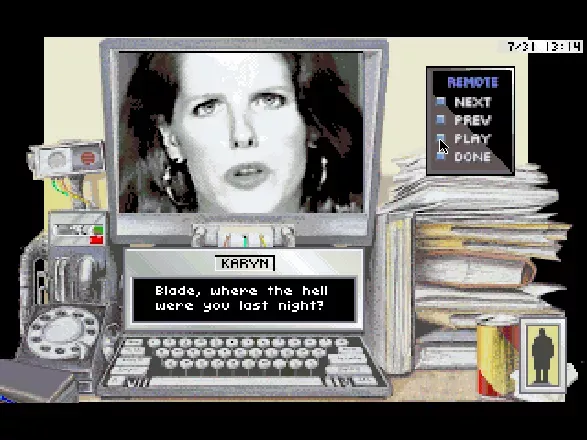
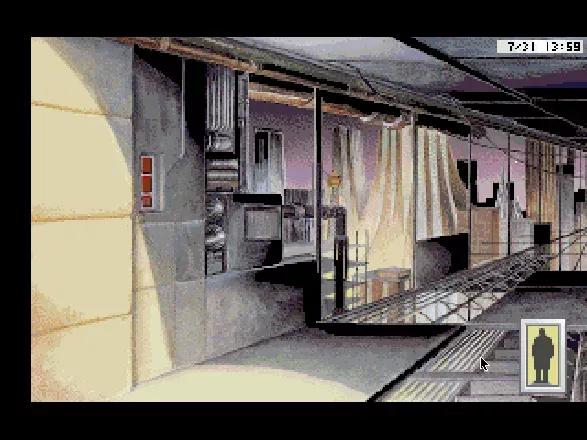
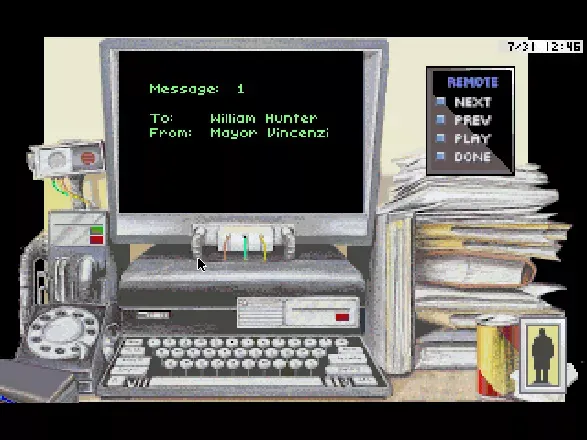
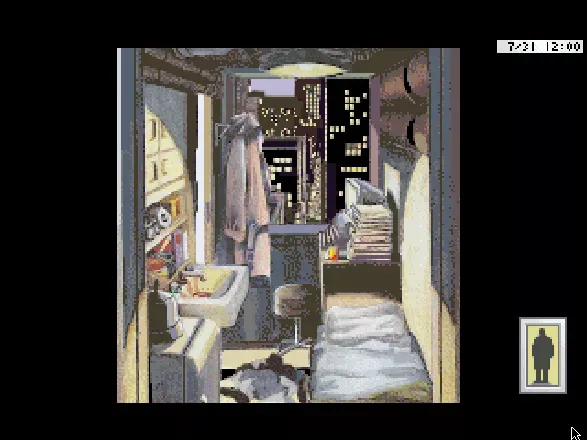
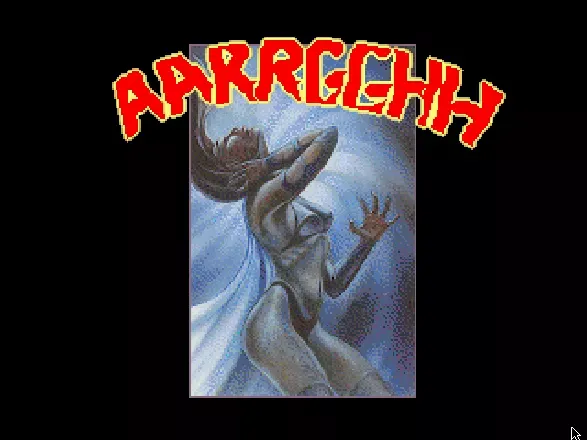
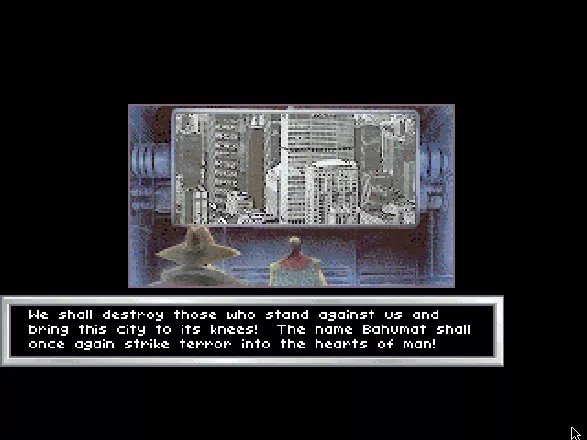
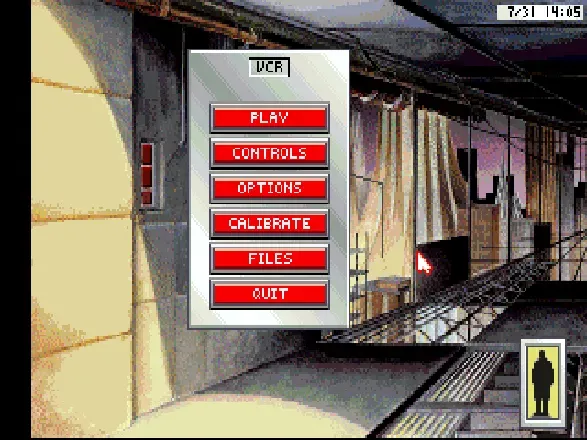
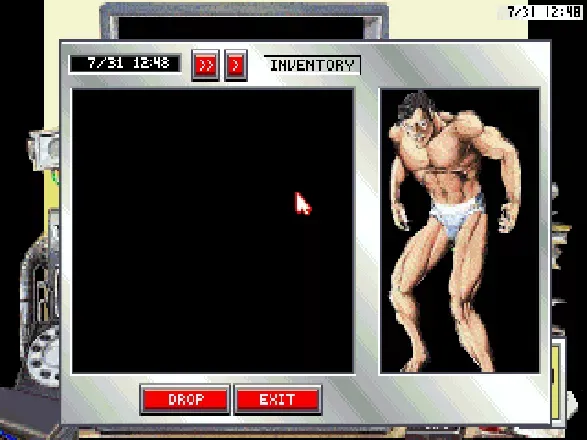
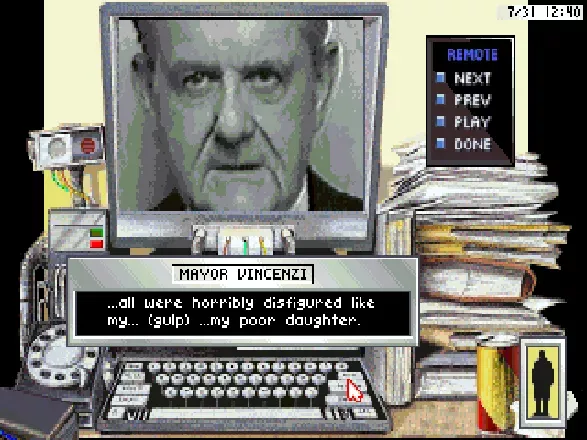
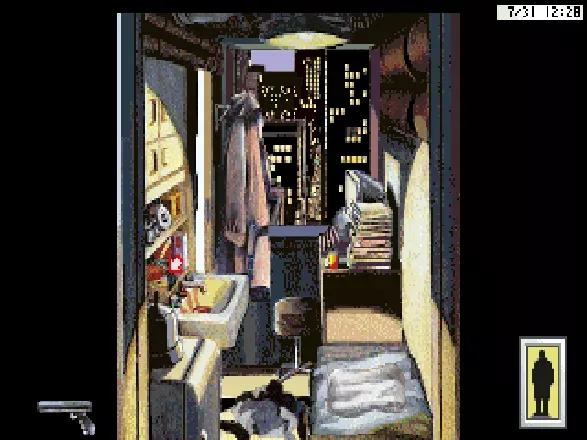
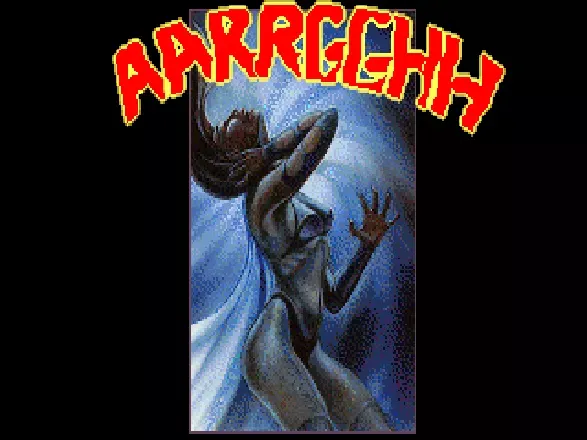
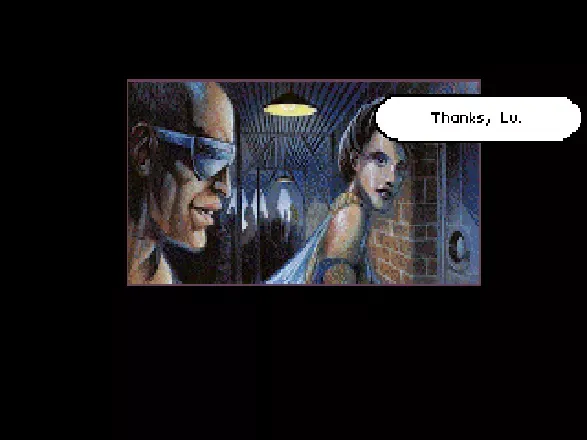
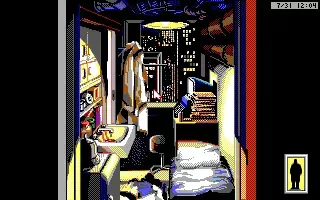
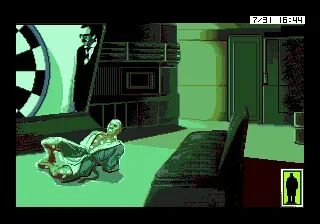
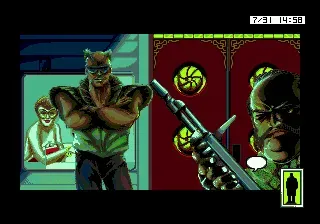
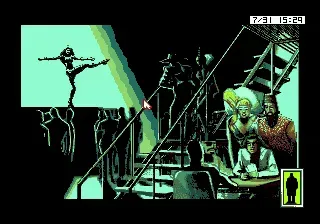
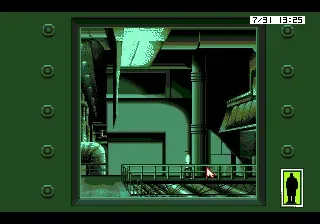
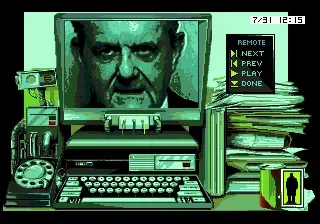
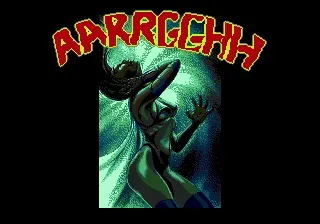
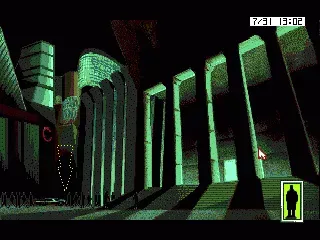
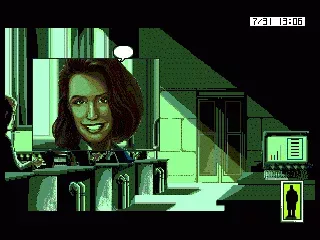
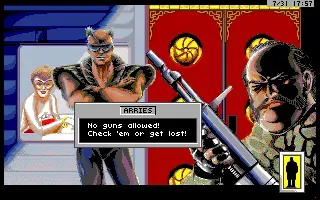
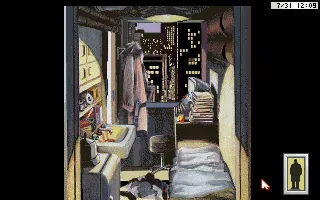
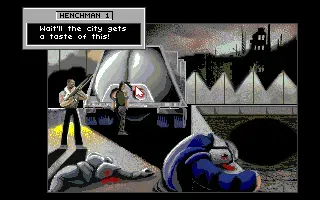
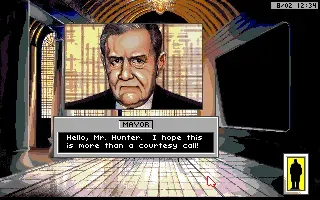
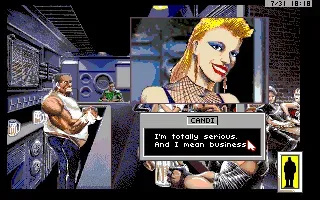
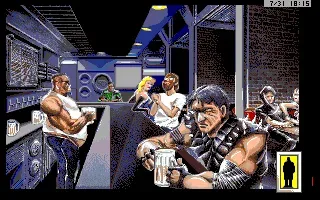
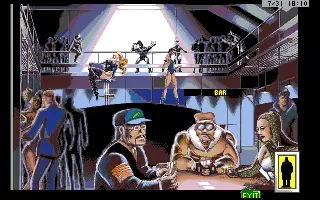
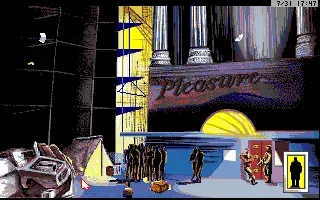
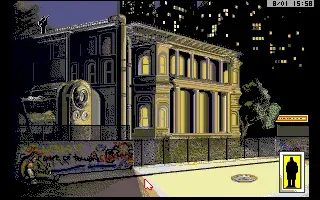
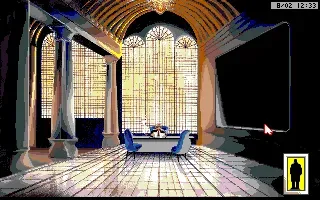
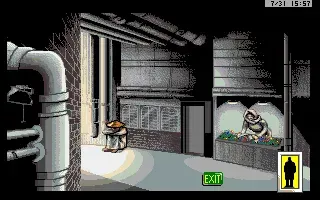
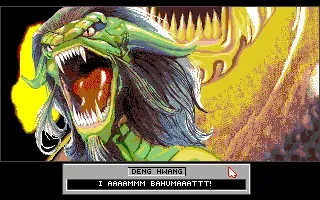
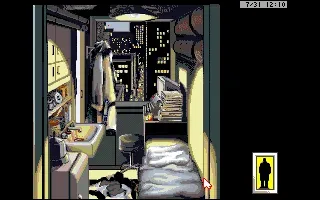
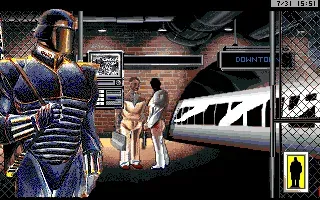
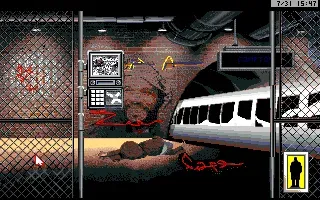
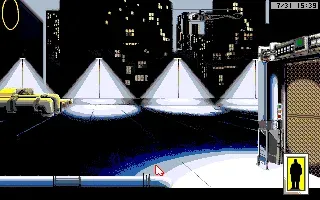
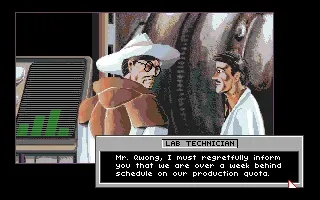
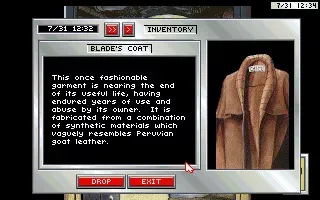
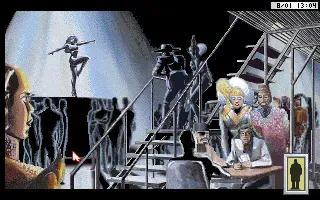
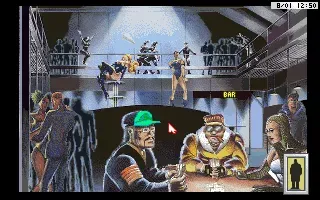
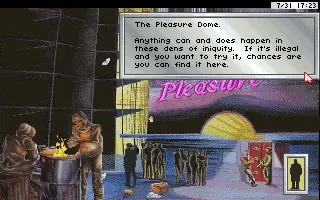
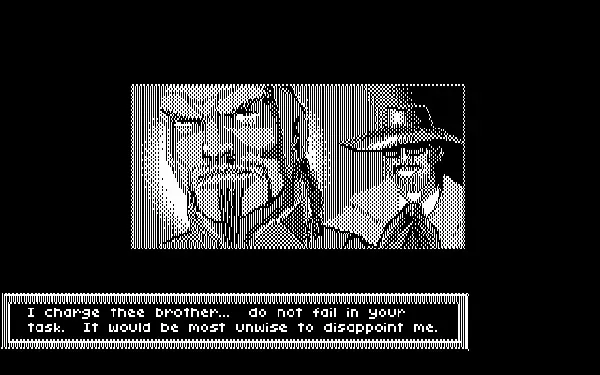
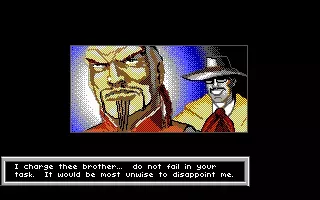
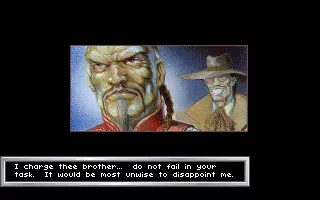
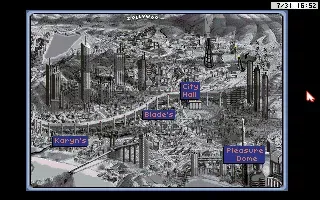
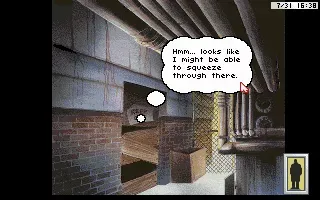
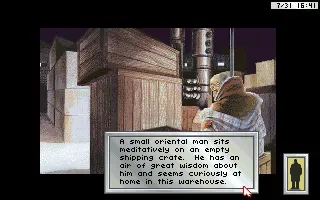
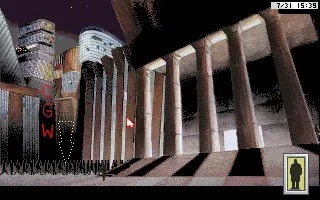
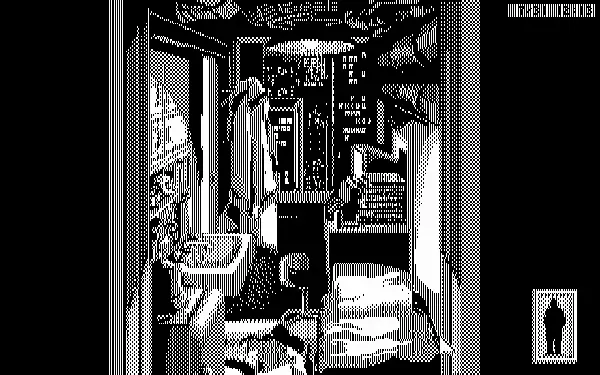
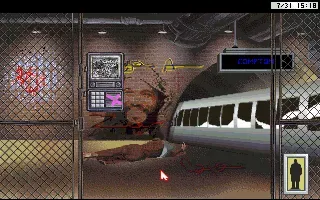
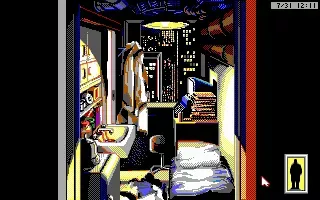
The DOS version presents a first-person presentation with digitized character imagery and hand-painted backgrounds, creating a comic-book-like visual style suited to its dark sci-fi tone. Sources also note that the game uses multiple-choice conversations and can punish incorrect responses with abrupt failure states, while later ports such as Sega CD added voice work and content adjustments for that platform’s release.
Collector’s Value & Rarity
As a historical PC adventure from the early 1990s, Rise of the Dragon is more of a notable genre piece than a broadly scarce holy-grail collectible, but complete copies with original materials remain desirable among adventure-game collectors. Its value is helped by the game’s cross-platform history and by its reputation as one of Dynamix’s more distinctive non-flight-sim releases.
Collector interest is strongest when original packaging, manuals, and platform-specific inserts are present, especially for the DOS release and later console or computer variants. The title’s regional and edition differences are most visible in the Sega CD version, which is documented as having voice additions and content changes compared with the original computer release.