




Historical Context & Trivia
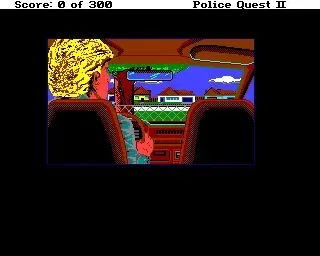
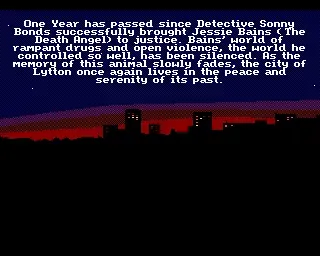
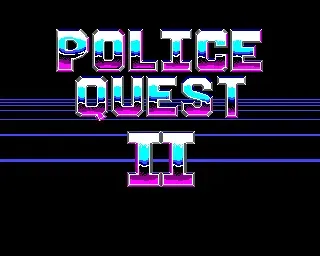
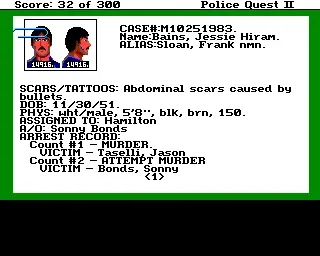
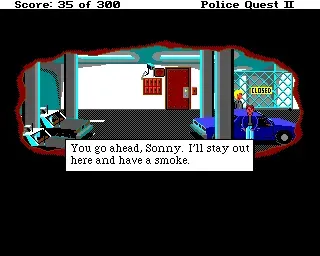
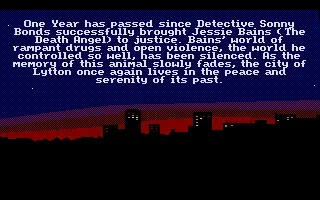
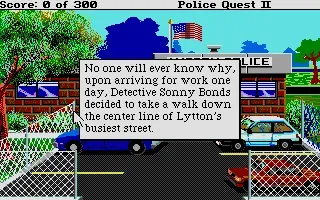
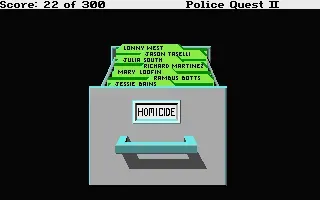
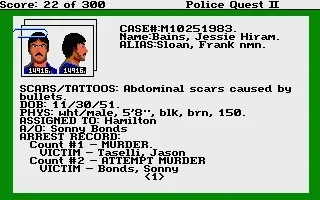
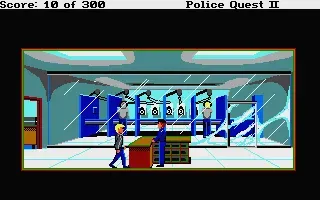
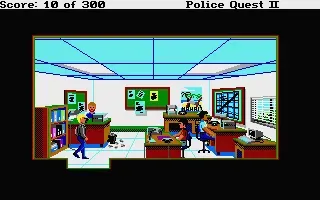
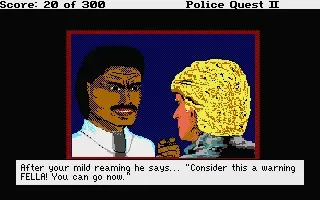
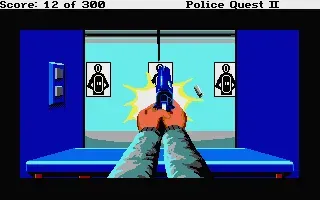
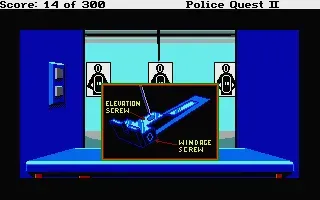
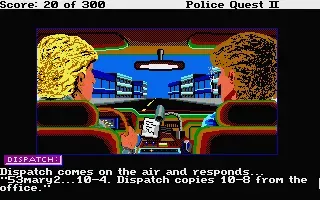
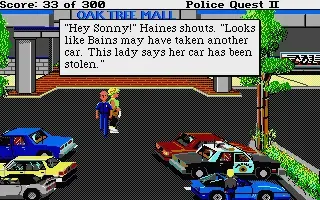
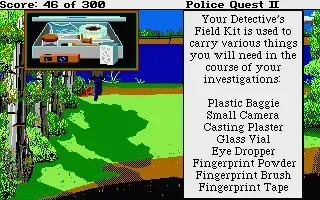
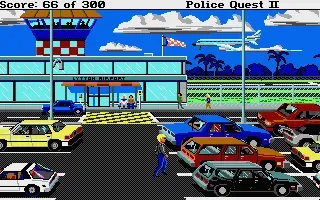
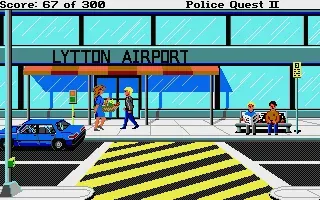
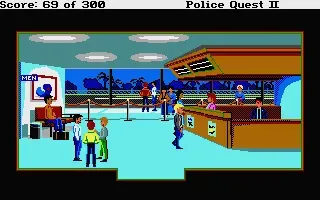
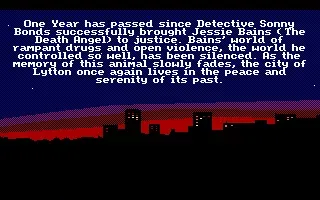
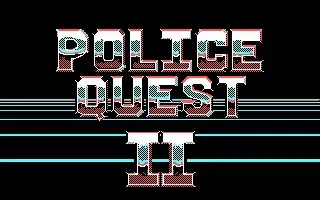
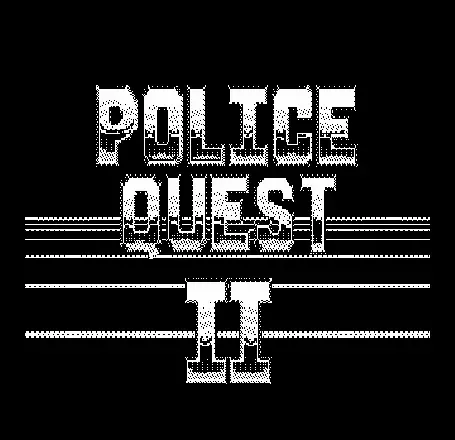
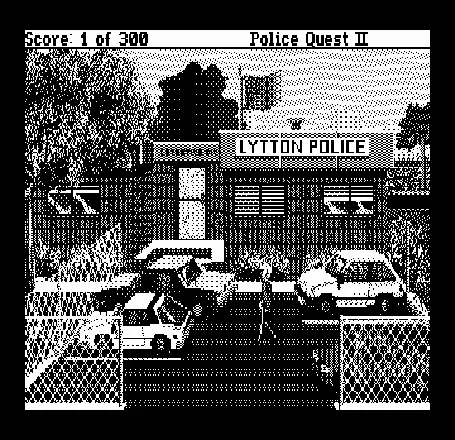
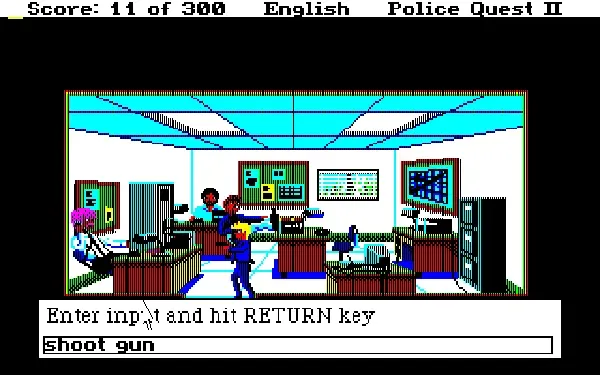
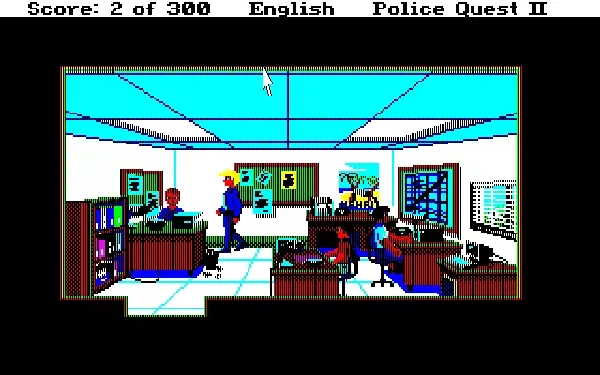
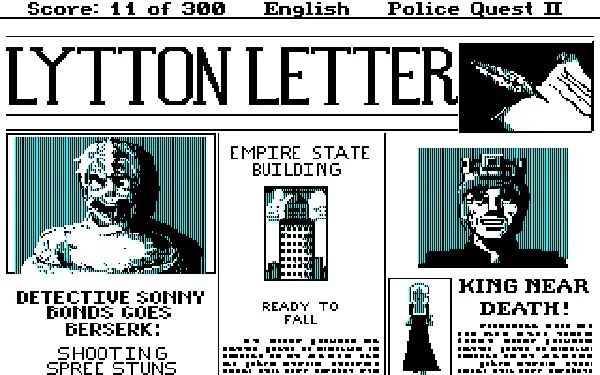
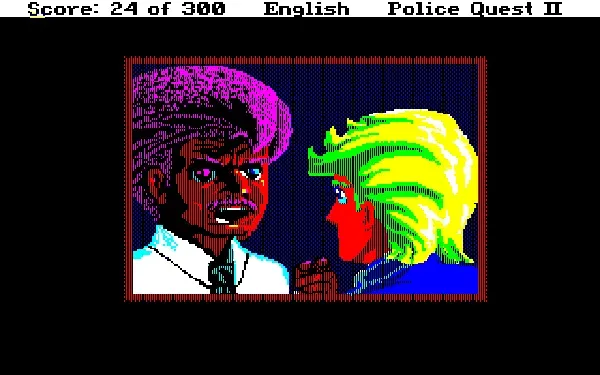
Police Quest 2: The Vengeance was released in 1988 as the second entry in Sierra On-Line’s Police Quest series, continuing the story of officer Sonny Bonds and the pursuit of an escaped convict known as Death Angel. It is widely documented as a police-procedural adventure that blends narrative investigation with Sierra’s parser-driven design, and it appeared on MS-DOS first, with later releases on Amiga, Atari ST, and NEC PC-9801.
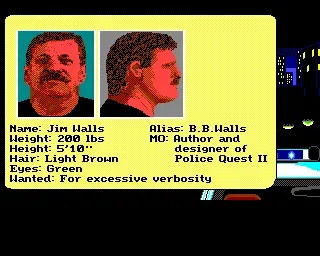
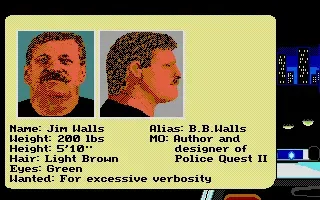
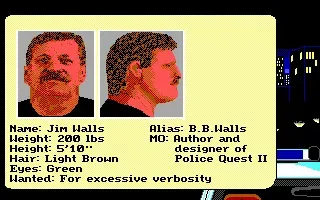
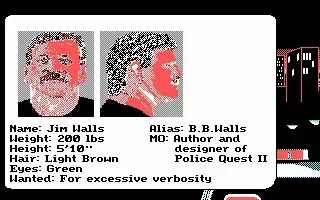
Sierra On-Line is credited as both developer and publisher in most contemporary documentation, while Jim Walls is identified as the designer and writer. The game is also noted for being the first Police Quest title built on Sierra’s SCI engine, which marked an important technical transition for the series.
Gameplay & Technical Features
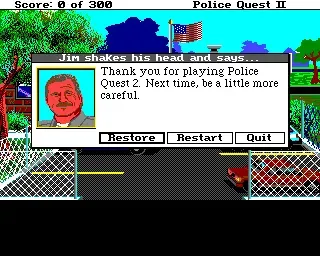
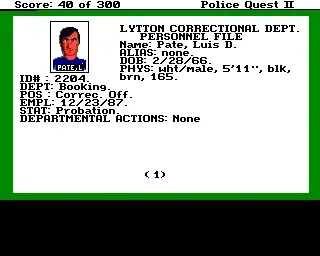
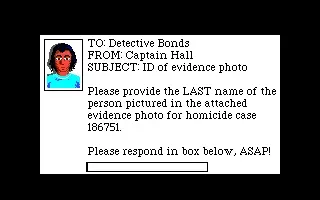
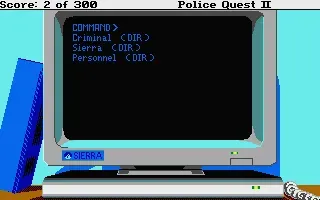
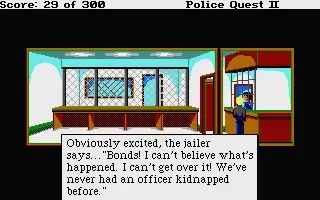
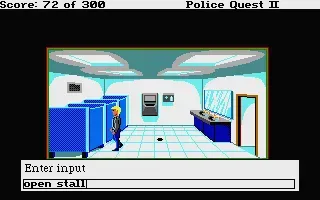
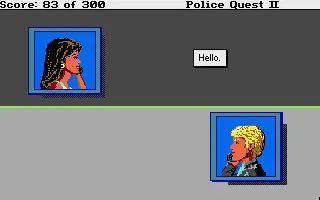
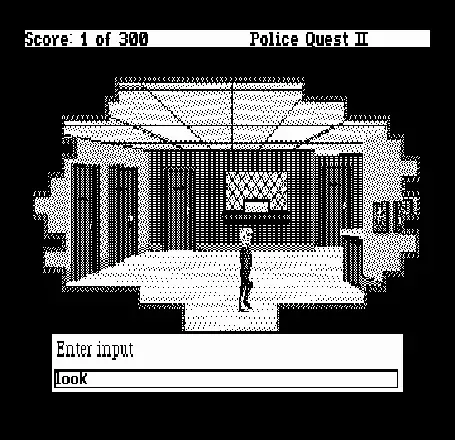
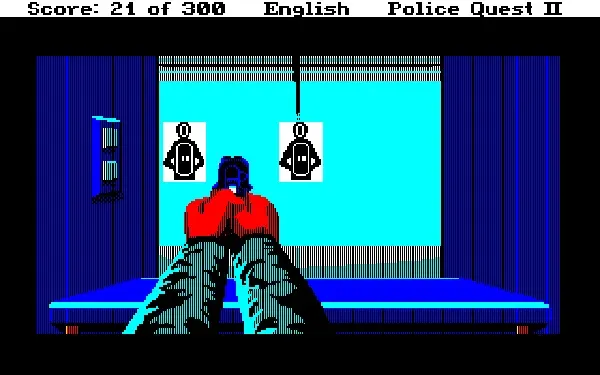
This is a graphic adventure with strong simulation elements, using text input and direct interaction to solve cases, gather evidence, and progress through a mostly linear investigation structure. Sources describe it as a single-player game that emphasizes procedural police work more than freeform exploration.
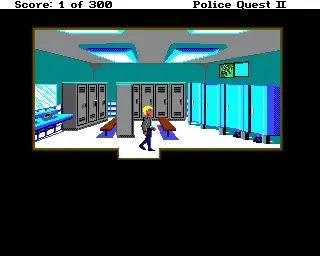
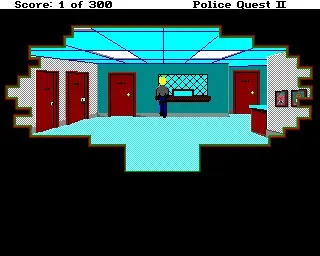
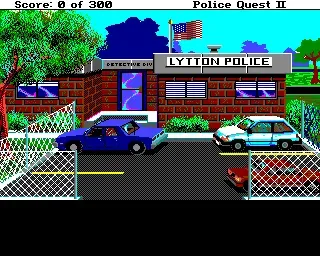
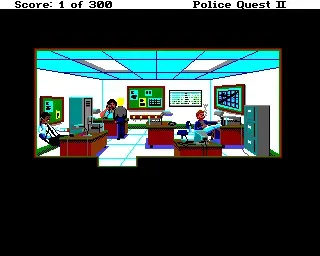
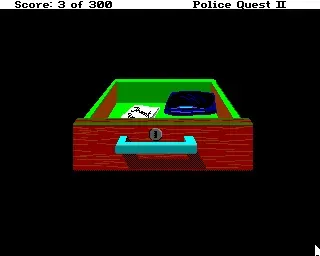
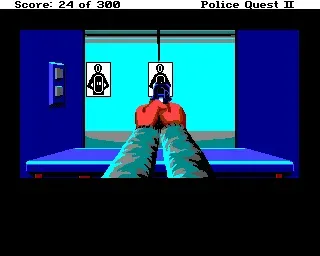
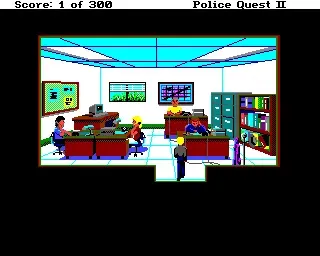
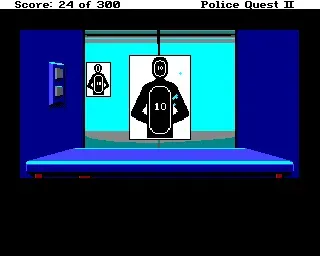
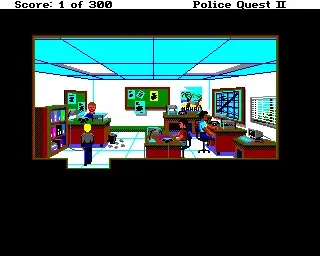
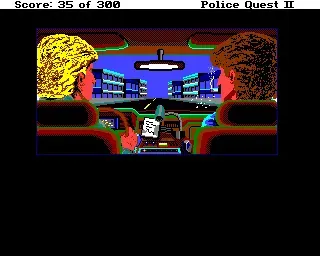
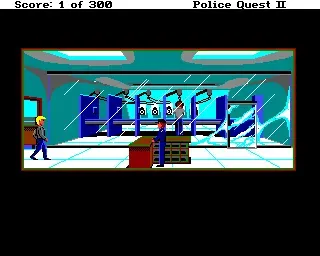
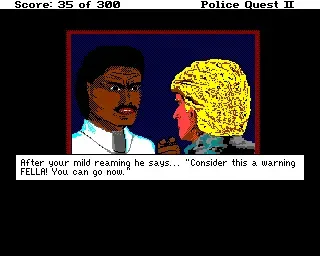
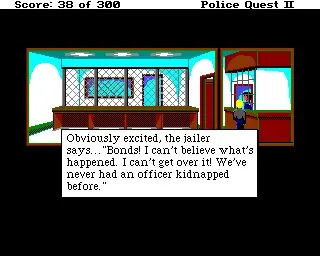
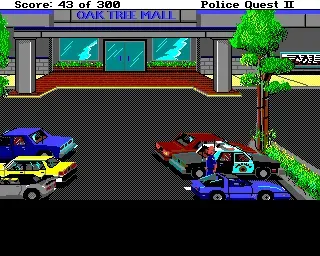
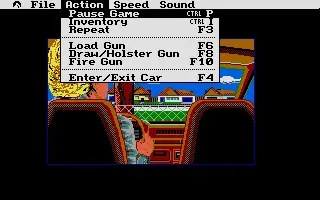
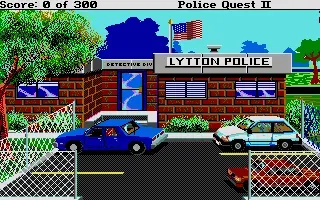
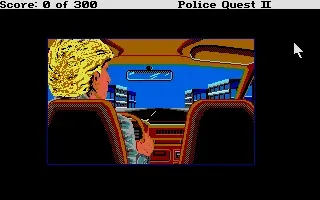
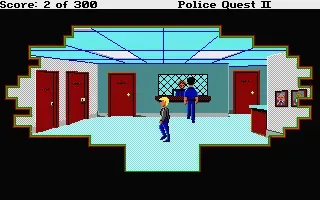
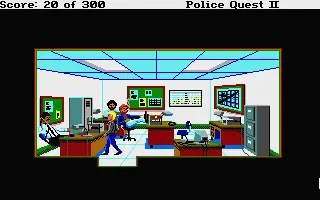
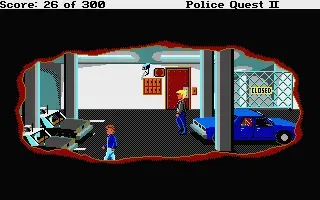
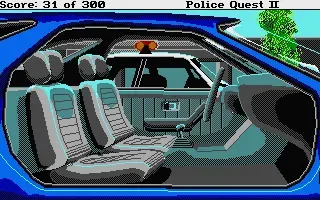
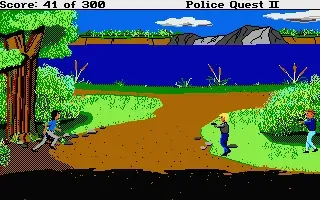
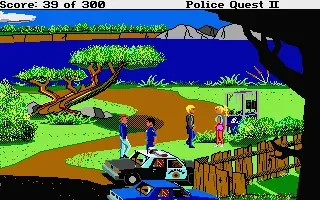
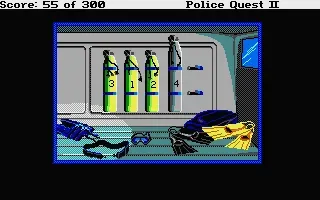
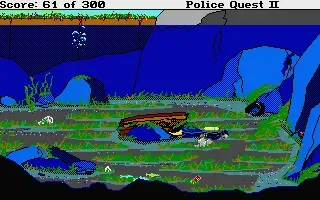
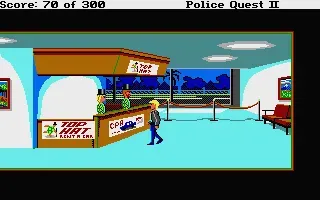
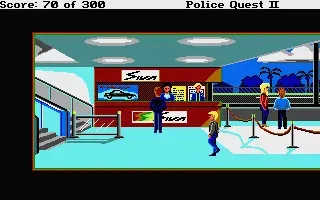
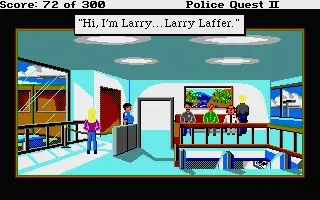
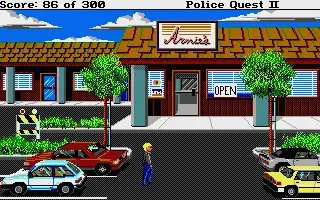
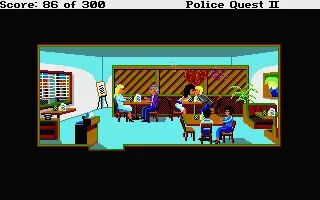
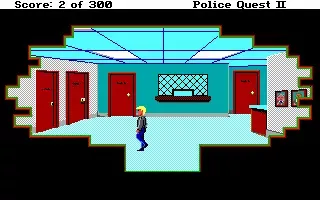
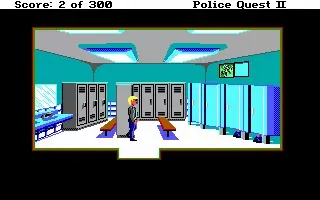
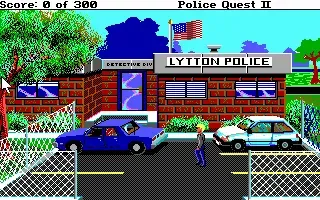
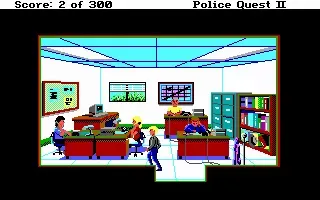
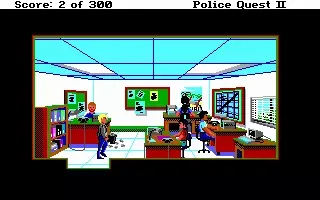
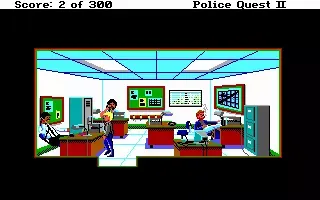
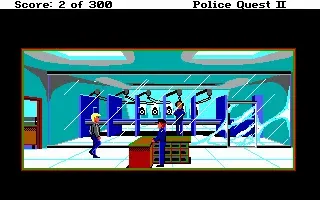
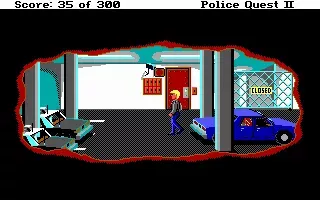
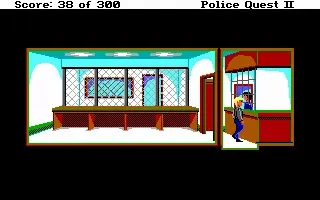
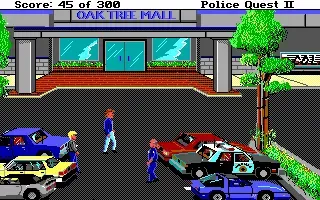
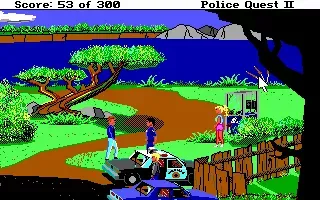
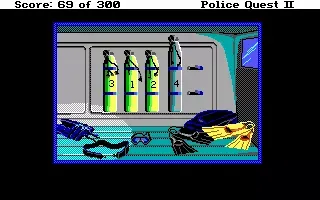
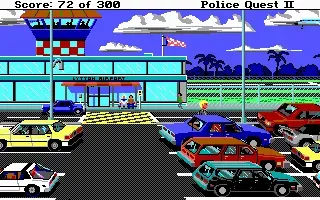
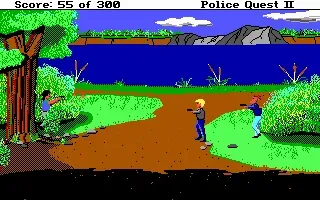
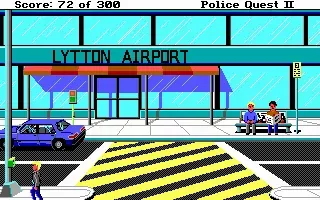
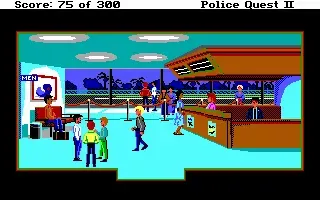
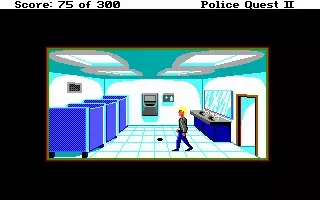
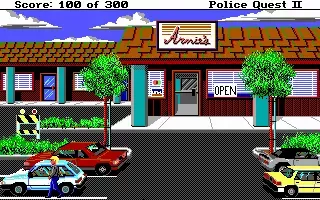
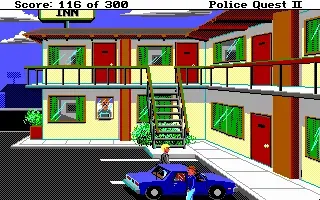
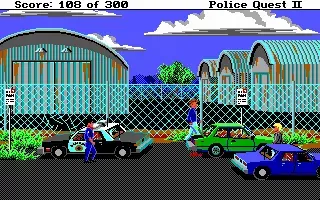
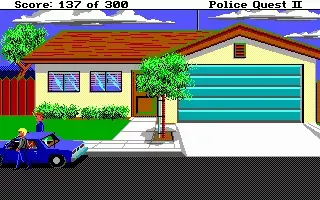
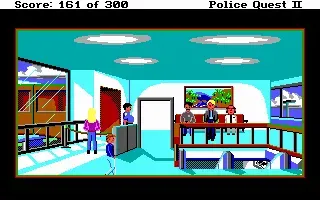
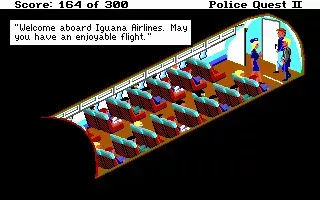
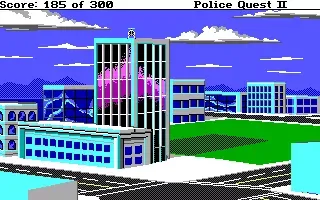
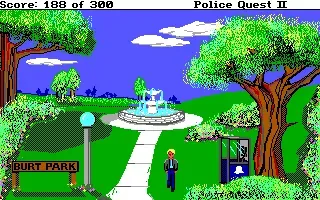
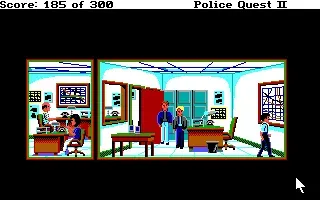
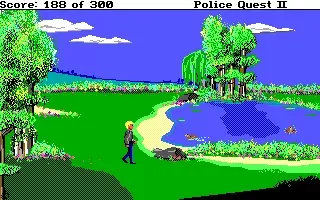
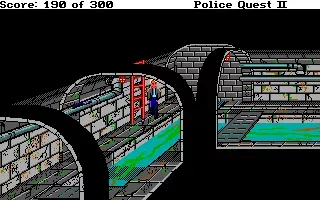
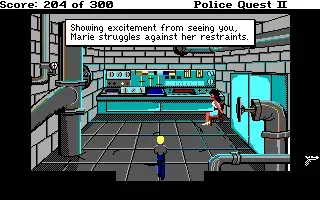
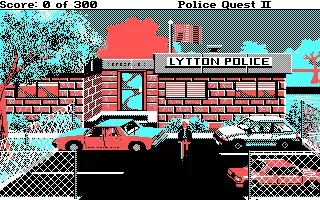
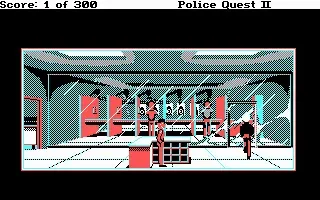
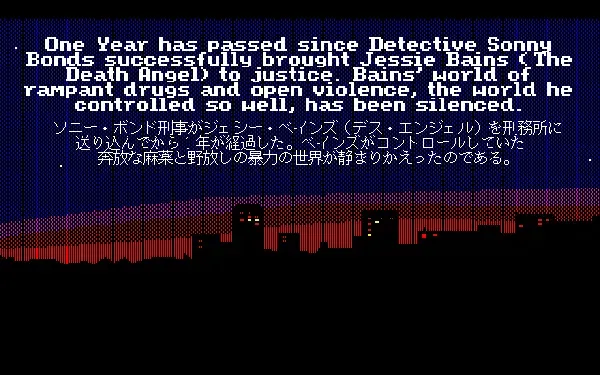
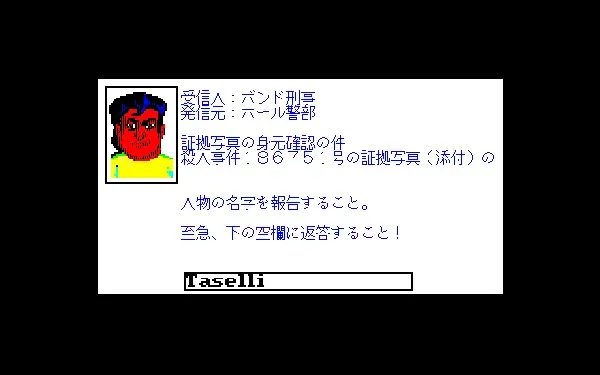
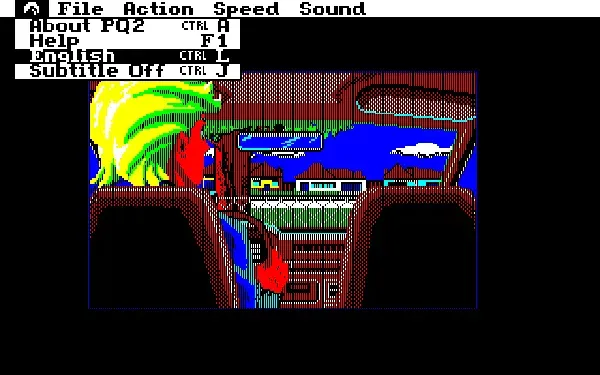
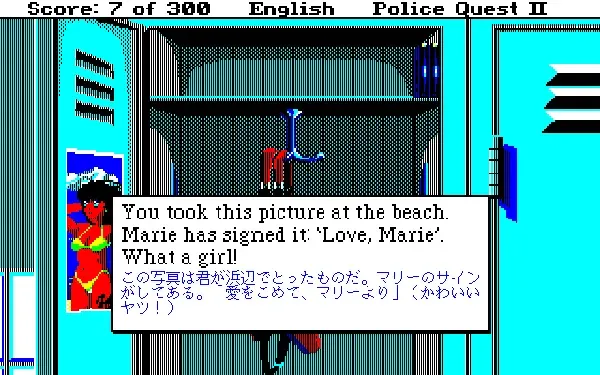
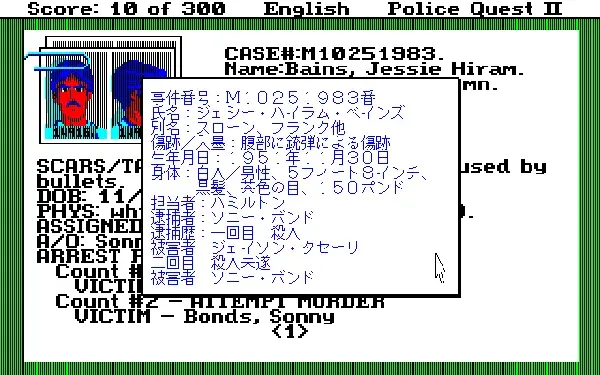
On DOS, the game used Sierra’s early SCI0 engine, supporting the company’s evolving EGA-era adventure presentation and the command-parser interface that defined many late-1980s Sierra titles. The Japanese PC-98 version is especially notable for reanimated sprites in an anime style, showing how Sierra adapted assets for regional markets rather than issuing a simple straight port.
Collector’s Value & Rarity
Original DOS copies are preserved as a multi-disk floppy release, commonly documented as six 5.25-inch disks or, in some versions, three 3.5-inch disks, which makes complete sets materially more fragile than later digital reissues. Archive records also show the game surviving in multiple contemporary builds, but the original retail package remains the most relevant form for collectors.
For collectors, the most interesting variations are the regional releases: the PC-98 Japanese edition with its altered sprite treatment, and later European and budget-label rereleases such as Kixx. Preservation is generally better than for many obscure adventure titles because the game was widely distributed, but boxed copies with manuals and all disks still carry the strongest collector interest.