







Historical Context & Trivia
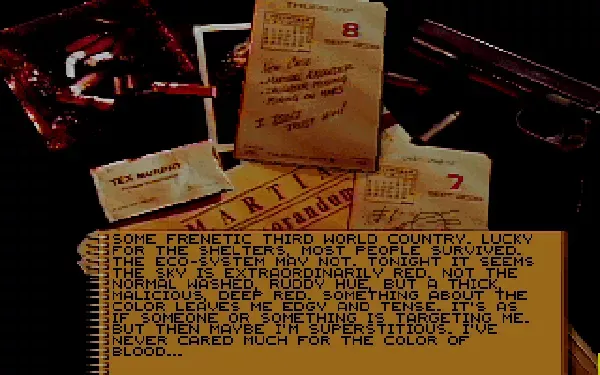
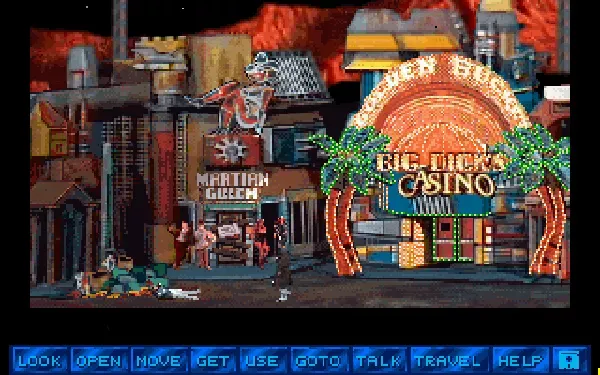
Martian Memorandum (1991) is the second entry in the Tex Murphy series and a notable early example of Access Software’s move toward story-first, cinematic PC adventures. Set in a bleak future where private investigator Tex Murphy is pulled into a missing-person case that leads to Mars, the game blends neo-noir detective fiction with sci-fi worldbuilding and remains one of the defining titles of Access’s early 1990s catalog.
Access Software both developed and originally published the DOS version, and the game is widely documented as a sequel to Mean Streets. Contemporary and archival descriptions agree that it built on the previous game’s technology while shifting further toward a traditional adventure structure, with dialogue-driven investigation and a stronger focus on narrative progression.
Gameplay & Technical Features
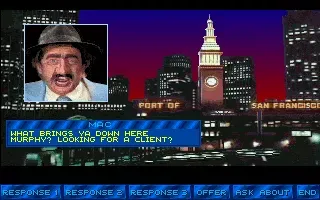
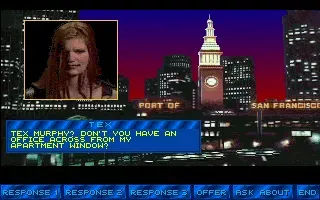
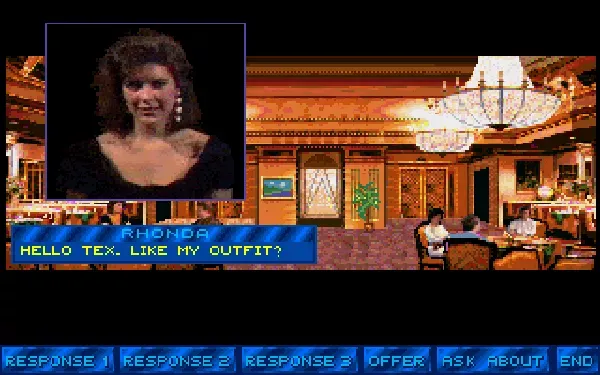
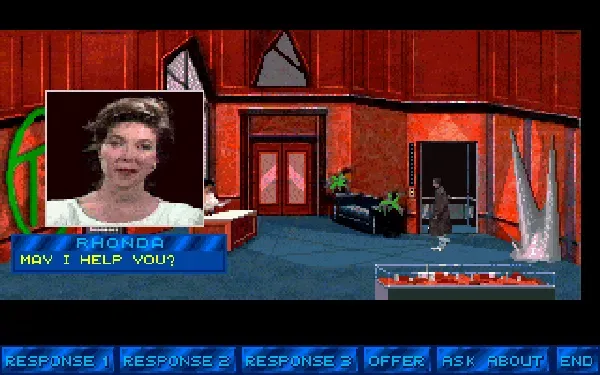
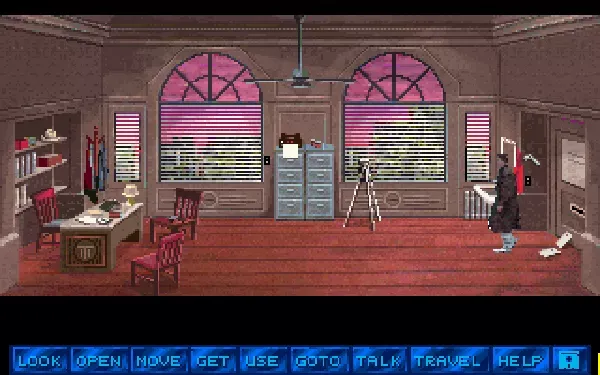
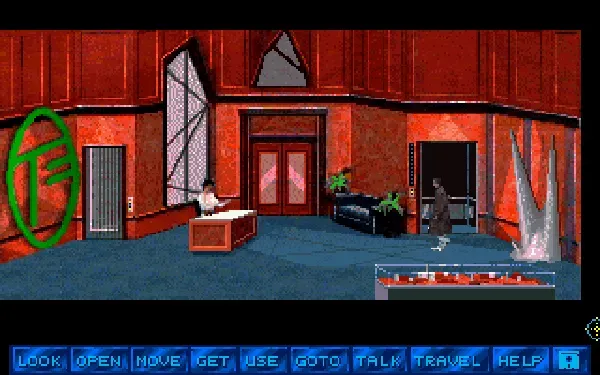
Martian Memorandum is an adventure game centered on exploration, interrogation, and inventory-based problem solving. Players advance by questioning suspects, gathering clues, and making conversation choices that can affect progress, which gives the game a more investigative rhythm than action-heavy adventure hybrids of the period.
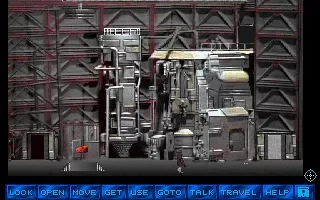
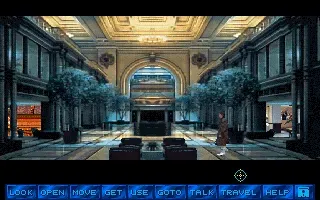
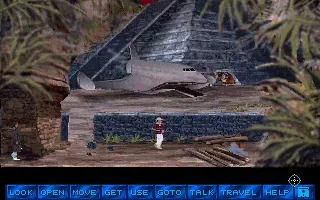
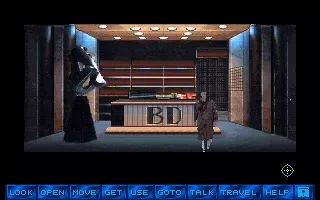
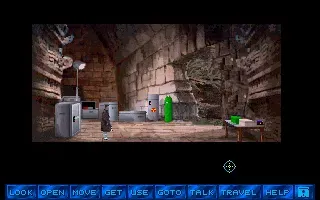
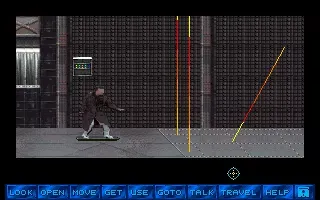
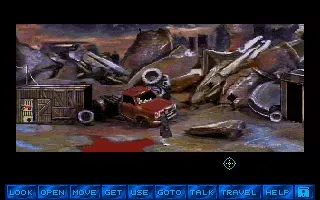
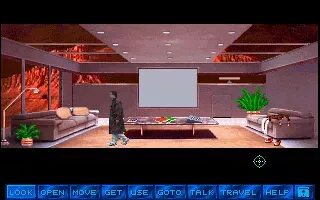
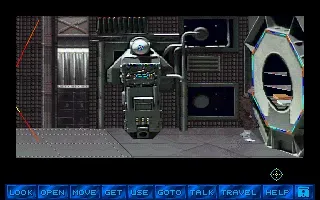
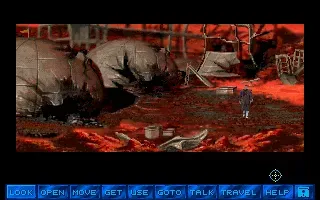
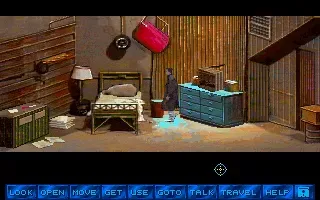
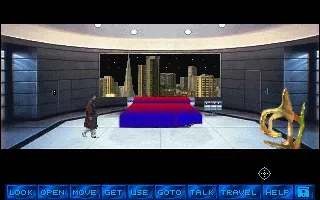
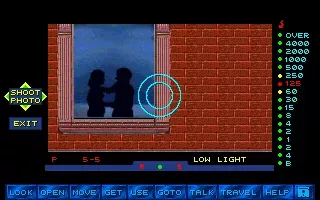
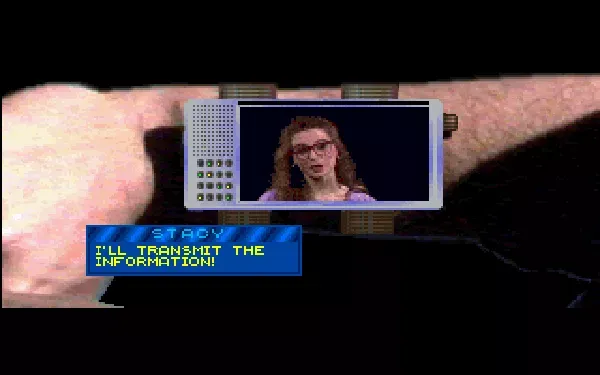
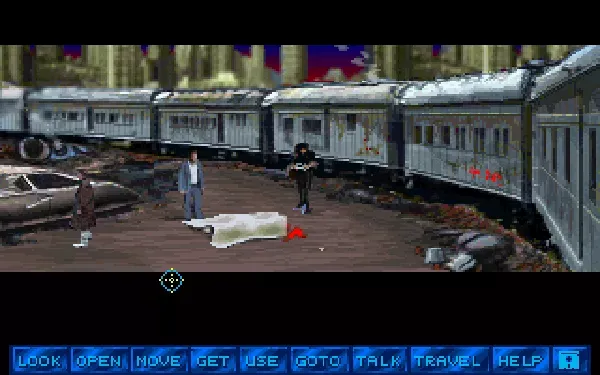
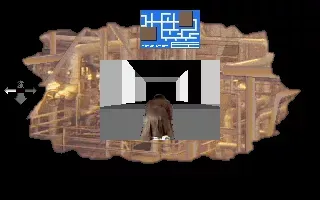
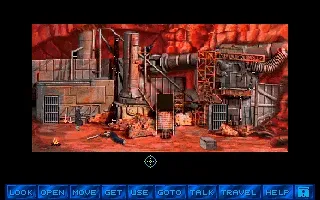
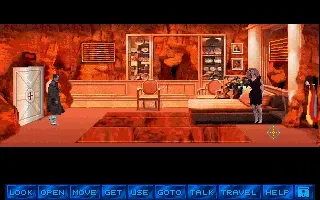
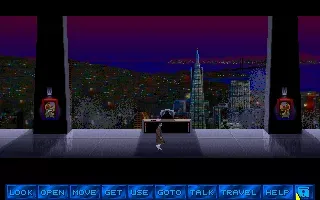
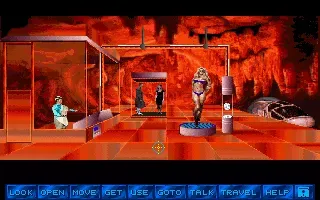
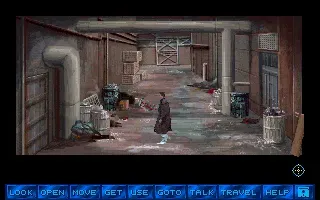
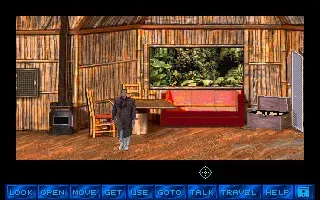
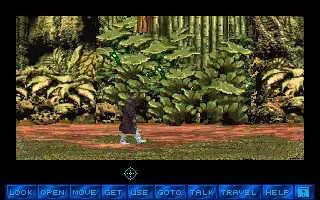
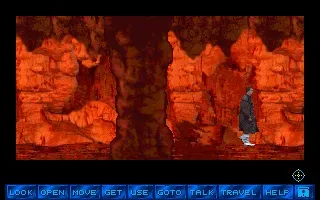
On DOS, the game was designed for early-1990s PC hardware such as 286/386 systems, 640 KB RAM, and VGA or MCGA graphics support. Its presentation uses digitized imagery and character art characteristic of Access’s PC output of the era, along with the voice- and dialogue-centered structure that would become more prominent in later Tex Murphy titles.
Collector’s Value & Rarity
As a floppy-era PC release from 1991, Martian Memorandum is primarily valued by collectors for its place in the evolution of the Tex Murphy series rather than for extreme scarcity alone. Original DOS copies and complete boxed sets tend to attract interest because they represent an early phase of Access Software’s adventure design before the franchise moved into more elaborate FMV production.
For preservation-focused collectors, the most important physical items are the original manual, disk media, and any included registration or supplemental paperwork. The manual is also historically useful because it documents the game’s setting, system requirements, and the noir detective premise in period-authentic packaging form, which is especially important for identifying complete copies of this early PC release.