




“`html
Overview
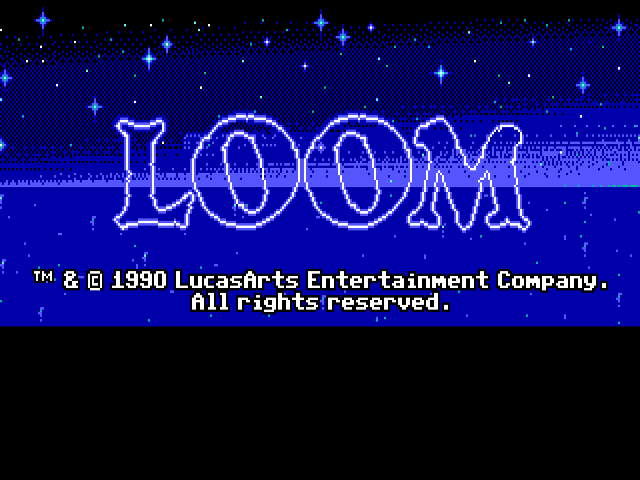
Loom is a graphic adventure game developed by LucasArts Entertainment, initially released in 1990. The game stands out for its creative approach to storytelling, focusing on a unique mechanic that integrates music and puzzles to drive the narrative forward.
Gameplay Mechanics
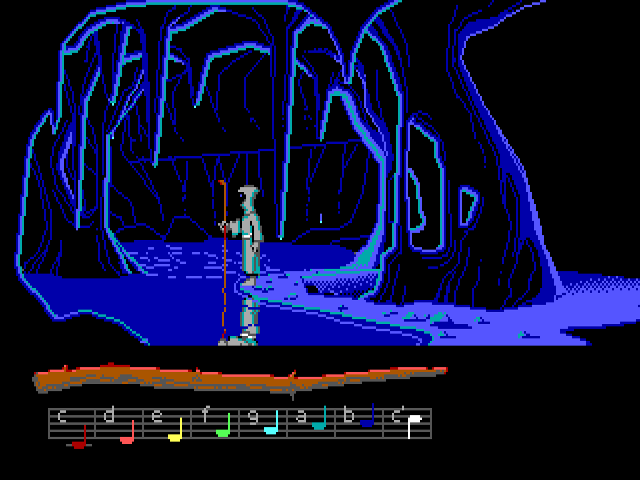
The main gameplay revolves around the use of the “Distaff”, a magical staff that plays musical notes, or “drafts”. These drafts are essential to solving puzzles and advancing through the game. The player learns and uses these melodies to influence the environment and interact with various elements, making Loom a distinct entry in the adventure gaming genre.
Storyline
The game’s plot is set in a fantasy world governed by the Guild of Weavers, who can weave the fabric of reality. You play as Bobbin Threadbare, a young weaver who embarks on a quest to uncover the mystery behind the disappearance of his fellow weavers and to confront the dark powers threatening his world.
Historical Context and Development
Developed during a golden era for Lucasfilm Games (later renamed LucasArts), Loom was part of a wave of successful adventure games from the company. It was a time when LucasArts was pioneering storytelling with innovation and flair. The game was conceived by Brian Moriarty, who was deeply inspired by classical music and fairy tales. A fascinating aspect of the game’s legacy is its departure from traditional inventory-based puzzles, leveraging music as both a thematic and mechanical device.
Visuals and Sound
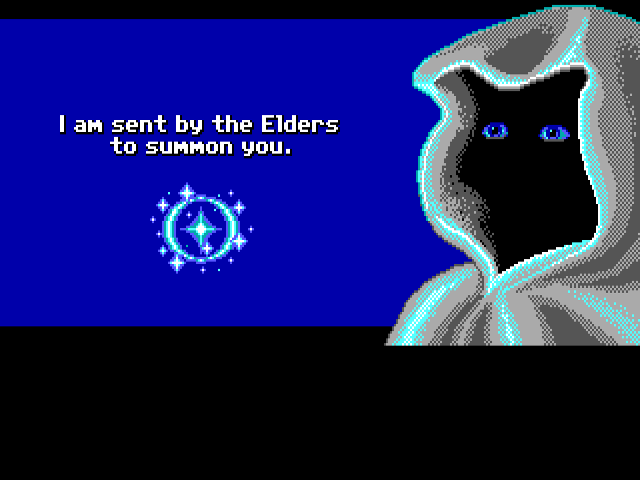
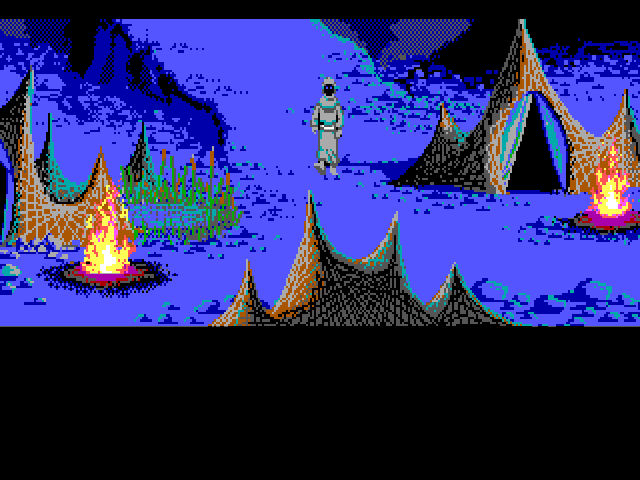
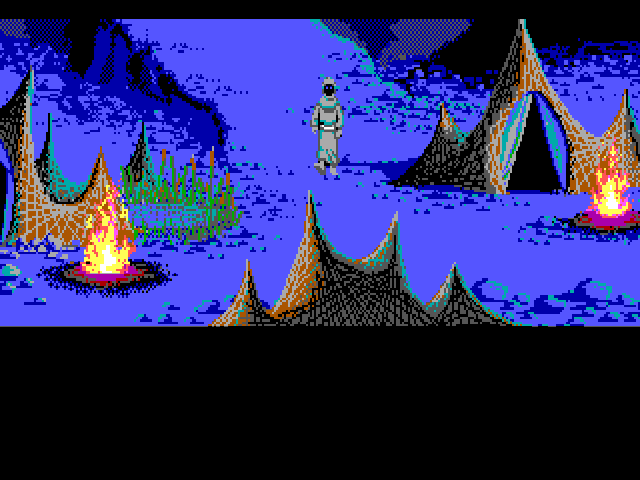
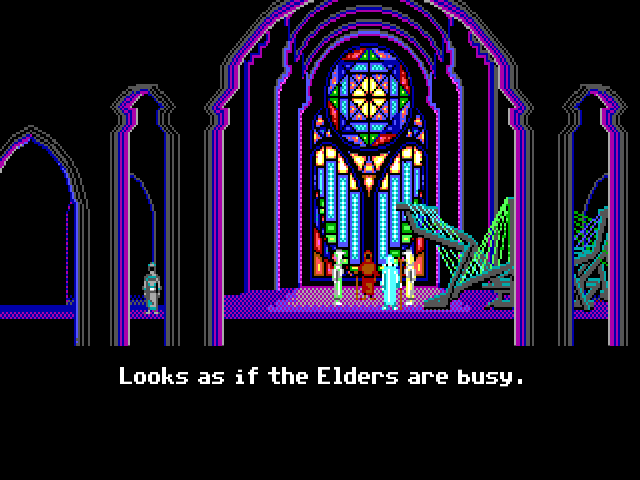
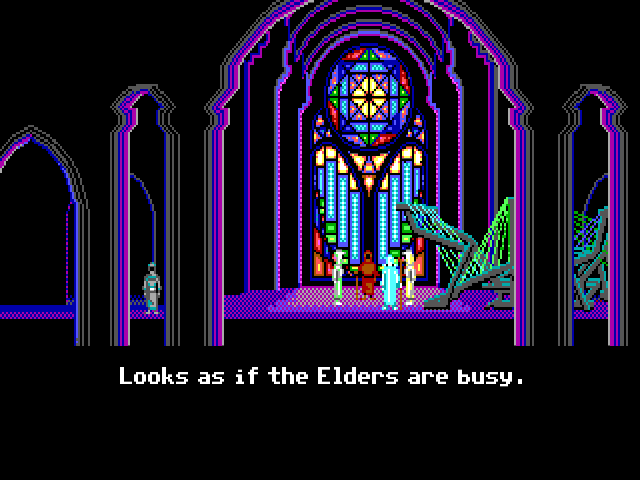
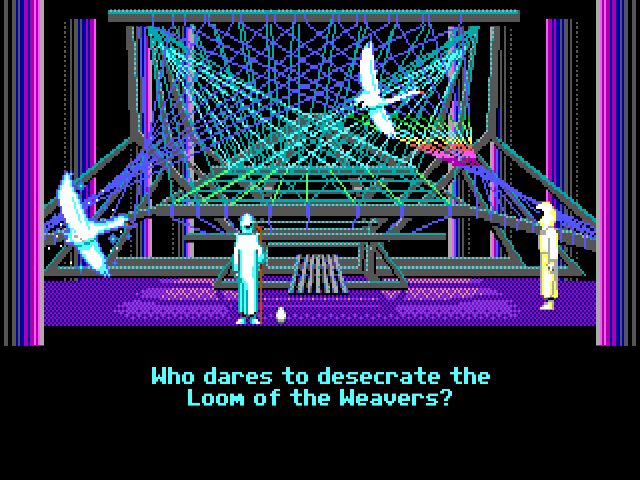
Graphically, Loom was notable for its vibrant and imaginative art style, utilizing the 16-color EGA palette to vivid effect. The soundtrack, adapted from Tchaikovsky’s Swan Lake, complemented the game’s atmosphere and was integral to the overall experience, elevating the narrative with its classical influences.
Legacy
Though not as commercially successful as some of its contemporaries, Loom is praised for its originality and unique approach to interactive storytelling. It remains a cult classic and is often celebrated for pushing the boundaries of what an adventure game could be. The emphasis on story and atmosphere over complex mechanics has left a lasting imprint on the genre.
“`