




Historical Context & Trivia
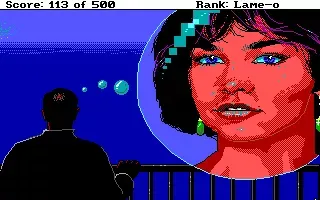
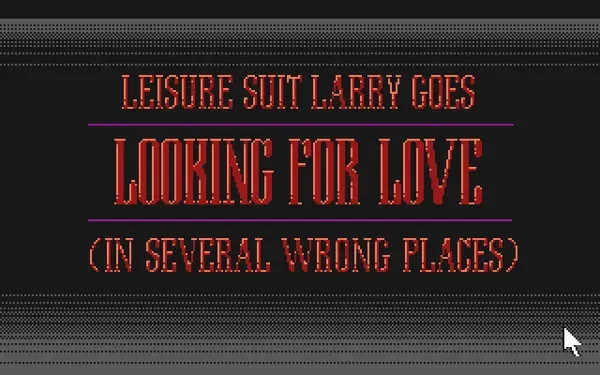
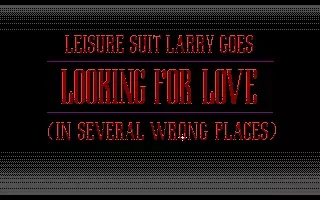
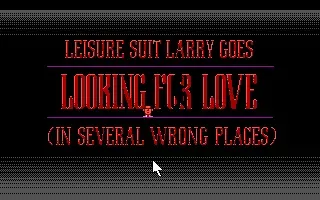
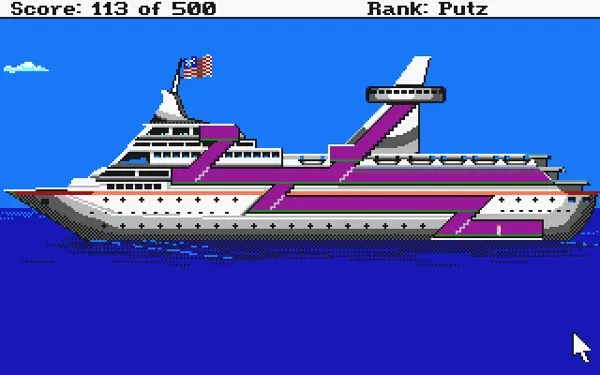
Leisure Suit Larry Goes Looking for Love (In Several Wrong Places) from 1988 is the second entry in Sierra’s long-running comedy-adventure series and a defining example of the late-1980s adult-oriented PC adventure boom. It expanded the original formula with a globe-trotting storyline, more elaborate puzzle chains, and the series’ trademark mix of parody, humiliation humor, and genre satire.
Sierra On-Line, Inc. developed and published the DOS version, with Al Lowe credited as the series’ creative force in widely documented coverage of the game. The title also marks an early showcase for Sierra’s SCI engine transition, a technical and design shift that helped shape the studio’s adventure output in the following years.
Gameplay & Technical Features
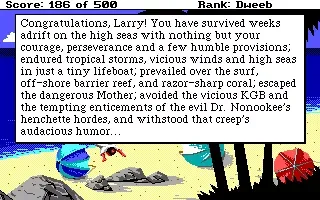
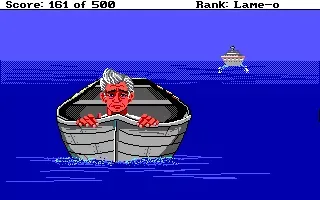
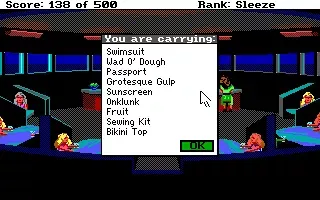
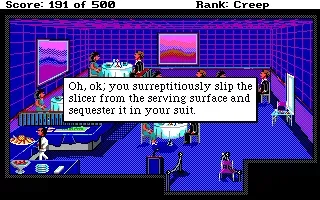
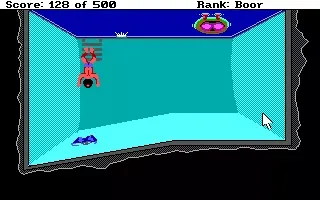
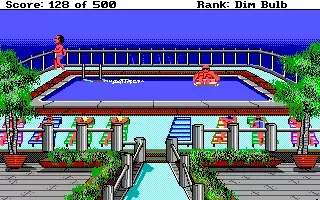
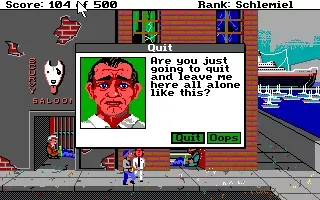
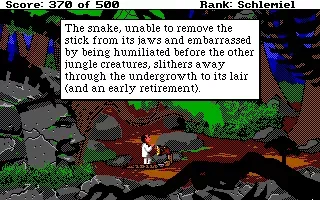
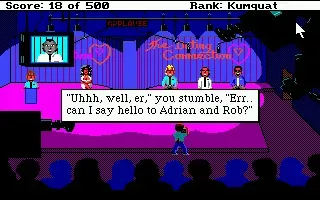
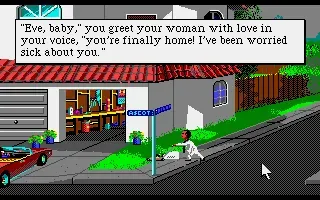
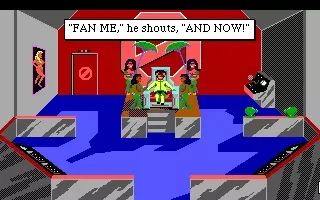
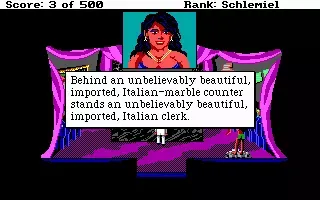
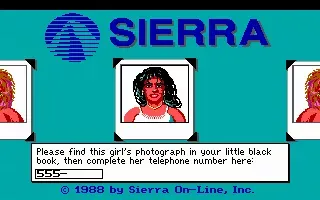
This Adventure game uses classic Sierra-style exploration, inventory use, dialogue-driven interaction, and puzzle solving built around trial, error, and situational comedy. Players guide Larry through a series of interconnected locations while managing item collection, character encounters, and the series’ infamous fail states.
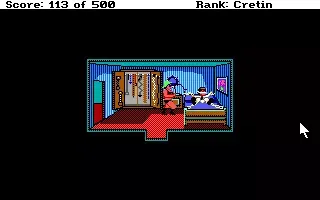
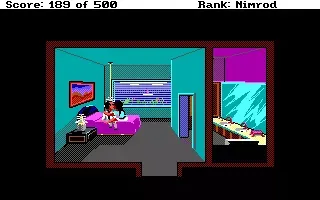
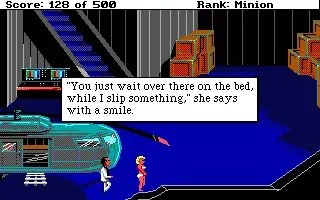
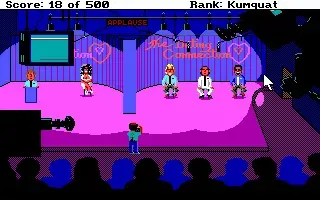
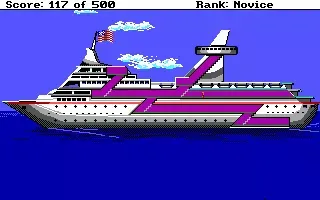
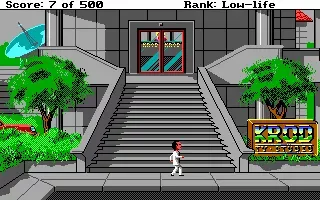
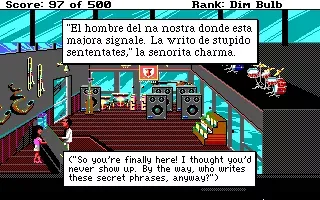
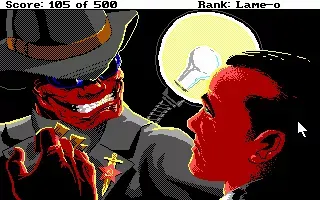
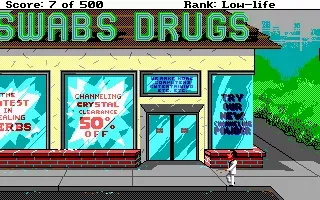
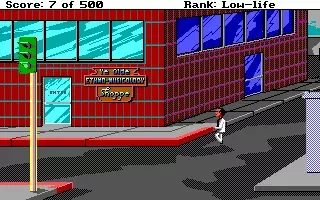
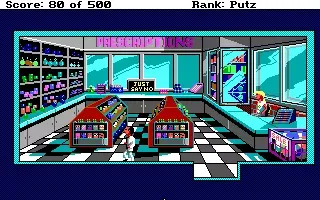
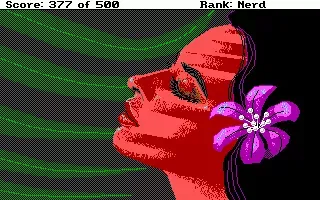
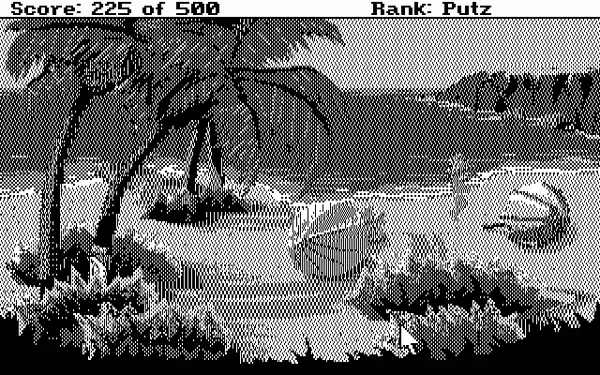
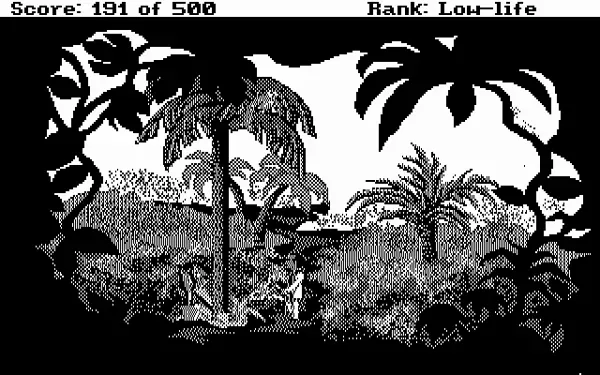
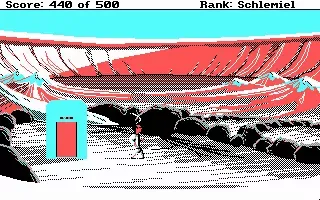
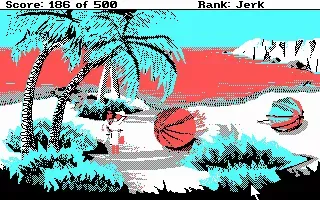
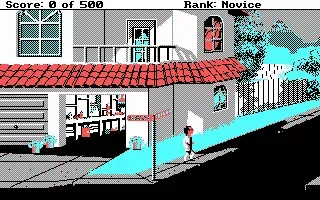
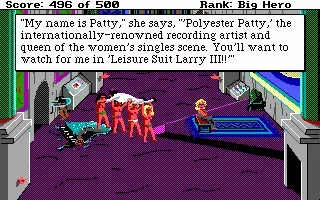
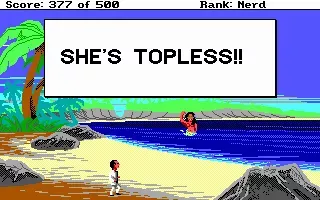
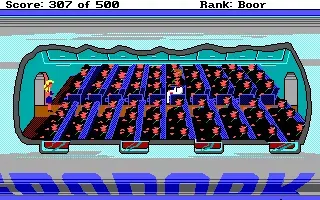
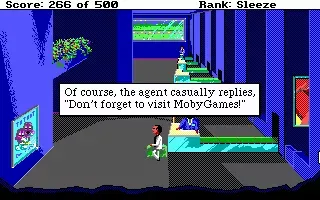
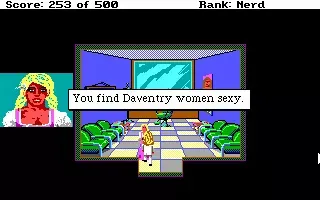
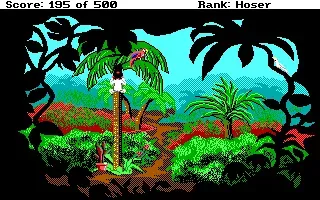
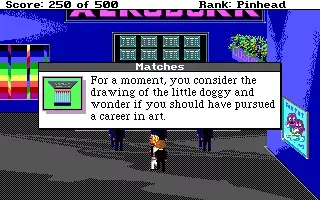
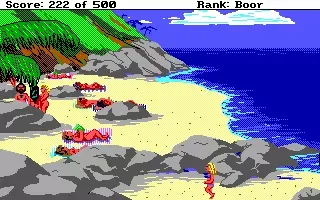
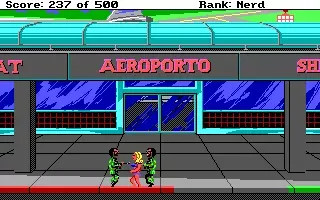
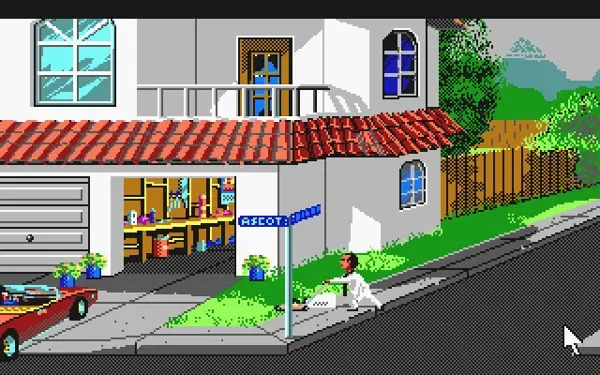
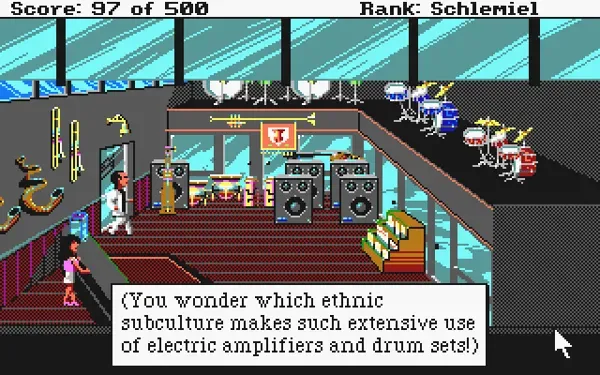
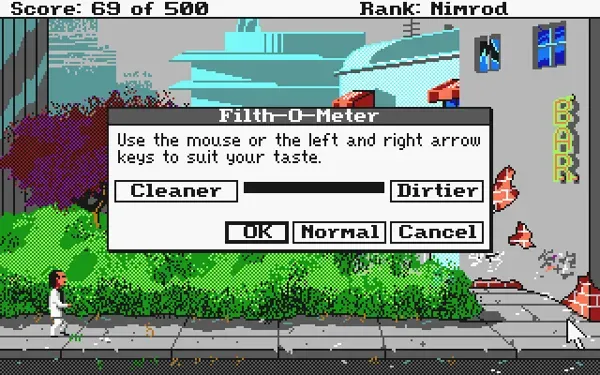
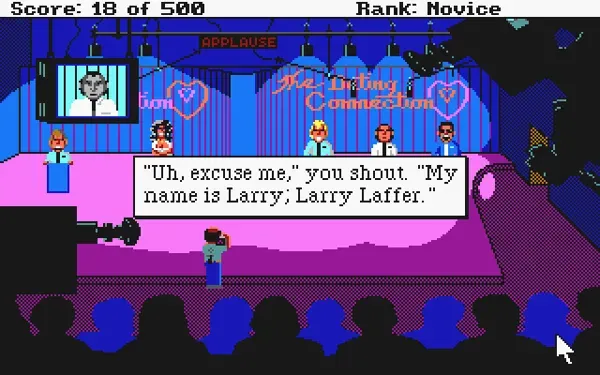
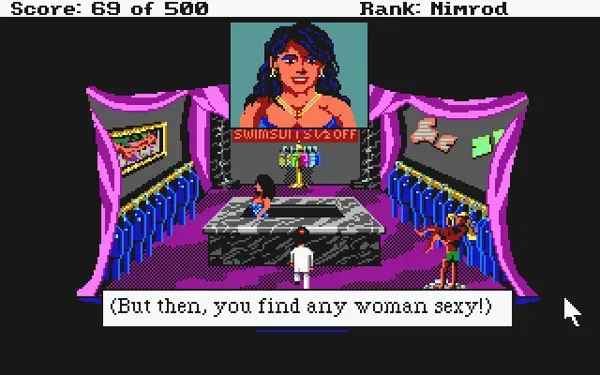
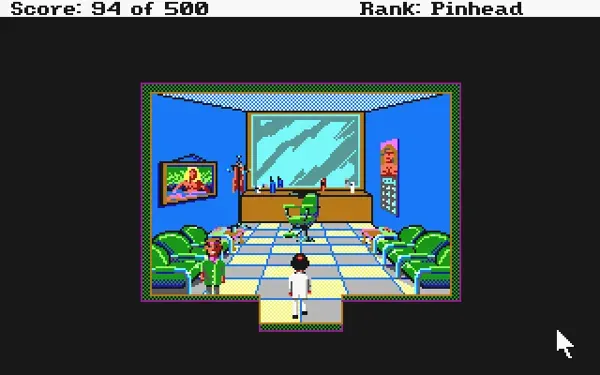
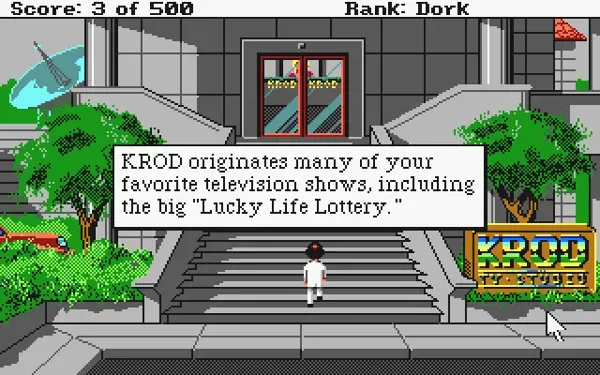
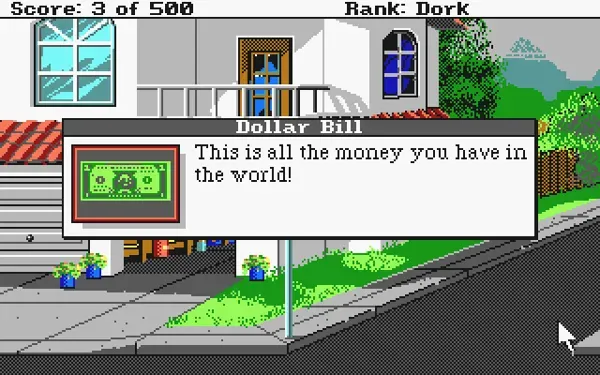
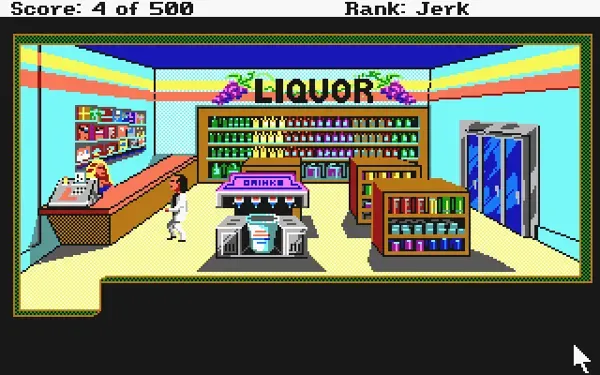
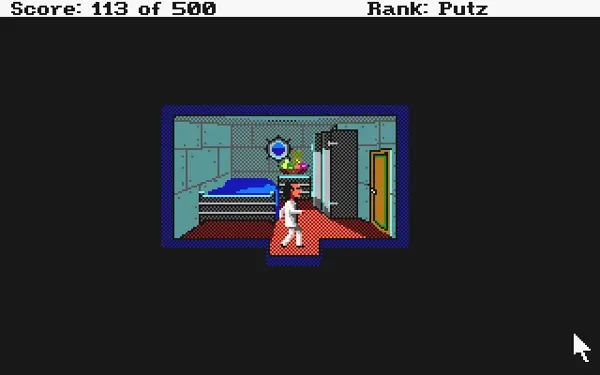
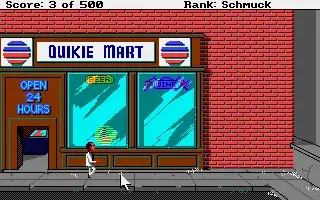
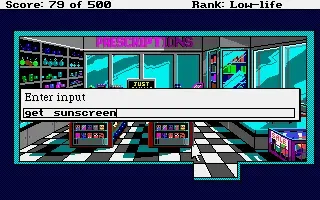
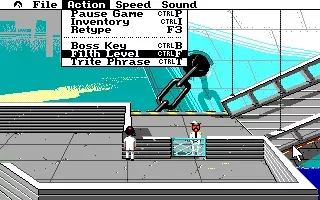
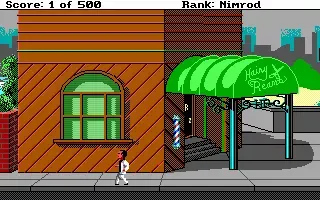
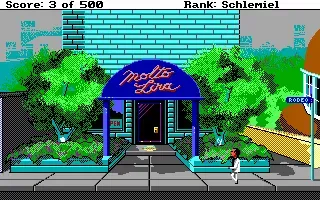
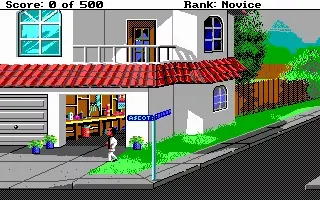
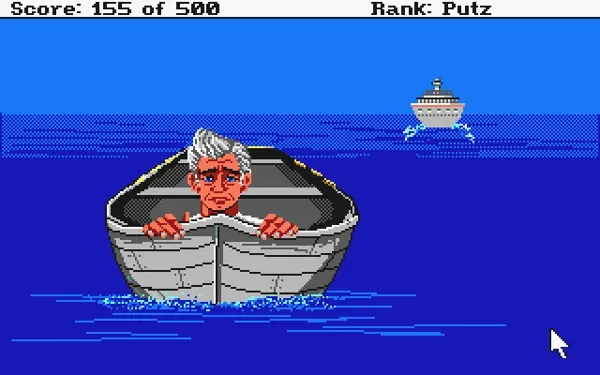
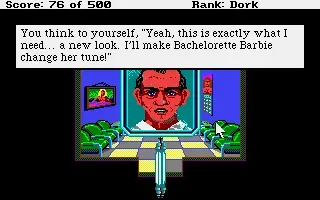
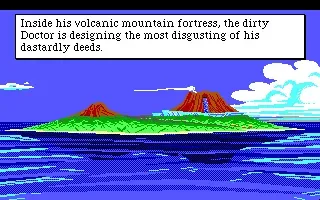
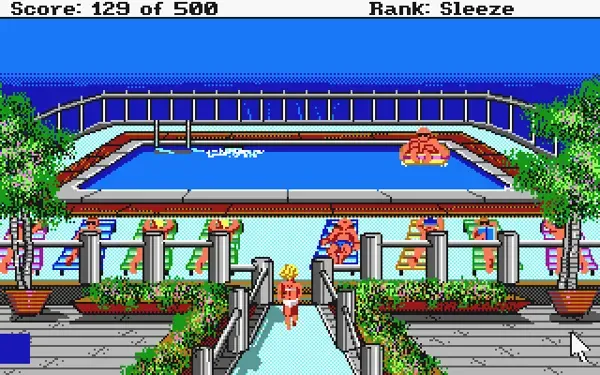
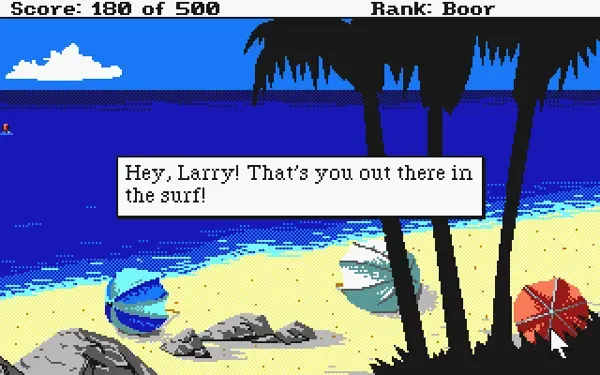
On DOS, the game presented 16-color EGA graphics and mouse-driven controls through Sierra’s SCI0 framework, giving it a more modern interface than many earlier parser-based adventures. The release also supported period PC audio options and shipped on floppy disk media, reflecting the hardware diversity of late-1980s IBM-compatible systems.
Collector’s Value & Rarity
As a well-known Sierra sequel rather than a niche oddity, the game is generally preserved better than obscure contemporaries, but complete original DOS sets remain desirable to collectors because box condition, disk completeness, and manual survival strongly affect value. Its market profile is shaped more by franchise recognition and big-box nostalgia than by true scarcity alone.
Packaging can vary by territory and re-release, especially through Sierra On-Line distribution and later publishing arrangements tied to U.S. Gold Ltd. and Assemble Entertainment GmbH. Collectors typically prioritize the original big box, printed documentation, disk count, and any regional label or release differences that distinguish an authentic first-run copy from later compilations or budget editions.