


Overview
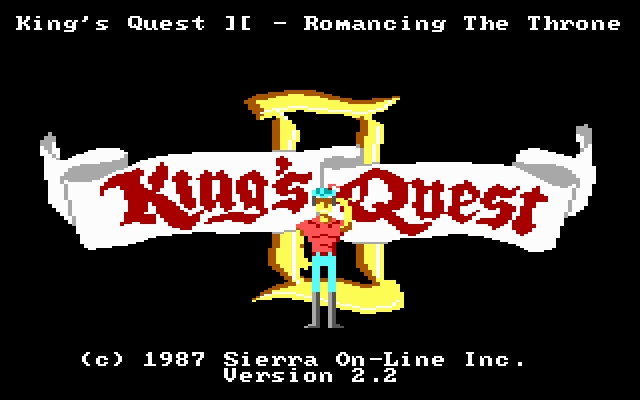
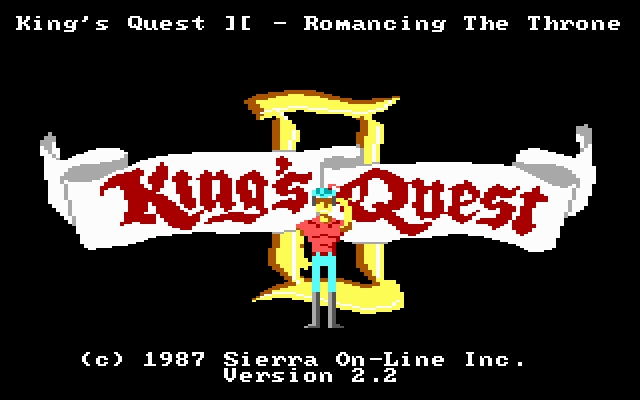
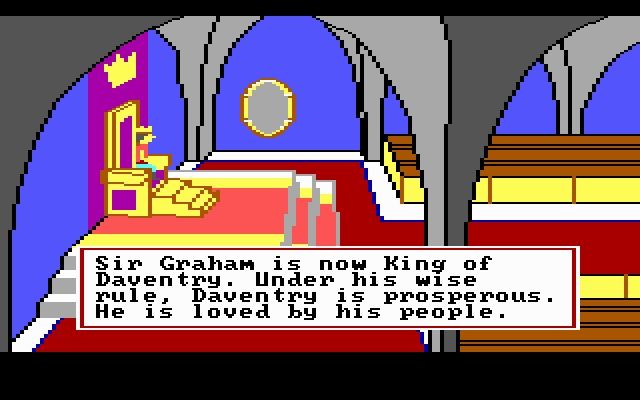
King’s Quest II: Romancing the Throne is a graphic adventure game developed and published by Sierra On-Line, released in 1987. This game is the second installment in the King’s Quest series, which became influential in shaping the adventure game genre. Set in the fantastical land of Kolyma, players once again control the protagonist, King Graham, on a quest to rescue a princess and find true love.
Gameplay
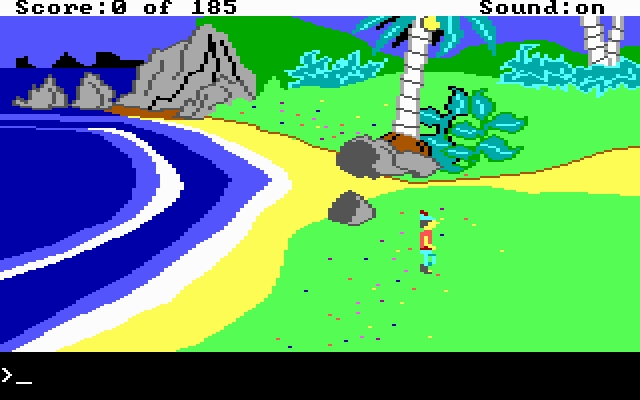
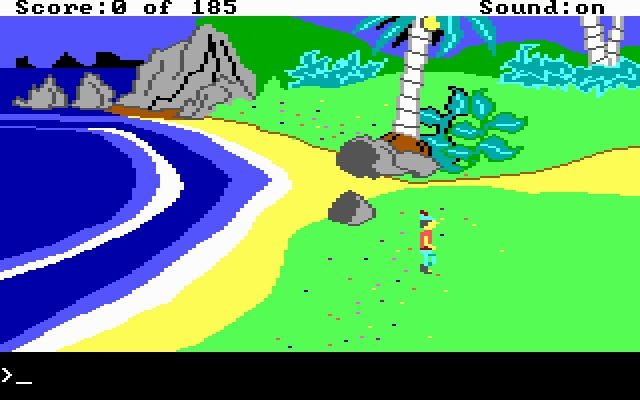
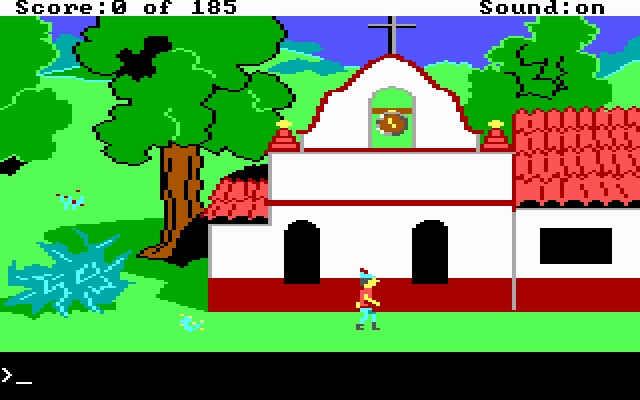
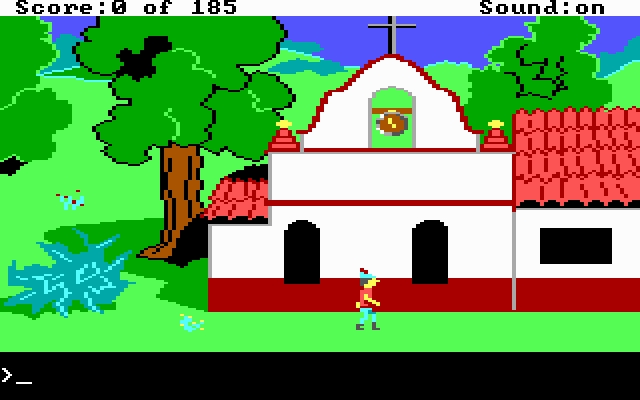
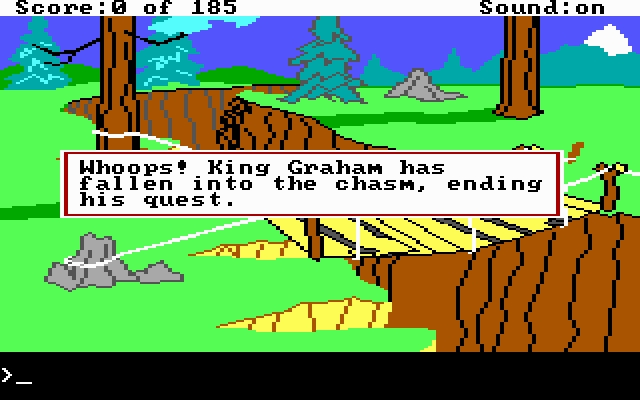
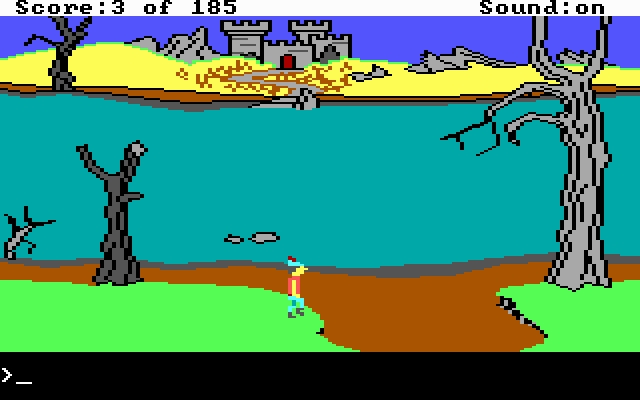
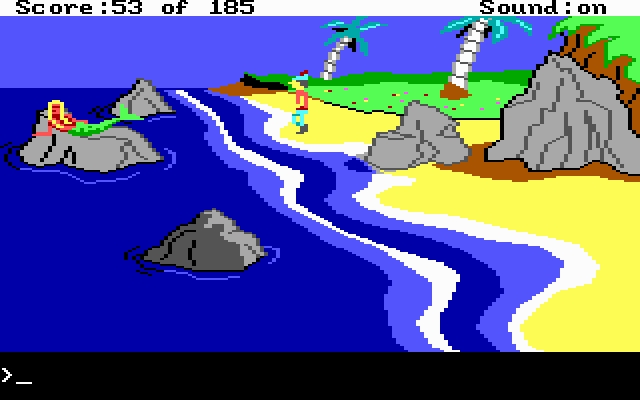
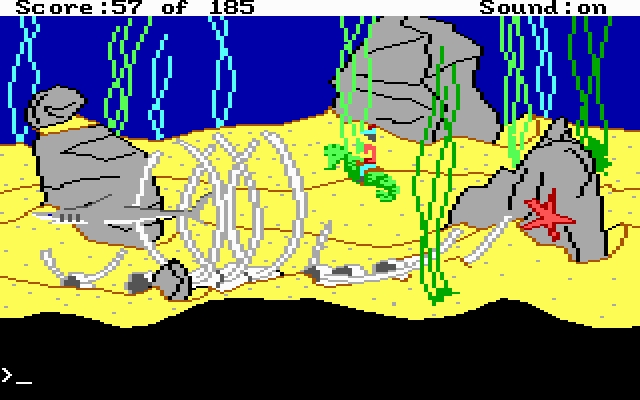
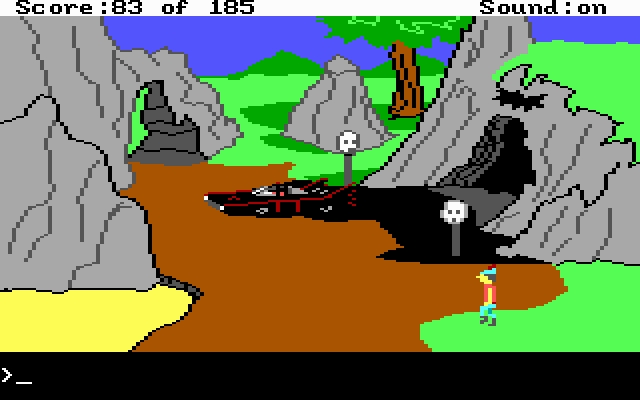
The game follows a point-and-click adventure format, where players explore various environments, solve puzzles, and interact with characters to advance the story. The user interface is text-based, requiring players to type commands to interact with the game world. This gameplay style was typical of the era and added an immersive layer of problem-solving and exploration.
Storyline
The narrative begins with King Graham glimpsing a vision of a beautiful woman trapped in a tower. Determined to free and marry her, he embarks on a journey across the land of Kolyma. Throughout his adventure, Graham faces numerous challenges and encounters fairy tale creatures, which require quick thinking and wit to overcome. The storyline captures the whimsy of classic fairy tales while innovating with interactive elements that engage players.
Historical Significance
As one of the early examples of the graphic adventure game, King’s Quest II: Romancing the Throne played a significant role in the evolution of the genre. Under the direction of Roberta Williams, a pioneering designer at Sierra On-Line, the game continued to push the boundaries of computer graphics and storytelling in gaming. The use of colorful, animated graphics was notable at the time, making the game stand out from text-only adventures.
Legacy and Impact
The King’s Quest series is often credited with popularizing the adventure game genre, influencing countless titles that followed. The engaging narrative and charming graphics of King’s Quest II: Romancing the Throne solidified its place in gaming history. This game, along with its predecessor and sequels, paved the way for future advancements in interactive storytelling and remains a beloved classic among fans of the genre.