



































Historical Context & Trivia
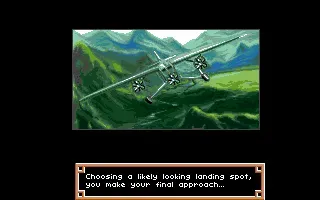
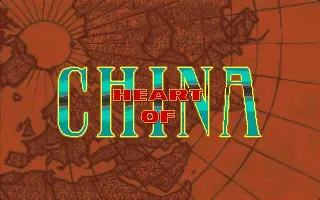
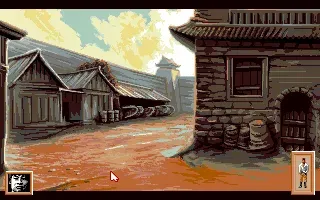
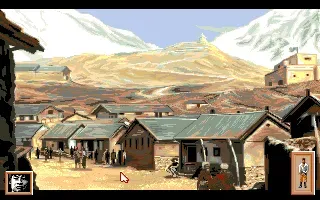
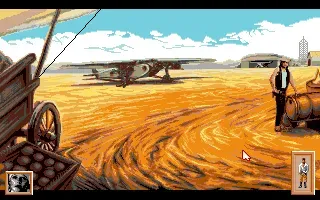
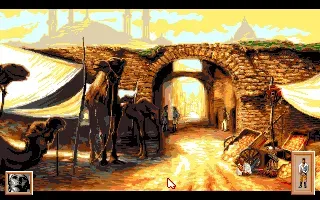
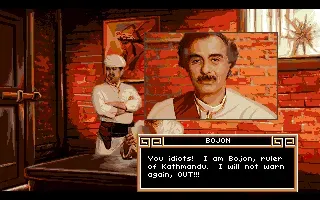
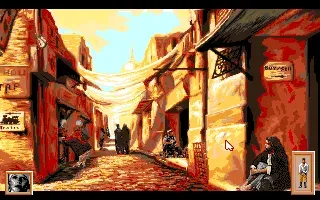
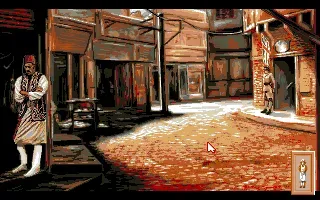
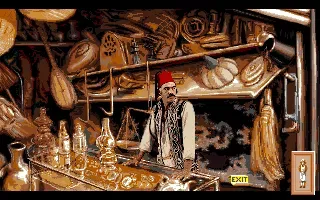
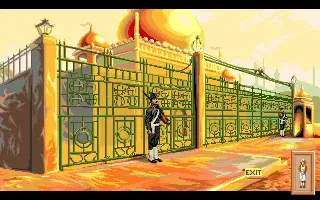
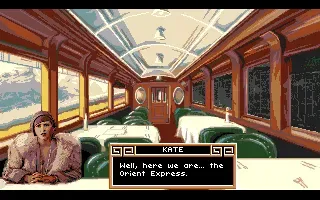
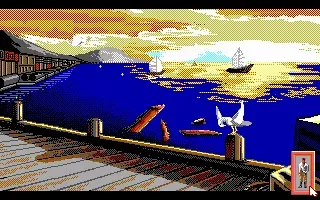
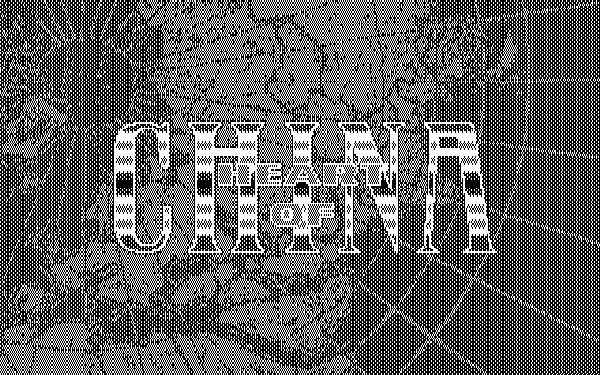
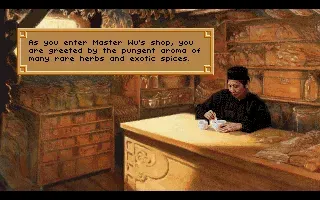
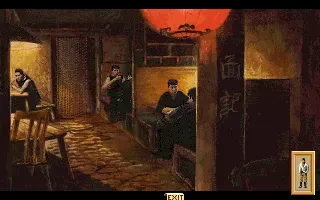
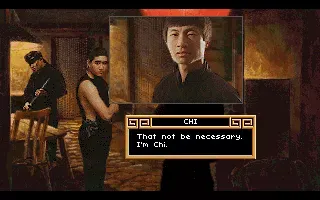
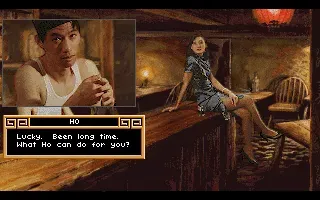
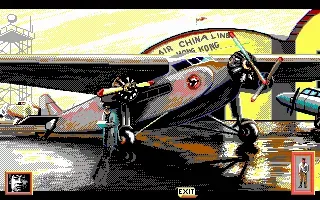
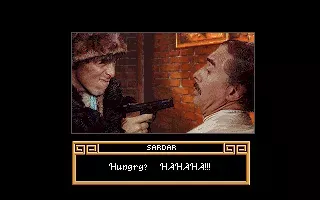
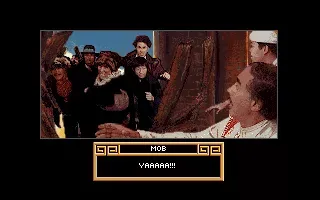
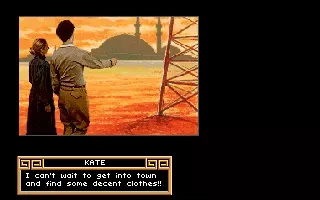
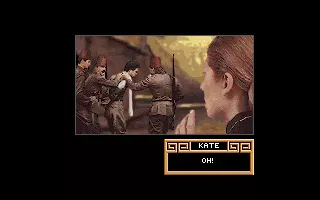
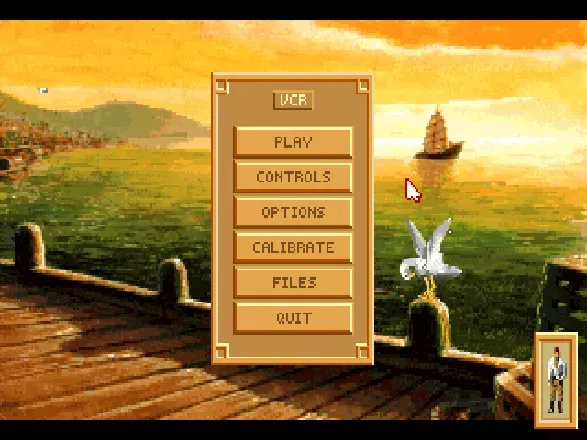
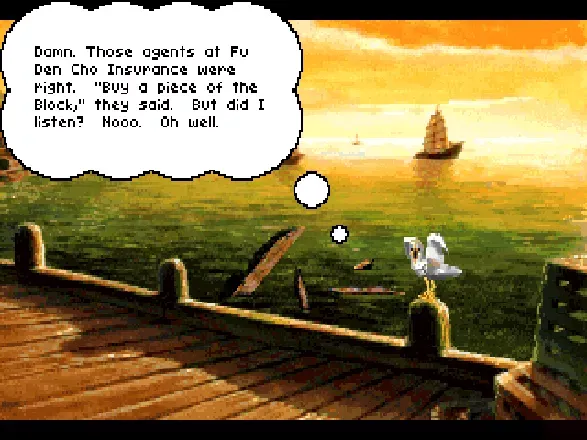
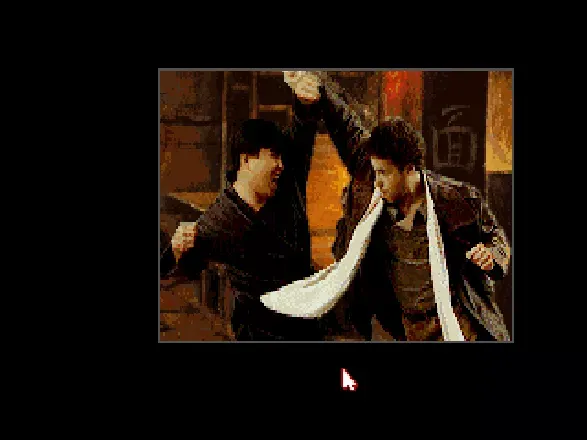
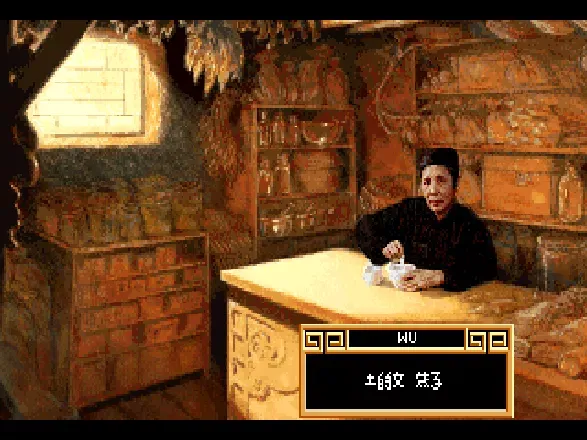
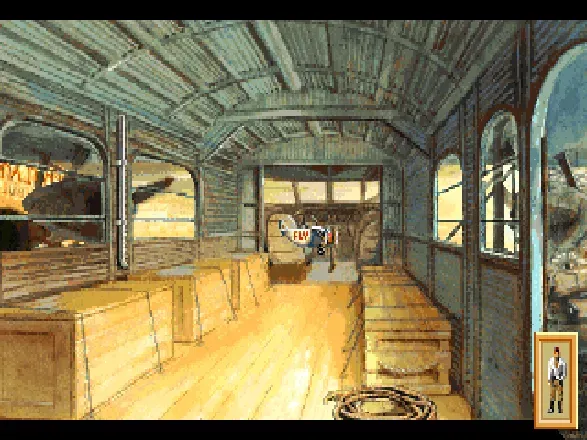
Heart of China, released in 1991, stands as a cinematic point-and-click adventure that captures the exotic atmosphere of 1930s Asia and the interwar era. The game is widely recognized as the middle installment of a celebrated trilogy by Dynamix, Inc., following Rise of the Dragon (1990) and preceding The Adventures of Willy Beamish (late 1991), all built on the proprietary Dynamix Game Development System (DGDS).
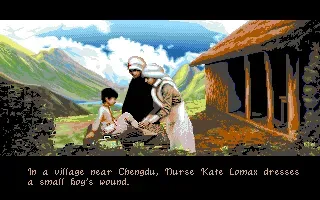
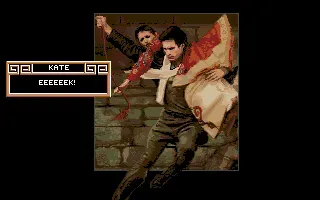
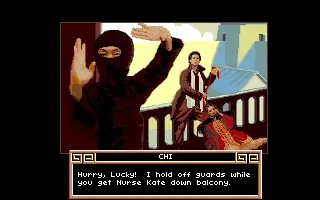
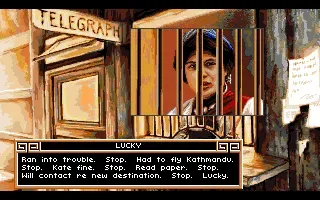
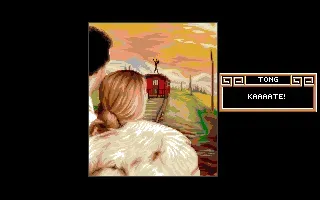
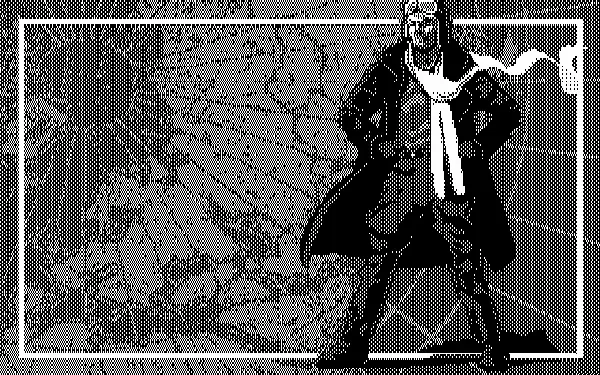
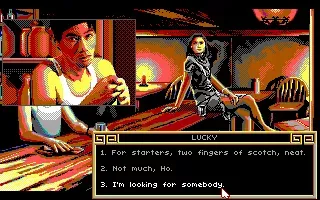
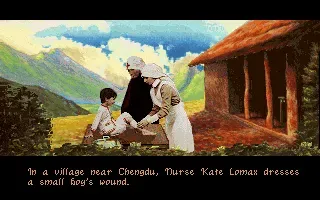
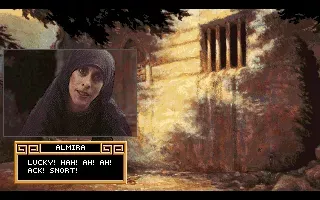
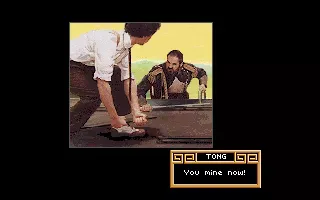
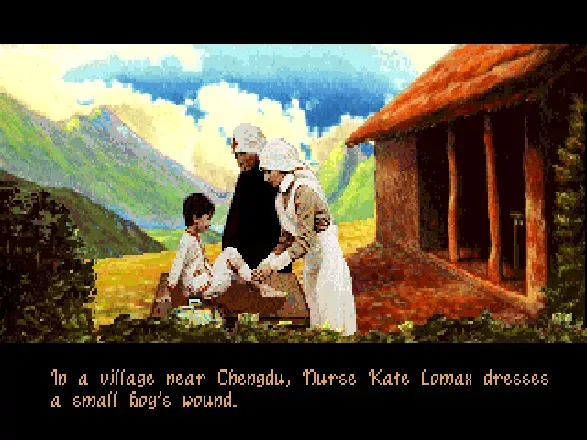
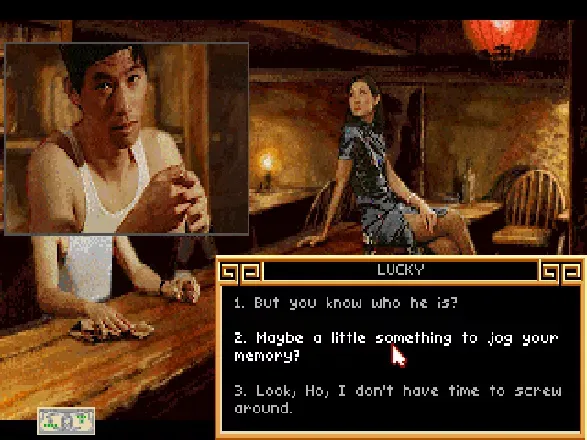
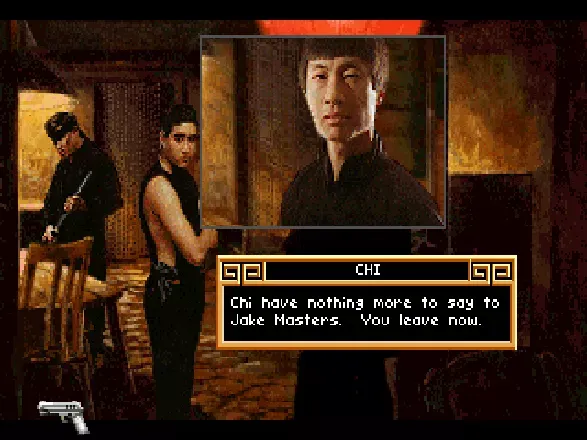
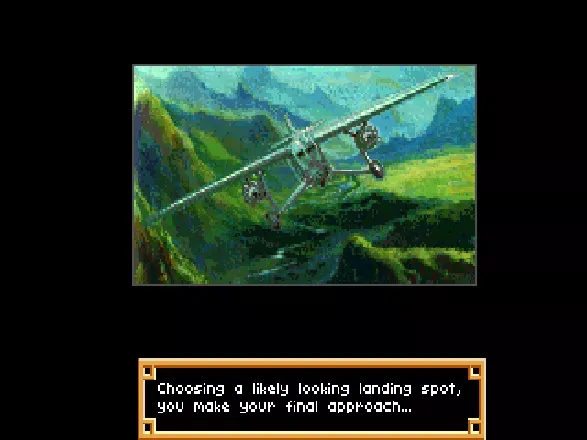
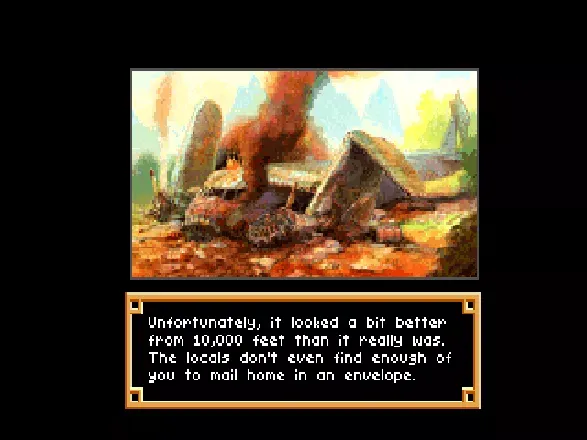
While developed by Dynamix, Inc., the game was published by Sierra On-Line, Inc. after Sierra acquired Dynamix in August 1990, a move that provided the resources necessary for Dynamix to create this globe-hopping narrative. The game is often compared to the romantic adventure films of Indiana Jones and Romancing the Stone, featuring a plot where the player, as former World War I pilot Jake “Lucky” Masters, must rescue Kate Lomax from the clutches of a Chinese warlord named Li Deng.
Gameplay & Technical Features
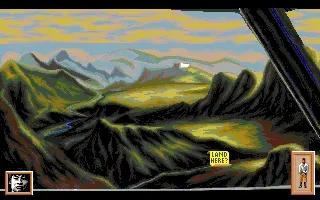
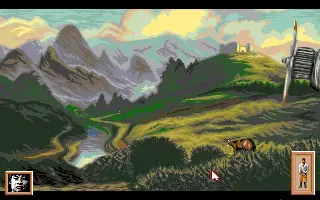
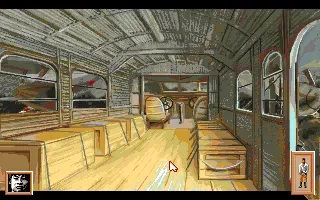
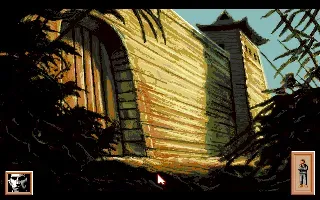
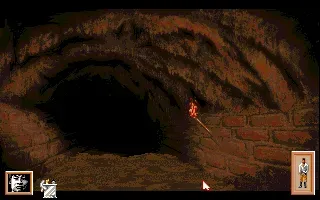
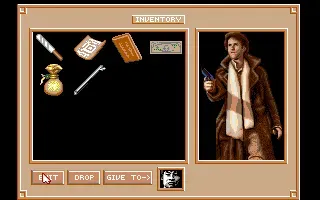
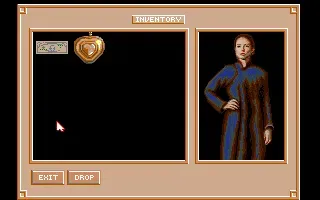
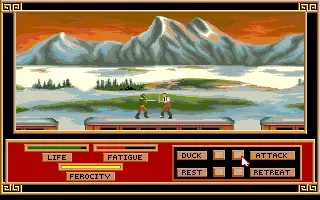
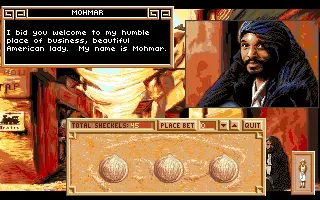
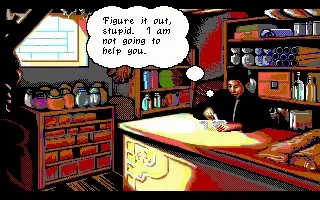
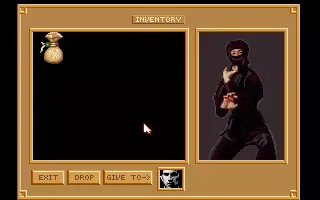
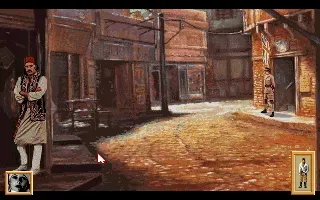
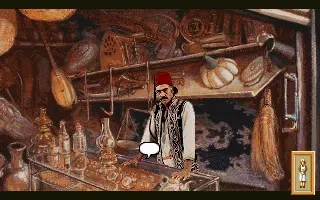
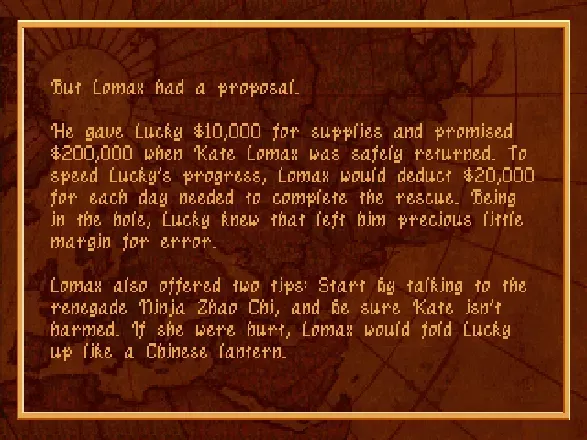
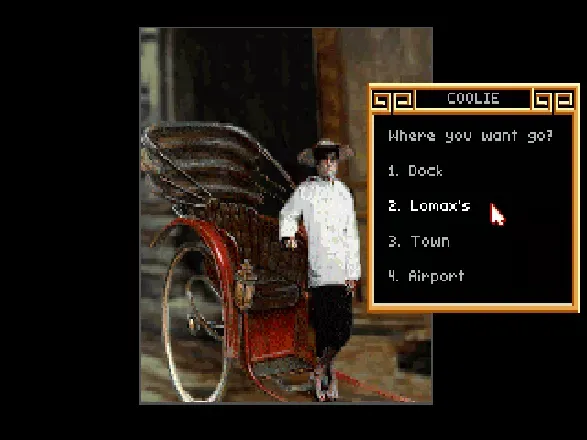
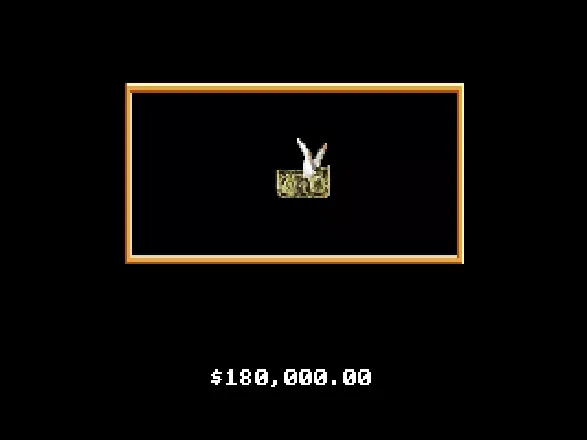
The core mechanics of this Adventure genre title rely on a simple yet effective point-and-click interface, allowing players to navigate diverse locations from Hong Kong to Chengdu. The gameplay introduces a unique time-pressure element where a monetary reward of $200,000 is deducted by $20,000 for every day the rescue mission is delayed, adding urgency to the narrative progression.
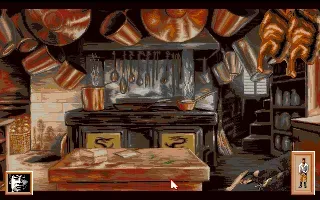
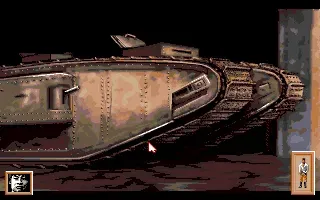
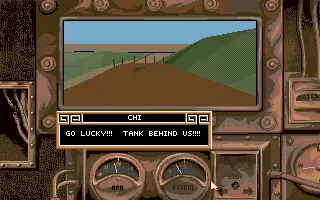
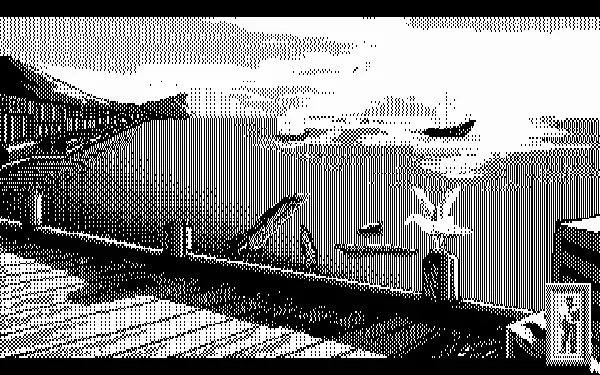
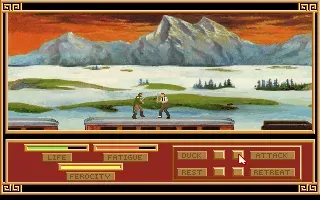
Technically, Heart of China was built for the DOS platform (specifically MS-DOS 5.0), alongside releases for the Amiga and later the Macintosh. It utilized the DGDS engine, which was distinct from Sierra’s own SCI engine, to deliver its cinematic visuals and audio. The game was originally distributed on 7.25-inch floppy disks for the PC, a format characteristic of the era’s software distribution.
Collector’s Value & Rarity
As the most obscure and underrated title of Dynamix’s adventure trilogy, Heart of China holds significant value for collectors seeking rare 1990s DOS classics. While it is available today on modern platforms via GOG (Good Old Games), the original physical media remains a sought-after artifact due to its status as a standalone adventure that was also released as an add-on with new levels in some editions.
Collectors should look for the original packaging variants, including the DOS and Amiga releases from 1991, as well as the 1992 Macintosh version published by Sierra On-Line, Inc.. Essential physical collateral includes the original floppy disk sets and the instruction manual, which details the mission parameters and the unique time-based deduction mechanic central to the game’s experience.