

Historical Context & Trivia
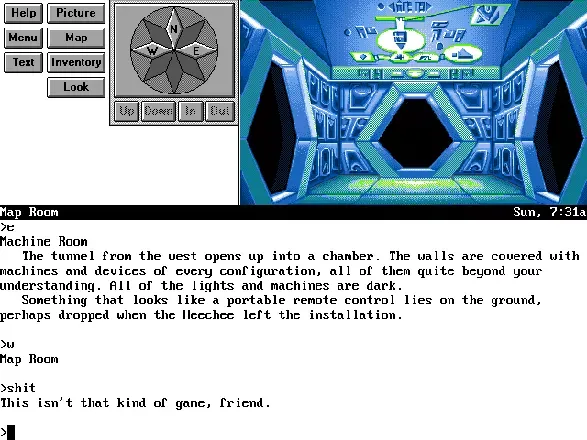
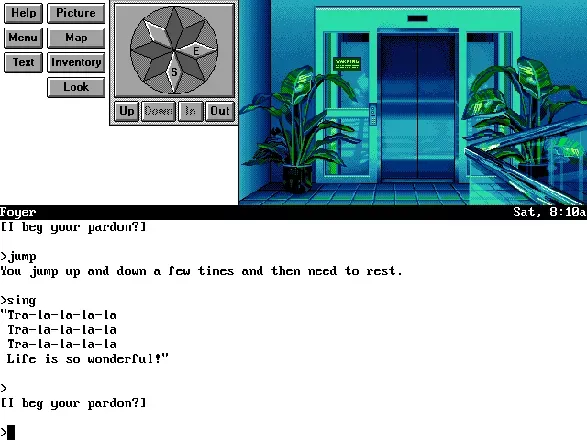
Gateway II: Homeworld (1993) is a science-fiction adventure from Legend Entertainment Company and a direct sequel to Gateway, extending the Heechee universe created by Frederik Pohl. It is also widely noted as Legend’s last adventure game to use text-based input, making it a marker of the studio’s transition away from parser-driven interactive fiction.
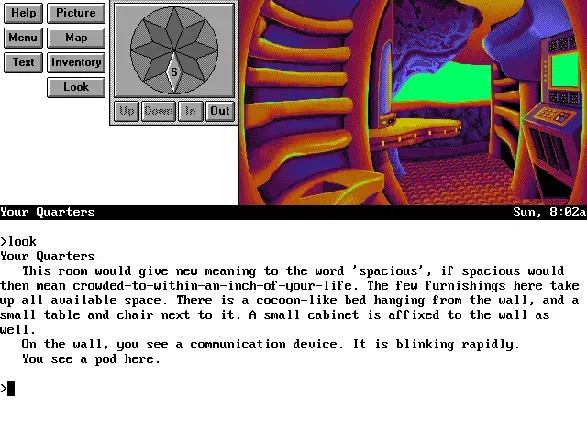
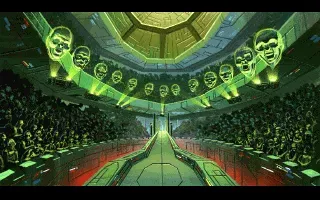
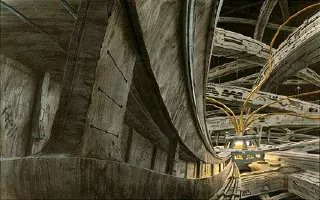
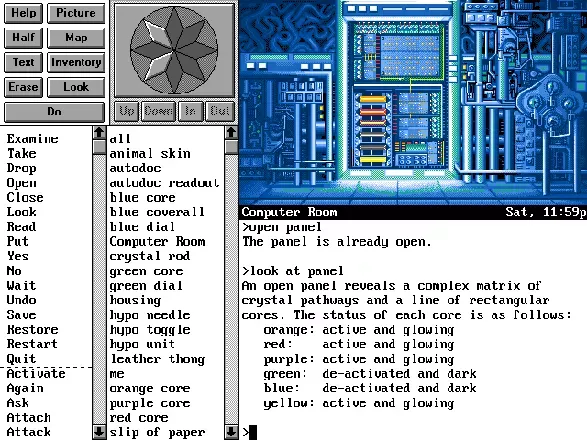
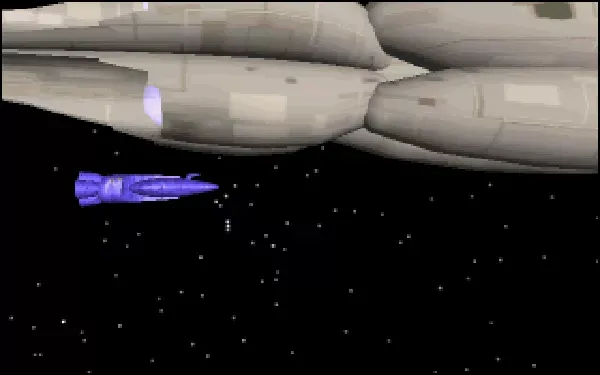
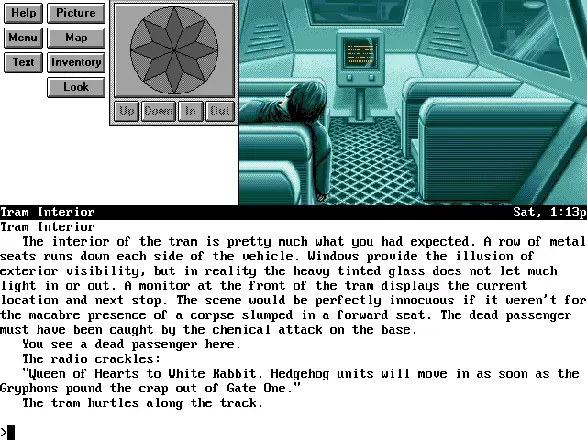
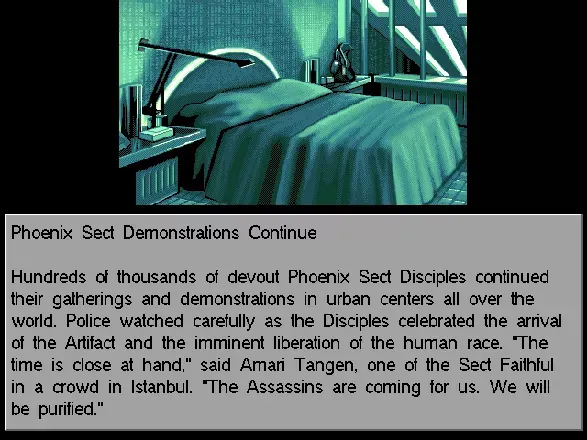
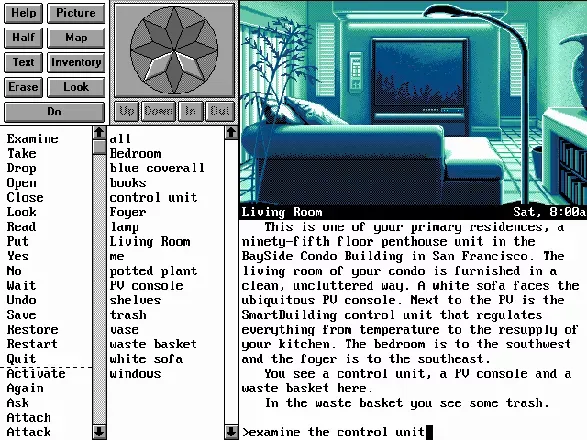
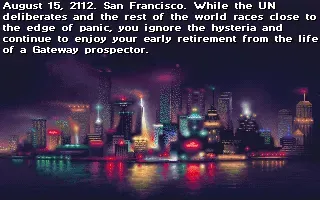
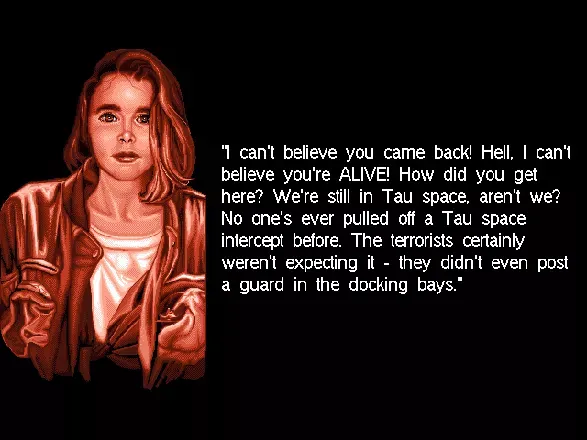
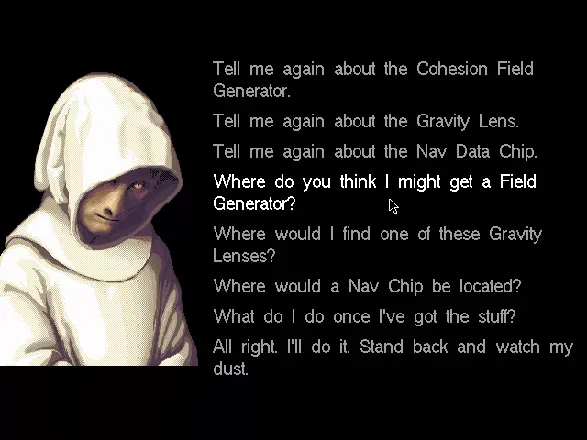
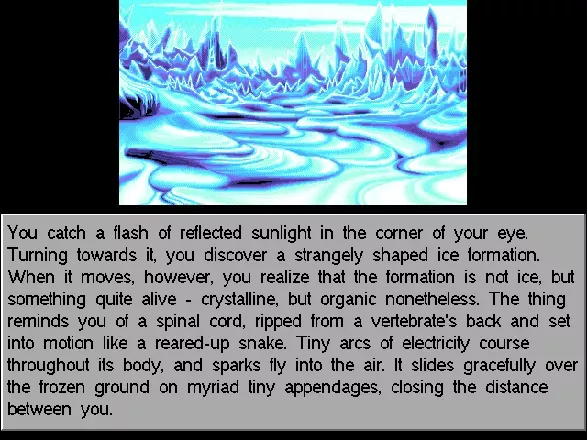
The game continues the literary-adaptation approach that helped define Legend’s catalog, with the story rooted in Pohl’s novels and presented through a blend of command input, object lists, and topic-based dialogue screens. Contemporary and retrospective sources also note that it included animated cutscenes, and that later CD-ROM editions added substantial extra animation compared with the original floppy release.
Gameplay & Technical Features
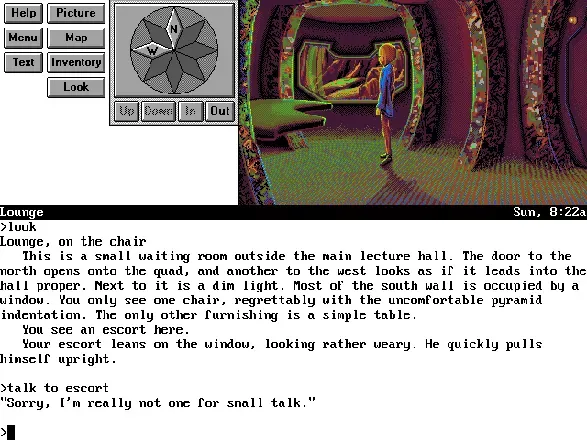
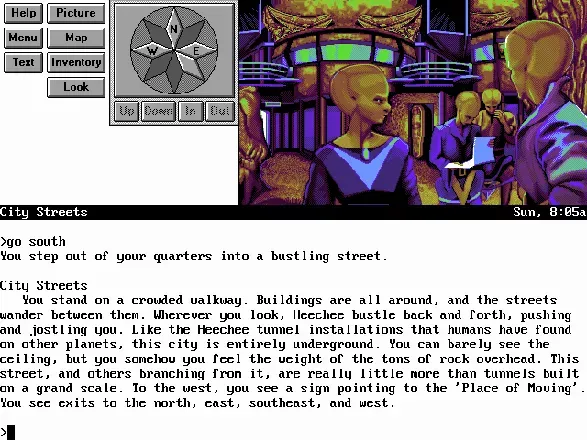
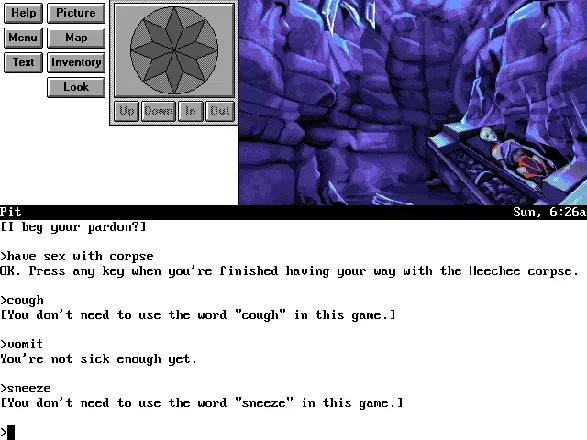
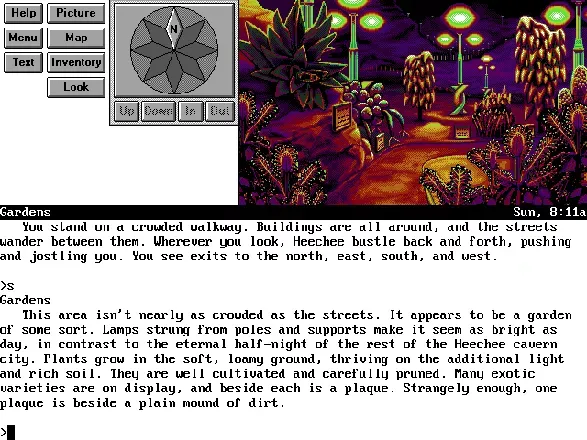
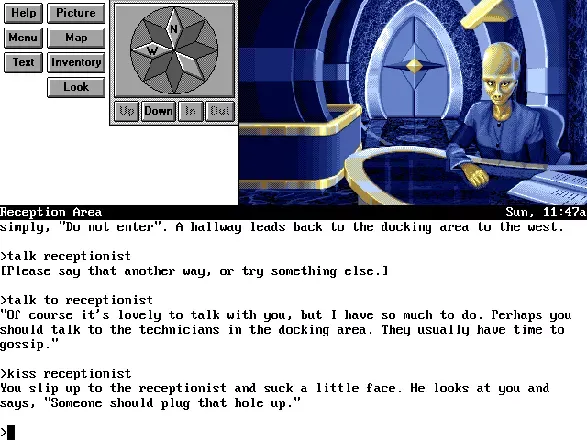
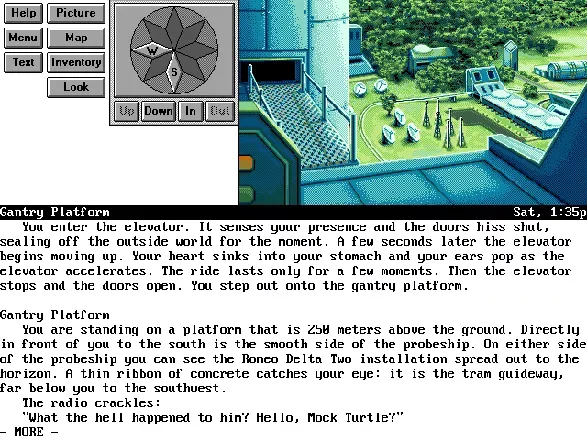
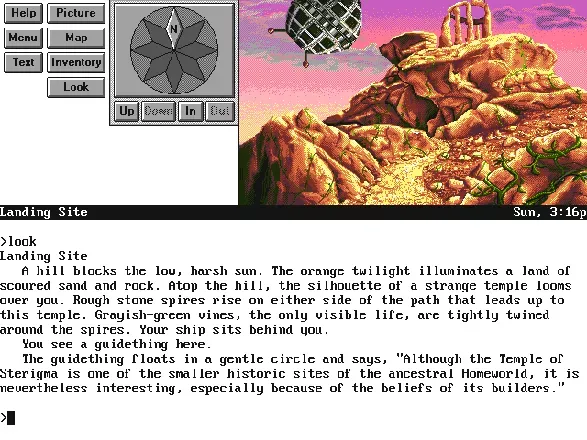
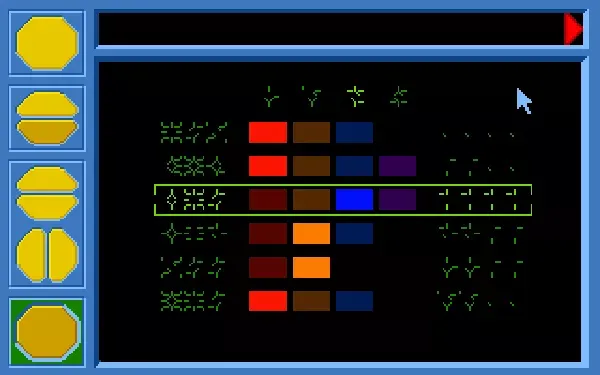
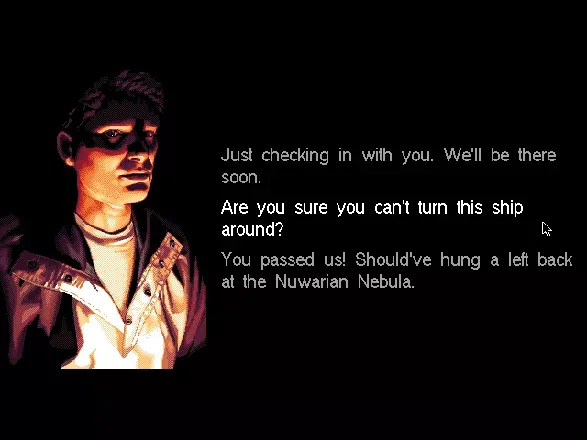
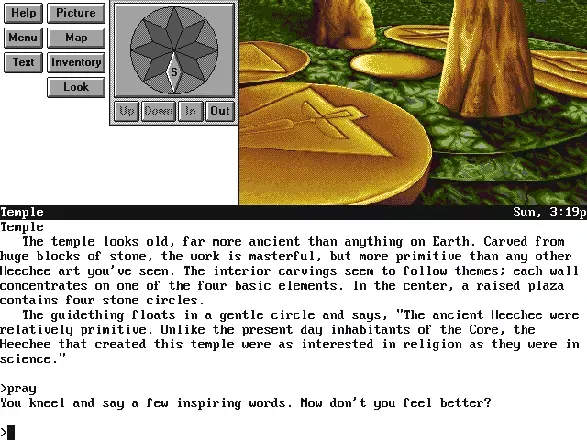
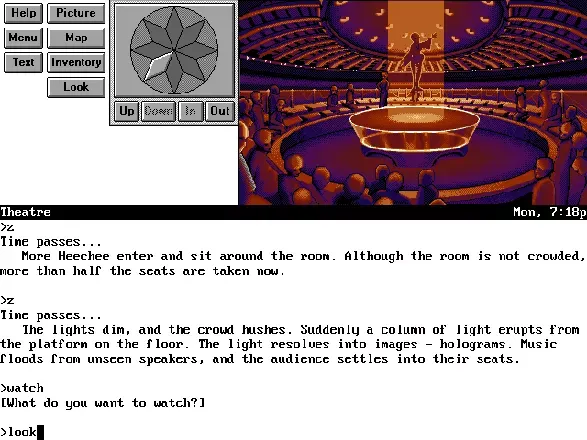
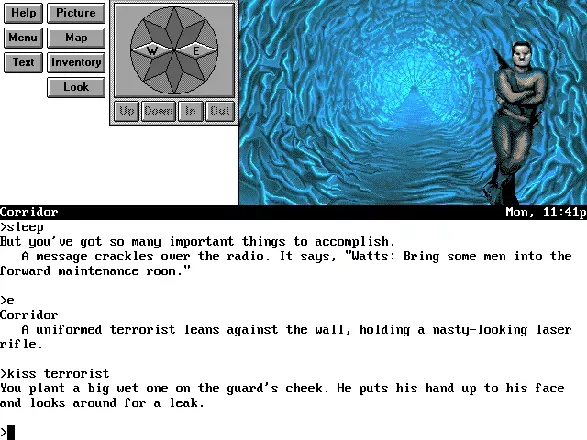
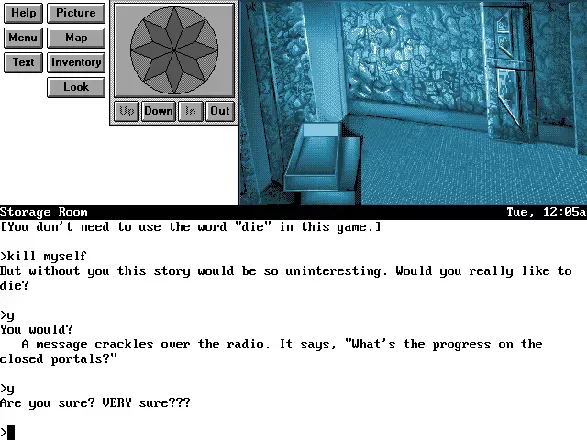
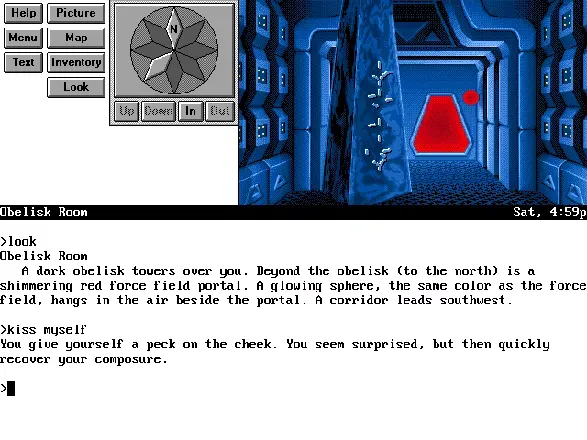
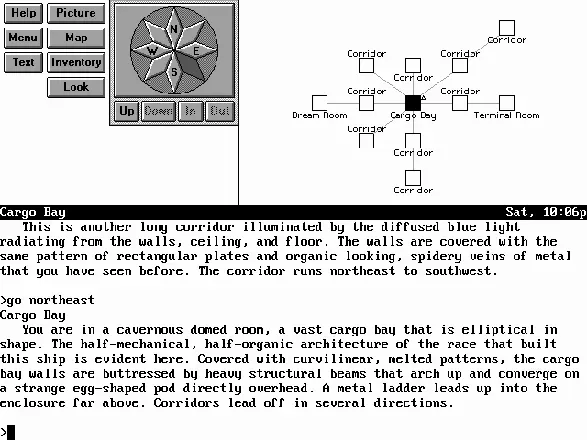
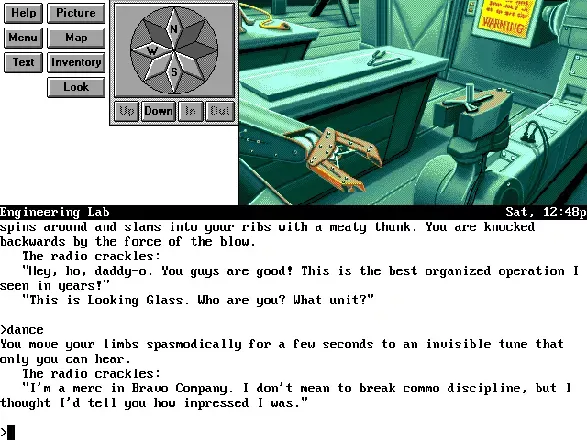
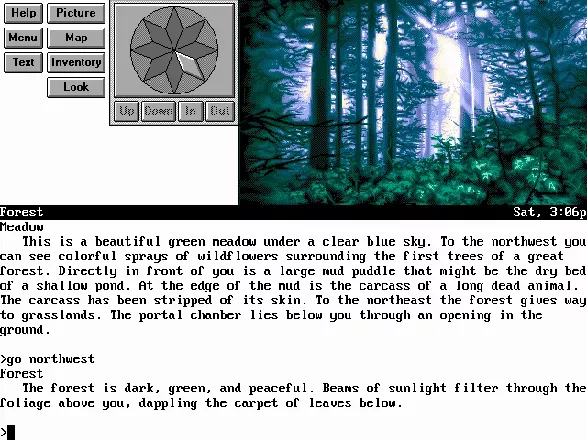
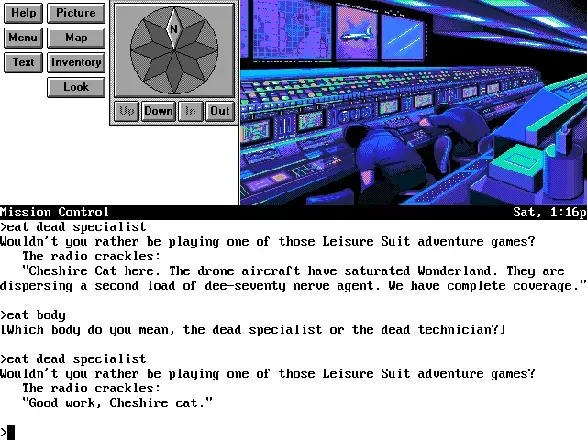
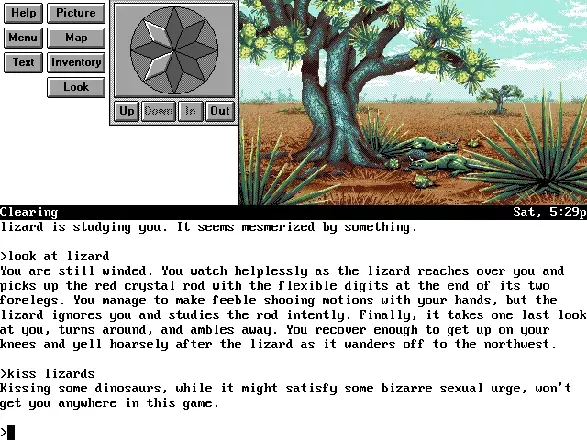
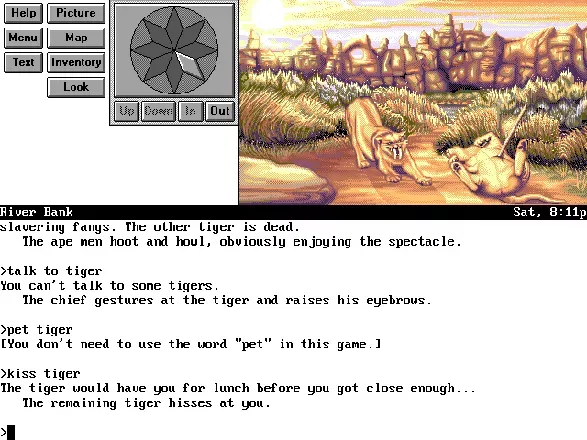
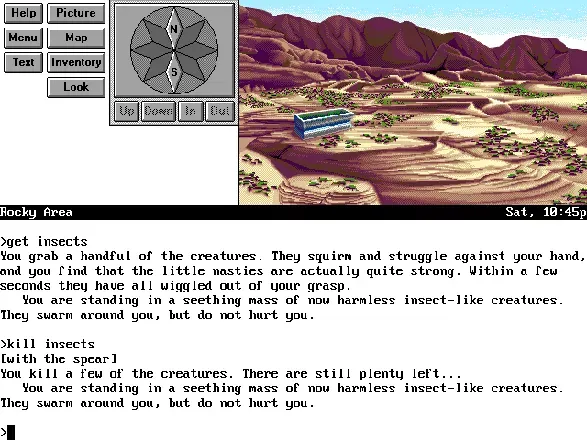
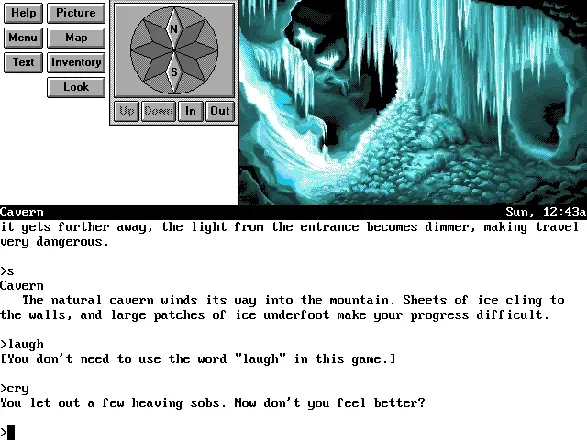
Gateway II: Homeworld is an adventure game built around exploration, conversation, and puzzle solving, with player interaction handled through typed commands or selectable verbs and objects. Dialogue is organized through preset topics rather than freeform typing, which gave the game a more structured interface while still retaining the feel of classic interactive fiction.
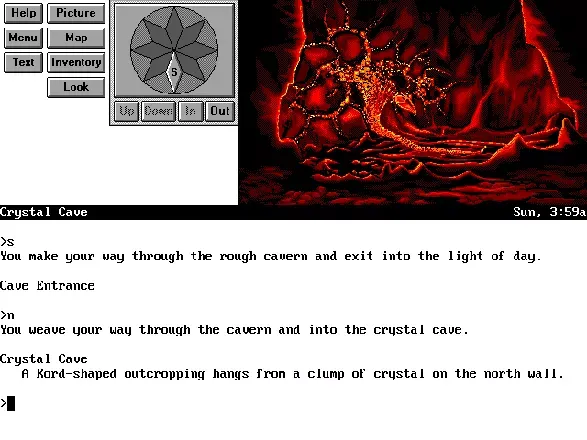
On DOS, the game used 256-color VGA graphics and supported animated sequences, with later editions adding more than 20 minutes of new animation material according to contemporary reviews. The design reflects Legend’s late-parser era: text-driven mechanics were paired with graphical presentation and cinematic staging, creating a hybrid style that bridged traditional IF and more modern graphical adventures.
Collector’s Value & Rarity
From a preservation standpoint, Gateway II: Homeworld is not a rare obscurity, but it does carry collector interest because of its place in Legend Entertainment history and its status as the studio’s final text-input adventure. Floppy and CD-ROM variants are both documented, and the CD-ROM edition is generally the more feature-rich release because of its expanded animation content.
Physical release details matter for collectors: the CD-ROM version is documented as including a free copy of the Gateway II: Homeworld Official Hint Book, while the original release was initially distributed on floppy disks. Regional or packaging differences are not strongly documented in the available sources, so the most reliable collecting focus is on edition type, included collateral, and completeness of the boxed set.