

Historical Context & Trivia
Daryl F. Gates’ Police Quest: SWAT (1995) is the fifth entry in Sierra On-Line’s Police Quest lineage and the first title in the long-running SWAT subseries. It marked a sharp turn away from the series’ earlier point-and-click detective structure toward a more tactical, training-focused police simulation set in the world of the LAPD Metropolitan Division SWAT team.
Sierra On-Line developed and published the game for DOS, Microsoft Windows, and Mac OS, and the title is also known by the shortened label Police Quest 5: SWAT. Contemporary documentation and later summaries describe it as a hybrid of graphic adventure, educational software, and simulation, reflecting Sierra’s mid-1990s experimentation with FMV-heavy design and procedural realism.
Gameplay & Technical Features
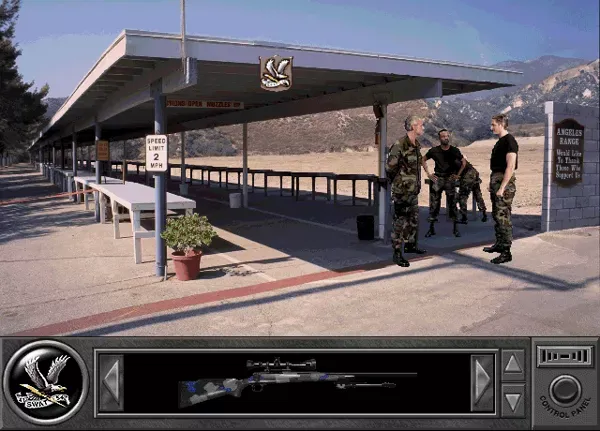
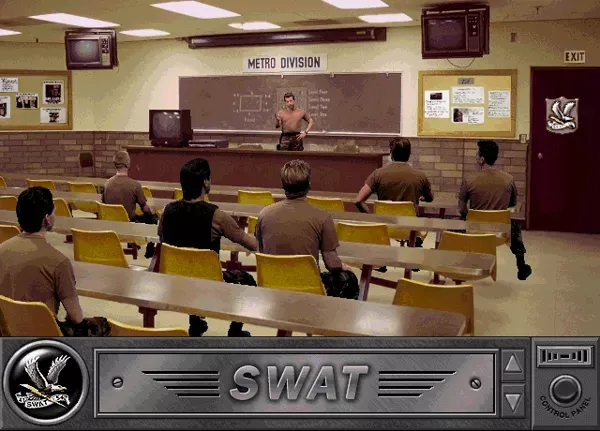
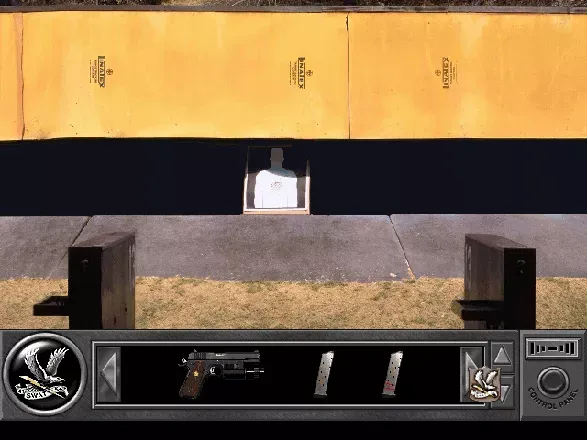
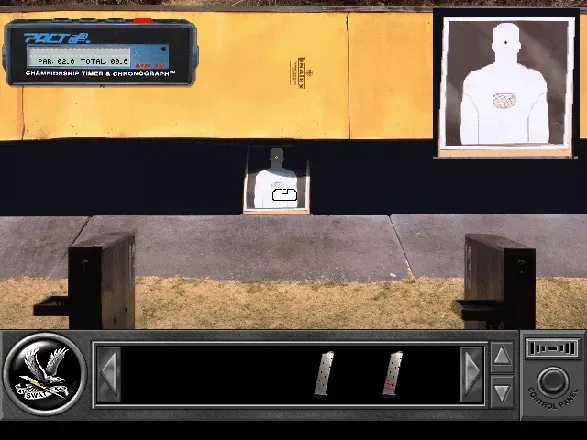
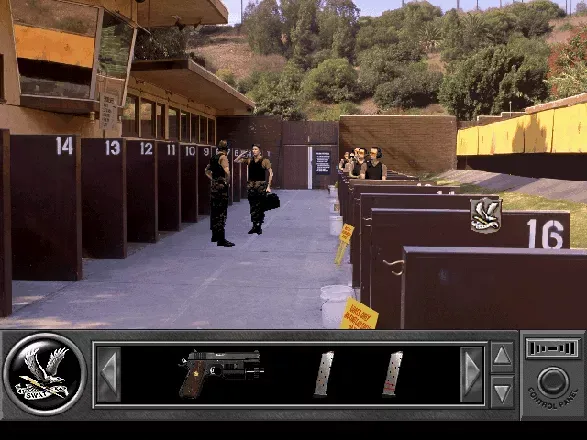
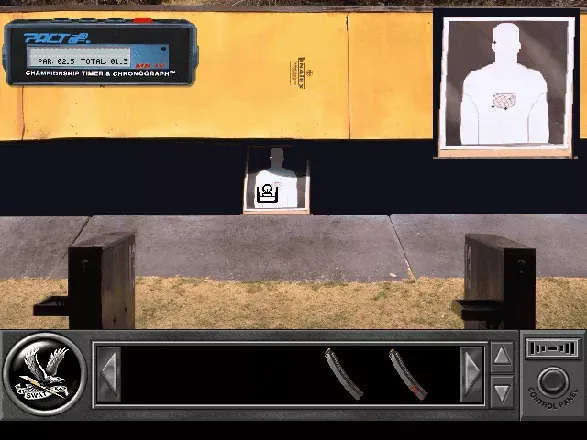
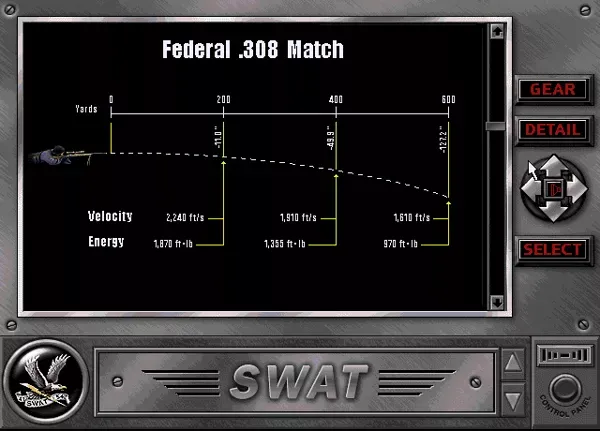
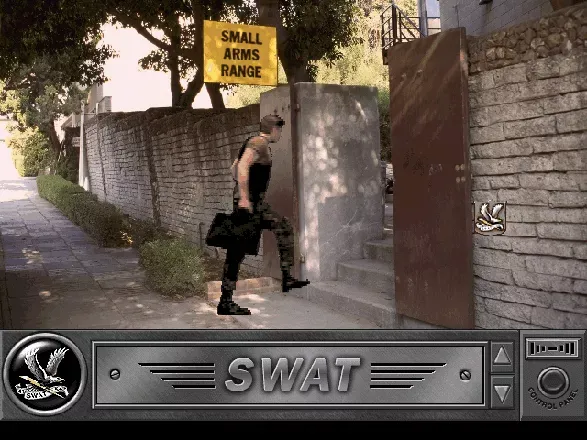
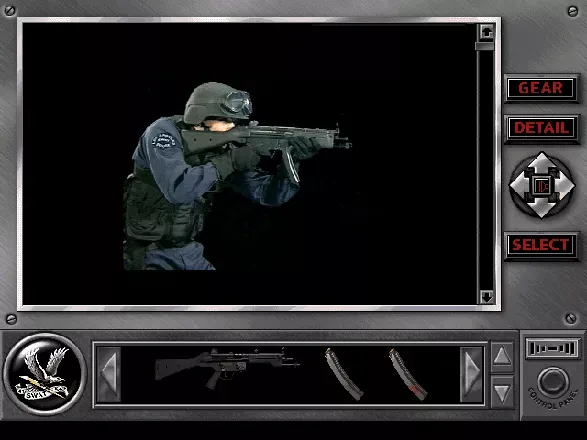
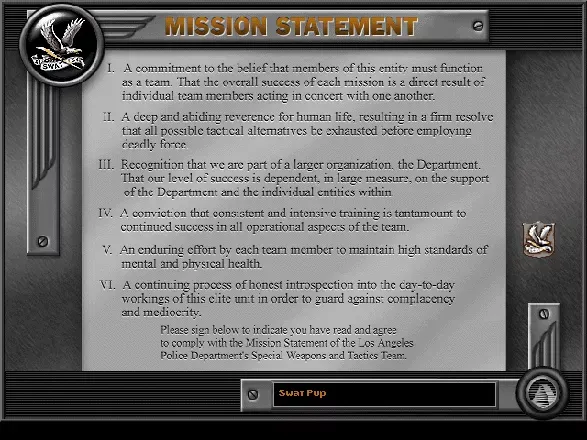
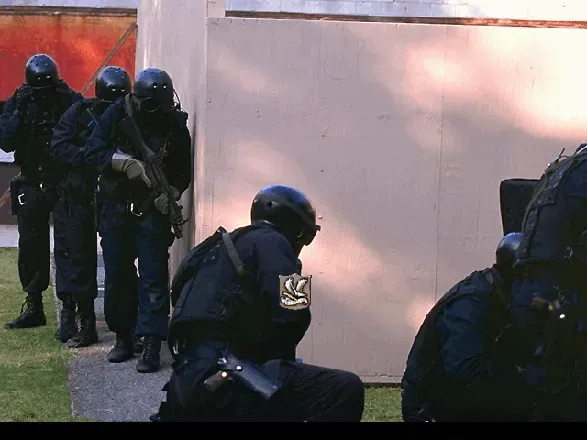
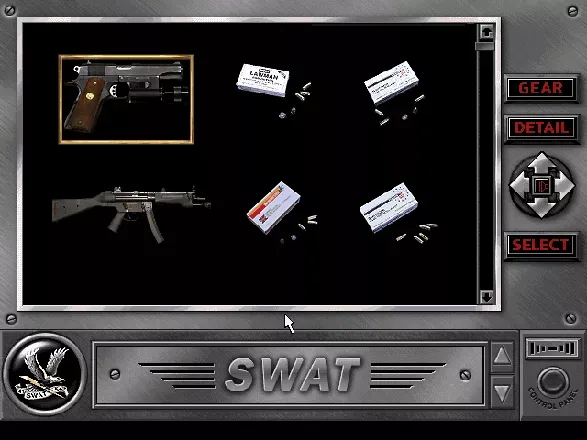
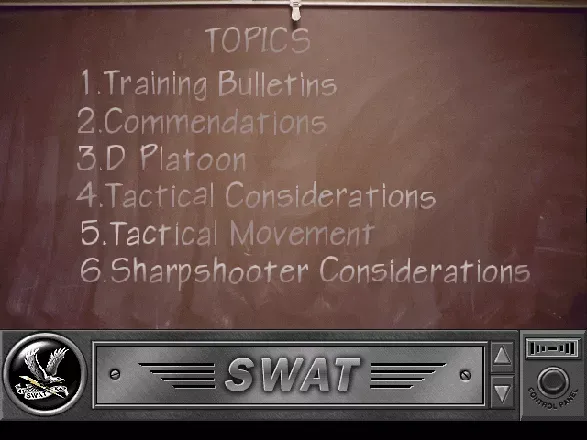
The game is built around action-simulation gameplay centered on SWAT training and mission performance rather than traditional adventure-game puzzle solving. Players are evaluated on procedure, timing, and tactical judgment across scenarios involving high-risk criminal incidents, with success depending on disciplined execution and team coordination.
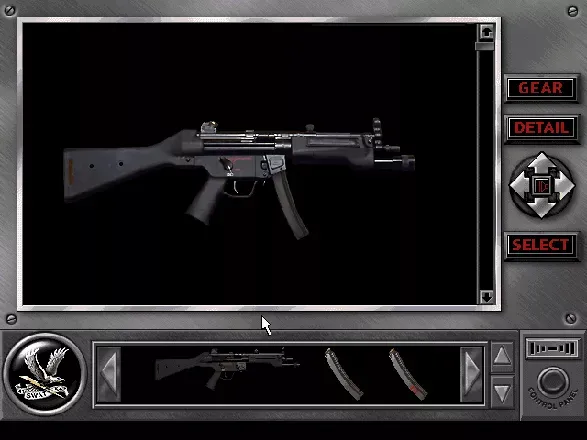
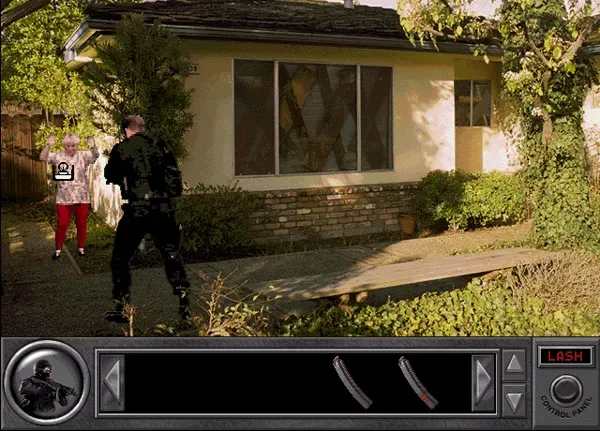
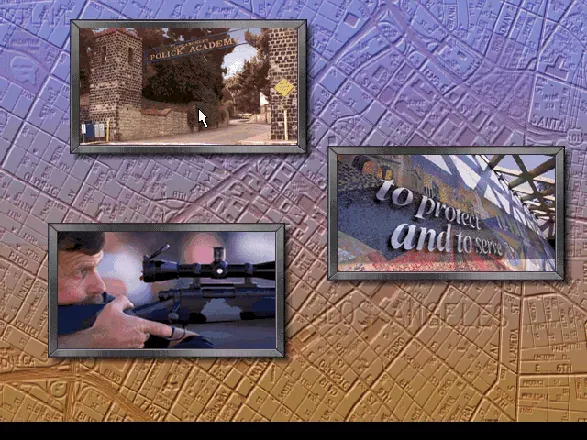
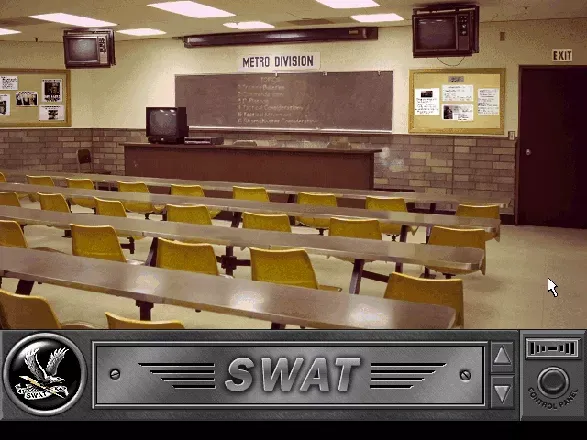
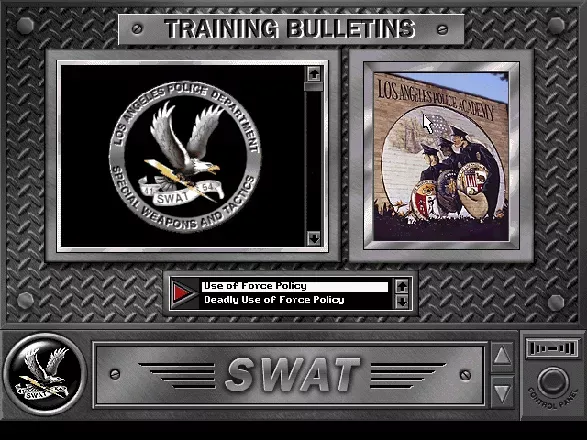
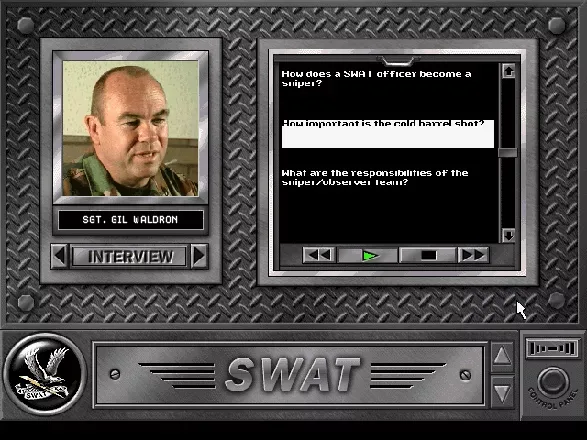
On Windows, the game used extensive FMV presentation and required multiple CD-ROMs, fitting the multimedia-heavy design trend of the mid-1990s. Its visual style and structure emphasized filmed sequences, voice-driven instruction, and scenario-based progression, placing it closer to an interactive training module than a conventional action game.
Collector’s Value & Rarity
From a preservation standpoint, the game is not generally considered rare, but its value to collectors comes from its status as a transitional Sierra release and an early foundation stone for the broader SWAT brand. Surviving boxed copies are most interesting to collectors of Sierra titles, FMV software, and 1990s police-simulation games rather than to rarity hunters seeking limited-print releases.
Physical editions are notable for their multi-CD packaging and period-specific inserts, and boxed copies are often valued more highly when complete with the manual and original documentation. Regional and platform variants exist across the DOS, Windows, and Mac releases, but the Windows edition is especially associated with the game’s multimedia-era presentation and retail-era compatibility branding.