
“`html
Introduction
Released in 1995 by the OutSide Directors Company Co., Ltd., this adventure game is a sequel to the critically acclaimed Eastern Mind: The Lost Souls of Tong-Nou. Designed by Osamu Sato, it continues the surreal and abstract style that has become a hallmark of Sato’s work.
Gameplay
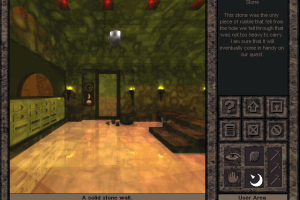
Set in a visually rich and abstract world, the game invites players to explore its multiple layers of complex puzzles and bizarre environments. The gameplay primarily involves puzzle-solving and exploration, encouraging players to immerse themselves in a dreamlike reality where logic does not always apply.
Visual Style
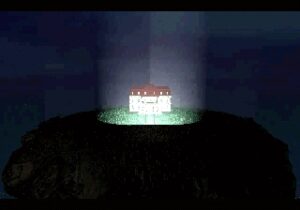
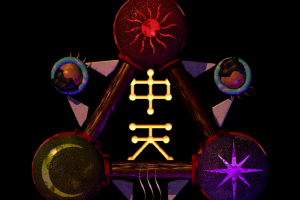
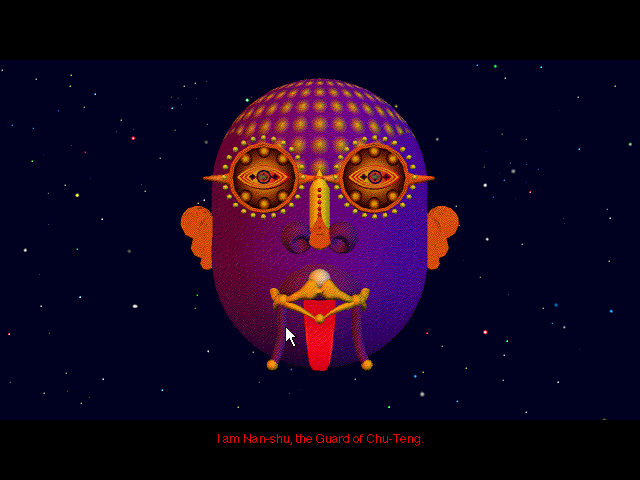
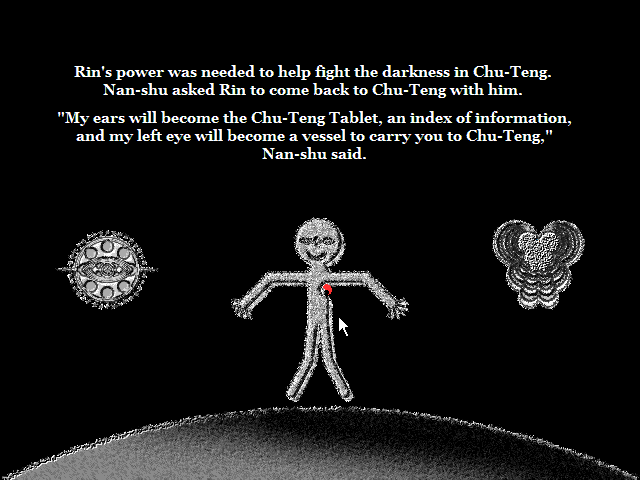
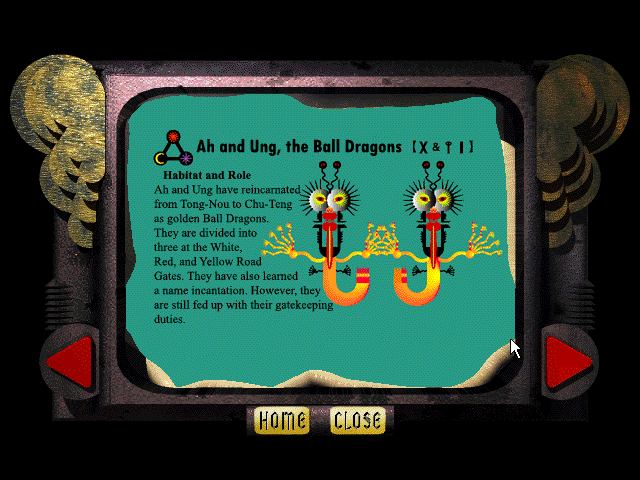
The artistic direction offers a series of visually distinct and sometimes disorienting environments. The use of vibrant colors and abstract shapes challenges traditional game design norms and captivates players as they progress through the game’s unique landscape.
Significance
Although not broadly recognized in mainstream gaming communities, it holds significant value in the realm of avant-garde and artistic games. It is celebrated for its originality and the distinctive vision of its creator, Osamu Sato. The title is often discussed among enthusiasts of unconventional video games and has been a topic of analysis related to its artistic merit and innovative design.
Cultural Impact
The game has maintained a cult following, primarily due to its unique style and the limited availability outside Japan. Over the years, it has been a subject of intrigue for retro game collectors and those interested in video game preservation. The continued interest in the game highlights its enduring appeal and influence on niche gaming genres.
“`