

Historical Context & Trivia
WWII GI (1999) is a late-1990s World War II first-person action title centered on the Normandy landings and the early fighting around D-Day. It fits the era’s wave of military shooters that translated historical battlefields into fast, mission-driven PC combat, with an emphasis on immersion through frontline infantry action.
The game was developed by TNT Team and originally published by GT Interactive Software Corp., with later preservation and re-release handling tied to modern PC distribution partners. It is also commonly identified as a direct sequel to NAM, which places it within TNT Team’s short but recognizable run of historical shooters built on the same design lineage.
Gameplay & Technical Features
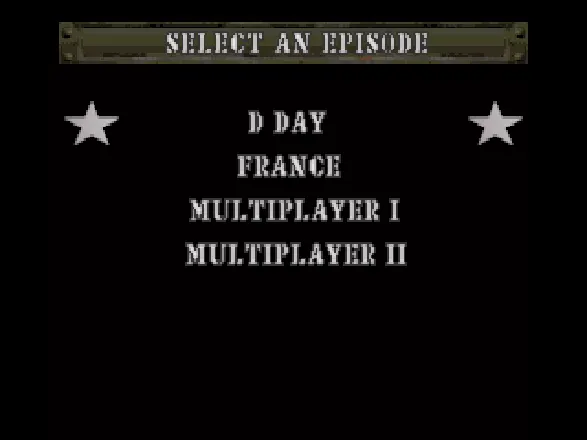
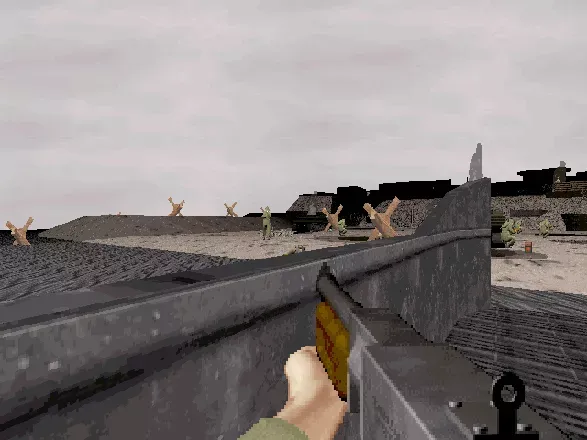
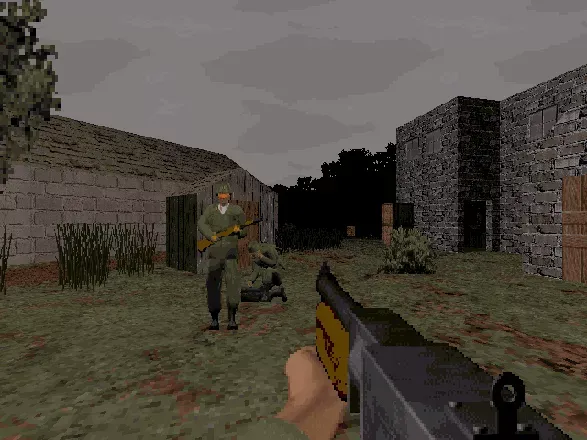
As an Action game with strong shooter fundamentals, WWII GI focuses on first-person combat across beach assaults, hedgerow skirmishes, village firefights, and bunker clearing. The structure reflects a mission-based military shooter rather than a simulation, using weapon pickups, enemy encounters, and forward momentum to recreate the pressure of a Normandy campaign.
On DOS, the game reflects the technical realities of late-era PC development, including reliance on DOS-era rendering conventions and period-specific display support. Its presentation is built around low-overhead 3D action, with audio and visuals shaped by the limits and strengths of contemporary PC hardware rather than later Windows-native shooter standards.
Collector’s Value & Rarity
WWII GI is best understood as a preservation-interest title rather than a mainstream blockbuster, so its value is tied more to genre history and complete original-condition copies than to broad mass-market demand. Physical DOS releases from this period can be harder to track down in clean, intact shape, especially when original media and inserts survive together.
Collectors should look for the original GT Interactive Software Corp. packaging, manual, and any regional release differences tied to the United Kingdom and United States distribution history noted in archival records. Because later rereleases exist, the most desirable items are typically boxed DOS copies with complete collateral rather than modern digital editions.