


Historical Context & Trivia
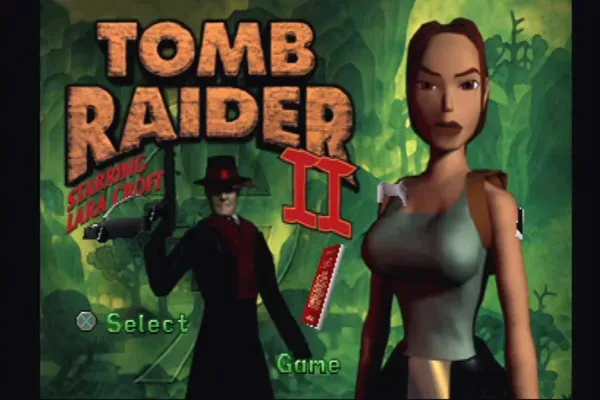
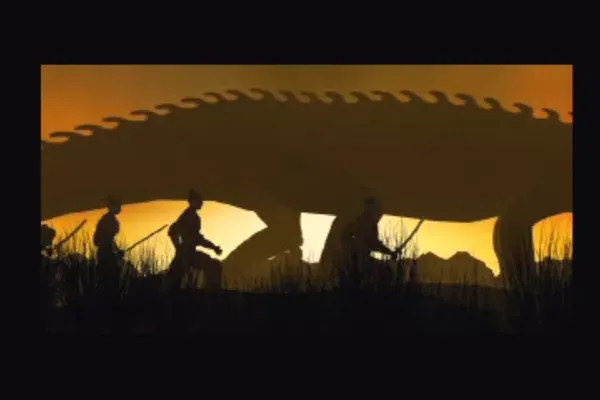
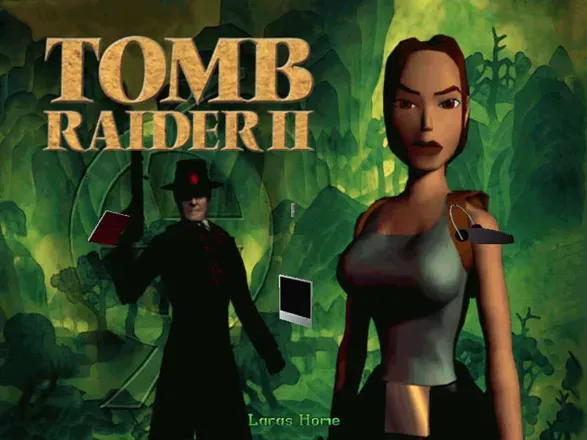
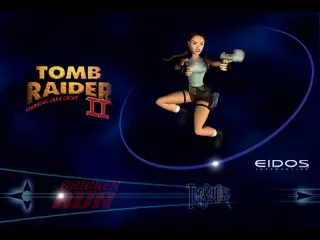
Tomb Raider II (1997) arrived as a high-profile sequel to Tomb Raider, extending Lara Croft’s global-profile rise from a breakout game character into one of the defining icons of late-1990s console and PC gaming. Its original release on Windows and PlayStation placed it at the center of the franchise’s early expansion, and its 1997 launch date firmly anchors it in the era when cinematic action-adventure design was reshaping mainstream game expectations.
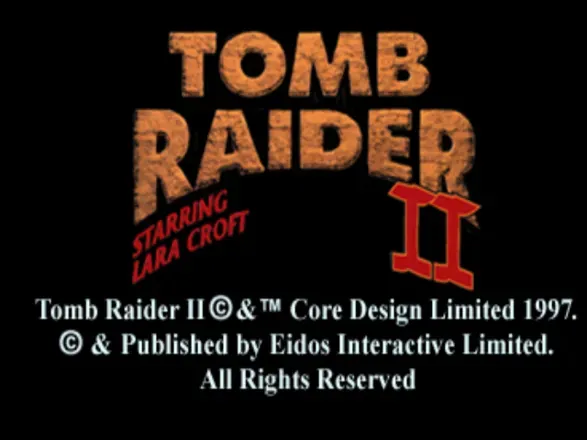
Core Design Ltd. developed the game, while Eidos Interactive Limited handled publishing on the Windows release. The title’s multiple later publishers across other regions and platforms reflect how widely it circulated, but the PC version remains the most directly tied to the original late-1990s commercial rollout and to the Windows 95-era PC gaming market.
Gameplay & Technical Features
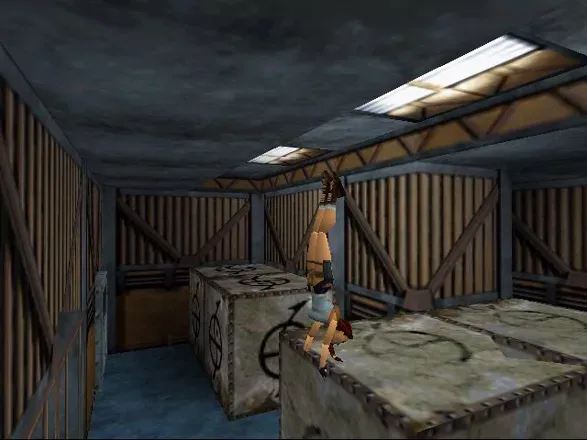
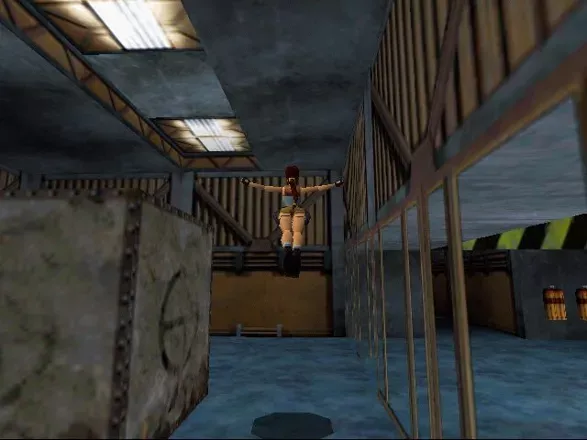
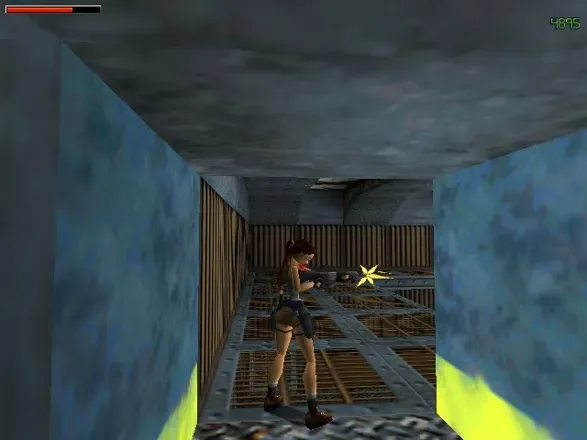
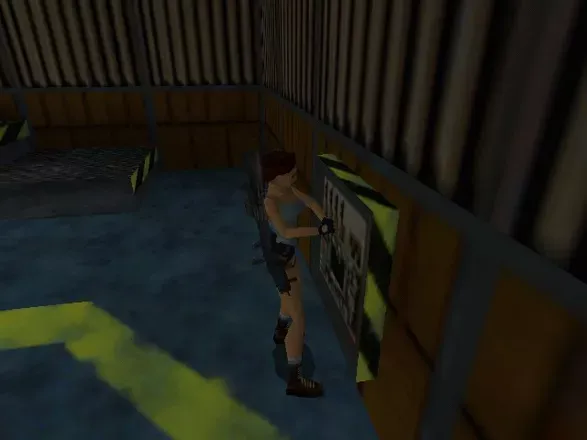
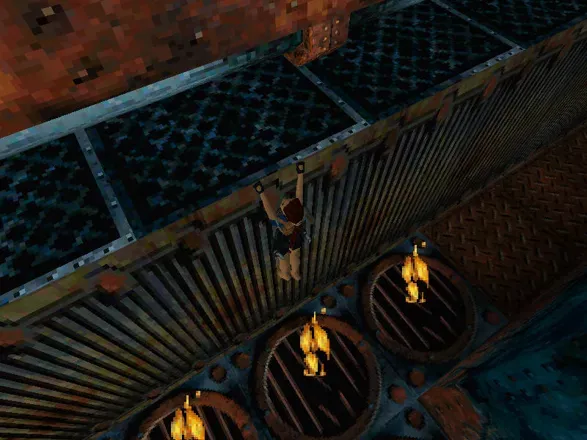
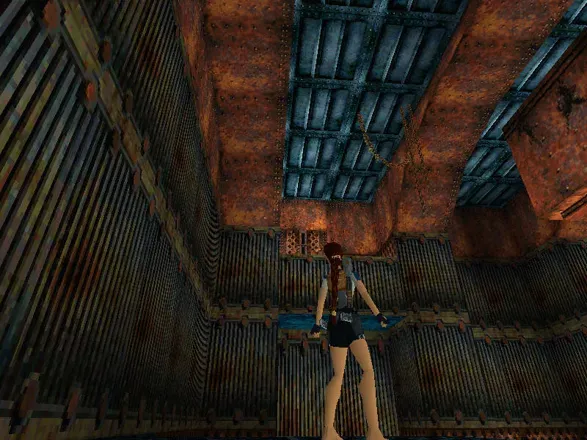
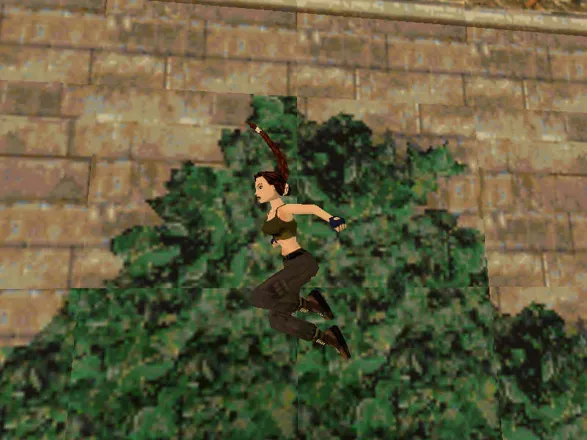
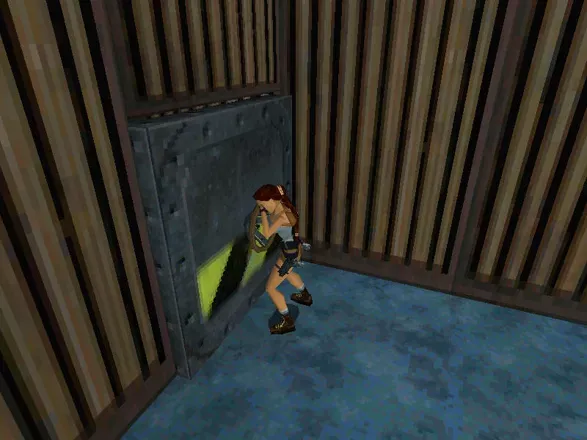
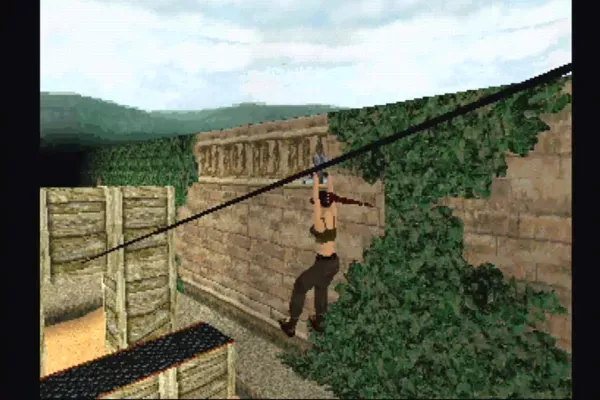
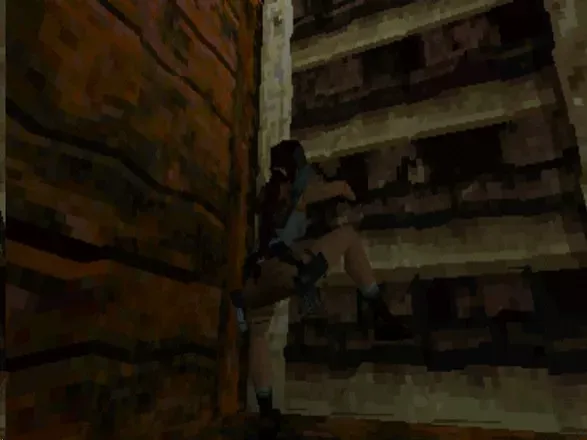
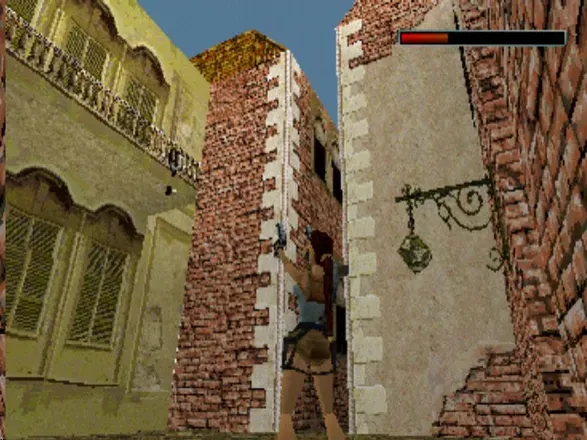
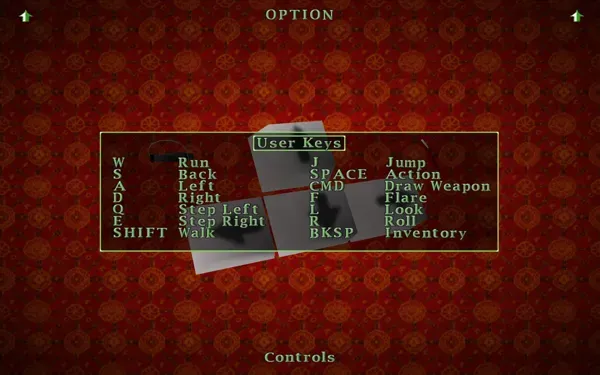
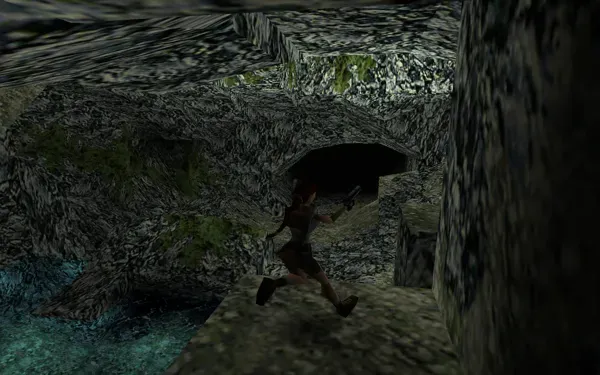
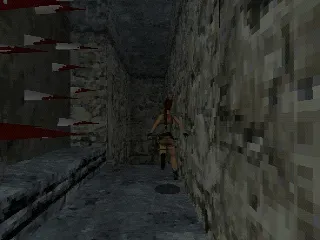
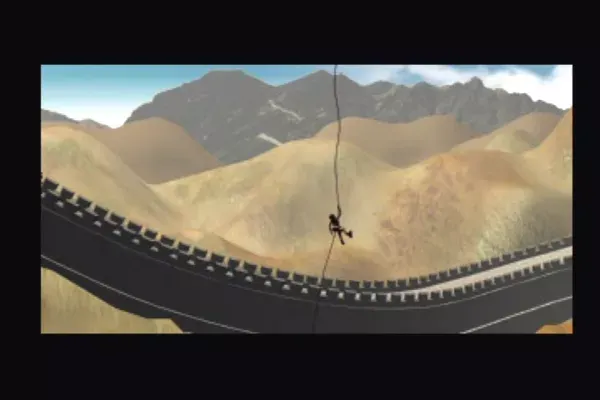
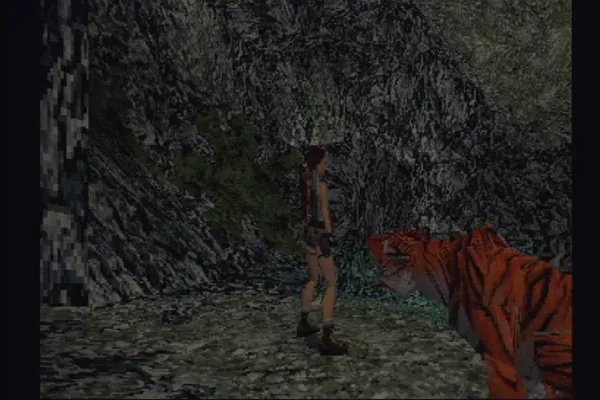
This Action game continues the series’ mix of exploration, combat, platforming, and environmental puzzle-solving, with a stronger emphasis on traversal through hostile, trap-filled spaces. The structure favors linear progression through large, interconnected levels, while still rewarding observation, item use, and spatial memory in classic third-person adventure fashion.
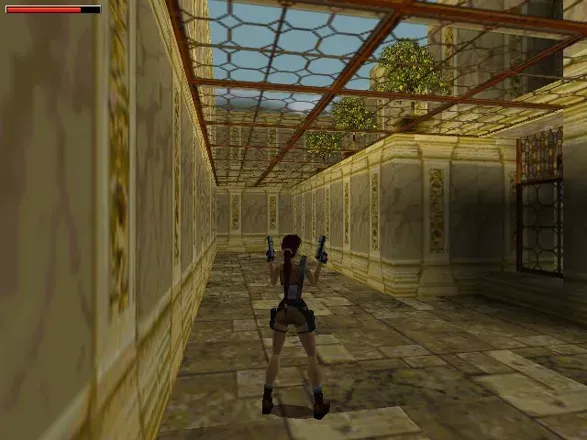
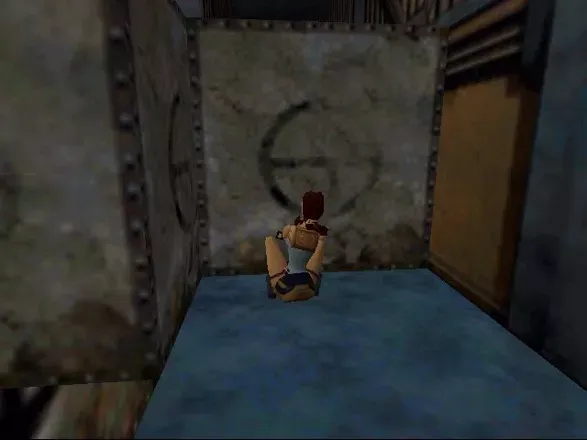
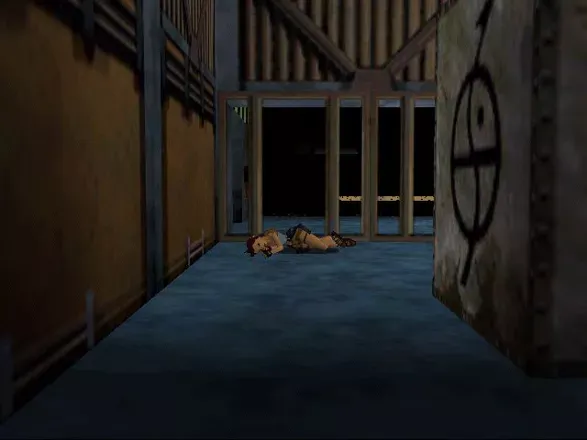
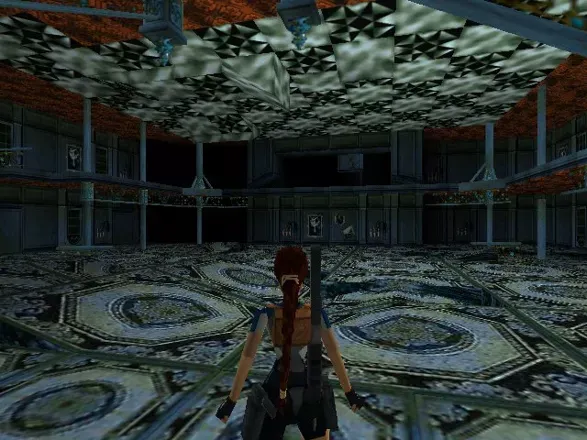
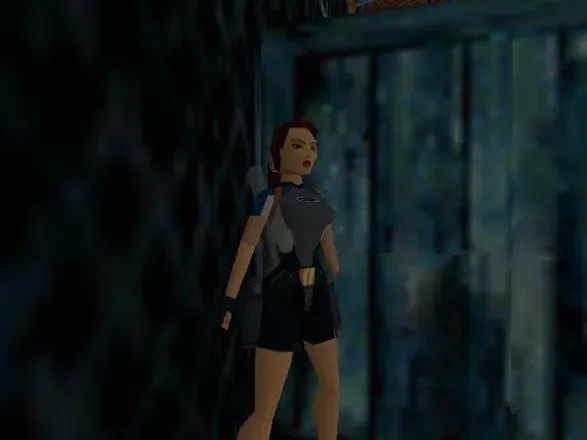
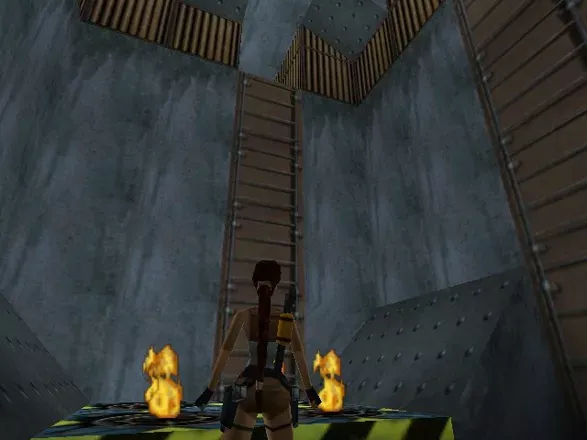
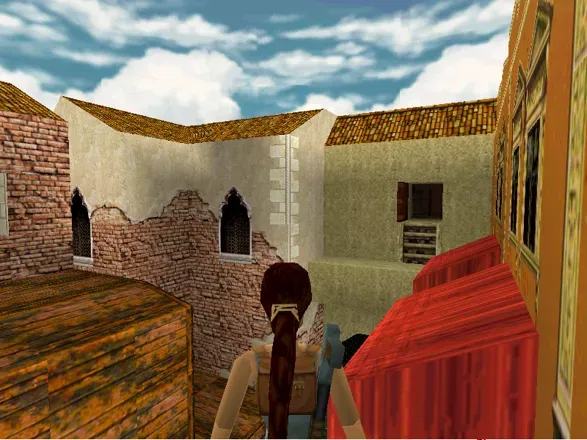
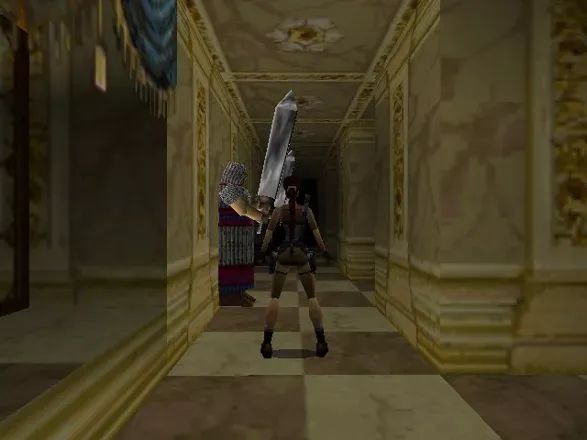
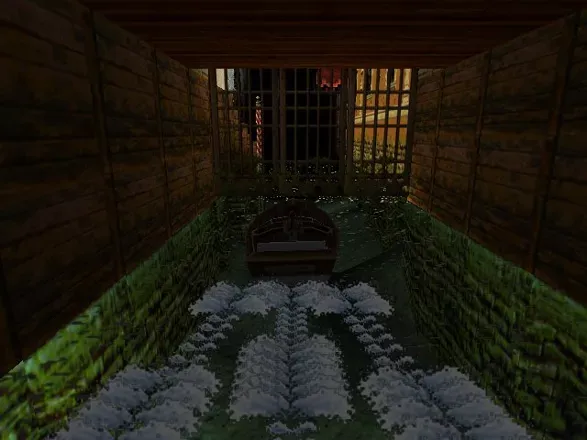
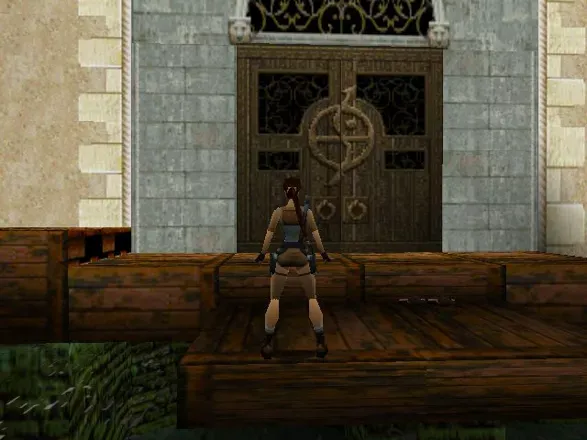
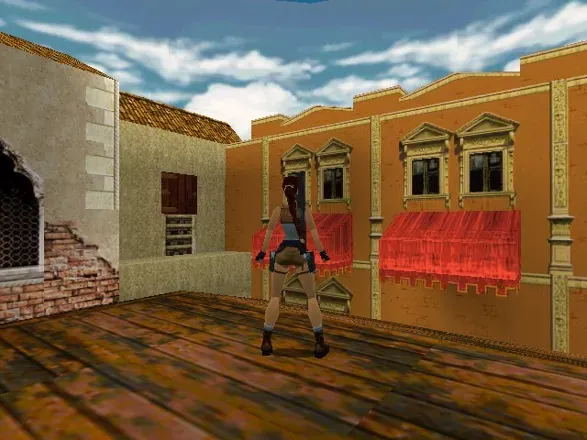
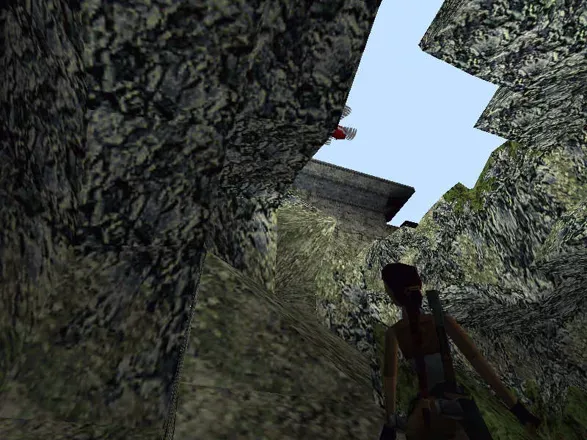
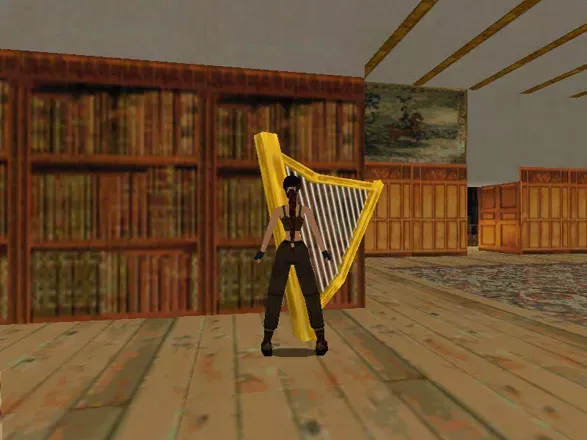
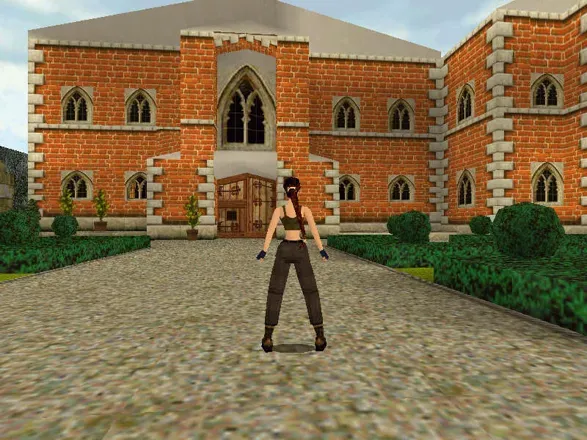
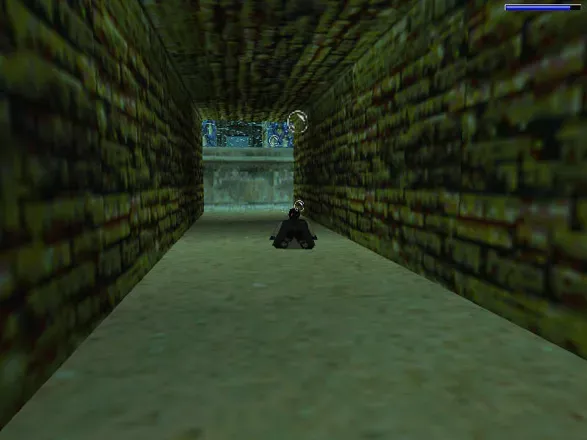
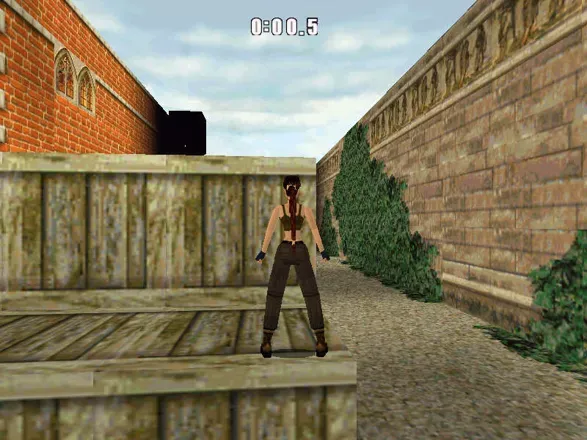
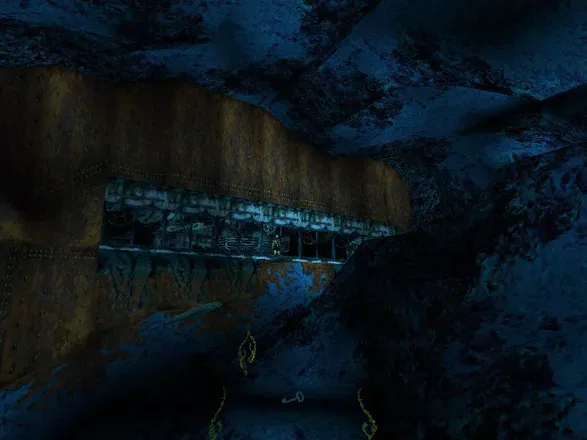
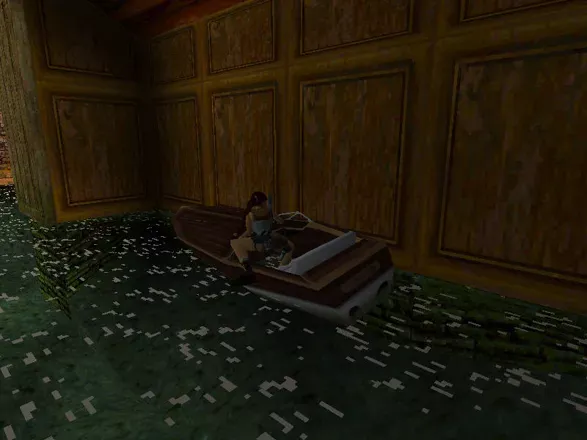
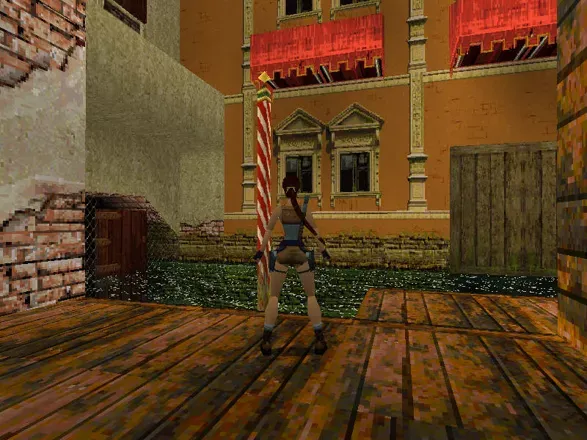
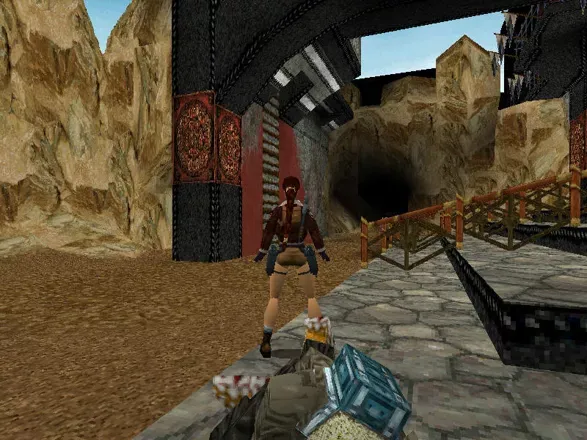
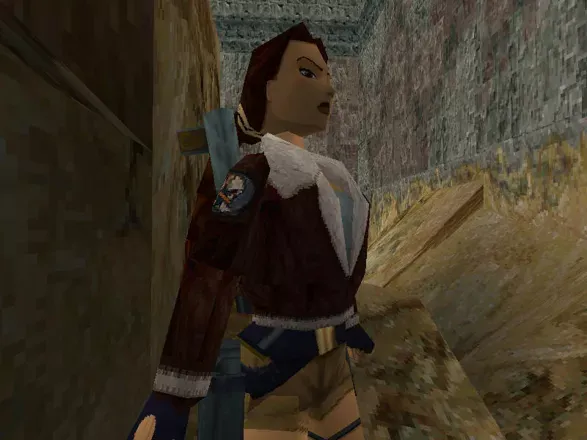
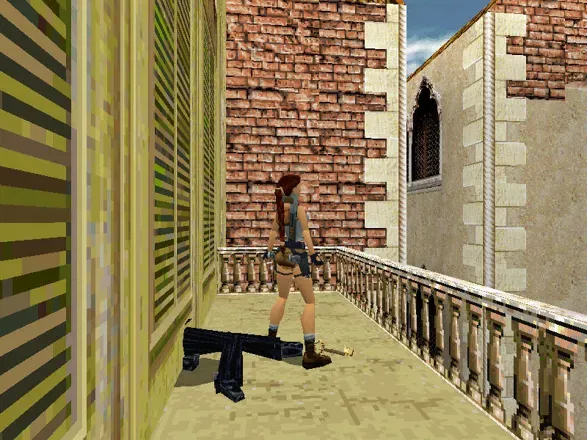
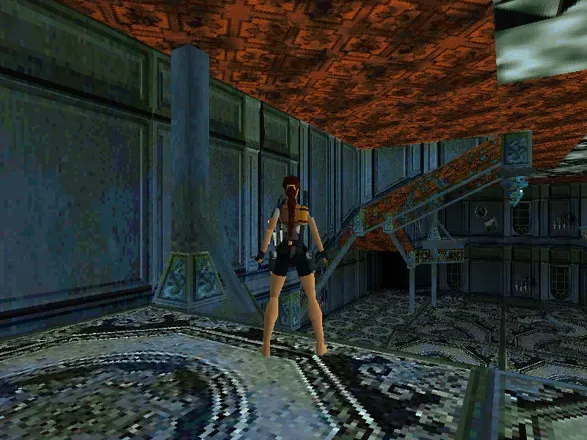
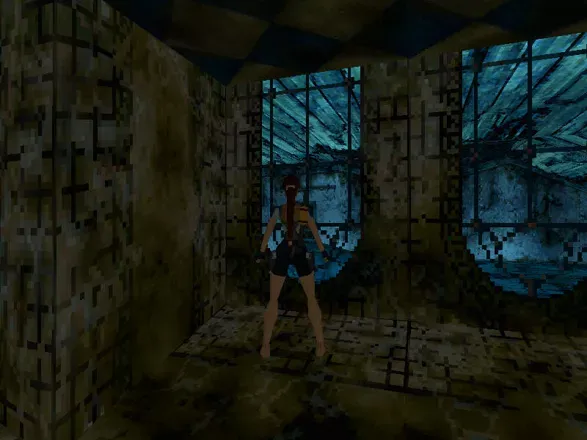
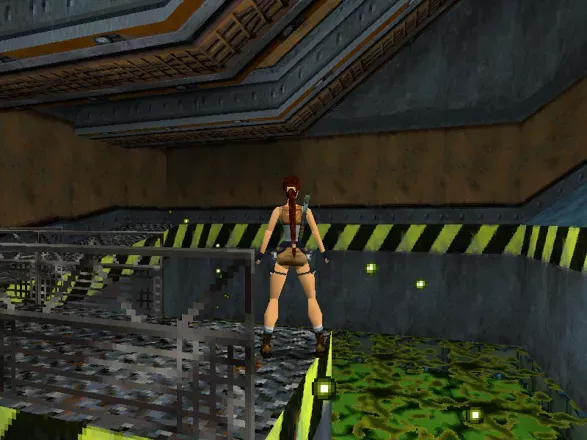
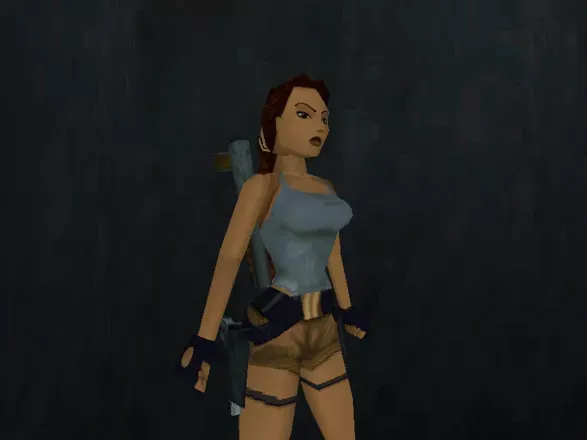
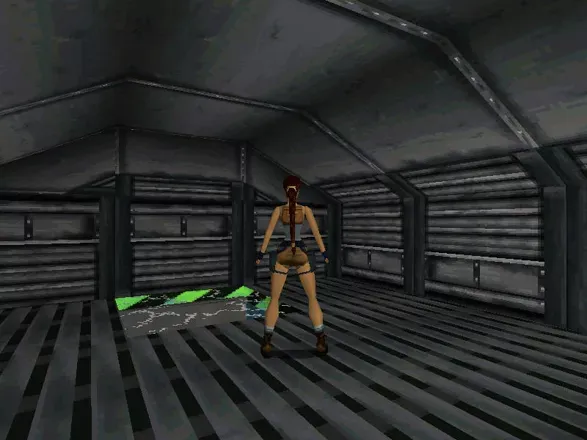
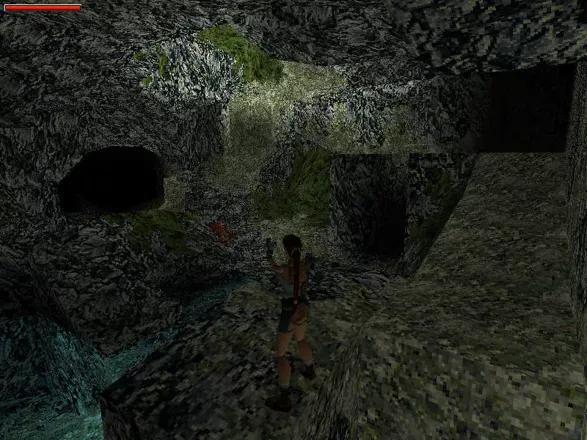
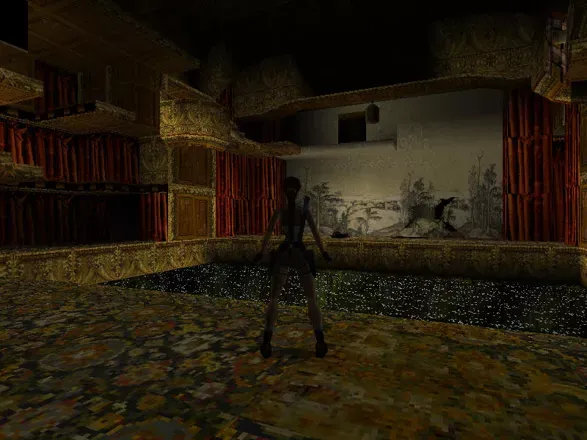
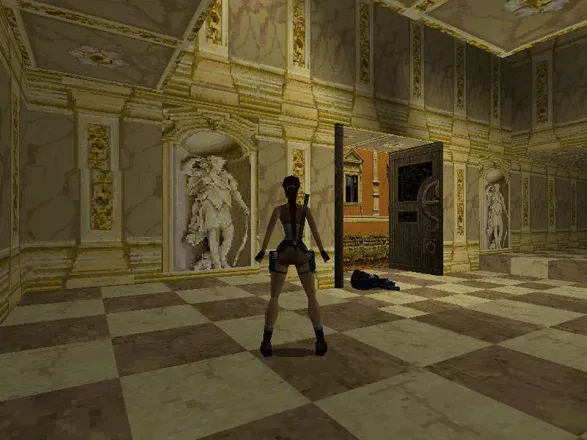
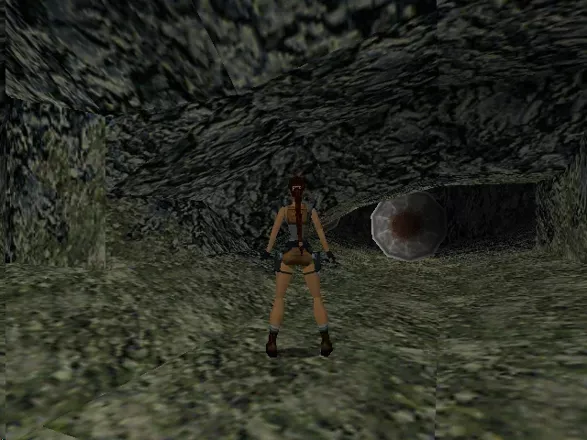
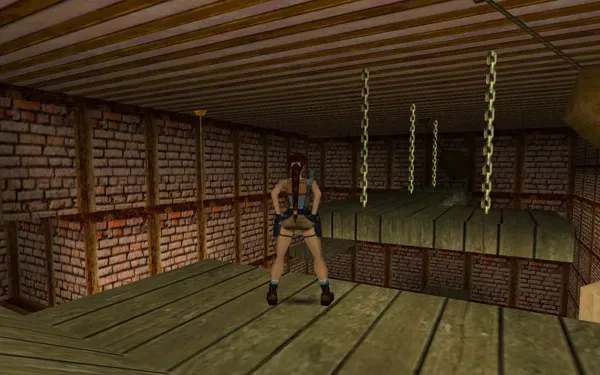
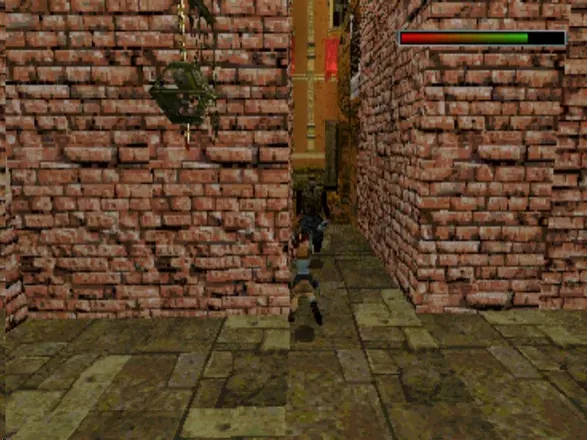
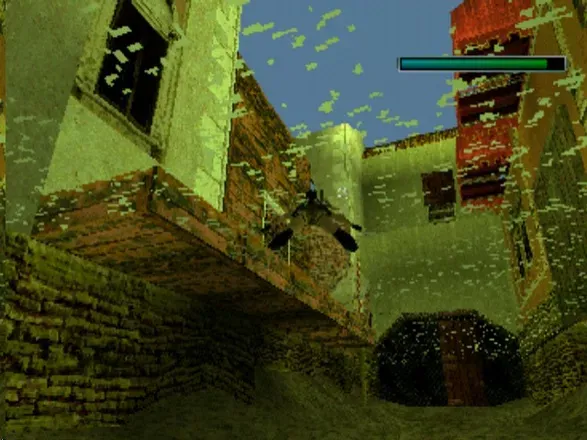
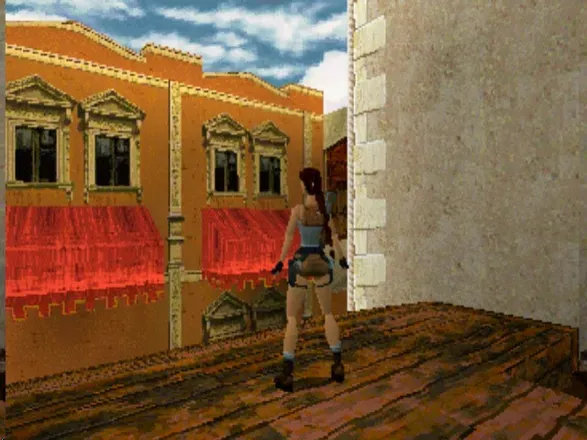
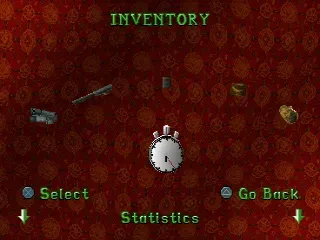
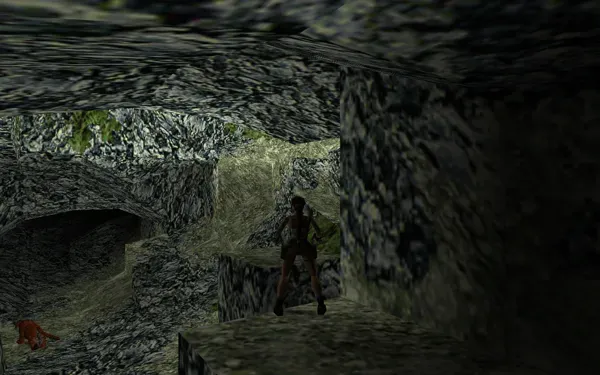
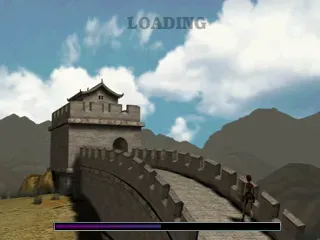
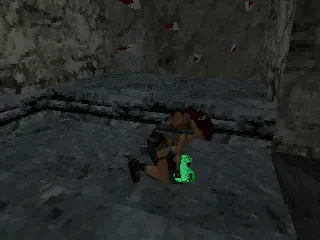
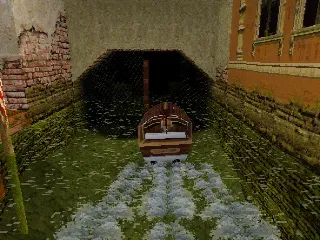
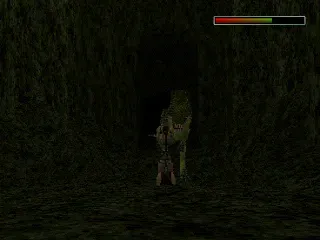
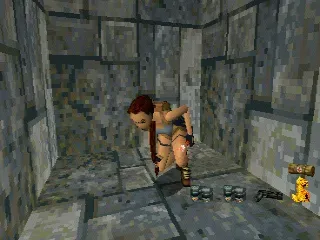
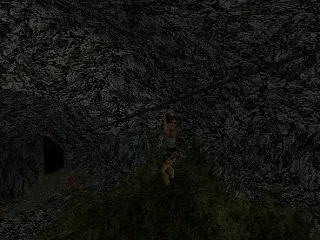
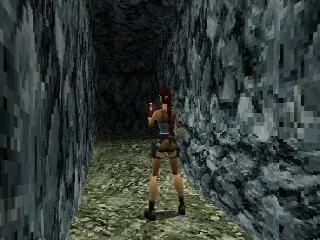
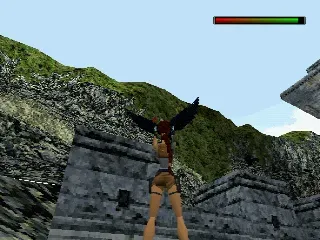
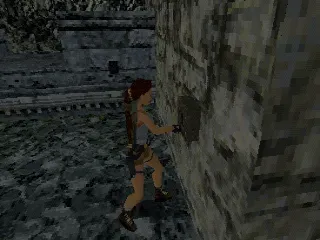
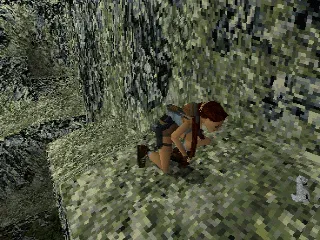
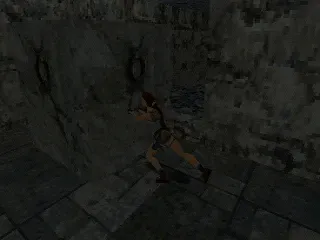
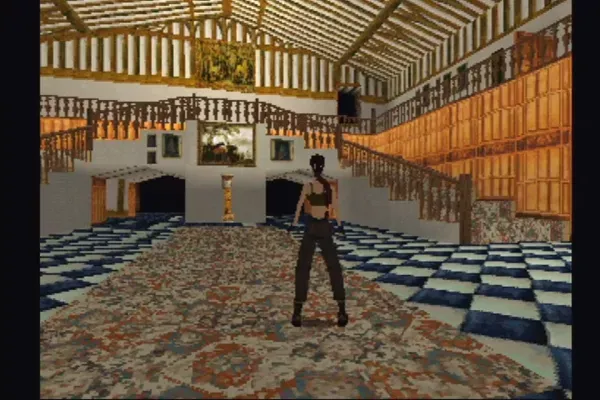
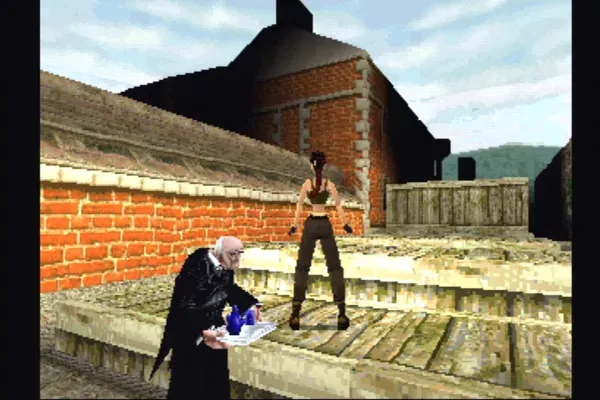
On Windows, the game was built for the PC environment of the period and supported higher-resolution presentation than its console counterpart. Its visual identity relied on angular 3D environments, pre-modern lighting, and fast-paced animation work typical of late-1990s PC action games, while the audio design used atmosphere and incidental effects to reinforce the series’ travel-and-danger aesthetic.
Collector’s Value & Rarity
The Windows release of Tomb Raider II is not rare in a strict preservation sense, but complete boxed copies remain desirable because the game sits inside a major franchise and represents an important early PC installment. Market interest is driven more by condition, completeness, and regional edition than by true scarcity.
Collector appeal is strongest when the package includes original CD-ROM media, manuals, inserts, and region-specific artwork or product codes. Variants tied to different territories and distributors can matter to collectors, especially when they preserve period-correct branding from Eidos Interactive and the original 1997 PC packaging style.