

Historical Context & Trivia
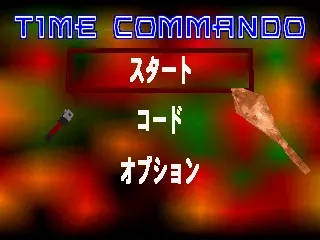
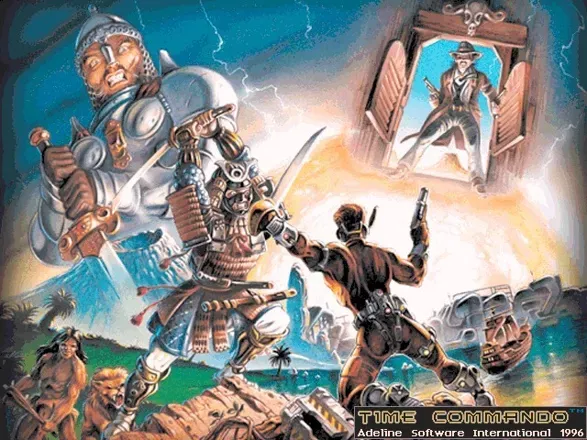
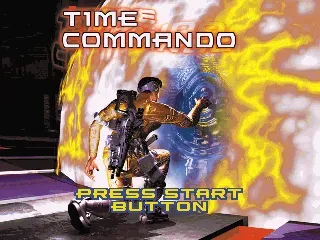
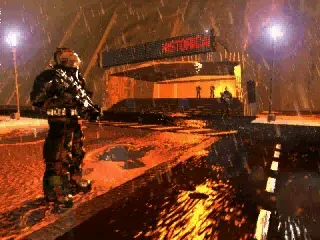
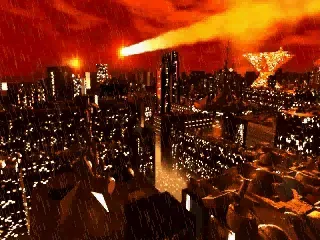
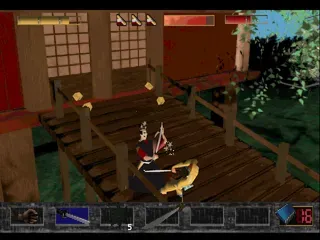
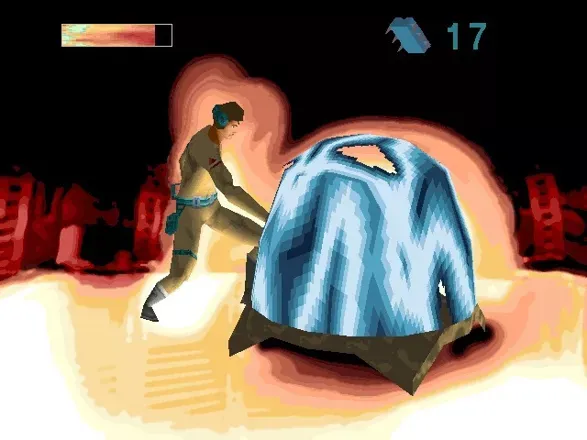
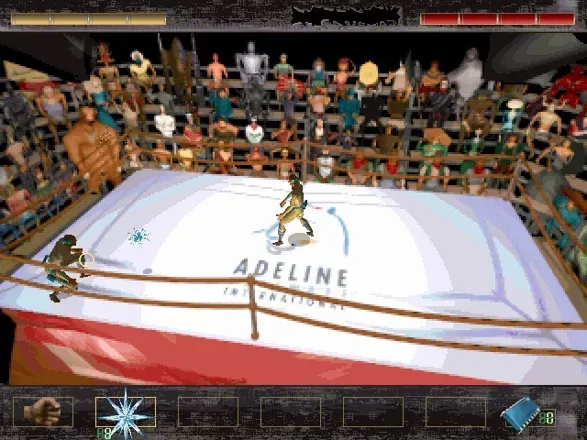
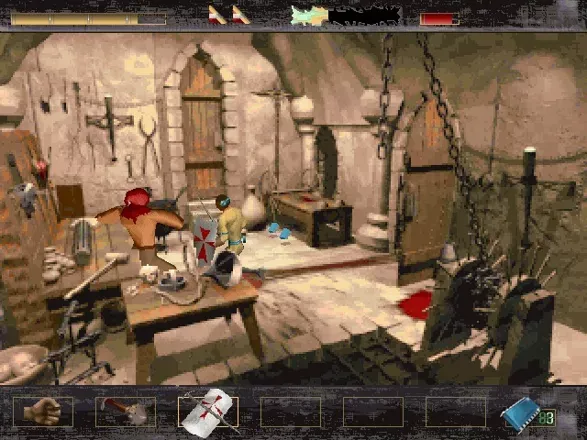
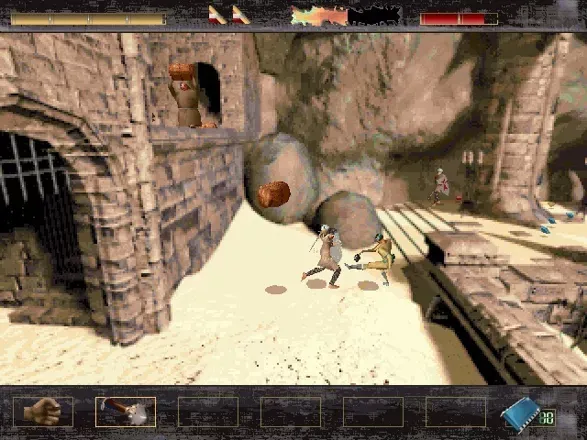
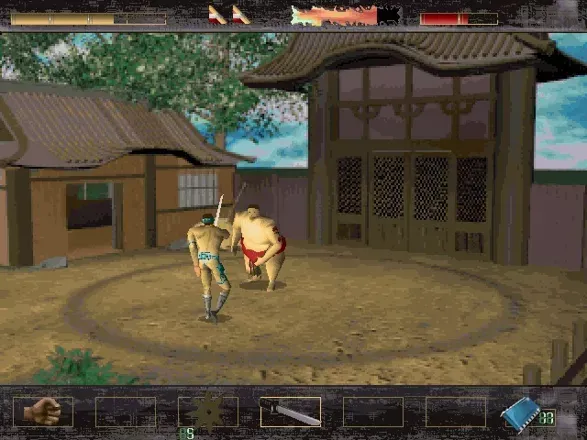
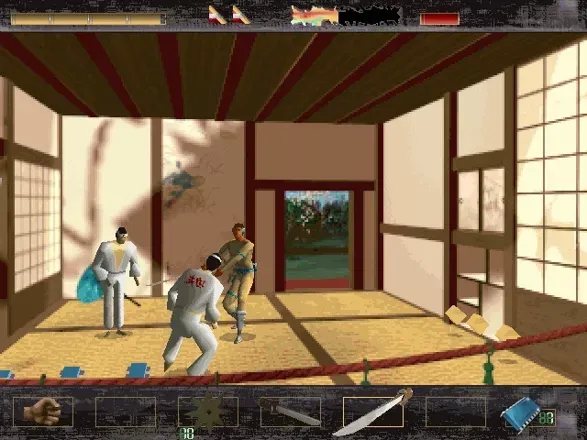
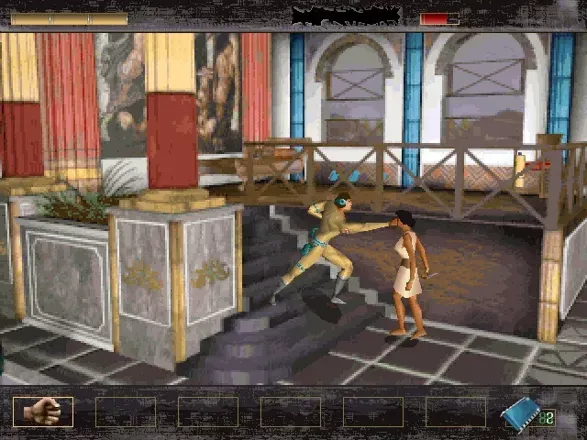
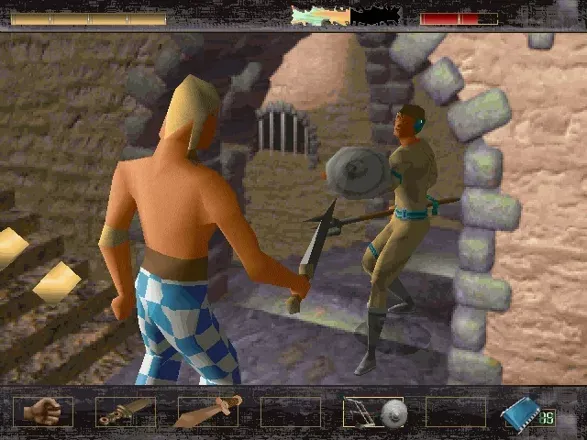
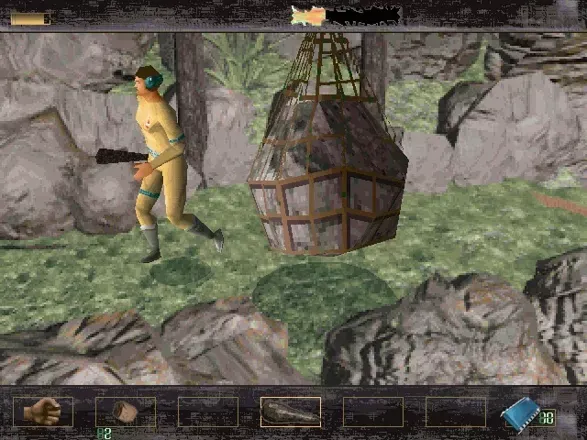
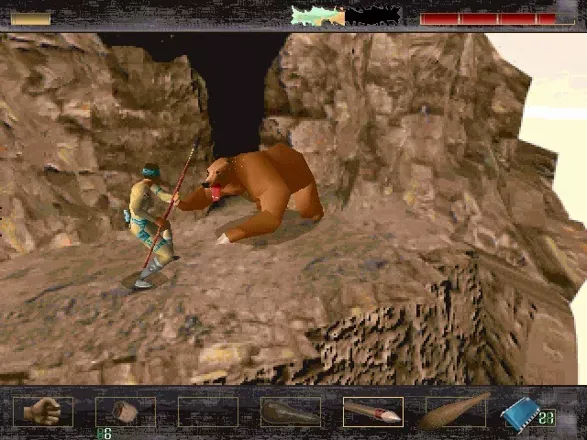
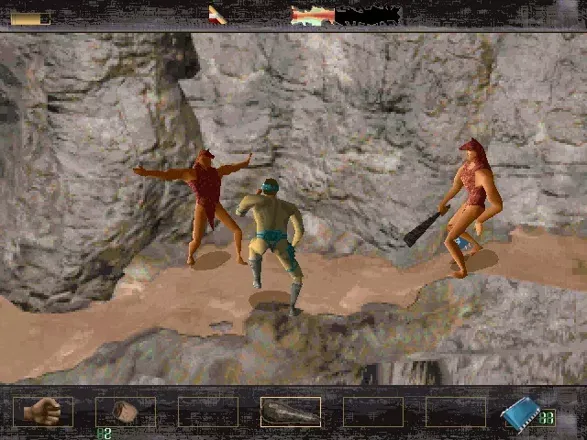
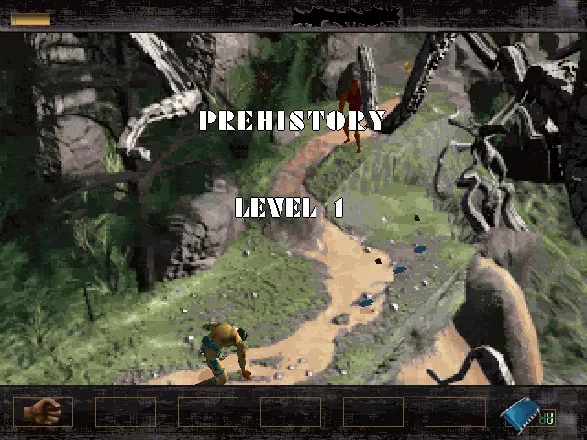
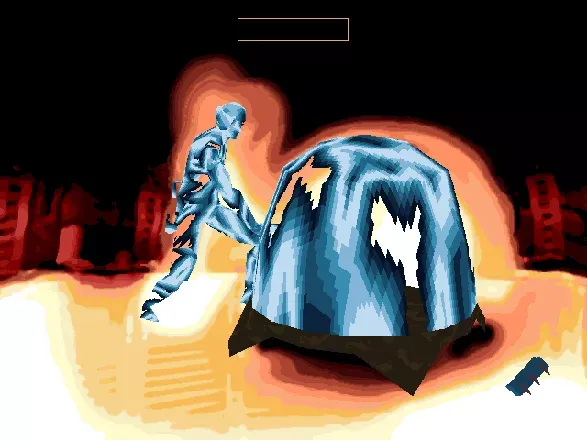
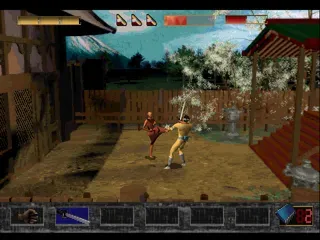
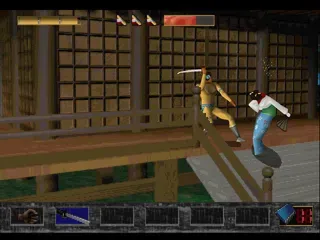
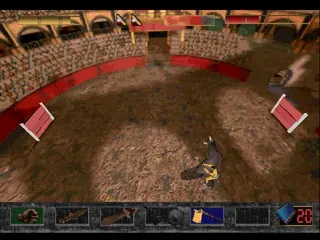
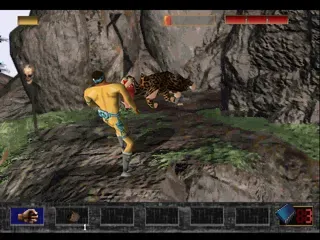
Time Commando (1996) is a French-developed action-adventure game that stands out for its time-travel premise and its blend of pre-rendered presentation with real-time character movement. It was created by Adeline Software International, with the PC release arriving first in 1996 and later ports appearing on PlayStation and Sega Saturn. The game’s structure sends the player through multiple eras, including prehistoric, Roman, feudal Japan, medieval, frontier, and future settings, which became one of its defining hooks.
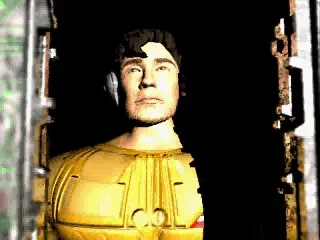
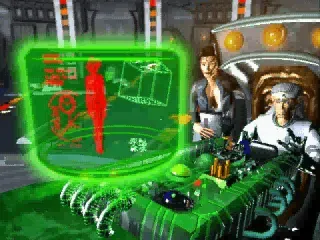
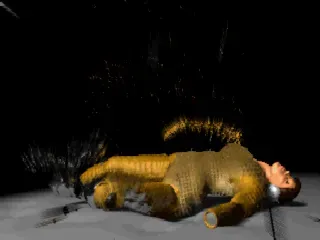
Available sources describe the game as a product of Adeline’s late-1990s European action design, and contemporary listings tie it to a broad international publishing footprint across Electronic Arts, Activision, Virgin Interactive, and Acclaim depending on region and platform. The game’s premise centers on a containment crisis inside a combat simulation, with protagonist Stanley Opar entering the system to stop a virus-driven temporal collapse.
Gameplay & Technical Features
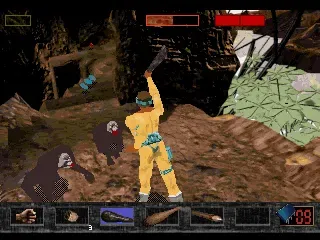
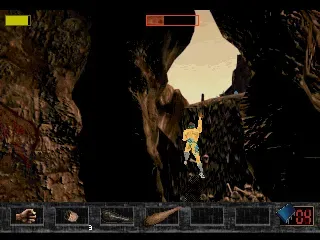
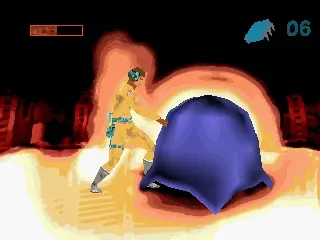
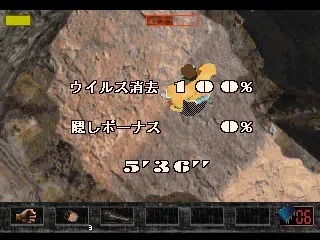
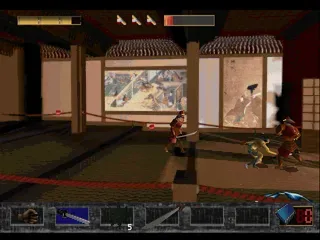
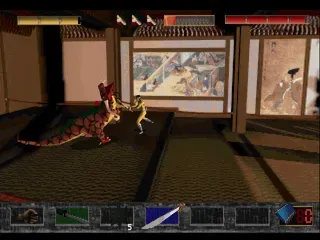
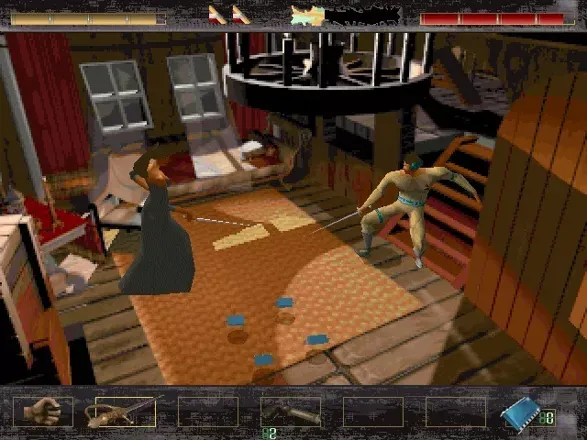
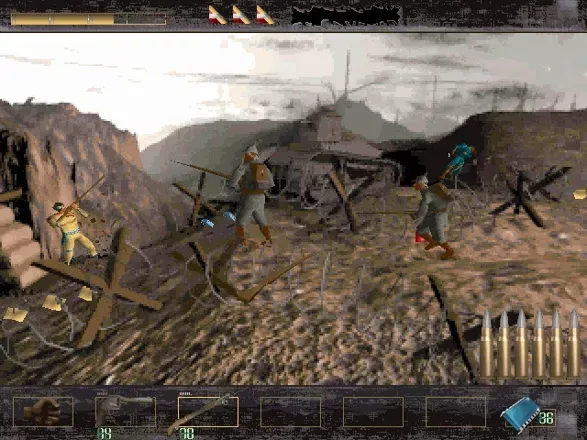
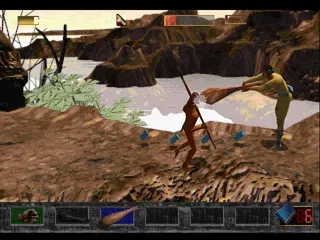
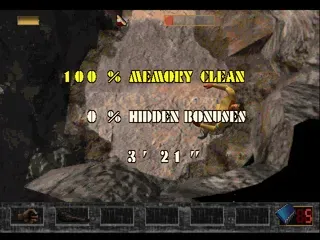
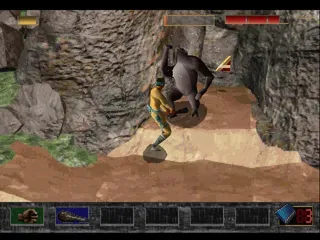
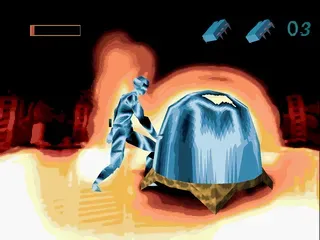
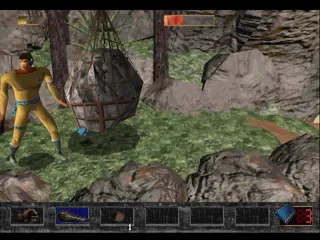
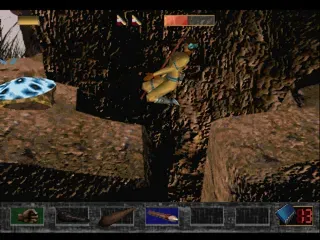
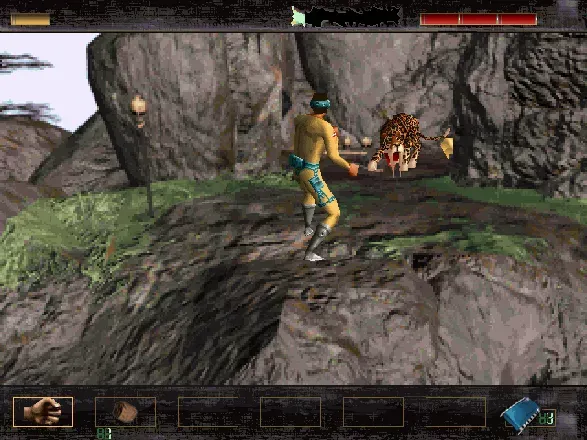
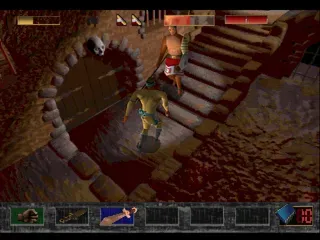
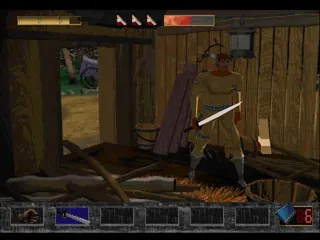
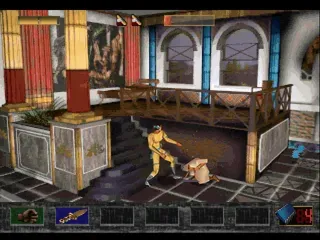
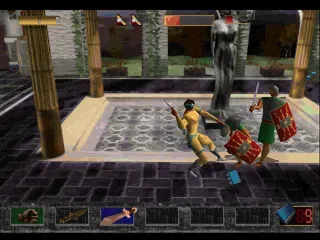
Time Commando is an action game with light puzzle-solving elements, built around close-quarters combat, era-specific weapons, and progression through distinct historical environments. Players move from one time period to another while adapting to different enemy types and combat conditions, which gives the game a varied structure even when its core loop remains focused on fighting and survival.
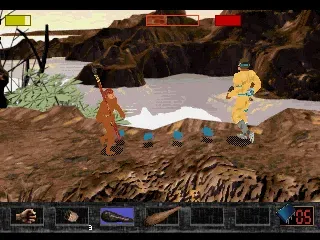
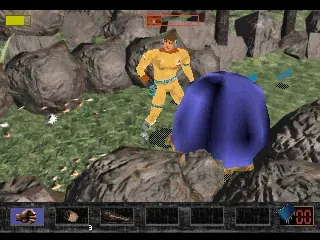
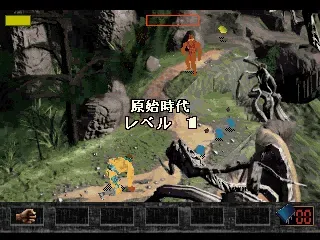
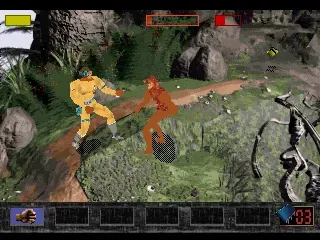
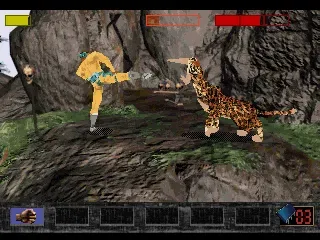
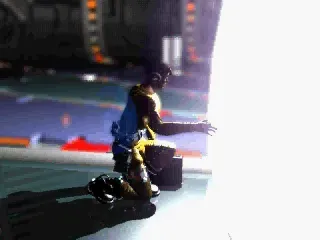
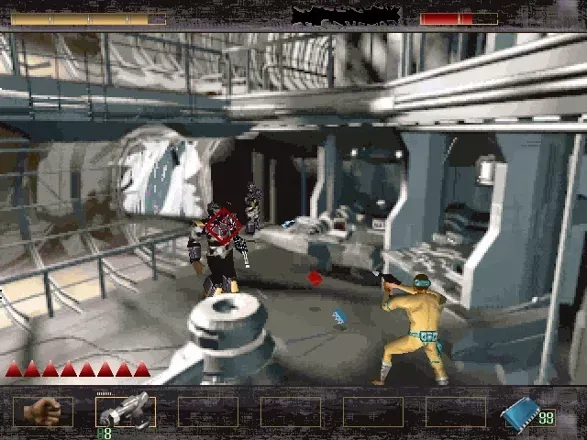
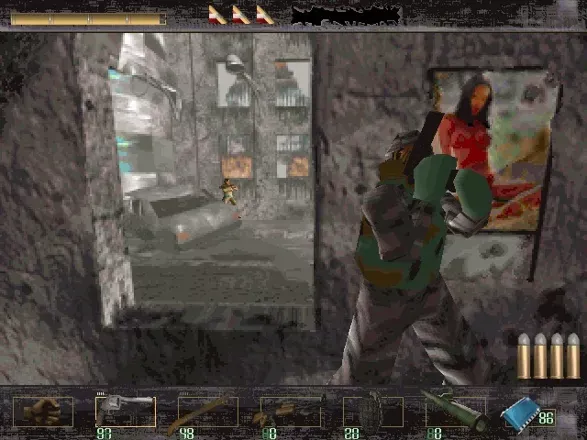
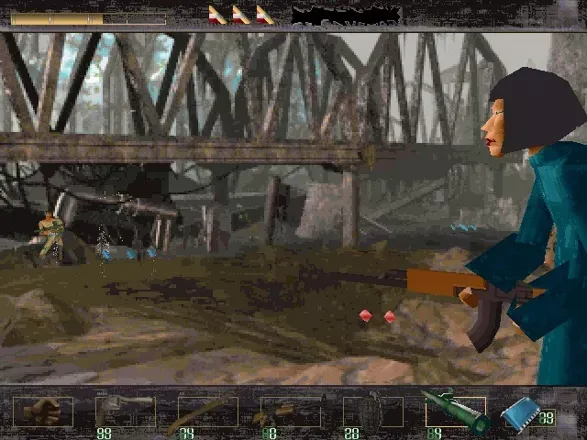
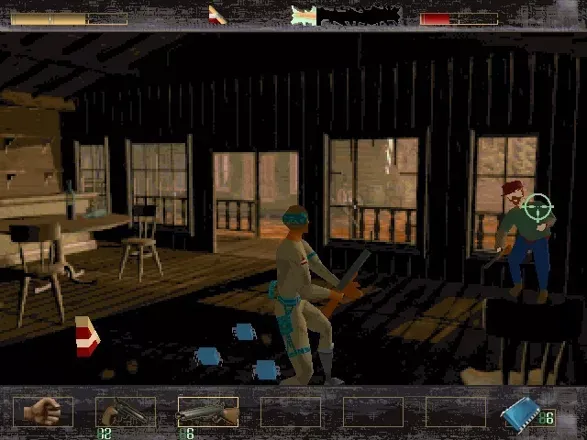
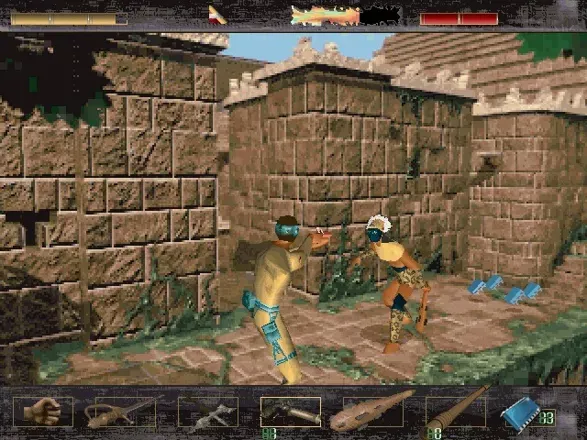
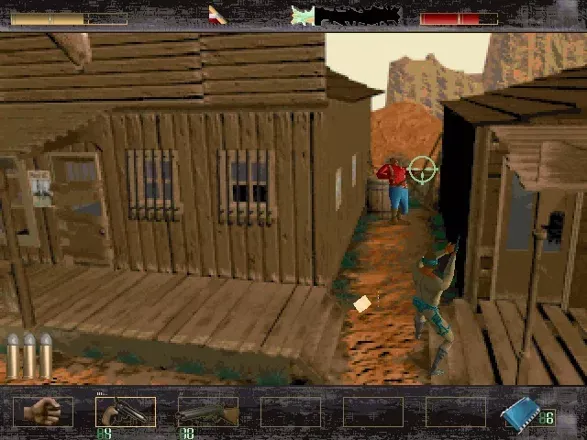
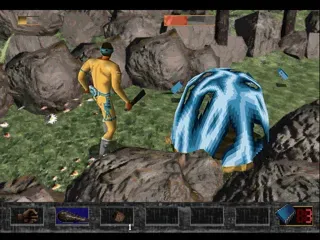
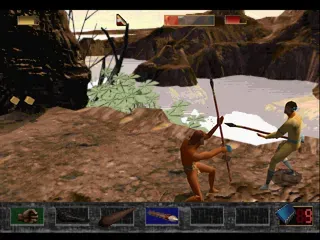
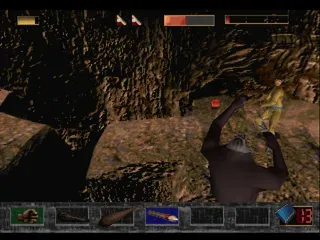
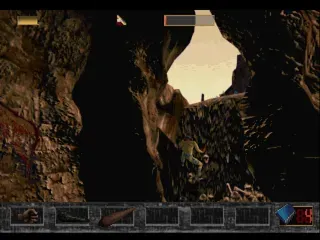
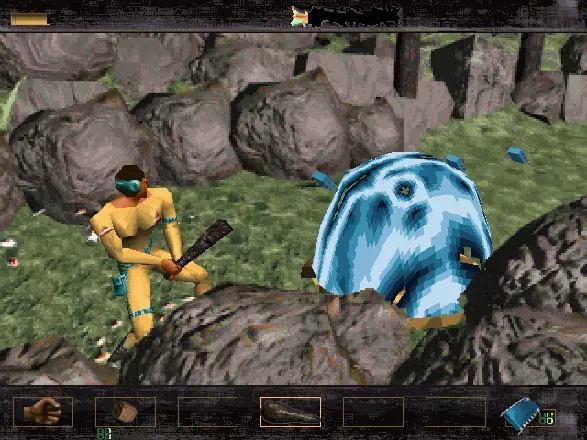
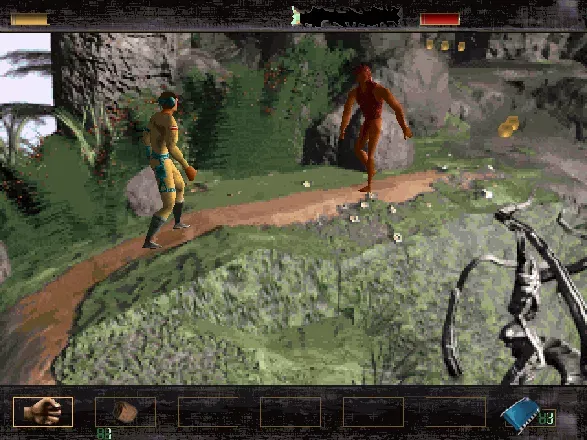
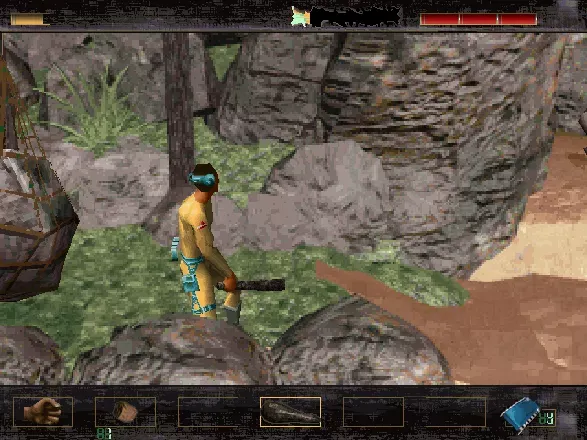
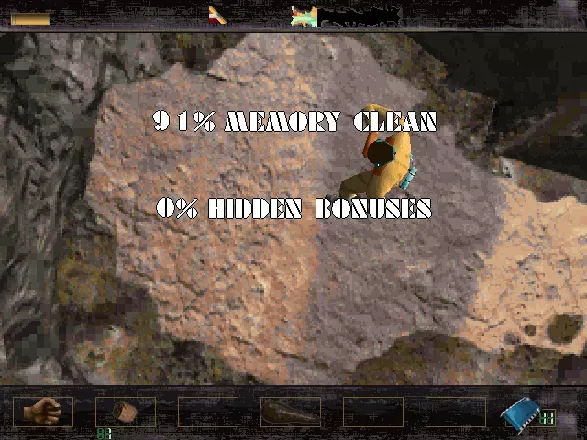
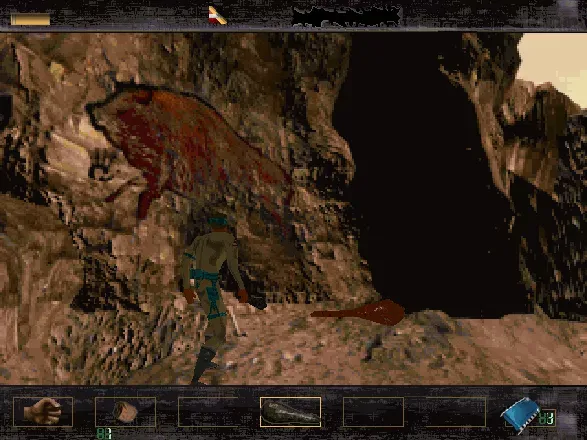
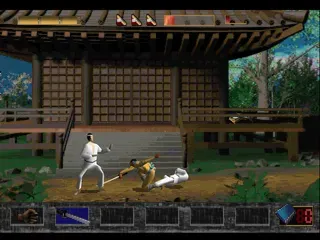
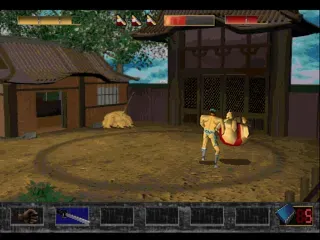
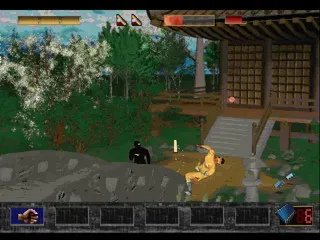
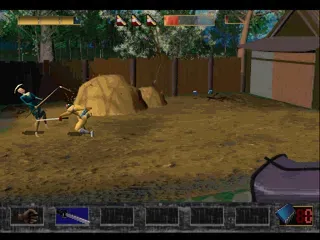
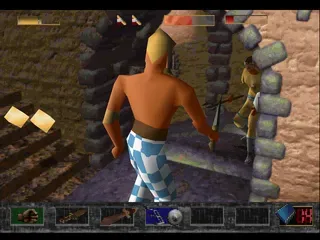
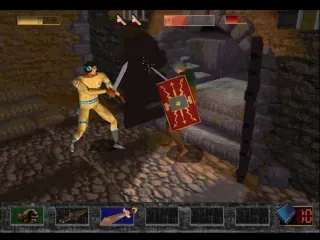
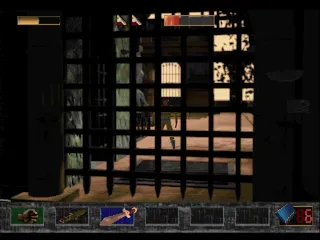
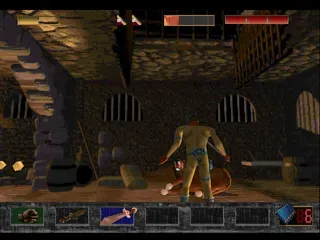
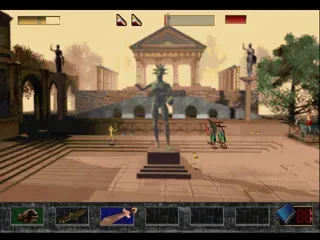
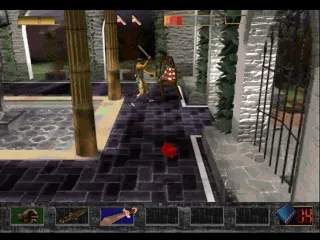
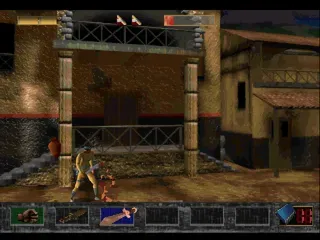
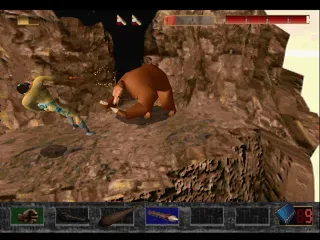
On Windows/PC hardware, the game used an early 3D presentation style with pre-rendered backgrounds, fixed camera framing, and polygonal characters, a combination that was common in mid-1990s cinematic action titles. The Saturn version is described as a port with a rougher technical reputation, while the broader franchise history shows the game being adapted across PC, PlayStation, and Saturn releases.
Collector’s Value & Rarity
Time Commando is not generally treated as a top-tier rarity, but it has steady collector interest because it represents a recognizable mid-1990s European action title with multiple regional releases and modern reissues. Preservation is helped by later digital availability through GOG, which reduced dependence on original media for PC playability.
For collectors, the most notable differences are regional publishing variations across Europe, North America, and Japan, plus the platform split between PC, PlayStation, and Saturn. Physical editions may differ by publisher branding and packaging region, and the Saturn release is especially notable because it was issued only in Japan.