



Historical Context & Trivia
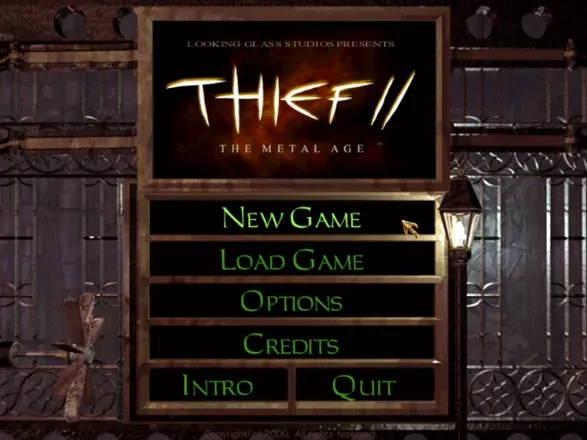
Thief II: The Metal Age (2000) stands as one of the defining stealth games of the PC era, extending the world and design philosophy established by the original Thief into a more focused, city-centered campaign. Its reputation has endured because it sharpened the series’ emphasis on careful movement, sound awareness, and environmental stealth while also deepening the steampunk atmosphere that became part of the franchise’s identity.
The game was developed by Looking Glass Studios and published by Eidos Interactive, a partnership that helped shape a major branch of first-person immersive design on Windows. It is also widely remembered as the studio’s final title before Looking Glass Studios closed soon after release, which gives it unusual historical weight within PC gaming history.
Gameplay & Technical Features
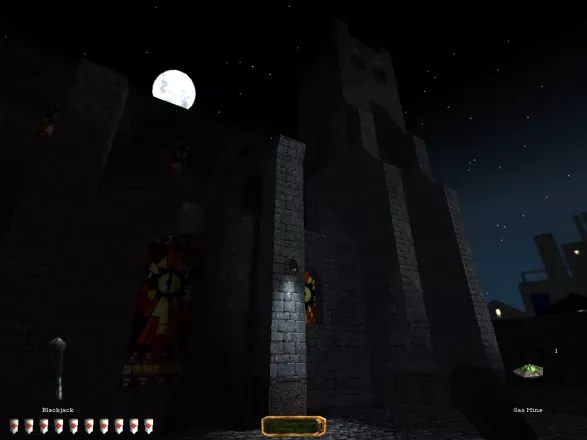
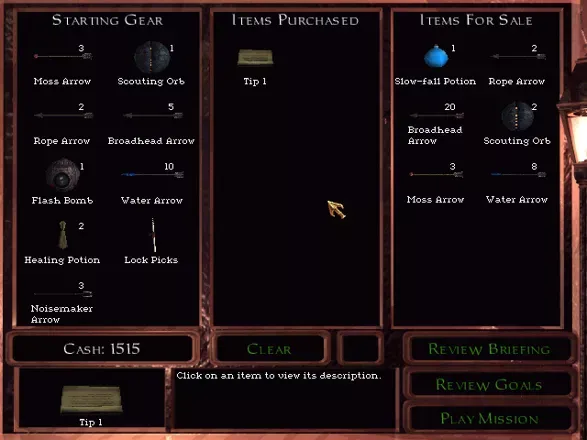
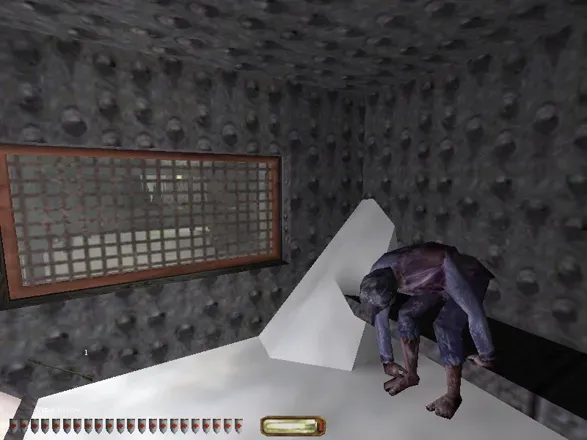
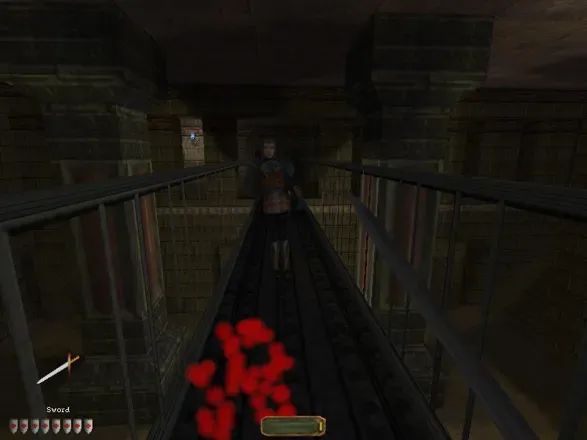
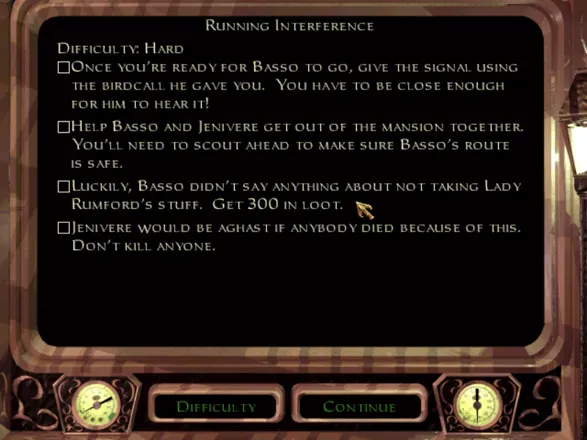
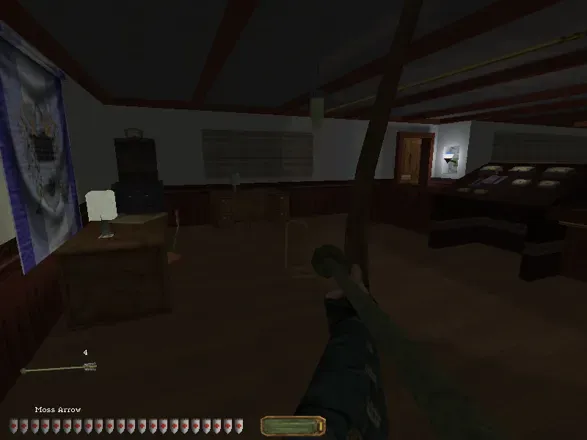
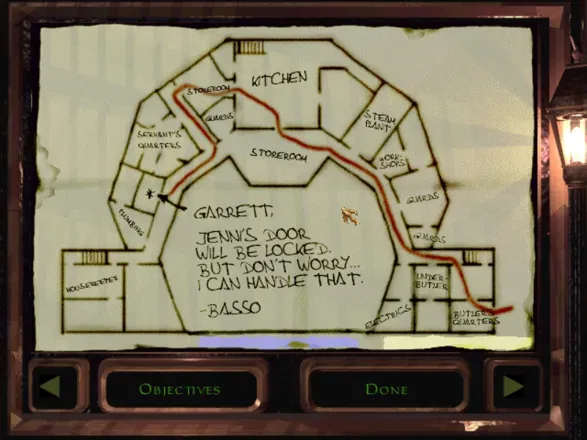
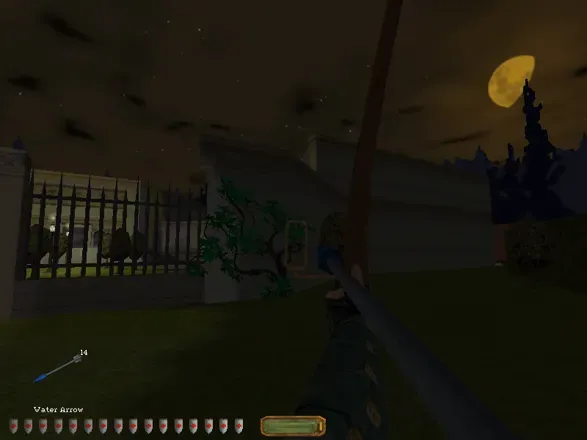
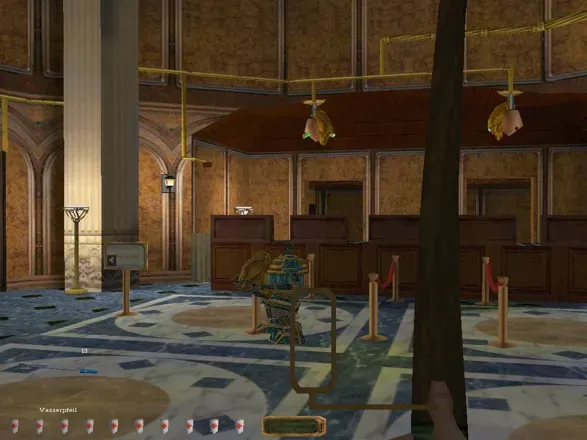
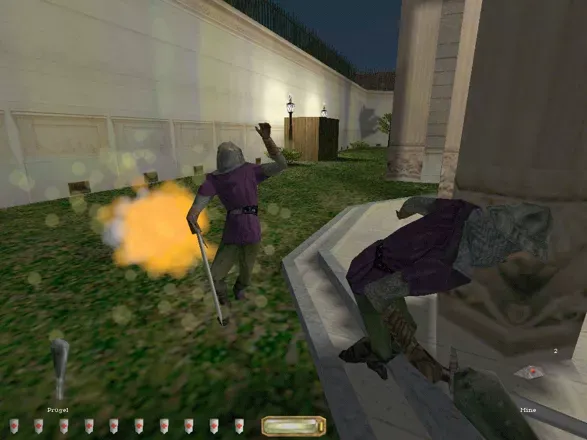
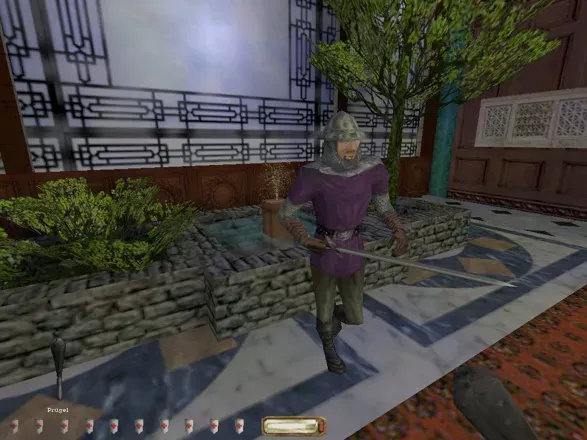
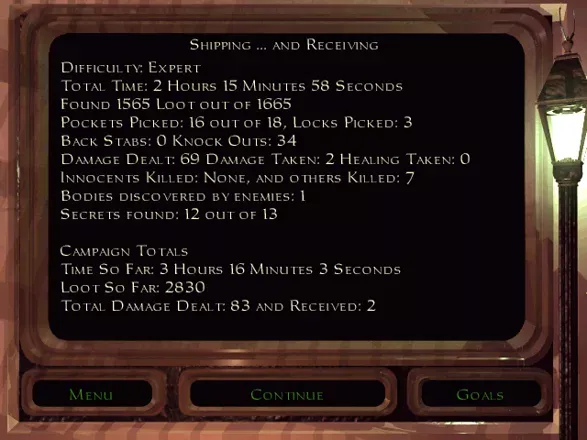
Thief II: The Metal Age is an action game built around stealth, where patient route-planning, light-and-shadow management, and noise discipline matter more than direct confrontation. Missions typically reward observation and restraint, with tools and movement options designed to let the player bypass threats rather than overpower them.
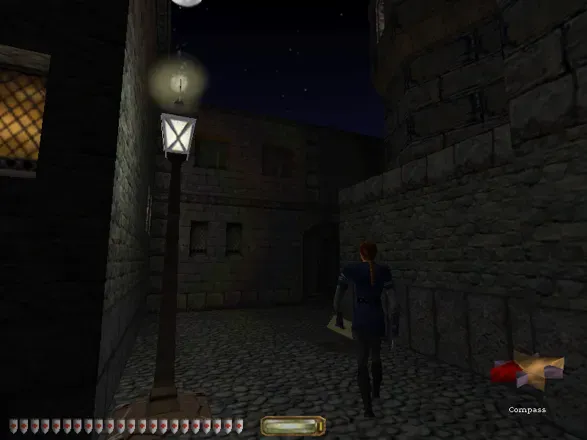
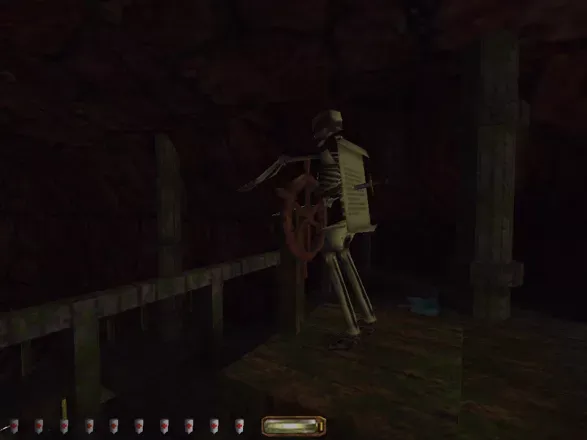
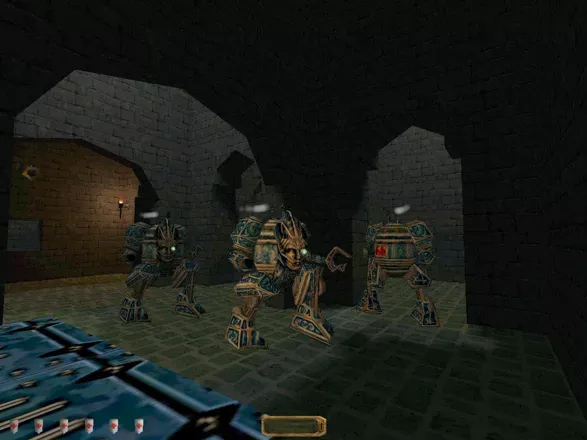
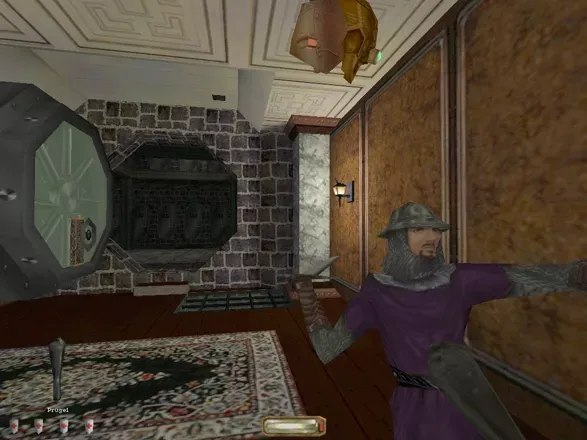
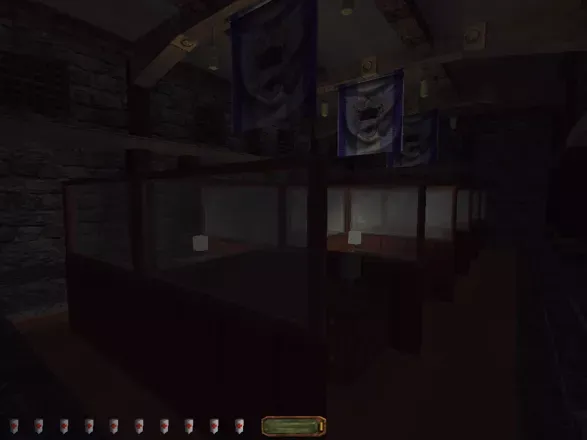
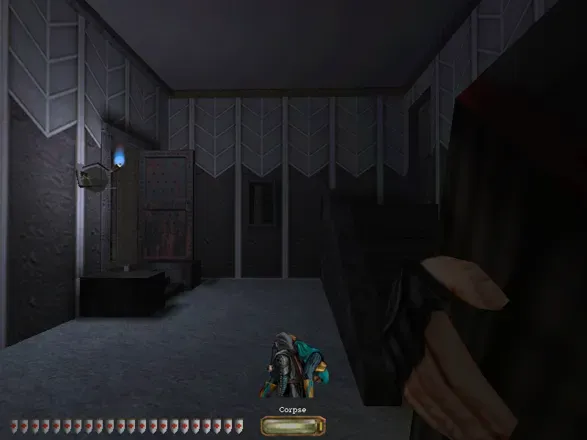
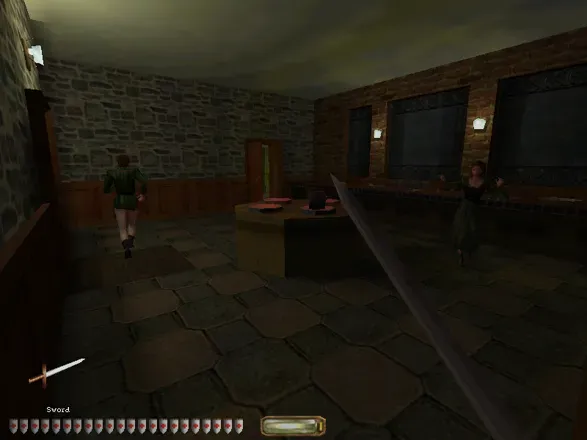
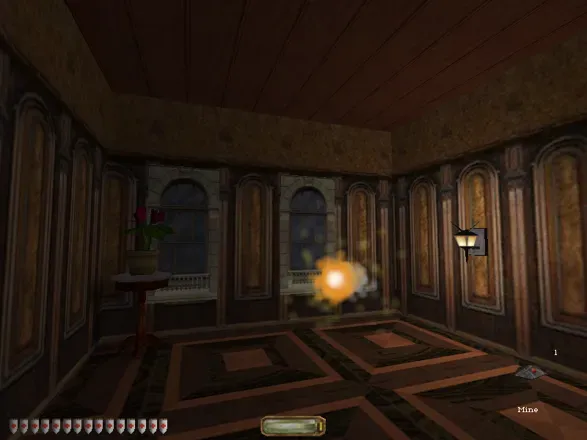
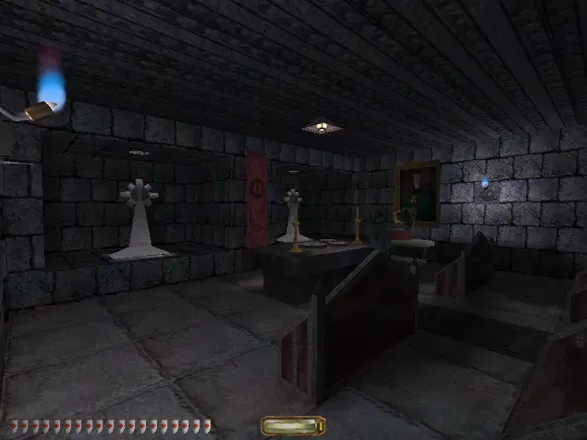
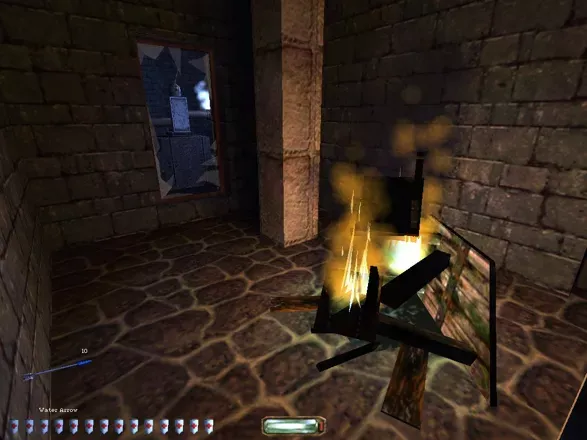
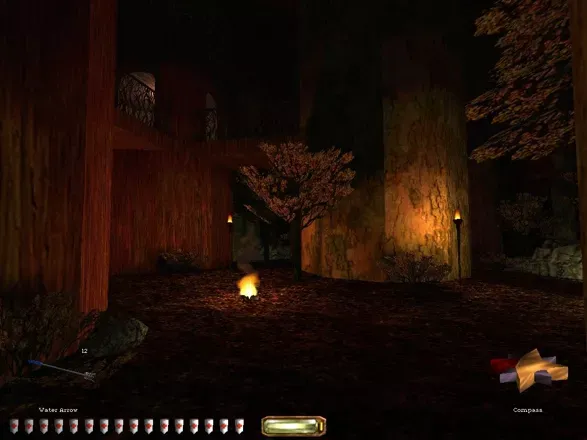
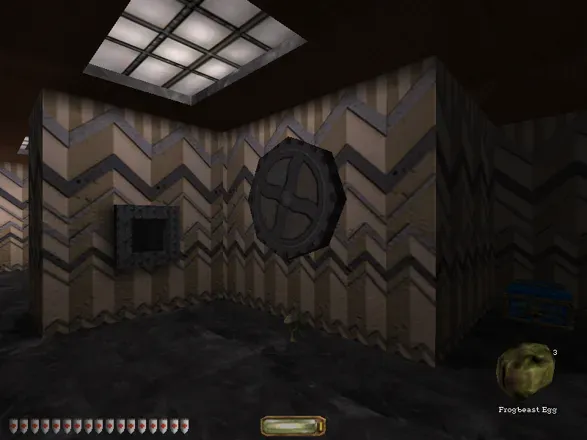
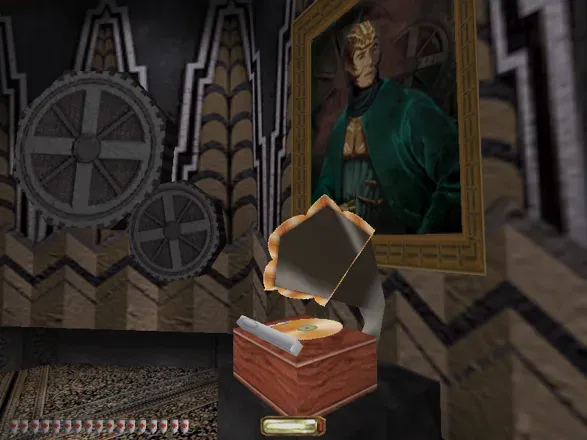
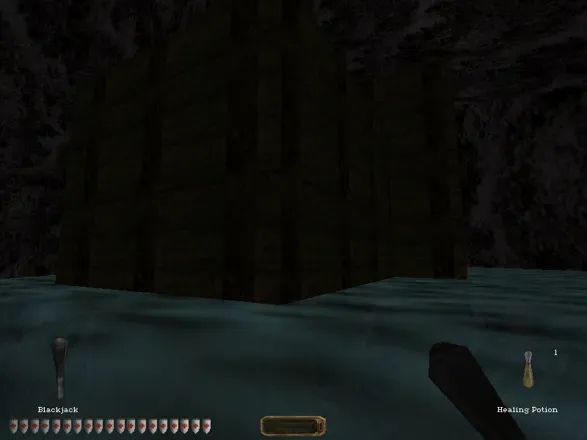
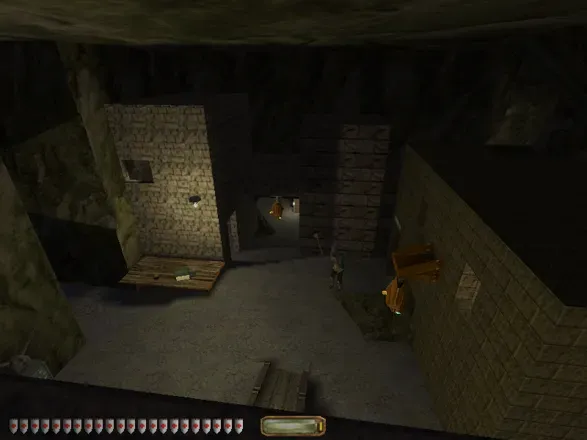
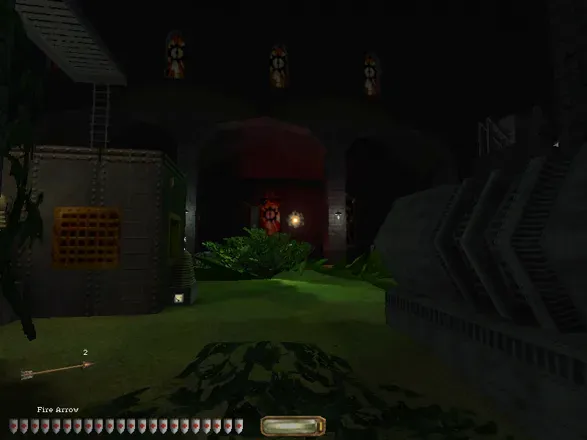
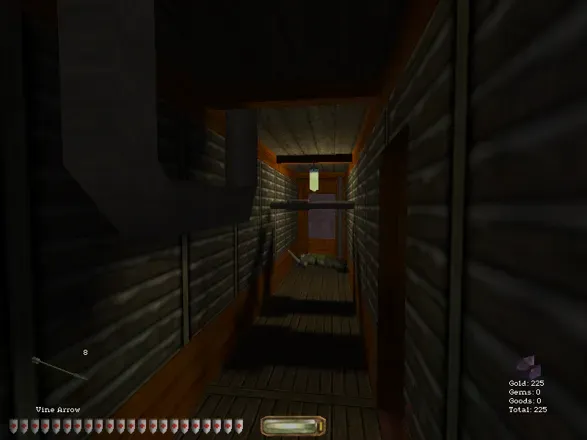
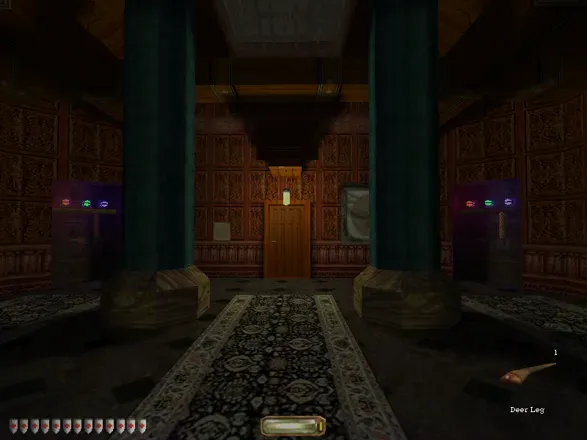
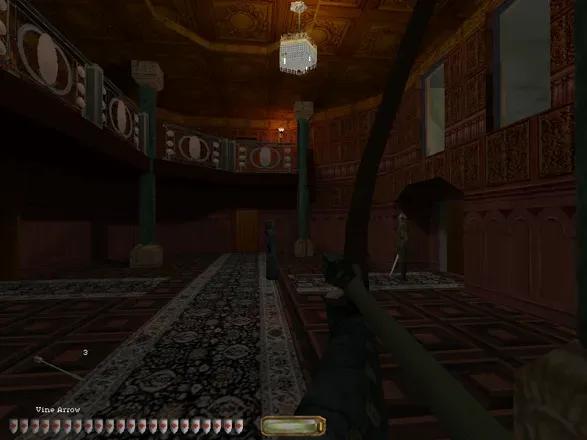
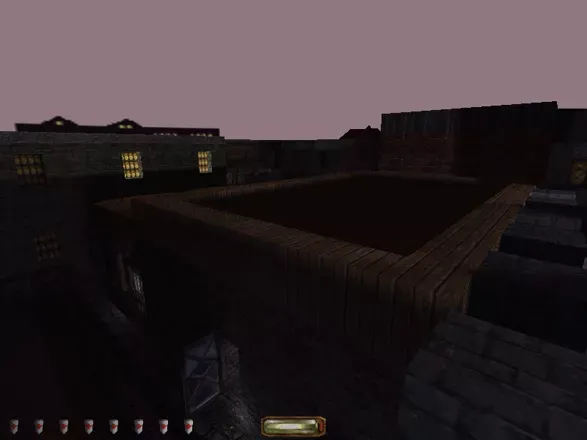
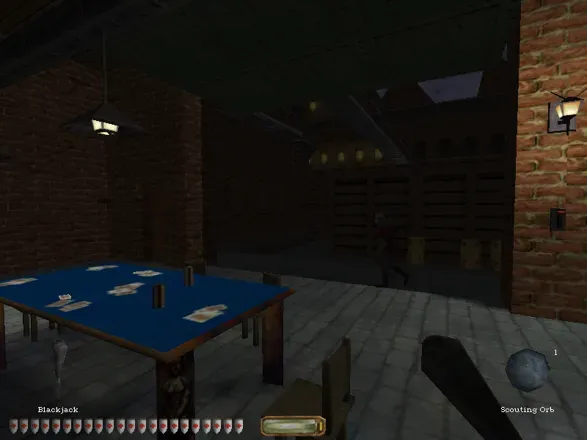
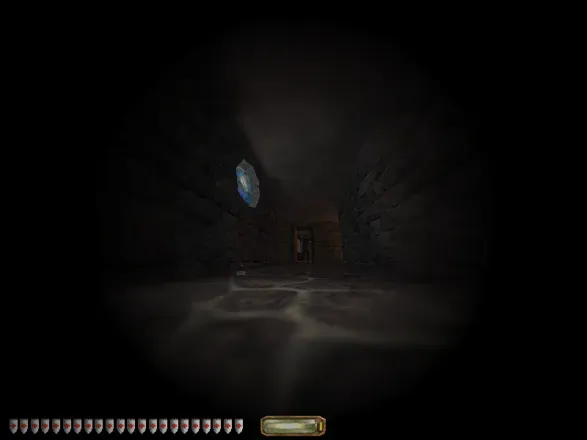
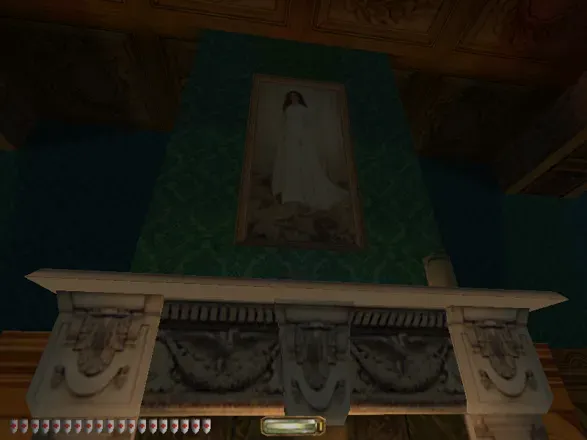
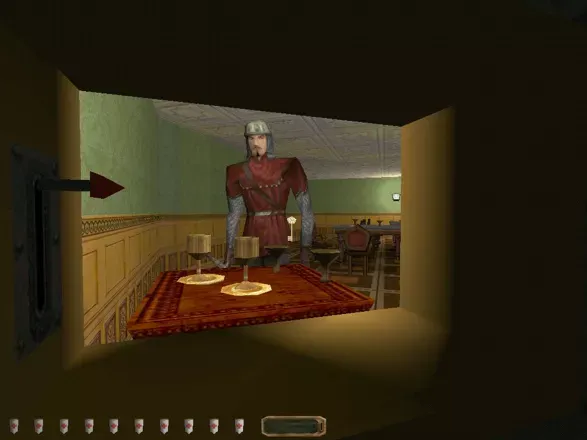
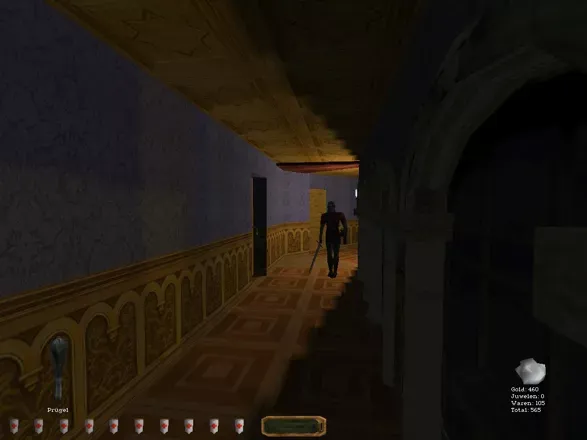
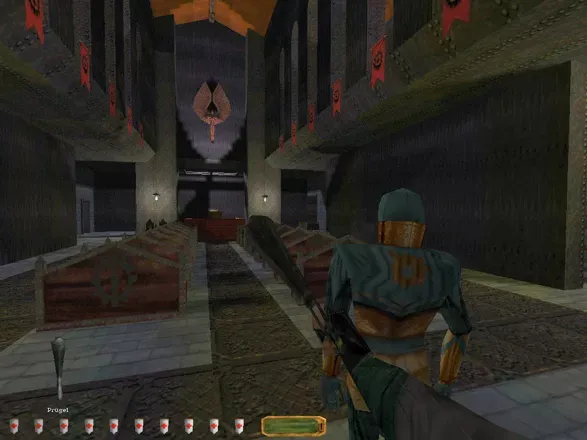
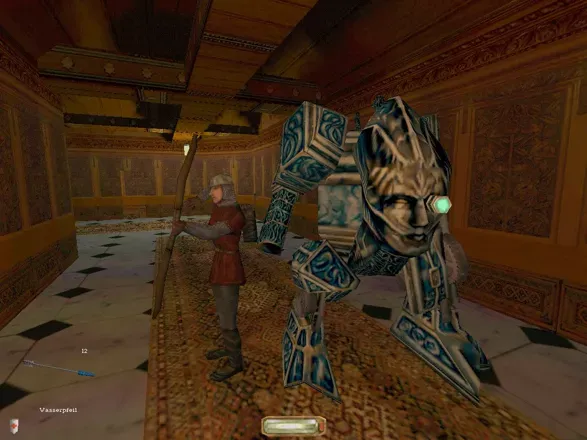
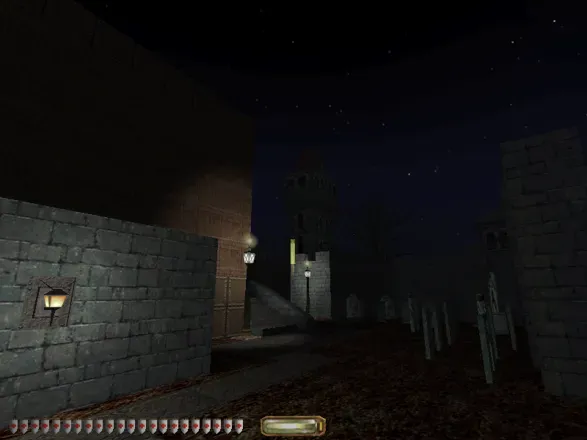
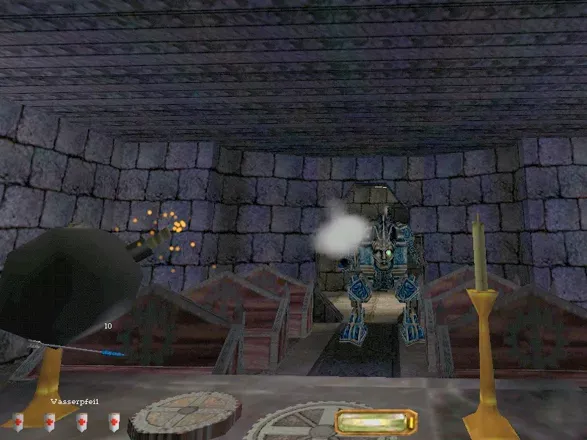
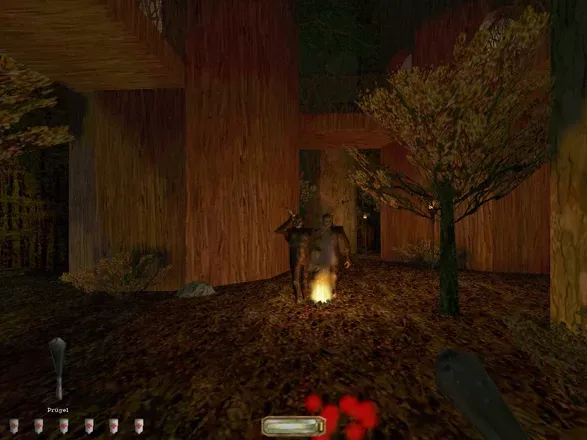
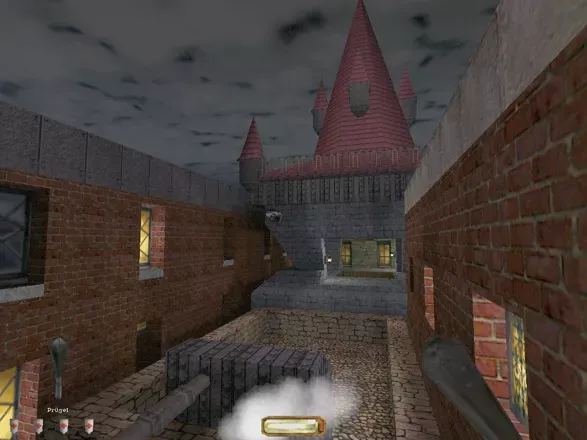
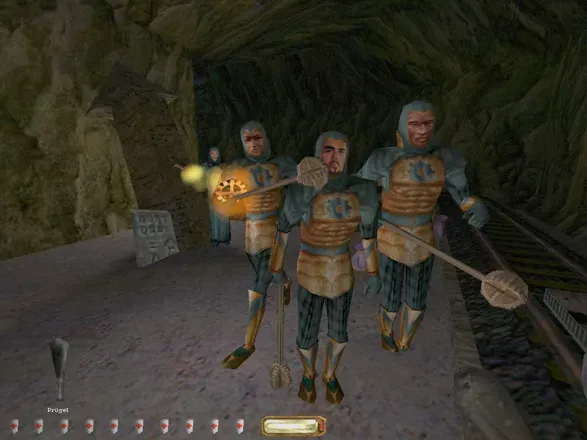
On Windows, the game used the late-1990s PC hardware environment to deliver atmospheric level design, subdued lighting, and distinctive audio cues that were central to its stealth systems. Its visual presentation leans into industrial fantasy and mechanical architecture, while the soundscape reinforces the tactical importance of every footstep, door, and guard patrol.
Collector’s Value & Rarity
Original retail copies are generally collectible because the game is both a celebrated PC stealth classic and a title tied to the final chapter of Looking Glass Studios. Market interest is sustained by genre prestige, the game’s legacy status, and the relative scarcity of complete early PC releases compared with later digital editions.
Physical editions may appear with region-specific packaging and publisher variations tied to different markets, including releases associated with Eidos Interactive and other local distributors. For collectors, the most desirable examples are typically complete boxed copies with manuals, discs, inserts, and any original promotional or registration material that accompanied the release.