





Overview
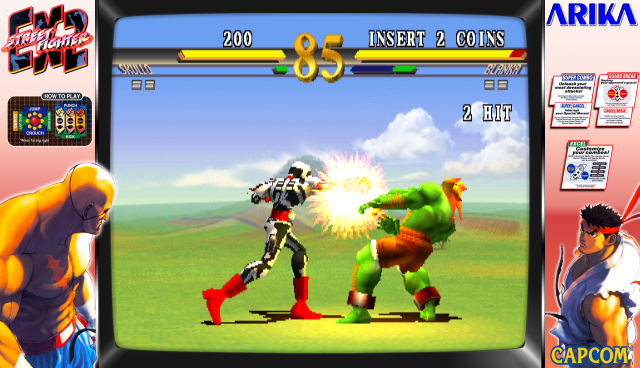
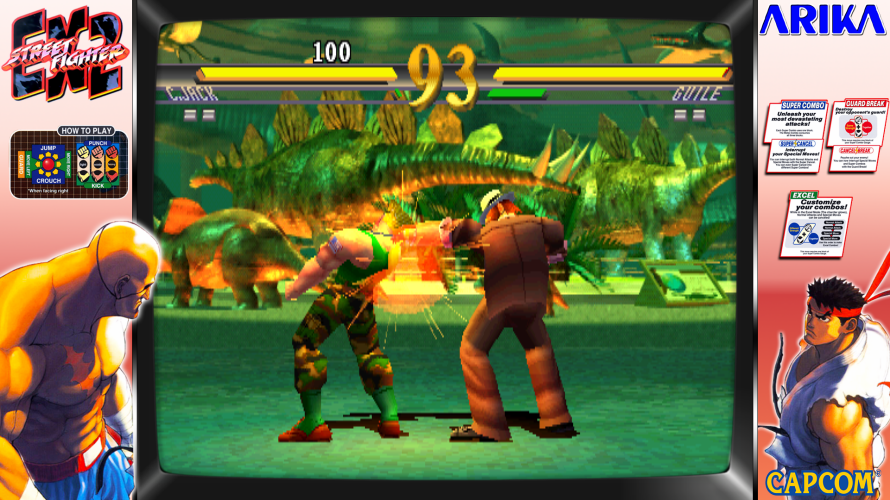
Released in 1998, this fighting game was developed as a collaborative effort between Capcom and Arika. This game is a sequel to the original and features a blend of both new and returning characters from the prior iteration.
Gameplay
The game is set in a fully 3D environment, a notable shift from the traditional 2D style that many players were accustomed to in the 1990s fighting games. It capitalizes on three-dimensional models to deliver more dynamic and robust fighting sequences. The game retains many of the core mechanics of its predecessor, utilizing a six-button system that allows for a wide variety of punches, kicks, and special moves as players engage in one-on-one battles.
Special Features
Among the game’s new features is the introduction of “Excel Combos,” which gives players the ability to chain together more complex attack sequences, enhancing the depth and strategic elements of gameplay. In addition, the game includes a special “Guard Break” feature that allows players to break through an opponent’s defense, adding another layer of strategy.
Historical Context and Development
This title is part of the larger franchise lineage that was significant in popularizing the fighting game genre globally. Its collaboration between Capcom and Arika signifies a harmonious blend of expertise and creativity. At the time, the transition to 3D graphics was particularly significant, as it demonstrated the evolving capabilities of gaming technology.
Character Roster
The game features a diverse roster of characters, including both fan favorites from the original series and new fighters that add fresh dynamics to the overall gameplay experience. Each character is equipped with distinct abilities and fighting styles, ensuring a varied and engaging lineup for players to explore.
Legacy
While it may not have achieved the same iconic status as earlier entries in the broader franchise, this game holds a unique position as a bridge between the 2D origins and the exploration into 3D gaming for fighting games. Its innovations and adaptations marked a period of experimentation that would influence many subsequent titles within the genre.