






Historical Context & Trivia
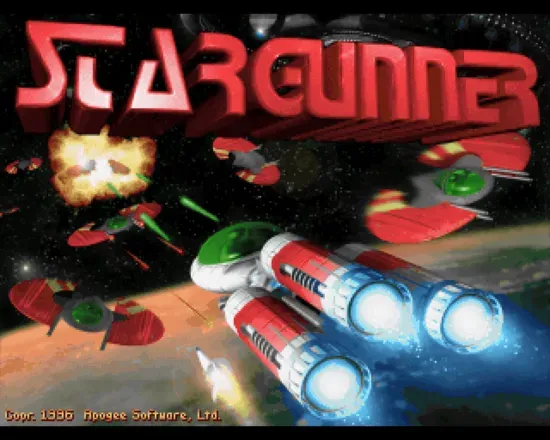
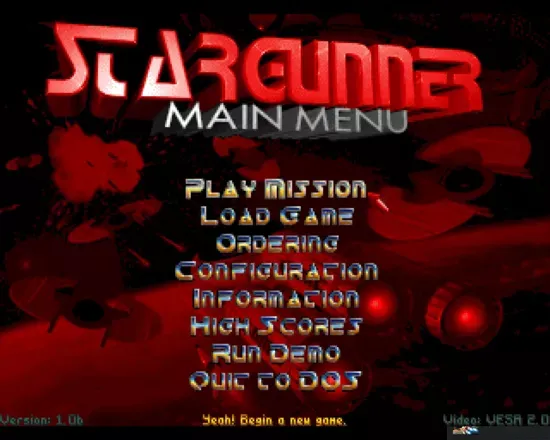
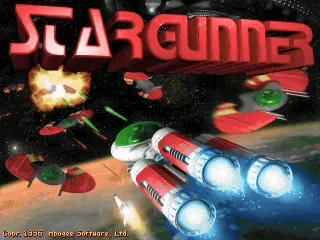
Stargunner was released in 1996 as a fast horizontal scrolling shooter for DOS, and it sits near the end of Apogee Software’s classic shareware era. It is also closely associated with the transition period when the company’s branding was shifting toward 3D Realms, making it one of the last releases tied to the old Apogee identity.
The game is a sci-fi action title built around arcade pacing, pre-rendered presentation, and episode-based progression, which fit Apogee’s late-era PC catalogue well. Contemporary records attribute the release to Apogee Software, with later references also connecting it to the broader 3D Realms brand history.
Gameplay & Technical Features
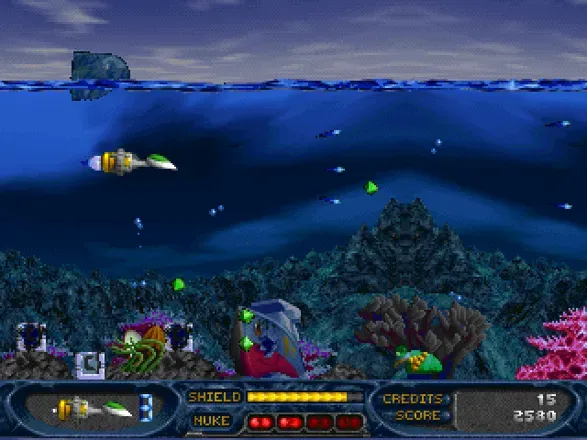
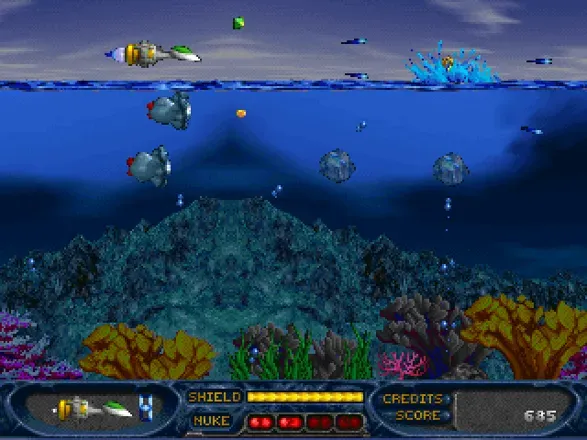
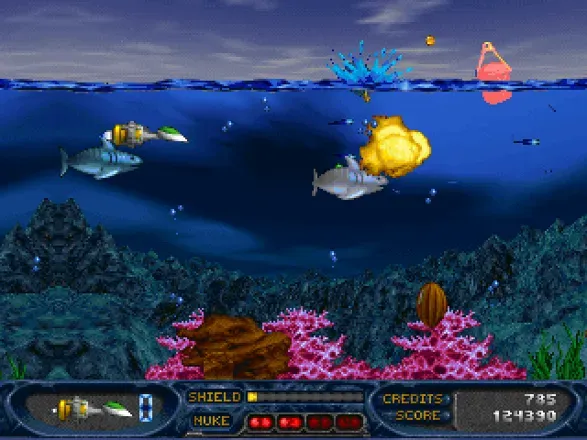
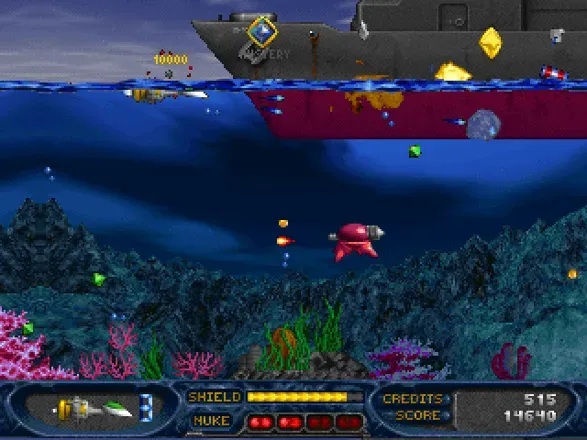
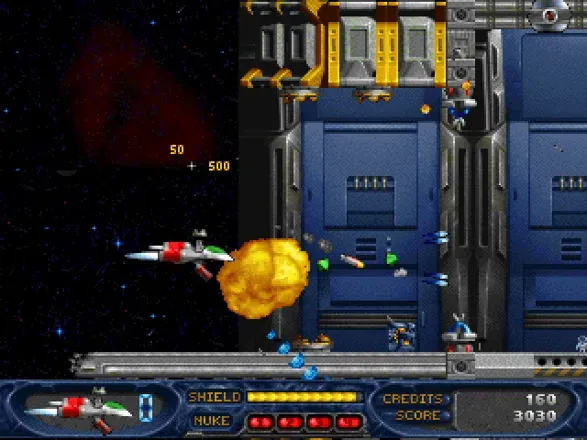
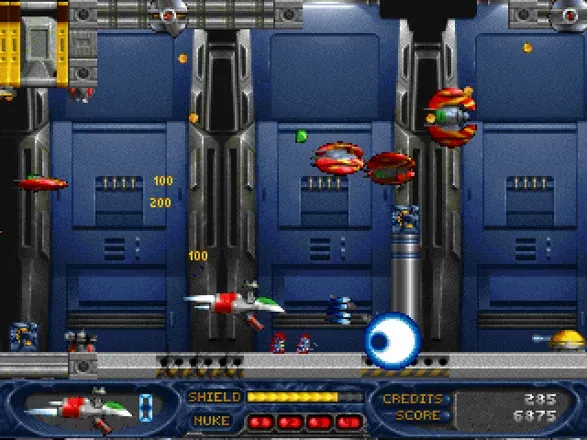
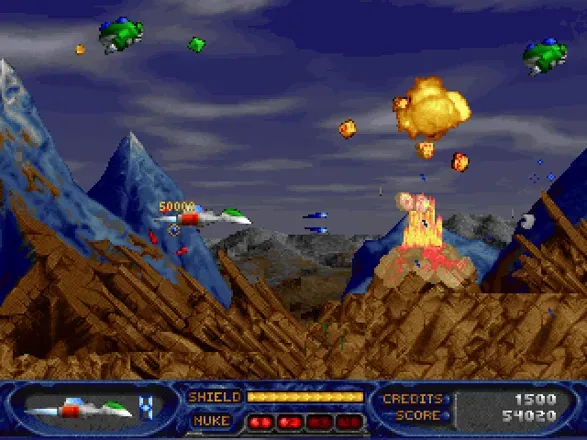
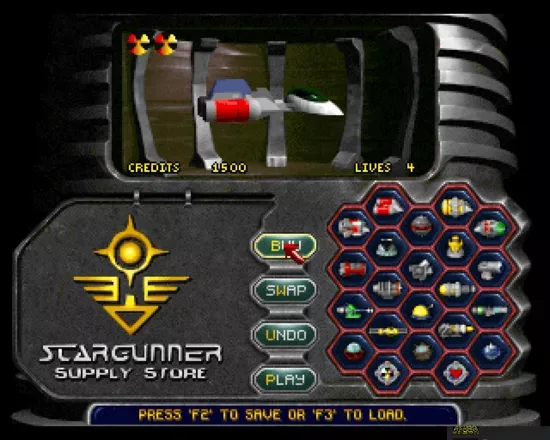
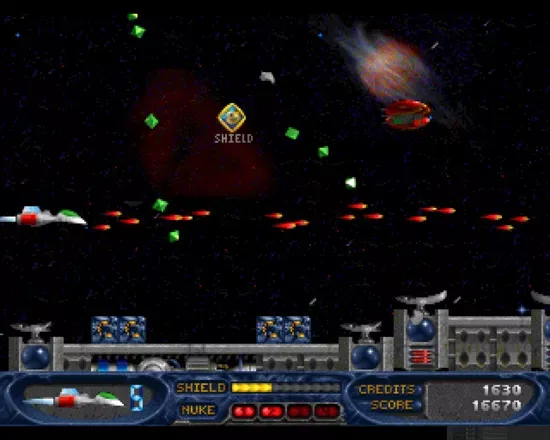
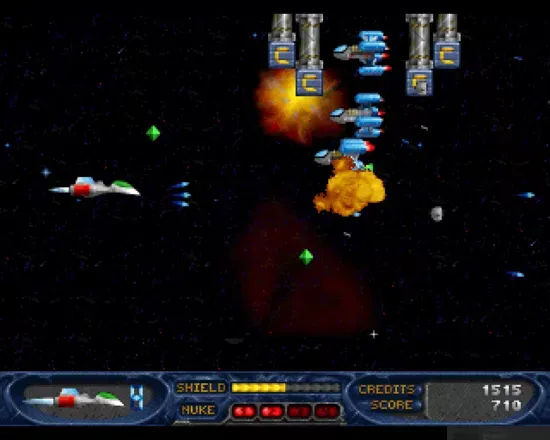
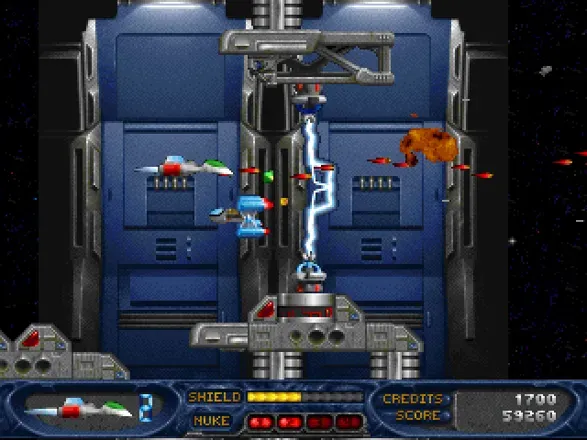
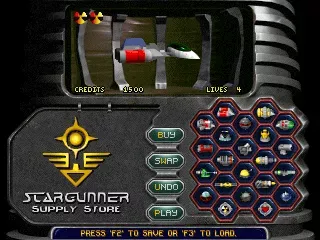
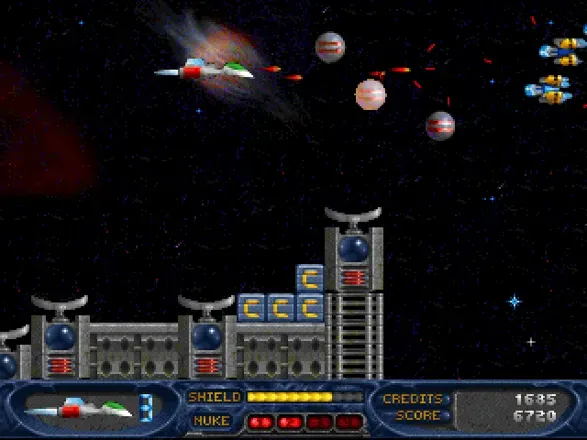
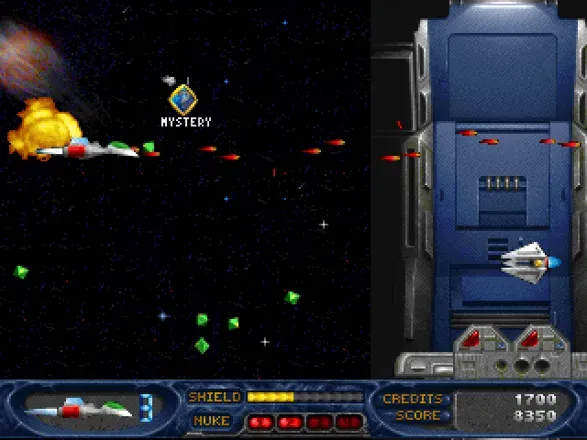
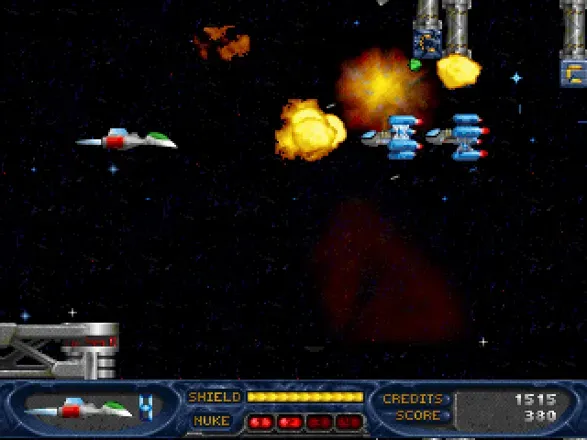
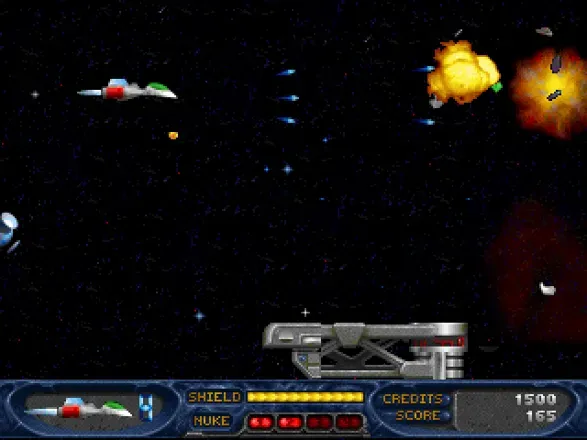
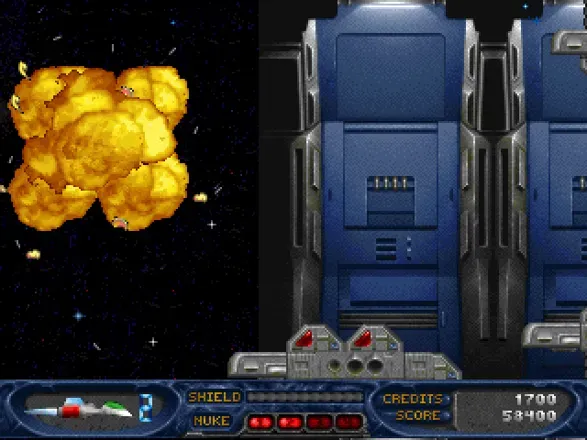
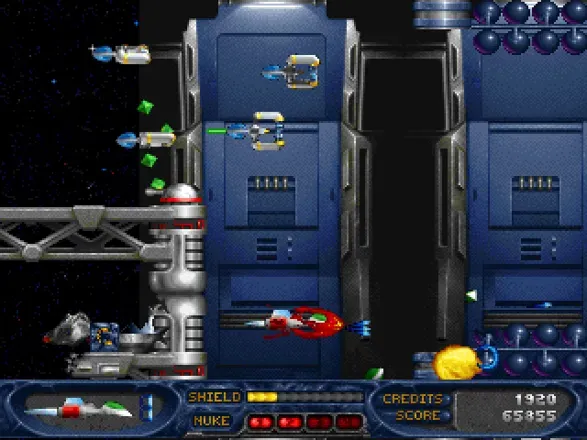
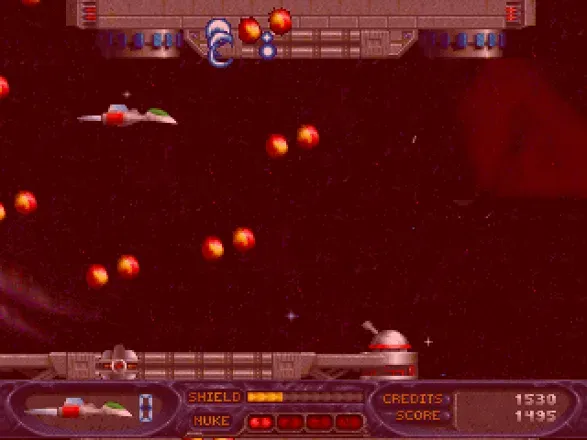
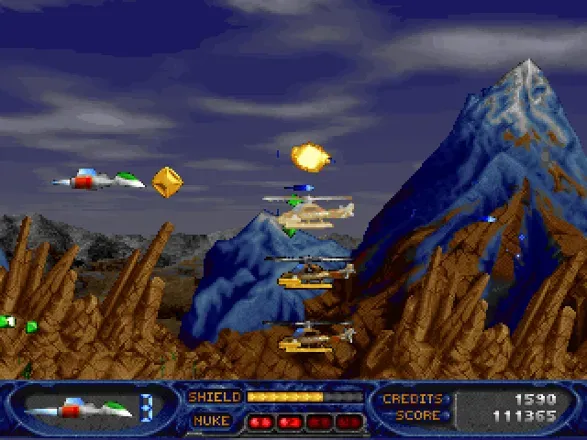
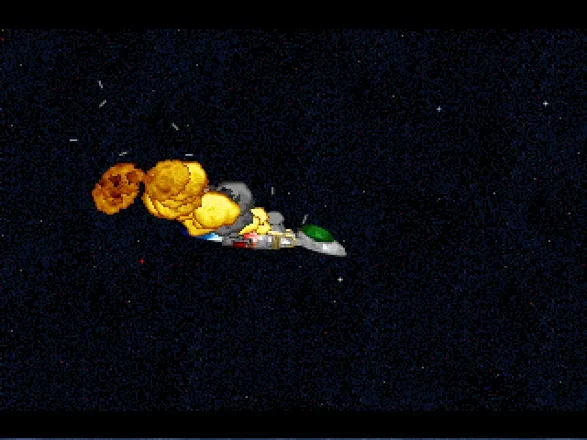
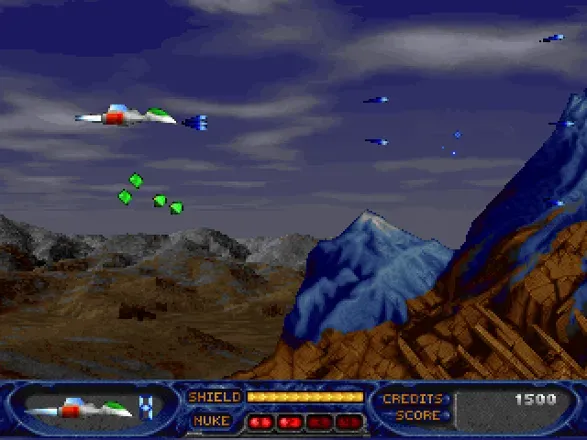
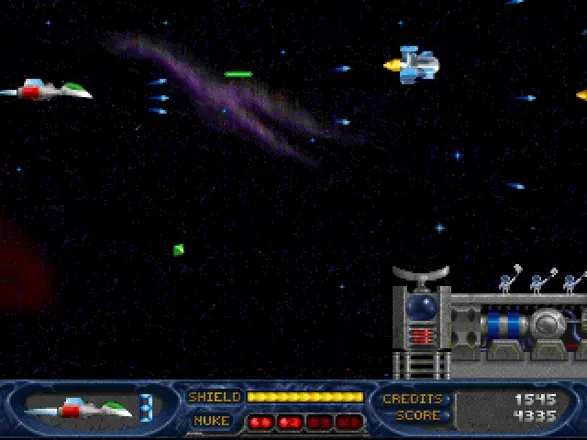
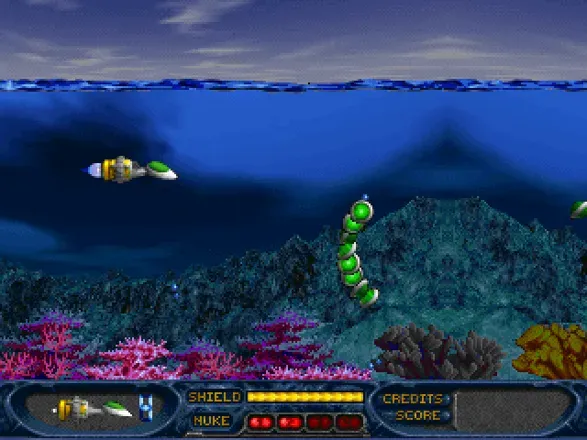
Stargunner plays as a side-scrolling action shooter focused on constant movement, enemy waves, firepower management, and boss encounters. The core loop emphasizes reflex-driven combat and upgrading through score or in-game rewards, giving it the familiar structure of a classic shoot-’em-up.
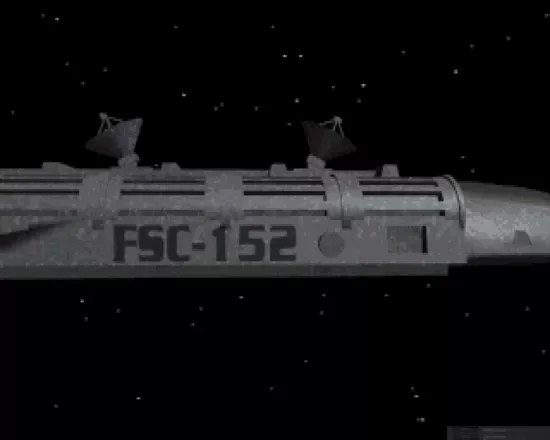
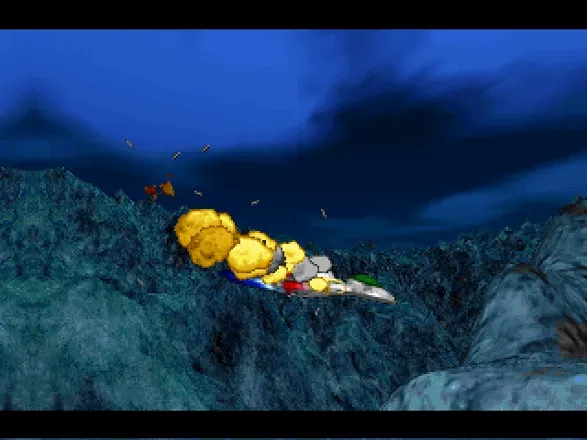
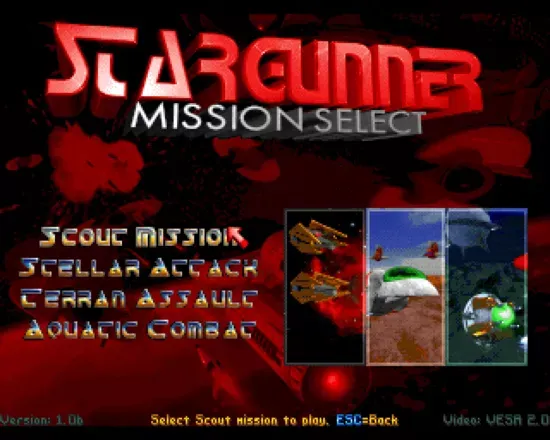
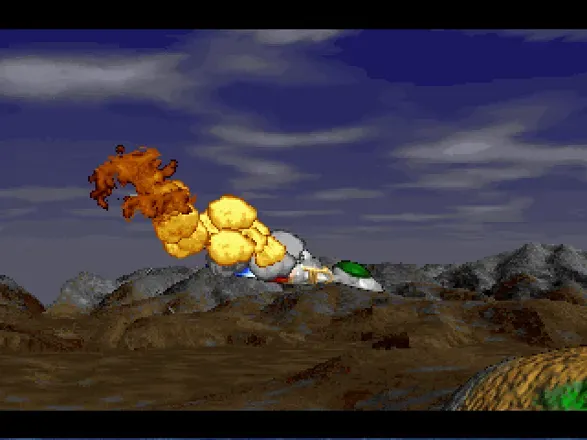
On DOS, the game leaned on the platform’s strengths for smooth 2D scrolling and colorful sprite-based presentation, while its futuristic art direction and pre-rendered look helped it stand out visually among mid-1990s PC shooters. The audio and presentation were designed for the typical IBM-compatible PC environment, with the game’s structure divided into missions and episodes for shareware-style distribution.
Collector’s Value & Rarity
Stargunner is generally more notable as a preserved DOS classic than as a rare collector’s trophy, since it remained accessible through later re-releases and freeware distribution. Physical copies are still of interest to Apogee and DOS collectors, but the game is not typically treated as a high-scarcity marquee rarity.
Value is most affected by whether a copy includes original packaging, inserts, and any promotional or registration material associated with the retail release. Variants tied to Apogee Software branding versus later 3D Realms references may matter to dedicated collectors, especially when completeness and box condition are the main priorities.