

Historical Context & Trivia
Star Wars: Jedi Knight – Dark Forces II (1997) is a landmark Windows action game in the Star Wars expanded-universe line, and it built directly on the earlier Dark Forces formula while pushing the series toward full Jedi fantasy. It is widely documented as the follow-up to Star Wars: Dark Forces and is set after Return of the Jedi, with Kyle Katarn uncovering his Force connection and confronting Jerec’s pursuit of the Valley of the Jedi.
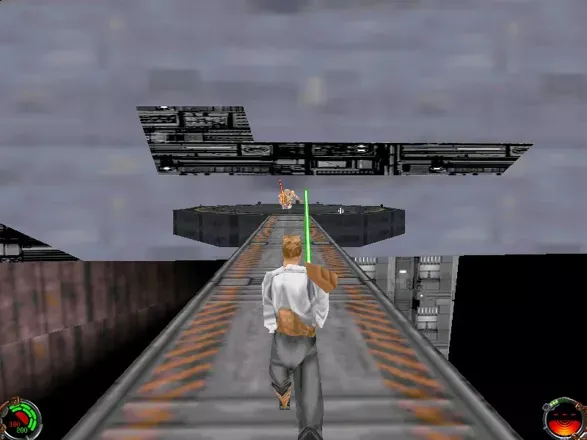
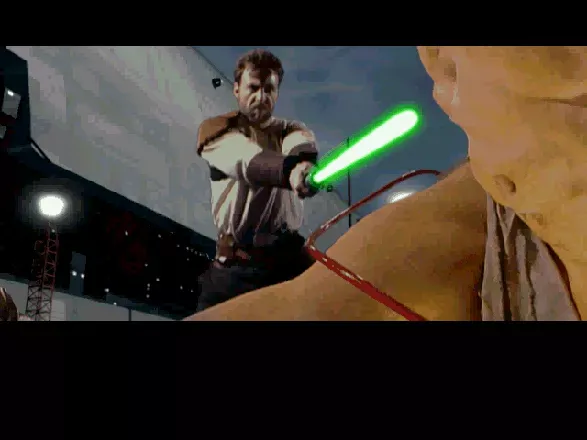
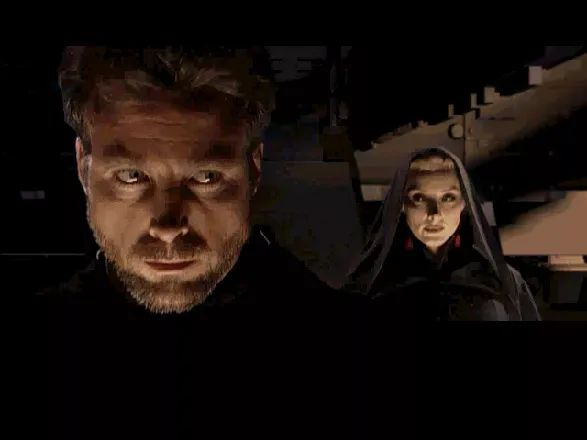
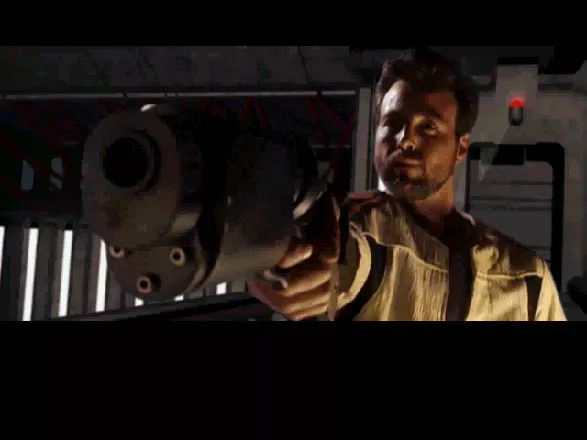
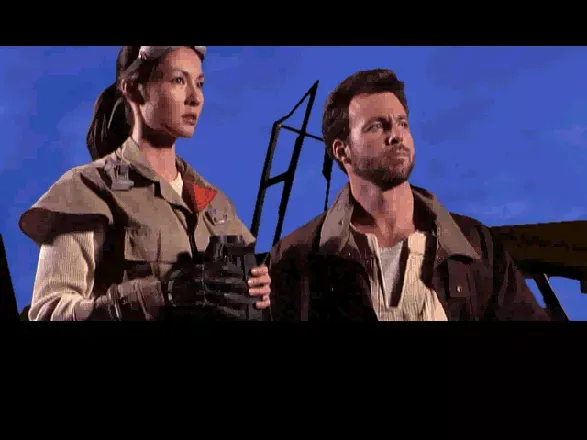
LucasArts both developed and published the game, and contemporary listings place its release in October 1997. The title is especially notable for introducing lightsaber combat, Force powers, live-action cutscenes, and branching moral choices, making it one of the earliest Star Wars PC games to let players actively shape a light-side or dark-side outcome.
Gameplay & Technical Features
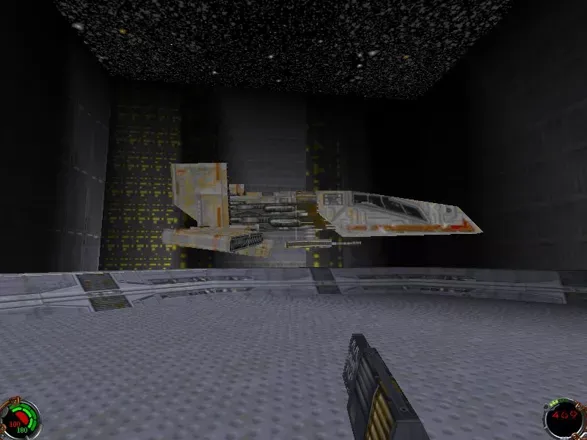
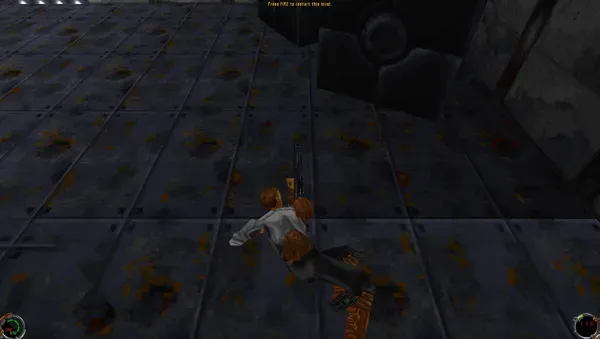
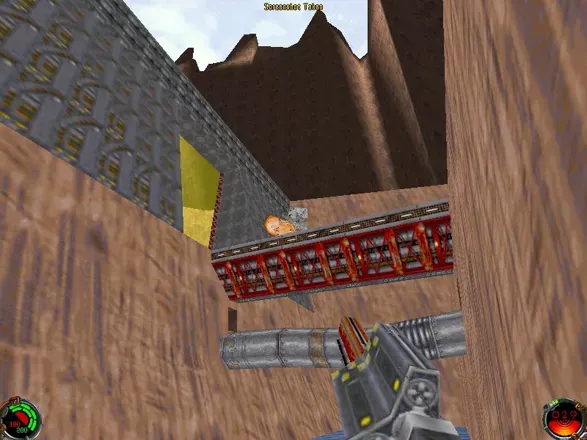
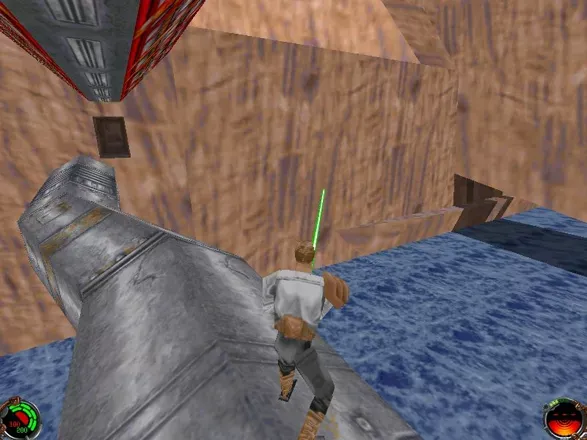
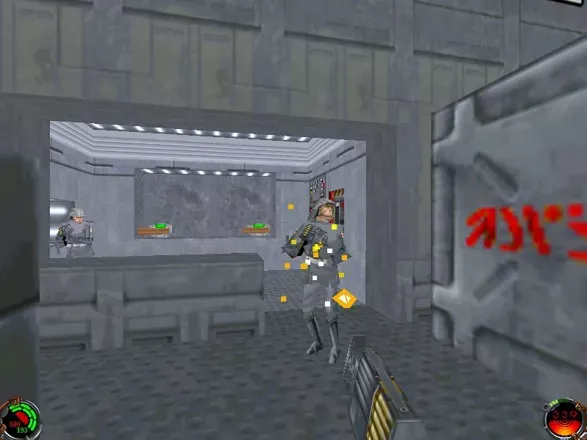
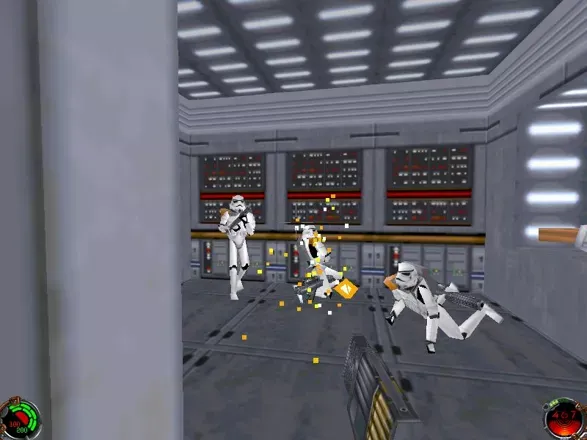
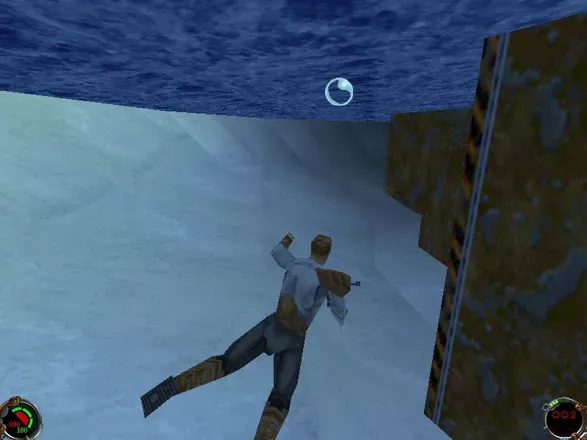
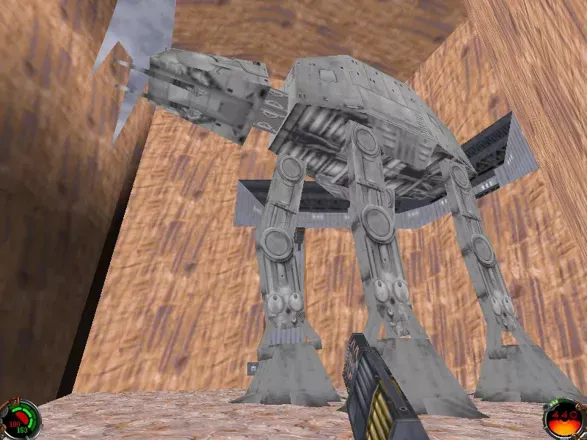
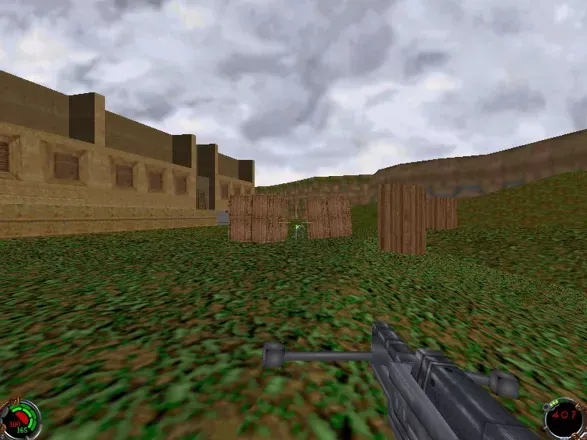
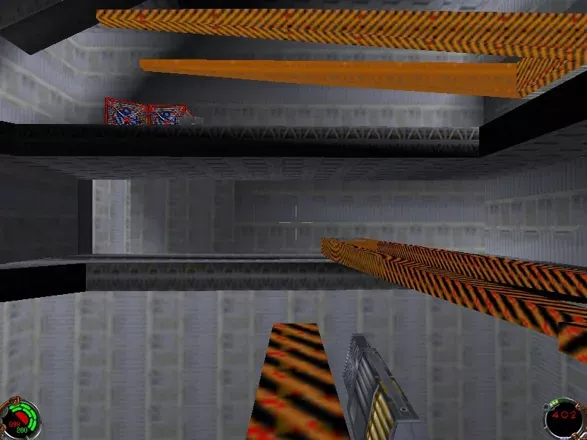
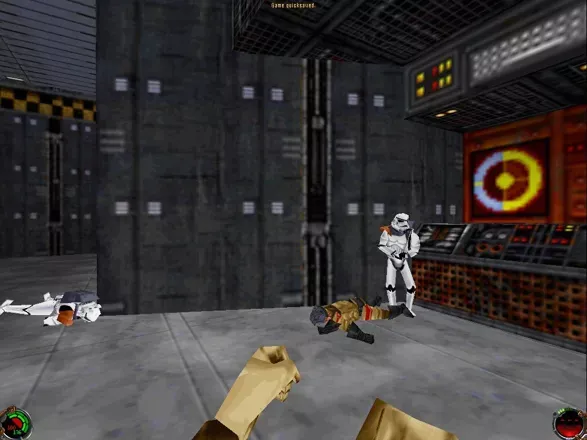
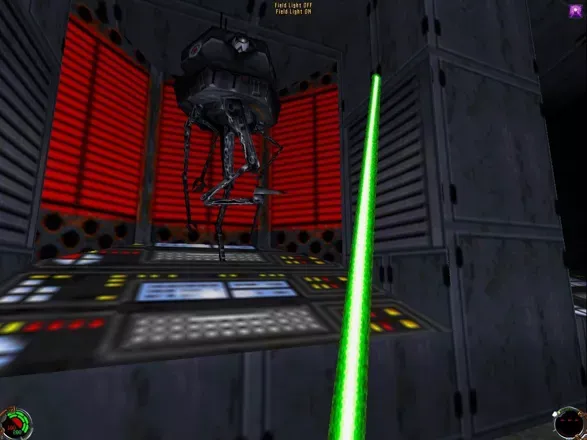
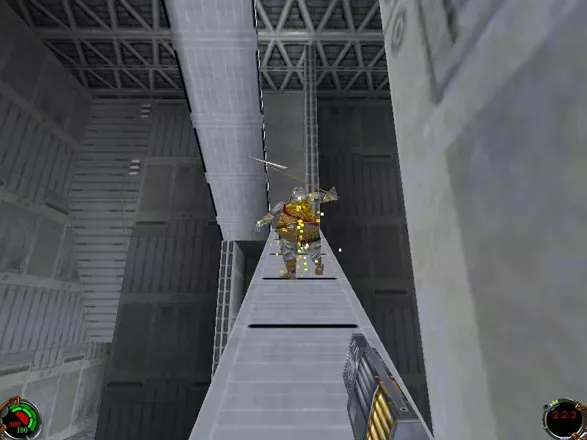
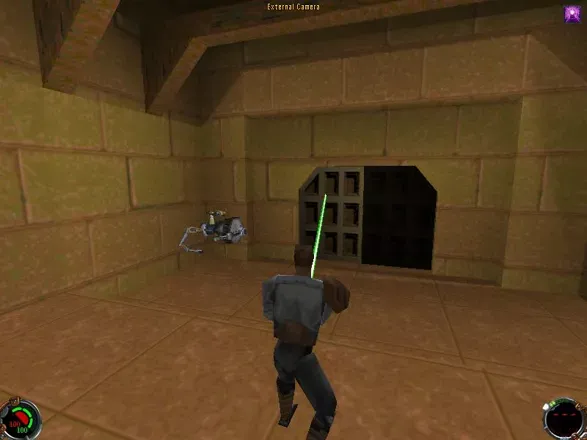
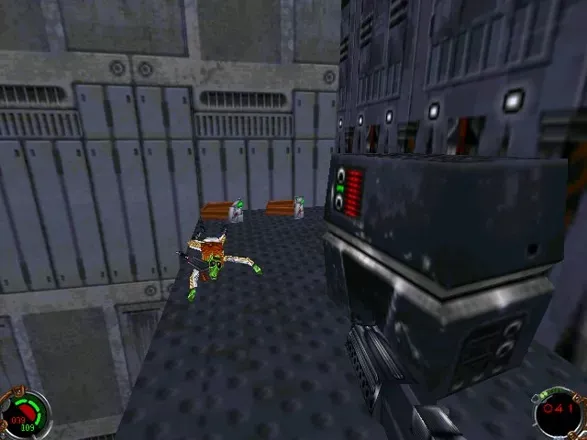
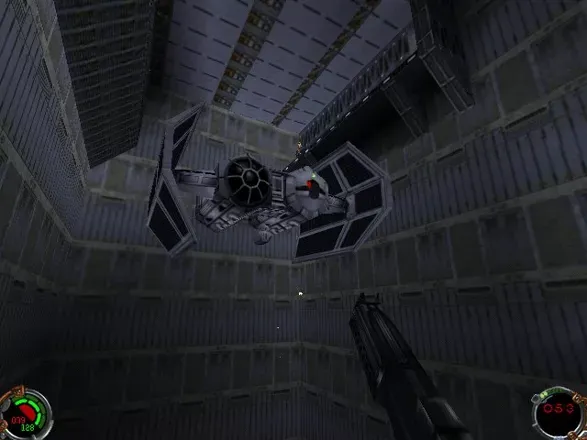
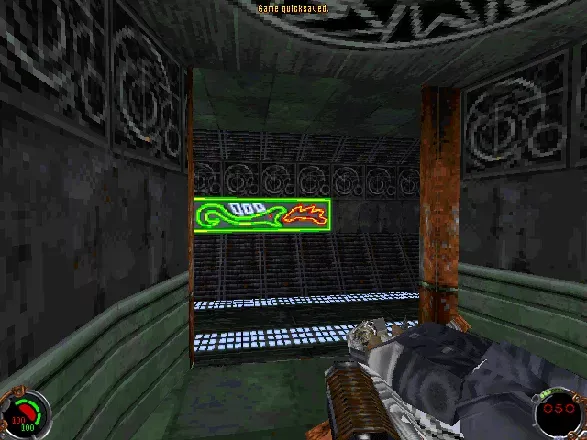
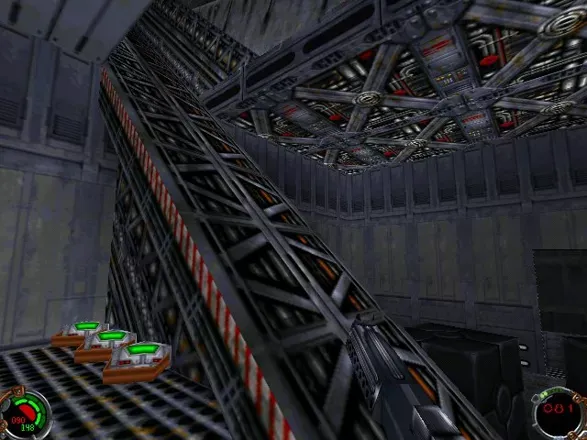
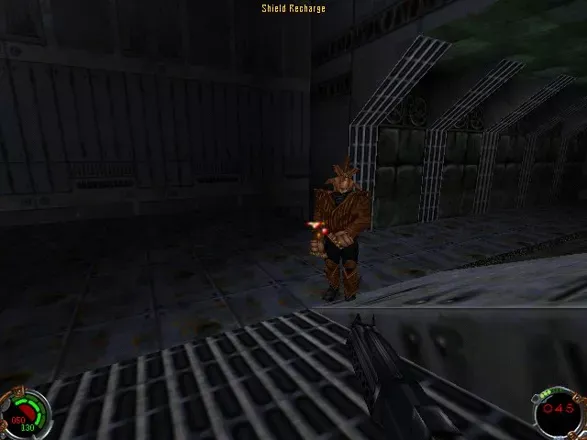
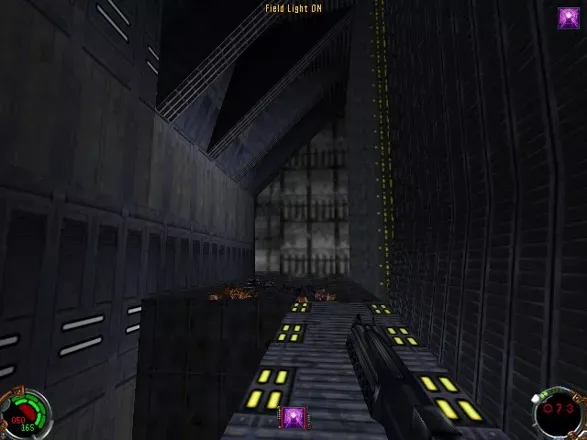
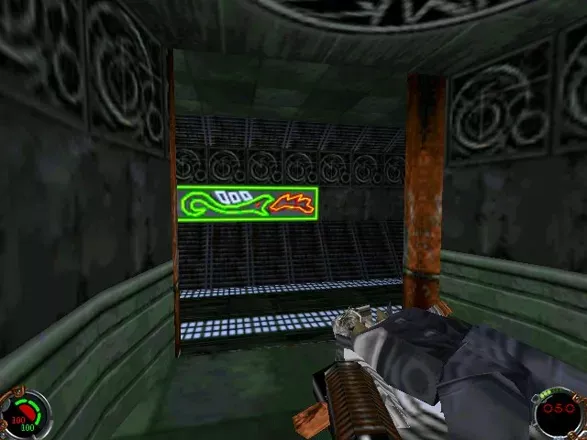
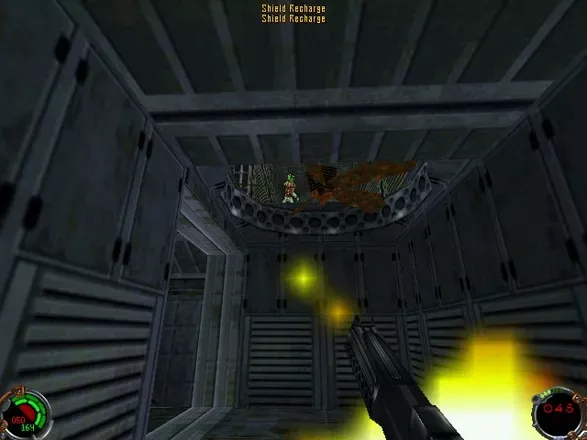
This is an action game built around first-person shooting, exploration, and later melee combat, with the player switching between blasters, other firearms, and eventually a lightsaber. Sources also describe a first-person core with optional third-person viewing, plus a morality system that tracks player decisions and influences the ending.
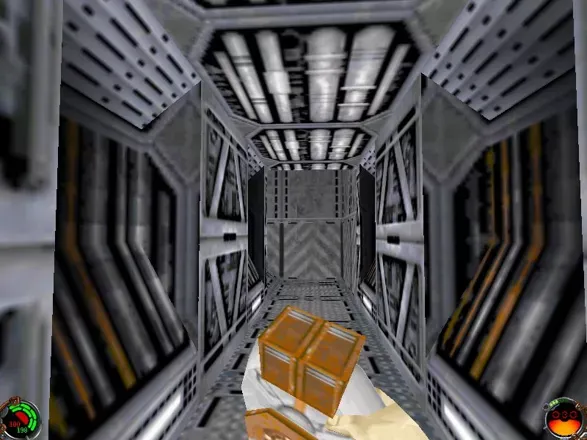
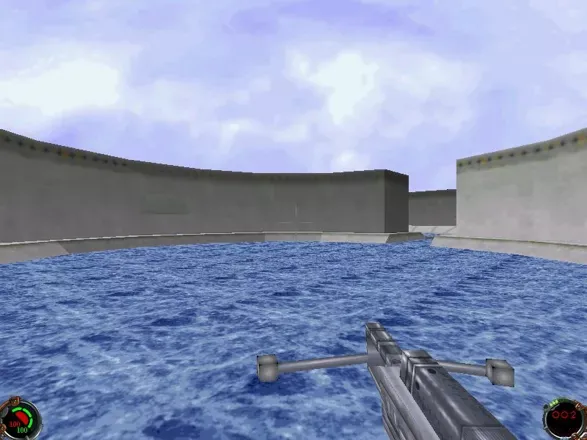
On Windows, the game was presented as a more advanced 3D sequel to the earlier title, with references to new engine technology, full 3D visuals, mouselook, and CD-based audio production. The release also supported large-scale presentation for its time, including live-action video sequences and a soundtrack that reviewers described as more cinematic than the MIDI-driven approach used in many earlier PC releases.
Collector’s Value & Rarity
Star Wars: Jedi Knight – Dark Forces II is not generally treated as a rare title; it was a mainstream PC release and is commonly preserved in digital storefront and database listings rather than as a scarce collector-only artifact. Its value for collectors comes more from its status as a pivotal Star Wars PC release than from scarcity alone, especially because it helped define the later Jedi Knight sub-series.
Physical copies are notable for their two-CD format, which is specifically mentioned in player documentation and reflects the game’s larger FMV and audio footprint. Regional packaging details are not well documented in the provided results, so the safest preservation note is that the key collectible identity centers on original CD-ROM editions and any surviving inserts or manuals tied to the 1997 Windows release.