


Overview
Samurai Shodown II, released in 1994 by SNK, is a classic fighting game that expands upon the mechanics and success of its predecessor. Known in Japan as Shin Samurai Spirits Haohmaru Jigokuhen, the game is celebrated for its deep gameplay, distinctive characters, and unique setting that draws heavily from the historical and fantastical elements of Japan’s samurai culture.
Gameplay
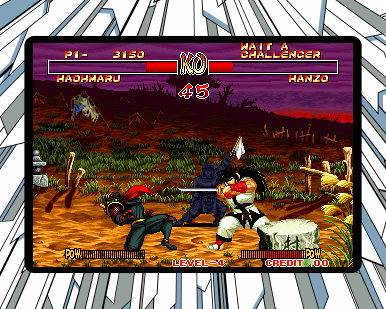
The game features a roster of fighters, each wielding weapons and possessing unique fighting styles. Unlike many other fighting games of its era, it emphasizes tactical play and defense over aggressive, combo-heavy confrontations. Players must master their character’s specific set of moves and carefully time their attacks to defeat opponents. The introduction of a “Rage Gauge” adds an extra layer of strategy, filling up when a character receives damage and allowing for powerful special moves when fully charged.
Graphics and Sound
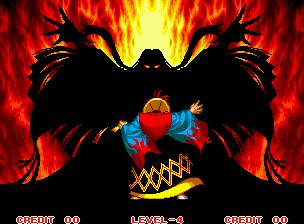
The visual presentation of the game showcases vibrant 2D graphics with meticulously detailed sprites and backgrounds. The artistic direction draws heavily from traditional Japanese aesthetics, marrying ancient Japanese themes with the intensity of martial combat. The accompanying soundtrack complements the visuals with music and sound effects that further immerse players in the game’s setting.
Legacy
As a critically acclaimed title within the fighting game genre, Samurai Shodown II has maintained a strong legacy over the years. Its influence can be seen in later editions of the series and in other fighting games that adopted elements of its strategic gameplay and thematic style. It is often highlighted for introducing mechanics that were innovative at the time and for its balanced character roster.
Trivia
- The game was part of a renaissance for fighting games in the mid-1990s, showcasing SNK’s commitment to creating intricate and challenging environments.
- Many fans and critics regard Samurai Shodown II as one of the finest entries in the Samurai Shodown series due to its refined combat mechanics and rich character designs.
- The game’s release contributed significantly to SNK’s reputation as a leader in the arcade fighting game arena during the 1990s.