

Historical Context & Trivia
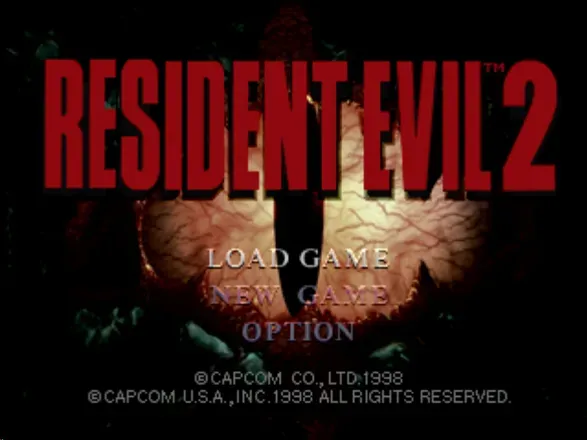
Resident Evil 2 (1998) is a defining survival horror release from Capcom Co., Ltd. that expanded the series beyond the mansion setting of the first game and became one of the most visible PlayStation-era horror titles. It is widely documented as a PlayStation release in January 1998, with later regional releases and a DualShock reissue later that year.
As both developer and publisher, Capcom built the game around two intertwined campaigns, one centered on Leon S. Kennedy and the other on Claire Redfield, a structure that helped distinguish it from many contemporaries on the PlayStation. The game’s original release is also associated with strong commercial performance and broad platform expansion afterward, but the 1998 PlayStation version remains the foundational edition.
Gameplay & Technical Features
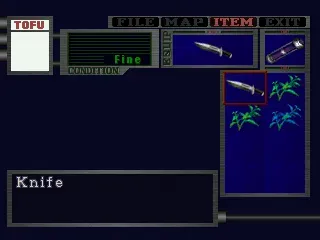
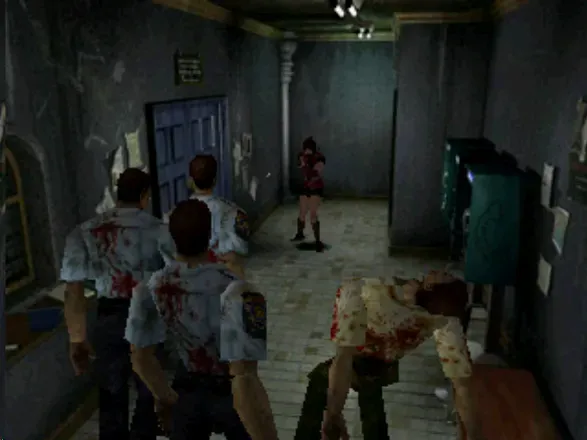
In its core design, Resident Evil 2 combines exploration, resource management, puzzle-solving, and action-driven combat within a tense undead outbreak scenario set in Raccoon City. The dual-scenario structure gives the player two complementary perspectives on the same events, with each route offering different item placement, story details, and enemy encounters.
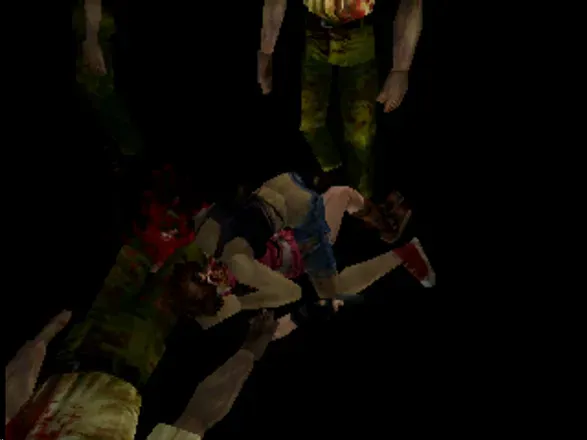
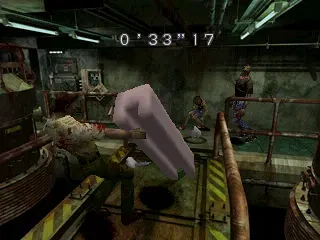
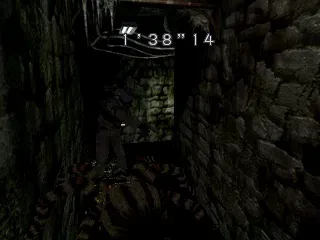
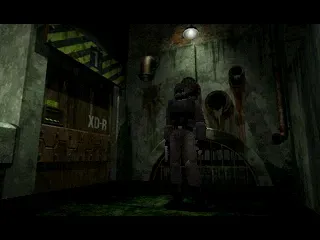
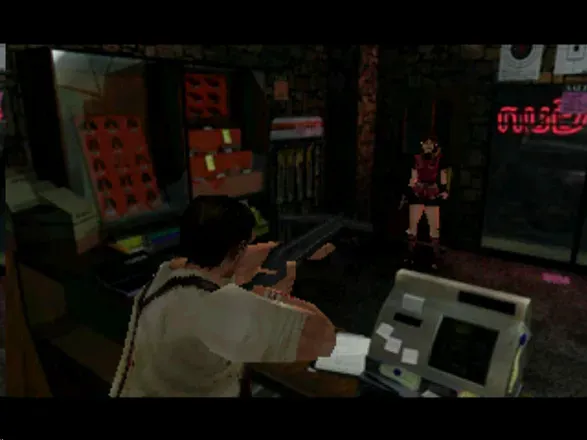
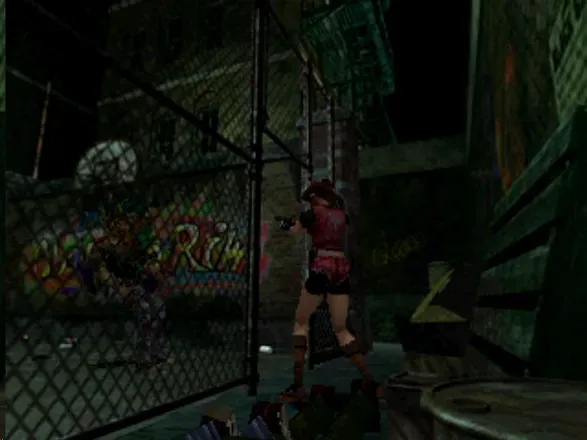
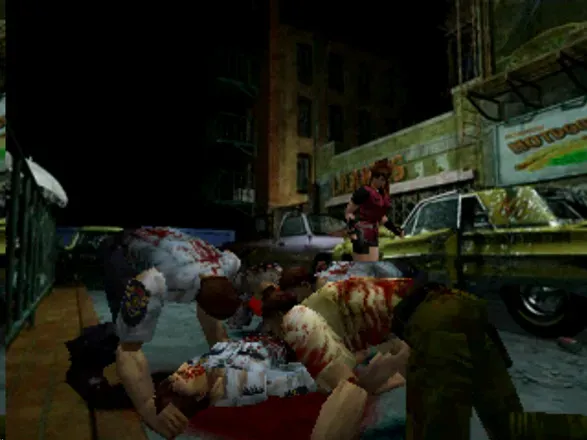
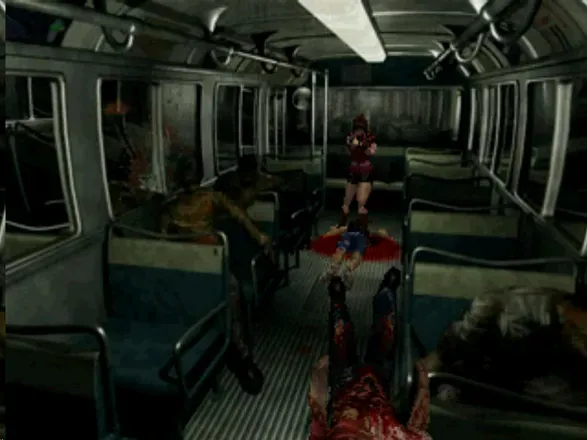
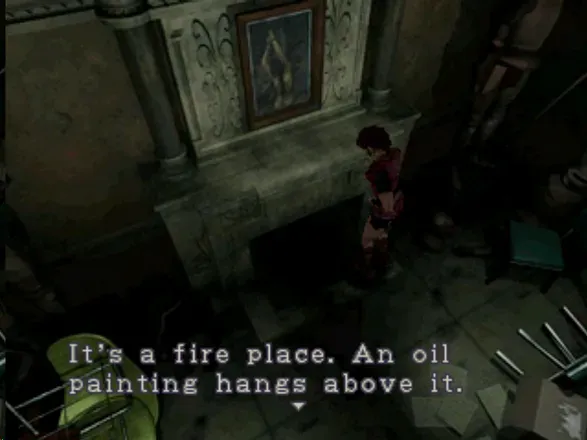
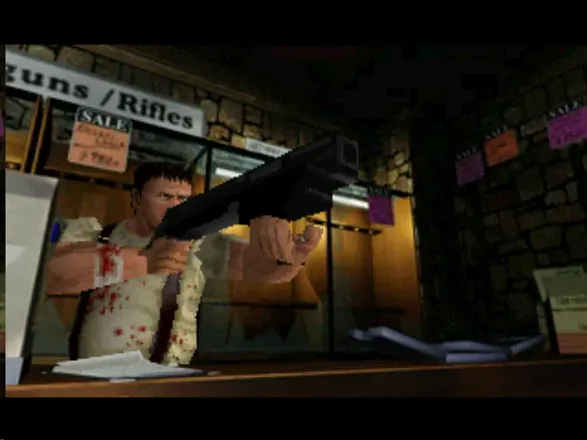
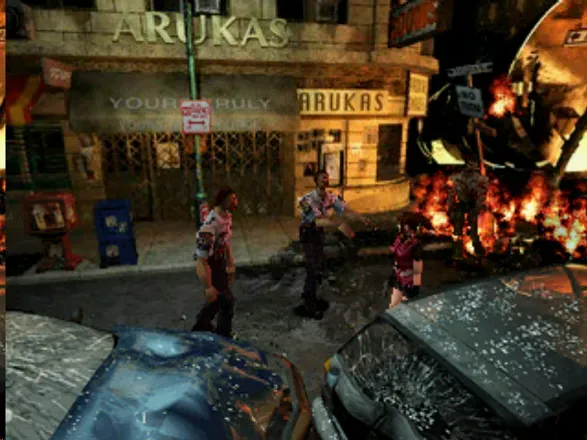
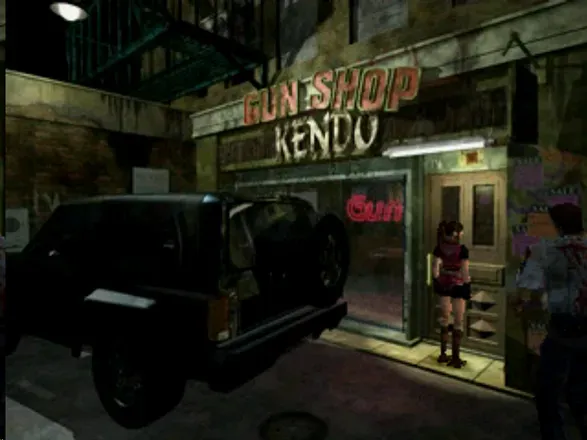
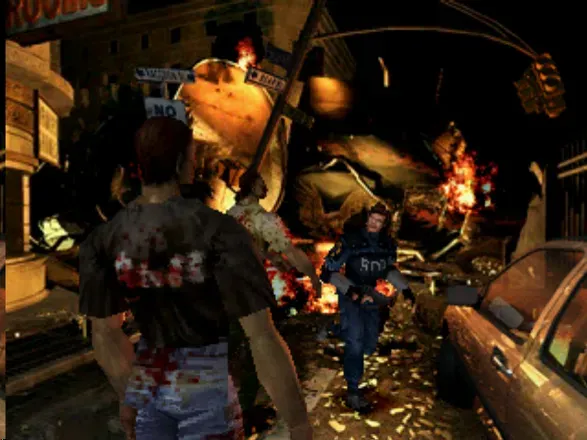
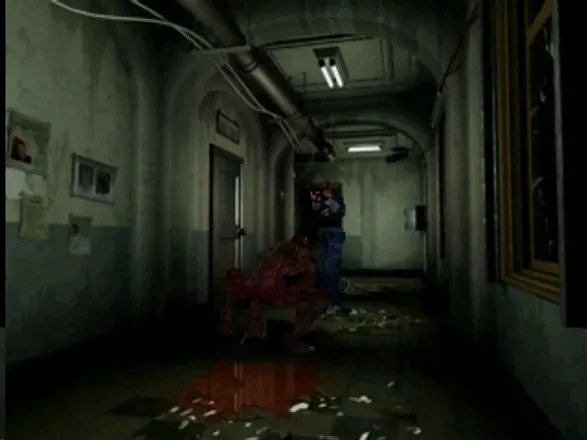
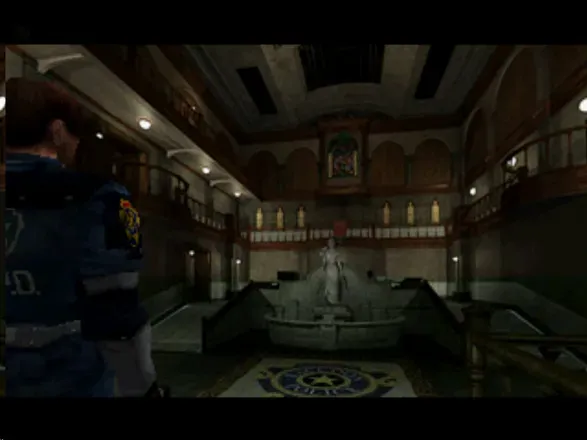
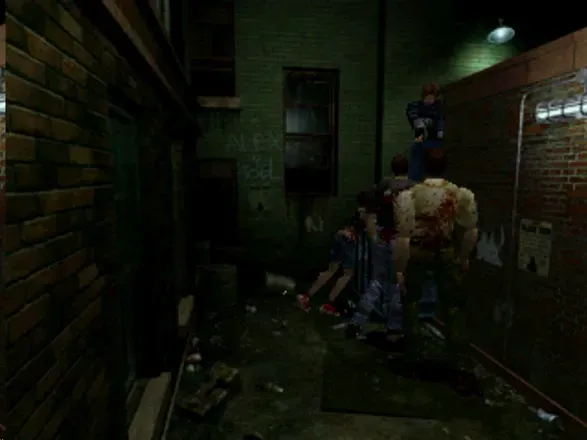
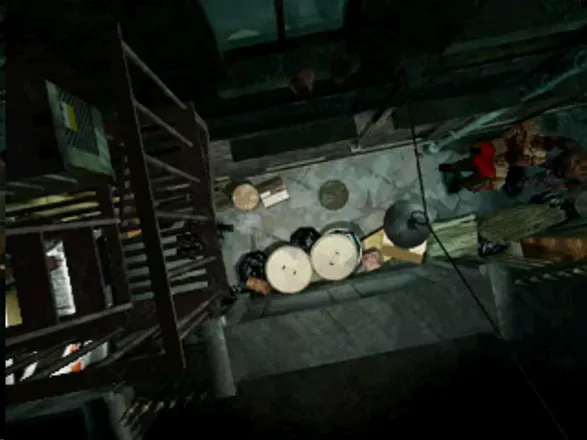
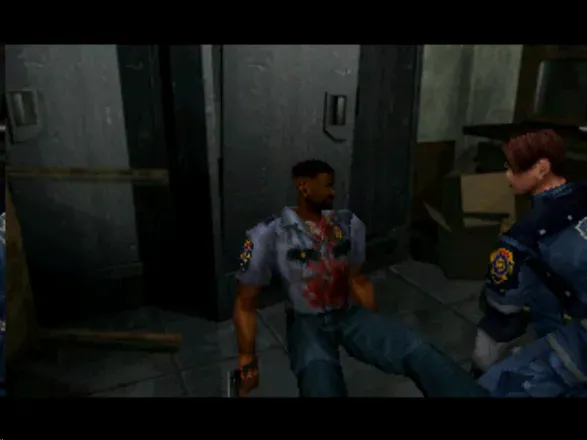
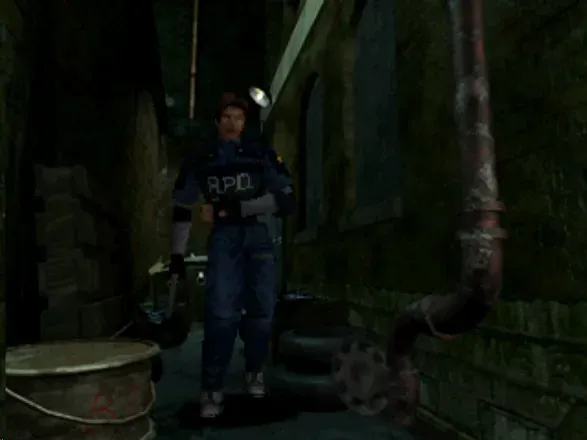
On the PlayStation, the game uses pre-rendered backgrounds, fixed camera angles, and cinematic scene framing to maximize atmosphere within the limits of the hardware. Its audio-visual presentation relies on moody environmental sound, sparse music cues, and detailed 2D-rendered locations to create the contemporary North American urban horror tone that defined the release.
Collector’s Value & Rarity
The original PlayStation release is a highly collected title because of its landmark status, strong fan demand, and the many later ports and reissues that made the first edition historically important. Standard copies are not generally considered ultra-rare, but complete, clean, and region-matched examples remain more desirable than loose discs, especially for collectors focused on first-run PlayStation horror titles.
Packaging interest is strongest around regional printings and the later Dual Shock Version, which is distinct from the launch release and adds controller support plus extra features. Physical completeness matters: cases, inserts, manuals, and region-specific release details are central to valuation, and the game’s long cross-platform life means collectors often distinguish the original 1998 PlayStation edition from later versions very carefully.