
“`html
Introduction
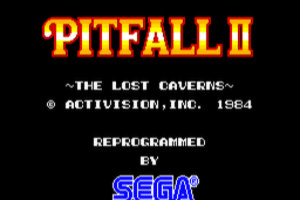
Released in 1984 by Activision, Pitfall II: Lost Caverns is a classic platforming video game that serves as a sequel to the original Pitfall! game. This title was primarily designed for the Atari 2600, but it was also ported to other platforms, such as the Atari 5200, the Apple II, and the Commodore 64.
Gameplay
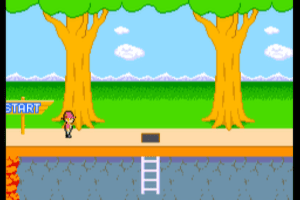
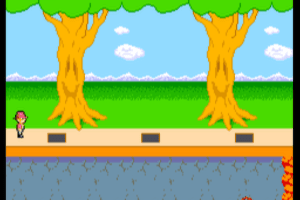
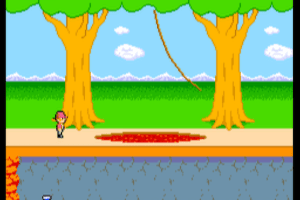
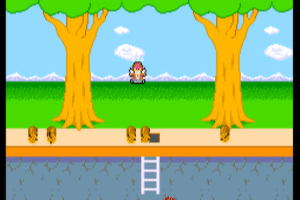
The game follows the protagonist, Harry, as he ventures through an underground labyrinth to rescue his niece Rhonda, his pet Quickclaw, and recover a lost treasure. Players guide Harry through treacherous environments filled with enemies and obstacles, featuring rivers, bats, and scorpions. The variety of challenges presented in the game provides players with an engaging and immersive experience.
Innovative Features
One of the most notable features that set this game apart from its predecessor is the addition of a continuous music score, which was a remarkable technological achievement for its time. Furthermore, the game includes a unique checkpoint system (represented by balloons) that allows players to restart from certain points rather than the beginning, reducing the frustration of starting over after losing a life.
Historical Significance
In the realm of early video games, this game holds a special place due to its technological advancements and influence on the platforming genre. It introduced new gameplay mechanics that were innovative for its era, with elements that enhanced the replayability and depth of the gaming experience.
Curiosities
The game’s creator, David Crane, was a pioneer in video game design and development. Notably, he was able to implement a more advanced graphical and sound capability than typically found on the Atari 2600, illustrating his technical skill and creativity. The success of this game further cemented Activision’s reputation as an influential and innovative force in the early days of video gaming.
“`