

Historical Context & Trivia
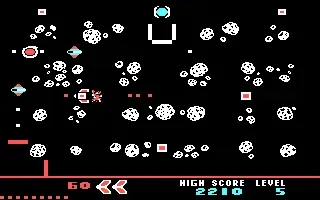
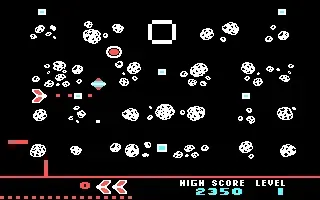
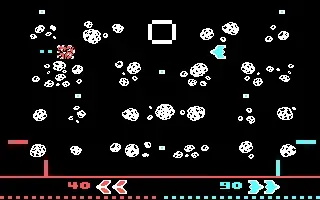
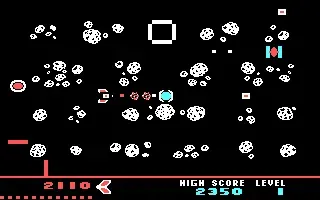
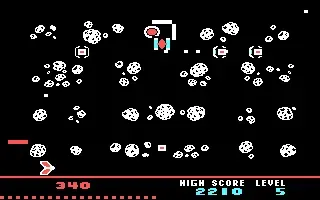
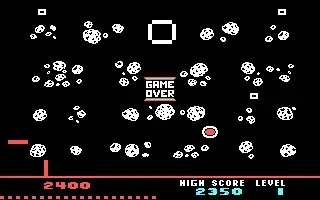
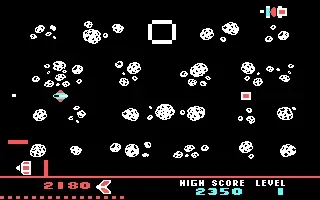
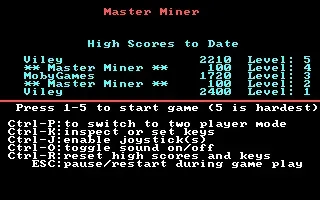
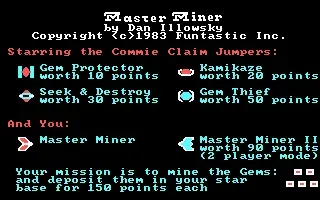
Master Miner (1983) is a compact IBM PC booter action title from Funtastic, Inc., best understood as part of the early wave of PC shareware-era and disk-only arcade-style games rather than as a mainstream retail landmark. The available record identifies it as a maze shooter in which players collect diamonds while evading bandits, and later descriptions emphasize its simultaneous two-player mode as a distinguishing feature for the period.
Dan Illowsky is the credited creator in the surviving documentation, and the game is also linked to his earlier Snack Attack for the Apple II. The evidence suggests a small-scale in-house release built around direct action and replay value, with no indication in the supplied sources of a large publishing footprint or broad commercial distribution.
Gameplay & Technical Features
Master Miner uses straightforward action gameplay structured around maze navigation, item collection, and avoidance of enemy hazards. The core loop is simple: gather diamonds while staying ahead of hostile bandits or alien-style pursuers, with the second source describing cooperative or competitive two-player play against the computer or against each other.
As a PC Booter, it would have launched directly from disk rather than from a general-purpose operating system, a common approach for early IBM PC games that wanted faster loading and tighter control over hardware. The surviving material points to a lightweight presentation designed for the limits of early PC graphics and sound, with the focus placed on direct playability rather than elaborate audiovisual production.
Collector’s Value & Rarity
Master Miner appears to be a relatively obscure preservation item, and the limited number of accessible references suggests that surviving copies may be uncommon among collectors of early IBM PC software. Its value is therefore likely driven more by documentation scarcity, early-PC historical interest, and bootable-disk format appeal than by mainstream fame.
Because it was issued as a self-booting disk, the most important physical details for collectors are usually the original disk media, label, and any accompanying paperwork if present. No verified evidence in the supplied sources points to major regional variants or elaborate packaging differences, so any rarity assessment should stay anchored to the core release format and preservation status rather than speculation.