

Historical Context & Trivia
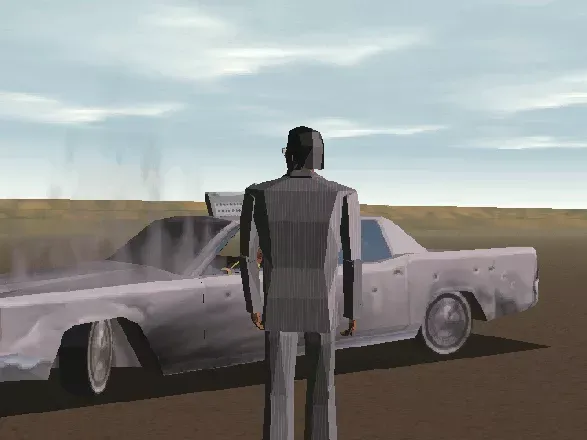
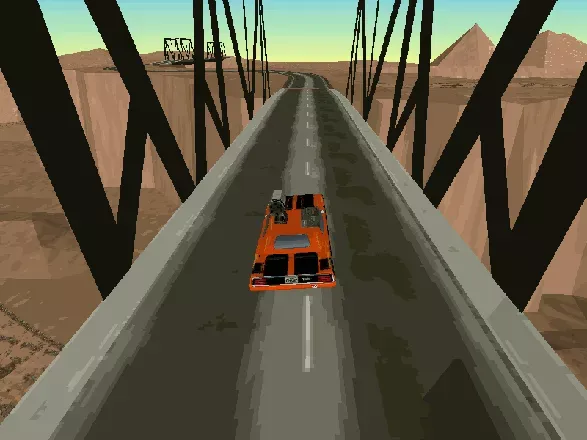
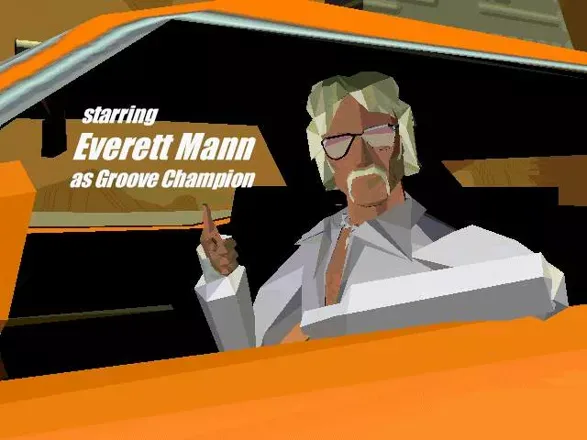
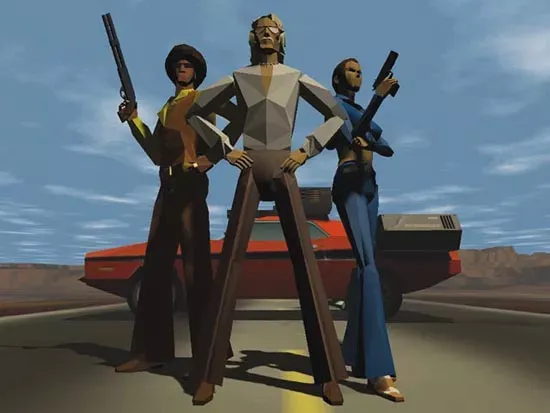
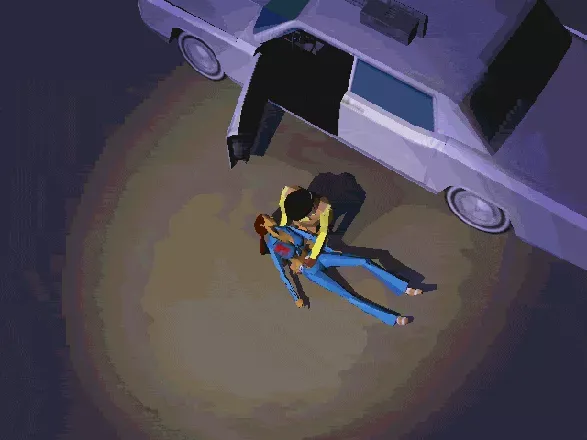
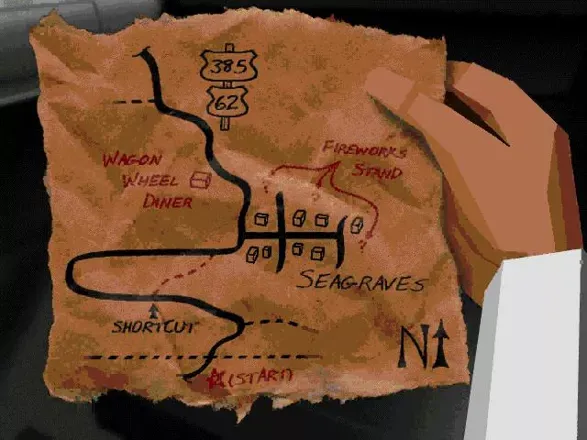
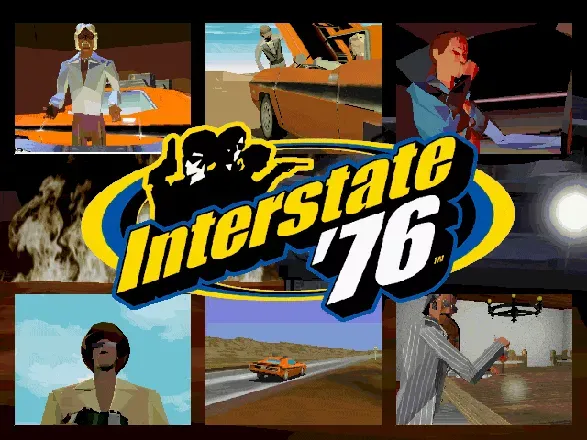
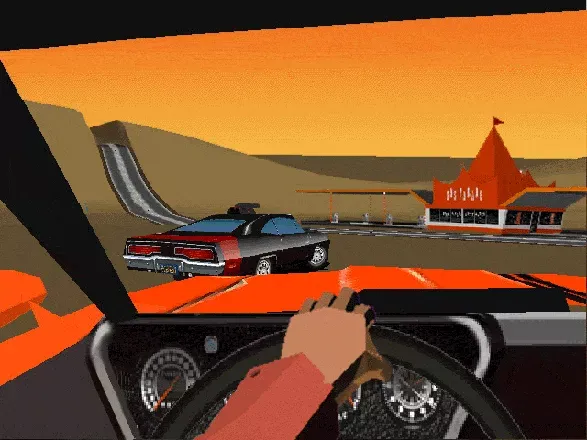
Interstate ’76 (1997) is a distinctive vehicular combat title from Activision that carved out a memorable identity through its alternate-history Americana, 1970s styling, and muscle-car vigilante fantasy. Set in a fictionalized Southwest where the oil crisis has deepened into social collapse, it centers on Groove Champion and his revenge-driven road trip, a premise that helped the game stand out among 1990s action racers.
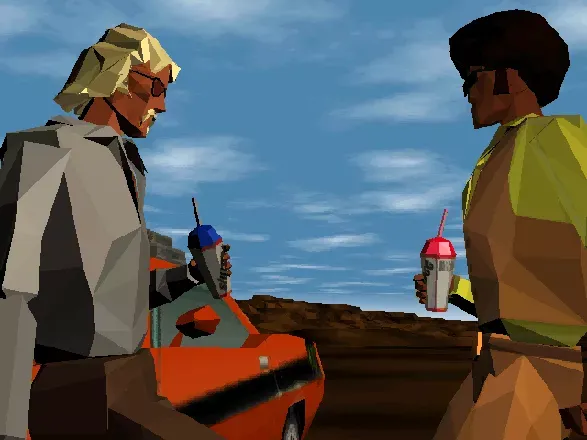
The game is widely associated with the creative lineage of the MechWarrior 2 era, and multiple retrospective sources note that it used a version of that technology while shifting the action from giant robots to armed cars. Its presentation leaned heavily into a stylized black-culture-influenced soundtrack and character-driven flair, which is why it is still remembered as a cult classic rather than a generic combat racer.
Gameplay & Technical Features
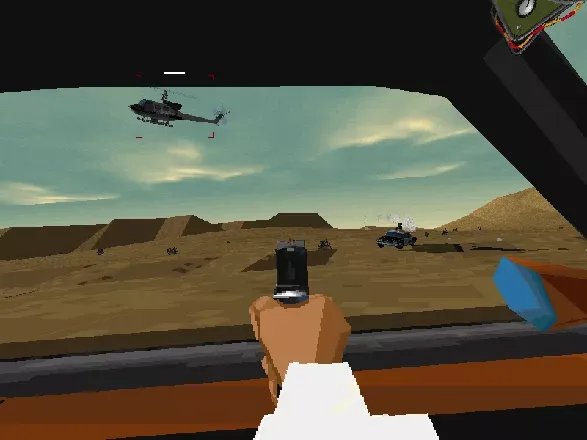
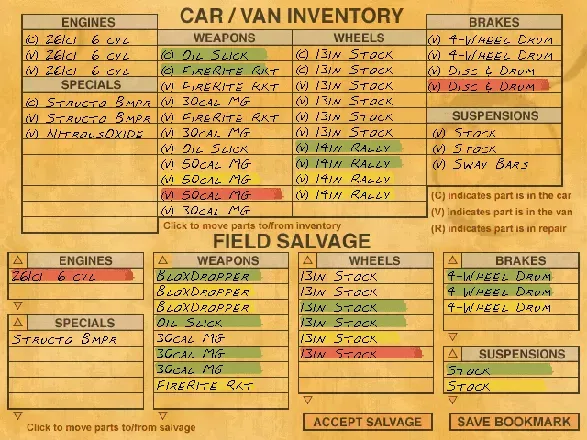
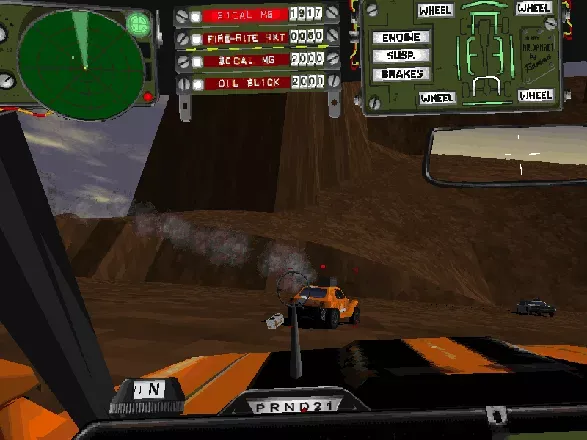
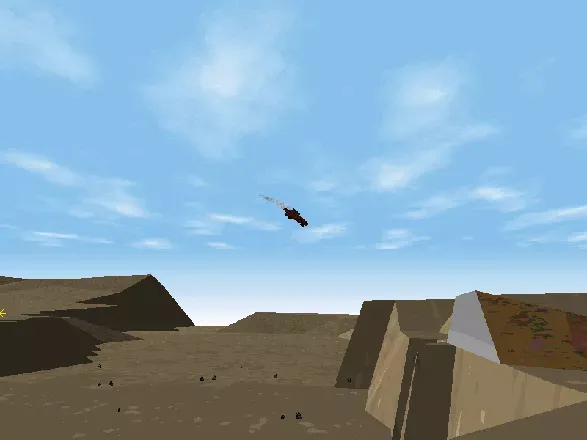
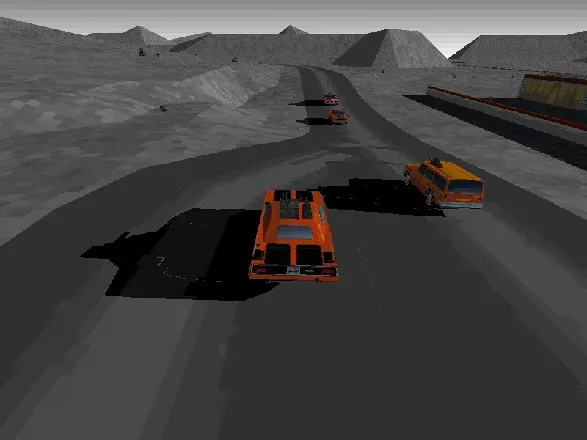
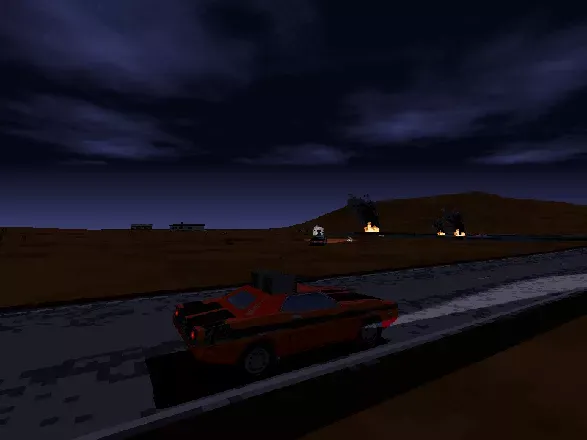
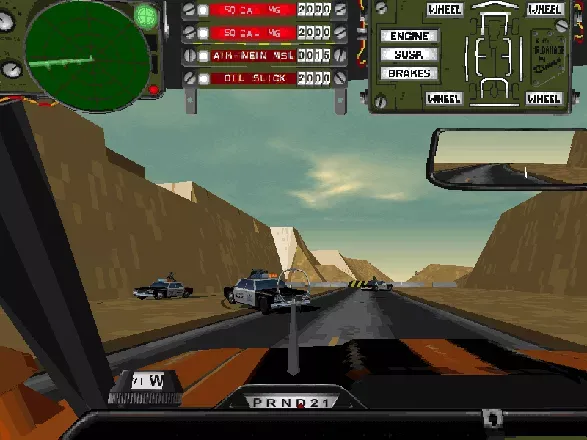
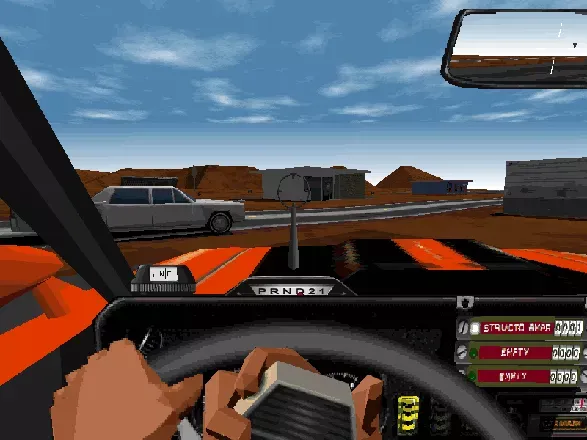
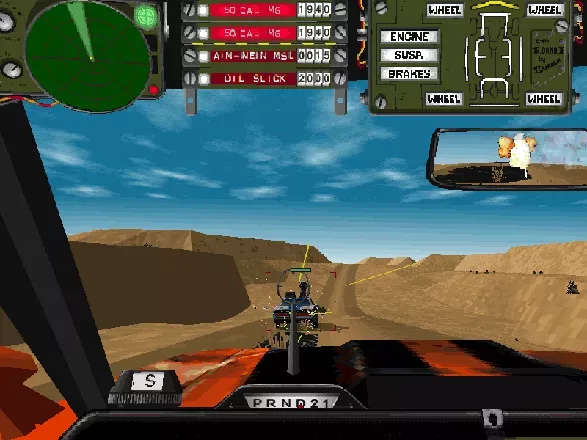
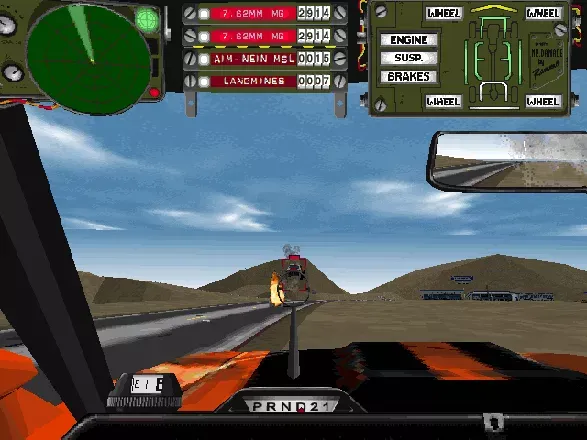
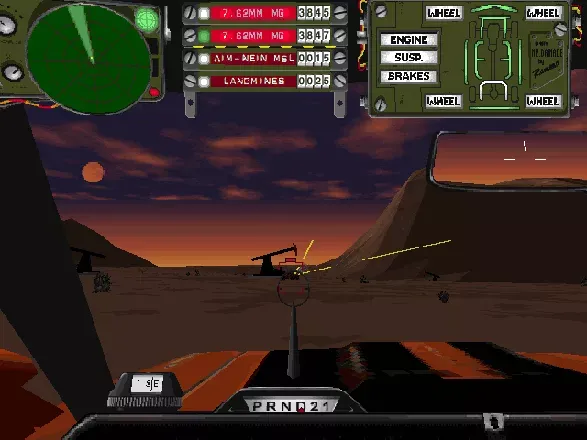
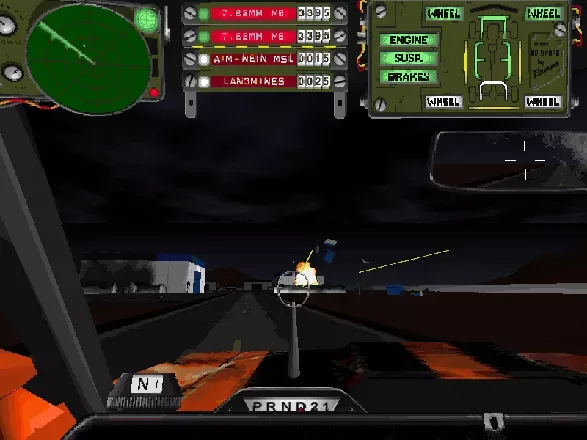
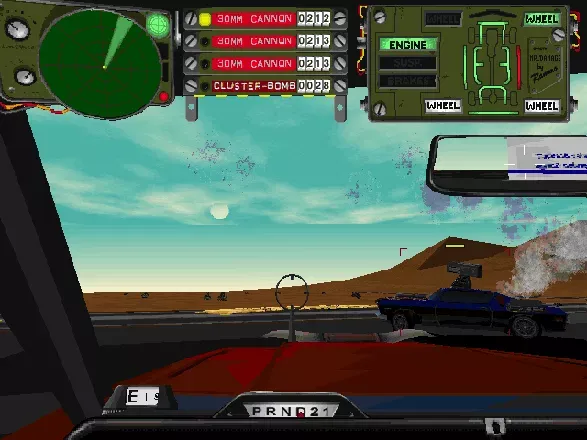
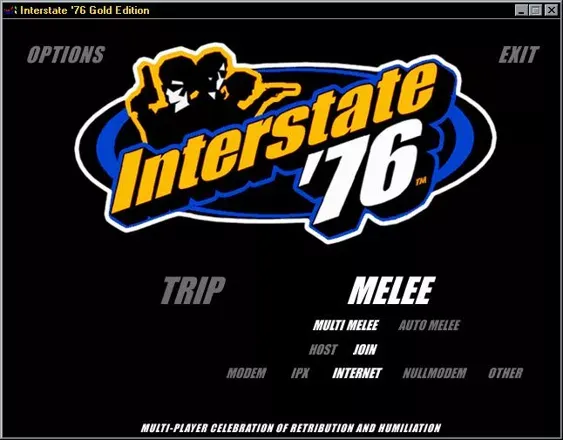
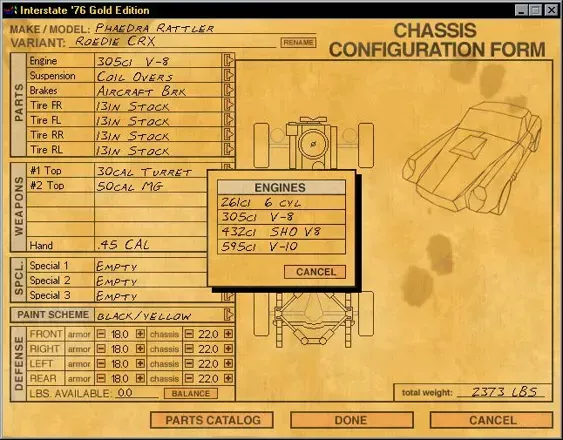
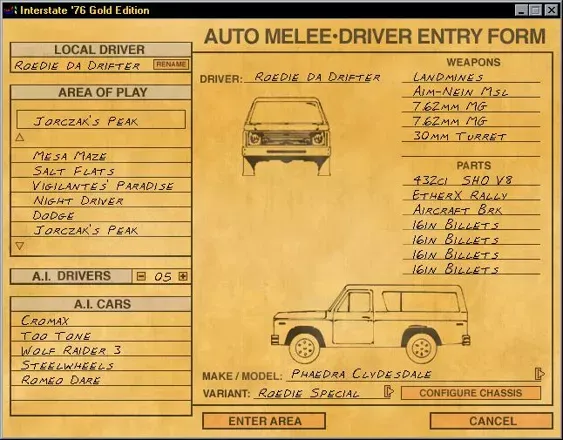
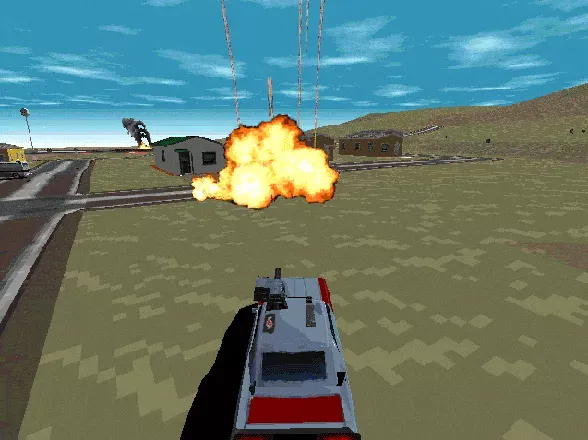
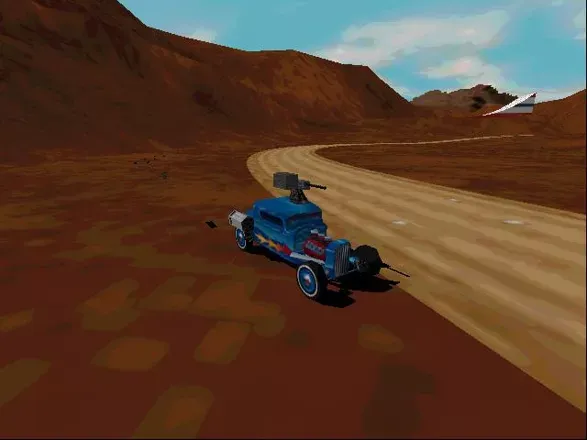
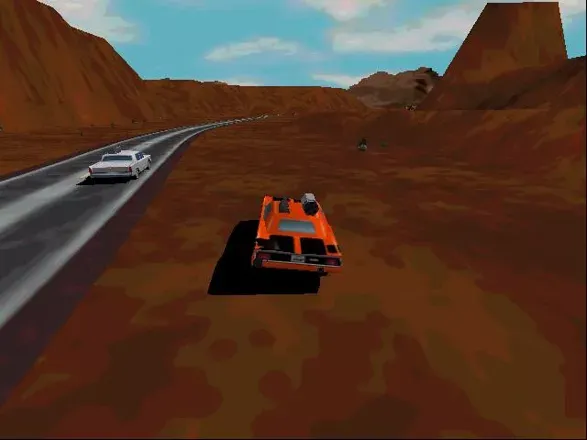
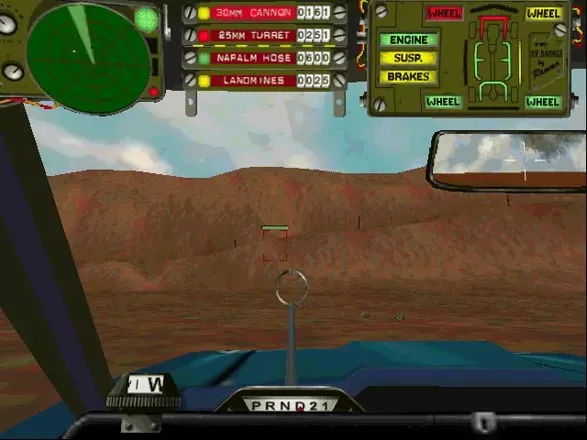
As an action racing / driving game, Interstate ’76 blends mission-based vehicle combat with upgrade progression, allowing the player to arm and reinforce a car for firefights across open Southwestern environments. Its structure includes a scripted campaign and multiplayer-style combat, with emphasis on handling, weapon placement, and tactical positioning rather than pure speed.
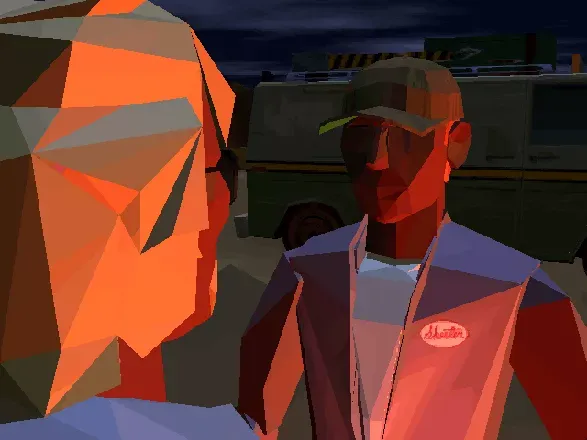
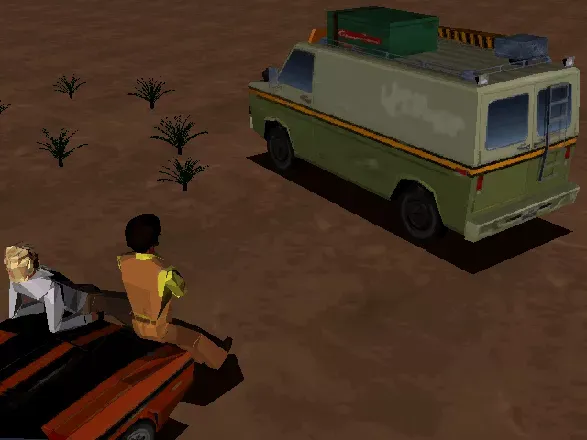
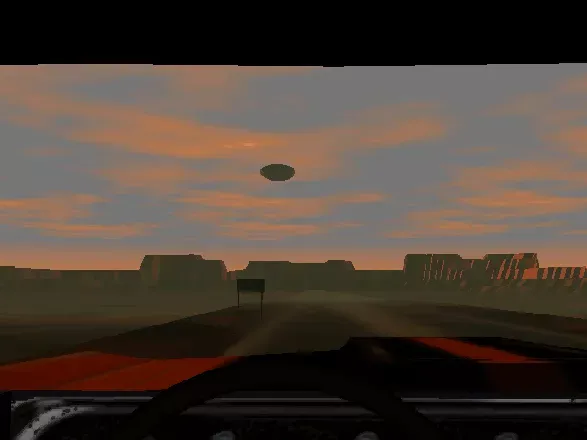
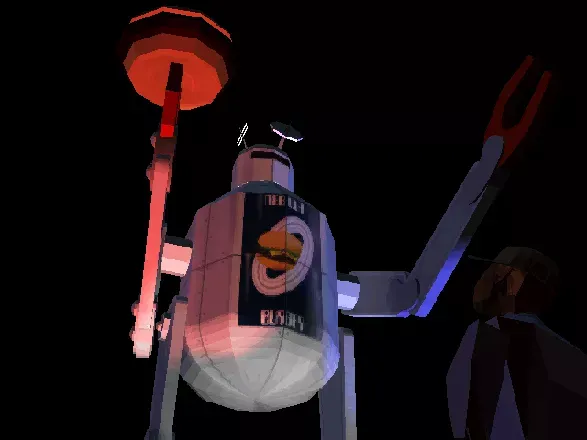
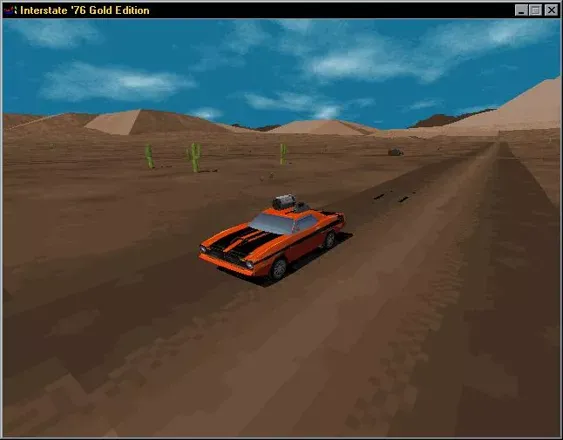
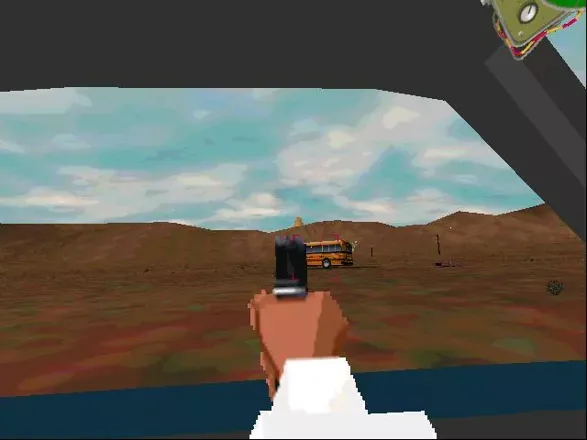
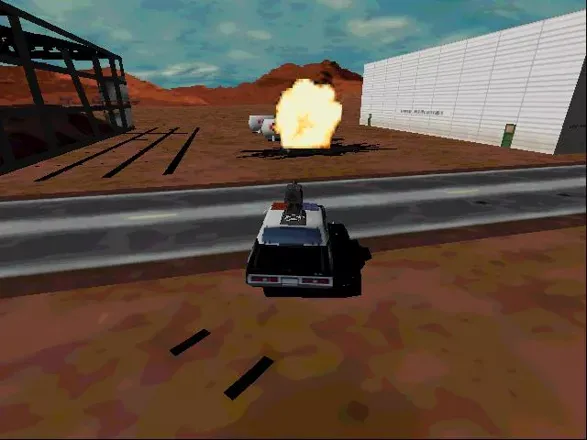
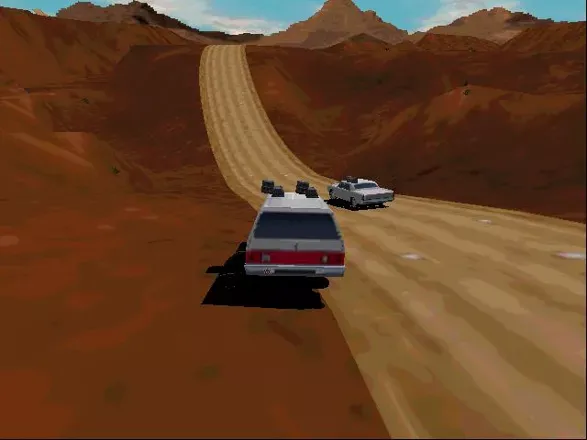
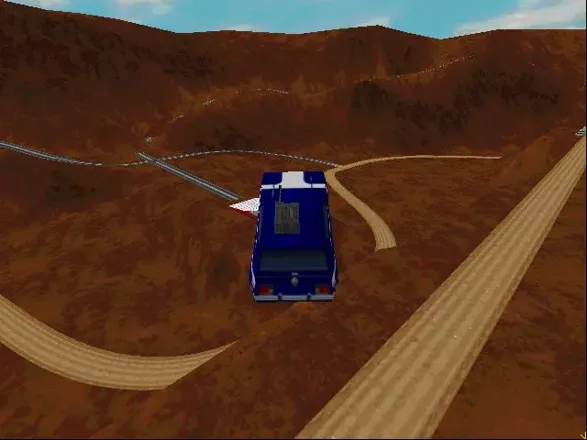
On Windows, the game used late-1990s 3D rendering technology and polygonal models that were intentionally stylized, giving it a rugged low-poly look that matched its retro-futurist setting. Its audiovisual identity is especially notable for the funk-heavy soundtrack and expressive tone, while the physical simulation was described as grounded enough to feel weighty without sacrificing arcade accessibility.
Collector’s Value & Rarity
Interstate ’76 is generally regarded as a cult PC collectible rather than a rare museum piece, but its preservation value is high because it represents a very specific moment in Windows gaming and vehicular-combat design. Original retail copies remain of interest to genre collectors, especially because the game’s reputation rests as much on its atmosphere and presentation as on its mechanics.
Later distribution and compatibility efforts are part of its preservation story, including re-release access through modern PC storefronts and community workarounds for older rendering paths. Physical editions may vary by region and packaging, and items such as the manual, original disc, and any included registration or insert materials are the most relevant collateral for collectors focused on completeness.