

Historical Context & Trivia
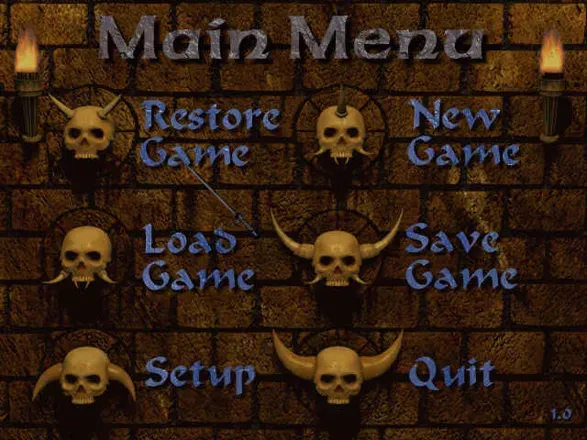
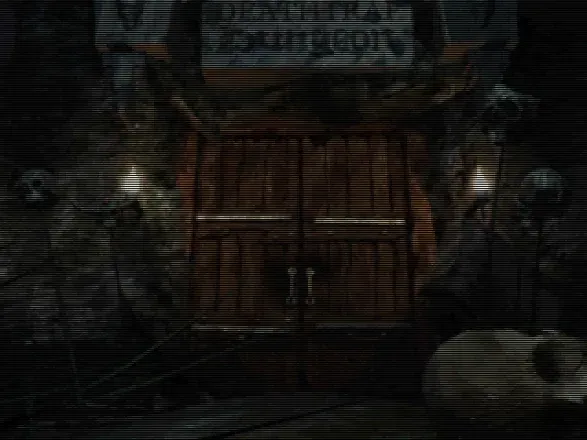
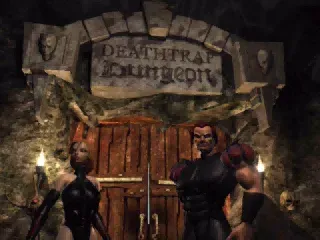
Ian Livingstone’s Deathtrap Dungeon (1998) is a licensed action-adventure adaptation of the well-known Fighting Fantasy gamebook of the same name, bringing Ian Livingstone’s deadly fantasy labyrinth to Windows in the late 1990s. It arrived during a period when publishers were aggressively translating established book and tabletop properties into 3D games, and its harsh trap-heavy structure helped it stand out as a punishing, combat-driven dungeon crawler rather than a broad mainstream RPG.
Asylum Studios developed the game and Eidos Interactive published it, with the project also tied to the broader Eidos ecosystem that defined much of the era’s action-adventure branding. The release is especially notable for being Asylum Studios’ only released product, which gives the title an added preservation-era interest among collectors and historians of late-1990s PC development.
Gameplay & Technical Features
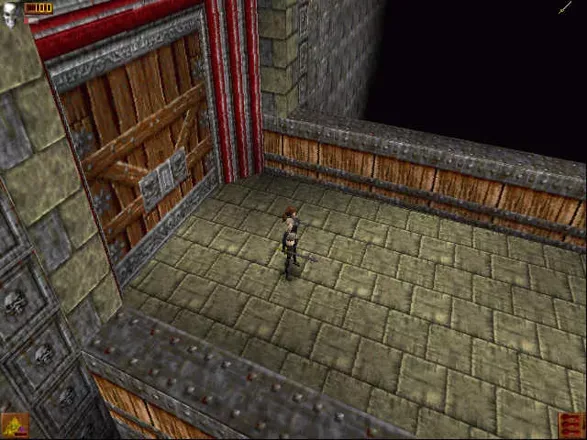
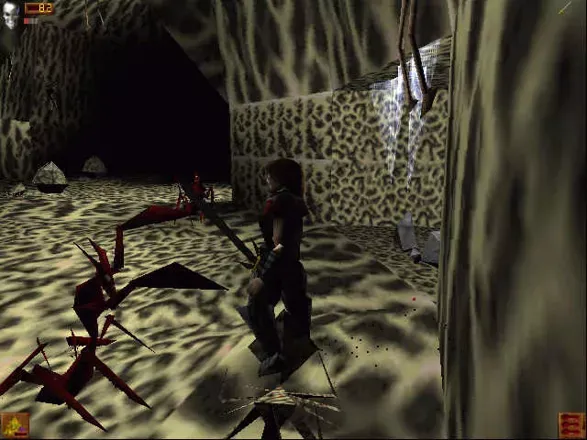
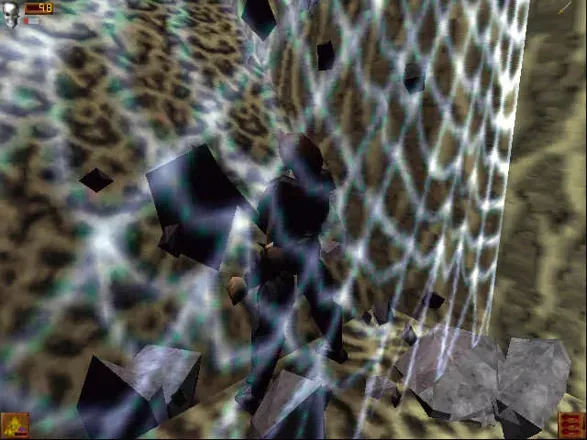
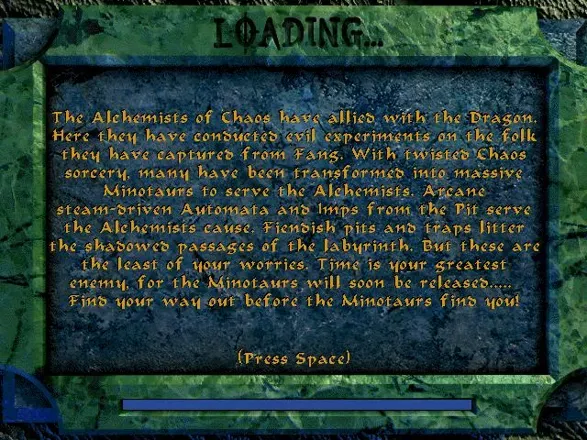
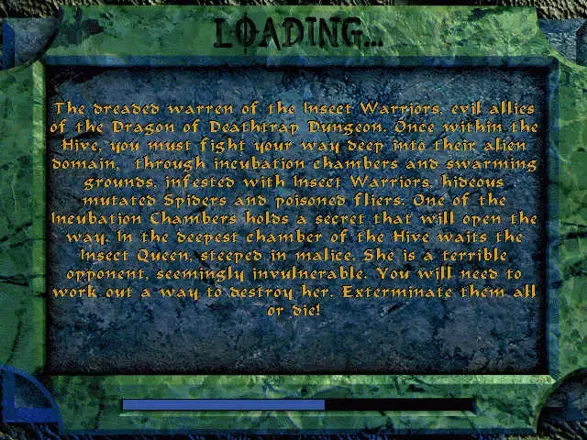
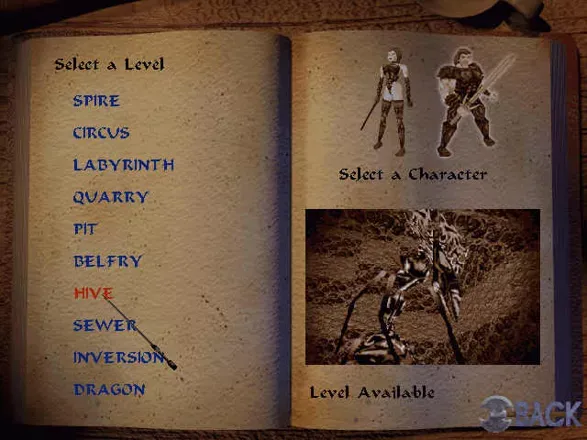
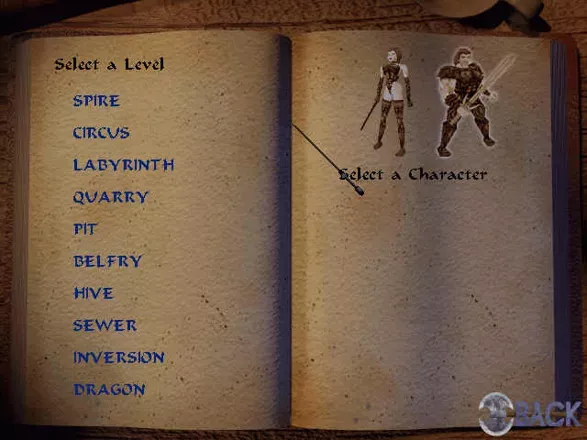
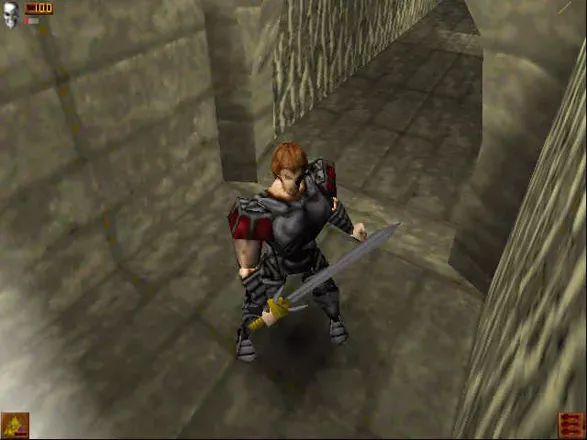
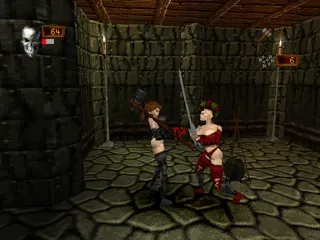
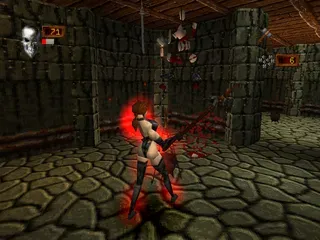
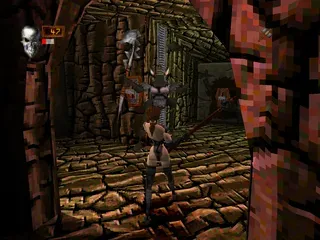
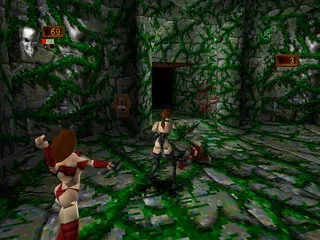
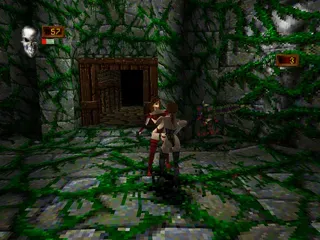
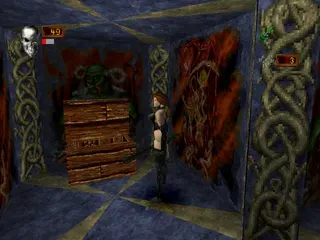
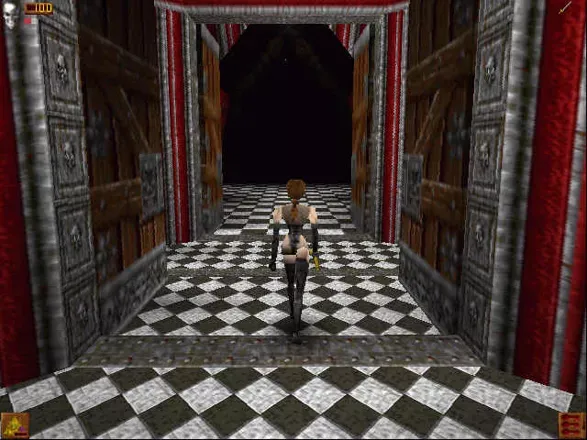
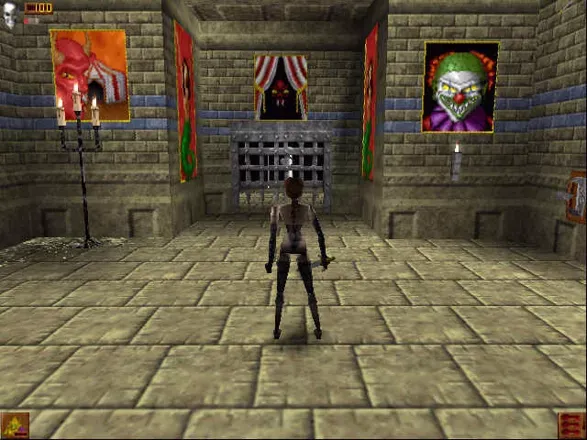
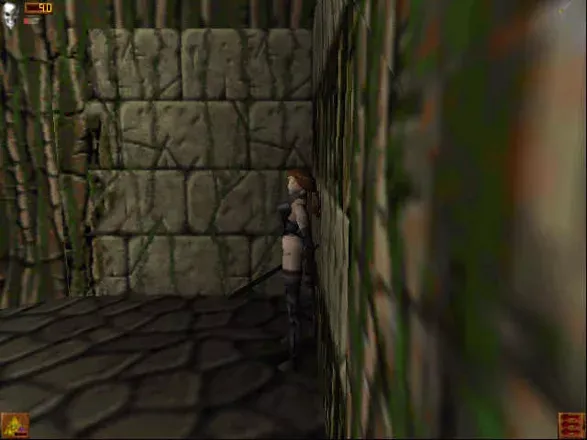
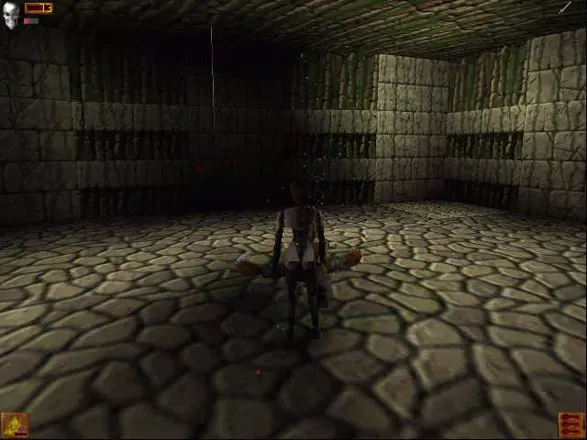
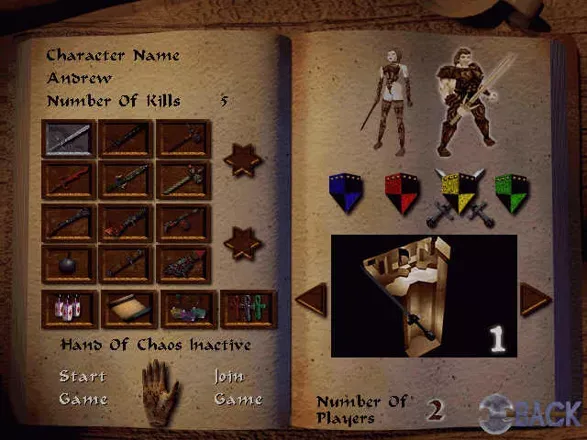
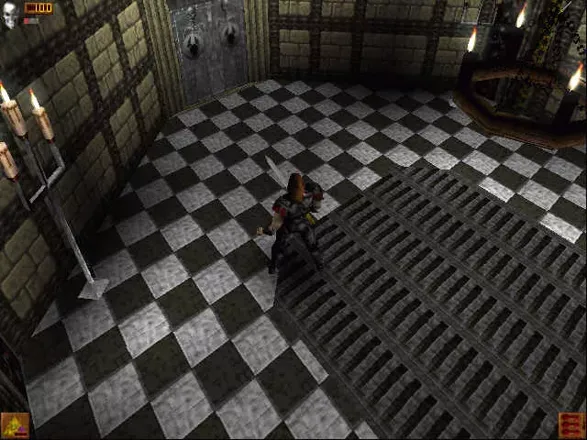
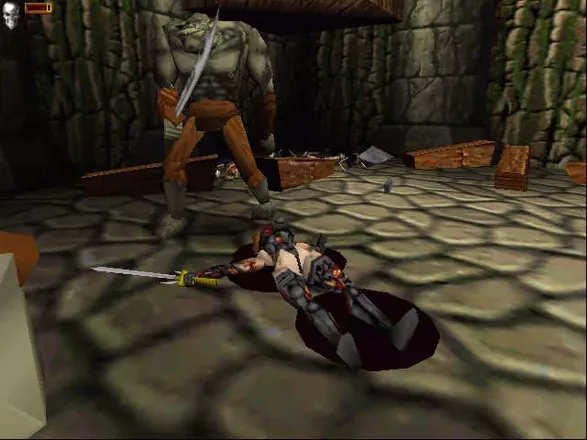
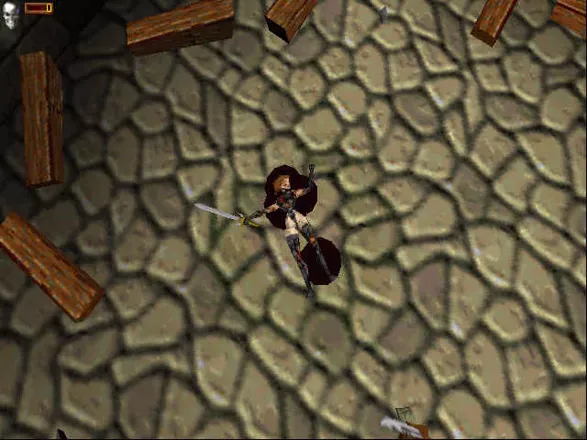
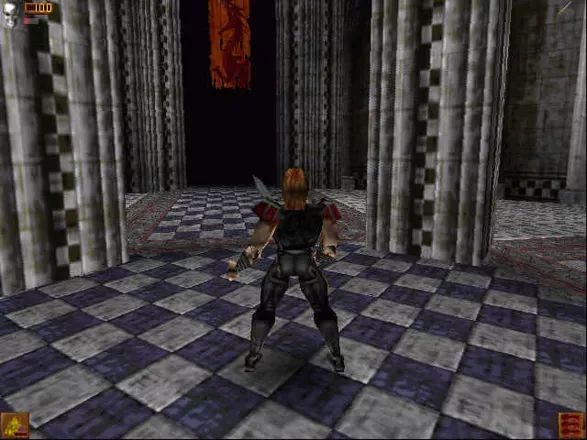
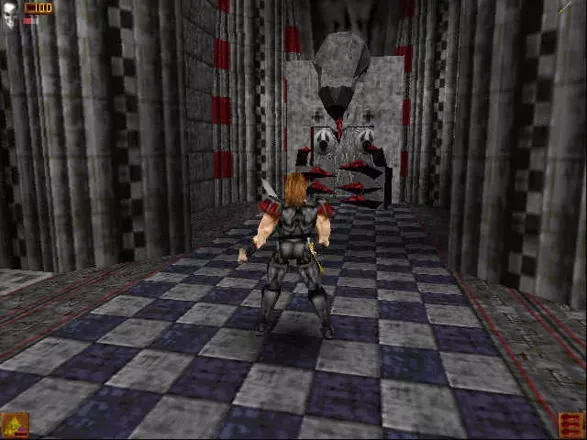
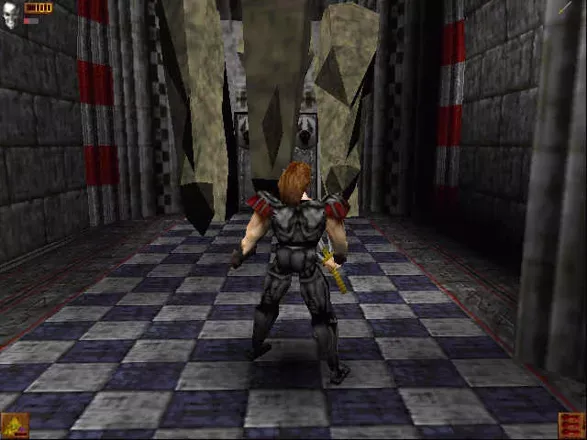
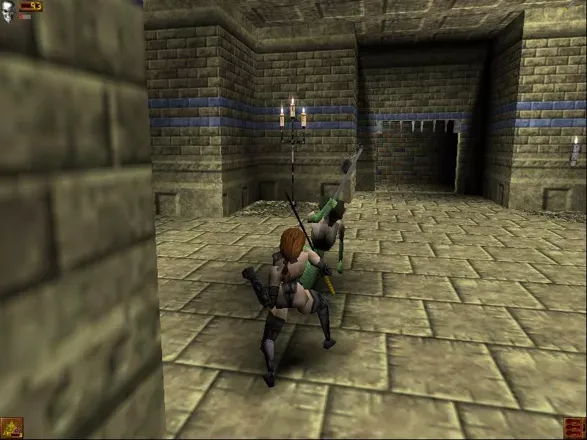
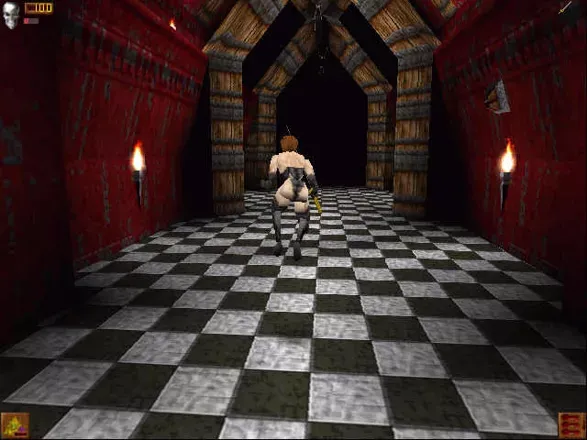
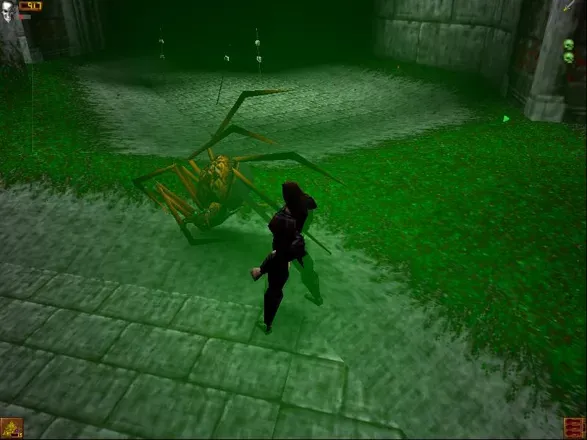
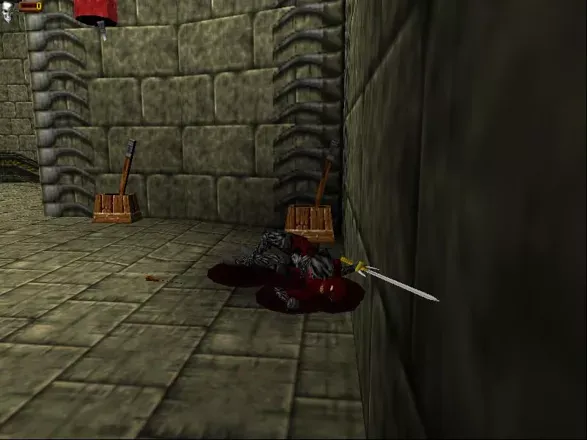
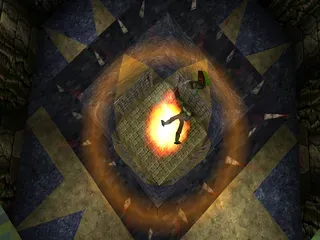
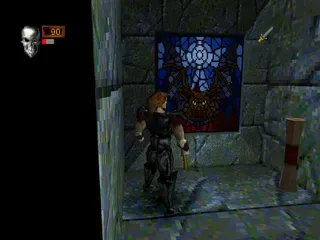
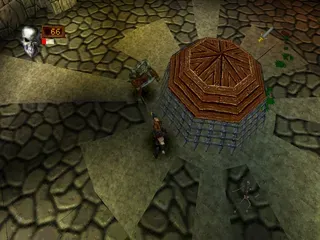
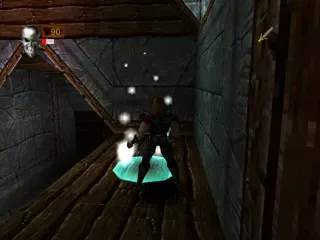
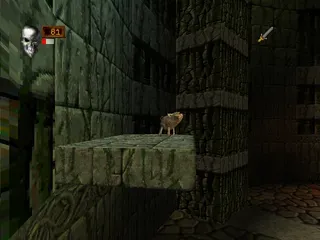
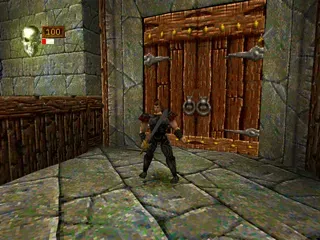
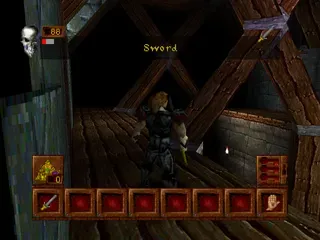
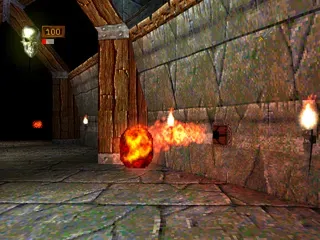
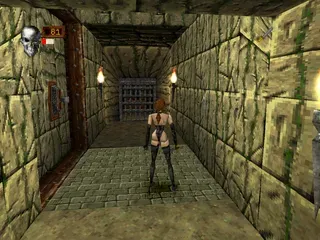
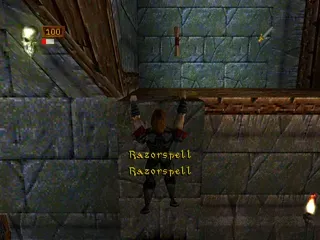
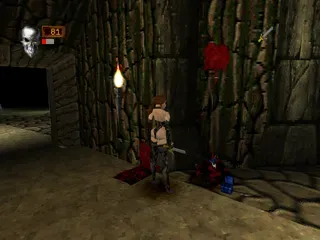
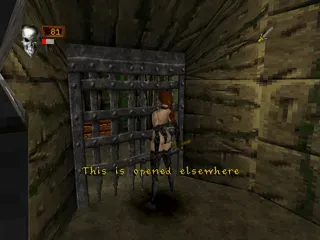
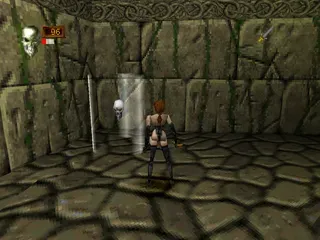
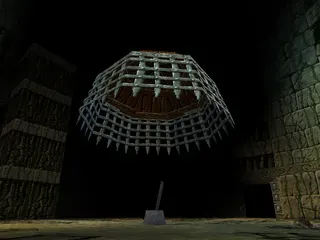
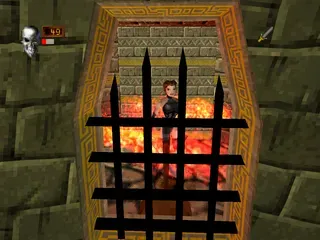
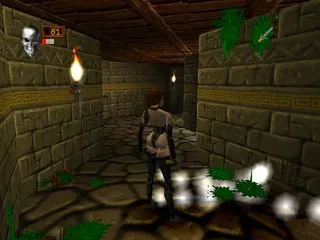
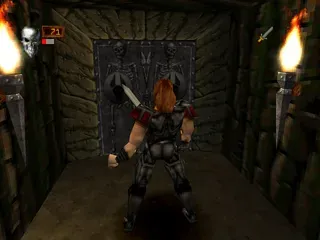
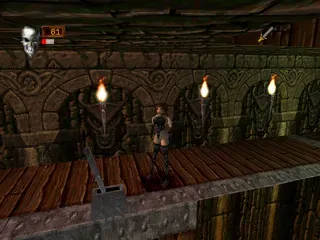
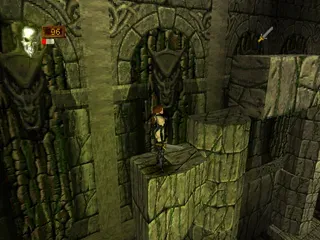
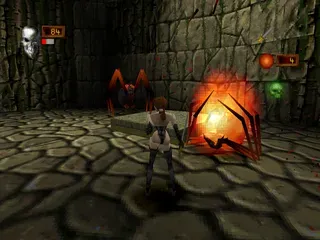
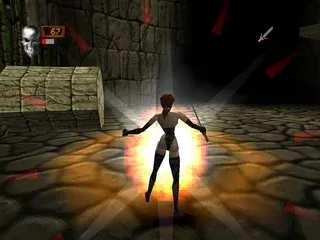
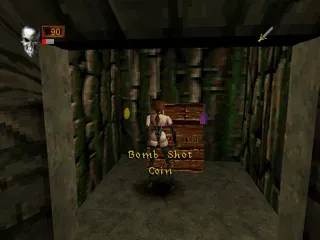
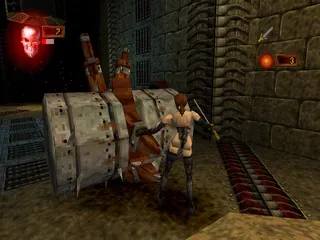
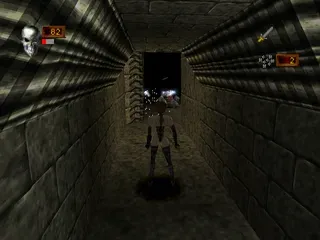
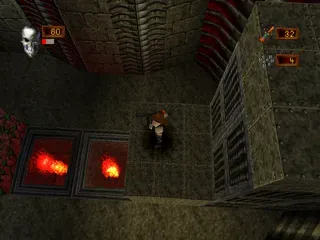
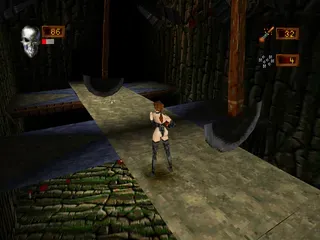
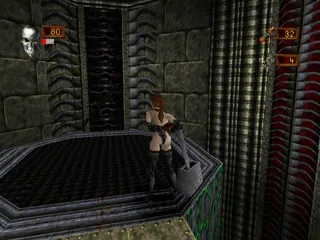
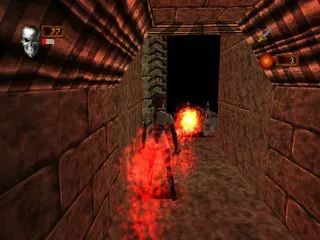
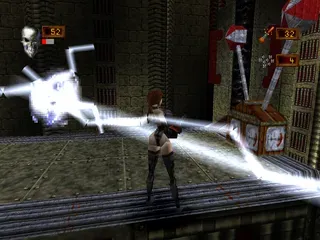
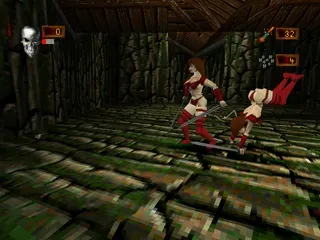
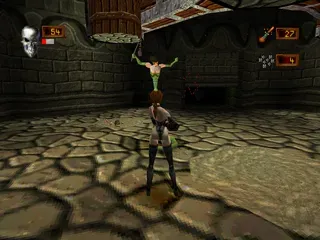
The game is an Action title built around third-person exploration, melee combat, and hazard navigation through a fantasy dungeon filled with enemies, traps, and timed obstacles. Its structure emphasizes survival and progression through a sequence of dangerous encounters, closely matching the lethal, choice-driven tone of the source material while translating it into real-time play.
On Windows, the game was designed for late-1990s PC hardware and typical Windows 95/98 systems, with 3D presentation, cinematic staging, and audio designed to support its grim fantasy atmosphere. The PC version is known for compatibility quirks on modern systems, while later digital releases were updated to address sound, music, and wrapper-related issues for contemporary play.
Collector’s Value & Rarity
Deathtrap Dungeon is not a mass-rare cult artifact in the sense of a tiny print-run homebrew, but it does occupy a collector-friendly niche because of its licensed origin, period-specific PC packaging, and the fact that physical copies are tied to a short-lived late-1990s release window. Interest is reinforced by its status as a licensed adaptation of a famous fantasy book property and by the relative obscurity of Asylum Studios in the broader games market.
Packaging can vary by region and release format, with Windows editions associated with standard CD-ROM-era retail materials rather than elaborate collector boxes. Physical collateral such as the manual, jewel case inserts, and regional label variations matters most for preservation value, especially for complete boxed copies in clean condition.