













Historical Context & Trivia
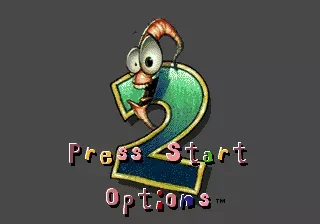
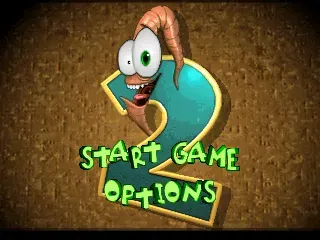
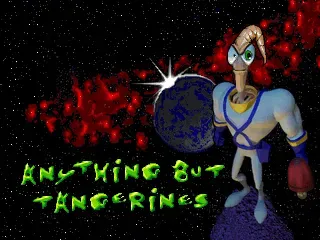
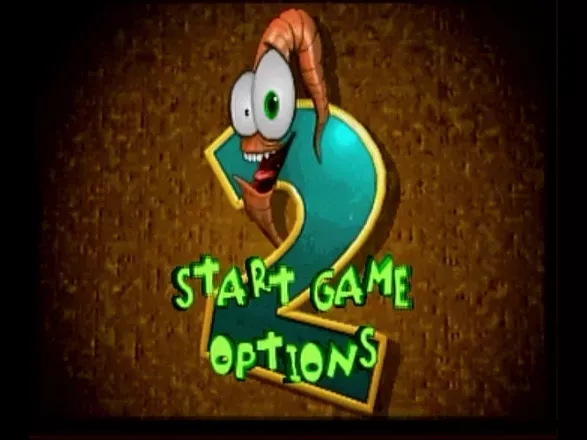
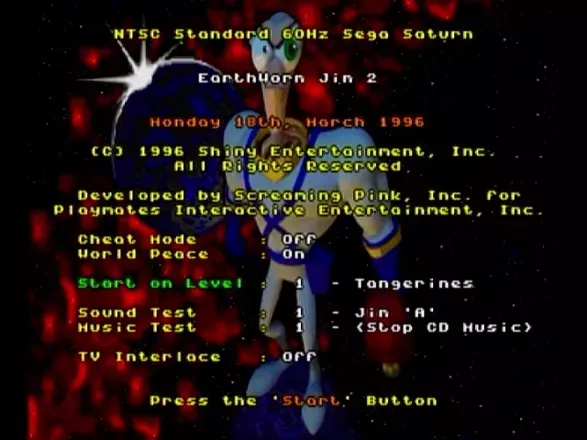
Earthworm Jim 2 was released in 1995 for the Sega Genesis as the sequel to Earthworm Jim, continuing the series’ mix of surreal humor, mascot-era attitude, and action-platform design. It arrived late in the 16-bit era and is commonly described as one of the system’s later standout action titles.
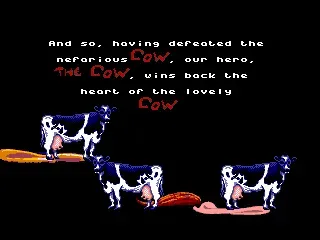
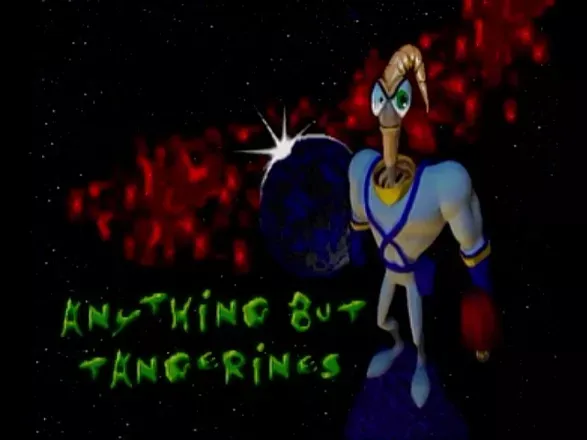
The game was developed by Shiny Entertainment and published in different regions through companies including Playmates Interactive Entertainment and Virgin Interactive. Contemporary and retrospective descriptions consistently place it as a follow-up to the original title, retaining the franchise’s cartoon absurdity and recognizable characters such as Jim, Princess What’s-Her-Name, and Psy-Crow.
Gameplay & Technical Features
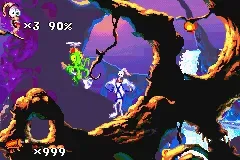
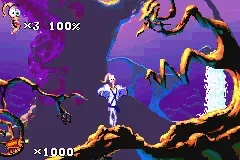
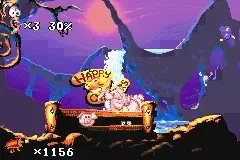
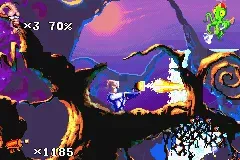
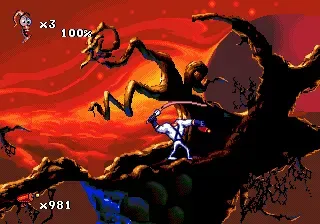
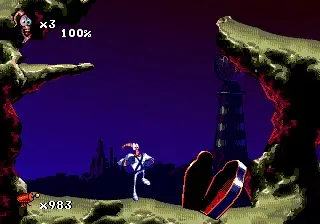
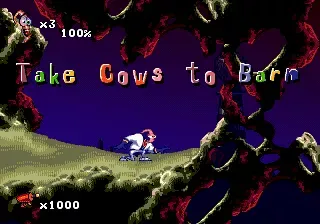
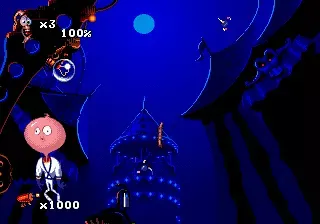
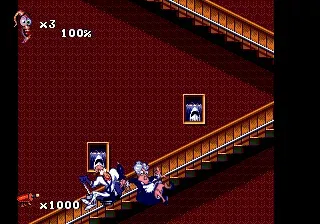
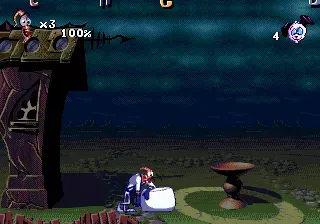
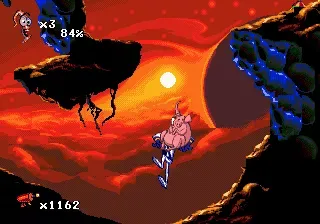
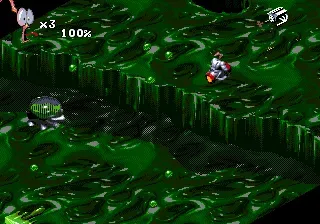
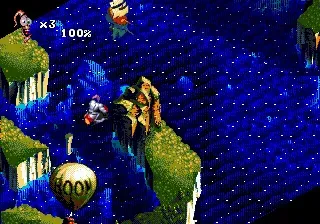
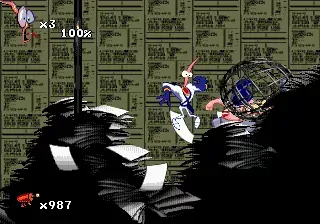
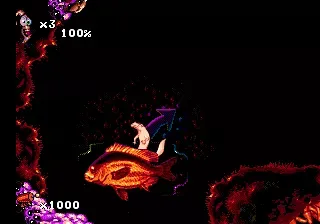
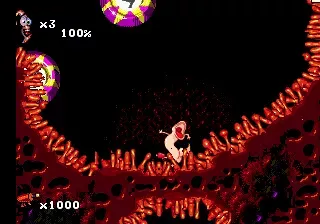
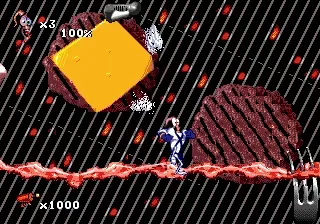
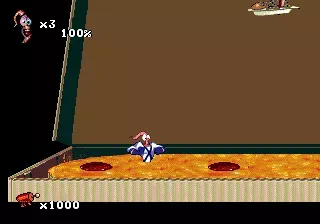
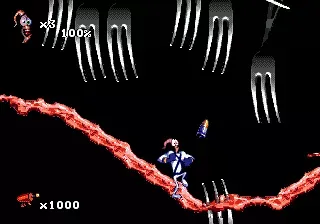
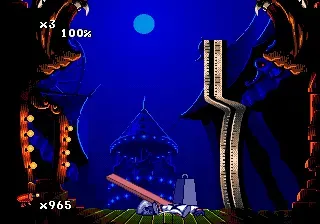
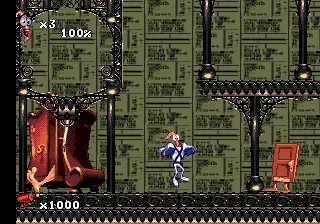
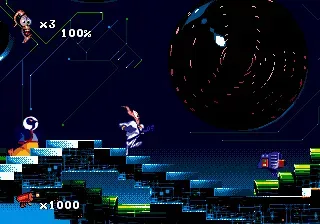
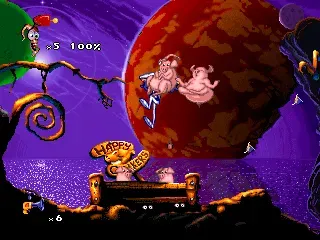
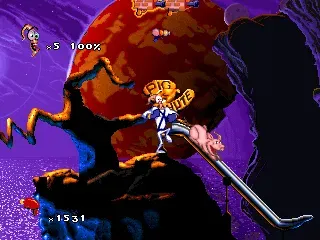
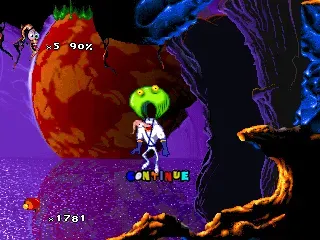
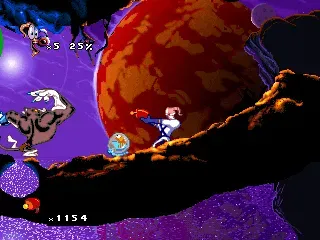
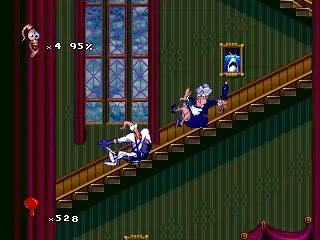
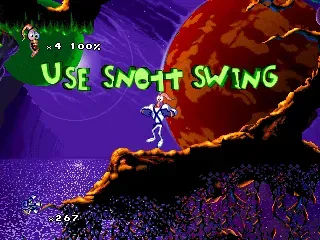
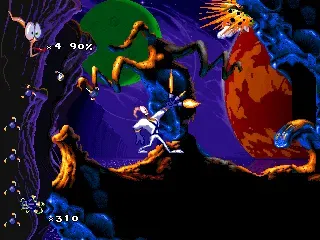
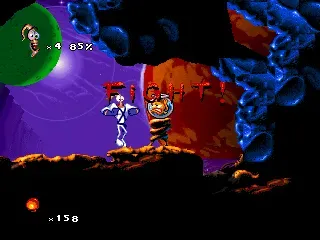
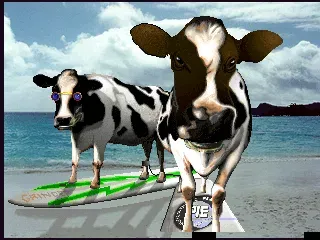
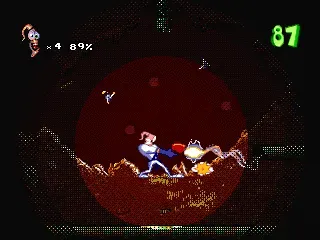
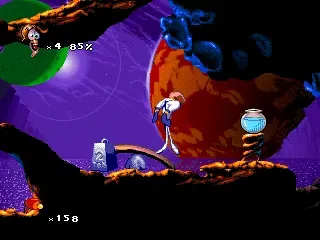
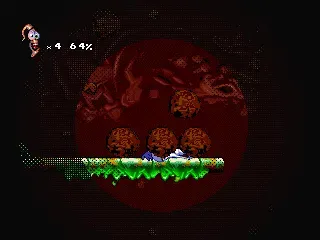
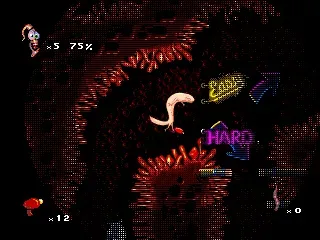
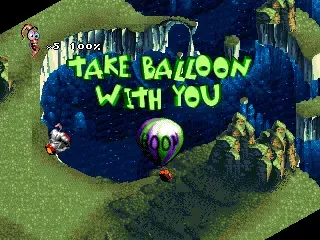
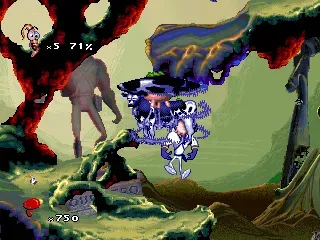
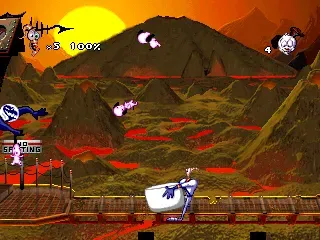
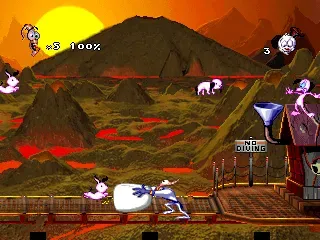
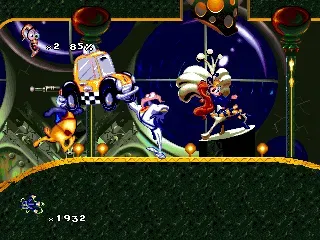
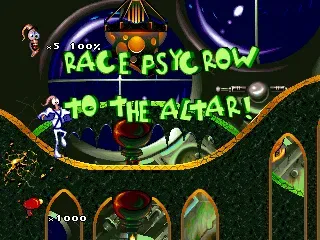
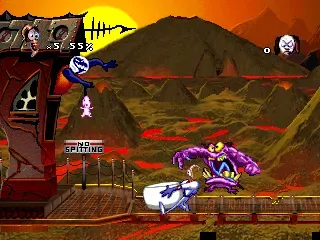
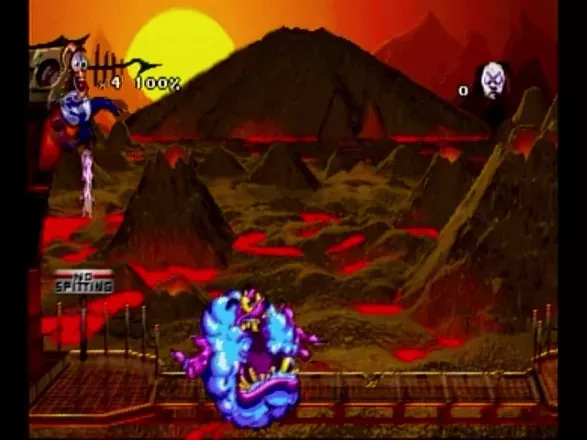
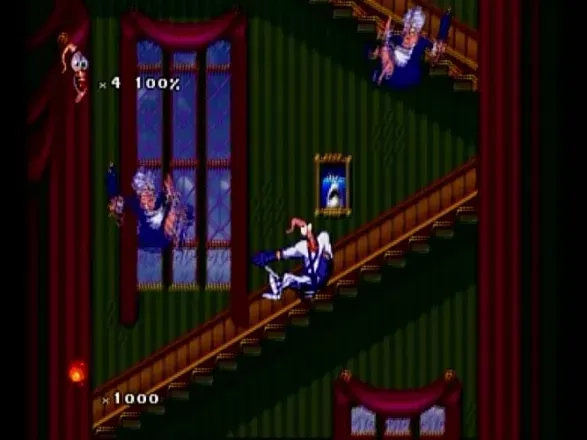
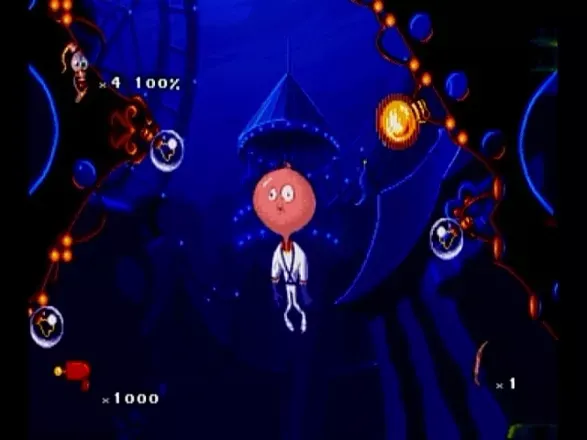
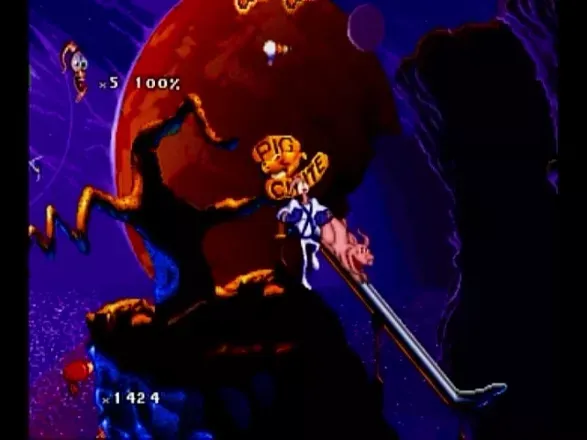
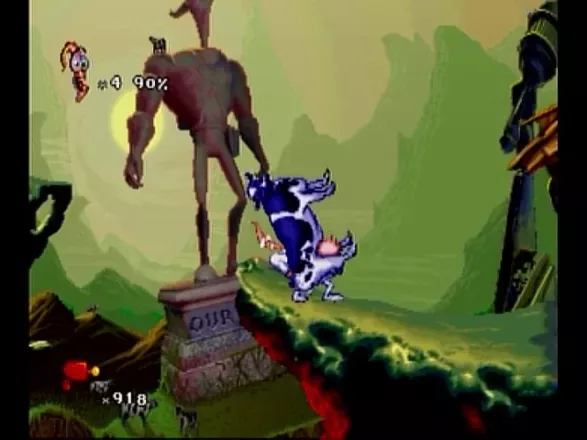
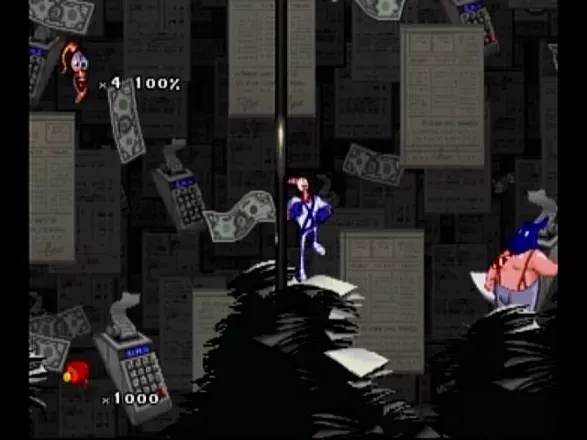
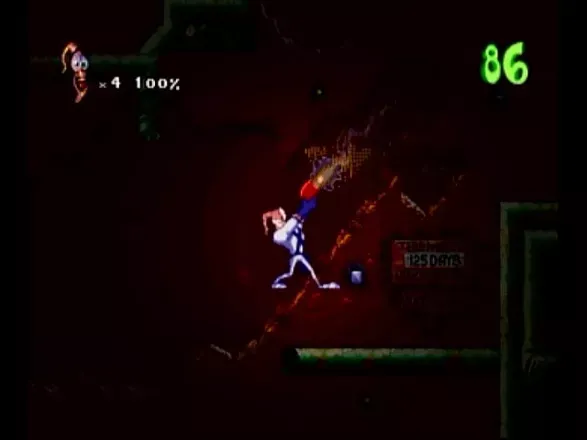
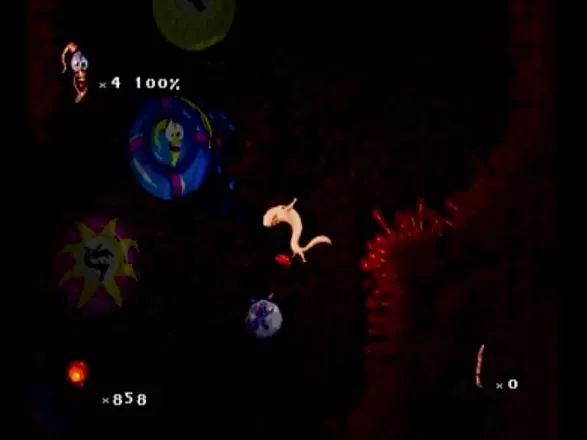
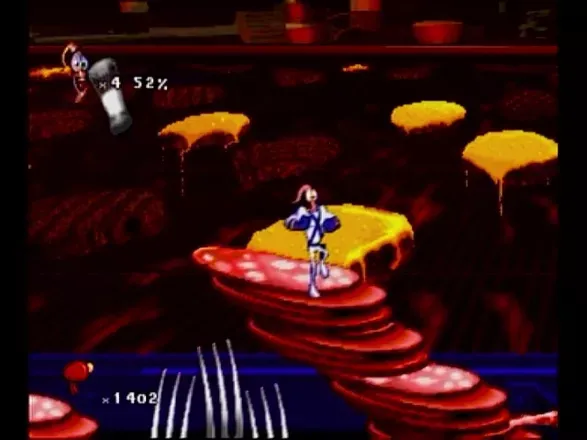
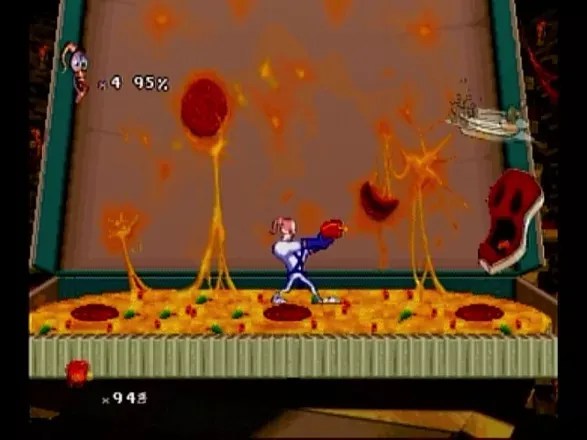
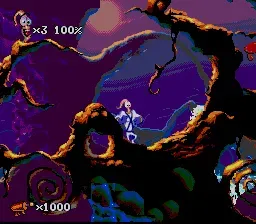
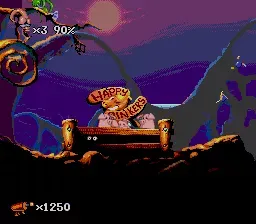
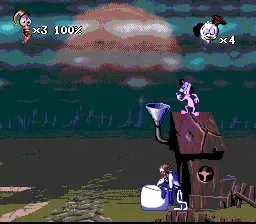
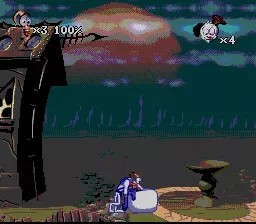
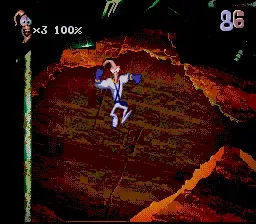
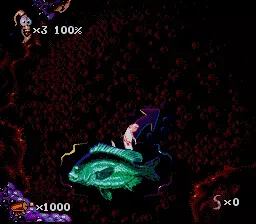
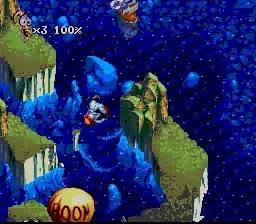
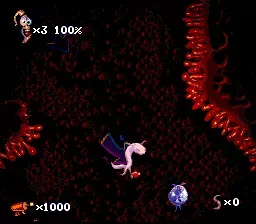
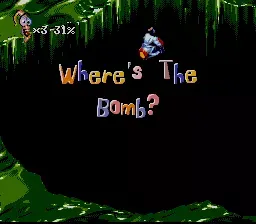
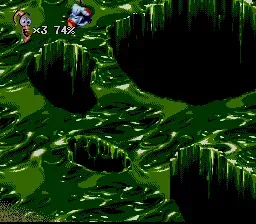
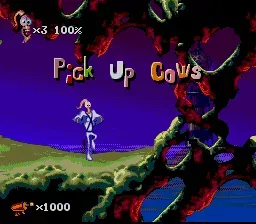
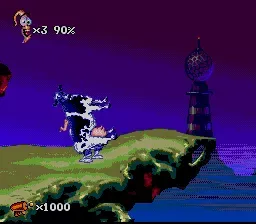
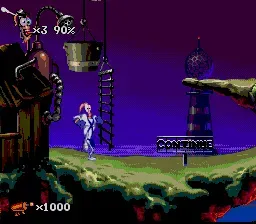
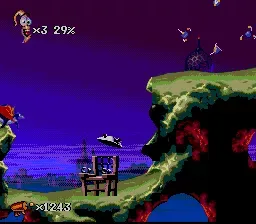
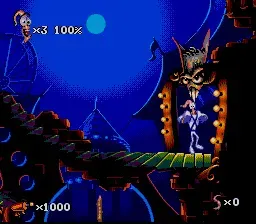
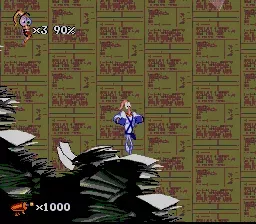
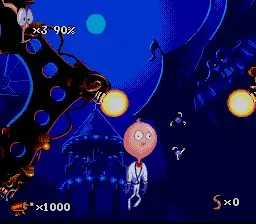
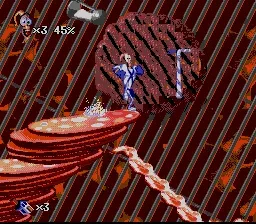
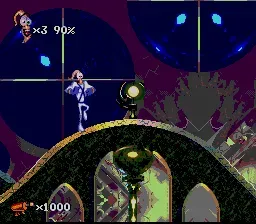
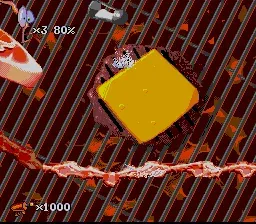
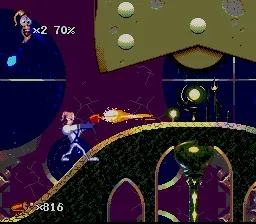
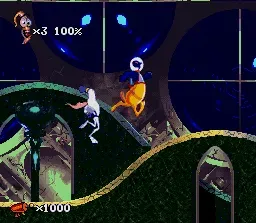
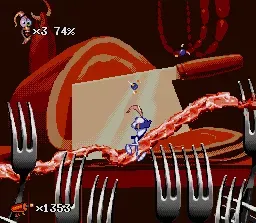
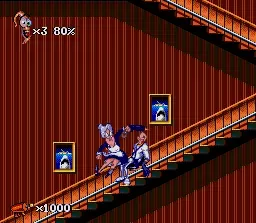
Earthworm Jim 2 is an action game built around run-and-gun platforming, with movement, jumping, shooting, and stage variety driving the experience. Sources describe gameplay that remains close to the first game while expanding the weapon set and including the series’ signature offbeat level design.
On the Genesis, the game was adapted as a late-generation 16-bit release with the visual style and animation-heavy presentation associated with Shiny Entertainment. The available material emphasizes its side-scrolling structure and platform-game framework rather than technical extremes, but it is repeatedly framed as a polished example of the system’s action-platform output.
Collector’s Value & Rarity
As a late-era Genesis release, Earthworm Jim 2 tends to attract collectors because it belongs to a well-known franchise and appeared near the end of the console’s commercial life. That timing often matters for preservation value, since later regional print runs can be less common than early mass-market releases.
Release details vary by region and publisher, with sources indicating availability across Genesis/Mega Drive and other platforms, which can create differences in box art, language, and packaging variants. For collectors, original cartridge, manual, and region-specific packaging are the key physical elements to verify when distinguishing editions.